
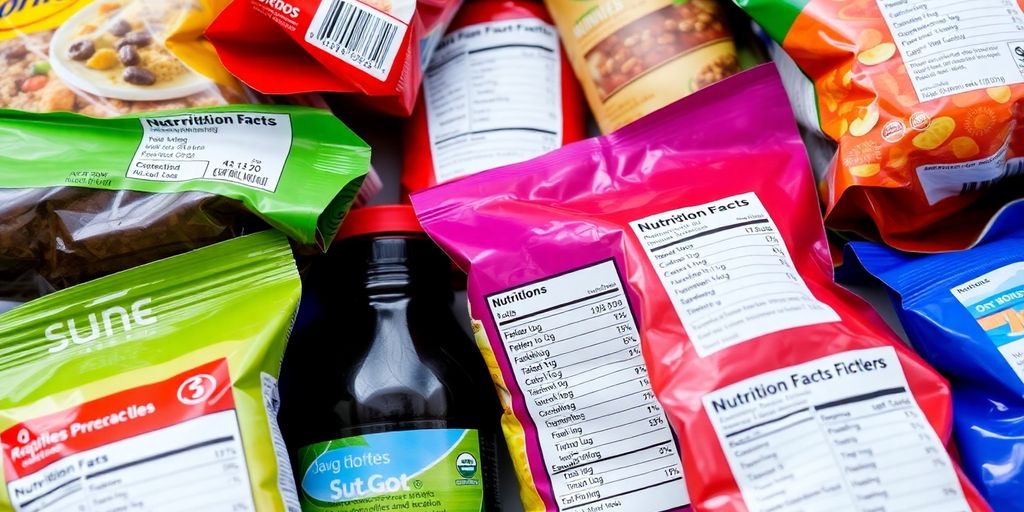
Reading nutrition labels can feel overwhelming, but it doesn’t have to be. These labels are designed to help you make informed choices about what you eat. Whether you’re trying to eat healthier or just want to understand what’s in your food, knowing how to read nutrition labels effectively is key. Let’s break it down into simpler terms so you can navigate them like a pro.
Key Takeaways
- Always start with the serving size to understand how much you’re actually eating.
- Look at the calories per serving to gauge how it fits into your daily needs.
- Pay attention to the % Daily Values to see how a food contributes to your overall diet.
- Check the ingredients list for hidden sugars and unhealthy fats.
- Be cautious of health claims on packaging; they can be misleading.
Understanding Nutrition Labels
Importance of Nutrition Labels
Nutrition labels are like cheat sheets for healthy eating. They give you the lowdown on what’s actually in your food, beyond just the marketing buzzwords on the front of the package. Think of them as your personal guide to making informed choices at the grocery store. It’s easy to grab something that looks healthy, but the label tells the real story.
Common Misconceptions
Lots of people get tripped up by nutrition labels. One big mistake is ignoring the serving size. The numbers on the label are based on that serving size, not the whole package. Another misconception? Thinking that "low fat" automatically means "healthy." You’ve gotta look at the whole picture, including sugar and sodium content. It’s about understanding the complete nutritional profile, not just one or two things.
How Labels Influence Choices
Nutrition labels can seriously impact what you buy. When you start paying attention to things like added sugars, saturated fats, and sodium, you might be surprised at what you find. This awareness can push you towards healthier options, even if it’s just swapping one brand for another with less sugar. It’s all about having the information to make better decisions.
Reading labels has changed the way I shop. I used to just grab whatever looked good, but now I actually compare products and look for things like lower sodium and higher fiber. It’s made a real difference in my diet.
Identifying Serving Sizes
Understanding Portion Control
Okay, so, serving sizes. This is where things can get a little tricky. It’s not just about how much you want to eat, but how much the nutrition information on the label actually refers to. Understanding portion control is key to accurately interpreting nutrition labels. It’s super easy to underestimate how much you’re actually consuming, which can throw off your entire understanding of the food’s nutritional value. Think of it this way: that bag of chips might seem like a single serving, but the label could say it contains, like, three.
Comparing Serving Sizes
Ever notice how different brands of the same food can have wildly different serving sizes listed? It’s annoying, right? But it’s important to pay attention. One brand of cereal might list a serving size as 3/4 cup, while another lists it as 1 cup. This makes a huge difference when you’re trying to compare the nutritional content. Always make sure you’re comparing apples to apples (or, you know, cereal to cereal) by adjusting the numbers to reflect the same serving size. For example, if you’re trying to make healthy choices at social events, remember that portion control is key.
Impact on Nutritional Intake
This is where it all comes together. If you’re not paying attention to serving sizes, you’re probably not accurately tracking your nutritional intake. Let’s say you eat two servings of something, but only read the label assuming it’s for one. You’re doubling everything – calories, fat, sugar, sodium, all of it! It’s a simple concept, but it’s easy to overlook.
It’s really important to double-check those serving sizes. Manufacturers sometimes try to make their products look healthier by listing unrealistically small serving sizes. So, be a savvy consumer and do the math yourself. It’s worth the extra minute to make sure you’re getting an accurate picture of what you’re eating.
Evaluating Caloric Content
Calories Per Serving
When you’re checking out a nutrition label, the calories per serving is a big deal. It tells you how much energy you’re getting from one serving of that food. It’s the foundation for understanding how a food fits into your daily energy needs. Manufacturers sometimes try to make you think there are fewer calories by listing unrealistic serving sizes. Always compare the serving size on the label to how much you actually eat. If you eat twice the serving size, you’re getting twice the calories!
Daily Caloric Needs
Knowing your daily caloric needs is super important. What you see on a nutrition label is often based on a 2,000-calorie diet, but everyone’s different. Your age, sex, height, weight, and how active you are all play a role in how many calories you need each day. It’s a good idea to get a sense of your personal calorie target so you can make informed choices. Don’t just blindly follow the 2,000-calorie guideline without considering your own body and lifestyle.
Caloric Density of Foods
Caloric density refers to the number of calories in a food relative to its weight or volume. Foods high in caloric density pack a lot of calories into a small amount, while foods low in caloric density have fewer calories for the same amount. Understanding this can help you make smarter choices, especially if you’re trying to manage your weight. For example, you could eat a large salad with lots of veggies for relatively few calories, or a small handful of nuts that contains a similar amount of calories. Choosing foods with lower caloric density can help you feel full while consuming fewer calories.
It’s not just about the number of calories, but also where those calories are coming from. Are they from nutrient-rich foods or from empty calories like sugar and unhealthy fats? Pay attention to the overall nutritional profile of the food, not just the calorie count.
Here’s a simple breakdown:
- Low Calorie: 40 calories or less per serving.
- Reduced Calorie: At least 25% fewer calories than the regular version.
- Consider hydration strategies to help manage hunger and calorie intake.
- Pay attention to serving sizes; they can be misleading.
Decoding Nutrient Information
Key Nutrients to Monitor
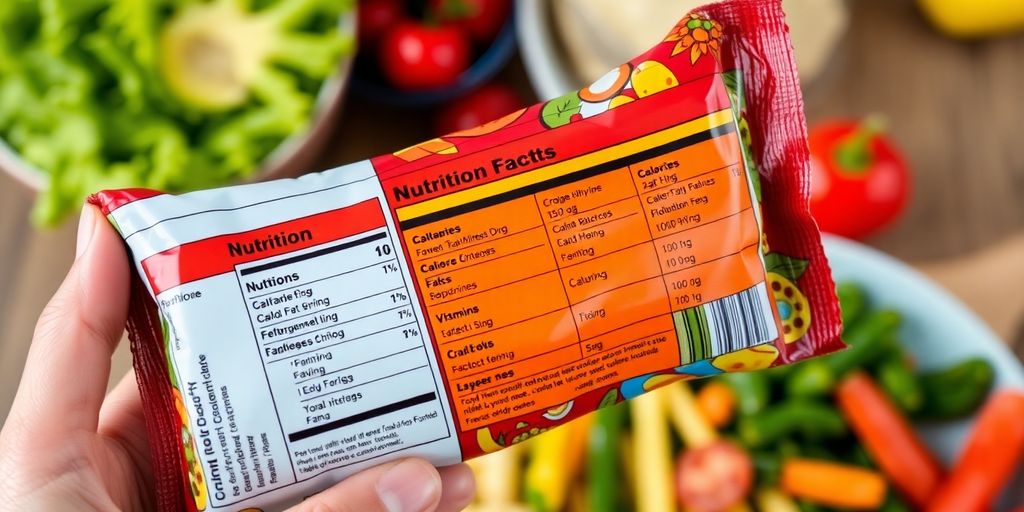
When you’re checking out a nutrition label, it’s easy to get lost in all the numbers. Focusing on a few key nutrients can make the process much simpler. You’ll want to keep an eye on things like total fat, cholesterol, sodium, and total carbohydrates. These are the big ones that can impact your health if you’re not careful. Remember to compare your portion size to the label’s serving size, or you might be underestimating your intake!
Understanding Fats and Sugars
Fats and sugars often get a bad rap, but it’s important to understand the different types. Not all fats are created equal; unsaturated fats can be beneficial, while saturated and trans fats should be limited. Similarly, there’s a difference between naturally occurring sugars (like those in fruit) and added sugars. The updated Nutrition Facts label now includes added sugars, which is super helpful. The 2020-2025 Dietary Guidelines for Americans recommends that individuals 2 years and older consume no more than 10% of daily calories from added sugars.
Identifying Beneficial Nutrients
It’s not just about what to limit; it’s also about what to get enough of! Look for foods that are good sources of dietary fiber, vitamins (like vitamin D), and minerals (like calcium, iron, and potassium). These nutrients are essential for maintaining good health. Adults need at least 25-35 grams of fiber daily for good health. Aim high in vitamins, minerals and dietary fiber.
It’s easy to get caught up in calorie counting, but remember that the quality of your food matters just as much as the quantity. Focus on whole, unprocessed foods that are rich in nutrients.
Here’s a quick guide to understanding nutrient levels:
- Low: 5% DV or less
- Good Source: 10-19% DV
- Excellent Source: 20% DV or more
Also, it’s important to know about the additional nutrients on the Nutrition Facts label:
- Protein: A percentage Daily Value for protein is not required on the label. Eat moderate portions of lean meat, poultry, fish, eggs, low-fat milk, yogurt and cheese, plus beans and peas, nuts, seeds and soy products.
- Carbohydrates: There are three types of carbohydrates: sugars, starches and fiber. Eat whole-grain breads, cereals, rice and pasta plus fruits and vegetables.
- Sugars: Simple carbohydrates, or sugars, occur naturally in foods such as fruit (fructose) and milk (lactose) or come from refined sources such as table sugar (sucrose) or corn syrup. Added sugars are included on the updated Nutrition Facts label. The 2020-2025 Dietary Guidelines for Americans recommends that foods and beverages with added sugars be avoided by children under the age of 2 and individuals 2 years and older consume no more than 10% of daily calories from added sugars.
Foods with more than one ingredient must have an ingredient list on the label. Ingredients are listed in descending order by weight. Those in the largest amounts are listed first. This information is particularly helpful for people with food sensitivities or allergies, those who need to avoid certain ingredients due to religious reasons, or people who prefer a vegetarian eating style. Practicing nutritional mindfulness can also help you make better choices.
Utilizing Percent Daily Values
What is % Daily Value?
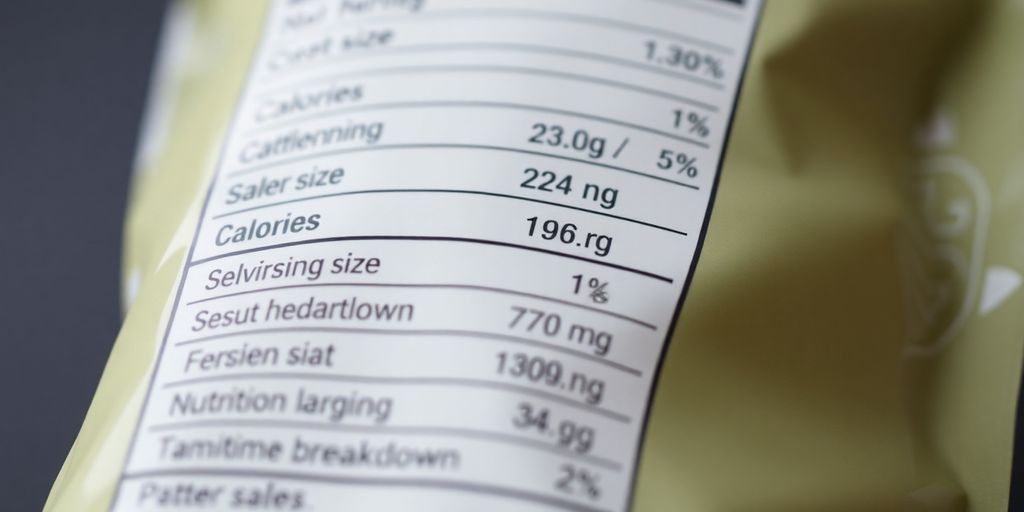
Okay, so you’re staring at a nutrition label, and you see this "% Daily Value" thing. What’s the deal? Basically, it’s a guide to show you how much of a nutrient in a single serving contributes to your overall daily diet. Think of it as a percentage of the total recommended amount of that nutrient you should aim for in a day. It’s based on a 2,000-calorie diet, which might not be your exact need, but it’s a good starting point.
How to Use % DV
Using the %DV is pretty straightforward. Let’s say you’re looking at a snack bar, and it says it has 15% DV of fiber. That means one serving gives you 15% of the fiber you should aim to eat in a whole day. If you’re trying to limit something like saturated fat or sodium, you want to look for lower %DVs. If you’re trying to increase something like vitamins or fiber, aim for higher %DVs. It’s all about balance!
Low vs. High % DV
Here’s a simple rule of thumb I use:
- 5% DV or less is considered low. This is good for things you want to limit, like saturated fat, cholesterol, and sodium.
- 20% DV or more is considered high. This is what you want to see for beneficial nutrients like vitamins, minerals, and fiber.
| Nutrient | % Daily Value (DV) | Interpretation |
|---|---|---|
| Saturated Fat | 3% | Low – good choice to limit saturated fat |
| Vitamin D | 25% | High – excellent source of Vitamin D |
| Sodium | 10% | Moderate – be mindful of sodium intake elsewhere |
| Dietary Fiber | 1% | Low – not a significant source of fiber |
I always keep in mind that the %DV is based on a 2,000-calorie diet. My needs might be different, so I adjust accordingly. If I know I need more calories, I might not worry as much about going over 100% DV on some nutrients. It’s all about finding what works for my body and my goals.
Reading the Ingredients List
Order of Ingredients
Okay, so you’re staring at the back of a package, ready to figure out what you’re actually eating. The ingredients list is where it’s at, and the order is super important. Ingredients are listed in descending order by weight. That means the first thing on the list is what the product contains the most of, and it goes down from there. If sugar or some kind of fat is at the top, you know that’s a major component. A good rule of thumb is to scan the first three ingredients, as they make up the largest part of what you’re eating. If the first ingredients include refined grains, a type of sugar, or hydrogenated oils, you can assume that the product is unhealthy.
Identifying Additives
This is where things can get a little tricky. Additives are those things tossed in to preserve, color, or flavor the food. Some are harmless, even beneficial, but others… not so much. Look out for things like artificial sweeteners (aspartame, sucralose), preservatives (sodium benzoate, BHA, BHT), and artificial colors (Red 40, Yellow 5). A long list of additives can be a sign of a highly processed food. It’s not always a deal-breaker, but it’s worth considering.
Recognizing Healthy Ingredients
Alright, let’s talk about the good stuff. Ideally, you want to see whole, recognizable foods near the top of the list. Think things like whole grains, fruits, vegetables, lean proteins, and healthy fats. The shorter the list, the better, usually. If you see a bunch of ingredients you can’t pronounce, that’s a red flag. Try choosing items that have whole foods listed as the first three ingredients. It’s all about making informed choices, and the ingredients list is your best friend in that department.
It’s easy to get overwhelmed by long ingredient lists, but focusing on the first few items can give you a quick snapshot of the product’s overall composition. Don’t be afraid to do a little research on unfamiliar ingredients to understand their potential impact on your health.
Recognizing Health Claims
Understanding Label Claims
Food packaging is covered in claims designed to grab your attention. These claims can range from the straightforward, like "low sodium," to the more ambiguous, such as "natural" or "wholesome." It’s important to understand that not all claims are created equal, and some are more heavily regulated than others. Being able to distinguish between verified claims and marketing buzzwords is key to making informed choices.
Misleading Claims to Watch For
Some claims are designed to make you think a product is healthier than it actually is. For example, a product might boast about being "low fat," but be loaded with sugar to compensate for the lack of flavor. Or, a product might highlight a single beneficial nutrient while downplaying less desirable ingredients. It’s also worth noting that serving sizes can be manipulated to make the nutritional information seem better than it is. Always read the entire label, not just the front of the package. Don’t let the claims on the front fool you.
Here are some common misleading claims:
- "Light": This often means reduced in fat or calories, but it could also mean the product is simply watered down.
- "Natural": This term has very little regulatory definition, so it can be used loosely.
- "Made with Whole Grains": This doesn’t necessarily mean the product is healthy overall; it could still be high in sugar and processed ingredients.
It’s easy to get caught up in the marketing hype, but remember to look beyond the claims and focus on the actual nutritional content of the food.
Regulatory Definitions
Certain health claims are regulated by the Food and Drug Administration (FDA). These claims must meet specific criteria to be used on food labels. For example, terms like "low sodium," "fat-free," and "high in fiber" have specific legal definitions. However, other terms, like "natural" or "wholesome," have much looser definitions, if any at all. Understanding these regulatory differences can help you make more informed decisions. Mindful eating promotes a healthier relationship with food.
Here’s a quick guide to some regulated health claims:
| Claim | Definition }
Comparing Similar Products
Side-by-Side Comparisons
Okay, so you’re standing in the grocery store, staring at two almost identical boxes of cereal. How do you pick the healthier one? That’s where side-by-side comparisons come in handy. Start by looking at the nutrition facts panel of each product. Don’t just glance – really dig in. Pay attention to the serving size, calories, fat content (especially saturated and trans fats), sugar, fiber, and protein. It’s like a mini-investigation right there in the aisle.
Choosing Healthier Options
Once you’ve got the numbers, it’s time to make a decision. Generally, you’re aiming for lower amounts of saturated fat, trans fat, sodium, and added sugars. On the flip side, you want higher amounts of fiber and protein. Fiber helps you feel full, and protein is essential for, well, everything. Also, take a peek at the plant-based diets and see if they align with your dietary goals. It’s not always about picking the product with the absolute lowest calories; it’s about the overall nutritional value.
Brand Variations
Don’t assume that all products from the same brand are created equal. Brands often have multiple versions of the same type of food, and the nutritional profiles can vary significantly. For example, one brand might offer a regular yogurt and a "light" version. The light version might have fewer calories, but it could also have more artificial sweeteners or other additives. Always read the label, even if you’re loyal to a particular brand. It’s also worth checking out the mindful eating practices to help you make better choices.
It’s easy to get overwhelmed by all the numbers and percentages on nutrition labels. The key is to focus on the nutrients that matter most to you and your health goals. Are you trying to reduce your sugar intake? Pay close attention to the "added sugars" line. Are you trying to increase your fiber intake? Look for products with a higher percentage of daily value for fiber. Small changes can add up over time.
Navigating Allergens and Special Diets
Identifying Common Allergens
Okay, so you’re staring at a nutrition label, and you’ve got allergies to think about. It’s not just about calories and carbs; it’s about staying safe! The FDA requires manufacturers to clearly state the presence of the top nine allergens: milk, eggs, fish, crustacean shellfish, tree nuts, peanuts, wheat, soybeans, and sesame. These must be declared in plain language, like "Contains: Milk" or "May contain peanuts." Always double-check the ingredients list, even if you’ve bought the product before, because recipes can change.
- Look for allergen warnings near the ingredients list.
- Be cautious of "may contain" statements.
- Teach kids to read labels early.
Labels for Special Diets
Got a special diet? Whether you’re vegan, keto, or managing diabetes, labels can be your best friend. For example, if you’re vegan, you’re scanning for animal-derived ingredients like whey, casein, or gelatin. If you’re following a keto diet, you’re probably laser-focused on net carbs (total carbs minus fiber and sugar alcohols). For people with diabetes, understanding the total carbohydrate content and how it impacts blood sugar levels is super important. There are also certifications, like "Certified Gluten-Free," which can give you extra assurance. Understanding prenatal nutrition is also important for pregnant women.
Understanding Cross-Contamination
Cross-contamination is a sneaky issue. Even if a product doesn’t list an allergen in the ingredients, it could still be present due to manufacturing processes. This is where "may contain" or "processed in a facility that also processes…" warnings come into play. If you have a severe allergy, it’s often best to contact the manufacturer directly to ask about their allergen control practices. It might seem like overkill, but it’s better to be safe than sorry.
It’s important to remember that "allergy-friendly" or similar labels don’t always guarantee a product is 100% safe. Always read the full label and consider your own sensitivity level. When in doubt, choose products with fewer ingredients and clearer labeling.
Tips for Effective Label Reading
Practical Label Reading Strategies
Okay, so you’re staring at a nutrition label, feeling a bit lost? Don’t worry, it happens to the best of us. Here’s the deal: start with the serving size. Seriously, everything else hinges on that. Then, zero in on the calories. Is it a reasonable amount for a snack or a meal? Next, take a peek at the fats, carbs, and protein. Are they mostly the good kind?
- Always check the serving size first.
- Compare the calories to your daily needs.
- Look for fiber content to help with satiety.
It’s easy to get overwhelmed by all the numbers, but remember, you don’t have to analyze every single thing. Focus on what matters most to you, whether it’s sugar, sodium, or something else.
Common Pitfalls to Avoid
One of the biggest mistakes people make is ignoring the serving size. They see a calorie count that looks okay, but then they eat three servings without realizing it! Also, watch out for tricky wording. "Reduced fat" doesn’t automatically mean healthy. It might just mean they added more sugar. And don’t fall for the health halos – just because something is labeled "natural" or "organic" doesn’t mean it’s low in calories or good for you. Always read the entire label, not just the front of the package. It’s also important to understand food labeling regulations to avoid being misled by marketing tactics.
Using Technology for Assistance
There are some pretty cool apps out there that can help you decipher nutrition labels. Some let you scan the barcode and instantly see a rating or breakdown of the ingredients. Others can track your calorie intake and help you make healthier choices. It’s worth checking out a few and finding one that works for you. These tools can offer easy meal prep ideas and help you stay on track with your health goals. Here’s a quick rundown:
- Barcode scanners for instant info.
- Calorie trackers to monitor intake.
- Apps that suggest healthier alternatives.
Staying Informed About Label Changes
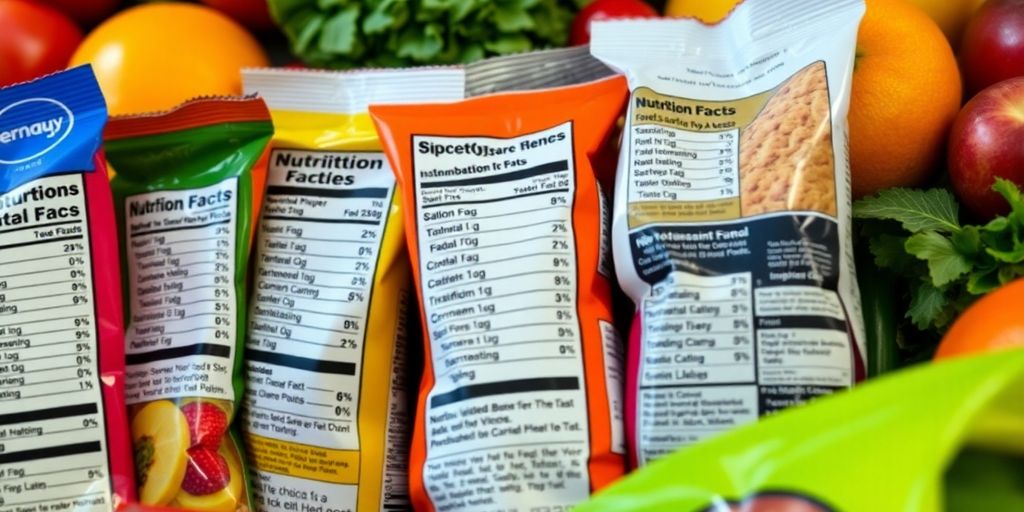
Recent Changes in Labeling Regulations
Food labels? They’re not set in stone. They change! It’s important to keep up. For example, the FDA made some updates a few years back, tweaking serving sizes to reflect how much people actually eat. This means that the calorie counts you see might be higher than before, even if the recipe hasn’t changed. Also, they’ve added ‘added sugars’ to the label, which is a big deal for those watching their sugar intake. It’s all about making things clearer, but you gotta know what to look for.
Impact of Changes on Consumer Choices
So, how do these label changes affect what we buy? Well, hopefully, they make us think twice. Seeing ‘added sugars’ might make you swap out that sugary cereal for something healthier. Transparency is the name of the game. If labels are easier to understand, we can make better choices. But it’s not just about individual choices. These changes can also push food companies to reformulate their products to be healthier, which is a win for everyone.
Future Trends in Nutrition Labels
What’s next for food labels? I think we’ll see even more emphasis on making them easier to read. Maybe even some kind of app that scans the label and tells you if it’s good or bad. There’s also talk about including more information on things like sustainability and ethical sourcing. Food labels could become way more than just a list of ingredients and numbers. They could be a tool for making informed decisions about our health and the planet.
Staying informed about label changes is an ongoing process. Regulations evolve, and it’s up to us as consumers to keep up. By understanding these changes, we can make healthier choices and support a more transparent food system.
Here’s a quick look at some potential future trends:
- QR codes linking to more detailed product information
- Emphasis on personalized nutrition advice based on dietary needs
- Inclusion of environmental impact scores
Keeping up with changes in product labels is really important. New information can help you make better choices about what you eat. To stay updated on these changes, visit our website for the latest news and tips. Don’t miss out on making informed decisions about your health!
Wrapping It Up
So, there you have it! Reading nutrition labels doesn’t have to be a chore. Just take it step by step. Start with the serving size, check the calories, and pay attention to the nutrients that matter most. It’s all about making informed choices. With a little practice, you’ll be able to spot the good stuff and avoid the not-so-great options. Remember, the more you know, the better decisions you can make for your health. Happy label reading!
Frequently Asked Questions
What is a nutrition label?
A nutrition label is a label found on packaged food that shows important information about the nutrients and ingredients in the food.
Why are serving sizes important?
Serving sizes tell you how much of the food is considered one serving. This helps you understand how many calories and nutrients you are getting.
How do I know if a food is healthy?
Look for foods that are low in added sugars, saturated fats, and sodium. Also, check for high levels of vitamins and minerals.
What does % Daily Value mean?
% Daily Value tells you how much a nutrient in a serving of food contributes to your daily diet. It helps you see if a food is high or low in a nutrient.
What should I look for in the ingredients list?
Ingredients are listed from most to least. Look for whole foods at the top and avoid products with many artificial ingredients.
Can nutrition labels be misleading?
Yes, some labels can be tricky. Terms like ‘low fat’ can be misleading if the product has added sugars.
How can I compare different products?
Look at the nutrition labels side by side. Pay attention to serving sizes and key nutrients to make better choices.
What should I do if I have food allergies?
Always check the ingredients list and look for allergen warnings on the label to avoid foods that could trigger your allergies.