
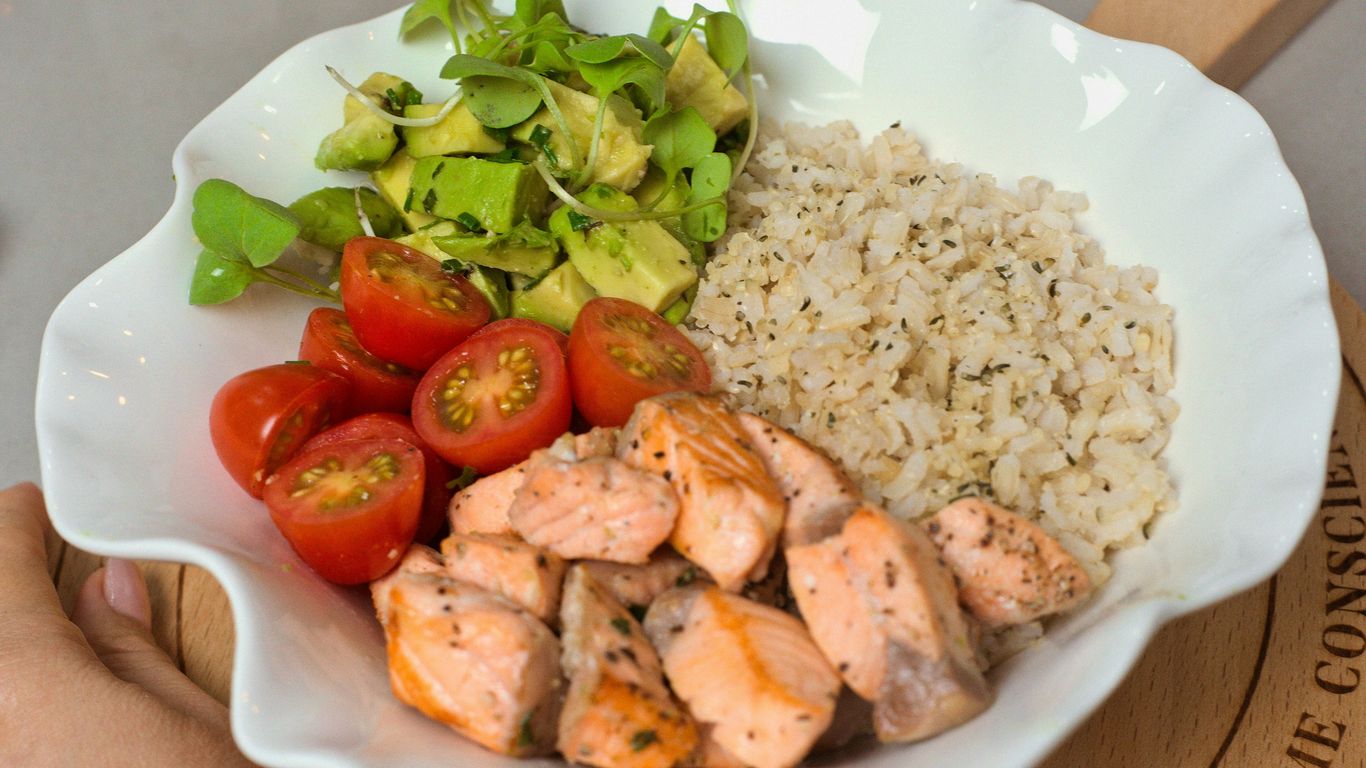
You know that feeling? You eat something, and an hour later, you’re starving again. It’s super frustrating. Turns out, not all foods do the same job when it comes to keeping hunger at bay. Some keep you feeling full for hours, while others just make you want to snack or count down the minutes until your next meal. The difference really comes down to what you’re eating. Certain foods naturally work with your body to keep hunger in check. They help keep your blood sugar steady, get your fullness hormones working, and give you energy that lasts instead of quick crashes. In this article, we’ll go over the foods that should be on your list when you want to feel fuller for longer. You’ll learn about protein-rich staples, fiber-packed choices, healthy fats, and smart carbs, all backed by simple ideas you can use every day. Plus, you’ll see how putting them together makes an even bigger difference. Because honestly, eating less doesn’t have to mean feeling like you’re missing out. The right foods can help you take control, stop cravings, and keep you fueled without constant snacking. So let’s get into it.
Key Takeaways
- Protein is a big player in making you feel full. It signals your brain that you’ve eaten enough and also slows down digestion, which keeps you satisfied longer.
- Fiber adds bulk to your meals and helps keep your digestion steady. Foods like oats, veggies, fruits, and whole grains are great sources.
- Drinking water can help you feel fuller. Sometimes thirst can trick you into thinking you’re hungry, so staying hydrated is important.
- Texture matters too! Crunchy foods can be satisfying, and foods with more volume, like salads or air-popped popcorn, can help fill you up without a lot of calories.
- Combining protein, fiber, healthy fats, and smart carbs in your meals creates a powerful satiety stack that fights hunger from all sides.
Understanding The Satiety Stack For Lasting Fullness
Why Some Foods Keep You Fuller Than Others
Ever grab a snack, only to find yourself rummaging for something else an hour later? It’s a common frustration, but the truth is, not all foods have the same effect on our hunger. Some foods are like magic tricks, making you feel full for hours, while others seem to vanish, leaving you wanting more. The difference really comes down to what’s on your plate and how it interacts with your body. Certain foods are naturally equipped to help manage hunger, working to stabilize your blood sugar, signal fullness to your brain, and provide steady energy instead of a quick crash.
The Science Behind The Satiety Stack
The key to staying satisfied longer lies in a combination of factors that work together. It’s not just about one superfood, but how different components of your meal play a role. Think of it as a team effort for your stomach and brain.
- Protein: This is a big one. Protein sends signals to your brain that say, "Okay, we’ve had enough." It also takes longer to digest, keeping you feeling full for a good stretch. That’s why a couple of eggs can keep you going much longer than a plain bagel.
- Fiber: Fiber adds bulk to your meal and helps keep your blood sugar levels steady. This means fewer of those annoying spikes and crashes that often lead to cravings. An apple with its skin, for instance, provides more lasting satisfaction than apple juice because you’re getting the fiber.
- Healthy Fats: While fats are calorie-dense, the right kinds, in moderation, really help with satiety. They slow down how quickly your stomach empties, giving you that steady, satisfied feeling. Think avocado on toast versus plain toast – the avocado makes a big difference.
- Water Content & Volume: Foods with a high water or air content, like big salads or soups, can fill up your stomach and send stretch signals to your brain without adding a ton of calories. It’s about making your stomach feel full.
Designing Meals That Work For You
So, how do you put this into practice? It’s about making smart choices that combine these elements. You don’t need to be a gourmet chef or a nutritionist to design meals that keep you full. It’s about understanding the building blocks and applying them to your everyday eating.
Here’s a simple breakdown of what to aim for:
- Prioritize Protein: Include a protein source in every meal and snack. This could be lean meats, fish, eggs, dairy, legumes, or tofu.
- Load Up on Fiber: Aim for plenty of vegetables, fruits, whole grains, and legumes. These add bulk and slow digestion.
- Don’t Fear Healthy Fats: Add sources like avocado, nuts, seeds, and olive oil. They contribute to satisfaction and slow down digestion.
- Hydrate: Drink water throughout the day. Sometimes thirst can masquerade as hunger.
The goal isn’t to feel deprived or to eat bland food. It’s about creating satisfying meals that naturally help manage your appetite, reduce cravings, and keep you energized between meals. By understanding how protein, fiber, water, and texture work together, you can build plates that truly keep you full for hours.
The Power Of Protein In Your Satiety Stack
Okay, so let’s talk about protein. If you’re trying to feel full for longer, protein is like the VIP guest at your meal’s party. It’s not just about building muscles, though that’s a big plus. Protein actually sends signals to your brain that say, ‘Hey, we’re good here, no need to raid the pantry again anytime soon.’ It’s a pretty direct line to your satiety center.
Protein Signals Fullness To Your Brain
When you eat protein, your body gets to work breaking it down. During this process, it releases hormones that tell your brain you’re satisfied. Think of it as a slow, steady stream of ‘I’m full’ messages rather than a quick burst that fades fast. This is why a meal heavy in protein tends to keep you feeling content for hours, unlike a meal that’s mostly simple carbs, which can leave you hungry again before you know it.
Protein-Rich Staples For Your Diet
So, what are some good protein sources to keep in your rotation? You’ve got your classic eggs, which are pretty much a breakfast superstar for a reason. Then there are lean meats like chicken breast, turkey, and fish. Salmon is a double-duty player because it also brings healthy fats to the table. For plant-based folks, beans, lentils, and tofu are fantastic options. And don’t forget Greek yogurt – it’s packed with protein and super versatile.
Here’s a quick rundown:
- Eggs: Great for breakfast, studies show they help you eat less later.
- Lean Meats: Chicken, turkey, fish (like salmon for extra benefits).
- Legumes: Beans, lentils, chickpeas – also high in fiber!
- Dairy: Greek yogurt is a protein powerhouse.
- Plant-Based: Tofu and tempeh are solid choices.
How Protein Slows Digestion
Another cool thing protein does is slow down how quickly your stomach empties. Unlike simple carbohydrates that get processed super fast, protein takes longer for your body to digest. This means the food stays in your stomach for a more extended period, contributing to that feeling of fullness. It’s like giving your digestive system a bit more work to do, which, in turn, keeps you satisfied longer. This slower digestion also helps prevent those sharp spikes and crashes in blood sugar that can lead to cravings.
The longer your food stays in your stomach, the longer you feel full. Protein is a key player in making that happen, working with fiber and healthy fats to create a truly satisfying meal.
So, when you’re planning your meals, consciously adding a good source of protein is one of the simplest, yet most effective, ways to make sure you’re not thinking about your next meal five minutes after you’ve finished your current one.
Fiber-Filled Foods That Fight Cravings
You know that feeling, right? You eat something, and an hour later, you’re already thinking about your next meal. Often, that’s because the food you ate didn’t have enough fiber. Fiber is like the unsung hero of feeling full. It doesn’t get digested like other carbs, so it just hangs out in your gut, taking up space and slowing everything down.
Fiber Adds Bulk and Stability to Meals
Think of fiber as adding a bit of structure to your meal. It absorbs water, which makes it swell up in your stomach. This physical presence signals to your brain that you’ve eaten a good amount, even if the calories aren’t sky-high. Plus, because it takes a while to break down, it helps keep your blood sugar from doing that crazy up-and-down dance. When your blood sugar is steady, those sudden urges to snack on something sugary or salty tend to disappear.
Foods with plenty of fiber help create a more stable environment in your digestive system, which translates to a more stable feeling of fullness. It’s less about the quantity of food and more about the quality and composition.
Fiber-Rich Choices For Your Satiety Stack
So, what are some good fiber sources to pile onto your plate? It’s not just about one or two things; a variety is key.
- Whole Grains: Forget white bread and white rice. Think oats, barley, quinoa, and whole-wheat pasta. These keep their natural fiber, which means they digest slower and keep you going longer.
- Legumes: Beans, lentils, and peas are fiber powerhouses. They’re also packed with protein, making them a double-duty satiety booster.
- Fruits and Vegetables: This is a no-brainer, right? Apples, pears, berries, broccoli, Brussels sprouts, leafy greens – the list is endless. Aim for variety and eat them with their skins on when possible for maximum fiber.
- Nuts and Seeds: While they also bring healthy fats and protein, nuts and seeds like chia, flax, and almonds are surprisingly good sources of fiber. Just a small handful can make a difference.
How Fiber Slows Digestion
When you eat fiber, especially soluble fiber found in oats, beans, and apples, it mixes with water in your stomach and forms a gel. This gel moves more slowly through your digestive tract compared to foods without fiber. This slower transit time means your stomach stays fuller for longer, and your body absorbs nutrients more gradually. It’s this gradual process that prevents the rapid blood sugar spikes and subsequent crashes that often lead to cravings. So, that bowl of oatmeal in the morning isn’t just breakfast; it’s a strategic move to keep hunger at bay for hours.
Hydration’s Role In The Satiety Stack
Drink Water To Aid Satiety
Okay, so we’ve talked about protein, fiber, and texture, but let’s not forget about good old water. It’s easy to overlook, right? We chug it when we’re thirsty, but it does so much more for keeping us feeling full. Drinking water before or during a meal can actually help you feel more satisfied with less food. It’s like a natural appetite suppressant, and it’s completely free. Think about it: when you’re parched, sometimes you mistake that thirst for hunger. Staying properly hydrated helps clear that confusion.
How Water Fills You Up
Water takes up space in your stomach. It’s pretty straightforward, really. When you drink a glass of water, it adds volume, signaling to your brain that you’re consuming something. This physical presence in your stomach contributes to that feeling of fullness. It’s especially effective when you drink it before you eat. Some studies even suggest that people who drink water before meals consume fewer calories overall. It’s not magic, it’s just basic body mechanics. Plus, water is zero calories, so you can drink plenty of it without worrying about adding to your energy intake.
When Thirst Mimics Hunger
This is a big one. Our bodies are complex, and sometimes, the signals get crossed. Dehydration can easily be mistaken for hunger pangs. If you find yourself reaching for a snack and you haven’t had much to drink, try downing a glass of water first. Wait about 15-20 minutes. You might find that the urge to eat has disappeared. It’s a simple trick, but it works surprisingly often. Keeping a water bottle handy throughout the day is a good habit to get into, not just for general health, but specifically for managing hunger cues. It’s a simple way to make sure you’re not eating when you’re actually just thirsty.
Here’s a quick guide to help you stay on track:
- Start your day with a glass of water. It helps wake up your system and gets you ahead of the hydration game.
- Drink a glass of water 30 minutes before each meal. This primes your stomach for fullness.
- Sip water throughout the day. Don’t wait until you feel thirsty; that’s often a sign you’re already a bit dehydrated.
- Choose water over sugary drinks. Sodas and juices can add calories without providing the same satiety benefits.
Sometimes, the simplest solutions are the most effective. Water is a prime example. It’s readily available, calorie-free, and plays a significant role in making you feel full. Don’t underestimate its power in your quest for lasting satiety.
Leveraging Texture For Enhanced Satiety
Think about it: sometimes you can eat a big bowl of something soft and feel hungry again pretty quickly. Other times, a smaller meal with some crunch just seems to stick with you way longer. That’s where texture comes in. It’s not just about what you eat, but how it feels in your mouth and how it interacts with your digestive system.
Crunchy Foods That Satisfy
There’s something really satisfying about a good crunch. It often means you’re eating something that requires a bit more chewing, which can signal to your brain that you’re eating more. Plus, many crunchy foods are also packed with fiber, which we’ve already talked about. Think about air-popped popcorn sprinkled with nutritional yeast. It’s light, airy, and that satisfying crunch, combined with the added protein from the yeast, gives it a high satiety score.
Here’s a look at how some crunchy options stack up:
| Food Item | Satiety Score | Protein (g) | Fiber (g) | Calories | Net Carbs (g) |
|---|---|---|---|---|---|
| Air-popped popcorn with nutritional yeast | 91 | 19 | 8 | 145 | 13 |
| Ham and asparagus spears | 90 | 20 | N/A | 130 | N/A |
| Smoked salmon (3/4 cup) | 87 | 18 | N/A | 120 | 0 |
| Part-skim mozzarella with cucumber slices | 74 | 14 | 0.3 | 150 | 3 |
Creamy Textures For Fullness
Don’t underestimate the power of creamy foods either. While they might seem less substantial, certain creamy items can be incredibly filling. This is often due to their protein and fat content, which slow down digestion. Greek yogurt, for example, is a fantastic creamy option. Whether it’s full-fat or nonfat, its protein content makes it a winner for keeping you satisfied. Adding berries or chopped fruit can boost the fiber and add a touch of sweetness without going overboard on calories.
Consider these creamy choices:
- Greek Yogurt: High in protein, it’s a solid base for breakfast or snacks. Full-fat versions offer more satisfaction due to their fat content.
- Cottage Cheese: Another protein powerhouse that pairs well with fruits for added fiber and flavor.
- Avocado: Packed with healthy fats and fiber, its creamy texture makes meals more satisfying.
The Role Of Volume In Meals
Sometimes, it’s simply about filling up your stomach. Foods that have a lot of volume for fewer calories can be really helpful. Think about a big salad loaded with leafy greens, non-starchy vegetables, and a lean protein source. You get a lot of food to eat, which feels satisfying, but you’re not taking in a ton of calories. This is where vegetables really shine. They add bulk, nutrients, and fiber to your meals, making them more filling without making them heavy.
Eating a meal with a good mix of textures can trick your brain into thinking you’ve eaten more than you actually have. The combination of chewing, the physical presence of food in your stomach, and the signals from protein, fiber, and fats all work together. So, don’t just focus on the ingredients; think about how they feel and interact when you eat them.
Healthy Fats That Slow Digestion
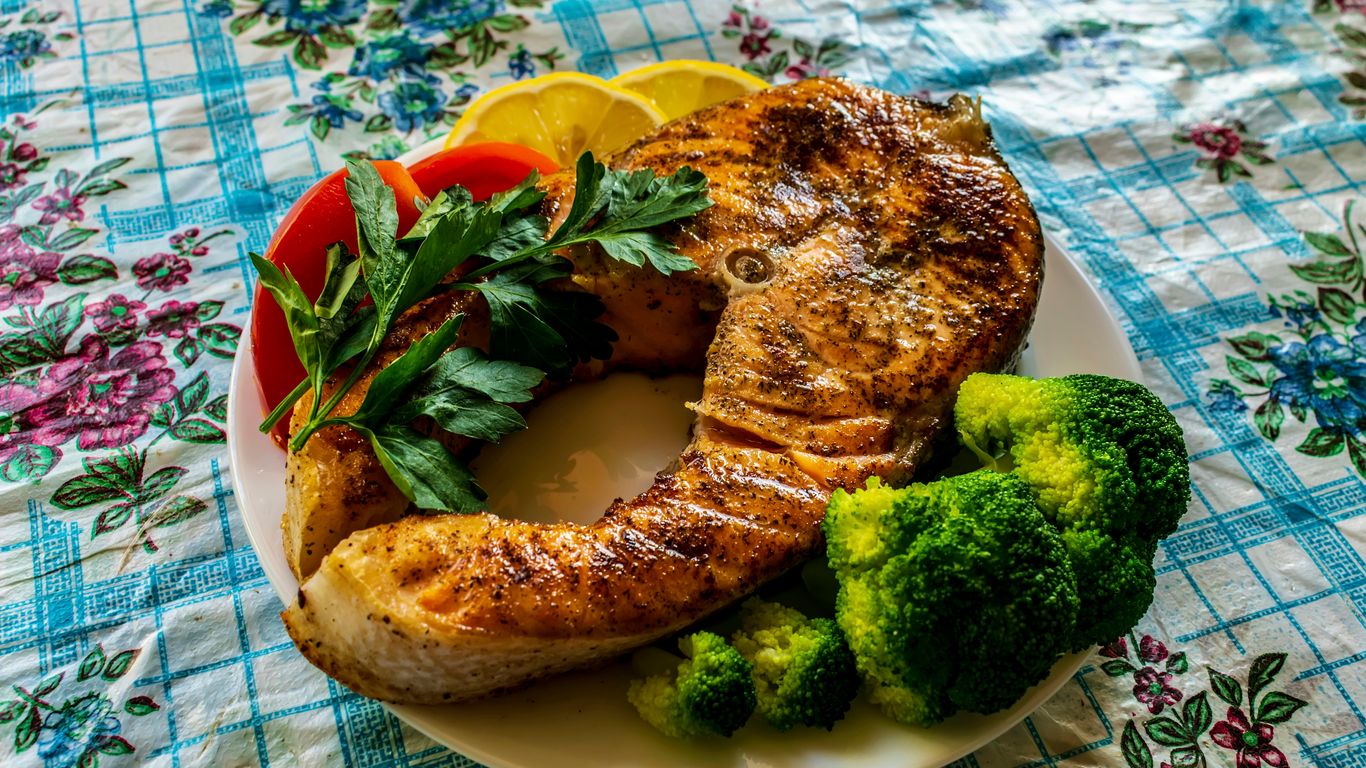
You know, fats sometimes get a bad rap, but they’re actually super important for feeling full. When you eat fats, they don’t just sit there; they actually tell your stomach to slow down its emptying process. This means the food stays around longer, giving your brain more time to register that you’re satisfied. It’s like hitting the pause button on hunger.
Fats For Long-Lasting Satisfaction
Think about it: a meal that’s mostly carbs can leave you feeling hungry again pretty quickly. But add some healthy fats, and suddenly you’re good for hours. This isn’t about eating greasy fast food, though. We’re talking about the good stuff that your body actually uses well. These fats help keep your blood sugar steady, which also plays a big role in preventing those annoying cravings that pop up out of nowhere.
Nutrient-Dense Fats To Include
So, what are these magical fats? A few favorites come to mind. Avocados are fantastic – they’re creamy, full of good fats, and have fiber too. A slice of avocado on toast can make a world of difference compared to plain toast. Then there are nuts and seeds. A small handful of almonds or walnuts is a powerhouse of healthy fats, protein, and fiber. They’re perfect for a quick snack that actually keeps you going. Don’t forget about olive oil, especially extra virgin. Drizzling it on salads or veggies adds flavor and that satisfying slow-down effect. Fatty fish like salmon or mackerel are also winners, packing in omega-3s along with protein.
Here’s a quick look at some top choices:
- Avocado: Great for toast, salads, or smoothies.
- Nuts (Almonds, Walnuts, Pecans): Perfect for snacking or adding to meals.
- Seeds (Chia, Flax, Pumpkin): Mix into yogurt, oatmeal, or baked goods.
- Olive Oil: Use as a dressing or for light sautéing.
- Fatty Fish (Salmon, Mackerel): Aim for a couple of servings a week.
How Fats Slow Stomach Emptying
It’s pretty neat how it works. When fats hit your digestive system, they trigger the release of certain hormones. These hormones signal to your brain that you’re full and also tell your stomach to take its sweet time releasing its contents into the small intestine. This slower pace means a more gradual release of energy and a prolonged feeling of fullness. It’s a natural process that helps regulate appetite and can prevent overeating.
The key is moderation. Fats are calorie-dense, so while they are great for satiety, you still need to be mindful of portion sizes. A little goes a long way in helping you feel satisfied for hours.
Smart Carb Choices For Steady Energy
Low-Glycemic Carbs For Sustained Fuel
When we talk about carbs, it’s easy to think of the quick energy bursts that often lead to a crash. But not all carbs are created equal. Choosing low-glycemic options means you’re opting for foods that release their energy slowly. This is key for keeping your hunger at bay and your energy levels steady for hours. Think of it like a slow-burning log in a fireplace versus a quick flare-up. The slow burn lasts much longer, and that’s what we want from our carbohydrates.
Complex Carbohydrates And Fiber
Complex carbohydrates are basically long chains of sugar molecules. They take more time for your body to break down, which is why they provide that sustained energy. Foods like sweet potatoes, quinoa, and lentils are great examples. They also often come packed with fiber, which is a double win for satiety. Fiber adds bulk to your meals, helping you feel fuller, and it also slows down digestion even further. It’s a natural one-two punch against hunger pangs.
Avoiding Blood Sugar Spikes And Crashes
Ever felt that mid-afternoon slump after a carb-heavy lunch? That’s likely a blood sugar spike followed by a crash. When your blood sugar shoots up quickly, your body releases insulin to bring it down. If it drops too fast, you can feel tired, irritable, and suddenly very hungry. By focusing on complex carbs and pairing them with protein, fiber, and healthy fats, you can avoid these dramatic swings. This keeps your energy stable and prevents those urgent cravings that can derail your efforts to eat well.
Here are some smart carb choices to keep in mind:
- Sweet Potatoes: More than just a tasty side, they offer complex carbs and fiber for slow energy release.
- Lentils and Beans: These legumes are powerhouses of fiber and plant-based protein, making them incredibly filling.
- Whole Grains: Think quinoa, oats, and brown rice. They provide sustained energy and a good dose of fiber.
- Starchy Vegetables: Carrots, beets, and parsnips offer natural sweetness along with valuable fiber.
The goal with smart carb choices isn’t to eliminate them, but to choose them wisely. Prioritize whole, unprocessed sources that offer fiber and nutrients. This approach helps manage energy levels and supports a feeling of fullness that lasts.
Effective Food Combinations For The Satiety Stack
You know, it’s easy to think that just eating one super-healthy food will solve all your hunger problems. But honestly, that’s rarely the case. The real magic happens when you start mixing and matching. It’s like building with LEGOs – you need different shapes and sizes to make something sturdy. The same goes for our meals. Combining different food groups is how we build plates that actually keep us feeling full for hours, not just minutes.
Protein Plus Fiber: The Ultimate Duo
This is probably the most powerful combo you can put on your plate. Protein tells your brain you’re full, and fiber just adds bulk and slows everything down. Think about it: a plain chicken breast is okay, but chicken breast with a side of quinoa and some steamed broccoli? That’s a whole different story for your stomach. The fiber from the quinoa and broccoli gives you that satisfying fullness, while the protein keeps the hunger hormones in check.
Here’s a quick look at why this pairing is so good:
- Protein: Signals satiety hormones, helping you feel satisfied.
- Fiber: Adds volume and slows down digestion, prolonging fullness.
- Combined: Creates a synergistic effect that keeps hunger at bay much longer than either component alone.
Healthy Fats And Vegetables For Balance
Don’t shy away from healthy fats! They’re not the enemy when it comes to feeling full. Fats naturally slow down how quickly your stomach empties, which means you stay satisfied for longer. When you pair these fats with water-rich vegetables, you get a meal that’s both filling and light. Imagine a big, vibrant salad. It looks like a lot, right? That’s the volume from the veggies. Now, add some avocado slices or a drizzle of olive oil dressing, and suddenly, that salad isn’t just a side dish; it’s a meal that can actually keep you going.
Smart Carbs Paired With Protein
We’ve talked about how carbs can sometimes lead to energy crashes, but that’s usually with the refined stuff. When you choose smart carbs – the whole grains, the starchy vegetables – they release energy slowly. Pairing these with protein is a game-changer. The protein helps to stabilize your blood sugar, preventing those sharp spikes and subsequent crashes that often leave you reaching for a snack an hour later. A baked sweet potato topped with a dollop of Greek yogurt, for instance, gives you sustained energy and keeps you feeling content.
Combining these elements isn’t about complicated recipes. It’s about making simple, smart choices. Think about adding a handful of nuts to your salad, or choosing whole-wheat bread for your sandwich instead of white. These small adjustments add up to a big difference in how long you feel full.
Building Balanced Plates For Long-Term Success
The Ideal Plate Composition
So, you’ve got the protein, the fiber, the water, and the texture down. Now what? It’s all about putting it together in a way that actually works for your daily life. Think of your plate as a puzzle where each piece plays a role in keeping you full and satisfied. The goal isn’t just to eat, it’s to eat smart. We want meals that keep you going, not ones that leave you reaching for snacks an hour later.
Here’s a simple way to visualize a balanced plate:
- Half your plate: Non-starchy vegetables. Think leafy greens, broccoli, bell peppers, zucchini. These are packed with fiber and volume, making you feel full without a lot of calories.
- One quarter of your plate: Lean protein. Chicken, fish, beans, tofu, eggs – whatever your preference. This is the star player for satiety.
- One quarter of your plate: Complex carbohydrates. Brown rice, quinoa, sweet potatoes, whole-wheat pasta. These provide sustained energy.
- A small portion: Healthy fats. Avocado, nuts, seeds, olive oil. These slow down digestion and add to that feeling of fullness.
Remember, this is a template, not a rigid rule. Life happens, and sometimes meals won’t look exactly like this. The key is to aim for this balance most of the time. It’s about making conscious choices that support your body’s needs.
Creating Meals That Fight Hunger
Putting the ideal plate composition into practice means thinking about how your food interacts. Combining protein with fiber is like a double whammy for satiety. For instance, a big salad with grilled chicken and a side of chickpeas is going to keep you full way longer than just a plain chicken breast. The fiber from the veggies and chickpeas adds bulk, while the protein signals to your brain that you’re satisfied. Don’t forget about water! Drinking a glass before or during your meal can also make a big difference in how full you feel.
Here are some meal ideas that hit the mark:
- Breakfast: Scrambled eggs with spinach and a side of whole-wheat toast topped with avocado. (Protein from eggs, fiber from spinach and toast, healthy fat from avocado).
- Lunch: Lentil soup with a side salad. (Protein and fiber from lentils, fiber and volume from the salad).
- Dinner: Baked salmon with roasted Brussels sprouts and quinoa. (Protein from salmon, fiber from Brussels sprouts, complex carbs from quinoa).
Snacks That Work Harder
Snacks are often where the Satiety Stack can fall apart. We grab something quick, usually low in protein and fiber, and end up hungry again in no time. But snacks can be powerful allies if you choose them wisely. Think of snacks as mini-meals that bridge the gap between your main meals.
Good snack options often include:
- Greek yogurt with a handful of berries and a sprinkle of chia seeds.
- An apple with a tablespoon of almond butter.
- A small handful of mixed nuts and seeds.
- Hard-boiled eggs.
These options provide protein, fiber, and healthy fats to keep you satisfied until your next meal. It’s about making sure that when you do snack, it counts towards your fullness goals.
Incorporating The Satiety Stack Into Daily Life
Breakfasts That Keep You Full
Starting your day with a meal that includes protein, fiber, and a bit of healthy fat is a game-changer for staying full. Think beyond the sugary cereal or a plain bagel. A breakfast like scrambled eggs with spinach and a side of whole-wheat toast, or Greek yogurt with berries and a sprinkle of nuts, provides sustained energy. Oats are fantastic too; make them with milk (or a plant-based alternative) and top with fruit and seeds. This combination helps slow digestion and keeps those mid-morning hunger pangs at bay. The goal is to create a balanced plate that signals fullness to your brain right from the start.
Lunchtime Strategies For Satiety
Lunch is often where we slip up, grabbing something quick that leaves us hungry again by 3 p.m. To avoid this, pack a lunch that mirrors the satiety principles. A large salad with grilled chicken or chickpeas, plenty of colorful veggies, and a light vinaigrette is a solid choice. Another option is a hearty lentil soup with a side of whole-grain bread. Even leftovers from a balanced dinner can work wonders. Remember to include a source of protein and plenty of fiber from vegetables or legumes. Don’t forget to drink water with your meal; it aids in feeling full.
Dinner Ideas For Lasting Fullness
Dinner is your last chance to set yourself up for a night without late-night snacking. Aim for a plate that’s roughly half non-starchy vegetables, a quarter lean protein, and a quarter complex carbohydrates. For example, baked salmon with roasted broccoli and a small serving of quinoa, or a stir-fry with tofu, mixed vegetables, and brown rice. These meals are designed to be satisfying and prevent that urge to raid the pantry before bed. Consider the texture too; adding something crunchy like bell peppers or snap peas can add to the feeling of fullness.
Building meals around the satiety stack isn’t about restriction; it’s about smart choices that work with your body. By consistently including protein, fiber, water, and paying attention to texture, you can effectively manage hunger and energy levels throughout the day.
Making the Satiety Stack a part of your everyday routine is easier than you think! Discover simple ways to fit it into your meals and snacks. Ready to feel the difference? Visit our website to learn more and start your journey today!
Putting It All Together
So, there you have it. Building meals that keep you full for hours isn’t some big secret. It’s really about putting together protein, fiber, and water, and thinking about how your food feels in your mouth. You don’t need fancy ingredients or complicated recipes. Just simple swaps, like adding some beans to your salad or choosing whole grains over white bread, can make a huge difference. Start small, try out a few combinations, and see how much better you feel. You’ll be surprised at how much more in control you are of your hunger, and honestly, that feels pretty great.
Frequently Asked Questions
What makes some foods keep you feeling full longer than others?
It’s all about what’s in the food! Foods with more protein and fiber tend to keep you satisfied for a longer time. They take longer to digest and send signals to your brain that you’re full. Think of it like this: a big salad with chicken will keep you full much longer than a candy bar, even if they have similar calories.
How does protein help with feeling full?
Protein is like a hunger-fighting superhero. It tells your brain you’ve had enough to eat and also slows down how quickly your stomach empties. This means you stay feeling full and happy for hours after eating. Foods like eggs, chicken, fish, and Greek yogurt are packed with protein.
What’s the deal with fiber and staying full?
Fiber is awesome because it adds bulk to your meals without adding a lot of calories. It also absorbs water in your stomach, which helps you feel fuller. Plus, fiber helps keep your blood sugar steady, preventing those energy crashes that make you want to snack. Great sources of fiber include fruits, veggies, whole grains, and beans.
Can drinking water really help me feel less hungry?
Absolutely! Sometimes your body mistakes thirst for hunger. Drinking water before or during a meal can help fill up your stomach, making you feel more satisfied with less food. Aim to drink plenty of water throughout the day.
Does the texture of food matter for feeling full?
Yes, it does! Crunchy foods, like raw veggies or air-popped popcorn, can be very satisfying because they require more chewing. Creamy foods, like yogurt or avocado, can also create a sense of fullness. Mixing textures in your meals can make them more enjoyable and help you feel more satisfied.
How do healthy fats help with feeling full?
Healthy fats, like those found in avocados, nuts, seeds, and olive oil, take a long time to digest. This slow digestion process helps you feel full for an extended period. They also help your body absorb important vitamins.
What are ‘smart carbs’ and why are they good for staying full?
Smart carbs are things like sweet potatoes, quinoa, and whole grains. They release energy slowly into your body, unlike sugary snacks that cause a quick spike and then a crash. This steady energy helps prevent sudden hunger pangs and keeps you feeling satisfied for longer.
What’s the best way to combine these elements for a meal?
The magic happens when you mix and match! Try to include protein, fiber, and healthy fats in most of your meals. For example, a salad with grilled chicken (protein), lots of veggies (fiber), and an olive oil dressing (healthy fat) is a great combination. Or, Greek yogurt (protein) with berries (fiber) and a sprinkle of nuts (healthy fat) makes a fantastic snack.