
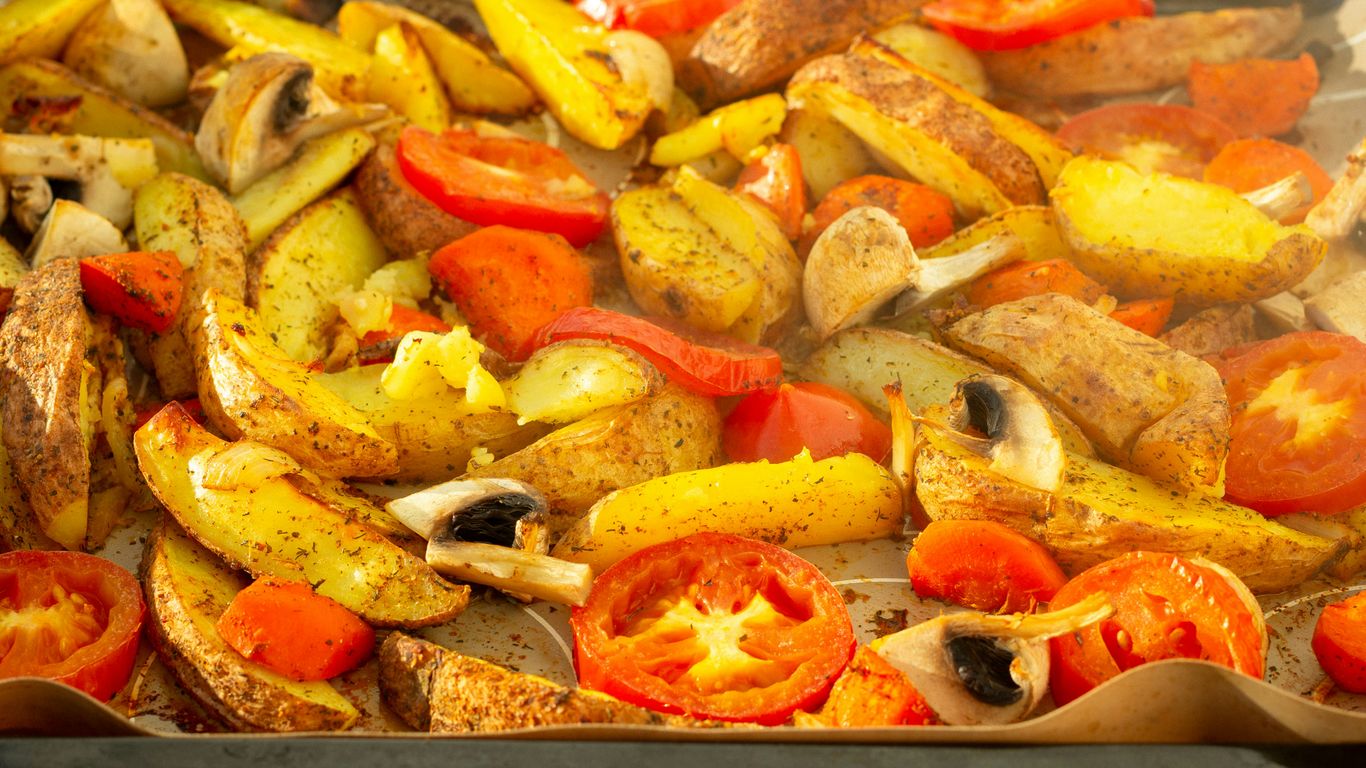
So, you want to make dinner on a sheet pan? It sounds easy, right? Just toss some stuff on a pan and shove it in the oven. But sometimes, you end up with burnt bits and undercooked bits all at the same time. It’s like a culinary mystery. This article is going to break down how to actually make those sheet pan dinners turn out great, every single time. We’ll cover picking the right ingredients, getting the oven temperature just right, and making sure everything cooks evenly. No more dinner disasters, just deliciousness.
Key Takeaways
- Pick proteins and veggies that cook at similar rates for balanced results.
- Arrange ingredients thoughtfully on the pan to avoid overcrowding and ensure even heat.
- Understand your oven’s quirks; hot spots can make or break your meal.
- Don’t forget flavor! Marinades, spices, and finishing sauces make a big difference.
- Learn to fix common issues like soggy veggies or overcooked meat for future meals.
Mastering Sheet Pan Dinner Proteins
When you’re building a sheet pan dinner, the protein is usually the star. It’s what makes the meal feel substantial and satisfying. But picking the right protein and cooking it perfectly can feel like a puzzle. Let’s break it down.
Choosing the Right Protein for Your Sheet Pan
Not all proteins are created equal when it comes to sheet pan roasting. You want something that cooks relatively quickly and evenly, and can stand up to the heat without drying out. Think about the size and density of your protein. Smaller, thinner cuts tend to cook faster, which is great for sheet pan meals where you’re often cooking veggies alongside.
Here are some top contenders:
- Chicken: Boneless, skinless chicken thighs or breasts cut into bite-sized pieces work well. Thighs are more forgiving and stay moist. If using breasts, cut them smaller or pound them slightly thinner for even cooking.
- Fish: Salmon, cod, or other firm white fish are fantastic. They cook quickly and pair beautifully with roasted vegetables. Just be mindful of their shorter cooking time.
- Sausage: Pre-cooked sausages (like Italian or kielbasa) are super easy. Just slice them up and let them get a little crispy.
- Shrimp: Another quick-cooking option. Add shrimp towards the end of the vegetable roasting time so they don’t get rubbery.
- Tofu/Tempeh: For plant-based eaters, firm or extra-firm tofu, pressed and cubed, or tempeh are great choices. They soak up marinades well.
The key is to match the protein’s cooking time to your vegetables.
Achieving Perfect Sear and Cook Times
Getting that nice browned exterior, or sear, on your protein is what adds a ton of flavor. This usually happens when the protein has good contact with a hot pan and isn’t overcrowded. For sheet pan dinners, we’re aiming for a good roast, which means high heat and enough space for air to circulate.
- Preheat your oven: Always start with a hot oven, usually between 400-425°F (200-220°C). This high heat is what helps create those lovely crispy edges.
- Don’t overcrowd the pan: This is probably the most common mistake. If you pile everything onto one pan, the food steams instead of roasts. You’ll end up with soggy veggies and bland protein. Use two pans if you need to!
- Pat your protein dry: Moisture is the enemy of browning. Before seasoning and adding your protein to the pan, give it a good pat down with paper towels.
- Consider searing first (optional): For some proteins, like chicken thighs or thicker cuts of fish, you might get an even better result by searing them in a hot skillet for a few minutes on each side before adding them to the sheet pan with the vegetables. This builds a flavor base and ensures a great crust.
Balancing Protein and Vegetable Quantities
This is where the ‘architecture’ really comes into play. You don’t want a pan full of just protein or just veggies. The goal is a harmonious balance.
A good rule of thumb is to aim for roughly a 1:2 or 1:3 ratio of protein to vegetables by volume. This means for every cup of protein (like cubed chicken or tofu), you’d have two to three cups of chopped vegetables.
Here’s a quick guide:
| Protein Type | Typical Serving Size | Vegetable Ratio (Approx.) |
|---|---|---|
| Chicken Breast | 4-6 oz per person | 2-3 cups chopped veggies |
| Salmon Fillet | 4-6 oz per person | 2-3 cups chopped veggies |
| Sausage (pre-cooked) | 3-4 oz per person | 2-3 cups chopped veggies |
| Tofu (cubed) | 4-6 oz per person | 2-3 cups chopped veggies |
Remember, this is a starting point. If you’re a big veggie lover, go heavier on the greens. If you need more protein to feel full, adjust accordingly. The beauty of sheet pan dinners is their flexibility. Just keep that cooking time in mind for all your ingredients.
Vegetable Harmony on the Sheet Pan
Getting vegetables to roast just right on a sheet pan is a bit of an art, but it’s totally doable. The trick is making sure they all cook at roughly the same speed so you don’t end up with mushy carrots and still-hard broccoli. It’s all about picking the right mix and giving them the space they need.
Selecting Vegetables for Even Roasting
When you’re building your sheet pan masterpiece, think about how dense each vegetable is. Harder root vegetables like potatoes and sweet potatoes take longer to soften than quicker-cooking ones like bell peppers or zucchini. If you throw them all in together without a plan, you’ll likely have some sad, overcooked bits and some that are still a bit too firm.
Here’s a general guide to help you group your veggies:
- Longer Roasters (25-40 minutes): Potatoes (all kinds), sweet potatoes, butternut squash, carrots, parsnips, Brussels sprouts (whole or halved).
- Medium Roasters (15-25 minutes): Broccoli florets, cauliflower florets, asparagus, green beans, red onion wedges, mushrooms, bell pepper chunks.
- Quick Roasters (10-15 minutes): Cherry tomatoes, snap peas, corn kernels, spinach (add in the last few minutes).
The goal is to group vegetables with similar cooking times together on the pan.
Prepping Vegetables for Optimal Texture
How you cut your veggies makes a big difference. Uniformity is key! Try to cut everything into similar-sized pieces. This helps them cook evenly. For example, if you’re roasting potatoes and broccoli, cut the potatoes into bite-sized cubes and the broccoli into similarly sized florets. This way, they’ll both be tender around the same time.
Don’t forget to dry your vegetables thoroughly after washing them. Excess water can steam the vegetables instead of roasting them, leading to a soggy outcome. Pat them dry with paper towels or a clean kitchen towel before tossing them with oil and seasonings.
Strategic Placement for Flavor Infusion
Where you put your vegetables on the pan matters, especially if you’re cooking a protein alongside them. If you’re roasting chicken or sausage, place the vegetables around the protein. The drippings from the meat will baste the vegetables as they cook, adding a ton of flavor. Just make sure not to overcrowd the pan; give everything some breathing room so the hot air can circulate. Overcrowding is a one-way ticket to steamed, sad veggies.
Think of your sheet pan like a canvas. You want to arrange your ingredients so they have space to get beautifully browned and caramelized, not just steam in their own juices. This means leaving a little gap between pieces, especially for vegetables that tend to release moisture.
If you’re going for a vegetarian sheet pan meal, you can still create flavor pockets. Consider adding aromatics like garlic cloves or onion wedges strategically around the pan. They’ll soften and sweeten as they roast, infusing the whole pan with their deliciousness.
The Science of Sheet Pan Heat Distribution
Okay, so you’ve got your ingredients prepped, your spices mixed, and you’re ready to rock that sheet pan dinner. But have you ever wondered why some parts of your pan end up perfectly roasted while others are a little… sad? It all comes down to how heat moves around in your oven and on your pan. Think of your oven not as a perfectly uniform heat box, but more like a room with a radiator on one side and a drafty window on the other. That’s where understanding heat distribution comes in.
Understanding Oven Hot Spots
Most ovens aren’t perfectly calibrated. They have areas that get hotter than others. This is often due to the heating element’s placement (usually at the bottom or back) and how the air circulates. If you’ve ever noticed that the back of your oven bakes faster, or the side closest to the heating element gets things browned quicker, you’re seeing these hot spots in action. It’s like a little microclimate in there!
Creating a Heat Map for Your Pan
So, how do you deal with these quirks? You can create your own "heat map" for your specific oven. This isn’t some fancy scientific tool; it’s just about paying attention. A simple way to visualize this is to place your empty sheet pan in the oven at your usual roasting temperature for about 10-15 minutes. Then, carefully remove it and look for areas that browned more quickly. You might see darker spots on the pan where the heat is more intense.
- Hot Zones: Areas that brown fastest.
- Cool Zones: Areas that stay lighter.
- Moderate Zones: The in-between spots.
Knowing this helps you arrange your food. Put items that need more cooking time or can handle higher heat in the hotter zones, and delicate items or those that cook faster in the cooler zones. This simple observation can make a huge difference in getting everything cooked evenly.
Adjusting for Different Oven Personalities
Every oven is a bit different. A brand-new, high-end model might have more even heating than a trusty old workhorse. Convection ovens, with their fans, circulate air more vigorously, which can sometimes even out hot spots but also speed up cooking. If you have a convection oven, you might need to lower the temperature slightly or reduce cooking times compared to a conventional oven.
The goal is to manage the heat so that all your ingredients reach their ideal doneness at roughly the same time. It’s a bit of a dance between the oven’s temperament and how you arrange your food.
Don’t be afraid to rotate your pan halfway through cooking, too. This simple step helps to equalize the heat exposure, especially if you notice one side is cooking much faster than the other. It’s all about working with your oven, not against it.
Flavor Layering in Sheet Pan Dinners
Marinades and Rubs for Maximum Impact
Getting flavor to really stick to your proteins and veggies is key for a great sheet pan meal. Think of marinades and rubs as your first line of defense against blandness. A good marinade doesn’t just add taste; it can also help tenderize tougher cuts of meat. For chicken or pork, a simple mix of olive oil, lemon juice, garlic, and herbs like rosemary or thyme works wonders. If you’re going for a bolder flavor, consider soy sauce, ginger, and a touch of honey for an Asian-inspired kick. Rubs are fantastic for creating a flavorful crust. A classic steak rub might include paprika, garlic powder, onion powder, salt, and pepper. For vegetables, a simple rub of olive oil, salt, pepper, and your favorite spices can make them shine. Don’t be afraid to experiment with different spice combinations to find what you love.
Sauces and Glazes for Finishing Touches
Once everything is roasted and looking beautiful, a final drizzle of sauce or glaze can take your sheet pan dinner from good to unforgettable. This is where you can add moisture and a burst of concentrated flavor. Think about a tangy barbecue sauce for chicken, a creamy pesto for roasted vegetables, or a sweet chili glaze for salmon. These finishing touches are often added in the last few minutes of cooking or right after the pan comes out of the oven. A simple pan sauce, made by deglazing the hot pan with a bit of broth or wine after the food is removed, can also capture all those tasty browned bits.
Herb and Spice Combinations for Depth
Beyond basic salt and pepper, the right herbs and spices can transform your sheet pan meal. Consider the flavor profiles you’re aiming for. For a Mediterranean feel, oregano, basil, and a pinch of red pepper flakes are great. Italian seasoning blends work well with most vegetables and chicken. For a smoky, Southwestern vibe, cumin, chili powder, and smoked paprika are your go-to. Fresh herbs like parsley, cilantro, or dill are best added at the end of cooking or as a garnish to keep their bright flavor. Mixing dried herbs and spices into your oil before tossing with the ingredients helps distribute the flavor more evenly.
Here’s a quick guide to some popular pairings:
| Cuisine Style | Key Herbs & Spices | Best For |
|---|---|---|
| Mediterranean | Oregano, Basil, Thyme, Rosemary, Red Pepper Flakes | Chicken, Lamb, Zucchini, Bell Peppers, Tomatoes |
| Asian-Inspired | Ginger, Garlic, Soy Sauce, Sesame Oil, Chili | Chicken, Salmon, Broccoli, Bok Choy, Carrots |
| Southwestern/Tex-Mex | Cumin, Chili Powder, Smoked Paprika, Cilantro | Chicken, Beef, Corn, Black Beans, Bell Peppers |
| Italian | Garlic Powder, Onion Powder, Parsley, Italian Blend | Chicken, Sausage, Potatoes, Broccoli, Onions |
Troubleshooting Common Sheet Pan Pitfalls
Even with the best plans, sometimes things go a little sideways in the kitchen. Sheet pan dinners are usually pretty forgiving, but a few common issues pop up. Let’s talk about how to fix them.
Avoiding Soggy Vegetables
This is probably the most frequent complaint. Nobody wants a sad, limp vegetable when they were expecting a nice roast. It usually comes down to a few things:
- Too much moisture: Did you wash your veggies and not dry them thoroughly? Excess water steams instead of roasts. Pat them dry with a clean towel or paper towels.
- Overcrowding the pan: If you cram too many vegetables onto the sheet pan, they can’t get enough hot air circulation. This leads to steaming and sogginess. Give everything some breathing room. If you have to, use two pans.
- Wrong vegetable cut: Cutting vegetables into uneven sizes means some will cook faster than others. Smaller pieces can turn to mush while larger ones are still hard. Try to keep your cuts consistent.
- Wrong pan type: A pan with low sides is better for roasting than a deep one. Low sides let the hot air circulate around the food. A rimmed baking sheet is usually perfect.
Preventing Overcooked or Undercooked Proteins
Getting the protein just right can feel like a balancing act. Here’s how to nail it:
- Know your protein’s cooking time: Different proteins cook at different rates. Chicken thighs take longer than chicken breasts. Fish fillets cook much faster than a pork loin. Group ingredients with similar cooking needs together, or add faster-cooking items later.
- Use a thermometer: This is your best friend. Don’t guess. An instant-read thermometer takes the guesswork out of whether your chicken is safely cooked or your steak is medium-rare. Aim for the correct internal temperature for your specific protein.
- Resting is key: Once your protein is cooked, let it rest for a few minutes before cutting. This allows the juices to redistribute, making it more tender and flavorful. Don’t skip the rest!
Managing Different Cooking Times
This is where sheet pan dinners can get tricky, especially when you have items that cook at vastly different speeds. The goal is to have everything ready at the same time, perfectly cooked.
- Stagger your additions: This is the most common strategy. Add heartier vegetables like potatoes or carrots to the pan first. After they’ve had a head start (say, 15-20 minutes), add quicker-cooking vegetables like broccoli or bell peppers, and then your protein.
- Cut sizes matter: As mentioned before, cutting vegetables into smaller pieces will make them cook faster. You can use this to your advantage. Cut denser vegetables smaller if you want them to cook in the same amount of time as softer ones.
- Consider pre-cooking: For very dense items like whole potatoes or large chunks of squash, you might want to parboil or microwave them briefly before they hit the sheet pan. This gives them a head start so they don’t hold up the rest of the meal.
Sometimes, the simplest solutions are the best. Don’t be afraid to pull things out of the oven at different times and keep them warm while the rest finishes up. It’s better than having one part of your meal overcooked.
Here’s a quick guide for common items:
| Item | Prep Time (before adding protein) | Notes |
|---|---|---|
| Potatoes/Sweet Potatoes | 20-25 minutes | Cut into 1-inch cubes |
| Carrots/Parsnips | 15-20 minutes | Cut into 1/2-inch thick rounds or sticks |
| Broccoli/Cauliflower | 10-15 minutes | Cut into bite-sized florets |
| Bell Peppers/Onions | 10-15 minutes | Cut into 1-inch pieces |
| Asparagus/Zucchini | 5-10 minutes | Add with protein or just before finishing |
| Fish/Shrimp | Add with vegetables | Cooks very quickly |
| Chicken Breast | Add with vegetables | Cut into even pieces |
| Chicken Thighs | Add with vegetables | Can often go in from the start |
Advanced Sheet Pan Techniques
Sometimes, you want to take your sheet pan game up a notch. It’s not just about throwing things on a pan and hoping for the best. There are a couple of methods that can really make a difference in the final outcome, especially when you’re dealing with different types of ingredients.
The Two-Stage Roasting Method
This is a lifesaver when you’ve got items on your pan that cook at wildly different speeds. Think chicken thighs and delicate asparagus. You start by roasting the items that need more time, then add the quicker-cooking ones later. It prevents you from ending up with dry chicken or mushy veggies. You can even adjust oven temperatures between stages if needed. It sounds complicated, but it’s really just about timing.
Here’s a basic idea:
- Initial Roast: Place your longer-cooking items (like root vegetables or denser proteins) in the oven. Give them a head start.
- Second Stage: After a set amount of time, add your faster-cooking items (like leafy greens, fish, or thinner cuts of meat) to the same pan. You might need to rearrange things a bit to make space.
- Final Roast: Continue roasting until everything is perfectly cooked.
Utilizing Pan Drippings for Sauces
Don’t you dare wash that pan right away! Those browned bits stuck to the bottom? That’s pure flavor gold. After you’ve taken your cooked food off the pan, you can use those drippings to build a quick sauce or gravy right there. It’s a fantastic way to add another layer of taste without dirtying another pot. Just a splash of broth, wine, or even water, and a good scrape with a wooden spoon can get you started. You can then simmer it down, maybe add some herbs or a knob of butter, and you’ve got a simple pan sauce that’s way better than anything from a jar.
Maximizing Flavor with Minimal Cleanup
This is the ultimate goal, right? Using the pan drippings for a sauce is one way. Another is to think about how your ingredients interact. For example, if you’re roasting sausages, their rendered fat can baste the vegetables around them, adding a savory kick. Or, if you’re using a marinade, let some of it drip onto the veggies before they go into the oven. The key is to let the natural juices and fats work for you. It’s all about smart placement and understanding how heat and ingredients play together on that single pan.
Sometimes, the simplest techniques yield the most impressive results. It’s about being mindful of the cooking process and using every bit of flavor that comes out of your ingredients and your pan.
Sheet Pan Dinner Variations and Pairings
Sheet pan dinners are fantastic for their simplicity, but they can also be a gateway to exploring different tastes and cuisines right in your own kitchen. Think of your sheet pan as a blank canvas, ready for a global adventure or a comforting classic.
Exploring Global Flavors on One Pan
It’s surprisingly easy to take your sheet pan meal on a trip around the world. You just need to tweak your seasonings and ingredient choices. For instance, a simple swap of spices can transform a basic chicken and veggie roast into something entirely new.
- Mediterranean Twist: Toss chicken thighs, bell peppers, red onion, and zucchini with olive oil, lemon juice, oregano, and a pinch of cumin. Serve with a side of couscous or quinoa.
- Asian-Inspired: Marinate chicken or tofu in soy sauce, ginger, garlic, and a touch of sesame oil. Add broccoli florets, snap peas, and sliced carrots to the pan. A drizzle of sriracha at the end adds a nice kick.
- Mexican Fiesta: Use seasoned ground turkey or black beans. Add corn, diced bell peppers, and red onion. Serve with salsa, avocado, and a dollop of Greek yogurt (instead of sour cream) over brown rice.
Creative Leftover Transformations
Don’t let those delicious roasted bits go to waste! Leftovers are perfect for reinventing into new meals, often with even less effort than the original.
- Sheet Pan Hash: Chop up leftover roasted vegetables and protein. Sauté them in a pan with a little oil, maybe add a diced potato or sweet potato, and top with a fried or poached egg.
- Quick Soups or Stews: Toss leftover roasted veggies into a pot with broth, some beans or lentils, and your favorite herbs. Simmer until heated through for a hearty, quick soup.
- Salad Toppers: Cold roasted vegetables and protein are excellent additions to any salad, adding texture and flavor that store-bought options just can’t match.
Beverage Pairings for Sheet Pan Meals
What you drink can really tie a meal together. For sheet pan dinners, think about complementing the dominant flavors.
- For Lighter, Herbaceous Meals: A crisp white wine like a Sauvignon Blanc or a light lager works well.
- For Richer, Spiced Meals: Consider a medium-bodied red wine such as a Pinot Noir, or a pale ale.
- Non-Alcoholic Options: Sparkling water with a squeeze of lime, iced green tea, or even a ginger ale can cut through richness and cleanse the palate.
Looking for new ways to spice up your meals? Our "Sheet Pan Dinner Variations and Pairings" section is packed with fresh ideas. Discover exciting twists on classic sheet pan dinners and find the perfect side dishes to complete your meal. Ready to transform your cooking? Visit our website for more delicious inspiration!
Wrapping It Up
So there you have it. We’ve talked about how to pick the right protein, how much of it to use compared to your veggies, and even how to think about oven temps like a heat map. It’s not rocket science, but a little planning goes a long way. Remember, the goal is a delicious meal with minimal fuss. Don’t be afraid to experiment a bit with your own oven and ingredients. You might just surprise yourself with what you can whip up on a single sheet pan. Happy roasting!
Frequently Asked Questions
What’s the best way to pick proteins for a sheet pan meal?
Think about how long different foods take to cook. Chicken pieces or fish fillets cook faster than a big pork loin. You want everything to be ready around the same time. Smaller cuts or things that cook quickly are usually a good choice.
How do I make sure my meat gets a nice brown crust?
Pat your meat dry before you cook it. This helps it get crispy. Also, make sure your oven and pan are hot before you put the food in. Don’t crowd the pan; give everything some space so the heat can get all around it.
What if my vegetables and meat need different cooking times?
This is a common puzzle! You can add veggies that take longer to cook (like potatoes or carrots) to the pan earlier. Veggies that cook fast (like broccoli or bell peppers) can go in later. Or, you can cut them into different sizes – smaller pieces cook faster.
How should I arrange food on the sheet pan?
Put the foods that need more time or heat closer to the back of the oven, where it’s usually hottest. Foods that cook quickly or you don’t want to overcook can go towards the front. Think of it like a heat map for your pan!
Can I use marinades or sauces?
Absolutely! Marinades add tons of flavor before cooking. Sauces or glazes are great to brush on near the end of cooking to give your meal a shiny, tasty finish. Just be careful not to add too much liquid too early, or it might make things soggy.
How do I avoid mushy vegetables?
Make sure your vegetables are dry before they go on the pan. Also, don’t overcrowd the pan. If the veggies are too close together, they’ll steam instead of roast. High heat helps them get nice and crispy.
What if my oven has hot spots?
Some ovens cook more on one side than the other. You can fix this by turning the pan halfway through cooking. This helps everything get evenly cooked. You might need to experiment a bit to learn your oven’s quirks.
What’s the best way to clean up after a sheet pan meal?
Line your sheet pan with parchment paper or foil before you start. This makes cleanup super easy – just toss the liner! You can also use the tasty bits left in the pan (the drippings) to make a quick sauce or gravy.