
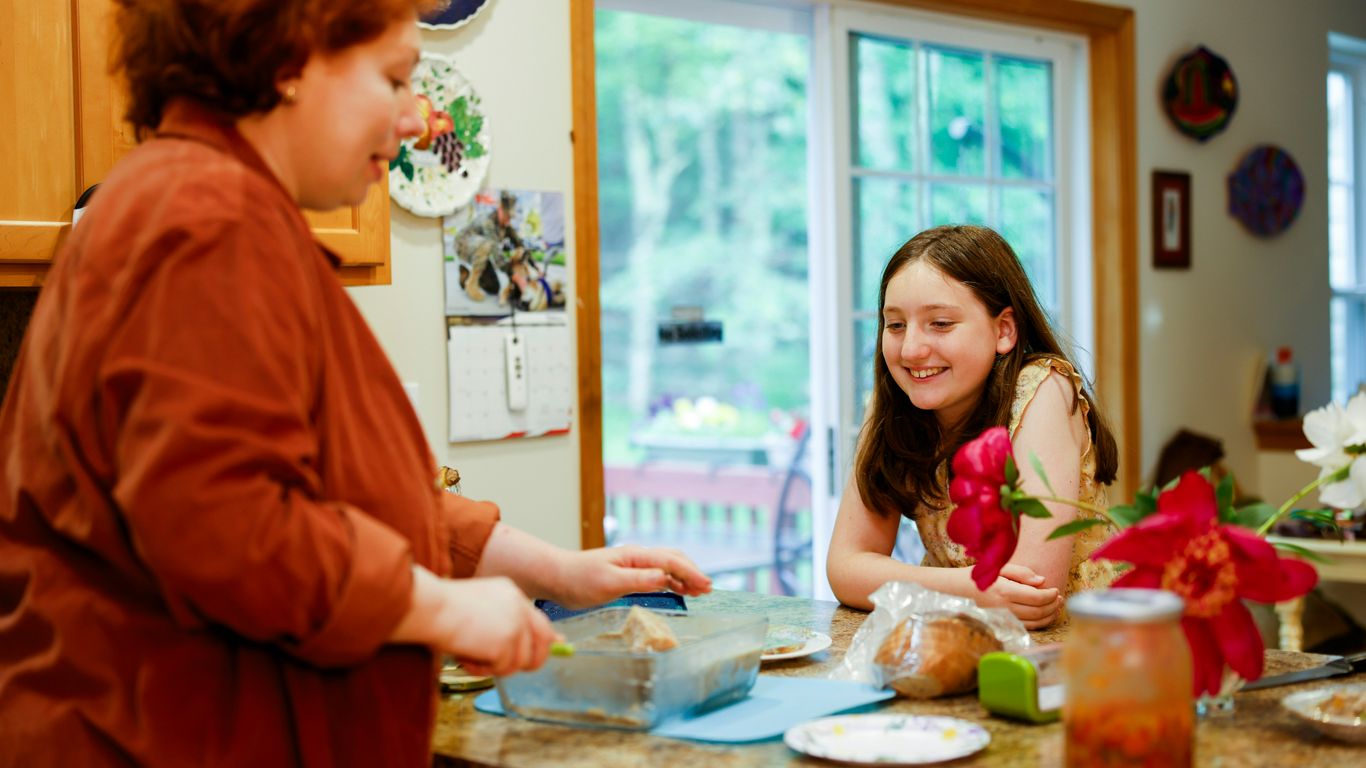
Tired of playing short-order cook for your family? It feels like you’re constantly juggling different meals, leaving you exhausted and the kitchen a mess. But what if there was a way to serve one delicious meal that everyone, from the pickiest eater to the most adventurous palate, could enjoy? We’ve got some smart ideas to make family meals less of a chore and more of a joy, cutting down on kitchen time and cleanup so you can actually spend time with your loved ones.
Key Takeaways
- Cooking separate meals for kids can be time-consuming and exhausting for parents.
- Involve children in meal planning and introduce new foods gradually to expand their palates.
- Create versatile family-friendly meals using deconstructed dishes and build-your-own dinner nights.
- Adapt flavors and textures of one meal to suit everyone’s preferences and offer healthy side options.
- Use batch cooking, freezing, and time-saving appliances like slow cookers to reduce cooking time.
Embrace The Build-Your-Own Dinner Concept
Dinnertime doesn’t have to mean acting like a short-order chef or dealing with complaints about what’s on the plate. The build-your-own approach turns a single meal into a stress-free, hands-on experience that gets everyone involved and eating happily. It’s not only practical; it can, honestly, become the highlight of your family’s week.
Pizza Night Fun For Everyone
Pizza night is a classic, and it works for all ages. Here’s what you do: lay out pizza dough (store-bought is fine, no shame), sauce, cheese, and lots of toppings—think mushrooms, pepperoni, bell peppers, maybe even pineapple for the bold. Each person makes their own mini pizza, so there’s no picking off olives or arguing over who gets the last slice of pepperoni.
- Start with individual dough balls or English muffins for a shortcut.
- Put out bowls of different toppings.
- Let everyone build and decorate their own pizza—kids love this part, and even adults get pretty creative.
Sometimes the kitchen gets a little messy, but the laughs and weird topping combos (“marshmallow and broccoli, really?”) are worth it.
Taco Bar Adventures
Taco night is unbeatable for flexibility. Cook up a basic protein—ground beef, chicken, beans, or lentils—then set out a buffet of shells, rice, lettuce, cheese, salsa, and whatever else you like. Each person fills their taco just how they want.
Here’s a simple taco bar setup:
| Filling Options | Toppings | Shells/Extras |
|---|---|---|
| Ground beef/chicken | Cheese | Soft tortillas |
| Black beans | Salsa | Hard taco shells |
| Grilled veggies | Sour cream | Lettuce leaves |
| Fish or shrimp | Avocado/guacamole | Rice (side or base) |
- No fights about spicy sauce—just leave hot stuff on the side.
- Have a few hidden ‘surprise’ toppings for fun.
- Easy to accommodate gluten-free, dairy-free, or vegetarian needs.
Customizable Pasta Creations
If there’s one meal almost everyone will eat, it’s pasta. Boil a big pot of noodles, then offer a couple simple sauces (like tomato and butter). Put out protein add-ins—grilled chicken, beans, meatballs—as well as veggie mix-ins and cheeses.
Try this step-by-step for pasta bar success:
- Pick your pasta (penne, spaghetti, fusilli—all work).
- Choose a sauce (red, pesto, garlic and olive oil).
- Add protein and veggies (meat, beans, broccoli, peas).
- Top with cheese or fresh herbs.
The trick is starting with a neutral base. This lets picky eaters keep it simple while everyone else loads up their bowls.
Build-your-own dinners won’t fix every mealtime challenge, but they definitely make life a little easier and a lot more fun. There’s less arguing, more eating, and best of all—you cook just one meal without feeling like a diner cook at 6 pm.
Deconstruct Meals For Maximum Flexibility
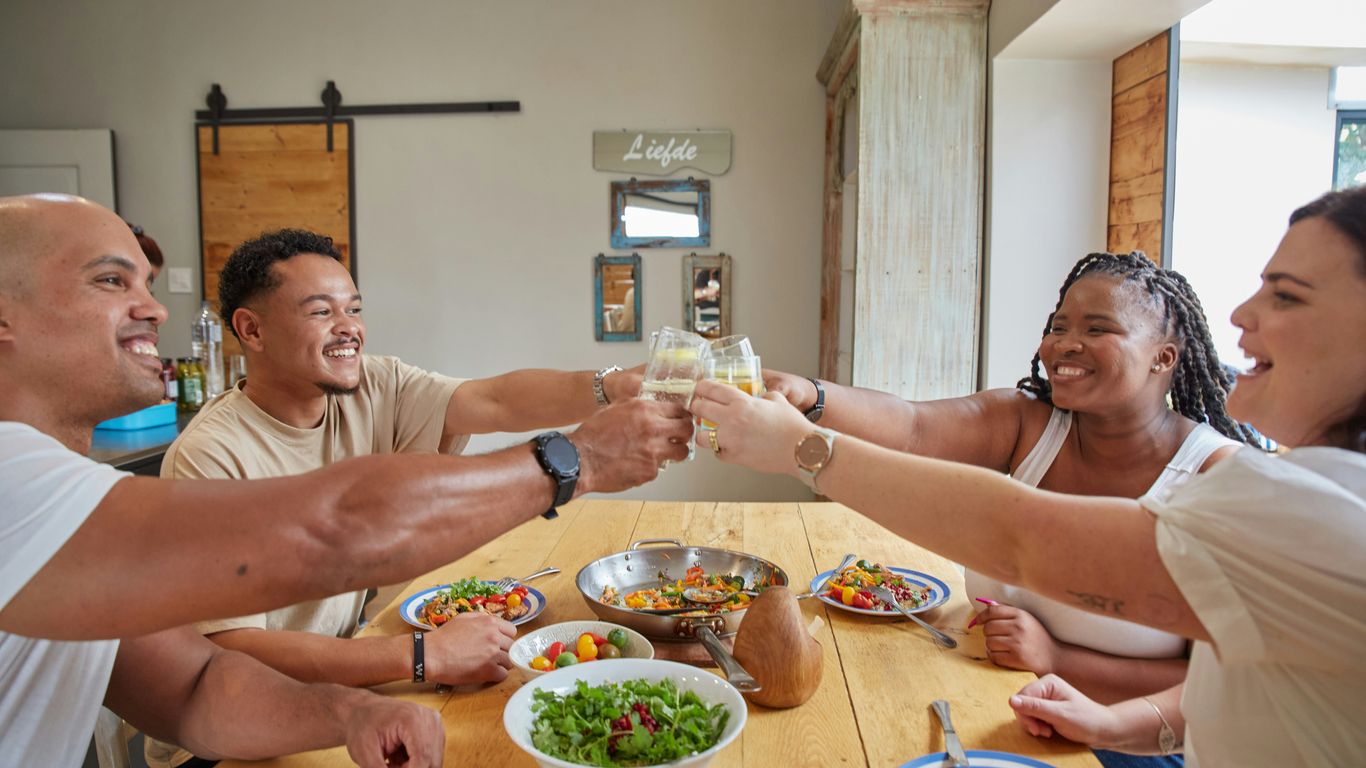
Sometimes, the easiest way to get everyone to the table without a fuss is to let them build their own plate. This approach is all about separating components so each person can assemble their ideal meal. It’s a fantastic way to cater to different tastes, dietary needs, and even just moods, without you having to cook multiple dinners.
Separating Ingredients For Picky Eaters
This is where the magic happens for those with particular preferences. Instead of mixing everything together, present the meal’s elements in separate bowls. Think about a pasta night: have plain pasta, a marinara sauce, a creamy alfredo sauce, some grilled chicken, and a variety of veggies like steamed broccoli, sautéed mushrooms, and bell peppers. Each person can then choose exactly what they want and how much of it. It gives kids (and adults!) a sense of control, which often makes them more willing to eat.
- Pasta Bar: Offer plain pasta, a couple of sauce options (marinara, pesto, alfredo), and protein/veggie add-ins (chicken, meatballs, broccoli, peas).
- Rice Bowls: Serve plain rice, a protein (like grilled chicken or tofu), and various toppings (shredded carrots, edamame, corn, a drizzle of soy sauce or teriyaki).
- Baked Potato Bar: Set out plain baked potatoes with toppings like chili, cheese, sour cream, chives, and bacon bits.
This method takes the pressure off everyone. Picky eaters feel empowered, and you don’t have to worry about them picking out ingredients they don’t like. It’s a win-win for kitchen harmony.
Customizable Salad Bars
Salad bars are the ultimate deconstructed meal. They’re not just for lunch anymore! You can create a hearty dinner salad that satisfies everyone. Start with a base of mixed greens or spinach. Then, lay out a variety of toppings:
- Proteins: Grilled chicken strips, hard-boiled eggs, chickpeas, tuna salad, or leftover shredded beef.
- Veggies: Cherry tomatoes, cucumber slices, shredded carrots, bell pepper strips, red onion, corn, and black beans.
- Crunchy Bits: Croutons, sunflower seeds, chopped nuts, or crispy tortilla strips.
- Cheeses: Shredded cheddar, crumbled feta, or goat cheese.
- Dressings: Offer a few different options like vinaigrette, ranch, or a creamy Caesar.
This way, everyone can load up their bowl with what they enjoy, turning a potentially boring salad into a personalized feast.
Stir-Fry Stations
Stir-fries are surprisingly adaptable to the deconstructed approach. Cook your protein (chicken, beef, tofu) and your base (rice or noodles) separately. Then, prepare a variety of vegetables – think broccoli florets, snap peas, sliced carrots, bell peppers, and onions. You can offer a basic stir-fry sauce on the side, or even have a couple of different sauce options. This allows each family member to create their own perfect combination of protein, veggies, and sauce, ensuring everyone gets a meal they’ll happily eat.
Simplify Meal Prep With Smart Strategies
Let’s be honest, the thought of cooking multiple meals for one dinner can feel like a second job. It drains your time and your energy, leaving you feeling like you’re running a tiny, chaotic restaurant. But what if there were ways to make this whole process less of a chore? It turns out, a few smart strategies can really change the game, making meal prep feel less like a burden and more like a manageable part of your day.
Involving Kids In Meal Planning
Getting the kids involved in deciding what’s for dinner is a total game-changer. It’s not just about them picking their favorite mac and cheese for the fifth time (though that’s okay too!). When they have a say, they feel more invested in the meal. You can make a simple chart together, maybe with pictures or just the names of meals, and let them vote or pick from a few options you’ve pre-approved. This gives them a sense of control and often makes them more willing to try what ends up on their plate.
- Create a weekly menu together. Hang it on the fridge so everyone knows what to expect.
- Let kids choose from a list of healthy meal ideas you provide.
- Use stickers or checkmarks to show what’s been chosen for each day.
This collaborative approach not only streamlines your planning but also turns mealtime into a learning opportunity about food choices and family participation.
Creating A Weekly Menu Together
Planning out your meals for the week ahead is like giving yourself a gift. It cuts down on those last-minute "what’s for dinner?" panics and helps you shop more efficiently. When you sit down with the family, even for just 15 minutes, to map out the week, you can incorporate everyone’s preferences and avoid the dreaded short-order cooking. It also helps you see where you can use similar ingredients across different meals, reducing waste and saving money.
Here’s a simple way to approach it:
- Monday: Meatless Monday – maybe a lentil soup or veggie stir-fry.
- Tuesday: Taco Tuesday – ground meat or beans with all the fixings.
- Wednesday: Pasta Night – a big batch of sauce that can be used later.
- Thursday: Leftover Buffet or a simple grilled chicken with salad.
- Friday: Pizza Night – homemade or store-bought crusts with toppings.
- Saturday: Family Choice – let someone else pick!
- Sunday: Roast chicken or a slow cooker meal.
Using Visual Aids For Meal Choices
Sometimes, especially with younger kids, talking about meals isn’t as effective as showing them. Visual aids can make the whole process much clearer and more engaging. Think about creating a menu board with pictures of different dishes. You could even have a set of cards, each with a meal idea, that kids can arrange for the week. This makes the abstract concept of a weekly menu more concrete and fun. It’s especially helpful if you have picky eaters; seeing the options laid out can help them feel more comfortable with what’s coming.
- Picture cards: Use photos or drawings of meals. Kids can pick their favorites.
- Color-coding: Assign colors to different types of meals (e.g., green for veggie-heavy, red for pasta).
- A simple whiteboard: Write down the meals for the week and let kids cross them off as they happen.
Introduce New Foods Gradually
Trying to get everyone to eat the same thing can be tough, especially when it comes to new foods. It feels like a battle sometimes, right? But there are ways to make it less of a struggle and more of an adventure for the whole family. The key is to be patient and not push too hard. Think of it as a slow introduction, not a sudden immersion.
Mixing New Ingredients Into Familiar Dishes
This is a great starting point. Instead of presenting a completely new dish, try sneaking in a new ingredient or two into something your family already loves. For example, if you make spaghetti sauce, finely chop some mushrooms or zucchini and mix them in. They’ll blend right in with the texture and flavor, and nobody will be the wiser. Another idea is to add a bit of pureed cauliflower to mashed potatoes or blend some spinach into a smoothie. It’s a subtle way to expand their palate without them even realizing it. You can slowly increase the amount of the new ingredient over time as they get used to it.
The ‘One Bite’ Rule For Exploration
This one is simple but effective. The ‘one bite’ rule means everyone at the table is encouraged to take just one small bite of a new food being served. There’s no pressure to eat more, just to try it. Sometimes, just that single bite is enough to break down a mental barrier. Kids (and adults!) can be surprised by what they actually enjoy when they give it a fair shot. It’s a low-stakes way to encourage trying new things and can lead to some unexpected discoveries.
Patience With Palate Development
Kids’ taste buds are still developing, and what they dislike today, they might love next month. It can take 10, 15, or even more tries before a child accepts a new food. So, don’t get discouraged if that broccoli or salmon doesn’t fly the first few times. Keep offering it, perhaps prepared in different ways. Maybe roasted one night, steamed the next, or even raw with a dip. Variety in preparation can make a big difference. It’s a marathon, not a sprint, and consistency is more important than immediate success. Remember, you’re building healthy habits for the long run.
It’s easy to get frustrated when kids refuse new foods, but remember that their preferences are still forming. Offering a variety of options consistently, without pressure, is the most effective long-term strategy for expanding their tastes and building a positive relationship with food.
Adapt Flavors And Textures

It’s a common scenario: one kid wants their food super spicy, another prefers it completely bland, and you’re somewhere in the middle. The trick to making one meal work for everyone often comes down to how you handle flavors and textures. The key is to start with a neutral base and then let everyone customize their own plate.
Starting With a Neutral Base
Think about a dish like a simple chicken and vegetable stir-fry. You can cook the chicken and veggies with minimal seasoning. Then, you can set aside a plain portion for anyone who prefers it that way. For the rest of the family, you can easily add in different sauces or spices. Maybe one person likes a bit of soy sauce, another wants some sriracha, and you’re happy with a dash of ginger. This way, you’re not cooking multiple meals, just adding different flavor boosters to a single base.
Customizing Spice Levels
Spice is a big one, right? Some kids can handle a good kick, while others are sensitive to even a hint of heat. Instead of making a dish spicy for everyone and then having to tone it down, keep the main dish mild. Then, offer hot sauces, chili flakes, or spicy relishes on the side. This way, everyone can add as much heat as they can handle, or none at all. It’s all about giving people control over their own taste experience.
Offering Sauces on the Side
Sauces are another fantastic way to let people personalize their meals. Consider a build-your-own bowl night. You could have a base of rice or quinoa, some grilled chicken or beans, and then a variety of sauces. Think a mild peanut sauce, a tangy vinaigrette, a creamy yogurt-based sauce, or even a simple marinara. People can pick and choose which sauces they want to add, transforming the same basic ingredients into something that tastes completely different for each person. It’s amazing how a simple sauce can change the whole profile of a dish and make everyone feel like they got exactly what they wanted.
The Benefits Of One Shared Family Meal
Let’s be honest, the idea of cooking one meal that everyone in the family will actually eat can feel like a pipe dream. But when it works, it’s a total game-changer. It really cuts down on the time we spend chained to the stove and, honestly, the sheer amount of dishes piling up in the sink. Plus, it just feels good to sit down together without the stress of catering to a dozen different tastes.
Reducing Kitchen Time and Energy
Think about it: instead of juggling multiple pots and pans for separate meals, you’re focused on one main dish. This frees up a surprising amount of time and mental energy. No more feeling like you’re running a tiny restaurant out of your own kitchen! It means less time spent prepping, cooking, and then cleaning up afterward. That’s more time for, well, anything else – reading a book, helping with homework, or just collapsing on the couch for a few minutes.
Minimizing Dishes and Cleanup
This is a big one for me. Cooking one meal means fewer bowls, plates, and utensils get dirty. It’s like a magic trick for your sink and dishwasher. Instead of a mountain of dishes that seems to grow with every meal, you’re dealing with a manageable pile. This alone makes the whole process feel less like a chore and more like a simple routine.
Fostering a Positive Food Culture
When we aim for one shared meal, it encourages everyone to try new things, even if it’s just a small bite. It shifts the focus from individual preferences to a shared experience. We learn to appreciate what’s put in front of us and understand that mealtime is about connection, not just consumption. It can lead to more relaxed conversations at the table and a generally happier vibe around food.
Making the effort to create a single meal that works for most people can really change the dynamic of dinnertime. It’s not about forcing anyone to eat something they hate, but about finding common ground and making the process of feeding your family simpler and more enjoyable for everyone involved.
Make The Most Of Reheatable Meals
Sometimes, the best way to avoid the short-order cook trap is to have a delicious meal ready to go, even when you haven’t cooked it that day. This is where the magic of reheatable meals comes in. Think of it as your secret weapon for those nights when cooking from scratch feels like climbing Mount Everest.
Freezing Healthy Homemade Options
Freezing meals isn’t just for grandma’s casseroles anymore. It’s a smart strategy for busy families. The key is choosing recipes that hold up well in the freezer. Soups, stews, chili, and even things like meatballs or pasta bakes are usually great candidates. When you’re prepping dinner one night, make a double batch and freeze half for a future busy evening. It takes almost no extra effort in the moment, but it pays off big time later.
- Invest in good freezer containers. Airtight, stackable containers are your best friend here. They keep freezer burn at bay and make your freezer look way more organized.
- Label everything clearly. Seriously, don’t skip this. Write down what it is and the date you froze it. You’ll thank yourself later when you’re not playing
Rethink Your Cooking Philosophy
Honestly, sometimes the pressure to make every meal perfect feels like too much. We get so caught up in what we should be doing – the elaborate prep, the perfectly balanced nutrition, the Instagram-worthy presentation – that we forget why we’re cooking in the first place: to feed our families and connect with them. It’s time to let go of some of that pressure. What if your cooking philosophy was simply "who cares?" This isn’t about being lazy; it’s about being realistic and finding joy in the process, not just the outcome.
Embracing Imperfection In The Kitchen
Let’s face it, not every meal is going to be a culinary masterpiece. Some nights, dinner might be a collection of leftovers artfully arranged on a platter, or maybe it’s just a really good grilled cheese. And that’s okay! The goal isn’t to achieve Michelin-star status every night. It’s about getting food on the table that everyone can eat and enjoy, even if it’s not exactly what you envisioned. Think of it as a flexible approach to feeding your family. We can aim for healthy and delicious, but also allow for the reality of busy weeknights and tired evenings.
Nonchalant Approach To Meal Preparation
Adopting a more laid-back attitude towards cooking can be incredibly freeing. Instead of stressing over complex recipes, try simple, adaptable meals. Think about deconstructed dinners where everyone builds their own plate, or meals that can be prepped ahead and assembled quickly. This doesn’t mean serving junk food every night; it means finding ways to simplify the process. Maybe you roast a big batch of chicken on Sunday and shred it for tacos, salads, or pasta later in the week. Or perhaps you make a large pot of grains that can be used in multiple dishes. The key is to reduce the daily burden of starting from scratch.
Focusing On Family Time Over Perfection
Ultimately, the most important ingredient at any family dinner is the time spent together. If obsessing over a complicated recipe means you’re stressed and rushed, and the family barely gets to talk, is it really worth it? Consider meals that are easy to prepare and allow you to be present at the table. Sometimes, a simple spread of good-quality bread, cheese, fruit, and some pre-cooked protein can be just as satisfying and much more conducive to conversation than a multi-course meal. The memories you make around the table are far more important than whether the vegetables were perfectly steamed.
Strategic Meal Planning For Success
Let’s be real, the thought of planning meals for the week can feel like a chore. But honestly, taking a little time upfront to figure out what’s for dinner can save you so much hassle later. It’s like having a roadmap for your kitchen, which means less last-minute scrambling and more chill evenings.
Saving Time With Advance Planning
Think about it: how much time do you spend each evening staring into the fridge, wondering what to make? Or maybe you’re digging through the pantry, hoping inspiration strikes? Planning your meals, even just a few days ahead, cuts down on that decision fatigue. You know what ingredients you need, so grocery shopping becomes more efficient. Plus, you can often prep components of meals in advance, like chopping veggies or marinating meat, which makes actual cooking time much faster.
- Meal planning can save up to 2 hours per week.
- Reduces impulse grocery buys.
- Allows for more efficient use of ingredients, cutting down on food waste.
Communicating the Menu in Advance
Once you’ve got your plan, share it! This might sound simple, but letting your family know what’s on the menu for the week can make a big difference, especially with kids. If they know a favorite meal is coming up, they might be more willing to try something new or less exciting on another night. It also gives them a heads-up if a particular meal requires them to participate in some way, like helping to assemble tacos or choose toppings for pizza.
Letting everyone know the week’s menu ahead of time can reduce dinnertime battles. It sets expectations and can even build anticipation for certain meals.
Involving Children in the Planning Process
This is where the magic really happens. Instead of just telling kids what they’re eating, invite them to be part of the decision-making. You could create a simple chart and let them vote on meals using stickers, or have them pick a recipe from a kid-friendly cookbook once a week. This gives them a sense of ownership and control, which often translates into a greater willingness to eat what’s served. It’s also a fantastic way to teach them about different foods and balanced eating in a fun, low-pressure way.
The ‘Dinner 1-2-3’ Technique
Ever feel like you’re running a restaurant out of your own kitchen? You know, the one where everyone has a special order and you’re constantly juggling different ingredients and cooking times? Yeah, me too. That’s why I was so intrigued by this idea called ‘Dinner 1-2-3’. It’s basically a way to cook one main meal but serve it up in three different ways, so everyone, from the super picky eater to the adventurous adult, gets something they’ll actually enjoy. It sounds almost too simple, right?
Plating One Meal In Multiple Ways
The core idea here is to build a meal that has components. Think of it like a build-your-own bowl or plate. You make a base, a protein, some veggies, and a sauce, but instead of mixing it all together for everyone, you present the elements separately. This way, little Timmy can have his chicken and rice with plain broccoli, while you can have yours with a spicy sauce and a mix of all the veggies. It’s about giving people control over their own plate without you having to cook a whole separate meal.
Catering To Diverse Preferences
This technique really shines when you have a mix of eaters at the table. Maybe one kid hates anything saucy, but loves plain chicken. Another might want all the veggies, but only with a mild dressing. And you? You might be craving something with a kick. With Dinner 1-2-3, you can easily accommodate all of that. You prepare the individual parts, and then it’s just a matter of assembling each person’s plate according to their liking. It takes the stress out of wondering if everyone will eat what you’ve made.
Satisfying Picky Eaters And Adults Alike
So, how does this actually work in practice? Let’s say you’re making a noodle bowl. The base could be plain rice noodles. The protein could be some simple grilled chicken or tofu. Then you offer a variety of toppings: steamed carrots, cucumber sticks, maybe some edamame. For the sauce, you could have a mild peanut sauce on the side, and a spicier sriracha-lime dressing for those who want it. Adults can mix and match to create a complex flavor profile, while kids can stick to what they know they like. It’s a win-win, really. You get to cook one meal, and everyone feels like they got exactly what they wanted.
Here’s a quick breakdown of how you might set up a Dinner 1-2-3 meal:
- Base: Cook a large batch of a neutral grain like rice, quinoa, or noodles.
- Protein: Prepare one main protein (chicken, fish, beans, tofu) cooked simply.
- Veggies & Toppings: Offer a selection of raw or lightly cooked vegetables, plus maybe some nuts or seeds.
- Sauces/Dressings: Have at least two options – one mild and one with more flavor or spice.
The beauty of this method is that it doesn’t require you to be a gourmet chef. It’s about smart assembly and offering choices. You’re not making three different meals; you’re just making one meal with several adaptable parts. This drastically cuts down on prep time and cleanup, making family dinners feel less like a chore and more like a shared experience.
Discover the simple ‘Dinner 1-2-3‘ method to reach your ideal weight and keep it off for good. Forget about complicated diets and endless programs. We’ll guide you to the body you’ve always wanted. Ready to start your journey? Visit our website today to learn more and begin transforming your life!
Bringing Everyone to the Table
So, ditching the short-order cook routine is totally doable. By getting the kids involved in picking meals, making dishes that can be changed up easily, and just generally teaching them to try new things, dinner can actually become a peaceful time again. Using some smart prep tricks and maybe a slow cooker can save you a lot of time, too. It takes a little effort and some creativity, but having meals everyone enjoys and kids who are willing to try different foods is a big win. Let’s make mealtime less of a chore and more about enjoying time together.
Frequently Asked Questions
How can I get my kids more involved in planning family meals?
You can make a fun chart together with different meal ideas and let your kids use stickers to vote for their favorites. It’s a great way to get them excited about eating what’s planned and makes them feel like they have a say in what’s for dinner.
What’s the best way to introduce new foods to my picky eater?
Try mixing tiny bits of new foods into meals they already like, like adding finely chopped spinach to pasta sauce. You can also use the ‘one bite’ rule, where everyone tries just one bite of something new without any pressure. It often takes many tries for kids to start liking a new food.
How can I make meals that everyone in the family will enjoy?
Think about ‘build-your-own’ meal nights! Things like taco bars or pizza stations where everyone adds their own toppings work great. This lets each person create their perfect plate, satisfying different tastes easily.
Is it okay to let my kids help with cooking?
Absolutely! Letting kids help in the kitchen, even with simple tasks, can make them more adventurous eaters. They often feel more invested in meals they helped prepare, and it’s a fun way to bond.
What if my family has very different food preferences?
Start with a basic, plain meal and then add different flavors or sauces to parts of it. For example, make plain chicken and rice, then add spices to some of it for those who like it hotter. This way, everyone gets a version they like from the same meal.
How can I save time and energy on weeknight dinners?
Planning your meals for the week ahead of time is a huge help. You can also prep ingredients in advance, like chopping veggies or cooking grains, so dinner comes together much faster on busy nights.
What are ‘deconstructed’ meals?
Deconstructed meals mean serving the parts of a meal separately instead of mixing them all together. For example, instead of a casserole, you might serve chicken, rice, and veggies in different sections on the plate. This lets picky eaters choose what they want.
Are there any benefits to eating one family meal together?
Yes! Eating together reduces the amount of cooking and cleanup you have to do. It also creates a positive atmosphere around food and gives your family more quality time together, away from screens.