

Trying to fit everything into your week can feel like a real juggling act. You’ve got training, meals, and sleep all vying for attention, and sometimes it feels impossible to keep all the balls in the air. But what if there was a way to make it simpler? An implementation calendar can help you map out your week so that these important things have their own dedicated time. It’s about making a plan that works for you, so you can stop feeling overwhelmed and start feeling in control.
Key Takeaways
- An implementation calendar helps you schedule important parts of your week, like training, meals, and sleep, so they don’t get missed.
- Planning meals ahead of time, batch cooking, and choosing simple recipes saves a lot of time during busy weekdays.
- Structure your training sessions to build strength, improve endurance, and practice specific skills, making sure to recover well.
- Getting enough sleep and sticking to a routine is vital for recovery and helps your body perform better.
- Using tools like templates and organized shopping lists can make managing your implementation calendar much easier.
Mastering Your Weekly Implementation Calendar
Setting up a weekly plan might sound like a lot, but it’s really about making your life simpler. Think of it as a roadmap for your week, showing you where you’re going and how you’ll get there. It helps you stop feeling like you’re just reacting to whatever pops up.
The Power of a Structured Week
Having a plan for your week means you’re in charge. Instead of your schedule running you, you run your schedule. This structure helps you see where your time actually goes, which is often eye-opening. It’s not about filling every minute, but about making sure the important things get done.
Integrating Key Life Components
Your week isn’t just about work or training. It’s about everything: meals, rest, chores, and fun. A good implementation calendar makes space for all of it. This means you’re not constantly scrambling to fit things in. You plan for your workouts, your meal prep, and yes, even downtime.
Achieving Time Efficiency
When you know what needs to happen and when, you waste less time figuring it out on the fly. Batching tasks, like preparing meals or running errands, can save you a surprising amount of time. The goal is to be productive, not just busy. This approach helps you focus on what truly matters, week after week.
Planning your week ahead of time, maybe on a Sunday, can set you up for success. It’s about being proactive. Think about what you can prepare in advance, like packing lunches or laying out clothes, to make your weekdays smoother. This small effort can make a big difference in reducing daily stress.
Strategic Meal Planning for Success

Let’s be real, figuring out what to eat every single day can feel like a chore, especially when you’re juggling training, work, and, you know, life. But having a plan makes a huge difference. It’s about setting yourself up for success so you’re not scrambling last minute.
Dedicated Meal Planning Time
This is non-negotiable. You need to block out time each week specifically for planning your meals. Think of it like a training session for your kitchen. Put it in your calendar, set a recurring reminder. Treat it like an important appointment you can’t miss. This protected time will save you hours during the week and stop you from making those impulse, less-than-ideal food choices.
Batch Cooking for Convenience
Batch cooking means making larger amounts of food ahead of time and portioning it out. This is a lifesaver for busy days. Think stews, curries, pasta sauces – things that taste even better the next day and reheat well. Store them in meal-sized containers in the fridge or freezer. When you’re exhausted after a long training session, having a healthy meal ready to go is a game-changer.
Here’s a quick guide to meals that work well for batch cooking:
- Stews and Casseroles: Great for slow cooking and portioning.
- Curries and Tagines: Flavors meld beautifully, perfect for making ahead.
- Pasta Sauces: Make a big batch and freeze portions.
- Mexican Minces: Versatile for tacos, bowls, or burritos.
Quick and Simple Meal Preparation
Not every meal needs to be a gourmet production. Focus on recipes that take 30 minutes or less to prepare. This might mean using pre-cut vegetables or frozen options to save time on chopping. Think stir-fries, quick pasta dishes, or even just grilling some protein and veggies. Plan these for your busiest nights. You want meals that are fast, nutritious, and don’t add stress to your day.
Planning meals doesn’t mean you have to eat the same bland thing every day. It’s about having a strategy so you can eat well consistently, even when life gets hectic. It’s about making your future self happy.
Optimizing Your Training Schedule
Getting your training dialed in is about more than just showing up. It’s about making sure each session counts towards your goals, whether that’s getting stronger, building endurance, or improving your skills. We want to make sure you’re not just working hard, but working smart.
Building Strength and Skill
When it comes to strength and skill work, the main idea is consistency. You’re aiming to put in good quality reps session after session. Think about building on what you did last week, maybe adding a little more weight or a few more reps. The goal here is to accumulate solid movements, building a strong base for whatever comes next. It’s not about hitting personal records every single day, but about steady, reliable progress.
- Focus on form: Always prioritize doing the exercise correctly over lifting heavier.
- Progressive overload: Gradually increase the demands on your body over time.
- Movement variety: Incorporate different exercises to work muscles from various angles and prevent plateaus.
Developing Pacing and Endurance
For longer conditioning pieces, the focus shifts to pacing. You can’t just go all out from the start and expect to finish strong. You’ll learn to find that sweet spot where you’re working hard but can sustain it. This means figuring out what pace feels challenging but doable, and what’s just too fast for now. Exposure to longer workouts helps you get a feel for your body’s limits and how to manage your effort over time.
Learning to pace yourself is a skill that translates beyond your training sessions. It’s about understanding your capacity and managing your energy effectively, whether you’re tackling a tough workout or a demanding project.
High-Intensity Interval Training
High-intensity interval training, or HIIT, is all about short bursts of maximum effort followed by brief recovery periods. This type of training is fantastic for improving your cardiovascular fitness and boosting your metabolism. When programming HIIT, we’ll mix in different types of intervals to keep things interesting and challenge your body in new ways. It’s intense, but the payoff in terms of fitness gains can be significant.
Here’s a sample structure for a HIIT session:
| Interval Type | Work Time | Rest Time | Rounds | Focus |
|---|---|---|---|---|
| Short Sprints | 30 sec | 30 sec | 8-10 | Max effort, quick recovery |
| Longer Intervals | 1 min | 1 min | 5-7 | Sustained high intensity |
| Mixed Modality Bursts | 45 sec | 45 sec | 6-8 | Combine different movements/skills |
Prioritizing Recovery and Sleep

Look, we all want to get stronger, faster, and just generally better at whatever we’re doing. But you know what? You won’t get there if you’re running on fumes. Recovery and sleep aren’t just nice-to-haves; they’re the bedrock of progress. Pushing yourself hard in training is only half the battle. The other half happens when you’re not training.
The Importance of Sufficient Sleep
Seriously, this is the big one. You can have the best training plan in the world, eat perfectly, and still stall out if you’re not sleeping enough. Your body repairs itself, builds muscle, and consolidates learning while you’re asleep. Skimping on sleep is like trying to build a house without a foundation – it’s just not going to hold up.
- Aim for 7.5 to 9 hours of quality sleep each night. More sleep generally means better training results. It sounds simple, but it’s often the first thing people cut when life gets busy.
- Think of sleep as an active part of your training, not just downtime.
- Consistent sleep is key. Irregular sleep patterns can mess with your body’s natural rhythms.
Establishing a Sleep Routine
Okay, so you know sleep is important. But how do you actually get more of it, especially if you’re a night owl or just have a lot going on? A solid routine can make a huge difference. It signals to your body that it’s time to wind down and prepare for rest.
Here’s a simple way to start building that routine:
- Set a consistent bedtime. Try to hit the hay around the same time every night, even on weekends if possible. Aiming for before 11 PM is a good target.
- Create a pre-sleep ritual. This could be reading a book (a real one, not on a screen!), taking a warm bath, doing some light stretching, or listening to calming music.
- Make your bedroom a sleep sanctuary. Keep it cool, dark, and quiet. Blackout curtains and earplugs can be game-changers if needed.
Your environment plays a massive role in sleep quality. A room that’s too hot, too bright, or too noisy will actively fight against your efforts to get good rest. Small adjustments here can yield surprisingly big returns in how you feel and perform.
Circadian Rhythm Regulation
Ever feel like your body clock is just… off? That’s likely your circadian rhythm throwing a tantrum. This is your body’s internal 24-hour cycle that tells you when to be awake and when to sleep. We can help regulate it with a few simple habits, especially related to light exposure.
- Get some natural light early in the day. A short 10-minute walk outside shortly after sunrise (before 10 AM is fine) can really help set your internal clock.
- Try to get some light exposure again around sunset. This reinforces the day-night cycle.
- Avoid bright screens (phones, tablets, computers) for at least an hour before bed. The blue light they emit can trick your brain into thinking it’s still daytime.
Fueling Your Body Effectively
When you’re pushing your body with consistent training, what you eat becomes just as important as the workouts themselves. It’s not just about filling up; it’s about giving your body the right materials to perform and recover. Think of it like putting premium fuel in a race car – you wouldn’t put in the cheap stuff and expect it to win, right? Your body is the same.
Carbohydrates for Training Intensity
Carbs are your body’s go-to energy source, especially when you’re training hard. They get stored as glycogen in your muscles and liver, ready to be tapped into when you need a burst of power or sustained effort. If you’re feeling sluggish during your workouts or can’t seem to hit the intensity you’re aiming for, it might be a sign that your carbohydrate intake isn’t quite enough. Having a readily available source of carbs, like a sports drink or a piece of fruit, during longer or more intense sessions can make a big difference. Replenishing these stores right after training is also key for recovery.
Protein and Fat Intake Guidelines
While carbs get a lot of attention for fueling workouts, protein and fats play vital roles too. Protein is the building block for muscle repair and growth. After a tough session, your muscles need protein to fix themselves and get stronger. Aiming for around 2.2 grams of protein per kilogram of body weight (or about 1 gram per pound) is a good target for most active individuals. Fats are important for hormone production and overall health. A good guideline is to get 25-30% of your daily calories from healthy fats, or roughly 1 gram per kilogram of body weight. These aren’t rigid rules, but helpful starting points.
Listening to Your Body’s Hunger Cues
Sometimes, the best indicator of whether you’re eating enough is simply paying attention to your body. If you’re constantly feeling hungry, especially around your training times, it’s a pretty clear signal that you need to increase your food intake. This doesn’t mean you need to track every single calorie or gram of macronutrient, though some people find that helpful. For many, just being mindful of hunger and fullness signals, and making sure you’re eating balanced meals throughout the day, is enough. If you’re consistently feeling drained or not recovering well, it’s worth reassessing your overall intake and making sure you’re not undereating.
Proper fueling isn’t just about hitting performance goals; it’s about supporting your body’s ability to adapt and get stronger. When you consistently provide the right nutrients, you’re not just fueling workouts, you’re building a more resilient and capable body for the long haul.
Implementing Batching for Efficiency
Let’s talk about batching. It’s a simple idea, really: doing similar tasks all at once instead of spreading them out. Think about it – when you’re in the zone for one type of activity, you’re way more effective. Trying to jump between cooking dinner, packing lunches, and doing laundry all in one hour? It just takes longer. Batching is about focusing your energy to get more done in less time.
Batching Lunches and Meals
This is a big one for saving time during the week. Instead of making lunch every single day, dedicate a block of time, maybe on a Sunday afternoon, to prepare several lunches at once. Things like stews, casseroles, pasta sauces, or even just pre-portioned salads work great. You can store them in the fridge or freezer, ready to grab when you’re short on time. This alone can free up an hour or two each week.
Here’s a quick way to think about it:
- Prep Day: Choose 2-3 meals you can make in larger quantities.
- Cook Day: Spend a few hours cooking these meals.
- Portion & Store: Divide into individual servings and store them.
- Grab & Go: Throughout the week, simply grab a pre-made meal.
Consolidating Chores and Tasks
Batching isn’t just for food. Look at other repeatable tasks in your life. Do you have multiple errands to run? Try to do them all on one trip. If you need to clean your bike, maybe clean your partner’s or kids’ bikes at the same time. Or perhaps you have a few different cleaning tasks around the house – group them together. The less you switch gears, the smoother things tend to go.
The key is to identify tasks that are similar in nature and can be grouped together. This minimizes setup time and mental switching costs, allowing you to enter a state of flow for that specific activity.
Setting Repeatable Reminders
Once you’ve identified tasks to batch, make them a habit. Use your calendar or a simple reminder app to schedule these batching sessions. If you know you need to prep lunches every Sunday, set a recurring reminder. If you clean out your car every first Saturday of the month, set that up. This takes the mental load off remembering and ensures these efficiency-boosting activities actually happen.
- Weekly: Meal prep, laundry, planning.
- Monthly: Car cleaning, bill payments, deep cleaning tasks.
- Quarterly: Decluttering, reviewing subscriptions, home maintenance checks.
Designing Your Weekly Training Plan
So, you’ve got your meals sorted and your sleep schedule looking good. Now, let’s talk about the engine that drives it all: your training. Building a solid, repeatable training plan isn’t just about showing up; it’s about showing up with purpose. We’re talking about structuring your week so that each session builds on the last, pushing you forward without burning you out. This means getting specific about what you’re doing and when.
Weightlifting and Split Jerk Variations
When it comes to weightlifting, focusing on technique is key. For the split jerk, variations like paused or regular reps can really help you nail down the positions. Think about doing snatch waves too – these are great for building up volume and getting comfortable with the movement pattern. Don’t forget the squats; they’re often the highest volume session of the week for a reason. If you have the energy, an optional second session could involve longer EMOMs (Every Minute On the Minute) done at a sustainable, hard pace. The goal here is consistency across the whole session, not just a quick burst.
Deadlift and Pressing Strength
For building raw strength, the deadlift and pressing movements are your bread and butter. You might start a week with a heavy deadlift double, then move to deficit deadlifts in subsequent weeks to improve your pull off the floor. Combine this with seated strict presses, pull-ups (or legless rope climbs if you’re feeling adventurous), and some horizontal pressing and rowing. This mix hits your major muscle groups and builds that foundational strength.
Sport-Specific Conditioning Sessions
This is where you translate your strength and endurance into performance. These sessions are often high-intensity intervals. You’ll likely alternate between shorter bursts (around 60-70 seconds) and slightly longer ones (3-5 minutes). These are designed to be tough, pushing your limits. It’s about learning to manage your effort, finding that pace that’s hard but repeatable, and building the capacity to handle work under pressure. These conditioning sessions are vital for improving your overall fitness and sport-specific skills.
Here’s a look at how a week might shape up:
- Monday: Weightlifting focus (split jerks, snatches) with high-volume squats. Optional longer conditioning.
- Tuesday: Deadlift variations and pressing strength, followed by high-intensity sport-specific intervals.
- Wednesday: Active recovery or a complete rest day.
- Thursday: Secondary snatch work, clean and jerk, and assistance circuits.
- Friday: Upper body strength (bench press, rows) with an optional lower-intensity aerobic session.
Planning your training week like this helps ensure you’re hitting all the necessary components for progress. It’s not just about lifting heavy or running fast; it’s about the smart combination of strength, conditioning, and skill work that leads to real gains over time. Remember to listen to your body and adjust as needed.
Leveraging Tools for Your Implementation Calendar
Utilizing Meal Planner Templates
Okay, so you’ve got your week mapped out, but what about the food? Staring into the fridge with no plan is a recipe for disaster, or at least a sad desk salad. That’s where meal planner templates come in. Think of them as your culinary roadmap. They help you see at a glance what you’re eating for breakfast, lunch, and dinner each day. This isn’t about gourmet cooking every night; it’s about making sure you have the ingredients and the idea ready to go. You can find tons of free ones online, or even create your own simple grid. The key is consistency. A good template prevents last-minute stress and impulse buys.
Organizing Grocery Shopping Lists
Once your meals are planned, the next logical step is the grocery list. Don’t just jot down "stuff." Organize it by store section. This saves you from wandering aimlessly and backtracking, which is a huge time sink. Grouping items by produce, dairy, pantry, etc., makes your shopping trip much faster. Some people even like to create a master list and then check off what they need each week. It sounds simple, but it makes a big difference.
Here’s a quick way to structure your list:
- Produce: Fruits, vegetables, herbs
- Proteins: Meat, poultry, fish, tofu, beans
- Dairy & Alternatives: Milk, cheese, yogurt, plant-based milks
- Grains & Carbs: Bread, rice, pasta, oats
- Pantry Staples: Oils, spices, canned goods, snacks
- Frozen: Veggies, fruits, convenience items
The One-Notebook System
This is where things get really streamlined. Instead of scattered sticky notes, random scraps of paper, and a dozen different apps, try consolidating everything into one place. A single notebook can hold your weekly plan, your meal ideas, your grocery lists, your training schedule, and even notes on how you’re feeling. It sounds old-school, but there’s something about physically writing things down that helps cement them in your mind. Plus, you always know where to look. It becomes your personal command center for the week.
Having a central place for all your planning information cuts down on mental clutter. When everything is in one notebook, you spend less time searching for information and more time acting on it. This simple habit can dramatically reduce feelings of overwhelm and increase your sense of control over your schedule.
Making Your Implementation Calendar Work
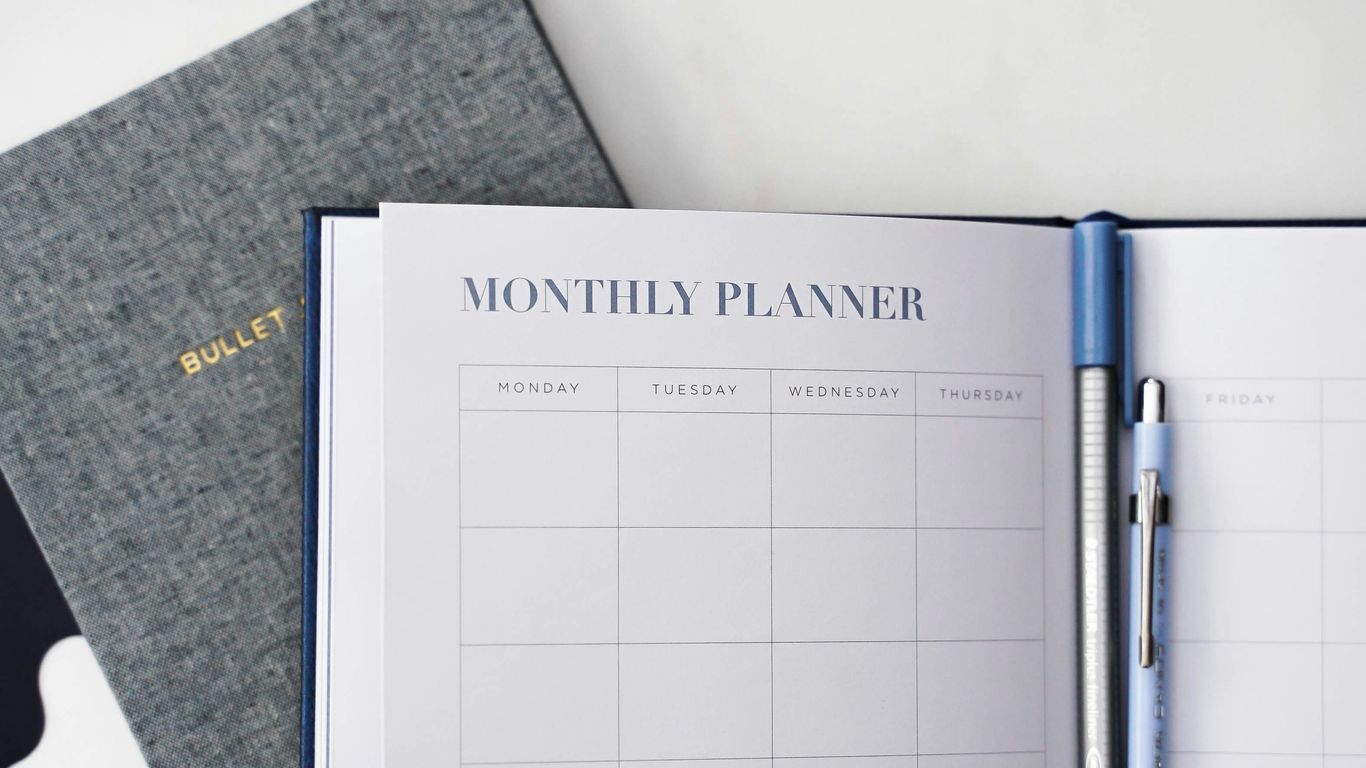
So, you’ve put in the work to build this awesome weekly plan. That’s great! But how do you actually make it stick, especially when life throws curveballs? It’s not about rigid perfection; it’s about building a flexible system that supports you. The goal is consistency, not flawless execution every single time.
Planning for Busy Days
Life happens, right? Some days are just packed. Instead of letting a busy day derail your entire week, plan for it. This means identifying those high-demand days in advance and making strategic adjustments. Maybe it’s simplifying your meals, scheduling shorter workouts, or even delegating tasks if possible. Think of it as building in some buffer zones.
- Identify potential busy days at the start of your weekly planning session.
- Prioritize ruthlessly – what absolutely must get done?
- Simplify where you can – easier meals, shorter training sessions, or less demanding chores.
- Build in short breaks to avoid burnout.
Pre-empting Chaos with Organization
Chaos often stems from a lack of clarity. When you know what’s coming, you can prepare. This ties back to the tools we discussed – your meal planner, grocery list, and that trusty notebook. Having these organized means you’re not scrambling at the last minute. It’s about creating a sense of order before things get out of hand. For instance, knowing your meals for the week means no frantic "what’s for dinner?" panic.
A well-organized plan acts as a shield against unexpected disruptions. It doesn’t eliminate challenges, but it equips you to handle them with less stress and more efficiency.
Giving Yourself Grace During Transition
Let’s be real: changing habits is tough. Whether you’re new to structured planning or refining an existing system, there will be days when things don’t go according to plan. Maybe you miss a workout, or your meal prep gets pushed back. That’s okay. The key is not to let one slip-up turn into a complete abandonment of your efforts. Acknowledge it, learn from it, and get back on track with your next planned activity. This flexibility is what makes the system sustainable long-term. Think of it like learning a new skill; you wouldn’t expect to be perfect on day one, would you? It takes practice, patience, and a willingness to keep going.
Making your plan work is key. Don’t let your schedule fall apart! We’ll help you build a calendar that actually sticks, so you can reach your goals without the stress. Ready to get organized? Visit our website to learn how to make your plan a success!
Putting It All Together
So, we’ve talked about fitting in training, making sure you’re eating right, and getting enough sleep. It might seem like a lot at first, but remember, it’s about building a routine that works for you. Start small, maybe just focus on one area this week. Planning meals ahead, even just a few days, can make a huge difference when life gets hectic. And don’t underestimate the power of a good night’s sleep for recovery. By making these things a regular part of your week, you’re setting yourself up for success, not just in your fitness goals, but in feeling better overall. It’s not about being perfect, it’s about being consistent and giving yourself the best chance to feel good and perform well.
Frequently Asked Questions
Why is planning my week important?
Planning your week helps you make sure you have enough time for important things like eating well, exercising, and resting. It’s like having a roadmap for your week, so you know where you’re going and don’t miss out on key activities that help you feel your best.
How can I make meal planning easier?
Set aside a special time each week just for planning meals. Think about what you’ll eat for the week and write it down. This saves you from wondering what to cook every day and helps you shop smarter.
What is ‘batch cooking’ and how does it help?
Batch cooking means making larger amounts of food at once and storing it for later. This is super helpful for busy days because you’ll have healthy meals ready to go, saving you time and preventing you from grabbing unhealthy fast food.
How should I plan my workouts during the week?
Mix up your workouts! Include exercises to build strength, some to improve your stamina, and maybe some quick, intense bursts. Think about what your body needs and schedule different types of training throughout the week to get stronger and fitter.
Why is sleep so important for my goals?
Getting enough sleep is crucial for your body to recover from workouts and perform well. Aim for 7-9 hours each night. A regular sleep schedule helps your body know when to rest, making you feel more energized and ready for the next day.
What kind of foods should I eat to fuel my workouts?
You need enough energy from foods like carbs to power your workouts. Protein helps your muscles repair, and healthy fats are important too. Listen to your body; if you’re hungry, you might need to eat more to support your training.
How can I save time with everyday tasks?
Try ‘batching’ other tasks too, like doing all your laundry at once or cleaning multiple things together. Setting reminders for these tasks can also help make sure they get done without taking up extra thought during your busy days.
What if my week gets unexpectedly busy?
It’s okay if things don’t go exactly as planned! Having a plan helps, but be flexible. If a day is super hectic, focus on the most important things. Give yourself some slack, especially when you’re still getting used to planning your week.