
Finding ways to move your body doesn’t always mean hitting the gym or signing up for a marathon. Sometimes, the best activities are the ones that also give back to the community or simply make your everyday life a little easier. This idea of ‘service as movement’ is all about finding joy and purpose in physical activity, whether you’re helping out at a local shelter, tending a community garden, or even just tidying up your own home. It’s a gentle approach to fitness that benefits both you and those around you.
Key Takeaways
- Embrace outdoor activities like nature walks and gardening, which combine physical effort with environmental care.
- Volunteer for causes that involve physical tasks, such as walking dogs at an animal shelter or assisting at a food bank, turning helpful acts into workouts.
- Integrate everyday chores like car washing and home cleaning into your routine, recognizing them as opportunities for functional fitness.
- Explore gentle movement practices like morning stretching, yoga, or Tai Chi for improved balance, flexibility, and overall well-being.
- Consider active hobbies and creative expressions like dancing, kayaking, or cycling that offer cardiovascular benefits while being enjoyable and purposeful.
Embrace The Outdoors For Service As Movement
Getting outside is a fantastic way to combine a desire to help with a need to move your body. It’s not just about getting fresh air; it’s about actively participating in something bigger than yourself while getting a good workout. Think about it: you’re contributing to your community and improving your own well-being at the same time. It’s a win-win.
Nature Walks For Mind And Body
Walking in nature is more than just a stroll; it’s a chance to reconnect with the environment and yourself. Studies show that spending time in green spaces can lower stress levels and boost your mood. When you combine this with a purpose, like a guided nature walk for a local conservation group or a trail cleanup, you’re adding a layer of active engagement. You’re not just passively observing; you’re contributing to the preservation of these beautiful places.
- Benefits of Nature Walks:
- Reduced stress and anxiety
- Improved mood and mental clarity
- Enhanced physical fitness through walking
- Deeper appreciation for the natural world
Gardening For A Greener World And Stronger You
Gardening is a surprisingly physical activity. Digging, planting, weeding, and carrying soil or water all engage different muscle groups. It’s a full-body workout disguised as a hobby. When you volunteer at a community garden, you’re not only helping to grow fresh produce for others, but you’re also building strength and stamina. The repetitive motions can be almost meditative, and the satisfaction of seeing something grow from your efforts is immense.
Gardening involves a lot of bending, squatting, and lifting, which are all great functional movements. It keeps your joints mobile and your muscles working, contributing to overall physical health and independence.
Park Beautification Through Active Volunteering
Parks are vital community spaces, and keeping them beautiful often requires a lot of hands-on work. Volunteering for park cleanups or beautification projects means you’ll likely be doing a lot of walking, bending, lifting, and perhaps even some light digging. Activities like picking up litter, raking leaves, or planting flowers can easily get your heart rate up. It’s a direct way to make your local environment more enjoyable for everyone, and you get a great workout in the process. Plus, working with others on these projects builds a sense of camaraderie and shared accomplishment.
Community Engagement Through Active Volunteering
Animal Shelter Walks For Canine Companions
Walking dogs at a local animal shelter is a fantastic way to get your steps in while doing some good. It’s not just about giving a furry friend some much-needed exercise and a break from their kennel; it’s a surprisingly good workout for you too. You’ll be surprised at how much your arms and core get a workout as you manage enthusiastic pups on their walks. Plus, the joy you get from seeing a dog happy and tired after a good romp is pretty rewarding.
- Benefits for Dogs: Provides socialization, reduces kennel stress, and helps them burn energy.
- Benefits for Volunteers: Boosts cardiovascular health, strengthens arm and core muscles, and offers a mood lift.
- Getting Started: Contact your local animal shelter to inquire about their volunteer dog-walking program. Many have orientation sessions to get you started.
Spending time with shelter animals can be a powerful stress reliever. The simple act of walking a dog can lower blood pressure and release endorphins, making both you and the animal feel better.
Food Bank Assistance With Purposeful Movement
Volunteering at a food bank often involves a lot of movement that can easily count as exercise. Think about carrying boxes of food, stocking shelves, and helping clients load their vehicles. These tasks require bending, lifting, and walking, all of which contribute to your daily activity. It’s a practical way to build strength and stamina while directly helping people in your community.
Here’s a quick look at the physical demands:
| Task | Movement Type |
|---|---|
| Lifting food boxes | Squats, core strength |
| Stocking shelves | Reaching, bending |
| Loading vehicles | Walking, carrying |
Community Garden Tending For Health And Connection
Getting involved in a community garden is another excellent way to combine physical activity with social interaction. Activities like digging, planting, weeding, and watering all involve bending, stretching, and repetitive motions that work various muscle groups. It’s a great way to spend time outdoors, connect with nature, and meet new people who share an interest in growing things. The fresh air and light physical exertion can do wonders for your overall well-being.
Everyday Chores As Functional Fitness
Car Washing For A Sparkling Shine And Workout
Who knew that getting your car spotless could also give you a bit of a workout? Think about it: reaching, stretching, scrubbing, and rinsing all involve movement. You’re bending to get the wheels, reaching up to the roof, and using your arms and shoulders to scrub away dirt. It’s a full-body activity that gets your heart rate up a little, especially if you’re doing it on a warm day. Plus, the satisfaction of a clean car is a great motivator!
Home Cleaning With Added Cardiovascular Benefits
Let’s be honest, cleaning the house isn’t always fun, but it doesn’t have to be a chore that just drains your energy. When you approach it with a bit more intention, tasks like vacuuming, sweeping, and mopping can become surprisingly good for you. Pushing the vacuum cleaner across the carpet engages your legs and core. Sweeping involves a good arm and shoulder workout. Even scrubbing the bathtub requires some serious effort and gets your blood pumping. Turning up some music while you clean can really make it feel more like a dance party than a duty.
Here’s a quick look at how some common cleaning tasks add up:
| Chore | Muscles Used | Potential Cardio Benefit |
|---|---|---|
| Vacuuming | Legs, Core, Arms, Shoulders | Moderate heart rate increase from pushing and pulling |
| Mopping/Sweeping | Arms, Shoulders, Core, Legs (for stability) | Rhythmic movement can elevate heart rate |
| Scrubbing | Arms, Shoulders, Back, Core | Intense bursts of activity, good for short cardio spikes |
| Window Washing | Arms, Shoulders, Core | Reaching and wiping motions engage upper body |
Yard Work For Strength And Stamina
Yard work is a classic example of functional fitness. Activities like mowing the lawn, raking leaves, digging in the garden, or even just carrying bags of mulch all require physical exertion. Mowing, especially with a push mower, is a great leg and core workout. Raking involves your arms, shoulders, and back. Digging is fantastic for building strength in your arms and core. These tasks build stamina and strength that you’ll notice in your everyday life, making other activities feel easier. It’s a practical way to stay active while also improving your living space.
Remember, the goal isn’t to turn your chores into an Olympic event, but to be more mindful of the movement involved. Even small adjustments, like taking the stairs instead of the elevator or parking a little further away, contribute to a more active lifestyle. It’s about integrating movement into the fabric of your day, making it feel natural and sustainable.
Gentle Movement For Body And Soul
Sometimes, the most impactful ways to move our bodies aren’t labeled as ‘exercise’ at all. It’s about finding activities that feel good, connect us to ourselves, and bring a sense of peace. This section is all about those gentle practices that nourish both your physical and mental well-being.
Morning Stretching For Daily Vitality
Starting your day with a few simple stretches can make a world of difference. It’s not about contorting yourself into difficult poses; it’s about waking up your muscles and getting the blood flowing. Think gentle rolls of the shoulders, a few hip circles, and maybe reaching for your toes. Even just five to ten minutes can help shake off stiffness and set a positive tone for the hours ahead. It’s a quiet moment just for you before the day’s demands begin.
Yoga And Tai Chi For Balance And Calm
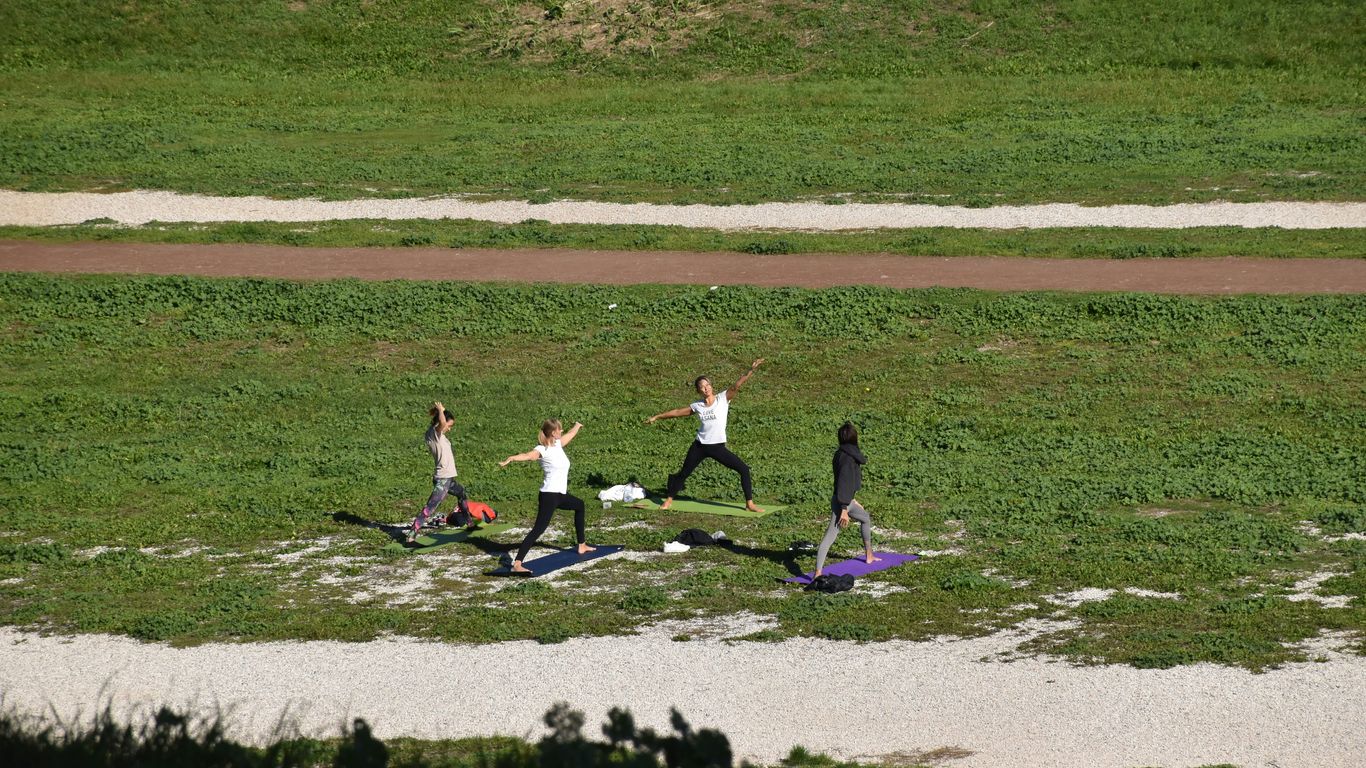
These practices are fantastic for improving your balance and bringing a sense of calm. Yoga, with its focus on breath and mindful poses, can increase flexibility and reduce stress. Tai Chi, often described as ‘meditation in motion,’ involves slow, flowing movements that are great for joint health and stability. You don’t need to be an expert; beginner classes are widely available and focus on accessible movements that anyone can try. They’re perfect for feeling more grounded and centered.
Mindful Movement Through Daily Activities
Think about how you move through your day. Are you rushing, or are you present? Bringing a little mindfulness to everyday tasks, like walking to the mailbox or even washing dishes, can turn them into opportunities for gentle movement. Pay attention to how your body feels, the rhythm of your steps, or the simple act of reaching and bending. It’s about appreciating the movement itself, rather than just the task at hand. This approach helps you connect with your body and find moments of peace in the ordinary.
The body is a remarkable tool, capable of so much more than we often give it credit for. By engaging in gentle, mindful movement, we not only support our physical health but also cultivate a deeper connection with ourselves and the world around us. It’s a pathway to feeling more present, balanced, and at ease in our own skin.
Creative Expression As Service As Movement
Who says staying active has to feel like a chore? Sometimes, the most engaging ways to get your heart pumping and your body moving come from activities that let you express yourself. It’s about finding that sweet spot where your passion for creativity meets the need for gentle exercise. These aren’t just hobbies; they’re opportunities to connect with yourself and others while boosting your physical well-being.
Dancing For Joyful Cardio And Coordination
Dancing is a fantastic way to get your blood flowing and improve your balance. It’s not just about remembering steps; it’s about feeling the music and letting your body respond. Whether you’re taking a formal class or just grooving in your living room, dancing works your coordination and can be surprisingly good for your cardiovascular health. Think of it as a joyful workout where the main goal is to have fun.
Group Dance Classes For Social Connection
Joining a group dance class offers a double benefit. You get the physical activity of dancing, plus the social interaction that comes with it. It’s a chance to meet new people, share a common interest, and build a sense of community. Many classes are designed for different skill levels, so don’t worry if you think you have two left feet. The camaraderie alone can be a great motivator.
Learning New Dance Styles For Cultural Immersion
Exploring different dance styles from around the world is another way to combine movement with learning. Each style often comes with its own history and cultural context, making it a rich experience. You might try salsa, flamenco, or even traditional folk dances. This kind of activity keeps your mind engaged as well as your body, offering a unique blend of physical exertion and mental stimulation. It’s a way to travel the world without leaving your local community center.
Active Hobbies That Give Back
Who says you can’t have fun and do good at the same time? There are tons of hobbies out there that get your body moving and also contribute to a cause or community. It’s a win-win, really. You get your heart rate up, build some muscle, and feel good about making a difference.
Kayaking For Upper Body Strength And Exploration
Kayaking is a fantastic way to get out on the water and work your arms, shoulders, and core. It’s a surprisingly good low-impact workout. Plus, imagine paddling along a river or lake, taking in the scenery. You can join local kayaking groups or volunteer for conservation efforts that involve paddling to clean up waterways. It’s a great way to explore nature while getting a solid upper body workout.
Cycling For Cardiovascular Health And Scenery
Cycling is a classic for a reason. It’s amazing for your heart and lungs, and you can cover a lot of ground. Whether you’re joining a charity bike ride, participating in a group cycling tour that supports a local cause, or just riding with friends to explore new trails, it’s a great way to stay active. The feeling of the wind in your hair as you pedal along is pretty unbeatable. It builds leg strength and endurance, and you can burn a good number of calories without even realizing it.
Rock Climbing For Full Body Engagement
Rock climbing, whether indoors on a wall or outdoors on a real cliff face, is a serious full-body workout. It requires strength, balance, and a good dose of mental focus. You’re using your arms, legs, and core to ascend, and it’s a fantastic way to build lean muscle. Many climbing gyms offer group sessions or introductory courses, and outdoor climbing often involves a partner, making it a social and trust-building activity. It’s definitely a hobby that pushes your limits while giving you a great physical challenge.
Strength And Stamina Through Light Exercise
Light Strength Training For Daily Functionality
Building strength doesn’t mean you need to hit the gym and lift heavy weights. You can actually get a lot done with just your own body weight or some simple tools you might already have around the house. Think about it: being able to lift your groceries, get up from a chair easily, or even just carry your grandkids without feeling strained. That’s what this kind of training is all about – making everyday life a little bit easier.
- Wall Push-ups: Stand facing a wall, place your hands on it slightly wider than shoulder-width apart, and lean in, bending your elbows. Push back to the start. This is great for your chest and arms.
- Chair Squats: Stand in front of a sturdy chair. Lower yourself as if you’re going to sit down, lightly touching the chair with your backside, then stand back up. This works your legs and glutes.
- Resistance Band Rows: Loop a resistance band around a stable object or under your feet. Pull the band towards your chest, squeezing your shoulder blades together. This is good for your back and arms.
These simple movements, done consistently, can really make a difference in how strong you feel day-to-day.
Bodyweight Exercises For Accessible Fitness
Bodyweight exercises are fantastic because you can do them anywhere, anytime. No gym membership, no fancy equipment needed. It’s all about using your own body to create resistance. This makes fitness super accessible, whether you’re at home, on vacation, or even just have a few minutes to spare.
The beauty of bodyweight training is its adaptability. You can modify exercises to suit your current fitness level and gradually increase the challenge as you get stronger. It’s a sustainable way to build a resilient body.
Here’s a quick rundown of some effective moves:
- Lunges: Step forward with one leg, lowering your hips until both knees are bent at about a 90-degree angle. Push off your front foot to return to the starting position. Alternate legs.
- Plank: Hold a push-up position, but rest on your forearms instead of your hands. Keep your body in a straight line from head to heels, engaging your core. Aim to hold for 20-30 seconds initially.
- Glute Bridges: Lie on your back with your knees bent and feet flat on the floor. Lift your hips off the ground, squeezing your glutes at the top. Lower back down slowly.
These exercises target major muscle groups and help improve your overall physical capability.
Consistent Light Cardio For Heart Health
Getting your heart rate up a bit, even gently, is super important for keeping your ticker in good shape. It’s not about running marathons; it’s about finding activities you enjoy that get your blood pumping regularly. Think of it as giving your heart a healthy workout so it can keep doing its job efficiently.
| Activity | Duration (per session) | Frequency (per week) |
|---|---|---|
| Brisk Walking | 30 minutes | 3-5 times |
| Cycling (leisurely) | 30-45 minutes | 2-3 times |
| Water Aerobics | 45 minutes | 2 times |
Even activities like dancing around your living room or gardening can contribute to your light cardio goals. The key is consistency. Doing something moderate a few times a week is far more beneficial than pushing yourself too hard once in a while. It helps with circulation, can improve your mood, and generally makes you feel more energetic throughout the day.
Team Sports And Group Activities
Sometimes, the best way to get your heart pumping and your muscles working is to do it with others. It’s not just about the physical exertion; it’s about the shared energy, the friendly competition, and the sense of belonging that comes with being part of a team or group. Working out with others can make exercise feel less like a chore and more like a fun social event.
Partnering For Sports Buddies Programs
Ever thought about mentoring a younger person while getting a workout in yourself? Programs like "Sports Buddies" pair adults with kids for various physical activities. It’s a fantastic way to give back, build a connection, and stay active. You might find yourself playing basketball, soccer, or even just going for a brisk walk, all while making a positive impact on a child’s life. It’s a win-win: you get your cardio in, and a kid gets a positive role model and a fun activity partner.
Team Sports For Camaraderie And Fitness
Joining a local recreational league for sports like soccer, volleyball, or even ultimate frisbee is a classic way to combine fitness with social interaction. These activities demand a good amount of movement, from running and jumping to quick changes in direction, providing a solid cardiovascular workout. Plus, the teamwork involved builds communication skills and a sense of shared accomplishment. It’s a great way to meet new people who share your interest in staying active and having fun.
Synchronized Swimming For Mind And Body Workout
This might sound intense, but synchronized swimming is a surprisingly effective full-body workout that requires significant coordination and teamwork. Participants work on memorizing routines, which is great for cognitive function, and then execute them with precise movements. This involves a lot of swimming, treading water, and holding difficult poses, all of which build strength, endurance, and flexibility. Many community centers and YMCAs offer introductory classes, making it accessible for those looking for a unique and challenging group activity.
Travel And Exploration With Purpose
Walking Tours For Cultural Discovery
Forget those stuffy tour buses! When you explore a new city on foot, you get a much better feel for the place. It’s not just about seeing the sights; it’s about experiencing the rhythm of the streets, stumbling upon hidden cafes, and really getting a sense of the local vibe. Every step you take is a mini-workout, boosting your heart rate and burning calories without you even really thinking about it. Plus, you’re likely to discover things you’d miss if you were just whizzing by in a vehicle.
- Plan your route: Look for guided walking tours that focus on history, art, or even food. Many cities offer free walking tours, though tipping your guide is always appreciated.
- Wear comfortable shoes: This is non-negotiable. Your feet will thank you after miles of exploring.
- Stay hydrated: Carry a reusable water bottle. You can refill it at many public fountains or cafes.
- Be present: Put away your phone for a bit and just soak in the surroundings. Listen to the sounds, smell the local aromas, and observe the people.
Exploring on foot allows for spontaneous detours and unexpected discoveries, turning a simple walk into an adventure. It’s a fantastic way to connect with a place on a deeper level while keeping your body moving.
Exploring New Cities On Foot
When you decide to explore a new city on foot, you’re essentially signing up for a full-body experience. It’s more than just sightseeing; it’s about engaging all your senses and getting your body moving in a natural, unforced way. Think about it: you’re climbing stairs to get to a viewpoint, walking up hills to reach a historic district, and covering miles just to get from one point of interest to another. This kind of movement is fantastic for your cardiovascular health and can really help build stamina over time. It’s a practical way to see more and do more, all while staying active.
Here’s a quick look at how different aspects of walking tours contribute to your well-being:
| Aspect of Walking Tour | Physical Benefit | Mental Benefit |
|---|---|---|
| Covering distance | Cardiovascular health, calorie burn | Stress reduction, improved mood |
| Navigating varied terrain | Leg strength, balance | Cognitive engagement, problem-solving |
| Spontaneous exploration | Increased activity levels | Sense of adventure, discovery |
Active Tourism For Health And Adventure
Active tourism takes the idea of travel and injects a serious dose of movement. It’s about choosing activities that get you moving and exploring, rather than just passively observing. This could mean anything from hiking scenic trails to cycling through vineyards or even trying out a local dance class. The key is that the activity itself is part of the adventure. You’re not just going through the motions; you’re actively participating in the experience, which makes it incredibly rewarding. This approach to travel is a win-win: you get to see new places and experience different cultures while simultaneously improving your physical fitness. It’s a great way to return home feeling refreshed, invigorated, and maybe a little bit stronger than when you left.
Ready to explore the world with a purpose? Discover how your journeys can make a real difference. Learn how to plan trips that give back and create lasting positive impacts. Visit our website to start planning your meaningful adventure today!
Final Thoughts
So, there you have it. Turns out, you don’t need to sign up for a gym or buy fancy gear to get your heart rate up and your body moving. Whether it’s helping out at the local animal shelter, tending to a community garden, or even just doing some vigorous spring cleaning, these activities can sneak in some good cardio without feeling like a chore. It’s all about finding what works for you, what brings you a little joy, and what makes you feel good about contributing to something bigger. Keep moving, keep helping, and you’ll likely find yourself feeling better all around.
Frequently Asked Questions
What exactly is ‘Service as Movement’?
It’s a cool idea where you do things to help others or your community, and while you’re doing them, you’re also getting some light exercise. Think of it as a win-win: you’re doing good and staying active at the same time!
Do I need to be super fit to do these activities?
Not at all! The focus is on gentle cardio and movement. Activities like walking, gardening, or helping at a food bank are usually low-impact and can be done by most people. It’s more about staying active than pushing yourself hard.
Can volunteering really count as exercise?
Absolutely! Many volunteer jobs involve moving around, like walking dogs at a shelter, tidying up a park, or even just standing and assisting people at an event. These actions get your body moving and your heart pumping a little, adding up to good exercise.
What are some examples of everyday chores that are good exercise?
Things like washing your car, vacuuming the house, doing yard work, or even deep cleaning can be surprisingly good workouts. You’re bending, stretching, and moving your whole body, which helps build strength and stamina.
Are there any activities that combine creativity with exercise?
Yes! Dancing is a fantastic example. Whether you’re taking a class, dancing in your living room, or joining a group, it’s a fun way to get your heart rate up, improve coordination, and express yourself.
What if I prefer being outdoors?
Great news! Many outdoor activities double as service and exercise. Think about joining a park clean-up crew, helping with a community garden, or going on nature walks. These get you fresh air and keep you moving.
How can I make sure I’m getting enough movement if I have a busy schedule?
Look for ways to weave movement into your day. Take the stairs instead of the elevator, go for short walks during breaks, or even do some simple stretches while watching TV. Small bursts of activity add up!
What’s the main benefit of combining service with exercise?
It makes staying healthy more enjoyable and meaningful. You get the physical benefits of exercise, plus the mental and emotional boost from helping others and connecting with your community. It’s a holistic approach to well-being.