
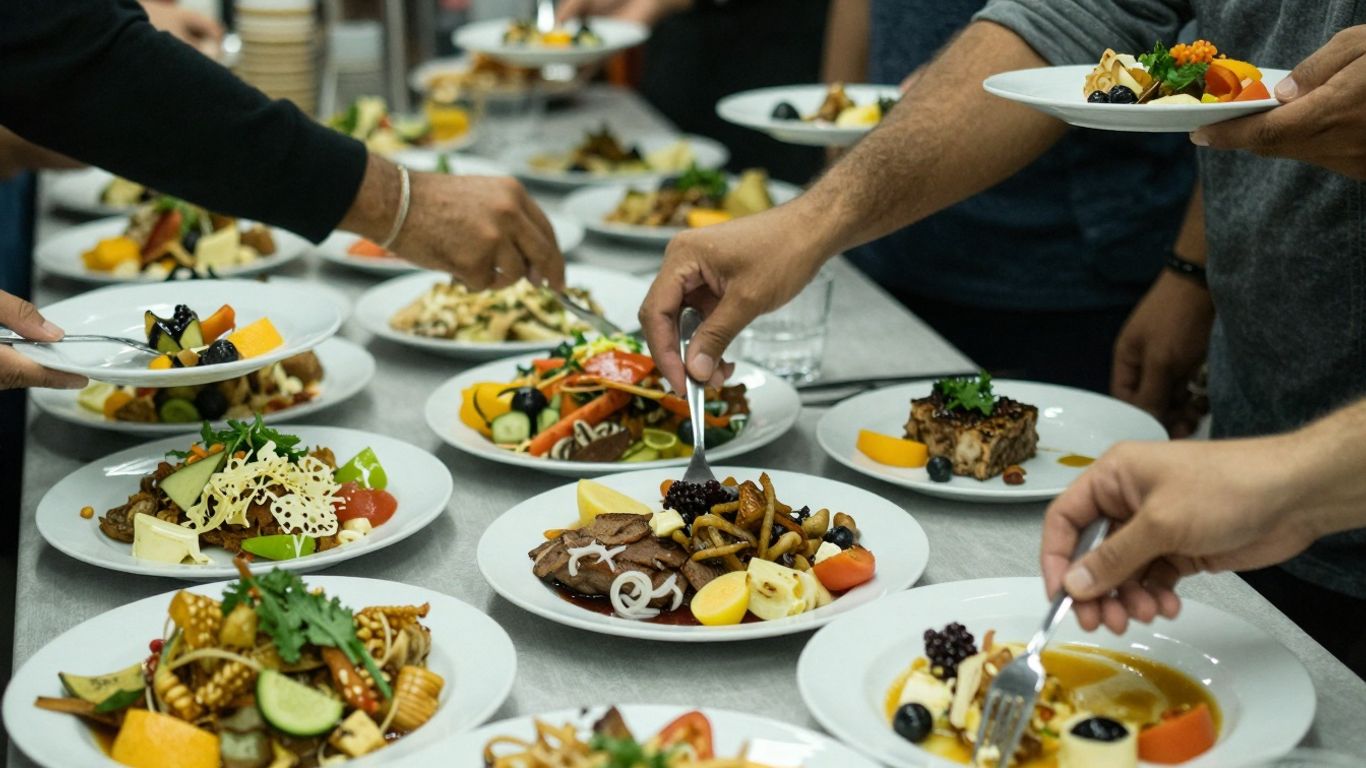
Going to a potluck or buffet can sometimes feel a little awkward. You’re not sure what to bring, what to say, or even how to approach the food table. It’s like there’s an unspoken set of rules, right? Well, that’s where social scripting comes in handy. It’s basically a set of cues or phrases that help us navigate these kinds of events smoothly. Think of it as a little cheat sheet for being a good guest (or host!). We’ll look at some common situations and how to handle them with grace, making sure everyone feels comfortable and the food gets enjoyed.
Key Takeaways
- Potlucks and buffets have their own social rules, and knowing them can make things easier for everyone.
- Using ‘social scripting’ means having go-to phrases and ideas for how to act at these events.
- Bringing a dish to a potluck is common, and there are ways to talk about your contribution or others’.
- Buffets offer a different vibe, often more relaxed, where people serve themselves and mingle freely.
- Understanding these social cues helps create a more comfortable and enjoyable experience for hosts and guests alike.
Potluck Discourse
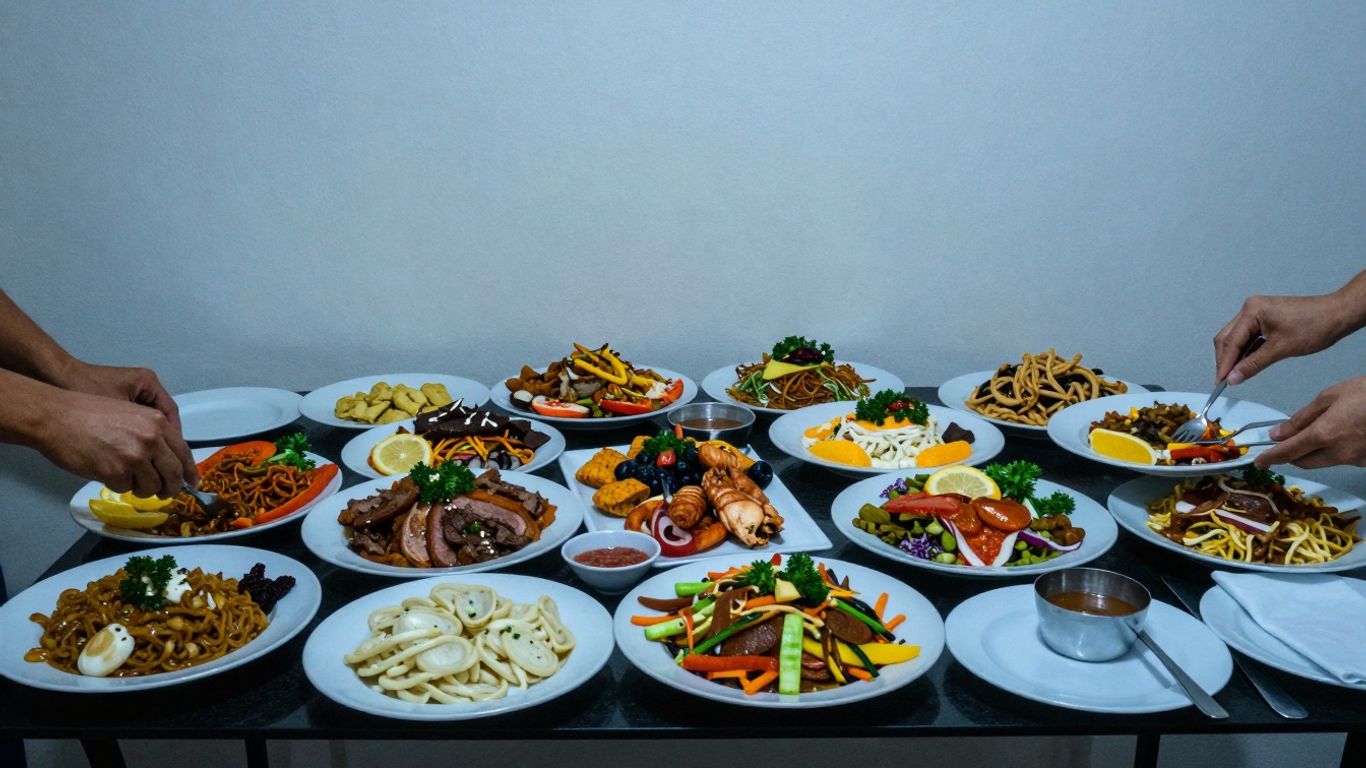
Potlucks are more than just a way to share food; they’re a social event where conversation often revolves around the dishes themselves. This shared focus on food acts as a natural icebreaker, making it easier for people to connect, especially in groups where members might not know each other well.
When you attend a potluck, you’ll notice that talking about what’s on the table is a common thread. People might ask about ingredients, compliment a specific dish, or even share where they found a particular recipe. This food-centric chat helps bridge gaps, whether it’s between different age groups, backgrounds, or even just folks who haven’t met before.
Here’s what often comes up in potluck conversations:
- Compliments on dishes: "This casserole is amazing! What’s in it?"
- Questions about preparation: "Did you bake this yourself? It looks delicious."
- Sharing recipes or tips: "I’ve been looking for a good recipe for [dish name]."
- Dietary considerations: "Is this vegetarian? I’m so glad you brought something I can eat."
The beauty of a potluck lies in its informality. It loosens up social expectations, allowing conversations to flow more freely around the shared experience of enjoying a variety of homemade or store-bought contributions. It’s a space where everyone brings something to the table, literally and figuratively.
This communal aspect, where everyone contributes, shifts the focus from a single host’s efforts to a collective effort. It creates an environment where people can mingle, try new things, and build connections over a shared meal, making it a unique form of social gathering.
Covered-Dish Supper
You might hear the term "covered-dish supper" thrown around, especially in certain parts of the country. It’s a phrase that carries a bit of history and often points to a specific kind of community gathering. Think of it as a precursor to the modern potluck, where everyone chips in by bringing a dish to share.
This style of meal was particularly common in areas like the American South and parts of the Midwest. It wasn’t just about sharing food; it was a way to build community and support one another, often centered around church events or neighborhood get-togethers. The "covered dish" part is pretty literal – people brought their food in dishes, usually with a lid or cover to keep it warm and safe on the journey.
Here’s a little breakdown of what made these suppers tick:
- Shared Effort: The core idea is that no single person is responsible for the entire meal. Everyone contributes something, making the hosting less of a burden and the meal more varied.
- Community Building: These events were social glue. They provided a relaxed setting for neighbors and friends to connect, catch up, and strengthen bonds.
- Variety is Key: Because everyone brings their own specialty or favorite dish, the resulting spread is often a delightful mix of flavors and styles.
The unspoken rule was simple: if you’re coming, you’re bringing a dish. It was a collective effort, a way of saying, "We’re in this together." It’s a charming tradition that highlights the generosity and collaborative spirit of communities.
Dish to Pass
The phrase "dish to pass" is a common and straightforward way to invite guests to contribute to a shared meal, most often associated with potlucks. It’s a polite request that signals the communal nature of the event. Think of it as a gentle nudge, letting everyone know that their culinary contribution is not just welcome, but expected.
When you’re organizing an event and use this phrase, you’re essentially saying, "Please bring something edible to share with the group." It’s a flexible term that can apply to a wide range of gatherings, from casual backyard barbecues to more formal church suppers. The beauty of the "dish to pass" concept lies in its simplicity and its ability to lighten the load for the host.
Here are a few ways to think about your contribution:
- Appetizers: Small bites that get the party started.
- Main Dishes: Heartier options that can serve as the centerpiece.
- Side Dishes: Complements to the main course, like salads, vegetables, or grains.
- Desserts: Sweet endings to round out the meal.
- Beverages: Sometimes, drinks are a welcome addition too.
Ultimately, the goal is to share the effort and create a diverse spread that everyone can enjoy. It’s about community, collaboration, and enjoying a meal together without one person bearing the entire burden of preparation. So, when you see "dish to pass," get creative and bring something you love to make!
Community Potlucks
Community potlucks are a fantastic way to bring people together, especially when a group shares a common interest or identity. Think of church groups, hobby clubs, or even neighborhood gatherings. The beauty of a community potluck lies in its shared effort and the sense of belonging it creates. It’s not just about the food; it’s about building connections and strengthening the bonds within a group.
These events often serve as a relaxed space for members to socialize outside of their usual activities. For instance, a local hiking club might organize a potluck after a long season, or a group of parents whose kids are in the same sports team could gather to celebrate. The food itself becomes a conversation starter, a way to learn about different tastes and traditions within the community.
Here’s what often makes community potlucks work well:
- Shared Responsibility: Everyone brings a dish, meaning no single person is overwhelmed with cooking.
- Variety of Flavors: You get to sample a wide range of homemade dishes, often reflecting the diverse backgrounds of the attendees.
- Informal Interaction: The buffet style allows people to mingle freely, chat with different individuals, and move around at their own pace.
While the goal is often to foster a sense of unity, it’s interesting how potlucks can also highlight the unique contributions of each member. It’s a delicate balance between individual effort and collective enjoyment.
These gatherings are more than just a meal; they are a practice in shared experience and mutual support, making everyone feel like a valued part of the group.
Ordered Meal
When we talk about an "ordered meal," we’re usually referring to a meal that’s planned out with a specific structure in mind. Think of it as a meal with a clear beginning, middle, and end, often following a traditional format. This isn’t just about what’s on the plate; it’s about the social expectations and cultural cues that come with it.
Historically, this kind of meal structure, often described as a main course with a couple of sides (like meat and two vegetables), has been a common way to present a "proper" meal in many Western cultures. It’s a pattern that feels familiar and recognizable to many people.
Here’s a look at what often defines an ordered meal:
- Main Course: Typically a protein like meat, fish, or poultry.
- Side Dishes: Usually one or two accompanying items, often a starch (like potatoes or rice) and a vegetable.
- Presentation: The food is served in a specific order, and the overall meal has a defined flow.
This structured approach can sometimes be seen as a way to signal a certain level of formality or tradition. It’s a culinary blueprint that has been passed down, influencing how we think about what constitutes a complete and satisfying meal.
The idea of a structured meal is deeply ingrained in how we understand eating together. It’s more than just sustenance; it’s about shared expectations and cultural norms that shape our dining experiences.
Buffet Service
Buffets offer a relaxed approach to hosting, shifting the focus from formal seating arrangements to a more fluid social experience. This style of service allows guests to move freely, mingle, and select their own food at their own pace. It’s a great way to manage larger gatherings without the pressure of perfectly timed courses or assigned seats. Think of it as setting up a delicious landscape where everyone can explore and enjoy.
Buffets can transform how a space is used. Instead of a central dining table dictating interaction, a buffet encourages guests to gather in smaller groups, sparking more spontaneous conversations. It also lessens the visible pressure on the host; if someone doesn’t care for a particular dish, they can simply choose something else without it being a major event. This abundance of choice is a key part of buffet hospitality.
Here are a few things to consider when setting up your buffet:
- Flow is Key: Arrange your food stations logically to prevent bottlenecks. Start with plates, then move through appetizers, main dishes, sides, and finally, desserts and drinks.
- Visual Appeal: Make the food look inviting! Use different heights with platters and bowls, and consider garnishes to add color and texture.
- Labeling: Especially for potlucks or when serving guests with dietary needs, clear labels for each dish are a lifesaver.
- Serving Utensils: Ensure each dish has its own dedicated serving spoon or fork to prevent cross-contamination and keep flavors distinct.
Buffets often feel more approachable for both the host and the guests. They can be a wonderful way to share a variety of foods and encourage a lively, informal atmosphere where the food itself is a conversation starter.
Dinner Parties
Dinner parties, in the traditional sense, often involve a host preparing a full meal for guests who are seated at a table. It’s a more structured affair than a potluck, where the host typically handles all the cooking and serving. These events can range from quite formal, with specific dress codes and elaborate table settings, to more relaxed gatherings.
Historically, dinner parties have been seen as a way to display social status and maintain relationships within certain circles. The style of service has evolved over time, from communal dishes placed on the table to individual courses served sequentially, requiring more staff and a greater emphasis on presentation.
Key aspects of a dinner party often include:
- Host Responsibility: The host is generally responsible for the entire menu and preparation.
- Seated Service: Guests are usually seated at a dining table.
- Social Performance: Often, there’s an unspoken expectation of conversation and social grace.
- Guest Contribution: Guests typically do not bring food, but may bring a bottle of wine or a small gift.
While the elaborate, high-society dinner party might seem out of reach for many, people adapt the concept to fit their own lives. The core idea is sharing a meal and conversation in a dedicated setting. Whether it’s a simple weeknight dinner with close friends or a more planned weekend event, the focus remains on connection and shared experience.
Catering Service
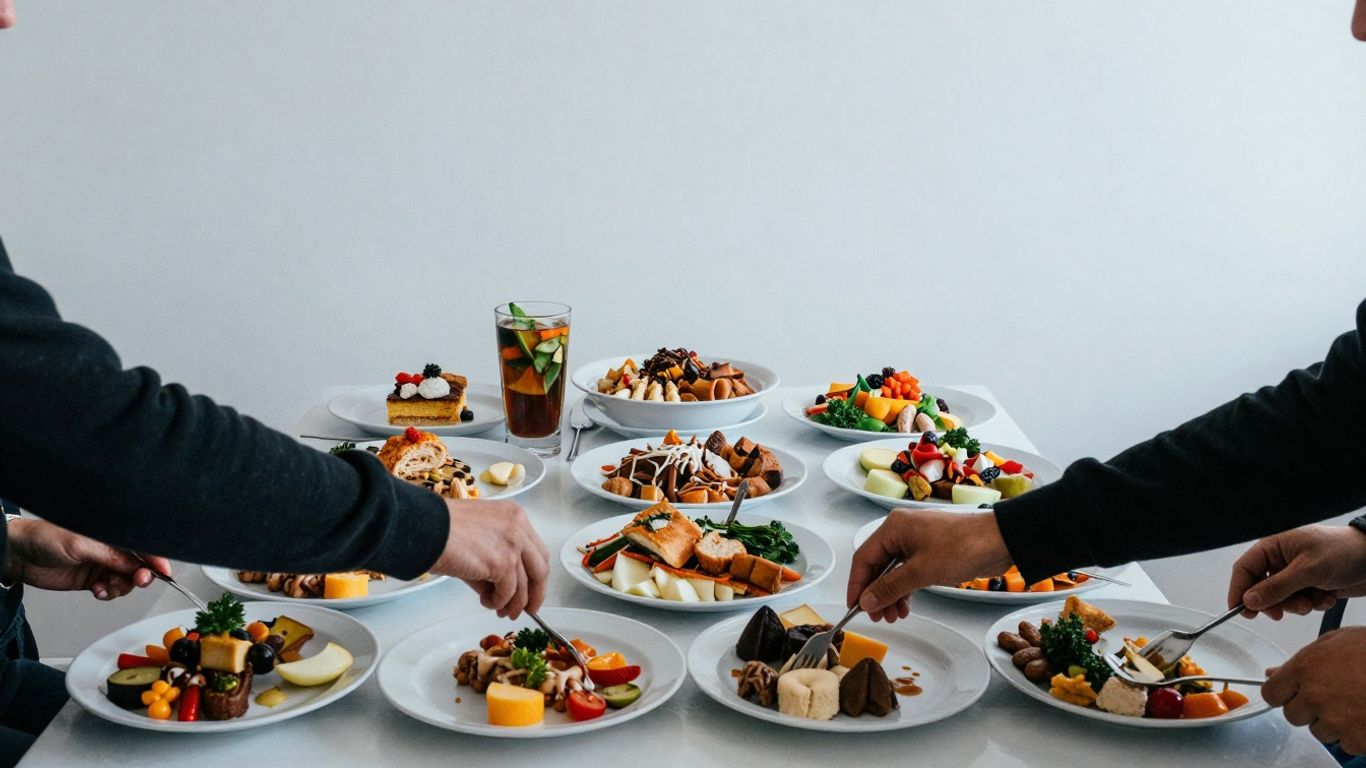
When you’re planning a larger gathering, whether it’s a wedding reception, a corporate event, or a big family reunion, the idea of preparing all the food yourself can feel pretty overwhelming. That’s where a catering service steps in. Think of them as your culinary partners, ready to handle the food side of things so you can focus on your guests.
Catering services can range from providing fully prepared meals that are delivered hot and ready to serve, to sending a team of chefs and servers to your location to prepare and plate the food on-site. They can handle everything from appetizers and main courses to desserts and drinks. It’s a way to bring restaurant-quality food and professional service to your own home or chosen venue.
The main benefit is taking the stress out of food preparation and service.
Here’s what you can typically expect when working with a caterer:
- Menu Planning: They’ll work with you to create a menu that fits your event’s theme, dietary needs, and budget. This might involve tasting sessions to try out different dishes.
- Food Preparation: All the cooking is done by their professional kitchen staff, often using high-quality ingredients.
- Service Staff: Depending on the package you choose, they can provide servers, bartenders, and even cleanup crews.
- Logistics: They handle the transportation of food, equipment (like chafing dishes and serving utensils), and setup at your event location.
Hiring a caterer isn’t just about getting food; it’s about getting a complete food experience. They bring the expertise to make sure everything runs smoothly, from the first bite to the last. It allows the host to be a guest at their own party, truly enjoying the company and the occasion without worrying about the kitchen.
When considering a caterer, it’s good to get a few quotes and check references. Ask about their experience with events similar to yours and what’s included in their pricing. It’s an investment, for sure, but for many, it’s the key to a successful and enjoyable event.
Supermarket Bag
When you’re heading to a potluck or buffet, sometimes the easiest way to transport your contribution is a simple supermarket bag. It’s practical, readily available, and often overlooked as a key piece of potluck gear. Think of it as the unsung hero of your dish’s journey.
Using a supermarket bag effectively means considering a few things. First, stability is key. For items in sturdy containers like casseroles or large bowls, a reusable shopping bag with a flat bottom works wonders. These bags offer more support than flimsy plastic ones. If you’re bringing something delicate or that needs to stay upright, like a cake or a pie, consider placing it inside a cardboard box first, then putting that box into the bag. This adds an extra layer of protection.
Here are some tips for using supermarket bags for transport:
- Choose the right bag: Opt for sturdy, reusable bags with reinforced handles and a flat base. Avoid thin plastic bags that can tear easily.
- Secure your dish: Make sure the container holding your food is sealed well to prevent spills. If it’s a dish with a lid, double-check that it’s on tight.
- Balance the load: If you’re carrying multiple items, try to distribute the weight evenly in the bag to prevent tipping.
- Handle with care: Even with a good bag, treat your food transport with respect. Avoid sudden movements or jostling.
While homemade is often celebrated, there’s a growing acceptance of quality store-bought items, especially when time is tight. A well-chosen dessert from a bakery, for instance, can be a lifesaver and still be a welcome addition to any spread. The goal is to contribute something enjoyable, and sometimes, that means smartly utilizing what the supermarket offers.
Don’t underestimate the power of a good bag. It’s a small detail that can make a big difference in getting your delicious creation to the event safely and without a mess.
Cheesecake Pan
When it comes to potlucks, especially those where desserts are a highlight, the humble cheesecake can really steal the show. It’s a classic for a reason, offering a rich, creamy texture that most people find incredibly satisfying. Think about it: a perfectly baked cheesecake, maybe with a swirl of fruit or a chocolate drizzle, sitting pretty on the dessert table. It’s the kind of dish that people talk about, the one that might even get its own little story.
Bringing a cheesecake to a potluck can be a strategic move, especially if you want your contribution to be remembered. It’s a dessert that often requires a bit more effort than, say, a bag of cookies, and that effort is usually noticed and appreciated. People associate certain dishes with specific individuals, and if you’re the ‘cheesecake person’ at your gatherings, that’s a pretty sweet reputation to have.
Here are a few things to consider when bringing a cheesecake:
- The Pan Matters: While you might bake it in a springform pan for easy removal, how you transport it is key. Sometimes, people will leave the cheesecake in the pan, or carefully unmold it onto a serving platter. Some even use the pan itself as a sort of marker, though this can be a bit unconventional.
- Presentation is Key: A plain cheesecake is good, but a cheesecake with a topping – like a berry compote, caramel sauce, or chocolate ganache – really elevates it. Even a simple dusting of powdered sugar can make a difference.
- Serving Strategy: Think about how it will be served. Will you bring a knife? Are there plates and forks readily available? Sometimes, pre-slicing it can make things easier for everyone.
The act of bringing a dessert like cheesecake isn’t just about satisfying a sweet tooth; it’s about contributing something special to the shared experience. It’s a way to express care and creativity, turning a simple gathering into a more memorable occasion.
While it might seem like just another dessert, a well-made cheesecake can be a real conversation starter and a delightful addition to any potluck spread. It’s a dish that balances familiarity with a touch of elegance, making it a welcome sight for many.
When you’re baking, having the right tools makes all the difference. A good cheesecake pan is essential for getting that perfect crust and even bake. Don’t let a flimsy pan ruin your dessert dreams! Visit our website today to find the best cheesecake pans that will help you create bakery-worthy treats right in your own kitchen.
Bringing It All Together
So, there you have it. Buffets and potlucks can feel a bit like a social minefield sometimes, right? But with a few simple phrases and a bit of thought about how you approach the food table, you can make things a lot smoother for everyone. It’s all about being considerate and making the experience enjoyable, whether you’re bringing a dish or just grabbing a plate. Remember, these gatherings are really about connection, and a little social grace goes a long way in making sure everyone feels welcome and appreciated. Happy eating!
Frequently Asked Questions
What’s the difference between a potluck and a covered-dish supper?
A potluck is a meal where everyone brings a dish to share. A covered-dish supper is pretty much the same thing, just a different name that’s more common in some parts of the country, like the South. Think of them as cousins!
Is it rude to bring something store-bought to a potluck?
It can be a little tricky. While bringing a homemade dish is often appreciated, sometimes store-bought items like chips and salsa are fine, especially if they’re presented nicely. The key is to read the room and know your hosts. In some groups, it’s totally okay, while in others, it might be seen as not putting in as much effort.
Why do people get so particular about what’s brought to a potluck?
People can get invested because the dish someone brings often says something about them – their personality, their skills, or even how much they care about the event. It’s like a little piece of themselves on a plate! Plus, everyone has different tastes and dietary needs, so variety is important.
What’s the main idea behind a buffet-style meal?
Buffets are all about making things easier and offering lots of choices. Food is set out, and guests serve themselves. This means hosts can relax a bit more, and guests can pick exactly what they want, when they want it. It’s great for parties where people are mingling and want flexibility.
Are buffets more about quantity or quality?
Buffets often focus on offering a lot of different foods, so quantity plays a big role. It’s a way for hosts to show they’re generous and have plenty for everyone. While quality is still important, the sheer variety is a hallmark of a good buffet.
What’s the deal with ‘ordering’ a meal?
An ‘ordered meal’ refers to a more traditional, structured meal, like a formal dinner party. There’s a set menu, often with a main course and side dishes, planned out carefully. It’s the opposite of the free-for-all that a potluck can sometimes be.
Can catering services be used for casual events like potlucks?
While catering is usually for more ‘special’ events like graduations or anniversaries, some people might use catering services for a more relaxed gathering if they want to ensure good food without the stress of cooking. It’s a way to have a nice meal without the work.
How does the food at a potluck reflect identity?
The dish someone brings can be seen as a reflection of their identity or personality. For example, someone might bring a family recipe that’s been passed down, or a dish that represents their cultural background. It’s a way for people to share a part of themselves with the group.