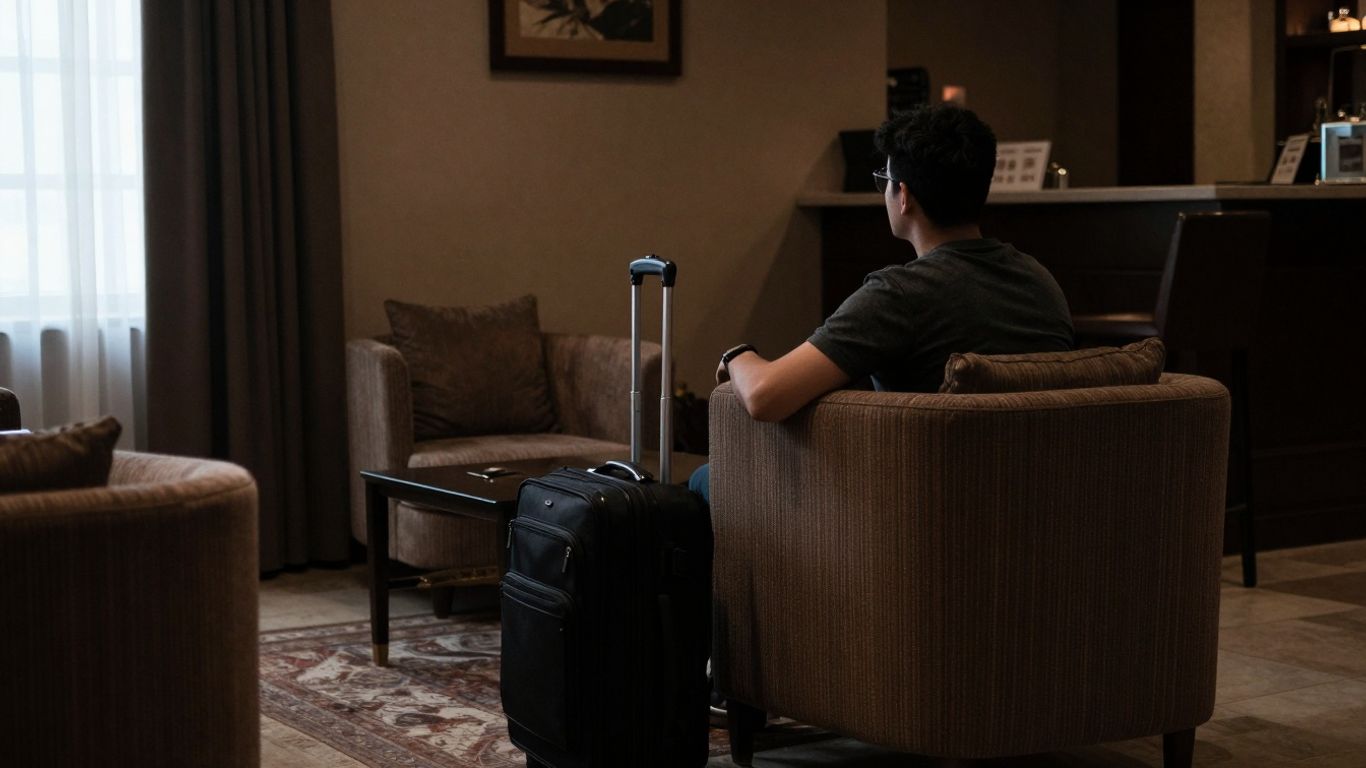
Planning a trip can feel like a lot, right? You want to see the world, but the thought of all the details can be a bit much. It’s easy to get caught up in the excitement and forget the little things that make a trip go smoothly. But what if you could plan ahead just enough to avoid those annoying hiccups? A good travel urge plan helps you do just that, so you can actually enjoy your adventures without that nagging feeling of ‘what if.’
Key Takeaways
- Get a head start by checking in for your flight online 24 hours before you leave. This takes some of the airport rush off your plate.
- Make long layovers work for you. Instead of just waiting, use the time to see a bit of the city you’re passing through.
- Book your first night’s hotel in advance. This way, you don’t have to worry about finding a place to sleep when you arrive, especially if you get in late.
- Stay connected without the stress. Think about getting a portable charger for your devices or looking into local SIM cards or Wi-Fi hotspots before you go.
- Plan ahead for activities. Booking tours or popular attractions beforehand can save you time and money, and stop you from missing out on things you really wanted to do.
Mastering Your Travel Urge Plan
Embracing Spontaneity with Foresight
That sudden urge to pack a bag and go? It’s a fantastic feeling, but letting it run wild without a little thought can lead to unnecessary stress. The trick isn’t to suppress that wanderlust, but to channel it. Think of it as having a well-prepared emergency kit for your adventures. When the travel bug bites, you want to be ready to pounce, not scramble. This means having a basic framework in place, so when inspiration strikes, you can act on it without a second thought.
The Art of Proactive Travel Planning
Planning ahead doesn’t mean scheduling every minute. It’s about setting yourself up for success. This involves a few key steps:
- Researching destinations: Get a feel for the culture, local customs, and general vibe. What’s the weather like? What are the must-see spots, and what are the hidden gems?
- Budgeting: Figure out a realistic amount you can spend. This helps narrow down choices and prevents financial surprises.
- Booking essentials: Think about your first night’s accommodation and any critical transport. Having these sorted removes immediate pressure upon arrival.
Proactive planning is your secret weapon against travel hiccups. It’s about anticipating potential issues and having solutions ready, so you can focus on enjoying the experience, not fixing problems.
Cultivating a Mindset for Seamless Journeys
Your attitude is half the battle. A mindset geared towards flexibility and problem-solving will make a world of difference. Things won’t always go exactly as planned, and that’s okay. Instead of getting frustrated, try to see unexpected detours as part of the adventure. This adaptability is what transforms a potentially stressful situation into a memorable story.
Consider this a mental checklist:
- Expect the unexpected: Flights can be delayed, weather can change, and plans might need adjusting.
- Stay curious: Approach new situations with an open mind. You might discover something wonderful you hadn’t planned for.
- Focus on the positive: Even when things go wrong, try to find the silver lining. What can you learn from this? How can you make the best of it?
Strategic Airport Navigation
Getting through the airport can feel like a whole trip in itself, right? It’s easy to get bogged down by the crowds, the lines, and the general chaos. But with a little planning, you can actually make this part of your journey smoother, maybe even a little bit interesting.
Leveraging Early Check-In for Peace of Mind
Checking in online, usually 24 hours before your flight, is a simple step that can save you a lot of hassle. It means you can skip one line at the airport and head straight for security. Plus, depending on the airline, you might even get to pick your seat or be among the first to board. It just takes the pressure off when you arrive.
Maximizing Long Layovers for Exploration
Don’t just sit around in the departure lounge if you have a long layover. If you have several hours, say three or more, consider stepping out of the airport. Many cities have major attractions that are surprisingly accessible. A quick ride-share or pre-booked shuttle can get you to a landmark or a local spot for a few hours. It’s a great way to see an extra place without booking a separate trip. Just make sure you know your return time well in advance!
Securing Reliable Airport Transfers
Figuring out how to get from the airport to your hotel, especially late at night or in a new country, can be stressful. Taxis can be unpredictable, and sometimes you might even get overcharged. Booking a shuttle service in advance, either through your hotel or a third-party site, takes that worry away. You know someone will be there, and you’ve already settled the price. It’s a small thing, but it makes a big difference when you’re tired.
The airport is a gateway, not a destination. Think of it as a transition zone where smart choices can set the tone for your entire trip. A little foresight here goes a long way in reducing travel day stress.
Optimizing Your Accommodation Experience
The Value of Pre-Booking Your First Night
Arriving after a long flight, especially one that lands early in the morning, can leave you feeling pretty wiped out. You’ve got your bags, you’re ready to just collapse, but then you hit the check-in desk and they tell you your room isn’t ready yet. It happens. Sometimes they can hold your luggage, and you can go wander around, but honestly, who wants to do that when all you really want is a shower and a nap? Booking your first night at the hotel before you even arrive can make a huge difference. It means you can drop your bags, maybe even get into your room right away, and start to feel human again. It might cost a little extra, but for many, the peace of mind and immediate comfort are totally worth it, especially if you’re arriving at an odd hour.
Ensuring Comfort Upon Arrival
Think about it: you’ve just spent hours on a plane, maybe even crossed a few time zones. The last thing you need is to drag your luggage around a new city because your room isn’t ready. Having a place to go straight to allows you to settle in, unpack, and get some rest before you even think about sightseeing. This can really help prevent that initial travel fatigue from taking over your whole trip. It’s about starting your adventure on a more relaxed note, rather than feeling rushed and exhausted from the get-go.
Selecting Hotels That Enhance Your Stay
Your hotel is more than just a place to sleep; it’s your basecamp for exploring. Picking the right one can really shape your trip. Don’t just look at the pictures online. Take a few minutes to read recent reviews from other travelers. What do people say about the cleanliness, the staff, and the general vibe? A good hotel can add a lot to your experience, offering a comfortable retreat after a day of exploring. On the flip side, a disappointing hotel can really drag you down. It’s worth putting in a little effort beforehand to find a place that fits what you’re looking for, whether that’s a quiet spot, a place with great amenities, or somewhere close to the action.
Here’s a quick look at what to consider:
- Location: Is it convenient for the things you want to do?
- Reviews: What are other guests saying?
- Amenities: Does it have what you need (like Wi-Fi, breakfast, etc.)?
- Price: Does it fit your budget?
Making a thoughtful choice about your accommodation can turn a good trip into a great one. It’s about setting yourself up for a comfortable and enjoyable experience from the moment you arrive.
Seamless Connectivity Abroad
Staying connected when you’re far from home used to be a real headache. Now, it’s much more manageable, but still requires a bit of thought. You don’t want to land in a new country and immediately feel cut off from the world, right? Having a plan for internet access can make a huge difference in how smoothly your trip goes.
Essential Tools for Staying Connected
When you’re traveling internationally, your regular phone plan might not cut it, or it could get really expensive, really fast. That’s where a few key items come in handy. Think of these as your digital lifeline.
- Portable Power Bank: Airports and cafes don’t always have open outlets. A good power bank means you can charge your phone, tablet, or other devices on the go, so you’re never stuck with a dead battery when you need it most. Look for one with a decent capacity – enough to charge your phone at least twice.
- Unlocked Smartphone: If your phone is unlocked, you can easily swap out SIM cards for local providers at your destination. This is often way cheaper than international roaming.
- Travel Router (Optional): If you plan on connecting multiple devices or need a more secure personal network in hotel rooms, a small travel router can be useful.
Navigating International Wi-Fi Solutions
Finding Wi-Fi abroad is usually possible, but the quality and cost can vary wildly. Here’s how to approach it:
- Local SIM Cards: Buying a local SIM card upon arrival is often the most cost-effective way to get data. You can usually pick these up at the airport or in town. Just make sure your phone is unlocked first.
- Pocket Wi-Fi Hotspots: You can rent or buy these devices. They create a personal Wi-Fi network that you can connect multiple devices to. They’re great if you’re traveling with others or have several gadgets.
- Public Wi-Fi: Many cafes, restaurants, and public spaces offer free Wi-Fi. However, be cautious about security when using these networks, especially for sensitive transactions.
Understanding VPNs for Secure Access
Sometimes, you’ll find that certain websites or apps are blocked in the country you’re visiting. Or, you might want an extra layer of security when using public Wi-Fi. That’s where a Virtual Private Network (VPN) comes in.
A VPN encrypts your internet connection, making it much harder for others to snoop on your online activity. It can also make it appear as though you’re browsing from a different country, which can help you access content that might otherwise be restricted.
Setting up a VPN is usually straightforward. You can download an app onto your smartphone or laptop before you leave home. Many services offer different plans, so you can choose one that fits your budget and needs. It’s a smart move for anyone concerned about online privacy while traveling.
Intelligent Packing Strategies
Packing smart can really change your trip. It’s not just about what you bring, but how you bring it. Less stuff often means more freedom. Think about it: dragging a giant suitcase over cobblestones or trying to cram it into a tiny train compartment is a hassle nobody needs.
The Benefits of Traveling Light
When you pack light, you’re setting yourself up for a smoother experience. You can move around more easily, get through airports faster, and generally feel less weighed down. It means less worry about lost luggage and more focus on enjoying where you are.
- Increased Mobility: Easily navigate crowded streets, public transport, and stairs.
- Reduced Stress: Less to keep track of, less to worry about losing or damaging.
- Cost Savings: Avoid checked baggage fees and potentially fit more into a single carry-on.
Choosing the Right Carry-On Luggage
Your carry-on is your main travel companion. Look for something durable but lightweight. Wheels are great, but consider the terrain you’ll be encountering. A backpack might be better for rougher paths, while a rolling bag is perfect for city travel. A good carry-on should have smart compartments to keep things organized.
Minimizing Stress Through Efficient Packing
How you pack matters. Rolling your clothes instead of folding can save space and reduce wrinkles. Use packing cubes to keep different types of items separate and compressed. Always pack a change of shoes – you never know when a comfortable pair will save your feet.
Don’t bring books you won’t read. Audiobooks are a great way to save space and still enjoy stories on the go. Similarly, consider digital versions of guidebooks or maps instead of bulky paper ones.
Financial Preparedness for Your Journey
![]()
Getting your money sorted before you even think about packing is a smart move. It takes away a lot of the little worries that can pop up when you’re in a new place. Having your finances in order makes the whole trip feel smoother.
Ordering Foreign Currency in Advance
It’s a good idea to get some local cash before you leave. You don’t want to land and immediately have to hunt for an ATM or a currency exchange booth, especially if it’s late or you’re tired. Ordering ahead means you can pick it up at your bank or have it delivered. This way, you have money right away for a taxi, a snack, or whatever you need when you first arrive.
Here’s a quick look at why getting cash beforehand helps:
- Convenience: No need to search for exchange services upon arrival.
- Better Rates: Banks often offer more competitive rates when you order in advance compared to airport kiosks.
- Immediate Use: You’ll have money for immediate needs like transport or food.
Avoiding Exchange Hassles Upon Arrival
Airport currency exchange places are notorious for giving you less bang for your buck. They often have poor exchange rates and sometimes even hidden fees. It’s like paying a premium just for the convenience of being right there. Instead, try to get your currency from your home bank or a reputable online currency exchange service before you travel. If you do need to exchange money abroad, look for local banks or ATMs in well-trafficked areas rather than tourist traps.
Presenting Yourself as a Savvy Traveler
Being prepared financially shows you’ve put thought into your trip. It’s not just about having money; it’s about managing it wisely. This includes understanding the local tipping customs, knowing the approximate cost of common items, and having a mix of payment methods (cash, credit cards, debit cards). A little research goes a long way in making you feel more confident and less like a target for overcharging. It allows you to focus on the experience, not on money worries.
Planning your money matters ahead of time means you can relax more once you’re on the ground. It’s about setting yourself up for a good experience from the start, rather than dealing with unexpected money problems when you’re trying to enjoy yourself.
Enriching Your Itinerary with Pre-Booked Experiences
The Advantages of Booking Tours Ahead
Thinking you can just show up at your destination and figure out tours on the fly? It might work sometimes, but more often than not, you’ll miss out or pay more. I’ve learned that taking a little time before you leave to book key activities can really make a difference. It means you know what you’re doing each day, and you’ve already sorted out the details. This way, you’re not spending your precious vacation time trying to arrange things in an unfamiliar place.
Securing the Best Value for Excursions
When you book tours and excursions in advance, especially through reputable online platforms, you often get a clearer picture of the prices. This upfront knowledge helps you compare options and avoid the feeling of being overcharged as a tourist. Some services even offer "skip the line" access, which can save you a lot of waiting time, particularly at popular spots. It’s a smart way to manage your budget and your schedule.
Here’s a quick look at why pre-booking makes sense:
- Price Certainty: You know what you’re paying before you go.
- Time Savings: Avoids last-minute booking hassles and queues.
- Wider Selection: Access to a broader range of tours and activities.
- Guaranteed Spots: Popular attractions can fill up quickly.
Avoiding Last-Minute Disappointments
There’s a certain peace of mind that comes with having your major activities planned. It means you can relax and enjoy the moment, rather than worrying about what to do next or if you’ll even be able to do it. Imagine wanting to visit a specific historical site or take a unique local cooking class, only to find out it’s fully booked for weeks. Pre-booking helps you lock in those experiences you’ve been dreaming about, turning potential regrets into cherished memories.
Planning ahead doesn’t mean your trip has to be rigid. You can always pencil in activities and leave room for spontaneity. But having the main events secured means you have a solid framework, and any spontaneous detours become bonuses, not necessities that disrupt your plans.
Embracing the Journey with Comfort
Prioritizing Rest on Arrival Days
When you finally land after a long flight, the last thing you want is to feel completely wiped out. It’s tempting to jump right into sightseeing, but giving yourself permission to rest can make a huge difference. Think of your arrival day as a gentle easing-in period, not a race. This means not scheduling too many activities right away. Maybe a relaxed walk around the hotel neighborhood, a quiet meal, or just some time to unpack and settle in. Your body and mind will thank you for it.
Adapting Travel Pace to Personal Needs
Travel isn’t one-size-fits-all, especially as we get older or if we have specific health considerations. What works for a twenty-something backpacker might not work for someone in their sixties or seventies. It’s about being honest with yourself about your energy levels and physical limits. This might mean choosing slower modes of transport, taking more breaks, or opting for accommodations that are easily accessible. It’s not about seeing less, but about experiencing what you do see more fully and without strain.
The Role of Comfort in Long-Haul Travel
Long flights or train rides can be tough. Investing in comfort can really change the experience. This could be as simple as bringing a good neck pillow, noise-canceling headphones, or comfortable, loose-fitting clothing. For flights, consider if a bit extra legroom or a premium cabin is within your budget and would significantly improve your journey. Sometimes, a little upfront cost for comfort can prevent a lot of discomfort and fatigue, allowing you to arrive feeling more ready to explore.
- Comfort Checklist:
- Travel pillow and eye mask
- Reusable water bottle (empty for security)
- Snacks from home
- Comfortable walking shoes
- Layers of clothing
Making small adjustments for comfort doesn’t mean you’re not a ‘real’ traveler. It means you’re a smart traveler who understands how to manage energy and well-being on the road. This approach allows for more enjoyable experiences over the long haul.
Navigating Late Arrivals Gracefully
Strategies for Overnight Flights
Arriving after a long overnight flight can leave you feeling pretty wiped out. The last thing you want is to deal with a complicated check-in process or a room that isn’t ready. Planning ahead for these situations can make a huge difference in how you start your trip. It’s about setting yourself up for comfort and a smooth transition, rather than adding more stress to an already tiring journey.
The Benefits of Securing Your Room Early
When your flight lands at an ungodly hour, the idea of walking into a pre-booked room that’s ready for you is pure gold. It means you can drop your bags, maybe take a quick shower, and actually get some rest before you need to face the day. This isn’t just about luxury; it’s about managing your energy and well-being. Think of it as an investment in your ability to enjoy the rest of your trip.
- Immediate Rest: Walk straight into your room and relax.
- Freshen Up: A shower can make a world of difference.
- Beat Jet Lag: Getting proper rest early helps combat fatigue.
- Peace of Mind: No worries about room availability or waiting.
Balancing Cost and Convenience for Rest
Deciding whether to book your room for the night before your arrival often comes down to weighing the extra cost against the convenience and comfort you gain. For some, especially on longer trips or when traveling with family, the peace of mind and immediate comfort are well worth the expense. It’s about recognizing that sometimes, paying a little more upfront can prevent a lot of hassle and discomfort later.
The decision to book an extra night often hinges on personal travel style and priorities. While some travelers are happy to store their luggage and wait for their room, others find the immediate access to a comfortable space invaluable, especially after an overnight journey. It’s a trade-off between saving money and prioritizing immediate comfort and rest.
Here’s a quick look at factors to consider:
| Factor | Pros | Cons |
|---|---|---|
| Cost | Potentially save money by waiting | Extra night adds to overall trip expense |
| Convenience | Immediate access to room, no waiting | Requires pre-booking and payment |
| Comfort | Can rest and shower right away | Might not be necessary if room is ready |
| Energy | Helps combat fatigue from overnight flight | Can be seen as an unnecessary expense |
Sustaining Your Travel Urge Over Time
![]()
Planning for the Long Term
Keeping that travel bug alive for years to come is all about smart, long-term thinking. It’s not just about booking the next trip; it’s about building a sustainable approach to seeing the world. This means looking ahead, not just to next month, but to next year, and even the decade after. Think about how your travel style might change as you get older. Maybe those backpacking adventures will evolve into more comfortable train journeys or scenic cruises. It’s about adapting, not stopping.
Adapting Activities to Physical Well-being
As we age, our bodies change, and that’s perfectly normal. The key to continuing your travels is to listen to your body and adjust your activities accordingly. Instead of pushing yourself to exhaustion, find ways to enjoy destinations at a pace that feels right. This could mean shorter excursions, more time spent relaxing in local cafes, or choosing accommodations that are easily accessible. It’s about finding joy in the journey, whatever that looks like for you now.
- Prioritize rest: Schedule downtime into your itinerary. Don’t try to see everything in one go.
- Choose wisely: Select activities that match your current energy levels. A leisurely museum visit can be just as rewarding as a strenuous hike.
- Stay active: Gentle exercise, like walking or swimming, can help maintain stamina and make travel more enjoyable.
Making the Most of Every Travel Opportunity
Life is unpredictable, and so is the ability to travel. The best way to sustain your travel urge is to embrace opportunities as they arise. Don’t put off that dream trip indefinitely. If you have the means and the health, go for it. Sometimes, the most memorable experiences are the ones we seize without too much hesitation. It’s about balancing planning with spontaneity, and always keeping that sense of wonder alive.
The world is vast and full of wonders. By planning thoughtfully and adapting as needed, you can ensure that your passion for travel continues to enrich your life for many years to come. It’s a journey that evolves with you.
Keeping your wanderlust alive for the long haul is totally doable! Don’t let life get in the way of your adventures. Ready to plan your next escape? Visit our website to discover amazing travel ideas and tips to keep your journey going strong. Your next great trip is just a click away!
Your Journey, Your Way
So, as you pack your bags and dream of new horizons, remember that travel is what you make it. Whether it’s a quick layover turned adventure or a leisurely arrival at your hotel, a little planning goes a long way. Don’t let the unexpected derail your excitement. Embrace the journey, learn from every moment, and trust that with thoughtful preparation, your travels will be filled with more joy and fewer regrets. Happy trails!
Frequently Asked Questions
Why should I check in for my flight 24 hours before?
Checking in online a day early gives you more time at the airport. You won’t have to rush because you’ve already done the first step. Plus, sometimes it means you get to board the plane sooner!
Is it a good idea to book my hotel room for the night before I arrive?
If you have a very early flight, booking the room the night before lets you check in right away. This means you can rest, take a shower, and relax after your long journey instead of waiting around. It’s often worth the extra cost for immediate comfort.
What’s the best way to stay connected when traveling internationally?
Using a portable Wi-Fi hotspot or a VPN (Virtual Private Network) is super helpful. A hotspot lets you connect to the internet almost anywhere, and a VPN keeps your online activity safe, especially when using public Wi-Fi.
Should I pack books for my trip?
Probably not! Books take up valuable space in your luggage and you might not even read them. Consider using audiobooks like Audible instead. You can listen while you’re on the go without needing extra physical items.
Why is it smart to book tours and activities before my trip?
Booking ahead saves you time and stress when you get to your destination. You’ll know the prices and schedules, and you won’t miss out on popular attractions. It helps you avoid last-minute scrambling and disappointment.
How can I avoid problems with money when I travel abroad?
It’s a good idea to get some of the local money before you leave. This way, you won’t have to search for an exchange office at the airport, and you’ll likely get a better rate. It also helps you avoid looking like a tourist who isn’t prepared.
What’s the advantage of traveling with just a carry-on bag?
Packing light, especially with just a carry-on and a small backpack, makes getting around much easier. You won’t be weighed down by heavy luggage, making it simpler to navigate busy streets, stairs, and public transport.
What should I do if I have a long layover at an airport?
Don’t just sit in the airport! If you have a few hours, use a ride-sharing app or a pre-booked shuttle to explore a nearby attraction. It’s a great way to see a new place without much extra planning.