
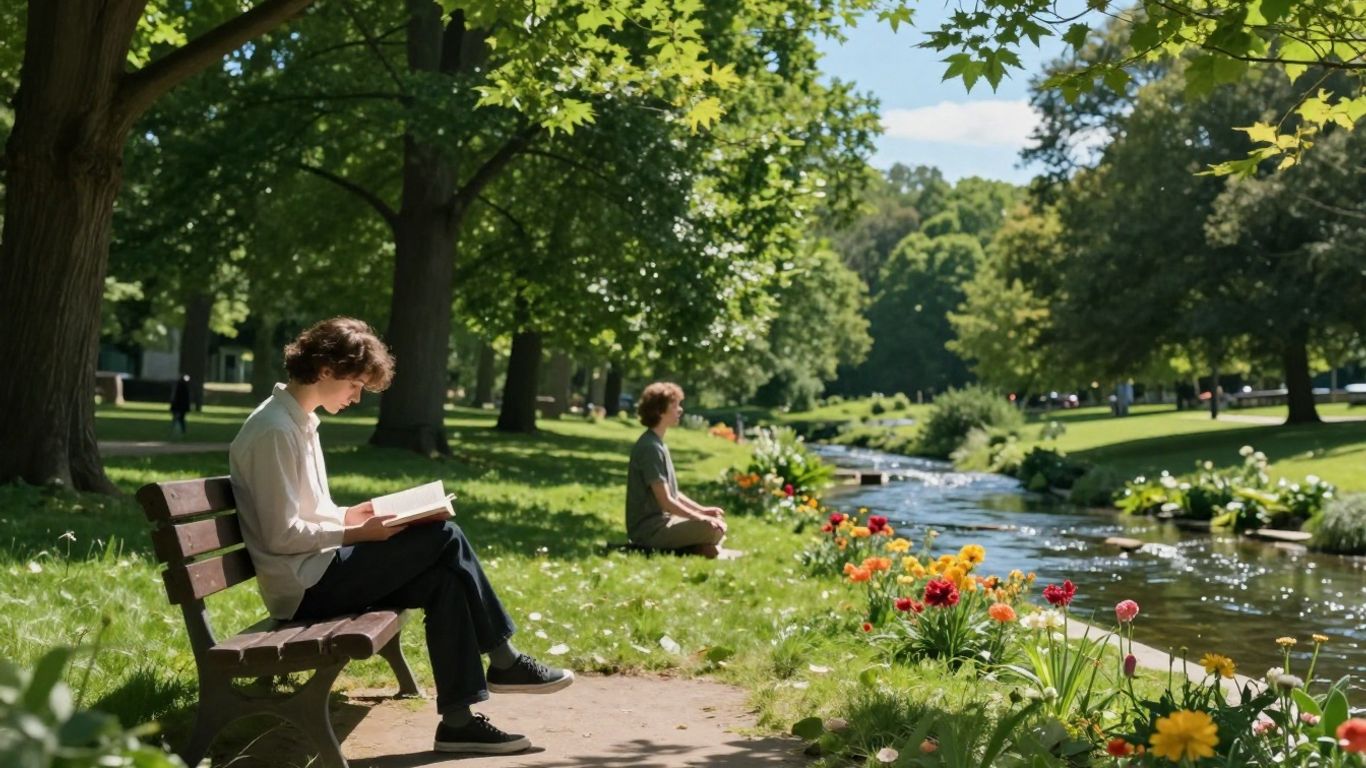
Feeling a bit drained lately? It’s easy to get caught up in the daily grind, and before you know it, you’re scrolling endlessly or just feeling tired. But what if recharging didn’t involve more screen time or a trip to the fridge? This list is all about finding that sweet spot of restorative fun, activities that genuinely bring back your energy without needing a plug or a snack break. Think of it as a gentle nudge to reconnect with yourself and the world around you in simple, enjoyable ways. We’ve gathered some ideas to help you find that calm and get that spark back.
Key Takeaways
- Engage in mindful practices like breathing exercises or journaling to cultivate inner peace.
- Rekindle your creativity through non-digital means like sketching, crafts, or writing.
- Nurture connections by opting for screen-free social activities such as board games or handwritten letters.
- Rejuvenate your mind and senses with quiet contemplation, nature sounds, or a warm bath.
- Find a sense of accomplishment through productive, offline tasks like organizing or planning.
Cultivating Inner Peace Through Mindful Practices
In our fast-paced world, finding moments of calm can feel like a challenge. Yet, cultivating inner peace isn’t about escaping life, but about learning to be present within it. These practices are designed to help you reconnect with yourself, quiet the mental chatter, and find a sense of balance, all without needing a screen or a snack.
Engage in Mindful Breathing Exercises
Breathing is something we do constantly, but rarely pay attention to. By focusing on your breath, you can anchor yourself in the present moment. It’s a simple tool that’s always available. Try this: find a comfortable spot, close your eyes if you wish, and just notice your breath. Feel the air entering your body, then leaving. Don’t try to change it, just observe. You might notice your shoulders relaxing. Even a few minutes of this can make a difference.
- Inhale slowly through your nose, feeling your belly expand.
- Exhale gently through your mouth, letting go of tension.
- Repeat for 5-10 breaths, or as long as feels good.
Practice Gentle Stretching or Yoga
Movement can be a wonderful way to release physical tension that often accompanies mental stress. Gentle stretching or a few simple yoga poses can help you feel more connected to your body. You don’t need to be a seasoned yogi; the goal is simply to move in a way that feels good. Think about poses that open up your chest or release tension in your neck and shoulders. It’s about listening to what your body needs.
Journal Your Thoughts and Gratitude
Putting pen to paper can be a powerful way to process your thoughts and feelings. Journaling doesn’t require any special skill, just a willingness to explore your inner world. You could write about your day, your worries, or simply things you’re thankful for. Focusing on gratitude can shift your perspective, highlighting the good even on tough days. A simple list of three things you appreciate can be a great starting point.
Taking a few minutes to write down your thoughts can help clear your mind. It’s like tidying up your mental space, making room for more peace and clarity. Don’t worry about perfect sentences; just let the words flow.
Rekindling Creativity Beyond the Digital Realm
It’s easy to get caught up in the endless scroll, right? Social media and constant digital input can really drain our creative energy. But there are so many ways to tap into your imagination without a screen in sight. Letting your hands and mind wander freely can spark new ideas and bring a sense of calm.
Explore Sketching or Adult Coloring
Sometimes, the thought of creating something from scratch feels a bit much. That’s where adult coloring books and simple sketching come in. You don’t need to be an artist to enjoy these. Grab a coloring book and some colored pencils or markers. The repetitive motion can be really soothing, and you end up with a colorful piece of art. If you prefer to draw, start with simple shapes or doodle patterns. It’s all about the process, not the final product. It’s a great way to just let your mind relax and see what comes out.
Learn a New Craft Skill
Learning a new craft is like giving your brain a fun workout. Think about knitting, crochet, simple embroidery, or even trying out origami. You can find tons of beginner-friendly tutorials online (to get started, then put the screen away!) or ask a friend who already has a skill. Starting with something small, like a simple scarf or a small decorative item, can give you a real sense of accomplishment. Plus, you’ll have a handmade item to show for it!
Write Stories or Poems
Words have power, and writing them down can be incredibly freeing. You don’t need a grand plot or perfect meter. Try writing a short story based on a strange dream you had, or jot down a few lines of poetry about something you observed today. Even just writing a few sentences in a journal about your day can help clear your head. The act of putting thoughts into words, without the pressure of an audience, is a powerful form of self-expression.
Stepping away from digital distractions allows space to connect back to exactly what it is that you want. Don’t be afraid to dream big!
Here are a few ideas to get you started:
- Sketching: Grab a pencil and paper. Draw objects around you, patterns, or just abstract shapes.
- Coloring: Pick up an adult coloring book and some colored pencils or markers. Focus on the colors and the act of filling in the spaces.
- Crafting: Try a simple project like making a friendship bracelet, learning basic origami, or even just arranging dried flowers.
- Writing: Start a journal, write a short poem, or create a silly story about your pet.
Nurturing Connections Through Screen-Free Socializing
In our always-on world, it’s easy to let digital interactions take the place of face-to-face connection. But real-world relationships need nurturing, and that often means stepping away from the glow of screens. Spending time with people without the distraction of phones or computers can lead to deeper conversations and a stronger sense of togetherness. These activities are about being present with each other.
Host Board Game or Card Game Nights
Gathering for a board game or card game night is a fantastic way to bring people together. It creates a shared experience that encourages laughter, friendly competition, and conversation. You don’t need anything fancy – just a few games and some willing participants. It’s a chance to unplug and focus on the people around you.
- Choose games that fit your group: Consider cooperative games for a team effort, strategy games for a challenge, or simple card games for easy fun.
- Set a relaxed atmosphere: Dim lighting, some background music, and perhaps some simple snacks can make the evening more enjoyable.
- Embrace the spirit of play: The goal is connection, not necessarily winning. Encourage good sportsmanship and enjoy the shared moments.
Share a Meal Prepared Together
Cooking or preparing a meal as a group is a wonderfully collaborative activity. It breaks down into simple steps, from deciding on a recipe to chopping vegetables and setting the table. This shared effort not only results in a delicious meal but also builds a sense of teamwork and accomplishment. It’s a chance to chat, share stories, and connect over a common task.
Preparing food together offers a natural rhythm for conversation. Tasks can be divided, allowing for both focused work and casual chat. It’s a hands-on way to build bonds.
Write Handwritten Letters to Loved Ones
In an age of instant messages, a handwritten letter stands out. Taking the time to sit down with paper and pen to write to a friend or family member is a thoughtful gesture. It shows you care enough to invest time and effort into your communication. The recipient will likely cherish the personal touch and the tangible reminder of your connection.
- Choose your stationery: A nice notepad or some colorful paper can make the experience more pleasant.
- Think about what to say: Share updates, express gratitude, or simply let them know you’re thinking of them.
- Make it a regular practice: Try to send a letter once a month to different people in your life.
Rejuvenating the Mind with Quiet Contemplation
Sometimes, the best way to recharge is to simply be still. In our fast-paced world, taking moments for quiet contemplation can feel like a luxury, but it’s actually a necessity for mental well-being. These activities help you disconnect from external noise and reconnect with your inner self, offering a much-needed break from the constant demands of daily life.
Listen to Calming Music or Nature Sounds
Sound has a powerful effect on our mood and stress levels. Instead of filling the silence with more input, choose sounds that soothe. This could be instrumental music, ambient soundscapes, or the gentle sounds of nature like rain, ocean waves, or birdsong. The goal is to create an auditory environment that promotes relaxation and allows your mind to wander freely, or to simply rest.
Sip Tea in Quiet Solitude
This isn’t just about drinking tea; it’s about the ritual. Choose a quiet spot, prepare your favorite warm beverage, and savor each sip without distractions. Focus on the warmth of the mug in your hands, the aroma, and the taste. This simple act of mindful consumption can be incredibly grounding and provides a gentle pause in your day.
Take a Restorative Warm Bath
A warm bath is more than just getting clean; it’s an opportunity for deep relaxation. Add Epsom salts or a few drops of calming essential oils like lavender. Dim the lights, perhaps light a candle, and let the warm water ease muscle tension and quiet your thoughts. It’s a chance to truly disconnect and let go of the day’s stresses.
Engaging the Senses with Outdoor Exploration
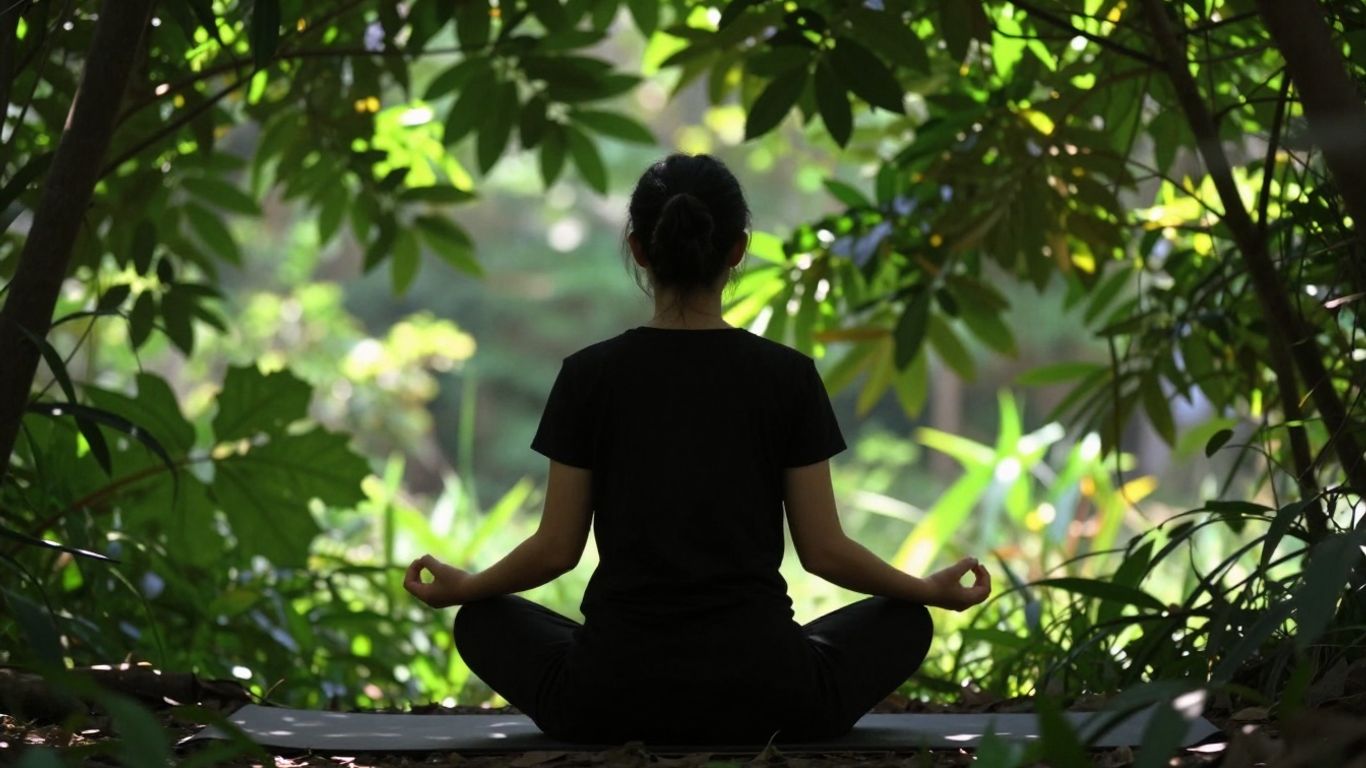
Sometimes, the best way to reset is to simply step outside. The natural world offers a wealth of sensory experiences that can ground us and bring a sense of calm. Getting some fresh air and moving your body can make a surprising difference in your mood and energy levels. It doesn’t require a grand adventure; even a short excursion can be restorative.
Take a Mindful Walk in Nature
When you go for a walk, try to leave your headphones behind. Instead, pay attention to the sounds around you. Listen to the birds, the rustling leaves, or the distant hum of the city. Notice the different textures under your feet – the crunch of gravel, the softness of grass, the firmness of pavement. Observe the colors, the shapes of trees, the way light filters through the branches. This kind of focused attention can pull you out of your head and into the present moment.
Explore Local Parks or Gardens
Parks and gardens are often pockets of tranquility within busy areas. They provide a chance to see different plants, flowers, and perhaps even local wildlife. Take your time wandering through paths, noticing the details. You might discover a quiet bench to sit on for a few minutes, simply observing the surroundings. It’s a low-effort way to experience a change of scenery and engage your senses.
Enjoy a Bike Ride Through Your Neighborhood
Cycling offers a different perspective than walking. You cover more ground, feeling the breeze on your skin and experiencing the environment at a slightly faster pace. It’s a good way to get your heart rate up a bit while still being able to take in your surroundings. You can explore streets you haven’t been down before or revisit familiar routes with fresh eyes. It’s a simple activity that combines gentle exercise with sensory input.
Productive Pursuits for a Sense of Accomplishment
Sometimes, the best way to recharge is by getting a little something done. It doesn’t have to be a huge project; even small tasks can give you a real boost of satisfaction. Think about those little things that always seem to get pushed aside. Tackling them can make you feel more in control and less overwhelmed.
Organize a Small Personal Space
Clearing out a drawer, tidying up your desk, or organizing a shelf can feel surprisingly good. It’s about creating order in a small corner of your life. You don’t need a whole weekend for this. Just pick one spot – maybe your bedside table or a kitchen cabinet – and give it some attention. You’ll be amazed at how much better it feels to see things neat and tidy. It’s a simple act that brings a sense of calm and accomplishment.
Plan Your Weekly Meals Offline
Instead of scrolling through endless recipes online, try planning your meals with a pen and paper. This can be a quiet, focused activity that sets you up for a smoother week. Think about what you have on hand, what you’d like to eat, and jot it down. You could even make a grocery list at the same time. It’s a practical step that reduces daily decision fatigue and can even save you money.
Update Your Paper To-Do Lists
If you’re someone who likes lists, but finds digital ones a bit too much, go old school. Grab a notebook and a pen and write down what you need or want to do. It could be anything from "water the plants" to "call the dentist." Seeing your tasks laid out on paper can make them feel more manageable. It’s a tangible way to track your progress and feel a sense of achievement as you cross things off.
Taking a few minutes to organize a small area or plan out your week can have a ripple effect. It’s not about being busy for the sake of it, but about intentionally creating pockets of order that contribute to your overall well-being and sense of control.
Stimulating the Mind with Engaging Puzzles
Sometimes, your brain just needs a good workout that doesn’t involve scrolling or clicking. Engaging with puzzles is a fantastic way to give your mind a focused challenge, pulling you away from daily worries and into a world of logic and patterns. It’s a quiet, satisfying way to spend some time, and you might even pick up a new word or two along the way.
Work on Jigsaw Puzzles
Jigsaw puzzles are more than just a way to pass the time; they’re a gentle exercise for your brain. As you sort through pieces, looking for shapes and colors that fit, you’re engaging your visual-spatial skills and problem-solving abilities. It’s a process that requires patience and observation, and the reward of seeing the image come together piece by piece can be incredibly calming. Whether you choose a simple 100-piece landscape or a complex 1000-piece artwork, the act of assembly offers a tangible sense of progress.
Solve Sudoku or Crossword Puzzles
These classic puzzles are readily available and offer a quick mental boost. Sudoku, with its number-based logic, sharpens your deductive reasoning. Crossword puzzles, on the other hand, tap into your vocabulary and general knowledge. Completing even a single puzzle can leave you with a feeling of accomplishment and a clearer head. They’re perfect for a quiet afternoon or a break during a busy day.
Engage in Brain-Teasers
Brain-teasers, riddles, and logic problems present unique challenges that require a different kind of thinking. They often involve looking at a situation from multiple angles or spotting subtle clues. These types of puzzles can be found in books, magazines, or even online (though we’re focusing on offline here!). They encourage flexible thinking and can be a fun way to test your wits against a clever problem.
Puzzles offer a structured way to engage your mind, providing a break from the constant stream of information we often encounter. The focused attention required can lead to a state of flow, where time seems to melt away, and you feel fully absorbed in the task at hand. This mental immersion can be deeply restorative.
Embracing Restorative Sleep Habits

Our days are often packed, and winding down can feel like another task on the to-do list. But getting good sleep isn’t just about feeling less tired; it’s about letting your body and mind truly reset. When we spend too much time with screens, especially before bed, it can mess with our natural sleep cycles. The blue light from devices can trick our brains into thinking it’s still daytime, making it harder to drift off. Plus, the constant stream of information can keep our minds buzzing when they should be quieting down.
Read a Physical Book Before Bed
Switching from a glowing screen to the pages of a book can make a big difference. Holding a book, turning its pages, and focusing on the story or information can be a calming ritual. It helps signal to your brain that it’s time to wind down, away from the stimulating digital world. This simple act can help you relax and prepare for a night of more restful sleep.
Prepare for the Next Day
Taking a few minutes before bed to get ready for the morning can reduce stress and make your wake-up smoother. This doesn’t have to be a big production. Think simple actions that clear your mind.
Here are a few ideas:
- Lay out your clothes for the next day.
- Pack your lunch or set out breakfast items.
- Quickly tidy up your main living area.
- Review your paper to-do list for tomorrow and jot down any urgent tasks.
These small steps can create a sense of order and prevent that morning rush feeling.
Practice Light Stretching
Gentle movement before bed can help release physical tension built up throughout the day. It’s not about a strenuous workout, but rather about slow, mindful stretches that encourage relaxation. Focus on areas that feel tight, like your neck, shoulders, or back. This practice can help calm your nervous system and make it easier to fall asleep.
Connecting with Nature Through Gardening
There’s something deeply satisfying about getting your hands dirty and nurturing life. You don’t need a sprawling estate to connect with the earth; even a small balcony or a sunny windowsill can become your personal green space. Tending to plants offers a quiet rhythm, a chance to slow down and observe the subtle changes of growth. It’s a gentle reminder of nature’s resilience and beauty, right in your own home.
Tend to Indoor Plants
Caring for houseplants is a fantastic way to bring a bit of the outdoors in, especially if you live in an apartment or don’t have access to a yard. It’s a low-stakes way to practice patience and observation. You learn to read the plant’s needs – is it thirsty, does it need more light, or perhaps a bigger pot? Each small success, like a new leaf unfurling, feels like a genuine accomplishment.
- Watering Schedule: Develop a consistent watering routine, but always check the soil moisture first. Overwatering is a common pitfall.
- Light Requirements: Understand the specific light needs of each plant, from bright, indirect light to low-light conditions.
- Pest Control: Regularly inspect leaves for any signs of pests and address them promptly with natural solutions if possible.
- Repotting: As plants grow, they may need larger pots to accommodate their roots. This is usually done every 1-2 years.
Care for an Outdoor Garden
If you have the space, an outdoor garden offers a broader canvas for your green thumb. Whether it’s a few raised beds for vegetables, a patch for flowers, or simply a collection of pots on a patio, gardening outside connects you more directly with the seasons and the local environment. The physical activity involved is also a great bonus, getting you moving and breathing fresh air.
The simple act of planting a seed and watching it grow can be incredibly grounding. It pulls you out of your head and into the present moment, connecting you to a cycle of life that’s much larger than yourself. It’s a quiet rebellion against the constant rush of modern life.
Observe the Night Sky
While not strictly gardening, stargazing shares that same sense of wonder and connection to the natural world. On a clear night, step outside away from bright lights and simply look up. Identifying constellations, spotting planets, or even just appreciating the vastness of the universe can be a profoundly peaceful and awe-inspiring experience. It’s a reminder of our place in the cosmos and a chance to feel a sense of quiet contemplation.
- Find a Dark Spot: The further you are from city lights, the more stars you’ll see.
- Allow Your Eyes to Adjust: Give yourself at least 15-20 minutes for your eyes to adapt to the darkness.
- Use a Star Chart or App: These can help you identify constellations, planets, and other celestial objects.
- Be Patient: Sometimes the most spectacular sights are fleeting, like meteor showers.
Rediscovering Joy Through Tactile Activities
Sometimes, the best way to disconnect from the digital world and reconnect with ourselves is by engaging our hands. Tactile activities offer a direct, physical connection to the world around us, providing a satisfying sense of creation and accomplishment. These aren’t about perfection; they’re about the process and the simple pleasure of making something tangible.
Create with Fabric Scraps
Don’t let those leftover bits of fabric go to waste. Old clothes, worn-out linens, or even small remnants from past projects can be transformed into something new. Think small patchwork creations, decorative appliques for existing items, or even simple stuffed shapes. It’s a wonderful way to practice resourcefulness and add a personal touch to your belongings. You might find yourself making small pouches, unique bookmarks, or even decorative wall hangings. The feel of different textures under your fingertips can be quite grounding.
Try Candle Making
Making your own candles can be a surprisingly rewarding and calming experience. It involves a bit of measuring and careful heating, but the result is a beautiful, functional item that can add ambiance to your home. You can experiment with different scents, colors, and containers. The process of melting wax, adding fragrance, and pouring it into a mold is a mindful activity that requires your full attention, pulling you away from distractions. It’s a craft that engages multiple senses, from the smell of the wax and oils to the visual appeal of the finished product.
Engage in Pottery
Pottery is a deeply satisfying tactile art form. Whether you have access to a pottery wheel or prefer hand-building techniques like coiling or pinching, working with clay connects you directly to the earth. The cool, pliable material responds to your touch, allowing you to shape it into bowls, sculptures, or decorative pieces. Even without a kiln, air-dry clay offers a fantastic way to explore pottery at home. It’s a practice that encourages patience and allows for a unique form of self-expression, turning a simple lump of clay into something entirely your own.
Rediscovering Joy Through Tactile Activities can be a wonderful way to reconnect with yourself and find simple pleasures. Engaging your hands in activities like pottery, knitting, or even gardening can bring a sense of calm and accomplishment. These hands-on experiences offer a break from screens and mental clutter, allowing you to focus on the present moment. Ready to explore more ways to bring joy back into your life? Visit our website to discover a world of creative and fulfilling activities!
Finding Your Recharge
So, we’ve looked at a bunch of ways to hit the reset button without needing a screen or a snack. It’s easy to get caught up in the daily rush, but taking even a little time for yourself can make a big difference. Whether it’s a quiet walk outside, getting lost in a book, or just sitting with a cup of tea, these simple activities help us reconnect and feel more grounded. Remember, it’s not about doing everything perfectly, but about finding what works for you and making it a regular part of your life. Give these ideas a try and see how much better you feel.
Frequently Asked Questions
What are some easy ways to relax without screens?
You can try things like taking a warm bath, listening to calm music, or just sitting quietly with a cup of tea. Simple breathing exercises or gentle stretching can also help you feel more relaxed.
How can I be more creative without using my phone or computer?
Grab a sketchbook and draw, try adult coloring books, or learn a new craft like knitting or pottery. Writing stories or poems is another great way to let your imagination run wild.
What are some fun activities to do with friends that don’t involve screens?
Host a board game or card game night! Cooking a meal together is also a fantastic way to connect. You could even write handwritten letters to each other to share your thoughts.
How can I get a sense of accomplishment without screens?
You can organize a small area in your home, like a desk or a closet. Planning your meals for the week on paper or updating a physical to-do list can also give you a great feeling of getting things done.
What are some good outdoor activities that don’t need screens?
Go for a walk in a park and really pay attention to what you see and hear. Exploring local gardens or taking a bike ride around your neighborhood are also wonderful ways to enjoy the outdoors.
Why is it important to take breaks from screens?
Constantly looking at screens can make your eyes tired and your mind feel cluttered. Taking breaks helps your brain rest, improves your focus, and can make you feel more energized and less stressed.
Can I really recharge my energy without eating or using screens?
Absolutely! Activities like mindful breathing, listening to nature sounds, or taking a restorative bath can be incredibly refreshing. Even a short, quiet moment can make a big difference in how you feel.
What are some simple ways to improve my sleep without screens?
Try reading a physical book before bed instead of scrolling. Preparing for the next day or doing some light stretching can also help calm your mind. Listening to quiet music can be very soothing too.