

Volume eating means building meals around foods that take up a lot of space on the plate and in your stomach for relatively few calories, mostly vegetables, fruit, broth, legumes and lean protein. Done well, it lets you eat satisfying portions while still getting enough protein, fibre and healthy fats. Done badly, it turns into big bowls of lettuce that leave you hungry an hour later.
This guide shows you how to add volume without stripping out the nutrients that keep you full and well-fed.
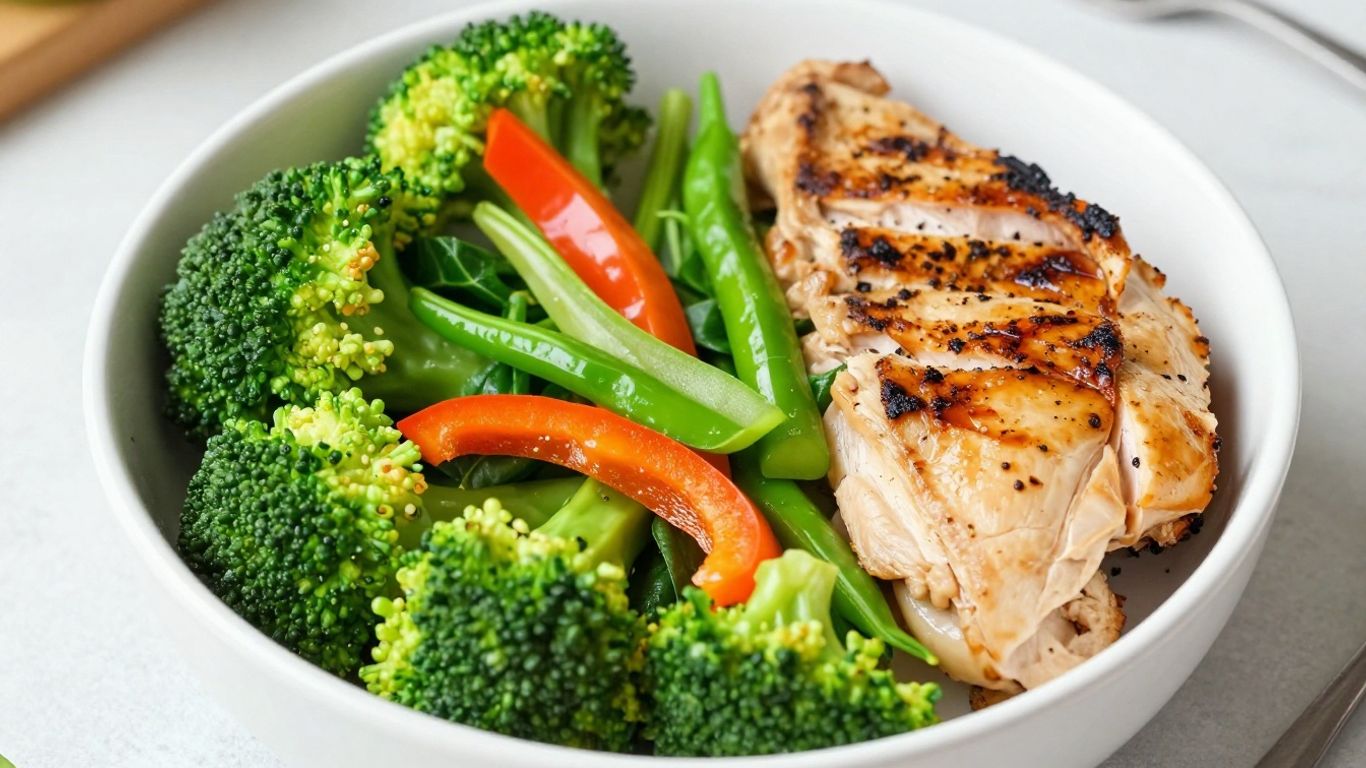
How volume eating works
The idea comes from energy density: the number of calories in a given amount of food. Foods high in water and fibre, like most vegetables and fruit, are low in energy density. As Mayo Clinic explains, they provide volume and weight but not many calories, and high-fibre foods take longer to digest, so they help you feel full longer on fewer calories.
The catch is that volume alone does not make a meal. A plate that is all vegetables is low in protein and fat, and many people find it unsatisfying. The “smart” part is keeping three anchors in every meal:
- Protein for fullness and muscle maintenance.
- Fibre-rich carbohydrates (whole grains, beans, starchy vegetables) for steady energy.
- A small amount of fat for flavour and to help absorb fat-soluble vitamins.
Then you add volume around those anchors instead of replacing them.
The volume-smart plate
A simple way to build any meal:
- Start with protein. A palm-sized portion of fish, chicken, tofu, eggs, lentils or Greek yogurt.
- Add two kinds of vegetables. One cooked, one raw is an easy rule. This alone can double the size of the plate.
- Include a measured carbohydrate. About a fist of brown rice, potatoes, whole-grain pasta or beans.
- Finish with a flavour fat. A drizzle of olive oil, a few slices of avocado, a sprinkle of nuts or cheese.
This lines up with Canada’s Food Guide, which recommends eating plenty of vegetables and fruit, whole grains and protein foods, and making water your drink of choice.
Swaps that add volume without losing nutrients
The easiest wins come from mixing low-calorie, high-nutrient foods into dishes you already eat, rather than cutting the original food out completely.
| Instead of | Try | What you keep |
|---|---|---|
| A full bowl of pasta | Half pasta, half sautéed zucchini, mushrooms and spinach | The pasta you enjoy, plus fibre and vitamins |
| All-rice stir-fry base | Half rice, half cauliflower rice or shredded cabbage | Familiar texture with more vegetables |
| Meat-only chili | Half the meat, plus a can of rinsed beans and extra peppers | Protein from two sources, more fibre |
| Creamy soup | Broth-based vegetable soup with lentils or chicken | Warmth and volume with protein |
| Plain toast | Toast with cottage cheese, tomato and cucumber | Protein and fresh produce |
| Fruit juice | Whole fruit with a glass of water | Fibre and chewing time |
Notice that none of these swaps removes protein or replaces a meal with “diet” food. They stretch the meal so the same satisfying base goes further.
Vegetables that do the most work
Some vegetables add a lot of bulk with very little effort:
- Leafy greens: spinach and kale shrink when cooked, so you can add several handfuls to soups, eggs and pasta sauce.
- Crunchy raw vegetables: cucumber, peppers, snap peas, carrots and celery add crunch and chewing time.
- Cabbage and broccoli slaw: cheap, sturdy, and good for several days in the fridge.
- Mushrooms and zucchini: blend into ground meat, sauces and casseroles without changing the dish much.
- Frozen mixed vegetables: just as useful as fresh and always on hand.
Keep a container of washed, chopped vegetables in the fridge. If they are ready to grab, they end up in meals; if they need washing and chopping, they often don’t.
Protein choices that keep you full
Protein is what stops a high-volume meal from feeling empty. Lean and plant-based options fit well because they add protein without a lot of extra calories. Canada’s Food Guide suggests choosing protein foods that come from plants more often, such as beans, lentils, nuts and seeds, alongside eggs, fish, poultry, lean meats and lower fat dairy.
Easy ways to raise protein in a volume-style meal:
- Stir a can of rinsed lentils or chickpeas into soups and salads.
- Use plain Greek yogurt as a base for dressings and dips.
- Add an extra egg white to scrambled eggs along with a handful of greens.
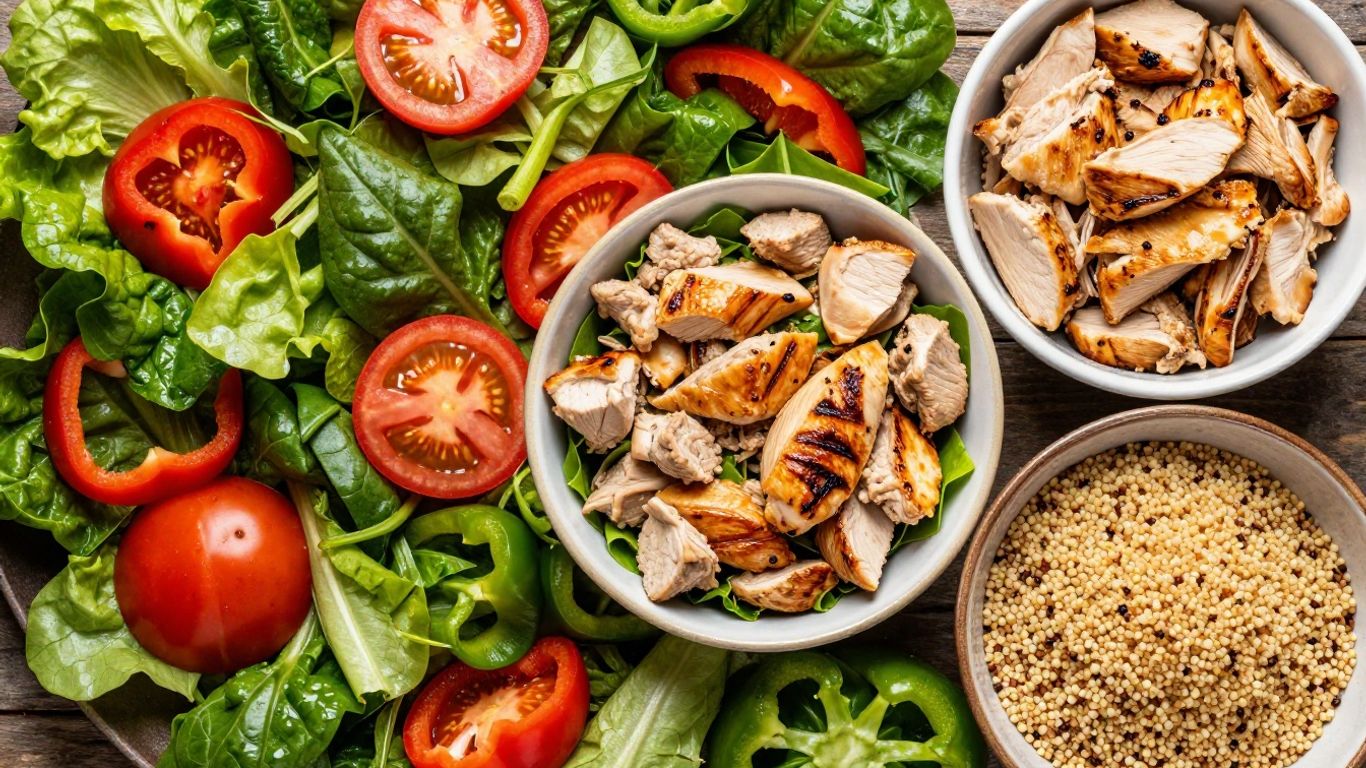
- Top big salads with tuna, salmon, chicken, tofu or edamame, not just croutons.
Common mistakes to avoid
Cutting out all fat
A small amount of fat makes vegetables taste better and helps your body absorb vitamins A, D, E and K. A teaspoon of oil or a few nuts is usually enough.
Relying on “air” foods
Rice cakes, puffed snacks and diet products can look large but often lack protein and fibre. They may leave you hungry soon after.
Undereating overall
If you feel physically full but tired, cranky or preoccupied with food, the meal may be too low in energy. Volume eating should support your goals, not create a constant shortfall. Add more protein or a bigger carbohydrate portion and see how you feel.
Too much fibre too fast
Jumping from very few vegetables to huge salads overnight can cause bloating. Increase gradually over a week or two and drink enough water.
A sample volume-smart day
| Meal | Example |
|---|---|
| Breakfast | Two eggs scrambled with spinach and mushrooms, one slice whole-grain toast, berries |
| Lunch | Large salad with mixed greens, cucumber, peppers, chickpeas, feta and olive oil dressing; an apple |
| Snack | Plain Greek yogurt with sliced pear, or carrots and hummus |
| Dinner | Half-and-half pasta (whole-grain pasta with roasted vegetables), tomato sauce with lean ground turkey or lentils, side salad |
| Drinks | Water, sparkling water, milk or herbal tea through the day |
For quick versions of this pattern, see our five-minute balanced assemblies and portion frameworks without scales or apps. If bowls are your thing, our grain bowl frameworks are easy to bulk up with extra vegetables.
Practical takeaways
- Build every meal on protein, a fibre-rich carbohydrate and a little fat, then add vegetables for volume.
- Use half-and-half swaps (pasta and vegetables, rice and cauliflower) instead of cutting foods out.
- Keep chopped vegetables and frozen vegetables ready so adding them is effortless.
- Add beans, lentils, Greek yogurt or lean protein to big salads and soups so they actually satisfy.
- Increase fibre gradually and drink water with meals.
- If you are full but low on energy, add more protein or carbohydrate.
FAQ
Is volume eating good for weight loss?
It can help because low-energy-density foods let you eat satisfying portions for fewer calories. It works best when protein and whole grains stay in the meal.
Can I volume eat on a plant-based diet?
Yes. Beans, lentils, tofu, tempeh and edamame provide protein and fibre, which makes plant-based meals naturally high in volume.
Do I need to count calories?
Not necessarily. Many people do well with the plate pattern above and by paying attention to hunger and fullness.