
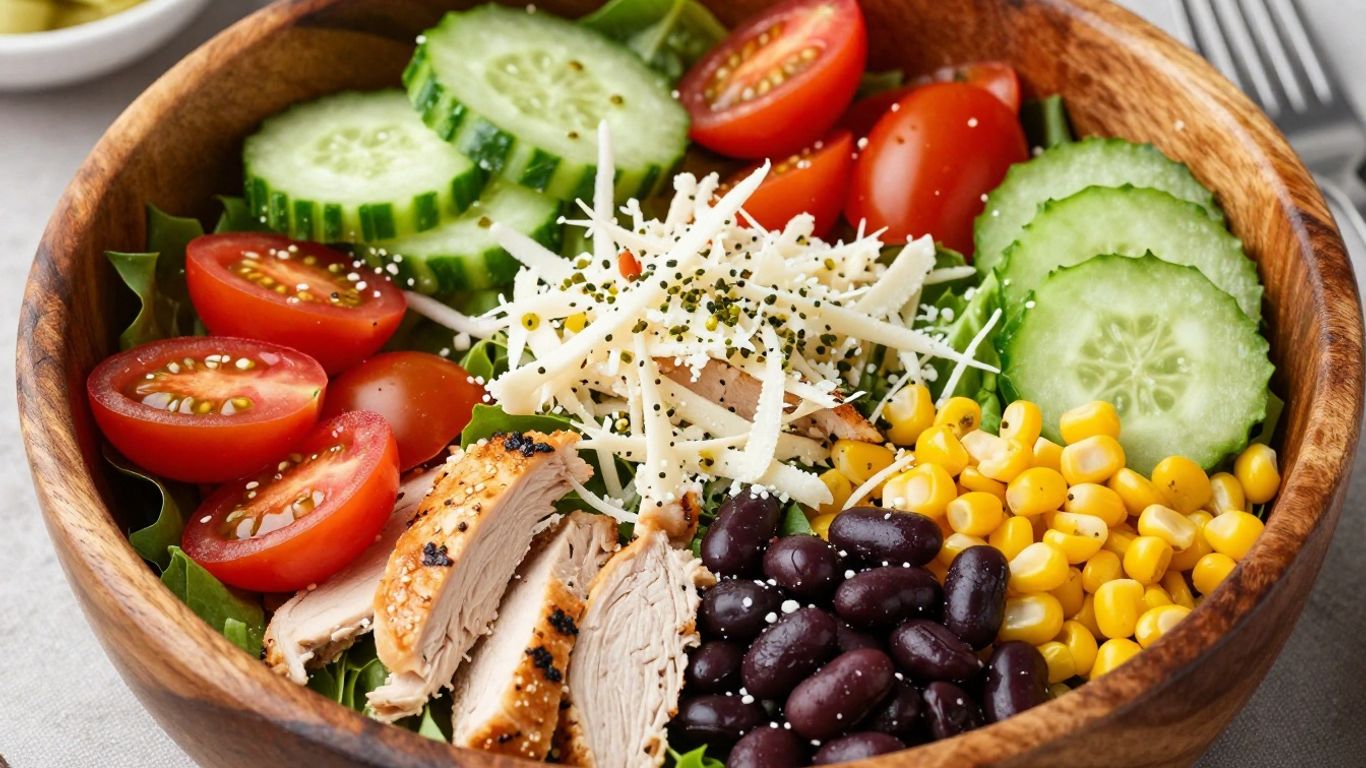
Sometimes, dinner feels like a chore, right? You want something good for everyone, but also something that doesn’t take hours to make. That’s where big salad nights come in. Think of them as a way to get a hearty, healthy meal on the table without a ton of fuss. We’re talking about bowls packed with stuff that actually fills you up, not just a pile of lettuce. It’s about making dinner easy and enjoyable, even on a busy weeknight. These ideas are designed to be flexible, so everyone can get what they like. Let’s make dinner a little less stressful and a lot more delicious.
Key Takeaways
- Big salad nights are about creating satisfying, meal-worthy bowls that families will actually eat, focusing on hearty ingredients beyond just greens.
- Incorporating whole grains, beans, and plant-based proteins like lentils makes salads filling and nutritious foundations for any meal.
- Family-friendly recipes, international flavors, and creative toppings can make big salad nights exciting and appealing to all ages.
- Meal prep is key for busy families, with strategies like prepping grains and beans ahead and storing components separately for quick assembly.
- Making big salad nights a regular, customizable ritual can encourage healthy eating and create a positive, communal dining experience.
Building a Balanced Salad Bowl for Big Salad Nights
Choosing Satisfying Base Ingredients
Making a salad that actually fills everyone up, especially on a busy weeknight, starts with a solid foundation. Forget those sad, leafy-only bowls; we’re talking about building something hearty and satisfying. The key is to pick ingredients that offer substance and keep you feeling full long after the last bite. Think beyond just lettuce! A good base can transform a simple salad into a complete meal that even picky eaters will look forward to.
Adding Protein for Sustained Energy
Protein is your best friend when it comes to making a salad a true meal. It’s what provides that lasting energy and keeps hunger pangs at bay. Whether you’re leaning into plant-based options or including animal proteins, making sure there’s a good source of protein in the mix is a game-changer for keeping everyone satisfied.
Layering in Vibrant Fruits and Vegetables
Once you have your base and protein sorted, it’s time to load up on the good stuff: fruits and vegetables! This is where you bring in the color, the crunch, and a whole lot of nutrients. Aim for a variety of textures and flavors to make each bowl interesting and delicious. Don’t be afraid to mix and match, and definitely get the kids involved in choosing their favorites. It’s all about creating a bowl that’s as beautiful as it is good for you.
A well-balanced salad isn’t just about throwing a bunch of ingredients together. It’s about thoughtful combinations that offer a mix of textures, flavors, and nutrients to create a truly satisfying meal.
Here are some ideas to get you started:
- Hearty Bases: Quinoa, brown rice, farro, roasted sweet potatoes, or even a mix of grains.
- Protein Powerhouses: Black beans, chickpeas, lentils, grilled chicken, salmon, hard-boiled eggs, or tofu.
- Vibrant Veggies & Fruits: Bell peppers, cucumbers, cherry tomatoes, corn, avocado, berries, mango, or apple slices.
- Flavor Boosters: Fresh herbs, nuts, seeds, a sprinkle of cheese, or a flavorful dressing.
Whole Grains and Beans as Hearty Foundations
When you’re aiming for a salad that truly satisfies, especially for those ‘Big Salad Nights’ where everyone needs to feel full and happy, grains and beans are your best friends. They’re the unsung heroes that transform a pile of greens into a substantial meal. Think of them as the sturdy base that holds everything else together, providing that much-needed substance and staying power.
Quinoa, Brown Rice, and Farro for Substance
These aren’t just fillers; they’re powerhouses of flavor and texture. Quinoa, with its slightly nutty taste and fluffy texture, cooks up quickly and is a complete protein. Brown rice offers a chewier bite and a wholesome, earthy flavor that pairs well with almost anything. Farro, an ancient grain, brings a delightful chewiness and a rich, nutty profile that feels particularly comforting. Using these grains means your salad won’t just be a side dish; it becomes the main event.
Beans and Lentils for Plant-Based Protein
Beans and lentils are incredibly versatile and packed with protein and fiber, making them perfect for keeping everyone full and energized. From creamy cannellini beans and hearty chickpeas to earthy lentils, they add a satisfying texture and a nutritional boost. They absorb flavors beautifully, so a simple bean salad can become a flavor explosion with the right dressing and spices. Plus, they’re a fantastic way to add plant-based protein to your meals, appealing to a wide range of dietary preferences.
Mix-and-Match Suggestions for Customization
The real magic happens when you start combining these elements. Don’t be afraid to experiment! Here are a few ideas to get you started:
- Southwest Quinoa Bowl: Combine tri-color quinoa with black beans, corn, diced bell peppers, and a lime-cilantro dressing. Add some avocado for creaminess.
- Mediterranean Farro Salad: Mix cooked farro with chickpeas, chopped cucumber, tomatoes, Kalamata olives, and a lemon-herb vinaigrette. Feta cheese is a great addition here.
- Lentil and Roasted Vegetable Medley: Toss cooked brown or green lentils with roasted sweet potatoes, Brussels sprouts, and a tahini-based dressing. A sprinkle of toasted seeds adds a nice crunch.
Building a salad with grains and beans isn’t just about making it filling; it’s about creating a balanced, nutrient-dense meal that tastes great and keeps your family satisfied. These ingredients offer a wonderful canvas for all sorts of flavors and textures, making ‘Big Salad Nights’ a delicious success.
Here’s a quick look at how these foundations can work for you:
| Grain/Bean Type | Texture Profile | Flavor Notes | Best For |
|---|---|---|---|
| Quinoa | Fluffy, slightly firm | Nutty, mild | Quick meals, vibrant bowls |
| Brown Rice | Chewy, firm | Earthy, wholesome | Hearty salads, comfort food |
| Farro | Chewy, robust | Rich, nutty | Robust salads, grain bowls |
| Chickpeas | Creamy, firm | Mild, slightly sweet | Versatile, absorbs flavors |
| Lentils | Soft, earthy | Mild, can be robust | Soups, hearty salads, binders |
Family-Friendly Salad Recipes Kids Will Love
Colorful Southwestern Bowls with Mango Salsa
This is a fun one that feels more like a fiesta than a salad. We start with a base of seasoned brown rice or quinoa. Then, we load it up with black beans, corn, diced bell peppers (red and yellow are great for color!), and some shredded chicken or seasoned ground turkey. The real star, though, is the fresh mango salsa. It’s a mix of diced mango, red onion, cilantro, jalapeño (if your kids like a little kick, otherwise leave it out), and lime juice. It’s sweet, tangy, and totally irresistible. The bright flavors and textures make it a hit even with picky eaters.
Edible Tortilla Bowls for Tex-Mex Nights
Who says salads have to be in a bowl? We love making our own edible tortilla bowls. You can bake flour tortillas into muffin tins until they’re crispy, or just use store-bought ones. Fill them with seasoned ground beef or shredded chicken, black beans, corn, shredded lettuce, salsa, and a dollop of sour cream or Greek yogurt. It’s a hands-on meal that feels like a treat, and it’s a great way to get kids excited about eating their veggies. It’s a build-your-own adventure!
Shortcut Chicken and Crunchy Veggie Salads
Sometimes, you just need a quick win. Rotisserie chicken is a lifesaver here. We’ll toss it with a mix of crunchy veggies like shredded carrots, cucumber sticks, bell pepper strips, and snap peas. A simple, kid-friendly dressing like a honey mustard or a creamy ranch works wonders. To add some extra fun, we sometimes throw in some crunchy chow mein noodles or toasted sunflower seeds. It’s all about making it easy and appealing, and the crunch factor is usually a big win with the little ones.
Here’s a quick idea for a simple chicken and veggie salad:
- Base: Rotisserie chicken, shredded
- Veggies: Shredded carrots, diced cucumber, bell pepper strips (any color)
- Crunch: Sunflower seeds or crispy noodles
- Dressing: Kid-friendly ranch or honey mustard
This approach turns a simple salad into something more interactive and less intimidating. The key is to offer familiar flavors and textures alongside new ones, making it a positive experience for everyone at the table.
International Inspirations for Big Salad Nights
Sometimes, you just want to shake things up, right? "Big Salad Nights" don’t have to mean the same old thing every week. Bringing in flavors from around the world can make dinner feel like an adventure without leaving your kitchen. It’s a fantastic way to explore new ingredients and taste combinations that are both healthy and exciting for everyone.
Moroccan Bean and Squash Salad
This salad is a warm hug in a bowl, perfect for those cooler evenings. It usually starts with a hearty base like quinoa or farro, mixed with roasted butternut squash that gets wonderfully sweet and tender. Then, you add chickpeas for protein and a mix of spices like cumin, coriander, and cinnamon that give it that distinct Moroccan flair. A simple lemon-tahini dressing often ties it all together, adding a creamy, zesty finish. It’s a dish that feels both comforting and exotic.
Thai-Style Salads with Tangy Dressings
Think vibrant colors and bold flavors here. Thai-inspired salads often feature a mix of crunchy vegetables like shredded cabbage, carrots, and bell peppers, tossed with noodles or brown rice. The real star, though, is the dressing. A typical one might include peanut butter or almond butter, lime juice, soy sauce (or tamari for gluten-free), a touch of honey or maple syrup, and maybe some chili for a little heat. It’s the balance of sweet, sour, salty, and spicy that makes these salads so addictive. Fresh herbs like cilantro and mint are usually thrown in too, adding a burst of freshness.
Mediterranean Bowls with Grilled Protein
These bowls are all about fresh, bright ingredients. Imagine a base of fluffy couscous or quinoa, topped with crisp greens, juicy tomatoes, cucumbers, Kalamata olives, and maybe some crumbled feta cheese. The protein could be grilled chicken, lamb, or even some flavorful falafel. A light lemon-herb vinaigrette or a creamy tzatziki sauce works wonders here. It’s a lighter option that still feels incredibly satisfying and full of good-for-you stuff.
Exploring international flavors doesn’t require a passport. By incorporating spices, grains, and produce inspired by different cuisines, you can transform a simple salad into a culinary journey for your family. It’s a simple way to add variety and excitement to your weeknight meals, proving that healthy eating can be incredibly delicious and globally inspired.
Creative Dressings and Toppings to Elevate Every Bowl
The dressing and toppings are where you can really make a big salad shine. It’s not just about throwing some lettuce in a bowl; it’s about creating a flavor experience. Think about what you’re putting on top – it can totally change the whole vibe of your salad.
Nut Butters, Herbs, and Citrus Juices
These are great for making dressings that are both healthy and tasty. A simple vinaigrette can be made with olive oil, lemon juice, and some dried herbs like oregano or basil. But you can get more creative. A tahini-lemon dressing is fantastic, especially on grain bowls. Or, try a peanut butter-based dressing for a Thai-inspired salad; just whisk peanut butter with soy sauce, a little honey or maple syrup, and some rice vinegar. Fresh herbs like cilantro, parsley, or mint can be chopped and added directly to the salad or blended into dressings for a burst of freshness.
Crunchy Seeds, Grains, and Nuts
Texture is super important for making salads satisfying. Nobody wants a mushy salad, right? Adding something crunchy makes every bite more interesting. Think about toasted sunflower seeds, pumpkin seeds (pepitas), or chopped almonds. Even some toasted breadcrumbs or crispy fried onions can add a nice crunch. For a healthier option, try adding some cooked quinoa or farro that’s been crisped up a bit in a pan. These add not just texture but also a bit more substance to your bowl.
Oil-Free and Low-Fat Flavor Boosters
If you’re watching your fat intake, don’t worry, you can still have amazing flavor. Many dressings can be made without oil. A base of blended silken tofu or Greek yogurt (if you’re not vegan) can create a creamy texture. You can also use pureed fruits or vegetables, like roasted red peppers or even avocado, to add creaminess and flavor. Citrus juices, vinegars, and lots of herbs and spices are your best friends here. A simple dressing could be made from blended white beans, lemon juice, garlic, and a splash of water to thin it out.
Don’t be afraid to experiment with different combinations. Sometimes the best flavors come from unexpected pairings. Taste as you go and adjust the seasonings until it’s just right for your palate.
Here are a few ideas to get you started:
- Creamy Avocado-Lime Dressing: Blend ripe avocado with lime juice, a little water, cilantro, and a pinch of salt.
- Maple-Dijon Vinaigrette: Whisk together Dijon mustard, maple syrup, apple cider vinegar, and a touch of olive oil (optional).
- Spicy Peanut Dressing: Combine peanut butter, soy sauce, rice vinegar, a little sriracha or chili flakes, and water to reach desired consistency.
- Lemon-Tahini Dressing: Mix tahini with lemon juice, garlic, and water until smooth and creamy.
Seasonal Produce: Maximizing Freshness Year-Round
Winter Root Vegetables and Hearty Greens
When the weather outside is frightful, a big salad can still be delightful. Think about using sturdy, cold-weather produce that holds up well. Roasted root vegetables like carrots, parsnips, and sweet potatoes bring a natural sweetness and satisfying texture. Pair these with hearty greens such as kale, chard, or even radicchio for a bit of pleasant bitterness. These ingredients can be prepped ahead of time, making assembly quick on a busy weeknight.
- Roast Ahead: Toss root vegetables with olive oil, salt, and pepper, then roast until tender. Store in an airtight container in the fridge.
- Greens Choice: For a less bitter option, try baby kale or spinach. If you like a stronger flavor, regular kale or chard works well, just be sure to remove tough stems.
- Flavor Boost: A sprinkle of toasted nuts or seeds, like pumpkin seeds or walnuts, adds a nice crunch.
Spring and Summer Bounty in Every Bite
As the seasons warm up, so does the variety of produce available. Spring brings tender asparagus, crisp radishes, and fresh peas. Summer explodes with juicy tomatoes, sweet corn, ripe berries, and stone fruits like peaches and plums. These ingredients often require minimal preparation, letting their natural flavors shine. A simple vinaigrette is usually all you need.
Don’t be afraid to mix fruits and vegetables in your salads; the combination can be surprisingly delicious.
- Berries: Strawberries, blueberries, and raspberries add a sweet-tart element.
- Stone Fruits: Sliced peaches, nectarines, or plums pair wonderfully with savory ingredients.
- Corn: Fresh or lightly grilled corn kernels offer a sweet pop.
Summer salads are a fantastic way to use up those garden overflows or farmers market hauls. They’re light, refreshing, and can be put together in minutes, which is perfect when you’d rather be enjoying the sunshine.
Farmers Market Finds for Big Salad Nights
Visiting your local farmers market is a treasure hunt for the freshest ingredients. You’ll often find unique varieties of produce that aren’t available in regular grocery stores. Chatting with the farmers can also give you great ideas for how to prepare their offerings. Look for what’s in peak season – it will taste the best and often be the most affordable.
- Ask Questions: Farmers are usually happy to tell you about their produce and suggest uses.
- Try Something New: Pick up an unfamiliar vegetable or herb and research how to use it.
- Build Around the Star: Sometimes, a single, perfect ingredient from the market can inspire the entire salad.
Meal Prep Strategies for Busy Families
Prepping Grains and Beans in Advance
Getting a head start on your grains and beans can make weeknight salad assembly a breeze. Cook up a big batch of quinoa, brown rice, or farro at the beginning of the week. The same goes for beans and lentils – cook them from dry or use canned for ultimate convenience. Store them in airtight containers in the fridge. This way, you’ve always got a hearty base ready to go.
Storing Dressings and Components Separately
To keep your salads fresh and prevent sogginess, it’s best to store dressings and other wet ingredients separately from your greens and chopped vegetables. Think of it like building your salad bar in advance. Portion out your greens, proteins, veggies, and toppings into individual containers or one large container, leaving a little well in the center or a separate small container for the dressing. This way, when it’s time to eat, you just combine everything and toss.
Assembling Fresh, Satisfying Bowls On Demand
With your components prepped and stored, assembling a big salad becomes a quick task. Pull out your pre-cooked grains and beans, your chopped veggies, and your protein. Layer them into bowls, add your dressing, and give it a good toss. It’s amazing how much time this saves, especially on those evenings when you’re rushing from one activity to the next. Having these elements ready means a healthy, filling meal is just minutes away.
Here’s a quick guide to what you can prep ahead:
- Grains: Quinoa, brown rice, farro, couscous
- Legumes: Chickpeas, black beans, kidney beans, lentils
- Proteins: Grilled chicken, hard-boiled eggs, baked tofu, shredded beef
- Chopped Veggies: Bell peppers, cucumbers, carrots, onions (store harder veggies separately from delicate greens)
- Dressings: Homemade vinaigrettes, creamy dressings (store in jars)
The key to successful meal prep for big salads is organization. Dedicate a little time on the weekend or a less busy evening to get these tasks done. It might seem like a bit of extra work upfront, but the payoff in saved time and stress during the week is absolutely worth it. You’ll find yourself reaching for these wholesome bowls more often than you might think.
Incorporating Animal Protein for Omnivore Appeal
Grilled Salmon, Chicken, and Beef Options
When you’re building those big salad bowls, adding some animal protein can really make them feel like a complete meal, especially for folks who aren’t keen on plant-based proteins. Think about grilling up some chicken breasts or thighs; they’re super versatile and take on marinades well. Salmon is another fantastic choice, offering healthy fats along with protein. For the beef lovers, a lean flank steak or sirloin, grilled and thinly sliced, adds a hearty element that pairs nicely with robust greens and veggies. These proteins can be prepped ahead of time, making assembly a breeze on busy weeknights.
Eggs and Cheese for Additional Richness
Don’t forget about eggs and cheese! A perfectly cooked hard-boiled egg, sliced or quartered, is a simple yet satisfying addition. For cheese, consider crumbled feta, sharp cheddar, or creamy goat cheese. These can add a different texture and a salty or tangy kick that complements the other ingredients. A sprinkle of grated Parmesan can also work wonders, especially on salads with Italian or Mediterranean flavors.
Balanced Bowls Everyone Will Enjoy
Ultimately, the goal is to create bowls that satisfy everyone at the table. Offering a variety of protein options, from grilled meats to eggs and cheese, alongside plenty of colorful vegetables and hearty grains, means everyone can build a salad they truly love. It’s about making sure that even those who lean towards animal proteins feel like they’re getting a substantial and delicious meal. This approach helps make "Big Salad Nights" a hit with the whole family, no matter their preferences.
Creative Gluten-Free Swaps for Inclusive Dining
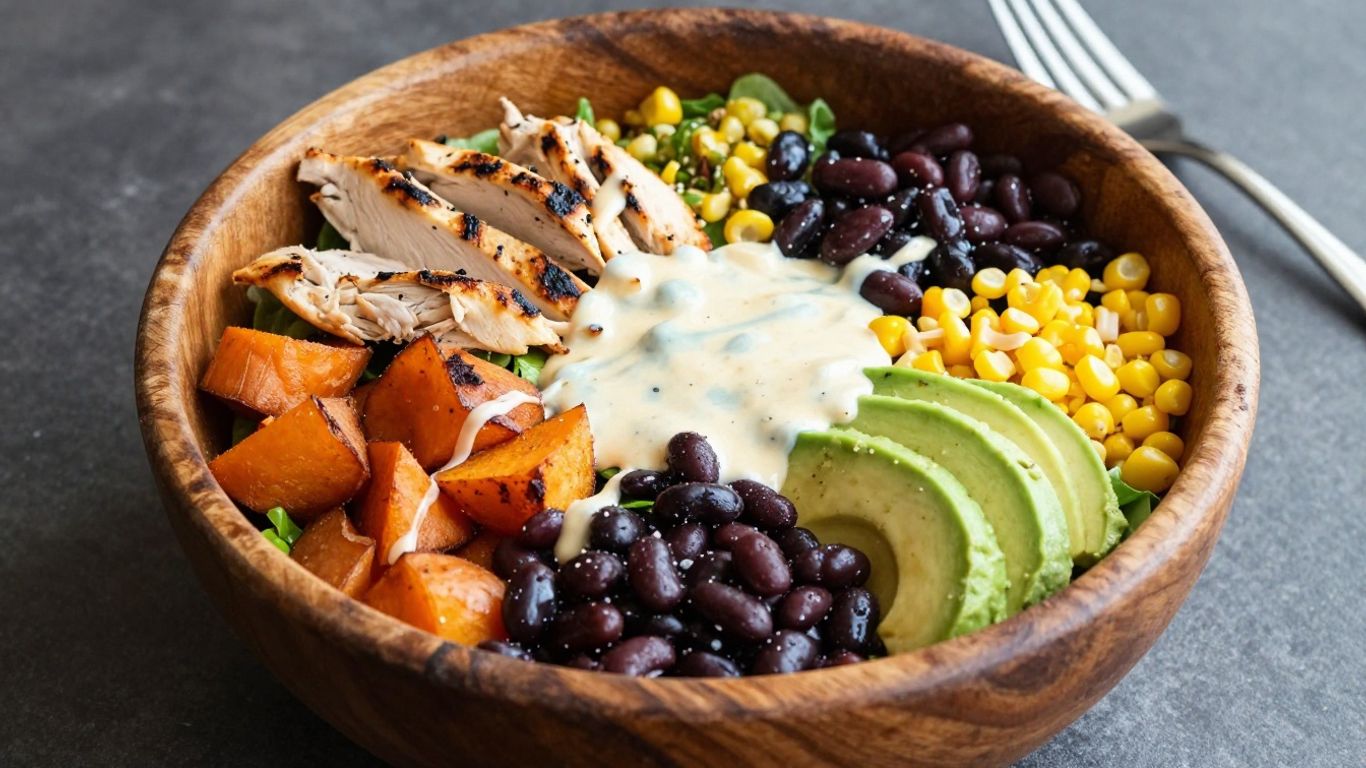
Quinoa, Millet, and Brown Rice Bases
When building your big salad bowls, the foundation is key. For those avoiding gluten, there are plenty of hearty and delicious alternatives to traditional grains. Quinoa is a fantastic choice, offering a complete protein and a slightly nutty flavor that works well in almost any salad. It cooks up fluffy and is readily available. Millet is another great option, providing a subtle sweetness and a satisfying texture, especially when toasted before cooking. Brown rice, while a bit chewier, is a classic for a reason and absorbs dressings beautifully. These grains are versatile and can be prepped ahead of time, making weeknight assembly a breeze.
Gluten-Aware Toppings and Dressings
Beyond the base, pay attention to the smaller components. Many common salad toppings, like croutons or certain crunchy noodles, can contain gluten. Look for naturally gluten-free options such as seeds (sunflower, pumpkin), nuts (almonds, walnuts), and fresh or dried fruits. When it comes to dressings, most vinaigrettes made with oil, vinegar, herbs, and spices are safe. However, always check labels on pre-made dressings, especially those with soy sauce or other complex flavorings, as hidden gluten can sometimes be present. Simple homemade dressings are often the safest bet.
Ensuring Family Members with Dietary Needs Feel Welcome
Making a big salad night inclusive means everyone feels like they’re eating the same delicious meal, not a modified version. The beauty of a build-your-own salad bar approach is that everyone can select what works for them. Clearly label any dishes that might be a concern, or simply offer a variety of components that are naturally gluten-free. This way, family members with gluten sensitivities can confidently create their own satisfying bowls alongside everyone else. It’s about creating a shared meal experience that everyone can enjoy without worry.
- Quinoa: A complete protein, cooks quickly.
- Millet: Offers a slightly sweet, tender texture.
- Brown Rice: A classic, versatile grain.
- Seeds & Nuts: Provide crunch and healthy fats.
- Fresh Fruit: Adds sweetness and moisture.
The goal is to make gluten-free options feel just as exciting and satisfying as any other choice. By focusing on naturally gluten-free ingredients and offering a wide variety, you create a truly welcoming dining experience for everyone at the table.
Making Salads Exciting: Texture, Color, and Crunch
Incorporating Roasted and Fresh Elements
Big salad nights don’t have to be just a pile of raw greens. Mixing in roasted vegetables can bring a whole new dimension to your bowls. Think about sweet potatoes, Brussels sprouts, or even cauliflower, roasted until they’re tender and a little caramelized. This adds a depth of flavor and a softer texture that contrasts nicely with crisp elements. On the flip side, keeping some ingredients fresh, like thinly sliced radishes or crisp bell peppers, provides that satisfying snap that makes a salad feel alive. It’s all about balancing those cooked and uncooked components.
Using Noodles, Grains, and Unexpected Veggies
Who says salads have to be all lettuce? We can get creative with the base and the mix-ins. Cooked grains like quinoa, farro, or even brown rice add a hearty chewiness that makes a salad feel like a complete meal. And don’t shy away from noodles! A cold soba noodle salad or even some ramen noodles, soaked and drained, can be a fun base. For unexpected veggies, consider things like jicama for a watery crunch, or thinly sliced fennel for a subtle anise flavor. These additions keep things interesting and prevent salad fatigue.
Balancing Creamy, Crisp, and Chewy Components
The magic of a truly satisfying salad lies in its varied textures. You want that delightful interplay between different mouthfeels. Imagine a creamy avocado or a rich cashew dressing, paired with the crispness of cucumber or shredded carrots. Then, add in something chewy, like dried cranberries or those hearty grains we talked about. This combination keeps your taste buds engaged and makes each bite a little adventure. It’s a simple principle, but it makes a huge difference in how much everyone enjoys the meal.
Big Salad Nights as a Weeknight Ritual
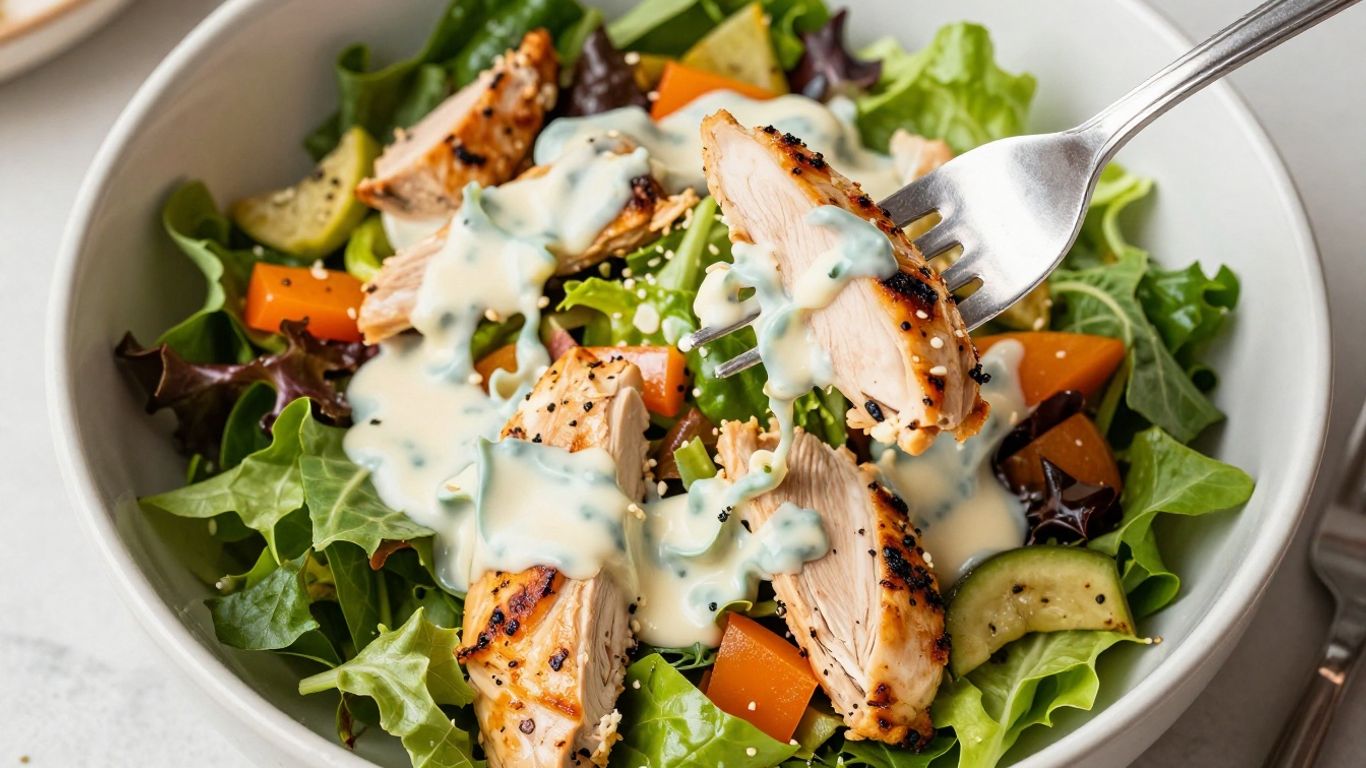
Building a Culture of Healthy, Communal Eating
Making "Big Salad Nights" a regular thing in your household can really shift the energy around dinner. It’s not just about throwing some lettuce in a bowl; it’s about creating a moment where everyone can gather, contribute, and enjoy a meal that’s both good for them and genuinely tasty. Think of it as a low-key way to bring everyone to the table without the fuss of a formal meal. It’s about making healthy eating feel less like a chore and more like a natural, enjoyable part of your week. This approach helps build a positive relationship with food for the whole family, showing that nutritious meals can be exciting and satisfying.
Simple Rituals to Make Dinner Special
Turning Big Salad Nights into a ritual doesn’t require a lot of effort. You can start by designating a specific night each week, maybe a Tuesday or Wednesday, when the "big salad" is on the menu. Get the kids involved in the prep – maybe they can wash the greens, chop softer veggies, or help mix the dressing. Playing some music while you assemble the bowls can also make it more fun. Even small touches, like using your favorite colorful bowls or setting the table with a small vase of flowers, can make the meal feel more special. The goal is to create a consistent, enjoyable experience that everyone looks forward to.
Encouraging Family Members to Customize Their Bowls
One of the best parts of a big salad is that everyone gets to build their own perfect bowl. Set out all the components buffet-style: different greens, grains, proteins, veggies, fruits, and a couple of dressing options. This way, picky eaters can stick to what they know they like, while adventurous eaters can try new combinations. It gives everyone a sense of control over their meal, which can be a game-changer for families with diverse tastes. You might be surprised to see what combinations your kids come up with!
Here’s a simple setup guide:
- Bases: Offer a mix like quinoa, brown rice, or mixed greens.
- Proteins: Include options like grilled chicken, chickpeas, or hard-boiled eggs.
- Veggies & Fruits: A rainbow of choices such as chopped bell peppers, cucumbers, cherry tomatoes, and berries.
- Crunch & Flavor: Think sunflower seeds, croutons, or a sprinkle of cheese.
- Dressings: Two or three choices, perhaps a vinaigrette and a creamy option.
The beauty of a big salad night lies in its adaptability. It’s a flexible framework that welcomes individual preferences, turning a simple meal into a shared, creative experience. This approach fosters independence and satisfaction, making healthy eating a collaborative effort rather than a dictated one.
Adapting Big Salad Nights for Entertaining and Gatherings
Big salad nights are fantastic for family dinners, but they can also be a wonderful way to host friends and larger groups. The key is to make it easy for everyone to build their own perfect bowl, whether it’s a casual backyard BBQ or a more formal dinner party. Think of it as a customizable feast where guests get to play chef.
Serving Crowd-Pleasing Salad Bars
Setting up a salad bar is the ultimate way to let guests personalize their meals. The trick is to offer a wide variety of components, neatly arranged, so people can pick and choose what they like. Start with a few different base options, like mixed greens, spinach, or even a grain like quinoa. Then, provide a colorful array of chopped vegetables, fruits, nuts, seeds, and proteins. Don’t forget a few different dressing choices! This approach works for almost any occasion, from a relaxed brunch to a lively evening gathering.
Potluck-Ready Recipes for Easy Sharing
When you’re bringing a dish to a potluck, you want something that travels well and appeals to a lot of people. Many hearty salad recipes are perfect for this. Think about dishes that hold up well without getting soggy, like bean salads, grain-based salads, or chopped salads with sturdy ingredients. These can often be made a day ahead, which is a lifesaver when you’re busy. A big batch of Moroccan Bean and Squash Salad or a vibrant Southwestern Quinoa Salad can be a real hit.
Tips for Prepping Ahead and Keeping Ingredients Fresh
Hosting can be a lot, so doing some prep work beforehand makes a huge difference. Wash and chop all your vegetables and fruits a day or two in advance and store them in airtight containers in the fridge. Cook grains and beans ahead of time. Prepare dressings and store them separately. This way, when guests arrive, you’re not stuck in the kitchen. You can pull everything out, arrange it attractively, and let everyone assemble their own bowls. This makes hosting feel less like a chore and more like a celebration.
Here are some ideas for components:
- Bases: Romaine lettuce, spinach, arugula, mixed greens, cooked quinoa, brown rice, farro.
- Proteins: Grilled chicken strips, chickpeas, black beans, lentils, hard-boiled eggs, crumbled feta, grilled tofu.
- Veggies: Cherry tomatoes, cucumber, bell peppers (various colors), red onion, shredded carrots, corn, broccoli florets.
- Fruits: Diced apples, berries, mandarin orange segments, dried cranberries.
- Crunch: Toasted nuts (almonds, walnuts), seeds (sunflower, pumpkin), croutons (offer gluten-free option).
- Dressings: Vinaigrette, creamy ranch, lemon-tahini, balsamic.
Making a salad bar accessible means thinking about different tastes and dietary needs. Having a few vegetarian, vegan, and gluten-free options readily available ensures everyone feels included and can create a meal they’ll truly enjoy. It’s all about variety and thoughtful presentation.
Making your big salad nights a hit for parties is easier than you think! Transform your usual salad into a crowd-pleasing centerpiece that everyone will love. Discover simple tips and tricks to elevate your salad game for any get-together. Ready to impress your guests? Visit our website for more ideas!
Big Salad Nights: A Win for Everyone
So there you have it. Big salad nights are more than just a meal; they’re a way to bring everyone to the table with something they’ll actually enjoy. By mixing hearty grains, beans, and proteins with fresh veggies and a flavorful dressing, you can create bowls that are both satisfying and good for you. Don’t be afraid to get creative and let your family join in on the fun. These recipes are just a starting point, and the best part is that they can be made ahead, saving you time during busy weeknights. Give these ideas a try, and you might just find that ‘big salad night’ becomes a regular, and much-loved, part of your family’s routine.
Frequently Asked Questions
What makes a salad a “big salad” that’s filling enough for dinner?
A big salad is more than just lettuce! It’s a meal in a bowl that includes hearty stuff like grains (think quinoa or brown rice), beans, or even some lean protein. These ingredients make it super satisfying, so you won’t be hungry an hour later.
How can I make sure my family, especially kids, will eat these big salads?
The key is to make them fun and customizable! Think about colorful ingredients, maybe even serving them in edible bowls like tortillas. Letting everyone pick their own toppings, like different veggies, cheeses, or crunchy bits, makes it an adventure they’ll enjoy.
What are some good protein options for big salads?
You’ve got lots of choices! Grilled chicken, fish like salmon, or even lean beef work great. For plant-based power, beans, lentils, and tofu are fantastic. Even eggs and cheese can add a nice boost of protein and flavor.
Can I prepare salad ingredients ahead of time to save time during the week?
Absolutely! Cooking grains like quinoa or rice, chopping veggies, and making dressings in advance can save a lot of time. Just store everything separately in the fridge, and you can quickly assemble a fresh salad whenever you’re ready to eat.
What kind of dressings work best for big salads?
You can go in many directions! Simple vinaigrettes made with oil, vinegar, and herbs are always good. Creamier options using ingredients like tahini, nut butters, or even avocado can add a rich flavor. Just make sure the dressing complements the other ingredients in your salad.
How can I make my salads more interesting with different textures?
Texture is super important! Mix crunchy things like nuts, seeds, or crispy veggies with softer ingredients like beans or grains. Adding roasted vegetables or even some chewy dried fruit can create a really exciting mix of sensations in every bite.
What if someone in my family needs to avoid gluten?
No problem! Many salad bases are naturally gluten-free, like quinoa, rice, or millet. Just double-check that any other ingredients or toppings you add, like croutons or certain sauces, are also gluten-free. That way, everyone can enjoy the meal.
How do I store big salads so they stay fresh?
The best way is to keep the dressing separate from the salad ingredients. Store your dressed salad in an airtight container in the fridge. If you’ve prepped all the components, keep them in separate containers and assemble just before serving to keep everything crisp and fresh.