
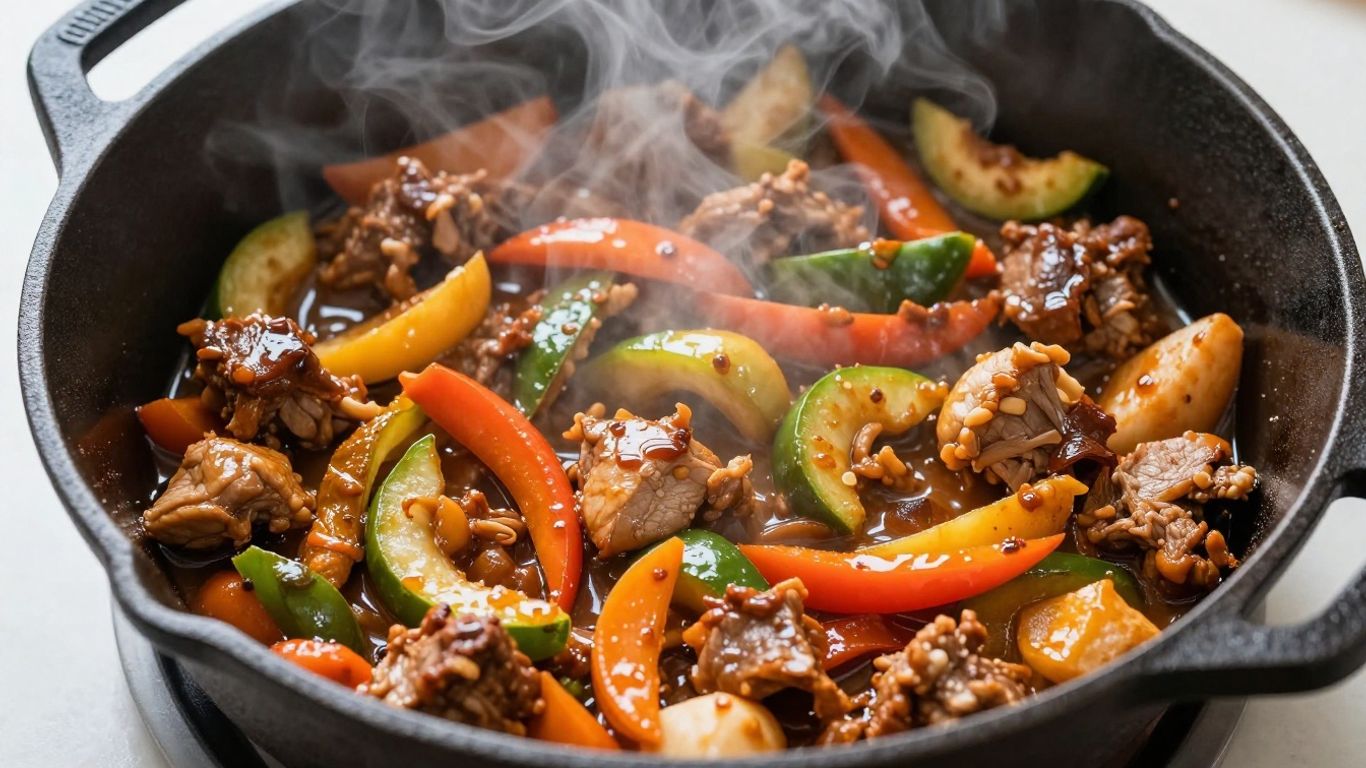
Most fast skillet dinners follow three steps: sear a protein in a hot pan, steam vegetables in the same pan with a splash of liquid and a lid, then stir together a quick sauce from the browned bits left behind. Learn that pattern and you can make dozens of balanced one-pan meals in about 20 to 30 minutes with very little cleanup.
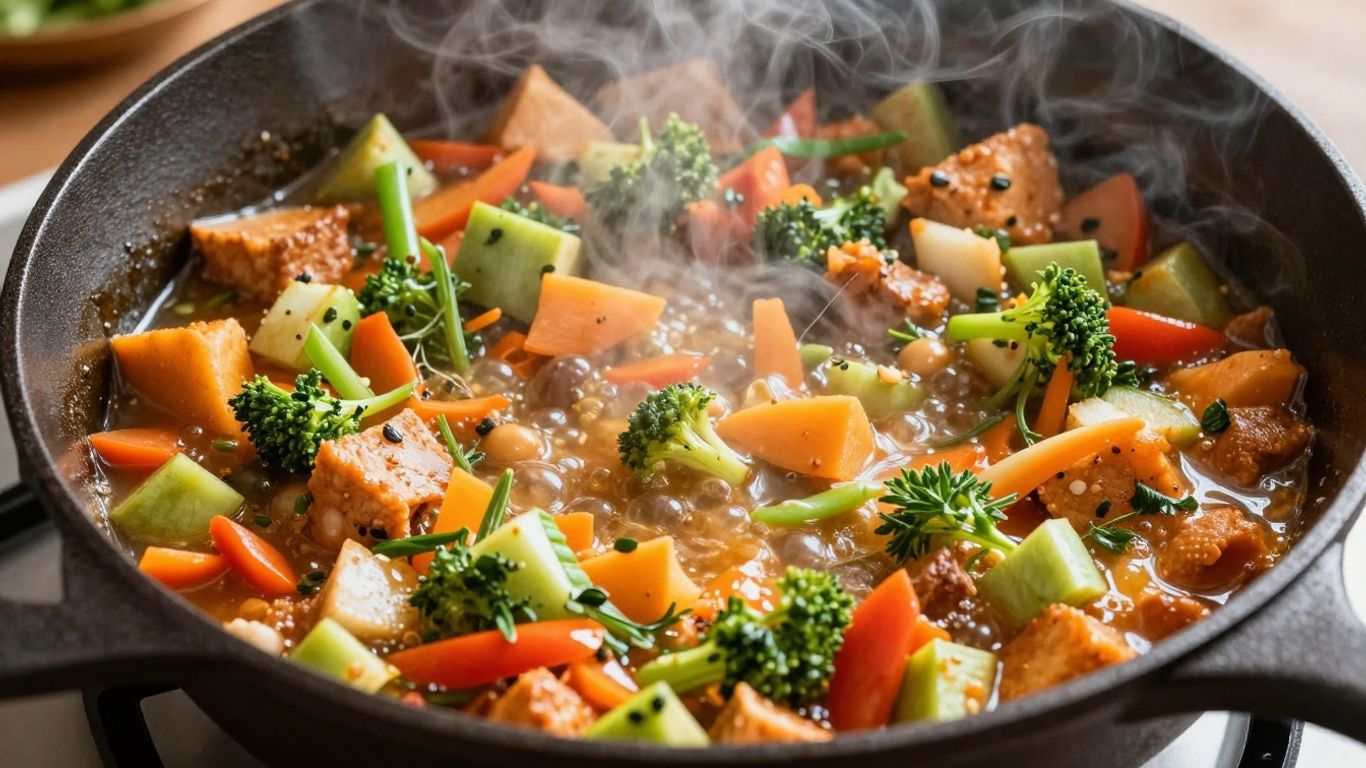
Why the skillet is a weeknight workhorse
One wide pan lets you brown, steam and simmer without moving food between pots. Cooking at home this way also lets you decide how much sauce, salt and fat goes in. Canada’s Food Guide points out that cooking more often helps you rely less on highly processed foods and lets you control seasoning, which matters because Health Canada lists mixed dishes, soups and condiments among the main sources of sodium in Canadian diets.
A 10- or 12-inch skillet is the most useful size. Cast iron and stainless steel give the best sear; nonstick is easiest for eggs and fish. A lid that fits (or a baking sheet laid on top) is essential for the steam step. If you cook with cast iron, this cast iron care guide covers seasoning and cleaning.
Step 1: Sear
Searing gives you flavour and colour. The keys:
- Dry the protein. Pat chicken, fish, tofu or steak dry with a paper towel. Moisture prevents browning.
- Preheat the pan. Heat over medium-high for 2 to 3 minutes, then add 1 to 2 teaspoons of oil.
- Don’t crowd. Leave space between pieces, or cook in batches. Crowded food steams instead of browning.
- Leave it alone. Let it cook undisturbed until it releases easily from the pan, usually 3 to 5 minutes, then flip.
- Check doneness with a thermometer. Thin cuts may finish in the sear; thicker ones can finish during the steam step.
Health Canada’s safe internal cooking temperatures are the ones to aim for:
| Food | Safe internal temperature |
|---|---|
| Chicken pieces (breasts, thighs) | 74°C (165°F) |
| Ground beef, pork or sausages | 71°C (160°F) |
| Pork chops | 71°C (160°F) |
| Fish | 70°C (158°F) |
| Beef steak (medium-rare) | 63°C (145°F) |
| Leftovers, reheated | 74°C (165°F) |
Insert the probe into the thickest part, away from bone. Set the seared protein on a plate while you cook the vegetables.
Step 2: Steam
Pan-steaming cooks vegetables quickly while keeping them bright and crisp-tender.
- Lower the heat to medium. Add vegetables in a single layer.
- Pour in 2 to 4 tablespoons of water or low-sodium broth.
- Cover and cook 2 to 6 minutes, depending on the vegetable.
- Uncover and let any remaining liquid cook off.
Approximate steaming times for bite-sized pieces:
- 2–3 minutes: spinach, snap peas, zucchini, asparagus
- 3–5 minutes: broccoli, green beans, peppers, cauliflower
- 5–8 minutes: sliced carrots, diced potatoes or sweet potatoes (cut small)
Add longer-cooking vegetables first, then the quick ones. For chicken thighs or thick fish, you can return the protein to the pan, cover and let it finish cooking gently with the vegetables.
Step 3: Sauce
The browned bits stuck to the pan after searing hold a lot of flavour. Loosen them with a liquid and build a sauce in a minute or two:
- Add ¼ to ½ cup of low-sodium broth, water or fruit juice to the hot pan. Scrape up the browned bits with a wooden spoon.
- Stir in your flavourings (see the combos below).
- Simmer 1 to 2 minutes until slightly thickened. For a thicker sauce, stir in a slurry of 1 teaspoon cornstarch mixed with 1 tablespoon cold water.
- Return the protein and vegetables, toss to coat and finish with something fresh: herbs, citrus juice or green onions.
Five fast sauce combos
| Sauce | Into the pan | Great with |
|---|---|---|
| Honey garlic | Broth, 1 tbsp honey, 1 tbsp low-sodium soy sauce, 2 cloves garlic | Salmon, chicken, tofu, green beans |
| Lemon herb | Broth, lemon juice and zest, a little butter or olive oil, parsley or dill | Fish, chicken, asparagus, potatoes |
| Creamy tomato | Crushed tomatoes, a splash of milk, garlic, Italian herbs, spinach | Chicken, white beans, whole wheat pasta |
| Teriyaki-style | Low-sodium soy sauce, pineapple or orange juice, ginger, garlic, cornstarch slurry | Beef strips, chicken, broccoli, peppers |
| Fajita | Broth, lime juice, cumin, chili powder, smoked paprika | Chicken or shrimp with peppers and onions |
For more sauce bases you can make ahead, see sauces that save meals.
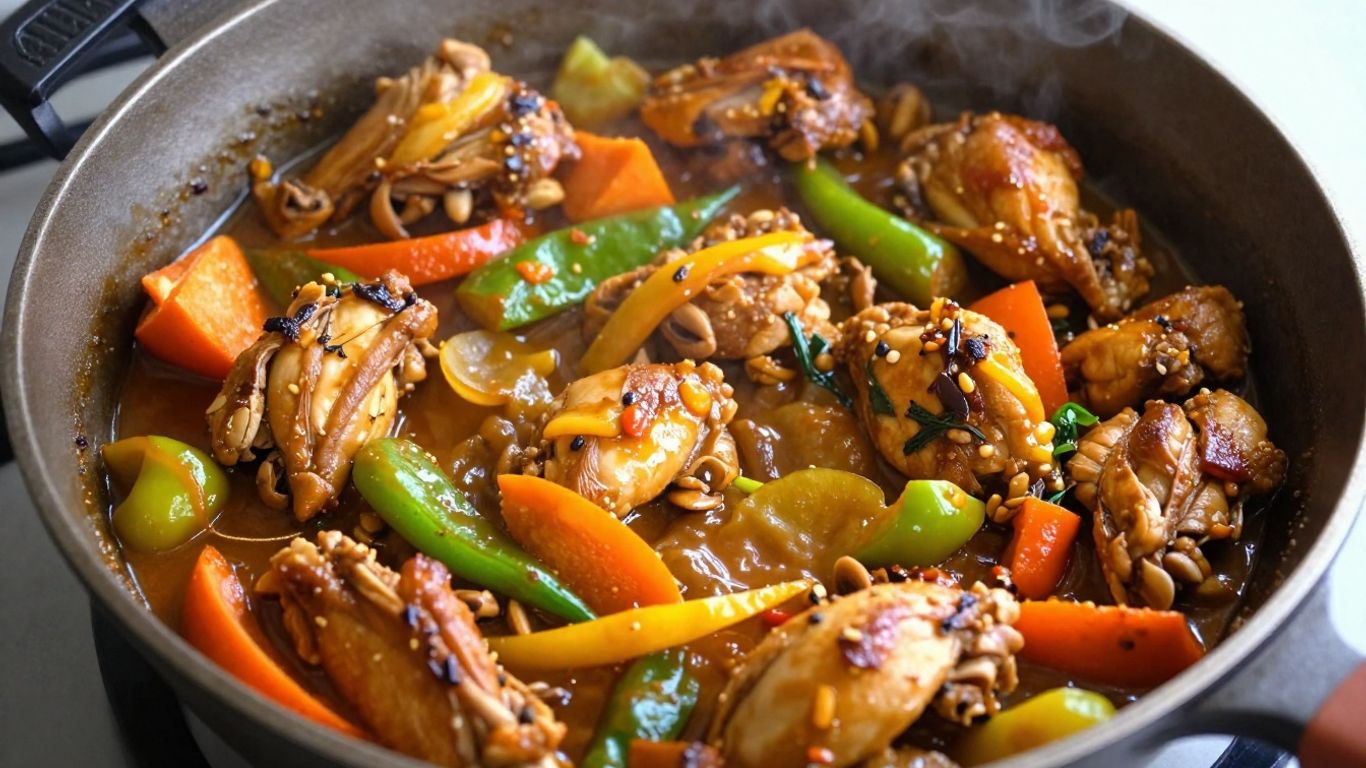
Four skillet dinners to start with
Chicken, broccoli and honey garlic
Sear bite-sized chicken thighs until browned and cooked through. Steam broccoli with a splash of water. Make the honey garlic sauce, toss everything together and serve over brown rice.
Lemon-herb fish with green beans
Sear white fish or salmon fillets 2 to 4 minutes per side. Set aside, steam green beans, then make a lemon-herb pan sauce. Serve with quinoa or roasted potatoes.
Chicken fajita skillet
Sear strips of chicken with fajita spices. Add sliced peppers and onions with a splash of broth, cover briefly, then uncover and cook until lightly charred. Serve in whole wheat tortillas with salsa and plain Greek yogurt.
Beef and veggie rice skillet
Brown lean ground beef, drain any excess fat, then add diced peppers, zucchini and corn. Stir in cooked brown rice, crushed tomatoes, cumin and chili powder. Simmer until hot and top with a little cheese.
For a plant-based version of any of these, use firm tofu, tempeh or chickpeas in the sear step.
Balance the pan
Aim for roughly half the skillet as vegetables, a quarter protein and a quarter whole grain or starchy food, either cooked in the pan or served on the side. If the meal looks mostly beige, add a handful of spinach at the end or serve a quick side salad. Prefer to roast? Sheet-pan dinners use a similar formula in the oven.
Common skillet problems and fixes
- Food sticks: the pan wasn’t hot enough, or you flipped too soon. Wait until it releases.
- Grey, not golden: the pan was crowded or the food was wet. Cook in batches and pat dry.
- Sauce too salty: add a splash of water, unsalted broth or a squeeze of citrus, and use low-sodium soy sauce next time.
- Vegetables soggy: use less liquid and shorten the covered time. Uncover sooner.
- Smoke: lower the heat slightly and use an oil suited to higher heat, such as canola or avocado oil.
Quick takeaways
- Sear dry protein in a hot, uncrowded pan and check temperature with a thermometer.
- Steam vegetables in the same pan with a few tablespoons of water or broth and a lid.
- Build a pan sauce from broth or juice and the browned bits, then finish with something fresh.
- Fill about half the pan with vegetables.
- Use low-sodium broth and soy sauce to keep salt in check.