
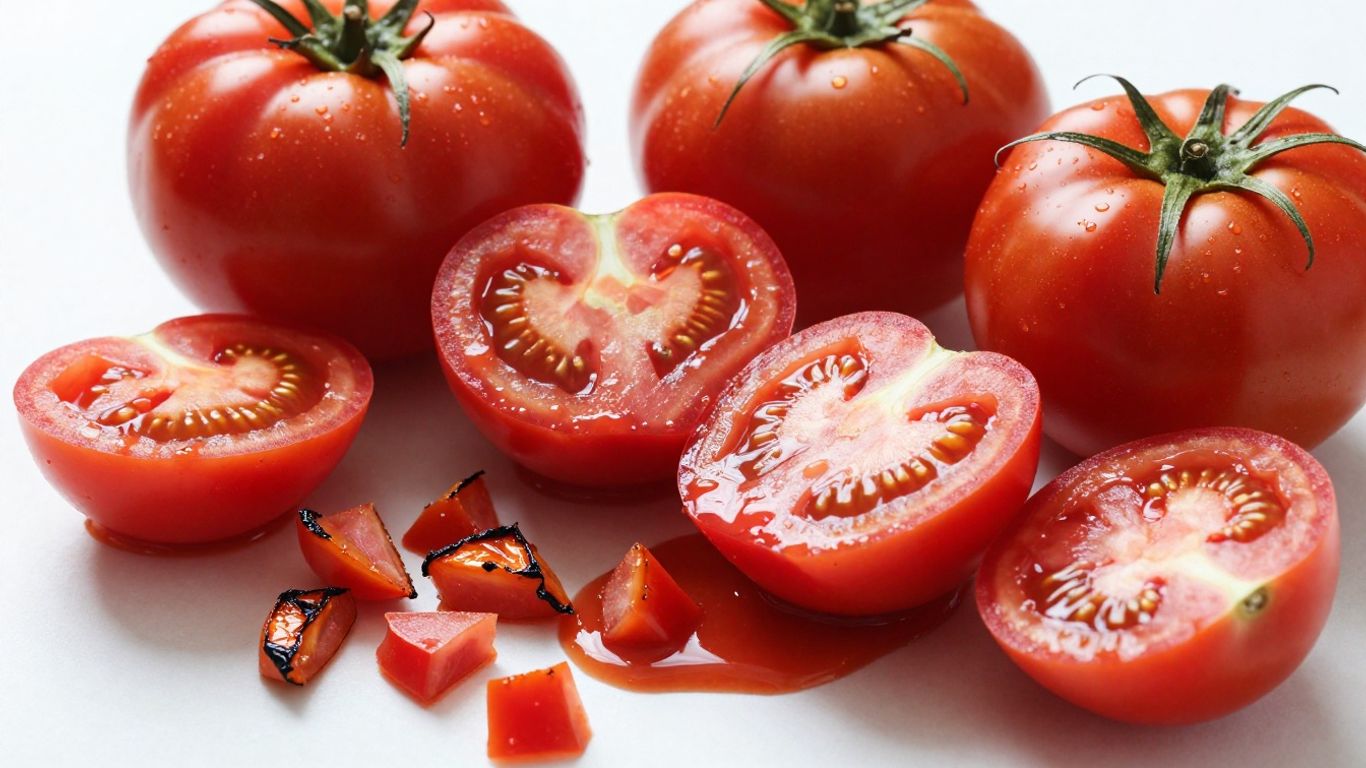
Tomatoes change character depending on how you treat them: raw tomatoes are juicy and bright, roasted tomatoes turn sweet and concentrated, and a simmered sauce becomes rich and savoury. Pick ripe fruit for raw dishes, use high heat for roasting, and build sauce slowly with good aromatics and a little olive oil, and you’ll have a flavourful, low-cost base for dozens of meals.
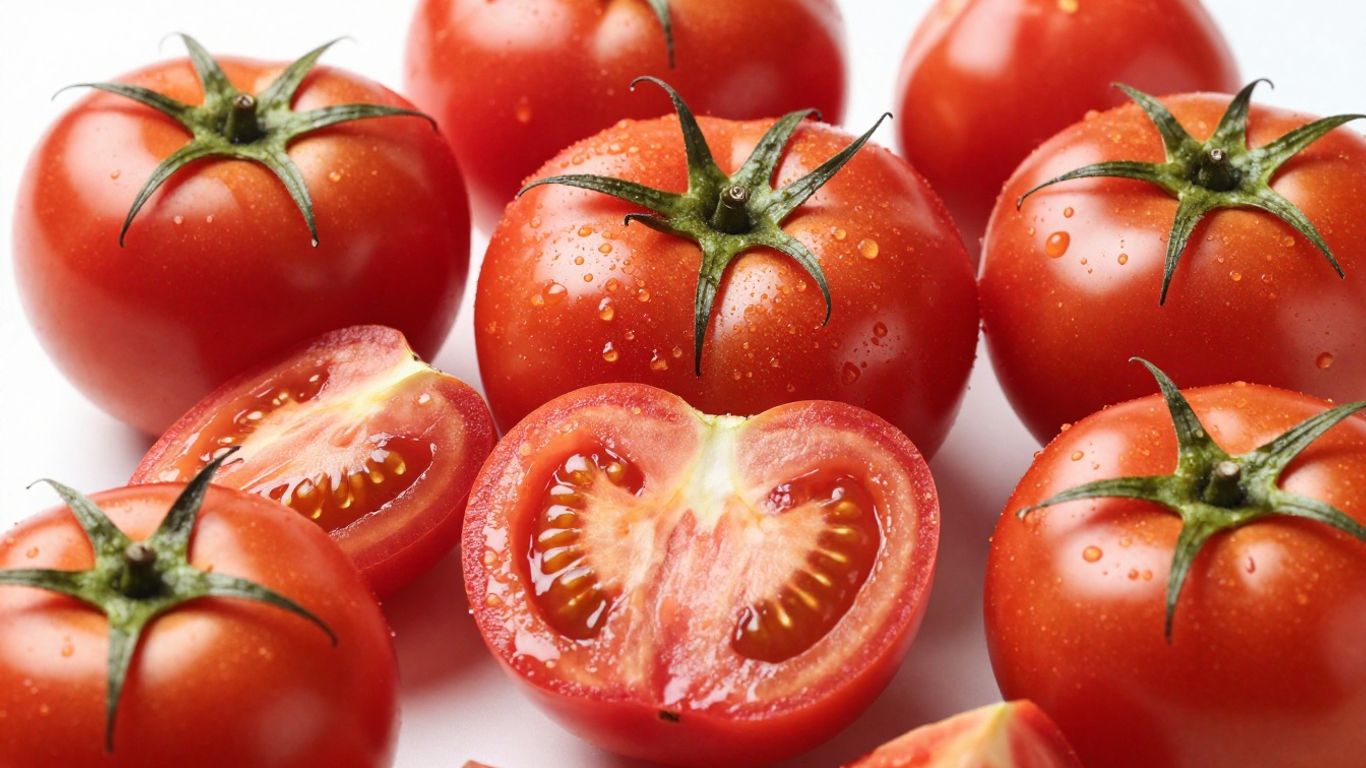
Why tomatoes deserve a spot in your weekly cooking
Tomatoes are inexpensive, available year-round (fresh in summer, canned the rest of the year) and full of savoury flavour that makes vegetables, beans and grains more satisfying. They are also the main dietary source of lycopene, a red carotenoid pigment. Cooking appears to make lycopene easier to absorb: in a small study, people absorbed more lycopene from tomato paste than from fresh tomatoes when both were eaten with some oil. That’s a good reason to enjoy tomatoes both raw and cooked rather than choosing one.
Raw: let ripe tomatoes do the work
Choosing tomatoes
- Pick tomatoes that feel heavy for their size and give slightly when pressed.
- Smell the stem end. A ripe tomato smells green and sweet; no smell usually means little flavour.
- Cherry and grape tomatoes are the most reliable choice outside of summer.
- Store ripe tomatoes on the counter, stem side down, and use them within a few days. The fridge dulls flavour and makes the texture mealy, so refrigerate only cut tomatoes or ones that are getting overripe.
Simple preparations
- Salted tomatoes: slice, sprinkle lightly with salt and wait 10 minutes. The salt draws out juice and concentrates flavour. Add pepper, basil and a drizzle of olive oil.
- Fresh salsa (pico de gallo): diced tomato, onion, cilantro, jalapeño and lime. Great on eggs, beans, fish and grain bowls.
- Grated tomato: halve a tomato and grate the cut side on a box grater, leaving the skin behind. Spread on toast or use as a quick no-cook sauce.
- Tomato and cucumber salad: with red onion, parsley, lemon and a little olive oil.
Raw tomatoes love acid, salt, fresh herbs and a little fat. A drizzle of olive oil isn’t just for flavour; carotenoids like lycopene are fat-soluble.
Roasted: concentrated and sweet
Roasting drives off water and browns the natural sugars, which turns pale winter tomatoes into something worth eating.
Two roasting methods
| Method | How | Best for |
|---|---|---|
| Hot and fast | Cherry tomatoes with a little oil, salt and garlic at 220°C (425°F) for 15–20 minutes until they burst | Pasta, grain bowls, spooning over fish or beans |
| Low and slow | Halved plum tomatoes, cut side up, at 150°C (300°F) for 2–3 hours until shrivelled at the edges | Sandwiches, salads, blending into sauce, freezing |
Tips for better roasting
- Leave space on the pan. Crowded tomatoes steam instead of browning.
- Use a light hand with oil: a teaspoon or two per tray is enough.
- Add herbs like thyme or oregano before roasting; add basil after.
- Scrape up the juices on the pan. They are pure flavour for dressings and sauces.
Roasted tomatoes blended with roasted red pepper, garlic and broth make a quick soup. Spread them on whole-grain toast with white beans for an easy lunch.
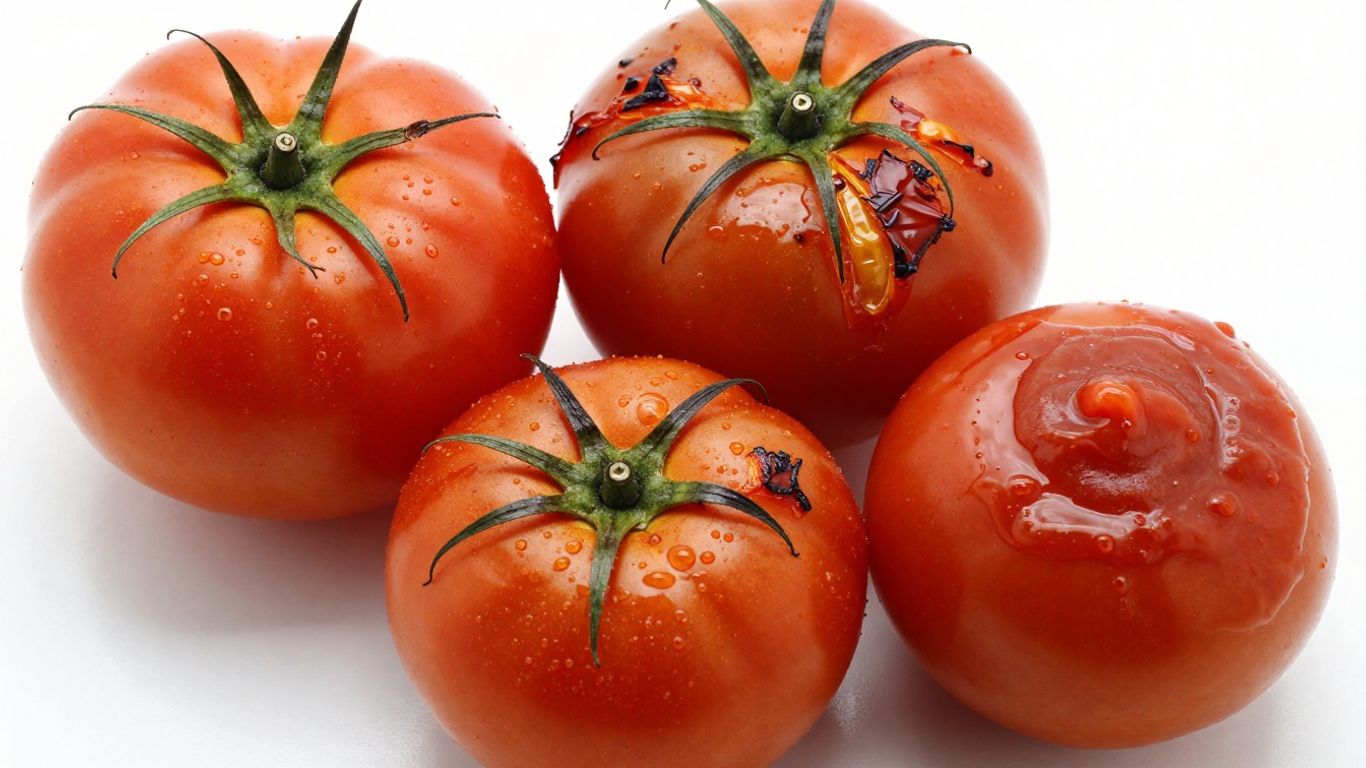
Sauced: a reliable everyday marinara
Which tomatoes to use
For most of the year, good canned tomatoes make better sauce than fresh supermarket ones. Whole peeled plum tomatoes (including San Marzano-style) have dense flesh, fewer seeds and balanced sweetness. Crush them by hand or with a spoon for a rustic texture. Check the label and choose no-salt-added cans when you can, so you control the seasoning.
Basic marinara
- Warm 1–2 tablespoons olive oil over medium-low heat. Add 3–4 sliced garlic cloves and half a finely chopped onion. Cook gently until soft and golden, not browned dark.
- Optional: stir in 1 tablespoon tomato paste and cook 1–2 minutes until it darkens slightly.
- Add one 796 mL (28 oz) can of whole tomatoes, crushed, plus a pinch of chili flakes and dried oregano.
- Simmer uncovered, stirring now and then, for 20–40 minutes until thickened.
- Finish with torn basil, black pepper and salt to taste.
Simmering does more than thicken. A lab study found that longer cooking and adding a little extra virgin olive oil increased the extractable carotenoids in tomato sauce. A small amount of oil is enough; the sauce doesn’t need to be swimming.
Fixing a sharp or flat sauce
- Too acidic or sharp: simmer longer, add a grated carrot or a little sautéed onion, or stir in a small pinch of baking soda and let it foam. Sugar works too but usually isn’t needed.
- Flat: add salt in small amounts, a splash of vinegar or lemon at the end, or more garlic and basil.
- Thin: keep simmering uncovered, or add a spoon of tomato paste.
- Needs depth: add browned mushrooms, a Parmesan rind while simmering, or a spoon of miso.
There’s no need for cream or lots of butter to make sauce taste rich. Patience, aromatics and a finish of fresh herbs do most of it. For more savoury tricks, see Umami Without Meat.
Ways to use one batch of sauce
- Whole-grain pasta with sautéed spinach and white beans.
- Eggs poached in sauce (shakshuka-style) with whole-grain toast.
- A base for lentil or vegetable soup. Three Soup Bases, Fifteen Soups has more ideas.
- Homemade pizza on a whole-wheat crust or flatbread with plenty of vegetables.
- Spooned over baked fish, chicken or tofu.
- A dipping sauce for roasted vegetables.
Cool leftover sauce promptly, refrigerate in shallow containers and use within a few days, or freeze in portions.
A note on home canning
If you preserve your own tomato sauce, follow a tested recipe exactly. Tomatoes sit near the line between acidic and low-acid foods, and tested recipes add lemon juice or citric acid for safety. Improvised canning recipes are not worth the risk. The CDC’s botulism prevention advice specifically mentions home-canned tomatoes and low-acid foods as needing extra care.
Quick takeaways
- Use ripe, room-temperature tomatoes raw with salt, acid and herbs.
- Roast hot and fast for juicy bursts, or low and slow for concentrated sweetness.
- Canned whole tomatoes make the most reliable sauce most of the year.
- Simmer sauce with a little olive oil; it improves flavour and carotenoid availability.
- Fix sharp sauce with time and aromatics before reaching for sugar.
FAQ
Should I peel and seed tomatoes for sauce?
Not usually. Canned whole tomatoes are already peeled, and seeds don’t hurt the flavour. For fresh tomatoes, peeling is optional and mostly about texture.
Are canned tomatoes as healthy as fresh?
They’re a nutritious choice, and cooked tomato products offer well-absorbed lycopene. Choose no-salt-added versions when possible.
How long should I simmer marinara?
About 20–40 minutes is enough for a weeknight sauce. Longer simmering gives a deeper, sweeter result.