
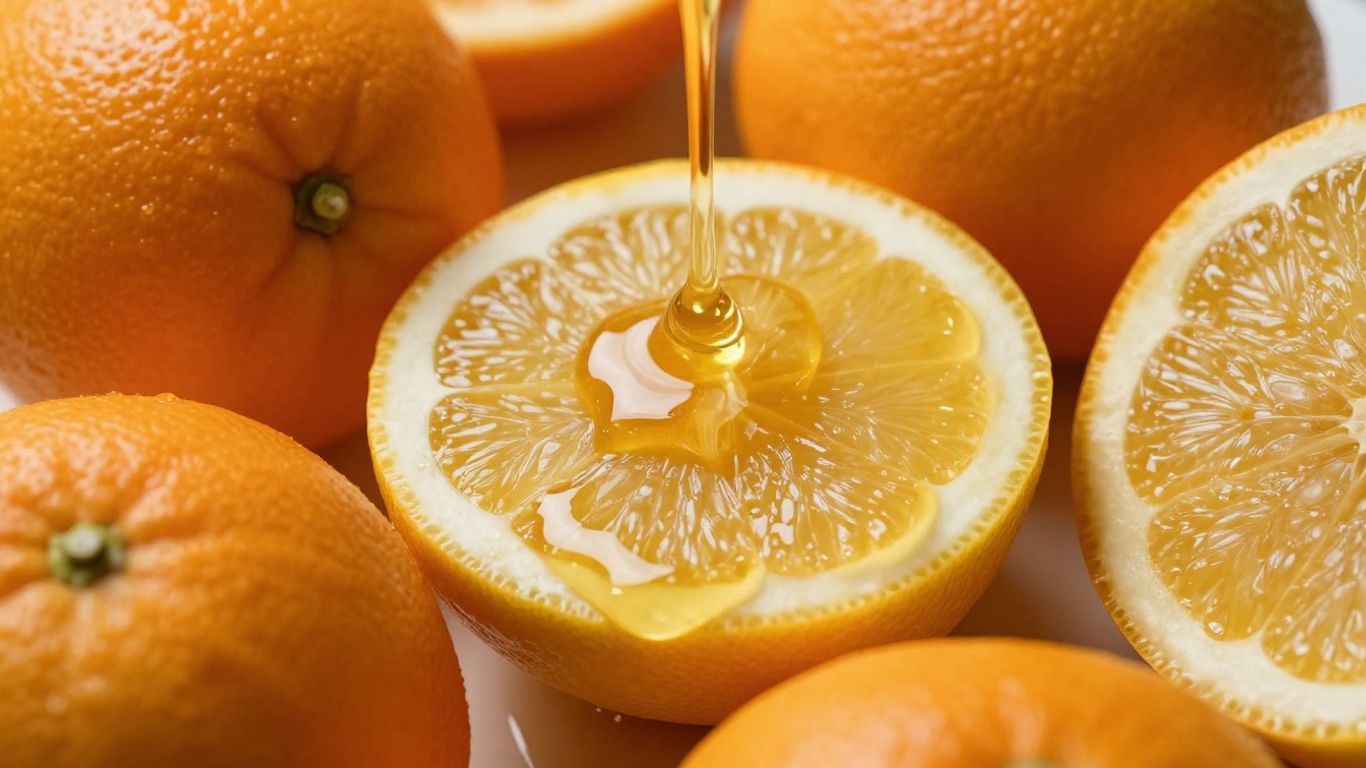
Citrus gives you three very different tools from one fruit: zest for fragrance, segments for juicy texture, and juice or syrup for brightness and moisture. Learn to zest without the bitter pith, cut clean segments (supremes), and make a light syrup you use sparingly, and you can lift salads, grains, fish, yogurt and baking with very little added fat or salt.
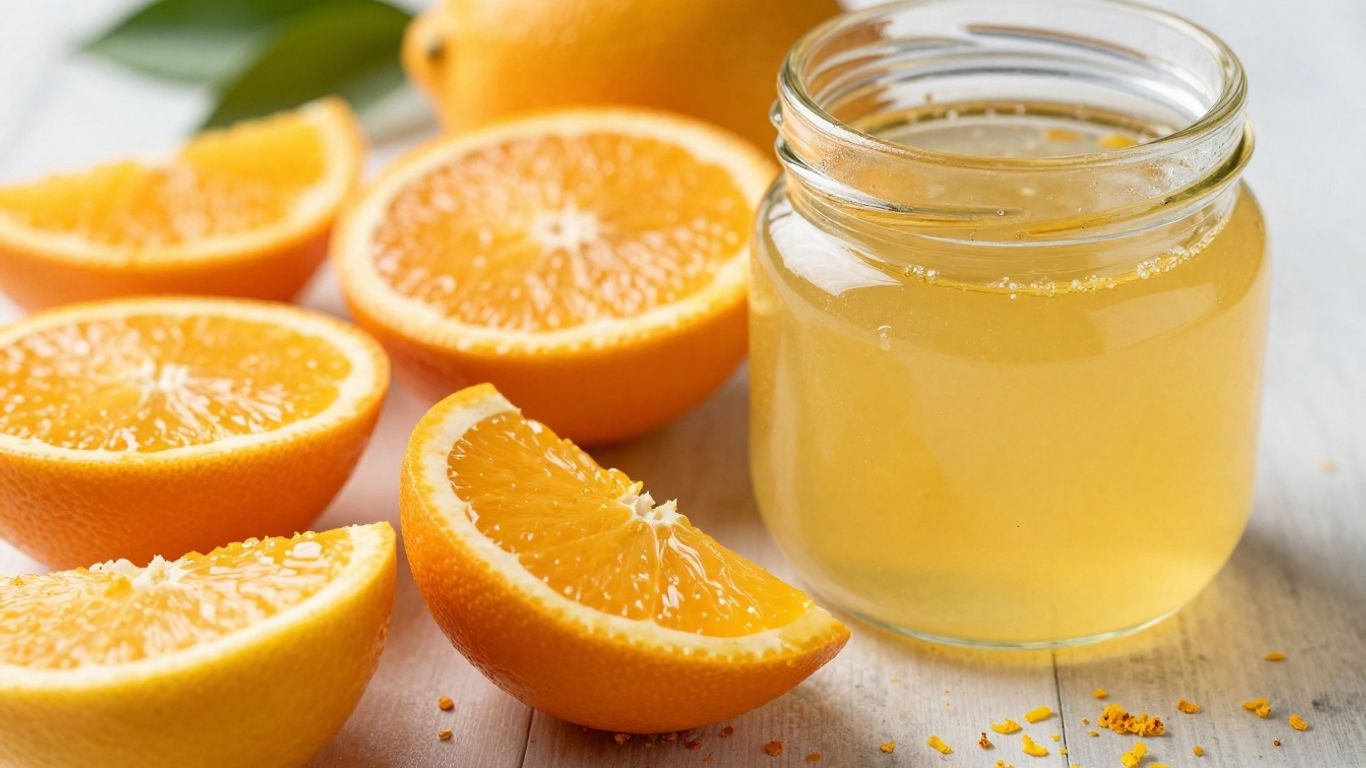
Know the parts of a citrus fruit
- Zest: the thin, coloured outer layer of peel. It holds the aromatic oils, so it carries most of the “orange” or “lemon” smell.
- Pith: the white, spongy layer under the zest. It is edible and contains fibre, but it tastes bitter, so keep it out of zest and syrups.
- Membranes: the thin walls between segments. Chewy and slightly bitter.
- Flesh and juice: sweet-tart, juicy and rich in vitamin C.
Citrus is a well-known source of vitamin C. Harvard’s Nutrition Source lists citrus such as oranges, lemons and grapefruit among the best food sources and notes that vitamin C can be destroyed by heat and light, so raw segments and fresh juice keep more of it than long-cooked citrus.
Zest: maximum flavour, no bitterness
Tools
- Microplane or fine rasp: best for baking, dressings and anything where zest should melt in.
- Channel zester: makes thin strips for garnish.
- Vegetable peeler: wide strips for infusing syrups, broths or warm milk, then removing.
Technique
- Wash and dry the fruit well. Scrub under running water to remove dirt and any wax.
- Zest before you cut or juice the fruit. A whole fruit is much easier to hold.
- Use light pressure and rotate the fruit often. When you see white, move on.
- Zest directly over the bowl so the sprayed oils land in the food, not on the counter.
Getting more flavour from zest
The aroma is in the oils, so help release them:
- Rub it into sugar or salt. For baking, rub zest into the recipe’s sugar with your fingertips until fragrant. For savoury food, rub it into a pinch of salt and pepper.
- Warm it in fat briefly. Zest stirred into a little warm olive oil or melted butter carries flavour through a whole dish.
- Add some at the end. Heat dulls zest, so finish soups, grains and roasted vegetables with a fresh grating.
Spare zest freezes well. Zest the fruit before juicing and freeze it flat in a small bag.
Segments: the clean-cut supreme
Segments without membrane look neat in salads and desserts and have a softer, juicier bite.
- Cut a thin slice off the top and bottom so the fruit stands flat.
- Following the curve of the fruit, slice downward to remove peel and all the white pith in strips.
- Hold the fruit over a bowl. Cut along each side of a membrane toward the centre and let the segment drop out.
- When finished, squeeze the leftover “skeleton” over the bowl to catch the juice for a dressing.
A sharp, small knife matters more than skill here. Oranges, grapefruit, blood oranges and pomelos all segment well; lemons and limes are usually juiced instead.
Ways to use segments
- Orange or grapefruit with fennel, greens, avocado and a few toasted nuts.
- Blood orange over plain Greek yogurt with cinnamon.
- Mixed citrus with mint as a simple dessert.
- Orange segments in a grain salad with chickpeas, parsley and cumin.
- Grapefruit or orange with roasted beets.
Citrus syrups: a little goes a long way
A citrus syrup is citrus juice and zest simmered with sugar. It’s useful for moistening a cake, glazing fruit or flavouring sparkling water, but be honest about what it is: added sugar. The NHS counts sugars in syrups, honey and fruit juice as “free sugars”, the kind most people are encouraged to cut back on. So think of syrup as a finishing touch, measured by the teaspoon.
Basic light citrus syrup
- Combine 1/2 cup fresh citrus juice, 1/4 cup sugar and a few wide strips of zest in a small pot.
- Simmer gently for 3 to 5 minutes, until the sugar dissolves and the syrup thickens slightly.
- Remove from heat, add a squeeze of fresh juice for brightness, and cool. Remove the zest strips.
- Store in a clean, covered jar in the fridge and use it up within a few days.
Using more juice than sugar keeps the syrup tart and lighter than a classic one-to-one syrup. It will be thinner, which is fine for drizzling.
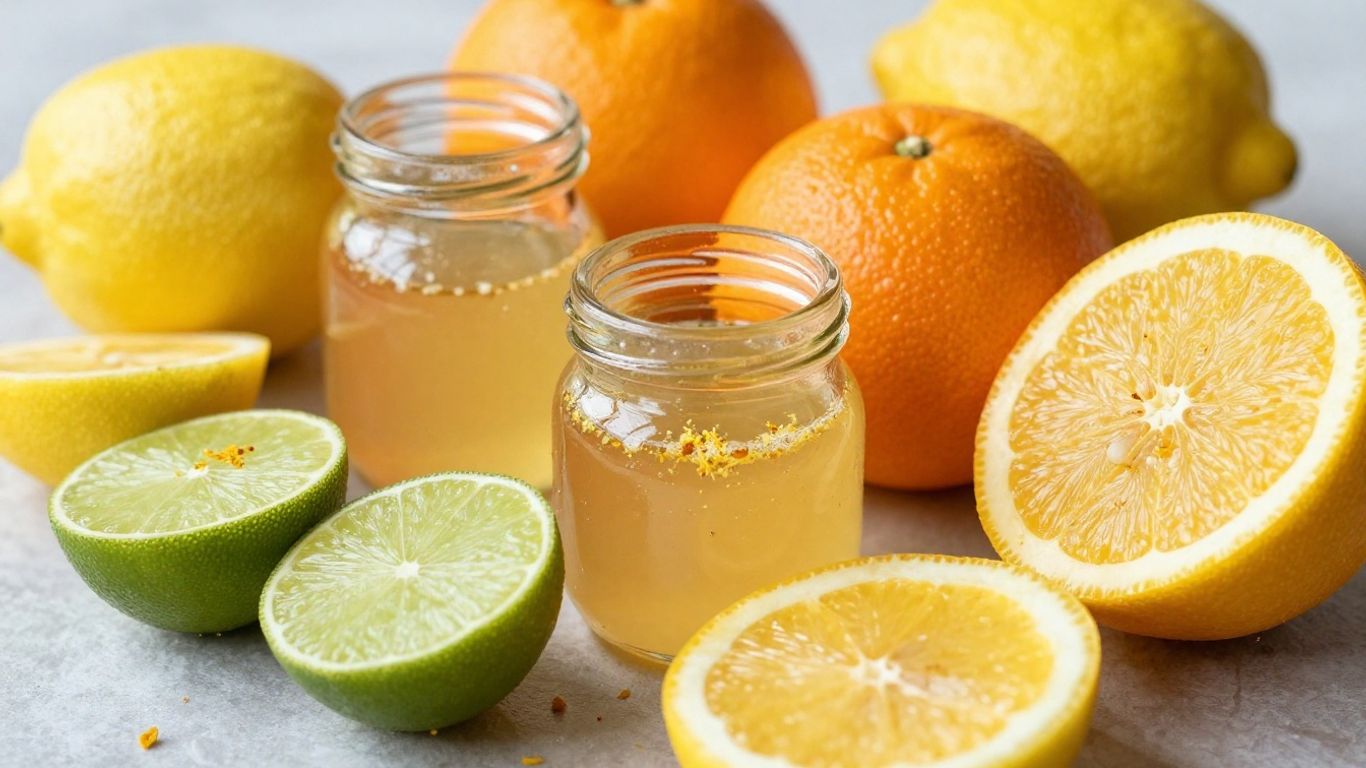
Lower-sugar ways to get the syrup effect
- Reduced juice: simmer orange juice until it thickens slightly. No added sugar, though it is still concentrated fruit sugar.
- Macerated segments: toss segments with zest and a pinch of sugar or none at all; they release their own juice in 15 minutes.
- Zest-infused water: strips of zest in cold sparkling water give a citrus taste with no sugar.
Soaking a cake
If you do use syrup on a cake, poke holes with a skewer and spoon syrup over while the cake is still warm and the syrup is cool or room temperature (or the other way around). The temperature difference helps it soak in rather than sit on top. Brush on a little at a time; you rarely need the whole batch.
Choosing and storing citrus
| Fruit | Best for | Notes |
|---|---|---|
| Navel orange | Segments, zest, snacking | Seedless, easy to peel |
| Valencia orange | Juice | Very juicy, may have seeds |
| Blood orange | Segments, salads, colour | Berry-like flavour, winter season |
| Lemon | Zest, juice, dressings | The all-purpose brightener |
| Lime | Zest, juice, salsas | Sharper and more floral |
| Grapefruit | Segments, salads | See the medication note below |
Choose fruit that feels heavy for its size; that usually means more juice. Store citrus in the fridge crisper to keep it fresh longer, and bring it to room temperature (or microwave 10 seconds) before juicing to get more juice out.
When to check with a professional
Grapefruit can interact with a number of prescription medicines. Mayo Clinic notes that other citrus such as pomelos, tangelos and Seville oranges can do the same, and advises asking a doctor or pharmacist whether these fruits are safe with your medications. If you have reflux or mouth sores, acidic citrus may also be uncomfortable; your healthcare provider can help you decide what works for you.
For more ways to use acid in everyday cooking, see Acid Balance in Cooking. If you enjoy baking with citrus, Low-Sugar Baking covers how to keep flavour high when you reduce sugar.
Quick takeaways
- Zest first, juice second, and stop at the white pith.
- Rub zest into sugar, salt or warm oil to release its oils, and add fresh zest at the end of cooking.
- Supreme oranges and grapefruit for salads, yogurt and simple desserts.
- Treat citrus syrup as added sugar: make it tart and use it by the teaspoon.
- Check with a pharmacist about grapefruit and related citrus if you take medication.
FAQ
What’s the difference between zest and rind?
Zest is only the coloured outer layer. Rind usually means the whole peel, including the bitter white pith.
Can I eat the white pith?
Yes, it’s edible and contains fibre. It’s just bitter, so most recipes leave it out of zest and syrups.
How long does fresh citrus syrup keep?
Keep it covered in the fridge and use it within a few days. Make small batches so none goes to waste, and discard it if it looks cloudy, fizzy or smells off.