
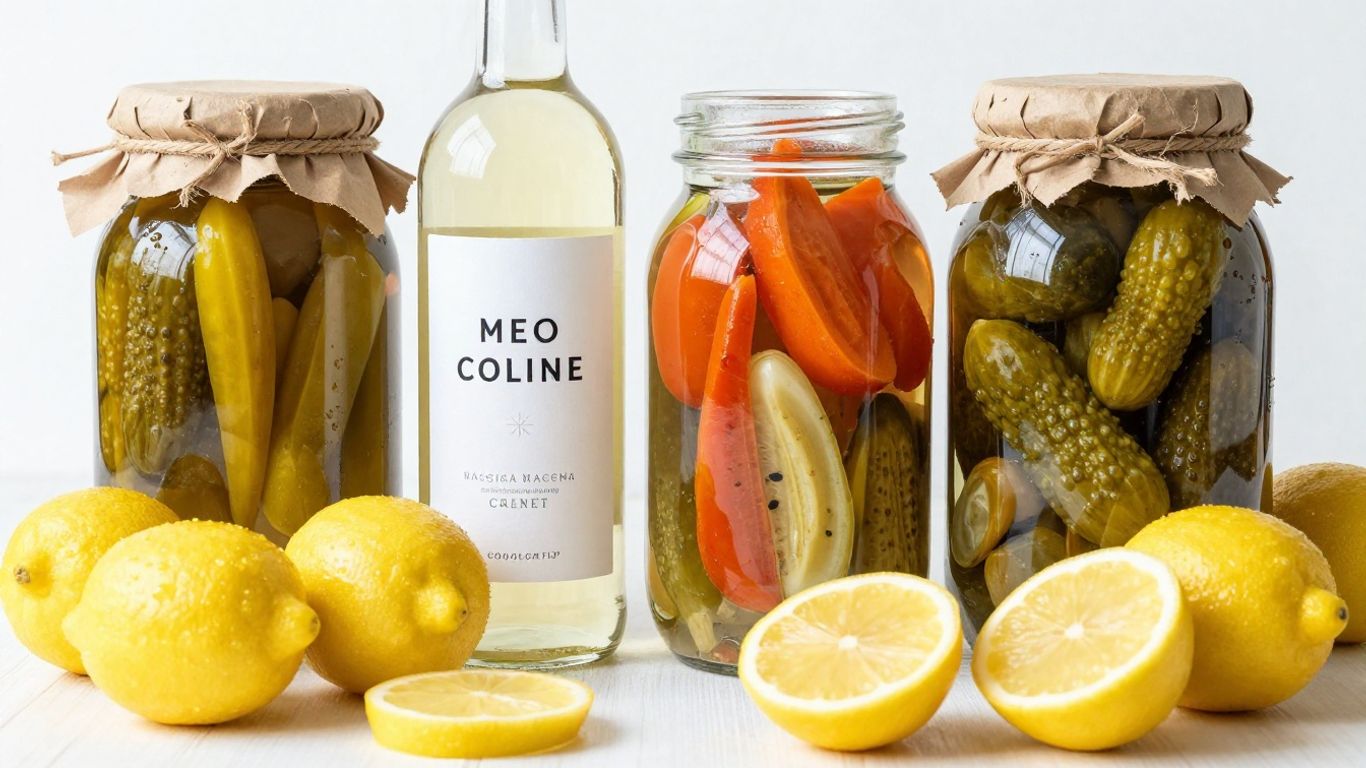
A little acid, such as a squeeze of lemon, a splash of vinegar or a few quick pickles, makes food taste brighter and less flat, often so you need less salt, sugar or fat to enjoy it. There’s also early evidence that vinegar with a starchy meal can soften the blood sugar rise and help you feel fuller. Think of acid as the finishing touch that makes healthy food taste “done.”
What acid does on the plate
- Brightens: Acid lifts the other flavours, especially in beans, lentils, soups and roasted vegetables that can taste muddy.
- Cuts richness: A squeeze of lemon on salmon or a vinegar slaw beside a hearty dish keeps each bite tasting fresh, so the meal doesn’t feel heavy.
- Balances sweetness: Lime on mango or a little vinegar in a tomato sauce keeps sweet foods from tasting flat.
- Stands in for some salt: Health Canada suggests adding citrus, flavoured vinegar, fresh or dried herbs or spices to replace salt, and notes lemon juice is great in salad dressings and marinades.
Acid, blood sugar and fullness
The Harvard T.H. Chan School of Public Health lists acid among the factors that slow how fast food turns into blood sugar, noting that meals with fat or acid are converted more slowly into sugar.
In a small Swedish study, 12 healthy adults ate white bread with or without vinegar. Adding vinegar lowered the blood glucose and insulin response and increased how full people felt, with larger amounts having a bigger effect. It was a short lab test with one type of meal, so it doesn’t mean vinegar causes weight loss. It does support a simple habit: include a vinegar-based dressing, slaw or pickle with starchy meals.
There’s no need to drink vinegar or take vinegar pills. Use it as food.
Citrus: your everyday acid
- Lemon: Fish, chicken, lentil soup, steamed greens, hummus, grain salads, water.
- Lime: Black beans, tacos, rice bowls, mango or melon, peanut sauces.
- Orange and grapefruit: Winter salads with beets or fennel, glazes, and segments in grain bowls.
Zest versus juice: Zest gives aroma without much sourness; juice gives tang. For the brightest result, use both and add the juice at the end of cooking.
Vinegars: a shelf of options
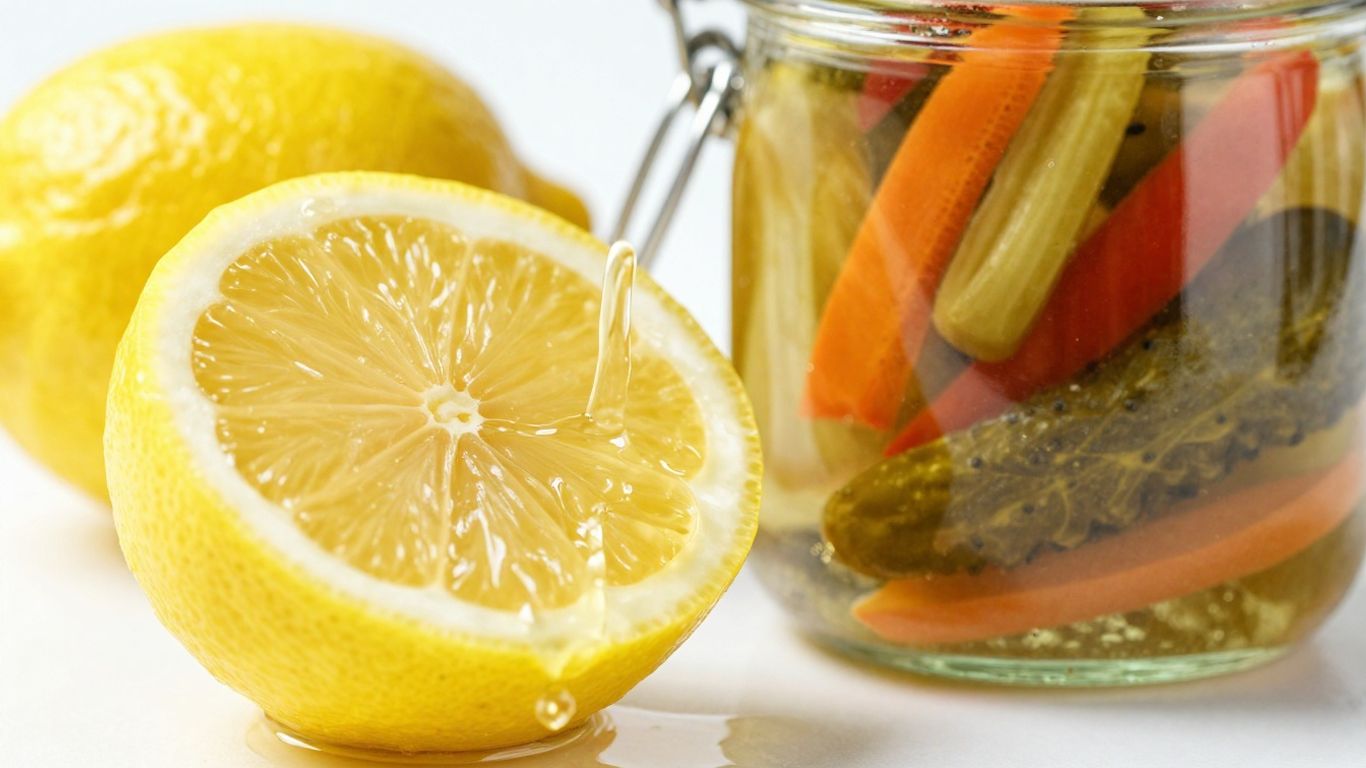
| Vinegar | Flavour | Good for |
|---|---|---|
| Apple cider | Fruity, mellow | Slaws, bean salads, quick pickles, marinades |
| Rice (unseasoned) | Mild, slightly sweet | Cucumber salads, rice bowls, stir-fry sauces |
| White distilled | Sharp, clean | Pickling, cleaning up a too-sweet sauce |
| Balsamic | Sweet, deep | Roasted vegetables, tomatoes, strawberries |
| Herb-infused (store-bought) | Aromatic, mild | Salad dressings, drizzling over beans and potatoes |
Simple vinaigrette: 3 parts olive oil to 1 part vinegar or citrus juice, plus a teaspoon of mustard to hold it together, a pinch of salt and pepper. Shake in a jar. For a lighter, sharper version, try 2 to 1.
Marinades: Acid adds flavour to marinades for chicken, tofu or vegetables. Keep marinating times short for fish and seafood, since acid starts to “cook” and soften them.
Quick fridge pickles
Pickles add crunch, tang and colour for very few calories. Fridge pickles are easier and safer than home canning because you aren’t storing them at room temperature.
- Slice vegetables thinly: red onion, cucumber, carrots, radishes, cauliflower or beets.
- Make the brine: 1 cup vinegar, 1 cup water, 1 to 2 teaspoons salt, and 1 to 2 teaspoons sugar or honey if you like. Warm just until dissolved.
- Add flavour: Garlic, dill, mustard seeds, peppercorns, chili flakes or a bay leaf.
- Pour the brine over the vegetables in a clean jar, cool, cover and refrigerate.
- Eat after an hour for onions, or after a day for firmer vegetables. Keep them refrigerated and use within a couple of weeks.
Store-bought pickles, olives and sauerkraut are tasty but often salty. The NHS lists olives and pickles among salty foods to eat less often or in small amounts. Homemade fridge pickles let you choose how much salt goes in.
Texture and contrast
Acid works best alongside contrast. Pair:
- Crunchy and creamy: Pickled onions on a bean and avocado bowl.
- Sour and sweet: Lime and chili on watermelon or mango.
- Bright and rich: Lemony greens beside a cheesy baked pasta.
- Tangy and savoury: A dill-and-garlic dip (Greek yogurt, dill, garlic powder, onion powder, a splash of pickle brine) with raw vegetables for a satisfying snack.
Fixing a dish that tastes “off”
- Flat or dull: Add acid first, then taste before adding more salt.
- Too sour: Add a little fat (olive oil, yogurt) or something sweet (grated carrot, a drizzle of honey), or dilute with more of the base.
- Too salty: A squeeze of lemon can make salt seem less sharp; adding more unsalted vegetables, grains or beans helps more.
- Too sweet: A small splash of vinegar brings it back into balance.
Easy ways to add acid this week
- Squeeze lemon over lentil or bean soup right before serving.
- Keep a jar of pickled red onions for eggs, tacos, bowls and sandwiches.
- Toss steamed vegetables with a little cider vinegar and olive oil.
- Add lime and cilantro to rice.
- Put a vinegar slaw beside any starchy main.
- Flavour water or sparkling water with lemon, lime or orange slices.
When to check with a professional
Acidic foods can bother some people with acid reflux, heartburn or sensitive stomachs, and frequent sipping of acidic drinks can wear on tooth enamel. If you have reflux, ulcers, dental erosion, or you take diabetes medication and want to use vinegar regularly to manage blood sugar, talk to your doctor, dentist or a registered dietitian first. If you’re on a low-sodium diet, ask about pickles and brined foods.
Key takeaways
- Use acid to brighten food so you need less salt, sugar and fat.
- Add citrus juice and vinegar near the end of cooking for the most sparkle.
- Pair vinegar-based sides with starchy meals; early research links this with steadier blood sugar and more fullness.
- Make quick fridge pickles to control salt and keep crunch on hand.
FAQ
Should I take apple cider vinegar shots for weight loss?
There’s no need. The research so far is small and short-term, and undiluted vinegar can irritate your throat and teeth. Using vinegar in dressings, slaws and pickles is a gentler way to enjoy it.
When should I add acid while cooking?
Mostly at the end. Acid added early mellows during cooking and can keep beans from softening, so add citrus juice or vinegar once dishes are nearly done, then taste.
Can I use bottled lemon juice?
Yes, for convenience. Fresh lemon tastes brighter, and fresh zest adds aroma bottled juice can’t.
For more, see our citrus masterclass, the 5-part meal salad, and what raises fullness in real kitchens.