
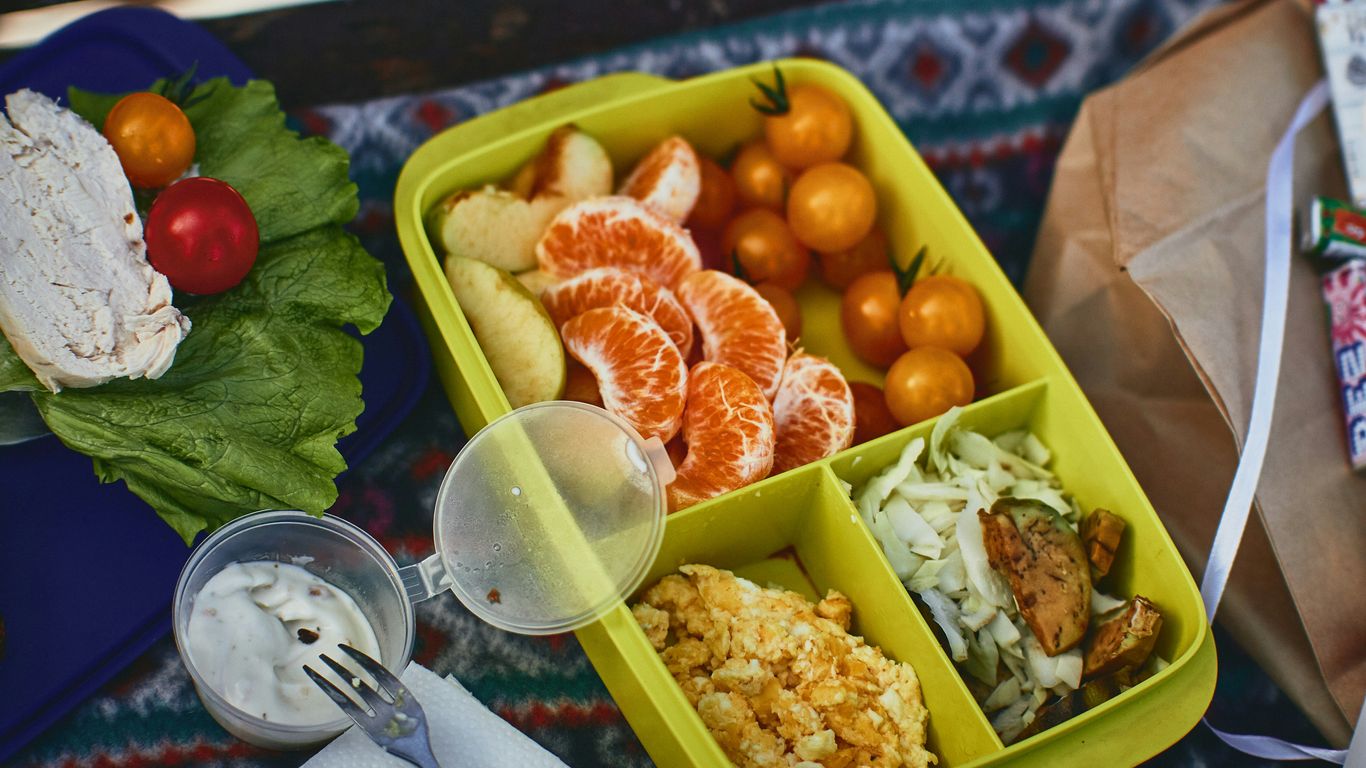
A packed lunch beats takeout when it is balanced, easy to assemble and still appealing at noon. Use a simple plate template (half vegetables and fruit, a quarter protein, a quarter whole grains), prep two or three components on the weekend, and pack smart so food stays cold, crisp and safe until you eat.
Below are five lunchbox templates, a weekly prep plan and the packing tricks that keep sandwiches from going soggy and salads from wilting.
Start with a balanced template
Canada’s Food Guide suggests a simple way to build a meal: make half your plate vegetables and fruits, one quarter whole grain foods and one quarter protein foods. A lunchbox is just a portable plate, so the same proportions work.
| Lunchbox section | What goes in | Easy examples |
|---|---|---|
| Half: vegetables and fruit | Raw, roasted or leftover veg, plus a piece of fruit | Cucumber, snap peas, cherry tomatoes, roasted peppers, an apple or clementine |
| Quarter: protein | Something that keeps you full through the afternoon | Chickpeas, lentils, hard-boiled eggs, tofu, chicken, tuna, Greek yogurt, edamame |
| Quarter: whole grains | A filling base or side | Brown rice, quinoa, whole grain wrap or pita, barley, whole wheat pasta |
| Extras | Flavour and a little healthy fat | Hummus, tahini sauce, a sprinkle of nuts or seeds, salsa, a squeeze of lemon |
If you like to eyeball portions rather than measure, see meal math: portion frameworks without scales or apps.

Five templates that travel well
1. The grain bowl
A base of cooked quinoa or brown rice, a scoop of beans or sliced chicken, two or three vegetables and a sauce packed separately. Grain bowls taste fine cold or at room temperature, which makes them ideal when there is no microwave.
- Burrito bowl: brown rice, black beans, corn, peppers, salsa, a little cheese
- Mediterranean bowl: quinoa, chickpeas, cucumber, tomato, olives, tahini-lemon sauce
- Lentil bowl: green lentils, roasted carrots, spinach, feta, a simple vinaigrette
2. The wrap or pita pocket
Whole grain wraps and pitas hold more filling than sliced bread and are less likely to fall apart. Good fillings include mashed chickpeas with tahini and grated carrot, turkey with apple slices and cheddar, or a curried chicken salad made with yogurt instead of mayonnaise.
3. The hearty salad
Choose sturdy greens such as kale, cabbage or romaine, which hold up better than delicate lettuce. Add a protein and a grain (farro, barley or quinoa) so the salad is a real meal and not a side dish.
4. The pasta or grain salad
Whole wheat pasta with chopped vegetables, white beans and a light dressing actually improves after a night in the fridge as the flavours blend. Make a big batch on Sunday for two or three lunches.
5. The snack box
When you are tired of “a meal,” build a box of small items that still adds up to the template: hummus and vegetables, whole grain crackers, a hard-boiled egg or cheese, a handful of nuts and some fruit. This is also an easy way to use up odds and ends.
A 30-minute weekly prep plan
You do not need to prep five full lunches. Prepping a few components gives you options without eating the same thing every day.
- Cook one grain. A pot of quinoa, rice or barley covers three to four lunches.
- Prepare one or two proteins. Rinse a can of chickpeas, hard-boil six eggs, bake a tray of tofu or chicken.
- Wash and chop vegetables. Store them in containers lined with a paper towel to absorb moisture.
- Make one sauce. A jar of tahini-lemon or yogurt-herb sauce makes plain ingredients taste finished.
- Portion two days at a time. Assemble the next two lunches; keep the rest as components so salads and wraps stay fresh.
If you already batch-cook dinners, pair this with task batching for meals and training so one session covers both.
Packing tricks for freshness
Prevent soggy sandwiches and wraps
- Spread a thin layer of hummus, nut butter or cream cheese edge to edge. It acts as a moisture barrier.
- Pack wet ingredients (tomatoes, pickles, cucumbers) in a separate small container and add them at lunch.
- Toast bread lightly or choose a sturdier whole grain loaf.
Keep dressings and toppings separate
Put dressing at the bottom of a jar salad with hardy vegetables next and greens on top, or simply use a small leakproof cup. Pack crunchy toppings like nuts, seeds or croutons separately so they stay crisp.
Choose containers that help
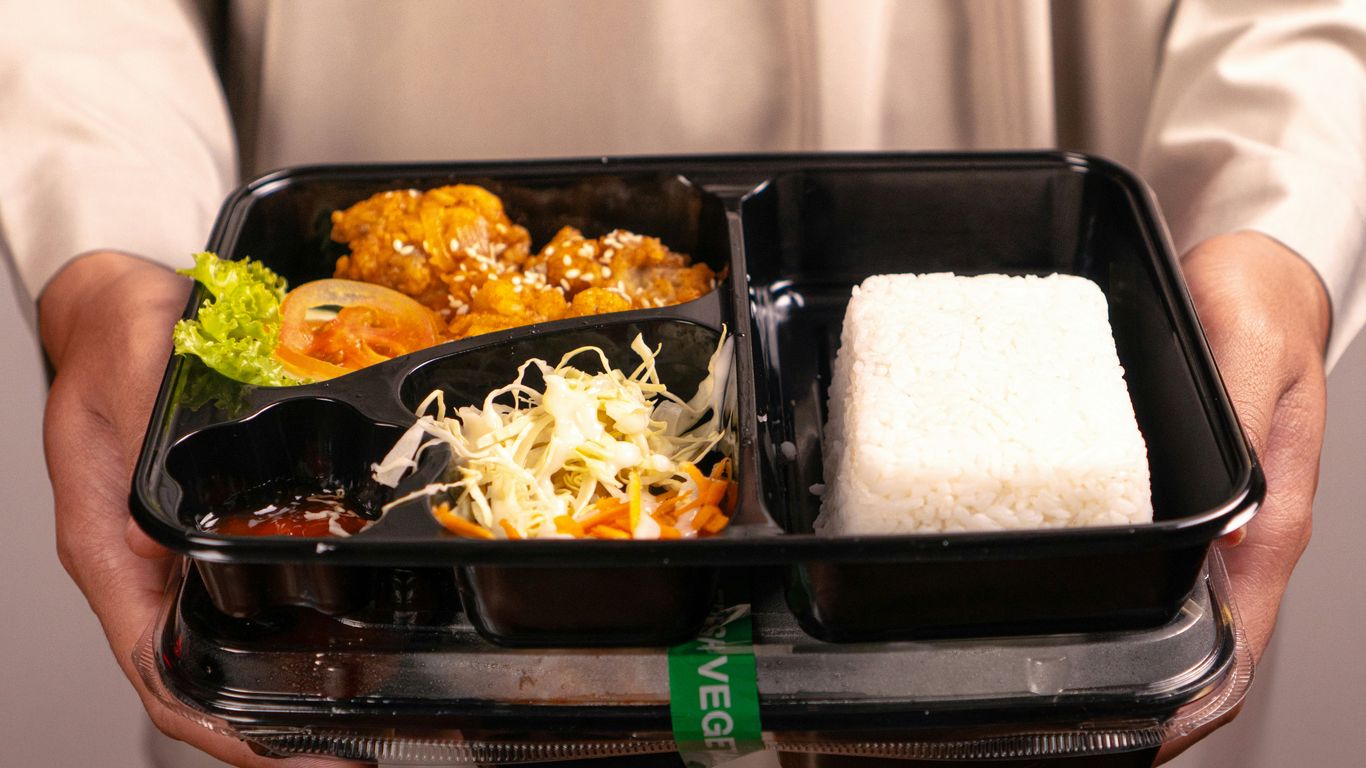
- A bento-style box with dividers keeps foods from mixing and makes the template visual.
- Leakproof lids matter for soups, sauces and cut fruit.
- A wide-mouth insulated thermos handles hot lunches without a microwave.
Food safety without a fridge
Health Canada notes that soft, insulated lunch bags are the best choice and an ice pack keeps the food inside cold. Its advice is aimed at children’s lunches, but it applies just as well to yours. The goal is to keep food out of the temperature danger zone between 4 °C and 60 °C.
- Cold lunches: use an insulated bag with an ice pack. A frozen water bottle or frozen yogurt tube doubles as an ice pack and is thawed by lunch.
- Hot lunches: heat soup, chili or leftovers until steaming before you leave and pack them in a preheated thermos (fill it with boiling water for a few minutes, then empty it).
- Riskier foods: egg, chicken, fish and dairy dishes need to stay cold. If you cannot keep them chilled, choose shelf-stable proteins like nut butter, roasted chickpeas or canned tuna opened at lunch.
What to drink
Water is the simplest choice. A reusable bottle you can refill all day helps you drink more of it. Sparkling water with a slice of lemon, milk or a fortified soy beverage, or a thermos of herbal tea in winter are all good options that skip the sugar of pop and sweetened drinks.
Why it beats takeout
Packing lunch puts you in charge of portions, salt and added sugar, and it removes the noon decision of what to buy when you are already hungry. A planned lunch also means you are less likely to arrive home ravenous. If late-day hunger is your trouble spot, buffer meals can help too.
Quick takeaways
- Build every lunchbox with half vegetables and fruit, a quarter protein and a quarter whole grains.
- Rotate five templates: grain bowl, wrap, hearty salad, pasta salad and snack box.
- Prep components, not full meals: one grain, one or two proteins, chopped vegetables and one sauce.
- Keep wet ingredients and dressings separate to avoid sogginess.
- Use an insulated bag with an ice pack for cold foods and a preheated thermos for hot ones.
- Pack water or another unsweetened drink.
FAQ
Can I eat a lunch that sat in my bag all morning?
Yes, if it was packed in an insulated bag with an ice pack or in a hot thermos, or if it is made of shelf-stable foods. Perishable foods left warm for hours should be thrown out.
What is a good lunch if I have no microwave?
Grain bowls, pasta salads, wraps and snack boxes are all designed to be eaten cold. For something warm, use a preheated thermos.
How do I keep lunches from getting boring?
Keep the template and change the sauce. The same grain and protein taste different with salsa one day and tahini-lemon the next.