
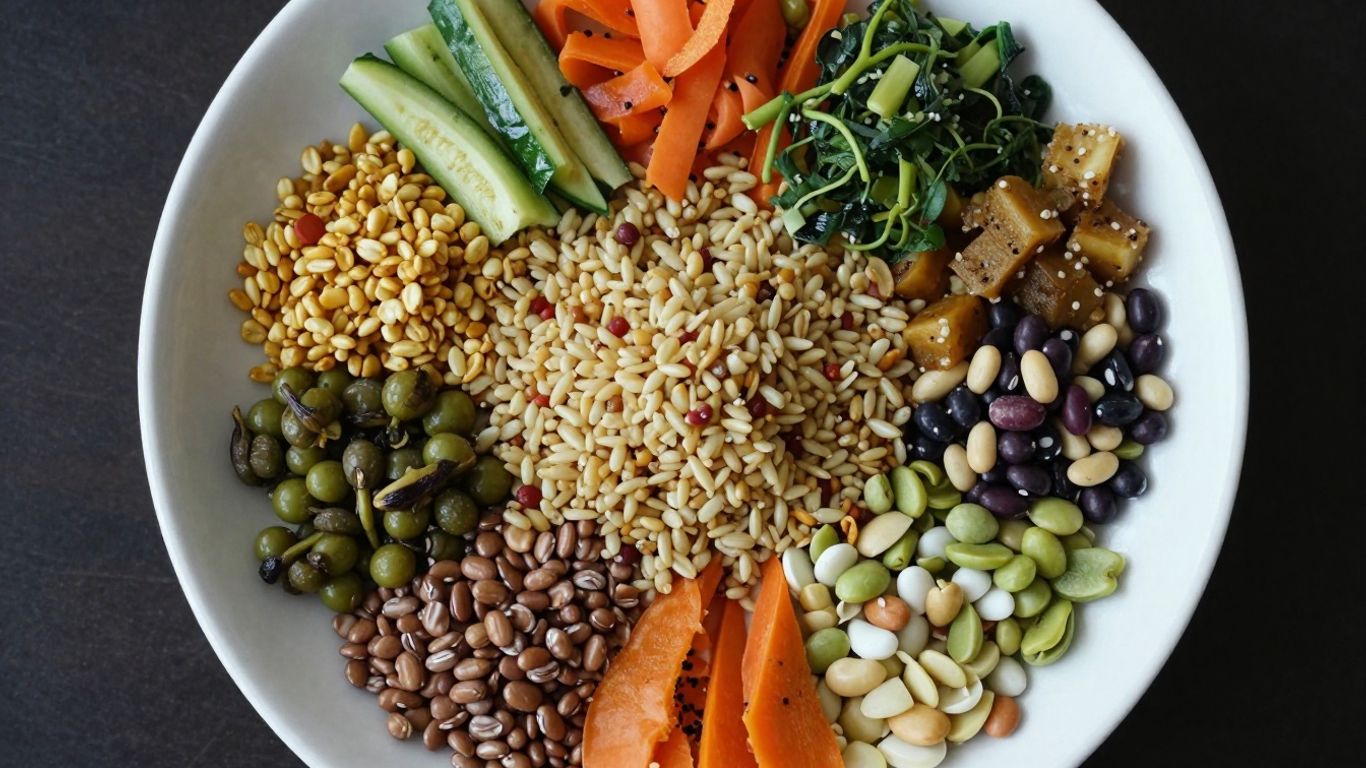
So, you’re looking to get all your essential amino acids without eating meat? It sounds tricky, but honestly, it’s totally doable. It’s all about knowing which plant foods work well together. Think of it like building with LEGOs – you need the right pieces to make something strong and complete. We’re going to break down how to pair up your plant proteins so your body gets everything it needs, making sure you feel great and have plenty of energy. Forget the idea that you *need* meat for protein; we’ll show you how to get that amino acid completeness from plants.
Key Takeaways
- You can get all essential amino acids from plants by eating a variety of protein sources throughout the day, not necessarily at every single meal.
- Pairing legumes with grains (like beans and rice) or seeds with legumes (like hummus with pita) is a smart way to boost amino acid profiles.
- Preparation matters: Soaking, sprouting, and fermenting plant foods can make them easier to digest and improve nutrient absorption.
- Building meals around protein-rich plant foods like lentils, tempeh, edamame, and seeds is a solid strategy for consistent protein intake.
- Focus on whole, unprocessed plant foods for the best nutritional bang for your buck and to avoid excessive sodium or sugar.
Achieving Amino Acid Completeness Through Plant-Based Synergy
Understanding Essential Amino Acids
So, what exactly are amino acids? Think of them as the tiny building blocks that make up proteins. Our bodies need about 20 different types of amino acids to function properly, but nine of them are considered essential. This means our bodies can’t make them on their own, so we have to get them from the food we eat. Getting enough of all nine essential amino acids is key for everything from building muscle to supporting our immune system and keeping our brains sharp. For a long time, people thought you had to eat meat to get all these essential amino acids, but that’s really not the case anymore. We now know that plants can provide them all, it just takes a little smart planning.
The Role of Strategic Plant-Based Pairings
It used to be a big deal to combine specific plant foods at every single meal, like beans and rice, to make a ‘complete’ protein. The idea was that if one food was low in a certain amino acid, another would be high, and together they’d cover all the bases. While that’s still a neat concept, modern nutrition science tells us it’s not quite so rigid. Your body is pretty good at pooling amino acids throughout the day. So, you don’t need to stress about making a perfect protein match with every snack or bite. However, intentionally pairing certain plant foods can still be a smart move. It helps ensure you’re getting a really robust profile of all the essential amino acids, especially if you have higher protein needs or are just starting out with plant-based eating. It’s more about variety over the course of the day than a strict rule for each meal.
Here’s a look at how some pairings work well:
| Pairing | Why It Works |
|---|---|
| Lentils & Spinach | Vitamin C in spinach helps your body absorb iron from lentils better. |
| Chickpeas & Tahini | Tahini adds methionine, balancing out the lysine in chickpeas. |
| Quinoa & Black Beans | Both are complete proteins, and together they boost leucine, good for muscles. |
Beyond Complementary Proteins: Modern Nutritional Insights
The old way of thinking about ‘complementary proteins’ – that you must combine specific foods like grains and legumes at the same meal to get all essential amino acids – has been updated. Research now shows that your body pools amino acids from all the foods you eat over a 24-hour period. This means that as long as you’re eating a variety of plant-based protein sources throughout the day, you’re likely getting all the essential amino acids your body needs. It’s less about the exact combination in one sitting and more about the overall diversity of your diet. This shift in understanding makes plant-based eating much more flexible and enjoyable. You can focus on enjoying a wide range of delicious foods without worrying about rigid rules.
The key takeaway is that a varied plant-based diet, consumed consistently, provides all the necessary building blocks for protein. Focusing on whole foods like legumes, grains, seeds, and vegetables naturally brings together a spectrum of amino acids. It’s about the bigger picture of your daily intake, not just individual meals.
Foundational Plant Proteins for Complete Nutrition
It’s a common idea that you need meat to get enough protein, but that’s really not the case. Plant-based diets can absolutely provide all the protein you need, and often come with a lot of other good stuff too. The trick is knowing which plant foods are protein powerhouses and how to use them.
Legumes: The Powerhouses of Lysine
Legumes, like beans, lentils, and peas, are superstars in the plant-based protein world. They’re packed with protein and are particularly rich in lysine, an amino acid that’s often a bit low in grains. This makes them a perfect partner for things like rice or bread. Think about it: a simple bowl of lentil soup with a side of whole-grain bread isn’t just tasty, it’s a smart protein combo.
- Lentils: Around 9 grams of protein per half cup when cooked.
- Chickpeas: Great for hummus or roasted snacks, offering about 7 grams per half cup.
- Black Beans: Versatile for tacos, salads, or chili, with roughly 7 grams per half cup.
Legumes are not just about protein; they also bring a good dose of fiber, iron, and folate to your plate, supporting overall health and keeping you feeling full.
Soy Derivatives: Tempeh and Edamame
Soybeans are a complete protein source on their own, meaning they have all nine essential amino acids your body can’t make. Products made from soy, like tempeh and edamame, are fantastic ways to get this complete protein. Tempeh, a fermented soybean cake, has a firm texture and nutty flavor that works well in stir-fries or as a meat substitute. Edamame, which are young soybeans, are perfect steamed as a snack or added to salads.
- Tempeh: Can offer around 20 grams of protein per 100 grams, plus beneficial probiotics from fermentation.
- Edamame: About 11 grams of protein per half cup, shelled.
Seeds and Grains: Essential Contributors
While legumes often get the spotlight, seeds and grains are also vital players. Quinoa is famous for being a complete protein, but many other grains and seeds contribute significantly. They might not have as much protein per serving as legumes, but when eaten regularly, they add up and help round out your amino acid intake. Plus, they bring healthy fats, fiber, and minerals.
- Quinoa: A complete protein, offering about 8 grams per cooked cup.
- Oats: A breakfast staple, providing about 6 grams of protein per cooked cup.
- Pumpkin Seeds: A protein-dense snack, with roughly 9 grams per ounce.
These foundational foods are the building blocks for creating balanced, protein-rich plant-based meals. They’re accessible, versatile, and offer a wealth of nutrients beyond just protein.
Strategic Pairings for Optimal Amino Acid Profiles
You know, it’s easy to get caught up in the idea that you need to eat meat to get all the protein building blocks your body needs. But that’s really not the case. The plant kingdom is full of protein powerhouses, and when you put them together smartly, you can create meals that are just as complete, if not more so, than a steak dinner. It’s all about understanding how different plant foods complement each other.
Legumes and Grains: A Classic Combination
This is probably the pairing most people have heard of, right? Think black beans and rice, or lentils and couscous. It’s a classic for a reason. Legumes, like beans, lentils, and peas, are generally lower in the amino acid methionine but high in lysine. Grains, on the other hand, tend to be lower in lysine but richer in methionine. When you eat them together, you get a much more balanced profile of all the essential amino acids. It’s like they were made for each other!
- Black Beans + Brown Rice: A simple, hearty meal that provides a full spectrum of amino acids. A cup of this combo can pack around 12 grams of protein.
- Lentils + Quinoa: Quinoa is a complete protein on its own, but pairing it with lentils adds even more depth and ensures you’re hitting all the marks.
- Chickpeas + Whole Wheat Pita: Hummus, made from chickpeas, served with whole wheat pita bread is another great example. The pita helps round out the amino acid profile of the chickpeas.
The old idea of needing to combine these proteins at every single meal is a bit outdated. Your body is pretty smart and can pool amino acids throughout the day. But intentional pairing still makes it easier to hit your targets, especially if you have higher protein needs.
Seeds and Legumes: Enhancing Completeness
Seeds are like little nutritional bombs, packed with protein and healthy fats. They can really boost the amino acid profile of legume-heavy meals. Many seeds are good sources of methionine, which, as we saw, can be a bit lower in legumes. Plus, they add great texture and flavor.
- Hummus (Chickpeas + Tahini): Tahini, made from sesame seeds, is a fantastic source of methionine, making hummus a more complete protein than chickpeas alone.
- Lentil Salad with Sunflower Seeds: Adding a sprinkle of sunflower seeds to your lentil salad not only adds a nice crunch but also contributes valuable amino acids.
- Bean Burgers with Pumpkin Seeds: Incorporating pumpkin seeds into your homemade bean burgers can help create a more robust amino acid profile.
Vegetables and Protein Sources: A Synergistic Approach
While vegetables aren’t typically considered primary protein sources, they play a supporting role that’s pretty important. Some vegetables contain decent amounts of protein, and more importantly, they can help your body absorb nutrients from your protein sources better. Think of them as the supporting cast that makes the stars shine brighter.
- Lentil Soup with Spinach and Lemon: Spinach adds a bit of protein, but the real magic here is the vitamin C from the lemon juice (or even raw spinach stirred in at the end). Vitamin C significantly boosts the absorption of iron from lentils, which is another nutrient vegetarians often focus on.
- Tempeh Stir-fry with Broccoli: Broccoli offers vitamin C, which aids iron absorption, and compounds that can support your body’s natural detoxification processes, indirectly helping with nutrient metabolism.
- Tofu Scramble with Bell Peppers: Bell peppers are loaded with vitamin C, making them a great addition to a tofu scramble to help with iron absorption from the tofu.
Maximizing Protein Absorption and Bioavailability
So, you’ve got your plant-based protein sources lined up, but how do you make sure your body is actually using all that good stuff? It’s not just about what you eat, but how your body handles it. Think of it like this: you can have the best ingredients for a meal, but if you don’t cook them right, they won’t taste great or be easy to digest. The same goes for plant proteins. We want to get the most bang for our buck, nutritionally speaking.
Preparation Methods: Soaking, Sprouting, and Fermentation
This is where the magic happens before you even take a bite. Simple steps can make a big difference in how well your body can break down and absorb the protein. It’s all about making those nutrients more accessible.
- Soaking: Just letting dried beans, lentils, or grains sit in water for a few hours (or overnight) can start to break down compounds that might make them harder to digest. It also helps reduce phytic acid, which can interfere with mineral absorption.
- Sprouting: This takes soaking a step further. When you sprout seeds, grains, or legumes, they begin to germinate. This process actually reduces anti-nutrients and can increase the levels of certain vitamins and make proteins more digestible.
- Fermentation: Think sourdough bread or tempeh. Fermenting foods uses beneficial bacteria or yeast to break down complex compounds. This not only adds a great tangy flavor but also pre-digests some of the food, making the protein and other nutrients easier for your gut to handle.
The Impact of Vitamin C on Iron Absorption
While we’re talking about absorption, it’s worth mentioning iron. Many plant-based foods are good sources of iron, but it’s a different type (non-heme) than what’s found in meat, and it’s not absorbed as easily. Here’s a neat trick: pairing your iron-rich plant foods with vitamin C can significantly boost how much iron your body takes in.
| Food Group | Example Foods | Iron Content (approx. per serving) | Vitamin C Pairing Suggestion | Iron Absorption Boost |
|---|---|---|---|---|
| Legumes | Lentils, Chickpeas | 6-9 mg (cooked ½ cup) | Bell peppers, tomatoes | Significant |
| Grains | Quinoa, Oats | 2-3 mg (cooked 1 cup) | Citrus fruits, berries | Significant |
| Leafy Greens | Spinach, Kale | 3-6 mg (cooked 1 cup) | Lemon juice, broccoli | Significant |
So, a simple squeeze of lemon on your spinach salad or adding bell peppers to your lentil soup isn’t just for flavor – it’s a smart nutritional move!
Digestibility Factors in Plant Proteins
Beyond preparation, some plant proteins are naturally easier for our bodies to digest than others. This has to do with their structure and the presence of certain compounds. For instance, proteins that are broken down into smaller peptides during processing or preparation are often absorbed more readily. This is why things like tofu, tempeh, and even protein powders made from peas or rice can be quite effective. They’ve undergone processes that make the protein more available. Ultimately, a varied diet with different preparation methods is key to getting a wide range of nutrients and ensuring good absorption.
It’s easy to get caught up in just the protein grams, but how your body actually uses that protein is a whole other story. Thinking about how you prepare your food – whether it’s soaking beans, sprouting grains, or adding a squeeze of lemon to your meal – can really make a difference in how well you absorb the nutrients. It’s about working with your food, not just eating it.
Building Your Daily Plate for Amino Acid Sufficiency
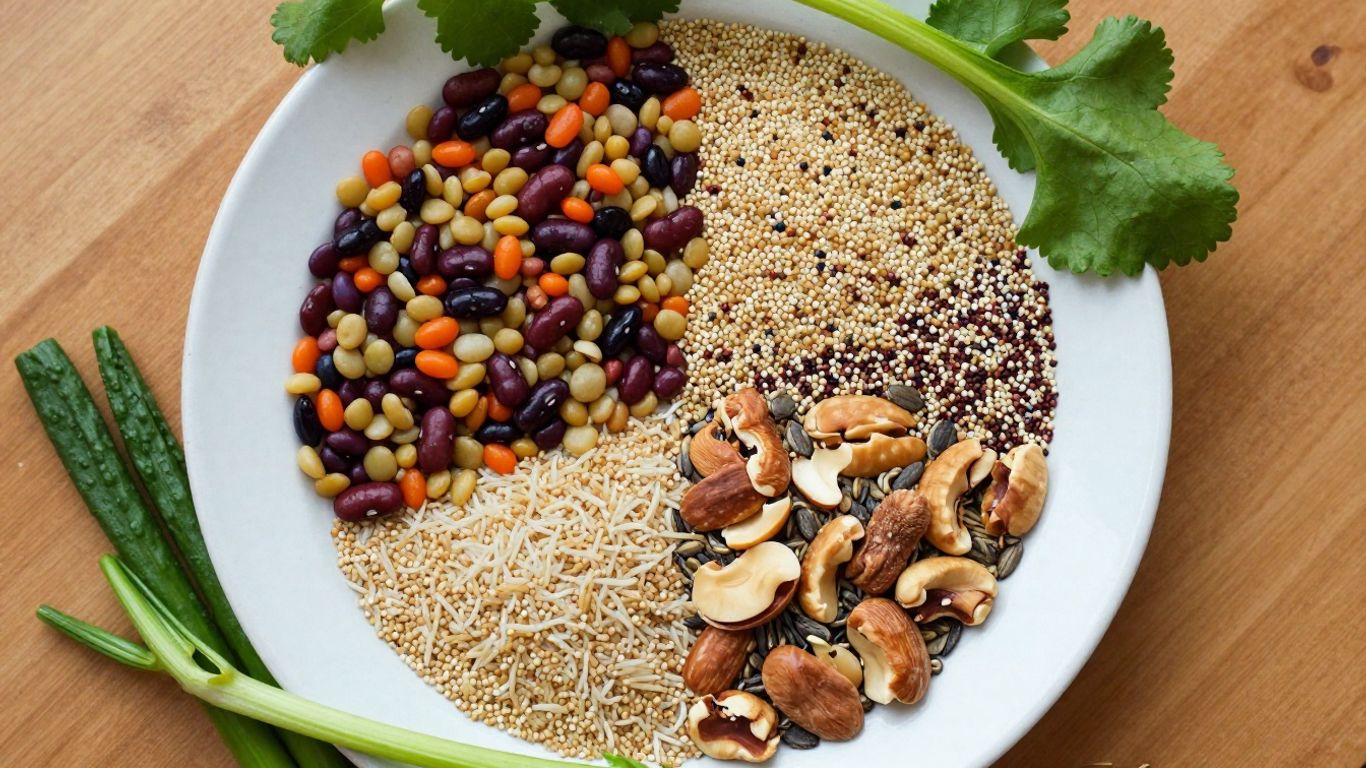
So, you’re aiming for complete amino acid profiles without meat, and you’re wondering how to actually put that into practice day-to-day. It’s not about eating one ‘perfect’ meal, but rather about consistent, smart choices throughout the day. Think of it like building a sturdy house – you need a solid foundation, good materials, and a plan for how everything fits together. The same goes for your plate. The goal is to make sure you’re getting a good mix of protein sources across your meals and snacks, which helps your body get all the building blocks it needs.
Anchoring Meals with Protein-Rich Foods
This is where you build the bulk of your protein intake. Instead of just having a side of beans, make your protein source the star. For breakfast, instead of just toast, try adding some lentils to a savory oatmeal or topping your whole-grain bread with a generous spread of hummus and some seeds. Lunch could feature a hearty lentil soup or a quinoa bowl packed with chickpeas. For dinner, think about tempeh stir-fries, tofu scrambles, or black bean burgers. Making protein the centerpiece of your main meals is the most effective way to hit your daily targets. It’s about making protein a non-negotiable part of your plate, not an afterthought.
Strategic Snacking for Protein Continuity
Snacks are often where protein intake dips for many people. If you’re going hours between meals without protein, your body might not get the steady supply it needs. Smart snacking bridges these gaps. Think about options like a handful of almonds or walnuts, some roasted chickpeas, a small container of edamame, or even a hard-boiled egg if you’re vegetarian but not vegan. These aren’t just about filling a void; they’re about contributing meaningfully to your overall protein and amino acid intake, keeping your body fueled and satisfied.
Balancing Macronutrients for Overall Health
While we’re focusing on protein, it’s important not to forget the other players: carbohydrates and fats. A balanced plate isn’t just about protein grams. Whole grains provide energy and fiber, healthy fats from avocados, nuts, and seeds help with nutrient absorption and satiety, and a wide variety of vegetables and fruits offer vitamins, minerals, and antioxidants. When you build your meals around a good protein source, then add complex carbs and healthy fats, you create a meal that’s not only protein-sufficient but also supports stable energy levels, good digestion, and long-term health. It’s about the whole picture, not just one piece.
The key is consistency and variety. Your body uses amino acids throughout the day, so spreading your intake across meals and snacks, and choosing different protein sources, is more beneficial than trying to cram everything into one sitting. This approach ensures a steady supply for your body’s needs.
Addressing Leucine Thresholds for Muscle Synthesis
When we talk about building and maintaining muscle, especially on a plant-based diet, one amino acid often comes up: leucine. It’s like the key that unlocks the door for muscle protein synthesis, the process where your body repairs and builds muscle tissue. Think of it as the signal that tells your muscles, "Hey, it’s time to grow!"
Leucine Content in Key Plant Proteins
Not all plant proteins are created equal when it comes to leucine. Some foods pack a bigger punch than others. It’s helpful to know which ones are good sources so you can build them into your meals.
Here’s a look at some common plant protein sources and their approximate leucine content:
| Food Source (per cup, cooked unless noted) | Leucine (grams) |
|---|---|
| Soybeans | 2.4 |
| Lentils | 1.3 |
| Black Beans | 1.1 |
| Chickpeas | 1.0 |
| Quinoa | 0.8 |
| Pumpkin Seeds (1 oz) | 1.1 |
| Hemp Seeds (3 tbsp) | 1.0 |
As you can see, soybeans are particularly rich in leucine, often hitting that target threshold on their own. Other legumes and seeds offer a good amount, but might need a little help from other foods in the same meal to reach optimal levels.
Pairing Strategies to Meet Leucine Needs
This is where the synergy of plant-based eating really shines. While a single plant-based meal might sometimes fall a bit short of the ideal leucine amount, combining different foods can easily get you there. It’s all about smart pairings.
- Legumes + Grains: A classic combo like lentil soup with a side of whole-grain bread, or a black bean and quinoa bowl, works wonders. The grains might be lower in leucine, but they bring other amino acids to the table, creating a more complete profile overall.
- Legumes + Seeds: Think of a salad topped with chickpeas and a generous sprinkle of pumpkin or sunflower seeds. This combination boosts the leucine content significantly.
- Soy Products: Tempeh and edamame are already strong contenders. Pairing them with other protein sources, like adding edamame to a grain bowl or serving tempeh alongside a lentil dish, further solidifies your leucine intake.
The goal isn’t necessarily to hit a specific leucine number in every single bite, but rather to ensure you’re getting enough across your meals throughout the day. Variety is your best friend here.
Timing Protein Intake for Muscle Recovery
When you eat matters, especially if you’re active. While the idea of a strict post-workout protein window has softened, consuming protein-rich foods within a few hours after exercise can still be beneficial for recovery and muscle repair. For plant-based eaters, this means planning meals or snacks that include good sources of protein and leucine.
- Post-Workout Snack: Roasted edamame, a small handful of mixed seeds, or a smoothie with plant-based protein powder (if you use one) can be effective.
- Next Meal: If your next meal is a few hours away, make sure it’s a protein-rich one, like a lentil and vegetable stew or a tofu scramble. This helps keep your body supplied with the building blocks it needs.
- Consistency is Key: Spreading your protein intake throughout the day, rather than concentrating it in one meal, is generally more effective for muscle protein synthesis and overall satiety.
Navigating Common Pitfalls in Plant-Based Diets
Avoiding Over-Reliance on Processed Substitutes
It’s easy to fall into the trap of thinking that just because something is labeled ‘vegan’ or ‘plant-based,’ it’s automatically healthy. Many processed meat alternatives, for example, can pack a surprising amount of sodium and have a long list of ingredients that are hard to pronounce. While these can be convenient for a quick meal now and then, they shouldn’t be the backbone of your protein intake. Think of them as occasional treats rather than daily staples. Focusing on whole foods like beans, lentils, tempeh, and tofu will give you more nutritional bang for your buck, plus they’re usually much kinder to your wallet.
The Pitfalls of Dairy-Centric Vegetarianism
Many people transitioning to plant-based eating might lean heavily on dairy products like cheese and Greek yogurt for protein. While these do provide protein, a diet that’s too dairy-focused can end up being high in saturated fat and low in fiber diversity. This isn’t ideal for long-term health. Plus, if you’re aiming for a fully plant-based diet, dairy is something you’ll eventually need to phase out. It’s better to build your protein strategy around plant sources from the start, ensuring you get a wider range of nutrients and fiber.
Ensuring Nutrient Diversity Beyond Protein
While we’re talking a lot about protein completeness, it’s important not to forget other nutrients. Plant-based diets can sometimes be lower in certain vitamins and minerals like B12, iron, zinc, and omega-3 fatty acids if not planned carefully. This isn’t about creating fear, but about being aware. Making sure you include a variety of colorful fruits and vegetables, fortified foods, and perhaps a supplement for B12, will help cover all your bases. Remember, a balanced plate is key, not just a protein-packed one.
Practical Meal Planning for High-Protein Vegetarian Diets
Calculating Individual Protein Requirements
Figuring out how much protein you actually need is the first step. It’s not a one-size-fits-all number. For most adults, a good starting point is around 0.8 grams of protein per kilogram of body weight. But if you’re active, trying to build muscle, or are an older adult, you might need more – think 1.2 to 1.6 grams per kilogram. So, if you weigh 70 kilograms (about 154 pounds), that puts you in the range of 84 to 112 grams of protein per day. Don’t just guess; a little calculation goes a long way.
Mapping Meals for Consistent Protein Distribution
Once you know your target, it’s time to look at your current eating habits. Tracking your food for a few typical days can be eye-opening. You might find you’re getting plenty of protein at dinner but falling short at breakfast or during snacks. The goal is to spread your protein intake throughout the day, not just cram it into one meal. This helps your body use it more effectively and keeps you feeling full and satisfied.
Here’s a simple way to think about it:
- Breakfast: Aim for at least 15-20 grams. Think lentil-based savory oatmeal or a tofu scramble.
- Lunch: Target another 20-30 grams. A hearty bean soup with whole-grain bread or a quinoa salad with chickpeas works well.
- Dinner: This is often the easiest meal to load up on protein, aiming for 30-40 grams with dishes like tempeh stir-fries or lentil shepherd’s pie.
- Snacks: Don’t forget snacks! A handful of nuts, roasted edamame, or a protein shake can add another 10-15 grams.
The 80/20 Rule for Sustainable Eating
Perfection isn’t the goal here; consistency is. The 80/20 rule can be a helpful guide. Aim to hit your protein targets and eat nutrient-dense, whole foods about 80% of the time. This leaves room for flexibility and enjoyment without derailing your progress. It means you don’t have to stress about every single meal being perfectly balanced. Focus on making good choices most of the time, and allow for occasional treats or less structured meals. This approach makes high-protein vegetarian eating feel less like a chore and more like a sustainable lifestyle.
Building a high-protein vegetarian diet is about smart choices, not strict deprivation. By understanding your needs and planning your meals with protein-rich staples, you can easily meet your goals without feeling restricted. It’s about creating a balanced eating pattern that supports your health and energy levels day after day.
Cost-Effective Strategies for Plant-Based Protein
Prioritizing Whole Foods for Budget-Friendly Nutrition
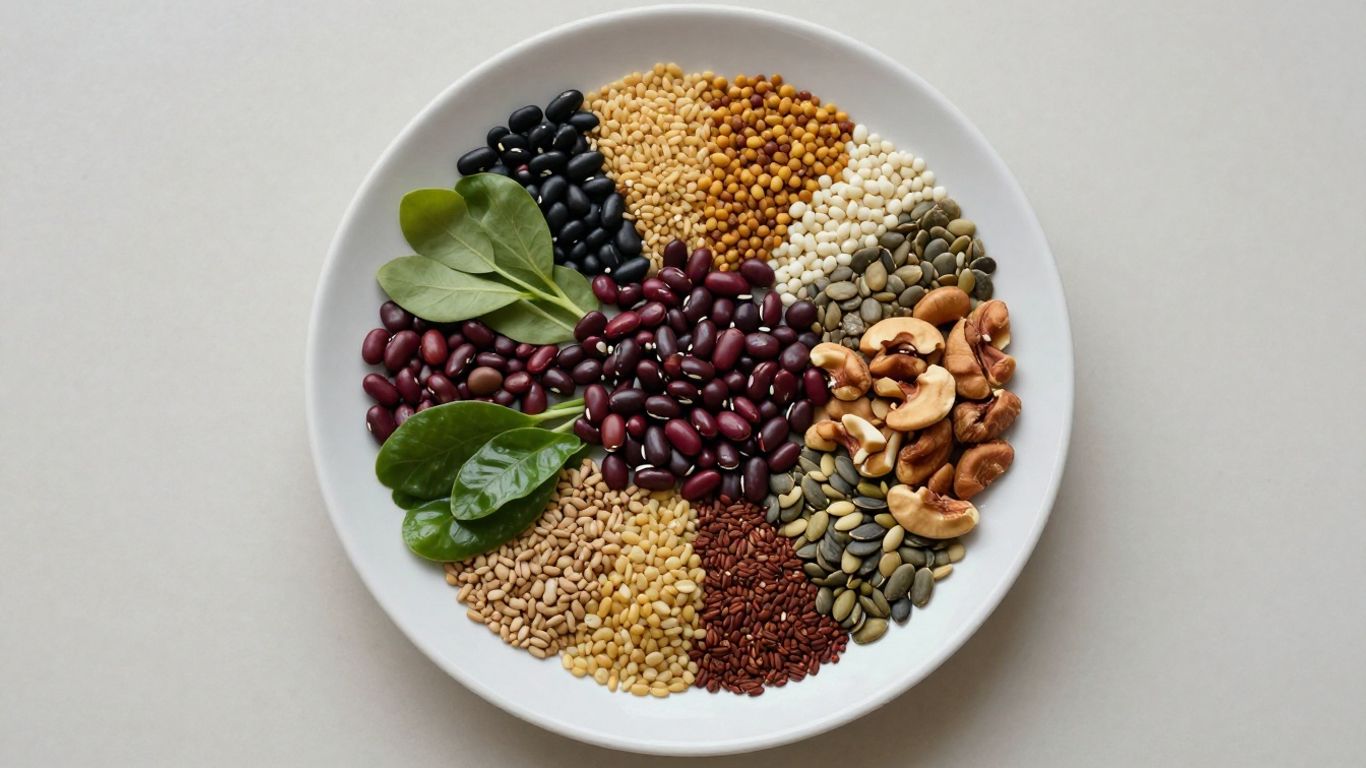
Building a high-protein plant-based diet doesn’t have to break the bank. The real secret is focusing on whole, unprocessed foods. Think dried beans, lentils, and whole grains. These are nutritional powerhouses that cost significantly less per serving than many processed meat alternatives. Buying these staples in bulk can lead to even greater savings. For instance, a large bag of dried lentils or beans can last for weeks and provides a fantastic base for countless meals. It might take a little more planning to soak and cook them, but the payoff in both your wallet and your health is substantial.
Bulk Purchasing and Preparation Techniques
When you’re looking to maximize your protein budget, buying in larger quantities is a smart move. Dried legumes, for example, are incredibly cheap when bought in 5-pound bags. The initial step of soaking them overnight might seem like a chore, but it’s a small investment of time for a huge return. Once cooked, you can portion them out and freeze them for quick additions to meals throughout the week. Similarly, grains like oats and rice are best bought in bulk. Even nuts and seeds, while a bit pricier, offer a good protein punch and can be more economical when purchased in larger bags from health food stores or online retailers.
Comparing Protein Sources by Cost and Density
It’s helpful to get a general idea of what you’re getting for your money. While prices fluctuate, a quick comparison can guide your shopping. Dried lentils, for instance, might cost around $0.15 per cup when cooked, offering about 18 grams of protein. Dried black beans are similar, coming in at roughly $0.20 per cup with 15 grams of protein. Even quinoa, a complete protein, is quite affordable at about $0.40 per cup for 8 grams of protein. Compare this to some of the more processed meat substitutes, which can easily cost $2.00 or more for a similar amount of protein, and the value of whole foods becomes clear.
| Food (1 cup cooked unless noted) | Protein (g) | Estimated Cost (USD) |
|---|---|---|
| Lentils (dried) | 18 | $0.15 |
| Black Beans (dried) | 15 | $0.20 |
| Chickpeas (canned) | 15 | $0.50 |
| Edamame (shelled) | 17 | $0.75 |
| Quinoa | 8 | $0.40 |
| Pumpkin Seeds (1 oz) | 9 | $0.30 |
Remember, these are just estimates. Shopping around, checking unit prices, and opting for store brands can further reduce costs. The goal is to make protein-rich plant foods a regular part of your meals without feeling like you’re spending a fortune.
The Versatility of Plant Proteins in Global Cuisines
Exploring Diverse Legume and Grain Combinations
Think about it: for centuries, cultures worldwide have built their diets around plant proteins, long before the term "plant-based" was even a thing. It’s not just about survival; it’s about flavor, tradition, and smart nutrition. Take the classic pairing of rice and beans, a staple in Latin America. This isn’t just a tasty meal; it’s a nutritional powerhouse. Rice brings methionine, which beans often lack, while beans offer lysine, which rice is lower in. Together, they create a complete amino acid profile. It’s a perfect example of how simple, everyday foods can work together.
Across the globe, you’ll find similar synergistic combinations. In India, lentils (dal) are a cornerstone, often served with rice or roti (flatbread). This combination provides a full spectrum of amino acids. Middle Eastern cuisine features hummus (chickpeas and tahini) with pita bread, another excellent protein pairing. These aren’t just random food choices; they’re time-tested strategies for balanced nutrition.
| Cuisine | Staple Pairing | Key Proteins Involved | Amino Acid Synergy |
|---|---|---|---|
| Latin America | Rice and Beans | Rice, Black Beans | Completes lysine (beans) and methionine (rice). |
| India | Dal and Rice/Roti | Lentils, Rice/Wheat | Balanced lysine and methionine. |
| Middle East | Hummus and Pita Bread | Chickpeas, Tahini, Wheat | Good source of all essential amino acids. |
Incorporating Seeds and Nuts into Daily Meals
Beyond legumes and grains, seeds and nuts play a starring role in plant-based protein diversity. They’re not just for snacks; they’re integral to many traditional dishes. Think of the rich, nutty flavor tahini (sesame seed paste) adds to hummus, or how pumpkin seeds are sprinkled over salads and soups in various cultures. These small additions pack a protein punch and contribute healthy fats and micronutrients.
In many African cuisines, groundnuts (peanuts) are used in stews and sauces, providing a substantial protein base. In Southeast Asia, peanuts and cashews are common in stir-fries and curries. Even a simple handful of almonds or walnuts can significantly boost your protein intake and provide those vital amino acids. They’re easy to add to almost anything – oatmeal, yogurt, stir-fries, or just eaten on their own.
- Seeds: Chia, flax, hemp, sunflower, pumpkin, sesame
- Nuts: Almonds, walnuts, cashews, peanuts, pistachios
These ingredients are often overlooked as primary protein sources, but their contribution is significant, especially when consumed regularly.
Flavorful Preparations for Enhanced Enjoyment
Let’s be honest, how we prepare our food matters. It’s not just about the nutrients; it’s about making meals delicious and satisfying. This is where global cuisines truly shine. Take tempeh, a fermented soybean product popular in Indonesia. It has a firm texture and a slightly nutty flavor that can be marinated and cooked in countless ways – fried, baked, or stir-fried. Fermentation also makes its nutrients more accessible.
Consider how tofu, another soy product, is transformed across Asian cooking. It can be silken and smooth in soups, firm and chewy in stir-fries, or crispy when fried. The way it’s seasoned and cooked completely changes its character. Even simple vegetables, when roasted with herbs and spices, can become a flavorful protein-rich component of a meal, especially when paired with a legume or grain.
The beauty of plant proteins lies not just in their nutritional completeness when combined, but in their incredible adaptability. They absorb flavors beautifully and can be prepared in ways that are both healthy and incredibly appealing, making plant-forward eating a joy rather than a chore.
Ultimately, exploring plant proteins through the lens of global cuisine shows us that eating well doesn’t require reinventing the wheel. It’s about appreciating the wisdom of traditional food practices and finding delicious ways to incorporate these versatile ingredients into our modern lives.
Plant proteins are super flexible and show up in foods all around the world! From tasty bean dishes to hearty lentil soups, these plant-based powerhouses can be used in so many ways. Want to learn how to add more of these amazing ingredients to your meals? Visit our website for delicious recipes and tips!
Putting It All Together
So, building a complete protein diet without meat isn’t some complicated puzzle. It’s really about knowing a few key foods and how they play together. Think of it like making a good meal – you don’t just throw everything in a pot. You pick ingredients that work well, maybe add a little something extra for flavor or texture. By focusing on things like lentils, beans, quinoa, and seeds, and understanding that you don’t need to stress about combining them at every single bite, you can easily meet your protein needs. It’s about variety over the day, not perfection in one sitting. This approach makes eating well feel less like a chore and more like a natural, enjoyable part of life. You’ve got this.
Frequently Asked Questions
What does it mean to have ‘complete’ protein?
Think of protein like building blocks called amino acids. Your body needs 20 different kinds, and 9 of them are called ‘essential’ because your body can’t make them. A ‘complete’ protein has all 9 essential amino acids in good amounts. Many plant foods have most of them, but sometimes one or two are a bit low. That’s why eating a variety of plant foods is key!
Do I really need to combine specific plant foods at every meal?
Nope, not anymore! The old idea was to eat, say, beans and rice together at the same meal to get all your amino acids. But now we know your body is smart. As long as you eat different protein-rich plant foods throughout the day – like beans one meal, nuts another, and grains later – your body will gather all the amino acids it needs. It’s like collecting different colored LEGO bricks over the course of a day to build something cool.
What are some easy plant-based food pairings that give me all the amino acids?
It’s super simple! Think about classic combos like peanut butter on whole-wheat toast, or rice and beans. Lentils taste great with spinach, and hummus (made from chickpeas and tahini) is a winner. Even a simple salad with beans, seeds, and some veggies works wonders. The goal is just to mix things up!
Are plant proteins harder for my body to use?
Sometimes, plant proteins can be a little less easy to digest than animal proteins because of things like fiber and other natural compounds in plants. But, there are easy tricks! Soaking beans before cooking, sprouting grains, or fermenting foods like tempeh can make them much easier for your body to break down and use. It’s like pre-chewing your food to help your tummy out.
How much protein do I actually need each day?
It depends on you! For most adults, about 0.8 grams of protein for every kilogram of body weight is a good starting point. But if you’re active, growing, or older, you might need more, like 1.2 to 1.6 grams per kilogram. So, if you weigh 50 kilograms (about 110 pounds), you’d aim for around 40-80 grams of protein daily, depending on your lifestyle.
What’s the deal with ‘leucine’ and muscle building?
Leucine is a special amino acid that’s like a signal to your muscles to start building themselves. Some plant foods have less leucine than others. To make sure you get enough, especially if you’re active, try to include foods like soybeans, lentils, or pumpkin seeds in your meals. Pairing different plant proteins can also boost the leucine you get.
Are processed meat substitutes like veggie burgers a good way to get protein?
Veggie burgers and other meat substitutes can be okay sometimes for a quick meal, but they shouldn’t be your main protein source. Many are highly processed, meaning they have a lot of ingredients you might not need, like extra salt or sugar. It’s usually better to get your protein from whole foods like beans, lentils, tofu, tempeh, nuts, and seeds.
How can I make sure I’m getting enough protein if I’m on a budget?
You absolutely can! Dried beans and lentils are super cheap and packed with protein. Buying grains like rice and oats in bulk also saves money. Seeds like sunflower or pumpkin seeds can be bought in larger bags. Cooking big batches of these staples at home is way more affordable than buying pre-made meals or expensive protein powders.