
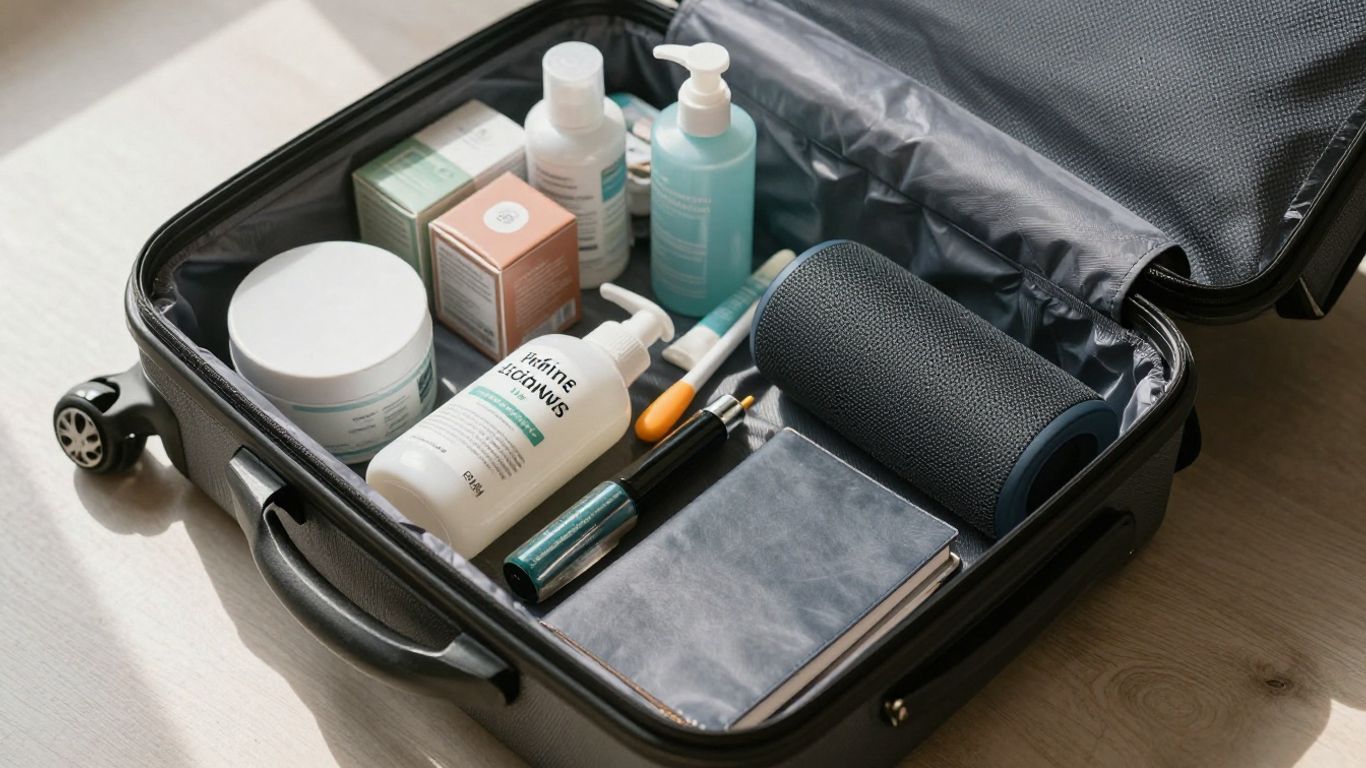
Planning a trip can feel like a lot, right? You want to pack smart, feel settled, and still have fun exploring. The good news is, you don’t need to reinvent the wheel every time you go somewhere. We’re talking about ‘anchors for travel’ – those little things that make a big difference. Think of them as your travel buddies, helping you feel more at home wherever you end up. This is all about making your journeys smoother and more enjoyable, from the moment you start packing to when you’re back home.
Key Takeaways
- Choosing versatile clothes that can be mixed and matched is smart packing. Think about fabrics that don’t wrinkle easily and can be layered for different weather.
- Using packing cubes and organizers can really help keep your suitcase tidy and make it easier to find things. Foldable bags are also great for extra stuff or souvenirs.
- Setting up small daily routines, like a simple morning or evening ritual, can give you a sense of calm and familiarity, no matter where you are.
- Creating playlists you love and using helpful apps for maps or translation can make navigating new places much easier and more fun.
- Bringing a few familiar items from home, like a favorite book or a cozy blanket, can help make a temporary space feel more like your own.
Curating Your Travel Wardrobe Essentials
Strategic Selection of Versatile Clothing
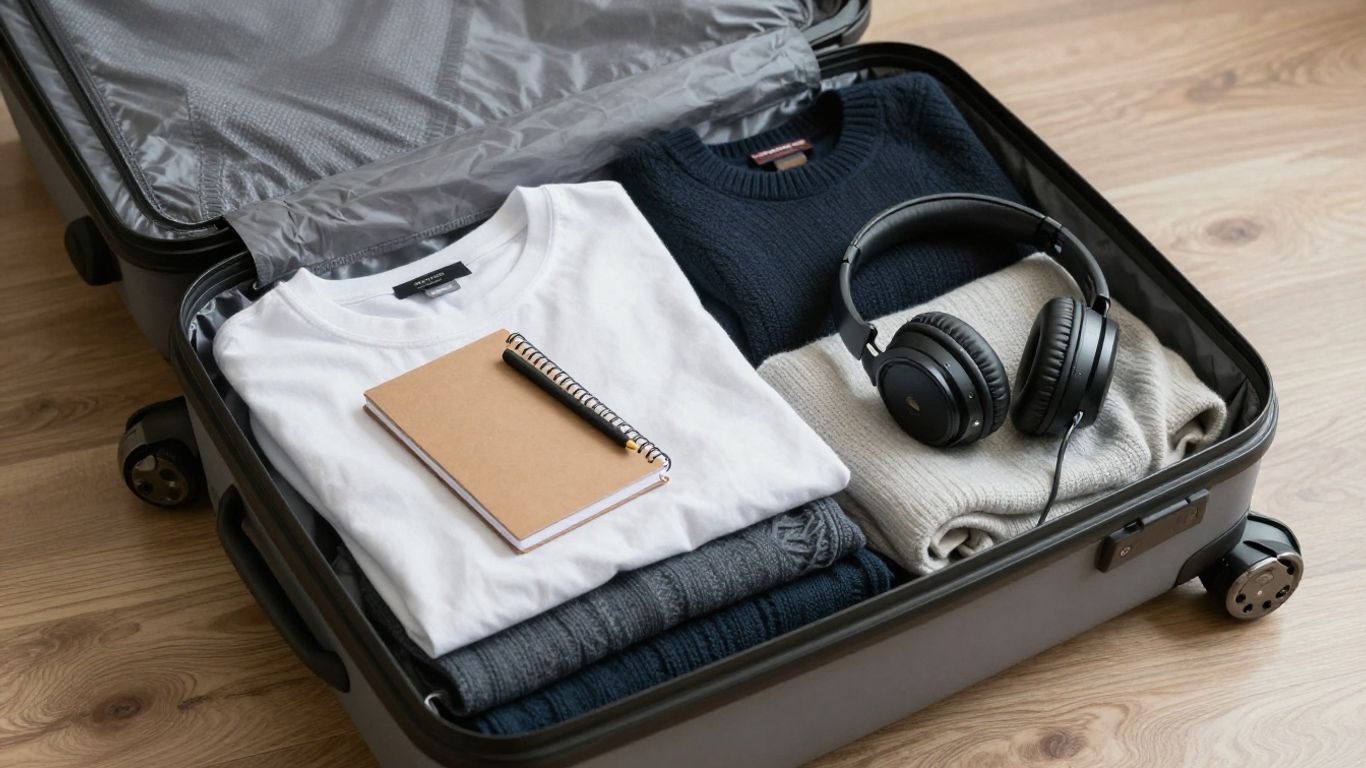
When packing for a trip, thinking about your clothes can feel like a puzzle. The goal is to bring items that work for many different situations without taking up too much space. Start with pieces that can be mixed and matched easily. Think about a neutral-colored travel suit, for example. You can wear the jacket and pants together for a more formal look, or separately with other items. A simple, well-fitting pair of dark trousers or a skirt can be dressed up for an evening out with a nicer top, or kept casual for daytime exploring. The key is to choose fabrics that don’t wrinkle easily, so you spend less time ironing and more time enjoying your destination. Consider a few basic tops in solid colors that pair well with both bottoms and can be layered under a jacket or cardigan.
The Power of Packable Garments
Some clothing items are just made for travel. These are often called ‘packables’ because they are lightweight and can be folded down very small. Think about a simple silk blouse or a thin, wrinkle-resistant dress. These can be tucked into a corner of your suitcase and pulled out when you need something a bit more polished for dinner or a special occasion. They don’t add much weight, but they can make a big difference in how put-together you feel. It’s like having a secret weapon for looking good without the bulk.
Accessorizing for Adaptability
Accessories are where you can really change up your look without bringing a whole new outfit. A scarf, for instance, can add color and warmth, or be tied in different ways to create a new style. Simple jewelry can dress up a plain top. Even a change of shoes can transform an outfit from daytime casual to evening chic. Don’t forget a versatile hat that can offer sun protection during the day and add a stylish touch in the evening. These small items take up minimal space but offer maximum impact in adapting your wardrobe to different settings and times of day.
Optimizing Luggage with Smart Packing Solutions
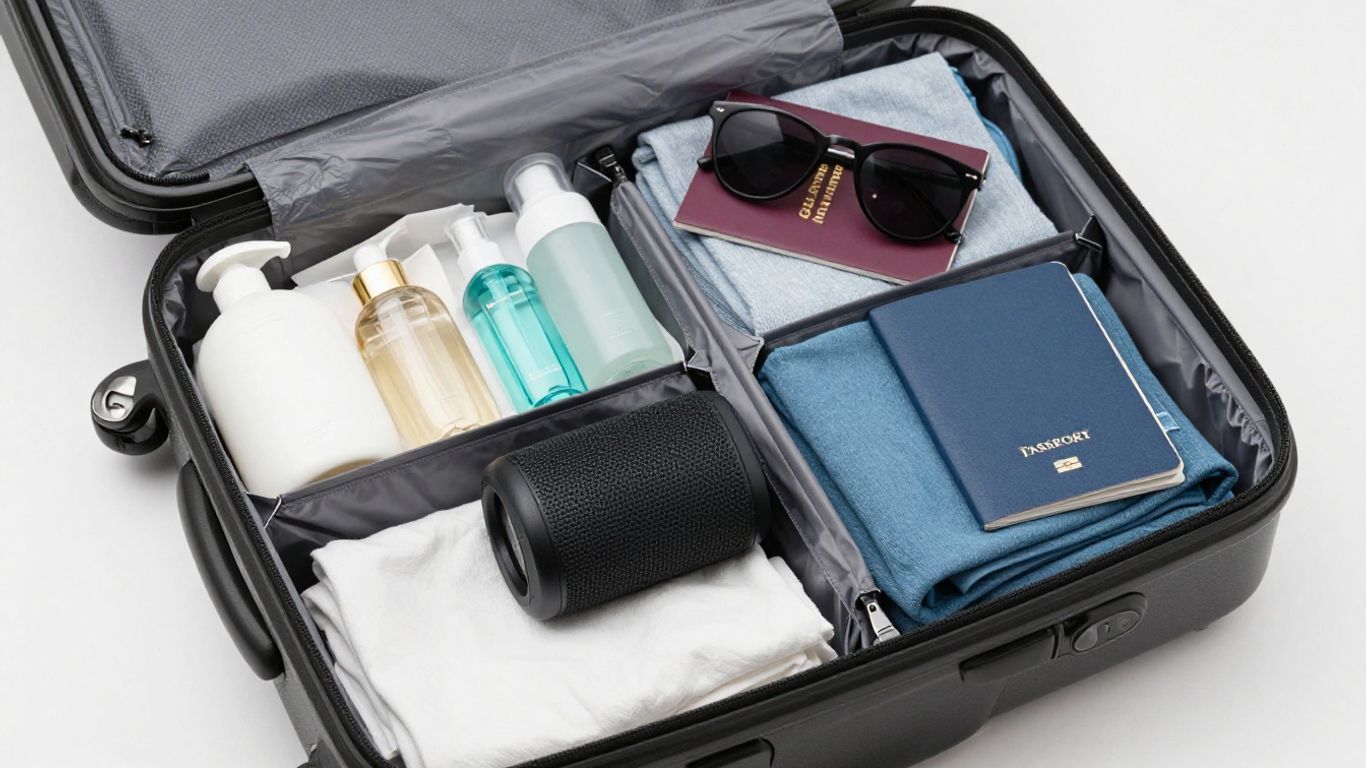
When you’re heading out, how you pack can make a big difference in how smoothly your trip goes. It’s not just about stuffing things in; it’s about being smart with your space and keeping things accessible. Think of your luggage as a mini-storage unit for your adventure.
The Role of Packing Cubes and Organizers
Packing cubes are like little fabric boxes that help you sort your clothes and gear. They come in different sizes and can keep things tidy inside your suitcase. You can group socks and underwear in one, shirts in another, and maybe your toiletries in a third. This makes it way easier to find what you need without unpacking everything. Some cubes even have special treatments to help keep smells from spreading, which is a lifesaver if you’re packing dirty laundry.
- Group similar items: Socks with socks, shirts with shirts.
- Separate clean from dirty: Use a dedicated cube for worn clothes.
- Compress for space: Some cubes help squeeze air out, giving you more room.
Maximizing Space with Foldable Bags
Sometimes, you end up with more stuff than you planned, or you need a way to carry souvenirs. That’s where foldable bags come in handy. These are lightweight bags that can be tucked away when not in use and then opened up into a duffel, tote, or backpack. They’re great for day trips from your main hotel or for bringing back extra items without needing a whole new suitcase. They are surprisingly strong for how little space they take up when folded.
Securing Valuables with Dedicated Pouches
Keeping important items safe is a big part of smart packing. Small pouches or wallets designed for travel can hold your passport, credit cards, and cash. Many have RFID-blocking material to help protect your information from digital theft. You can keep these on your person or tucked away securely in your bag. Some bags even have hidden pockets specifically for these items, giving you an extra layer of security.
Being organized before you even leave home means less stress when you’re on the road. It’s about having a system that works for you, so you can focus on enjoying your trip instead of searching for your toothbrush.
Establishing Comfort Through Mini-Routines
When you’re away from home, it’s easy for the days to blend together, especially if you’re moving around a lot. Creating small, consistent practices can make a big difference in how grounded you feel. These aren’t complicated, time-consuming things; they’re just little anchors that bring a sense of normalcy to your travel days.
Morning Rituals for a Grounded Start
Starting your day with a familiar action can set a positive tone. This could be as simple as enjoying a cup of coffee or tea in quiet contemplation before the day’s activities begin. Maybe you like to stretch for a few minutes, or perhaps you jot down a few thoughts in a journal. Even a brief moment dedicated to a personal ritual can help you feel more centered and ready to face whatever the day brings.
- Mindful Breathing: Take 5 deep breaths before getting out of bed.
- Hydration: Drink a glass of water upon waking.
- Gentle Movement: A few minutes of stretching or light yoga.
Evening Wind-Down Practices
Just as important as a good start is a good end to the day. Winding down helps signal to your body that it’s time to rest, which is especially important when you’re in a new environment. This might involve reading a few pages of a book, listening to calming music, or doing a short meditation. Preparing for sleep can help you feel more rested and prepared for the next day’s adventures.
Establishing a consistent bedtime routine, even a short one, can significantly improve sleep quality while traveling. This helps your body adjust to new time zones and environments more easily.
Mindful Moments Throughout the Day
Throughout your travels, look for small opportunities to pause and be present. This could be during a walk, while waiting for transportation, or even just observing the people around you. These brief moments of mindfulness can help you appreciate your surroundings more fully and reduce any feelings of being rushed or overwhelmed. It’s about finding pockets of calm amidst the activity.
- Sensory Awareness: Take a moment to notice the sights, sounds, and smells around you.
- Gratitude Practice: Think of one thing you’re thankful for in that moment.
- Digital Detox: Set aside short periods to put away your phone and just be.
Leveraging Technology for Seamless Travel
Curating Essential Travel Playlists
Music can really change the mood of a trip, can’t it? Having a good playlist ready to go means you’ve got instant entertainment, whether you’re on a long flight, a scenic train ride, or just relaxing in your hotel room. Think about the vibe you want for your trip. Are you looking for upbeat tunes to get you excited about exploring a new city? Or maybe something more mellow for those quiet moments watching the sunset? Creating a few different playlists can be super helpful. You could have one for ‘Arrival Vibes,’ another for ‘Adventure Time,’ and maybe a ‘Chill Out’ mix for winding down. It’s amazing how a familiar song can make a new place feel a little more like home.
Utilizing Navigation and Translation Apps
Getting around in a new place doesn’t have to be a headache. Most smartphones come with built-in map apps that can show you the way, even offline if you download the maps beforehand. This is a lifesaver when you’re trying to find that hidden gem restaurant or just get back to your accommodation. And for those times when you don’t speak the local language, translation apps are incredibly useful. You can type in what you want to say or even use your phone’s camera to translate signs and menus. It really opens up possibilities for interacting with locals and understanding your surroundings better.
Relying on a few key apps can significantly reduce travel stress. Having offline maps and a reliable translator means you’re better prepared for unexpected situations and can explore with more confidence.
Digital Organization for Itineraries
Keeping track of all your travel plans can get complicated, but technology makes it much simpler. Instead of juggling paper tickets and booking confirmations, you can keep everything organized in one place on your phone or tablet. Many travel apps allow you to store flight details, hotel reservations, tour bookings, and even restaurant reservations. Some apps can even create a visual timeline of your trip, showing you what’s happening each day. This digital approach means you can easily access all your important information whenever you need it, without having to search through emails or a messy folder.
Here’s a quick look at how digital tools can help:
- Flight Information: Store booking references, gate numbers, and boarding passes.
- Accommodation: Keep hotel addresses, check-in times, and confirmation numbers handy.
- Activities: Save tickets for tours, museums, or events, along with meeting points and times.
- Transportation: Note down train schedules or car rental details.
The Art of Effortless Packing
Choosing Lightweight and Wrinkle-Resistant Fabrics
When you’re packing for a trip, the materials your clothes are made from can make a big difference. Think about fabrics that don’t take up much space and don’t get all crumpled up. Natural fibers like silk are great because they pack small and look nice even if they get a little creased. Synthetics, especially those designed for travel, are also a good bet. They often dry fast and resist wrinkles like a champ. The goal is to look put-together without spending ages ironing. It’s about picking items that can handle being folded, rolled, and stuffed into a bag, then coming out looking pretty good.
Building a Capsule Wardrobe for Travel
A capsule wardrobe is like a curated collection of clothes that all work well together. You pick a few key pieces that can be mixed and matched to create many different outfits. This means you don’t need to pack a lot of items. Start with neutral colors for your main pieces, like pants, skirts, and jackets, and then add pops of color or pattern with tops and accessories. This approach cuts down on decision-making when you’re getting dressed and makes packing much simpler. It’s about having versatile items that serve multiple purposes.
Layering for Variable Climates
Packing for places where the weather can change a lot means thinking in layers. Instead of bringing a bulky coat, you can pack a few lighter items that you can add or remove as needed. A base layer, like a t-shirt or long-sleeved top, is a good start. Then, add a mid-layer, such as a fleece or a light sweater. Finally, a water-resistant or windproof outer shell can protect you from the elements. This way, you can adjust your clothing to stay comfortable whether it’s sunny, windy, or a bit chilly. It’s a smart way to handle unpredictable weather without overpacking.
Packing smart isn’t just about fitting everything in; it’s about making sure what you bring is useful and adaptable. Think about how each item can serve more than one purpose and how it will hold up during your travels. This thoughtful approach saves space, reduces stress, and helps you look and feel your best, no matter where you’re headed.
Creating a Sense of Home on the Go
Bringing Familiar Comforts from Home
When you’re away from your usual surroundings, it’s easy to feel a bit adrift. Bringing a few personal items can make a big difference in feeling settled. Think about things that bring you comfort or a sense of normalcy. This could be a favorite mug for your morning coffee, a small framed photo, or even a specific scent like a travel-sized candle or room spray. These small touches can transform a sterile hotel room or rental into a more welcoming space.
Personalizing Your Temporary Space
Beyond just comfort items, consider how you arrange your temporary living area. Even small adjustments can make a space feel more like your own. Unpacking fully, even if it’s just for a few days, helps. Lay out your clothes, organize your toiletries, and perhaps hang a few items. If you have a desk or table, clear a small section for your immediate needs. Little acts of organization signal to your brain that this is a place to relax and recharge.
Maintaining Healthy Habits While Traveling
Sticking to your regular routines, as much as possible, is key to feeling grounded. This includes things like your exercise schedule, meal times, and even your bedtime. If you usually go for a walk in the morning, try to find a local park or scenic route. If you have a specific way you like to prepare your breakfast, see if you can replicate it with local ingredients. Consistency in these habits can significantly reduce stress and help you feel more in control, no matter where you are.
Essential Gear for Active Explorations
When your travel plans involve more than just city strolls, the gear you bring makes a big difference. Think about activities like hiking, biking, or even just exploring rugged terrain. Having the right equipment means you can focus on the adventure, not on struggling with your stuff.
Durable and Weather-Resistant Bags
For any trip where you might encounter less-than-ideal conditions, a sturdy bag is your best friend. Look for materials that can handle a bit of rough treatment and keep your belongings dry. Some bags are made with tough, waterproof fabrics that are also easy to wipe clean, which is a lifesaver if you’re traveling with kids or just expect things to get a little messy. Features like water-resistant zippers add another layer of protection against the elements. The goal is to have a bag that can keep up with your adventures.
Hands-Free Carrying Solutions
Sometimes, you just need to keep your hands free. Whether you’re cycling, climbing, or kayaking, a bag that sits comfortably and doesn’t get in the way is key. Waist packs, for example, are great for carrying just the essentials without the bulk of a backpack. They often come with multiple compartments, making it easy to organize your phone, wallet, and snacks. Some are even made from recycled materials, which is a nice bonus.
Adapting Gear for Different Activities
It’s smart to think about how your gear can serve multiple purposes. A versatile backpack might work for a day hike and also as your carry-on for a flight. Consider bags with adjustable straps and plenty of attachment points, like D-rings or external loops, where you can clip extra items. This adaptability means you don’t need a separate bag for every single activity, saving space and hassle.
Packing smart for active trips often means choosing items that are lightweight, pack down small, and can withstand a bit of wear and tear. Think about multi-functional pieces that can serve you well in various situations, from a mountain trail to a bustling market.
Mindful Preparation for Your Journey
Getting ready for a trip can feel like a lot, but a little bit of planning goes a long way. It’s not just about packing your bags; it’s about setting yourself up for a smoother, more enjoyable experience from the moment you leave home. Thinking ahead about a few key things can really make a difference.
Planning Your Itinerary with Flexibility
When you map out your trip, try not to overschedule. It’s tempting to cram in as much as possible, but leaving room for spontaneity is important. Things don’t always go according to plan, and that’s okay. Maybe you discover a local market you want to spend more time at, or perhaps you just feel like taking a break. Having a flexible itinerary means you can go with the flow without feeling stressed.
- Build in buffer time between activities.
- Identify optional sights you can skip if needed.
- Note down a few backup ideas in case of bad weather or unexpected closures.
A rigid schedule can turn a vacation into a chore. Embrace the unexpected; it often leads to the best discoveries.
Researching Local Customs and Weather
Knowing a bit about where you’re going can prevent awkward moments and help you pack better. A quick look at the local weather forecast for your travel dates is a must. Are you heading somewhere hot and dry, or will you need layers for cooler evenings? Also, understanding basic local customs, like appropriate dress codes for certain places or common greetings, shows respect and makes interactions easier.
- Check the weather forecast a week before you leave and again a day or two before departure.
- Read up on local etiquette regarding tipping, greetings, and dress.
- Learn a few basic phrases in the local language, like ‘hello,’ ‘thank you,’ and ‘excuse me.’
Packing Smart for Airline Restrictions
Air travel often comes with baggage limits, and these can vary quite a bit between airlines. Paying attention to these restrictions beforehand can save you from hefty fees at the check-in counter. It also encourages you to pack more thoughtfully, focusing on what you truly need. Think about weight limits for checked bags and carry-ons, as well as size restrictions. Sometimes, what seems like a small bag can be too large for the overhead bin.
- Verify baggage allowances with your specific airline.
- Weigh your bags at home before heading to the airport.
- Consider carry-on only if your trip is short and you can pack light.
The Psychological Benefits of Travel Anchors
Reducing Travel Anxiety with Familiarity
Traveling can sometimes feel like stepping into the unknown, and for many, that brings a bit of unease. Having familiar items or routines, what we’re calling ‘travel anchors,’ can make a big difference. Think about it: bringing your favorite travel mug or sticking to your morning coffee ritual, even in a new hotel, can create a sense of normalcy. It’s like a little piece of home that travels with you. This familiarity helps ground you, making the new environment feel less overwhelming and more manageable. It’s not about avoiding new experiences, but about having a comfortable base to return to, mentally speaking.
Enhancing the Joy of Discovery
When you have your travel anchors in place, you free up mental energy. Instead of worrying about the small stuff, like where to find a decent cup of coffee or how to start your day, you can actually focus on the exciting parts of your trip. This allows you to be more present and open to new experiences. You’re not bogged down by the little stresses; you’re ready to explore, engage, and truly soak in the destination. It’s about making the journey itself more enjoyable because the background hum of anxiety is turned down.
Creating Lasting Travel Memories
Our routines and familiar items often become woven into the fabric of our memories. When you look back on a trip, it’s often the small, comforting details that stand out. That playlist you listened to on a long train ride, the way you always started your day with a quiet moment, or the comfort of your favorite travel pillow – these anchors become part of the story. They add a personal touch to your travel narrative, making the memories richer and more meaningful. These anchors aren’t just about comfort; they’re about building a personal connection to your travel experiences.
Here’s a quick look at how anchors can help:
- Familiar Items: A favorite book, a cozy scarf, or a specific type of snack.
- Mini-Routines: A morning stretch, a nightly journal entry, or a specific way of packing your bag.
- Sensory Comforts: A particular scent, a calming playlist, or a favorite tea.
The goal isn’t to replicate home exactly, but to bring elements that provide a sense of stability and personal identity. This balance between the new and the familiar is key to a truly rewarding travel experience.
Exploring new places can really boost your mood and help you feel more relaxed. It’s like giving your brain a vacation, too! Discover how travel can make you feel happier and less stressed. Visit our website to learn more about the amazing mental perks of taking a trip.
Bringing It All Together
So, there you have it. Packing cubes, a solid playlist, and a few simple routines can really make a difference when you’re heading out. It’s not about having the fanciest gear, but about making your travel time smoother and more enjoyable. Think of these as your travel anchors – small things that help you feel grounded and ready, no matter where you’re going. Give them a try on your next trip, and see how much easier your journey becomes. Happy travels!
Frequently Asked Questions
What are the most important things to pack for a trip?
Think about clothes that can be worn in different ways, like shirts that match many bottoms. Also, bring items that don’t take up much space and don’t wrinkle easily. Don’t forget things that help you stay organized, like packing cubes, and any personal items that make you feel comfortable, like a favorite book or a small pillow.
How can I pack my suitcase so it’s not too full?
Using packing cubes or special bags can help you fit more clothes and keep things neat. Rolling your clothes instead of folding them can save space. Also, consider bringing bags that fold up small, like a daypack or tote, in case you buy souvenirs or need an extra bag.
What are ‘mini-routines’ and why are they helpful when traveling?
Mini-routines are small, simple actions you do regularly, like stretching when you wake up or listening to a song before bed. They help you feel more grounded and less stressed in new places. Doing these little things can make your trip feel more normal and relaxing.
How can music help me while traveling?
Making a playlist of your favorite songs can be like having a soundtrack for your trip. Music can help you relax, get energized, or even feel more connected to the place you’re visiting. It’s a great way to set the mood or create a sense of familiarity.
What kind of clothes are best for traveling?
Look for fabrics that are light and don’t get wrinkled easily, like certain types of polyester or blends. Clothes that you can wear in layers are also smart because you can adjust to different temperatures. Picking a few versatile pieces that can be mixed and matched creates a ‘capsule wardrobe’ that works for many occasions.
How do I make a new place feel more like home?
You can bring a few small things from home that you love, like a travel-sized version of your favorite lotion or a photo. Even arranging your hotel room a certain way or sticking to a simple daily habit, like drinking your morning coffee from your own mug, can make a big difference.
What gear is good for active trips where I’ll be doing a lot of exploring?
For active trips, choose bags that are tough and can handle different weather. Bags that let you keep your hands free, like a backpack or a waist pack, are super useful. Make sure your gear can be used for different activities, like hiking or biking.
Why is it important to plan ahead for a trip?
Planning ahead helps you pack smarter and avoid forgetting important things. Knowing about the local weather and customs can make your trip smoother and more enjoyable. It also helps you follow airline rules for luggage, which can save you trouble and money.