
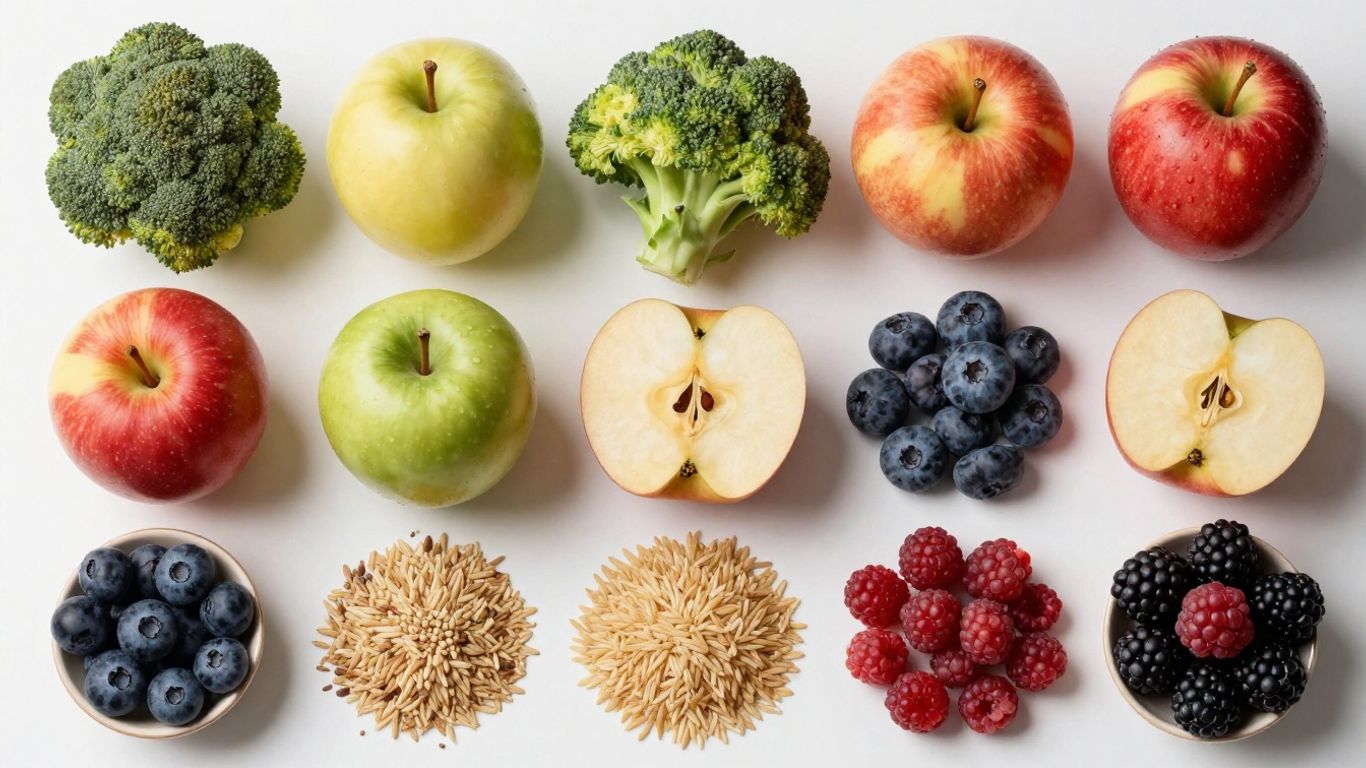
Feeling like a balloon after meals? You’re not alone. Bloating is a common, uncomfortable issue that many of us deal with. But the good news is, you can take control. This anti-bloat plan focuses on smart strategies for your gut, from managing fermentation and choosing the right fiber to getting your salt intake just right. Let’s explore how to feel lighter and more comfortable.
Key Takeaways
- Understand how gut bacteria and food choices influence gas production, a primary cause of bloating.
- Select gentle fiber sources and introduce them gradually to support regularity without discomfort.
- Manage sodium intake by identifying hidden sources and understanding its effect on water retention.
- Support digestion with natural enzymes and probiotics to balance gut bacteria and improve food breakdown.
- Adopt mindful eating habits, including slow eating and thorough chewing, to prevent swallowing excess air.
Understanding the Root Causes of Bloating
Ever feel like your stomach has a mind of its own, puffing up after a meal even when you’ve tried to eat right? You’re definitely not alone. That uncomfortable, tight feeling, often described as bloating, is super common. It happens when your abdomen swells, and it’s usually down to a few main things: gas building up in your gut, your body holding onto extra fluid, or food just taking its sweet time moving through your digestive system. It’s not about gaining weight; it’s about how your digestion is working (or not working!) in the moment.
The Role of Gut Bacteria and Fermentation
Think of your gut as a bustling city filled with trillions of tiny residents – bacteria. These microbes are essential for breaking down the food we eat, especially things like fiber. However, when they get to work on certain foods, they produce gases as a byproduct. This process is called fermentation. While some gas is normal and healthy, an overgrowth of certain bacteria or eating foods that ferment easily can lead to a buildup of gas, causing that bloated sensation. It’s a delicate balance, and when it’s off, you feel it.
How Food Choices Impact Gas Production
What you eat directly influences how much gas your gut bacteria produce. Foods rich in certain types of carbohydrates, like fiber, sugars, and sugar alcohols, are prime candidates for fermentation. When these aren’t fully digested in the small intestine, they travel to the large intestine where bacteria have a field day. This fermentation process releases gases like hydrogen, methane, and carbon dioxide. Even foods you might consider healthy, like certain vegetables, fruits, and whole grains, can contribute to gas if your system isn’t used to them or if you eat them in large quantities.
The Connection Between Diet and Digestive Discomfort
Your overall diet plays a huge role in how comfortable you feel after eating. Beyond just gas production, other dietary factors can lead to bloating. For instance, meals high in sodium can cause your body to retain water, leading to a feeling of fullness and swelling that isn’t gas-related. Similarly, food intolerances, like lactose intolerance (difficulty digesting milk sugar), mean that certain foods aren’t broken down properly, leading to fermentation and discomfort. Even how you eat matters – gulping down food or drinks can introduce excess air into your digestive tract, adding to the pressure.
Understanding these root causes is the first step. It helps you move from simply reacting to bloating to proactively managing your digestion through smarter food choices and eating habits.
Strategic Fiber Intake for Digestive Health
Fiber is a real double-edged sword when it comes to bloating. On one hand, it’s super important for keeping things moving smoothly in your gut and feeding those good bacteria. But on the other hand, if you suddenly ramp up your fiber intake or eat a lot of the fermentable kind, your gut buddies can get a bit too enthusiastic, producing more gas than your system can handle. This extra gas can stretch things out, leading to that uncomfortable bloated feeling. The trick is to find a balance that works for you.
Choosing Gentle Fiber Sources
Not all fiber is created equal, and some types are definitely easier on the digestive system than others. When you’re aiming to reduce bloating, it’s smart to lean towards fiber sources that are less likely to cause a gas buildup. Think about foods that are naturally lower in the types of carbohydrates that gut bacteria love to ferment quickly.
- Soluble Fiber: This type dissolves in water to form a gel-like substance. It’s generally gentler and can help with regularity without causing as much gas. Good sources include oats, psyllium husk, beans (start small!), and many fruits like apples and berries.
- Insoluble Fiber: This type doesn’t dissolve and adds bulk to your stool, helping food pass more quickly through your stomach and intestines. While important, it can sometimes be more gas-producing for some people. Whole grains, nuts, seeds, and the skins of many fruits and vegetables fall into this category.
- Prebiotic Fiber: These are specific types of fiber that act as food for beneficial gut bacteria. While great for long-term gut health, they can sometimes cause temporary gas and bloating, especially when first introduced. Examples include chicory root, garlic, onions, and bananas.
Gradual Introduction of Fiber
This is probably the most important rule when it comes to adding more fiber to your diet. Jumping from a low-fiber diet to a high-fiber one overnight is a recipe for digestive distress. Your gut needs time to adjust. Start by adding just a few extra grams of fiber per day and see how your body responds. If you’re feeling good, you can slowly increase it over several weeks. This gradual approach allows your gut bacteria to adapt to the increased fiber load, minimizing gas production and bloating.
When increasing fiber, it’s also really helpful to drink plenty of water. Fiber absorbs water, so staying hydrated helps it do its job effectively and prevents it from causing constipation, which can also contribute to bloating.
Balancing Fiber for Regularity and Comfort
The goal isn’t just to eat fiber, but to eat the right kind and amount of fiber to keep you feeling comfortable and regular. A diet that’s too low in fiber can lead to constipation and bloating, while too much, or the wrong types, can cause gas and discomfort. Finding that sweet spot means listening to your body and making adjustments as needed. Incorporating a mix of soluble and insoluble fiber, and introducing new sources slowly, will help you achieve a happy, healthy gut that’s less prone to bloating.
Mastering Sodium for Fluid Balance
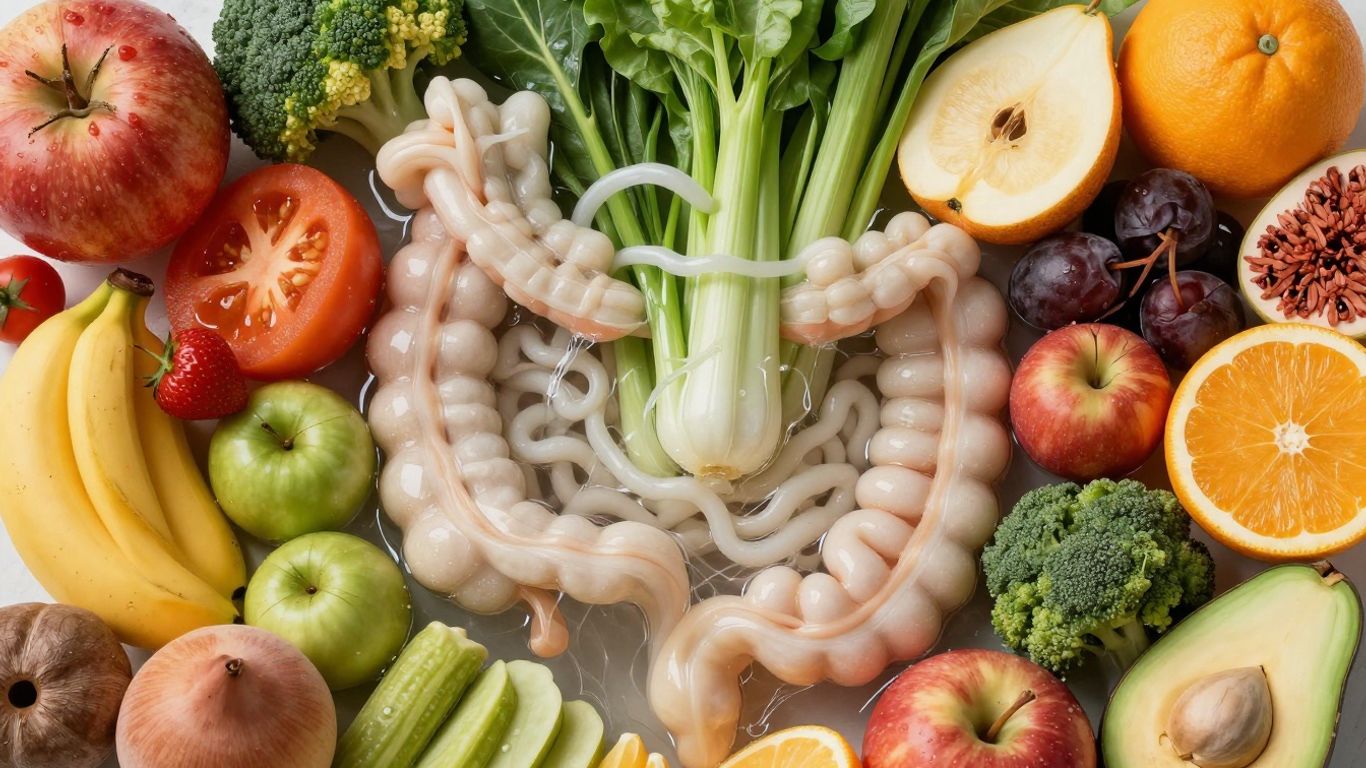
It’s easy to think bloating is always about gas, but sometimes, it’s all about water. Yep, the salt you eat plays a big role in how much fluid your body holds onto. When you consume too much sodium, your body tries to keep things balanced by holding onto extra water. This can make you feel puffy and uncomfortable, even if your digestion is working just fine.
Identifying Hidden Sodium in Processed Foods
That salt shaker on your table isn’t usually the main problem. The real culprits are often hiding in plain sight. Think about it: canned soups, pre-made sauces, frozen meals, and even some breads can be loaded with sodium. It’s added for flavor and as a preservative, but it adds up fast. Even snacks you might think are healthy, like some crackers or flavored nuts, can pack a salty punch.
- Read labels carefully: Look for the sodium content per serving. Small amounts can add up quickly.
- Choose "low sodium" or "no salt added" versions: When available, these are your best bet.
- Be wary of restaurant meals: They often contain much higher sodium levels than home-cooked food.
The Impact of Sodium on Water Retention
When your body takes in more sodium than it needs, it needs to dilute that extra salt to keep your blood chemistry stable. So, it holds onto water. This extra fluid can accumulate in your tissues, leading to that bloated, heavy feeling. It’s not just about your stomach; you might notice swelling in your hands, feet, or face too. This is your body’s way of trying to manage the salt overload.
The body’s natural fluid balance is delicate. When sodium levels rise, the body responds by retaining water to dilute the salt, which can lead to a feeling of puffiness and increased abdominal distension.
Strategies for Reducing Sodium Intake
Cutting back on sodium doesn’t mean bland food. It’s about making smarter choices. Start by cooking more meals at home where you control the ingredients. Use herbs, spices, lemon juice, and vinegar to add flavor instead of salt. When buying packaged foods, get in the habit of comparing labels and opting for lower-sodium choices. Rinsing canned beans and vegetables can also help wash away some of the sodium before you eat them. Small changes can make a big difference in how you feel.
- Flavor with herbs and spices: Experiment with garlic, onion powder, pepper, basil, oregano, and chili flakes.
- Opt for fresh ingredients: Fresh fruits, vegetables, and lean proteins naturally have less sodium.
- Rinse canned goods: A quick rinse can significantly reduce sodium content in canned beans and vegetables.
Leveraging Digestive Enzymes and Probiotics
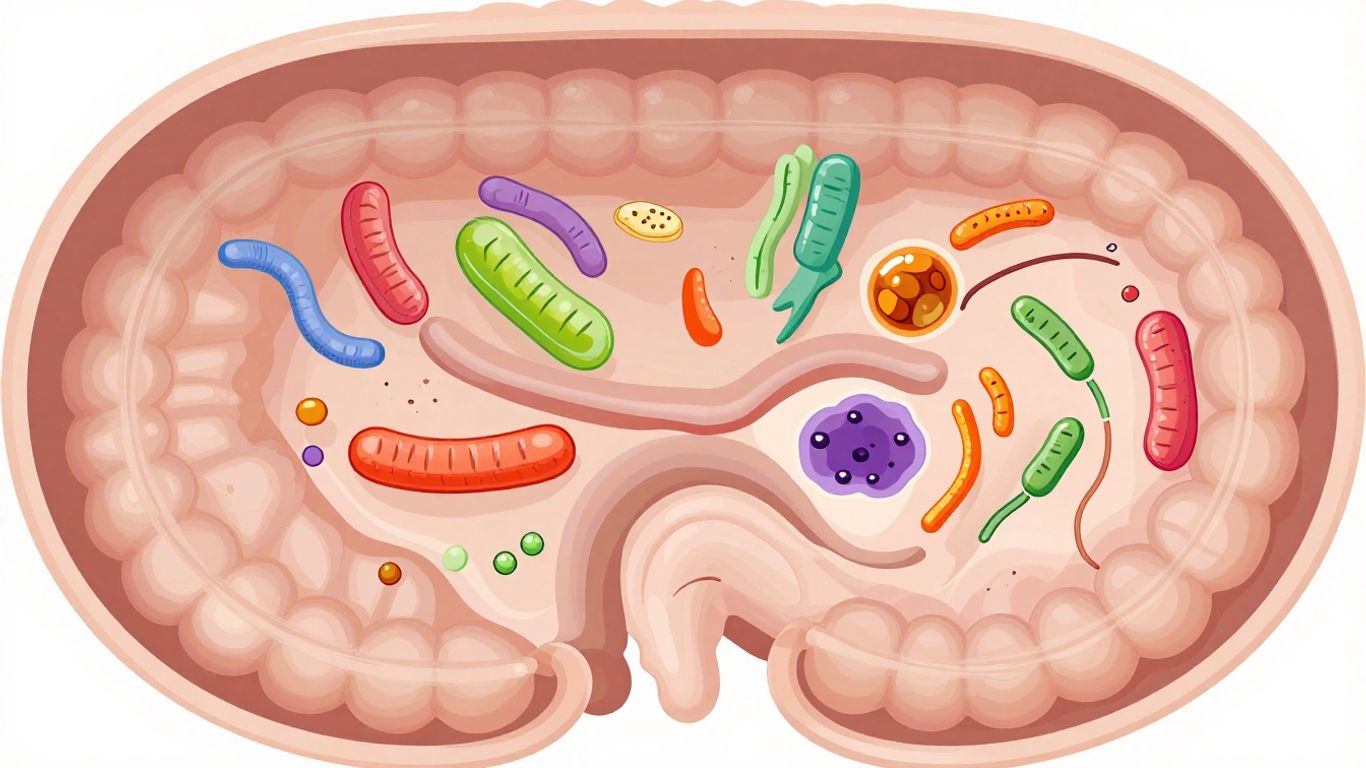
Sometimes, even with the best food choices, your gut can feel a bit… off. That’s where digestive enzymes and probiotics come into play. Think of them as your digestive system’s support crew, helping things run a little smoother.
How Enzymes Aid Food Breakdown
Digestive enzymes are like tiny scissors that break down the food you eat into smaller pieces. This makes it easier for your body to absorb all the good stuff. When food isn’t broken down properly, it can hang around longer in your gut, leading to fermentation and, you guessed it, bloating. Different enzymes target different things: amylase for carbs, lipase for fats, and protease for proteins. Getting enough of these can really help your stomach feel less burdened after a meal.
The Importance of Probiotics for Gut Microbiome Balance
Your gut is home to trillions of bacteria, and keeping them in balance is key. Probiotics are the beneficial bacteria that help maintain this harmony. When the good bacteria are thriving, they can help keep the less helpful ones in check, reducing excessive gas production and improving overall digestion. A balanced gut microbiome is linked to less bloating and more consistent digestive comfort.
Supporting Digestion for Reduced Bloating
Incorporating digestive enzymes and probiotics can be a simple yet effective way to manage bloating. They work by supporting the natural digestive process, helping to break down food more efficiently and maintain a healthy gut environment. This proactive approach can lead to a noticeable difference in how you feel after eating.
- Enzymes help break down food components.
- Probiotics support a balanced gut environment.
- Together, they can reduce fermentation and gas.
Focusing on these supportive elements can make a real difference in your daily comfort. It’s about giving your digestive system the tools it needs to function at its best, leading to less bloating and a happier gut overall.
Mindful Eating Habits for a Happy Gut
It’s easy to just shove food down when you’re busy, but how you eat really matters for your digestion. Think about it: when you’re rushing, you probably gulp down air along with your food. That extra air can lead to gas and that uncomfortable bloated feeling. So, slowing down is a big deal.
The Benefits of Slow Eating and Thorough Chewing
Taking your time with meals isn’t just about enjoying the taste more. When you eat slowly and chew each bite properly, you give your digestive system a head start. Chewing breaks down food into smaller pieces, making it easier for your stomach and intestines to do their job. This process can help prevent indigestion and reduce the amount of gas produced. It’s like preparing the food perfectly before it even gets to your stomach.
Recognizing Hunger and Fullness Cues
Our bodies are pretty good at telling us when they need food and when they’ve had enough, but we often ignore these signals. Eating mindfully means paying attention to these internal cues. Are you truly hungry, or just bored or stressed? Are you starting to feel satisfied, or are you pushing past that point into discomfort? Learning to listen to your body helps you eat the right amount, avoiding overeating which is a common cause of bloating.
Preventing Aerophagia Through Mindful Practices
Aerophagia, which is just a fancy word for swallowing too much air, is a major contributor to bloating. Rushing meals, talking a lot while eating, chewing gum, or drinking through straws can all increase the amount of air you swallow. By consciously slowing down, putting your fork down between bites, and focusing on your food, you can significantly cut down on swallowed air. This simple shift can make a noticeable difference in how you feel after eating.
Making small changes to how you approach your meals can have a big impact on your digestive comfort. It’s not about restrictive diets, but about building a better relationship with your food and your body’s signals.
Hydration Strategies to Combat Bloating
The Essential Role of Water in Fluid Balance
Staying hydrated is more than just quenching thirst; it’s a key player in keeping your digestive system running smoothly and preventing that uncomfortable bloated feeling. When you don’t drink enough water, your body tends to hold onto whatever fluid it has, which can lead to that puffy, heavy sensation. Think of water as your body’s internal cleanup crew. It helps move things along your digestive tract and keeps everything from getting too sluggish. Making sure you’re sipping water consistently throughout the day is one of the simplest yet most effective ways to combat bloating. It helps your body maintain a healthy fluid balance, which is pretty important for overall well-being.
Flushing Out Excess Sodium with Adequate Hydration
We often hear about reducing sodium intake to avoid bloating, and that’s solid advice. But what happens when you’ve had a bit too much salt, perhaps from a meal out or a favorite snack? This is where hydration really shines. Sodium makes your body hold onto extra water, and that’s a direct cause of that bloated feeling. Drinking plenty of water helps your kidneys do their job, flushing out that excess sodium and the water it’s holding onto. It’s like giving your system a gentle reset. So, if you’ve had a salty meal, up your water intake a bit – your body will thank you.
Herbal Teas and Infused Waters for Digestive Support
While plain water is fantastic, sometimes a little variety can make staying hydrated more enjoyable. Herbal teas can be a wonderful addition to your hydration routine, especially those known for their digestive benefits. Peppermint tea, for instance, is famous for its ability to relax the muscles in your digestive tract, helping trapped gas to move more freely. Chamomile tea can offer a calming effect, which is beneficial since stress can sometimes slow down digestion. You can also get creative with infused waters. Adding slices of cucumber, lemon, lime, or a few mint leaves to your water pitcher can give it a refreshing twist without adding sugar or artificial ingredients. These simple additions can make reaching for your water bottle a more appealing habit, supporting both your hydration goals and your digestive comfort.
Identifying and Avoiding Common Bloating Triggers
Sometimes, even with the best intentions, certain foods can throw your digestive system for a loop, leading to that uncomfortable bloated feeling. It’s not always about eating ‘bad’ foods; often, it’s about how our individual bodies react to specific components within otherwise healthy options. Pinpointing these personal triggers is a major step toward finding relief and enjoying your meals again.
Understanding FODMAPs and Their Fermentation
FODMAPs is an acronym that stands for Fermentable Oligosaccharides, Disaccharides, Monosaccharides, and Polyols. These are types of short-chain carbohydrates that can be poorly absorbed in the small intestine. When they reach the large intestine, they become food for gut bacteria, which then ferment them. This fermentation process produces gas, leading to bloating, abdominal pain, and discomfort for many people. Common high-FODMAP foods include certain fruits (like apples and pears), vegetables (like onions and garlic), wheat, rye, beans, and dairy products containing lactose.
Recognizing Sugar Alcohols in Packaged Foods
Sugar alcohols, often found in sugar-free or low-sugar products like chewing gum, candies, and baked goods, can also be a source of bloating. While they provide sweetness with fewer calories, they are not fully absorbed by the body. Like FODMAPs, they can ferment in the gut, producing gas. You’ll often see them listed on ingredient labels with names ending in ‘-ol,’ such as sorbitol, xylitol, mannitol, and erythritol. Even small amounts can cause digestive upset in sensitive individuals.
Dairy, Gluten, and Legumes: Potential Culprits
- Dairy Products: For many, lactose, the sugar in milk, is a common trigger. If your body doesn’t produce enough lactase enzyme, lactose ferments in the gut, causing gas and bloating. This is known as lactose intolerance.
- Gluten: Found in wheat, barley, and rye, gluten can cause significant digestive distress for those with celiac disease or non-celiac gluten sensitivity. It can lead to inflammation and bloating.
- Legumes: Beans, lentils, and chickpeas are nutritional powerhouses, rich in fiber and protein. However, they also contain oligosaccharides (a type of FODMAP) and high amounts of fiber, which can be difficult to digest and lead to gas production during fermentation.
Identifying your personal triggers is key. It’s not about eliminating entire food groups forever, but rather understanding how your body responds and making informed choices. Sometimes, simply cooking vegetables thoroughly or introducing fiber-rich foods gradually can make a big difference. Paying attention to how you feel after eating is your best guide.
The Power of Lean Proteins and Wholesome Carbs
When you’re aiming to feel lighter and more comfortable after meals, paying attention to your protein and carbohydrate choices makes a big difference. It’s not just about what you eat, but how easily your body can process it. Choosing the right kinds of proteins and carbs can help keep your digestive system happy and prevent that uncomfortable, bloated feeling.
Easier Digestion of Lean Protein Sources
Proteins are building blocks for your body, but some sources are definitely easier on the stomach than others. Red meats, for instance, can take a while to break down and sometimes lead to digestive slowdowns. Leaner options, however, tend to move through your system more smoothly. Think about chicken breast, turkey, or fish. These are generally well-tolerated and provide the protein you need without bogging down your digestion. They’re often prepared simply, like grilled or baked, which further aids in their digestibility. This means less work for your gut and a lower chance of that heavy, bloated sensation.
Sustained Energy from Complex Carbohydrates
Carbohydrates get a bad rap sometimes, but they’re your body’s primary energy source. The key is choosing the right kind of carbs. Refined carbs, like white bread or sugary snacks, can cause quick energy spikes and crashes, and sometimes contribute to gas. Complex carbohydrates, on the other hand, release energy slowly and steadily. Foods like sweet potatoes, brown rice, quinoa, and oats are great examples. They provide sustained fuel for your day and are typically easier for your digestive system to handle, especially when prepared properly. This steady energy release helps you avoid the sluggishness that can sometimes follow a heavy meal.
Incorporating Gut-Friendly Ingredients
Building meals around lean proteins and wholesome carbs is a solid strategy for digestive wellness. It’s about making smart swaps and focusing on ingredients that work with your body, not against it. Here’s a quick look at some good choices:
- Lean Proteins: Chicken breast, turkey, fish (like salmon or cod), tofu.
- Complex Carbs: Sweet potatoes, brown rice, quinoa, oats, whole-wheat pasta (in moderation if sensitive).
- Supporting Ingredients: Pairing these with easily digestible vegetables and healthy fats can further support your digestion.
Focusing on these types of foods creates a foundation for meals that are both satisfying and gentle. It’s about providing your body with the nutrients it needs without causing unnecessary digestive stress. This approach helps maintain regularity and can significantly reduce feelings of bloating after eating.
Meal Preparation for Consistent Digestive Wellness
When you’re trying to get a handle on bloating, a little planning goes a long way. It’s not about being a gourmet chef or spending hours in the kitchen every day. It’s more about setting yourself up for success so that you’re not reaching for less-than-ideal options when hunger strikes.
The Benefits of Balanced, Portion-Controlled Meals
Sticking to regular meal times with balanced portions can really help your digestive system. When you eat inconsistently, or too much at once, it can throw things off. Think of it like a well-oiled machine; it works best when it gets what it needs, when it needs it. Prepping meals ahead of time means you know exactly what you’re eating and how much. This consistency helps your gut bacteria do their job without getting overwhelmed, which means less gas and less bloating.
Ensuring Consistency in Nutrient Intake
It’s easy to miss out on important nutrients if your diet is all over the place. Meal prep helps make sure you’re getting a good mix of lean proteins, complex carbs, and gentle fiber every day. This steady supply of nutrients supports your overall health and keeps your digestive system running smoothly. It’s about giving your body the building blocks it needs without the digestive drama.
Simplifying Your Diet for Digestive Comfort
Honestly, the less decision fatigue, the better. When you have pre-portioned, gut-friendly meals ready to go, you take the guesswork out of eating. This makes it much easier to stick to a plan that works for you. You’re less likely to grab something quick that might cause issues later. It’s about making healthy eating feel less like a chore and more like a natural part of your day.
Incorporating Gentle Vegetables and Healthy Fats
When you’re trying to keep bloating at bay, the vegetables and fats you choose can make a big difference. It’s not about cutting them out entirely, but rather picking the right ones and preparing them in a way that’s easy on your stomach.
Choosing Easily Digestible Vegetable Options
Some vegetables are just naturally easier to digest than others. Think about things like spinach, zucchini, and carrots. These tend to be lower in the types of fibers and sugars that can ferment in your gut and cause gas. Cooking them well also helps. Steaming, boiling, or roasting vegetables until they’re tender breaks down their tough fibers, making them much simpler for your body to process. Avoid eating large amounts of raw, cruciferous vegetables like broccoli or cauliflower if they tend to bother you; instead, try cooking them thoroughly or opting for their more tender cousins.
The Role of Healthy Fats in Nutrient Absorption
Don’t shy away from healthy fats! They’re actually really important for helping your body absorb certain vitamins, like A, D, E, and K. Plus, they can help you feel full and satisfied after a meal, which is a good thing. Good sources include olive oil, avocados, and nuts and seeds. The key is moderation. Too much fat, even healthy fat, can slow down digestion, so aim for balanced portions. Using olive oil to sauté your vegetables or adding a few slices of avocado to a salad are great ways to get these benefits without overdoing it.
Well-Cooked Vegetables for Optimal Digestion
Preparation really is half the battle when it comes to veggies and bloating. Raw vegetables can be tough on the digestive system because their cell walls are intact. When you cook vegetables, you soften these walls, making them easier to break down. This means less work for your gut and a lower chance of discomfort. So, instead of a crisp, raw salad, consider a warm, roasted vegetable medley or a gently steamed side dish. Even simple things like simmering carrots or sweet potatoes until they’re soft can make a world of difference. It’s about making these nutrient-rich foods as accessible as possible for your digestive system.
Here are a few ideas for gentle vegetable preparations:
- Steamed Green Beans: Cook until tender, then toss with a little olive oil and herbs.
- Roasted Carrots and Parsnips: Chop into bite-sized pieces, toss with olive oil, and roast until soft and slightly caramelized.
- Sautéed Spinach: Wilt gently in a pan with a touch of garlic and olive oil.
- Mashed Sweet Potatoes: Boil or bake until very soft, then mash with a little unsweetened almond milk or olive oil.
Making simple swaps and focusing on preparation methods can significantly reduce the digestive load of vegetables, allowing you to enjoy their nutritional benefits without the unwanted side effects of bloating.
Adding yummy vegetables and good fats to your meals can make a big difference in how you feel. Think about adding some leafy greens or a sprinkle of nuts to your plate. These foods are not only tasty but also help your body work its best. Ready to discover more simple ways to eat healthier? Visit our website today for easy tips and recipes!
Putting It All Together for a Happier Gut
So, we’ve talked about a few things that can really help when you’re feeling bloated. It’s not just about what you eat, but also how you prepare it and even how much salt you use. Understanding how your gut works with fiber and fermentation is key. Sometimes, it’s the little things, like slowing down when you eat or making sure you’re drinking enough water, that make a big difference. And if you’re looking for an easier way to manage all this, having meals prepped and ready to go can take a lot of the stress out of eating right. It’s all about finding a balance that works for your body so you can feel your best, day in and day out. Give these ideas a try and see how much better you can feel.
Frequently Asked Questions
What are the main reasons people get bloated?
Bloating often happens because of gas building up in your tummy. This can be caused by certain foods that your gut bacteria ferment, or by swallowing too much air when you eat too fast. Sometimes, your body holding onto extra water because of too much salt can also make you feel bloated.
Which foods are common culprits for causing bloating?
Foods that are known to cause extra gas include beans, lentils, and some vegetables like broccoli and cabbage. Sugary treats with sugar alcohols, and even dairy products for some people, can also lead to bloating. High-salt foods can cause your body to hold onto water, making you feel puffy.
How can meal prep help prevent bloating?
Meal prepping means you can carefully choose ingredients that are easy on your stomach. By preparing balanced meals ahead of time, you avoid the rush of eating and can make sure you’re not overloading your system with foods that trigger gas or discomfort. It helps you stick to a plan that supports your gut.
Is it okay to eat fiber if I get bloated easily?
Fiber is important for digestion, but too much too soon can cause bloating. It’s best to introduce fiber slowly and choose gentler sources. Well-cooked vegetables and certain whole grains can provide fiber without overwhelming your gut bacteria, which helps prevent excess gas.
What’s the role of drinking water in managing bloating?
Drinking enough water is key! It helps your body keep a good balance of fluids and can help flush out extra salt that might be causing water retention and bloating. Staying hydrated supports your whole digestive system and helps things move along smoothly.
Can digestive enzymes or probiotics help with bloating?
Yes, they can be helpful! Digestive enzymes help break down food more easily, which means less work for your gut and less gas. Probiotics support the good bacteria in your gut, helping to keep your digestive system balanced and potentially reducing bloating.
What does it mean to eat mindfully to avoid bloating?
Mindful eating means slowing down when you eat, chewing your food really well, and paying attention to when you feel full. This helps you digest your food better and prevents you from swallowing extra air, both of which can reduce bloating.
Are there specific types of protein or carbs that are better for a less bloated stomach?
Lean proteins like chicken and fish are generally easier to digest than red meats. For carbs, complex ones like brown rice or sweet potatoes provide steady energy without causing as much gas as simple sugars. Choosing these can make a big difference.