Cue, Routine, Reward—Updated: Modern Habit Loop Examples for Food and Movement
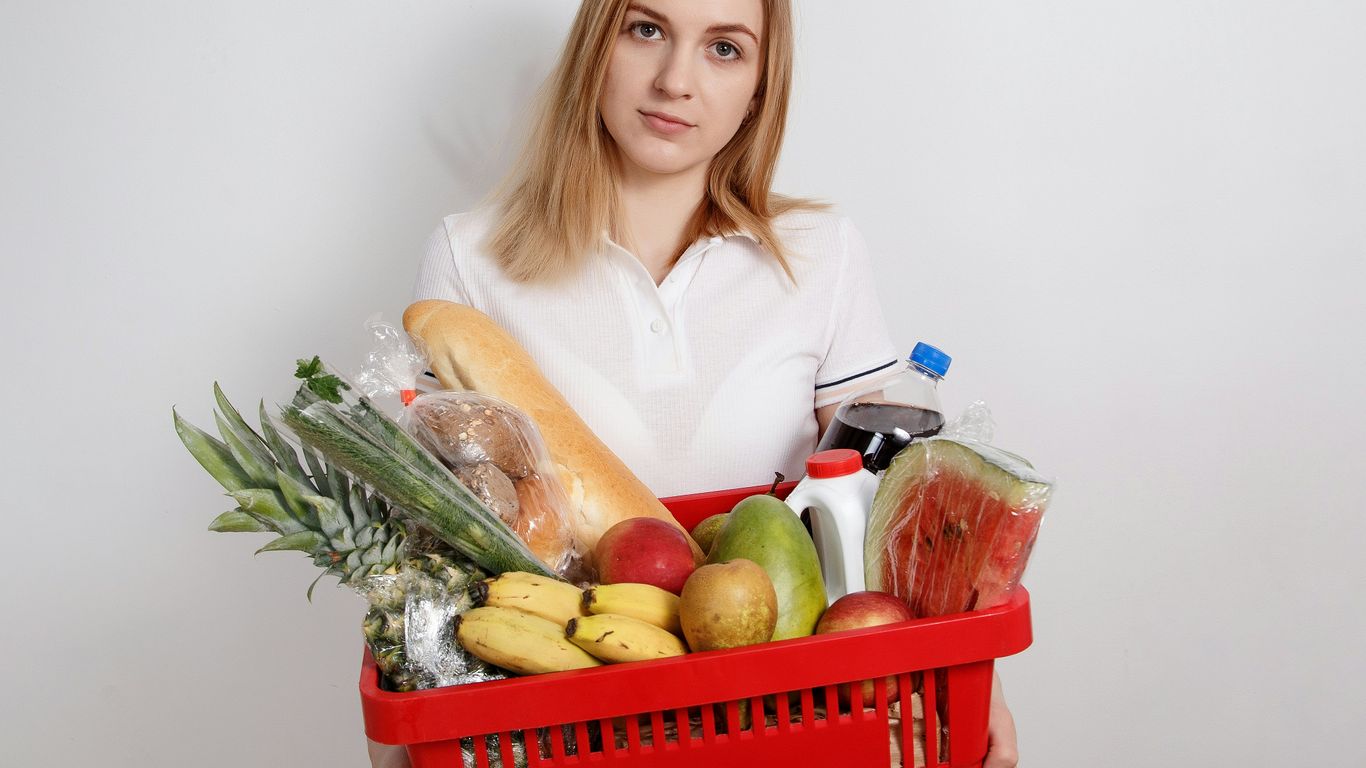
The classic habit loop says a cue triggers a routine, which delivers a reward. That’s still a useful map. Modern … Read more

 Kirsten
The classic habit loop says a cue triggers a routine, which delivers a reward. That’s still a useful map. Modern … Read more
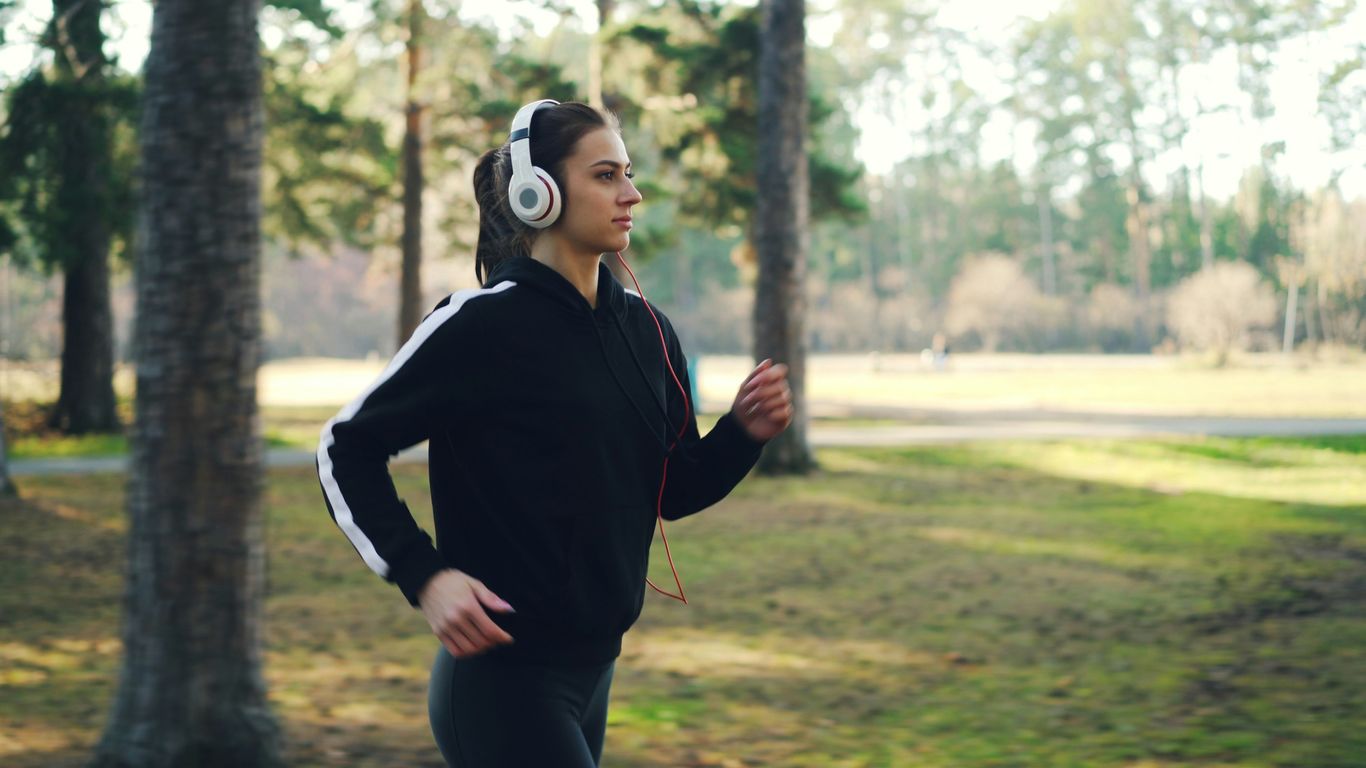
Habit pairing with joy means attaching a small healthy action to something you already look forward to, so the pleasant … Read more
Getting back on track after a trip comes down to three things done in the first 48 hours: reset your … Read more

The “Focus First” hour is the first 30 to 60 minutes after you wake, kept free of email, news and … Read more
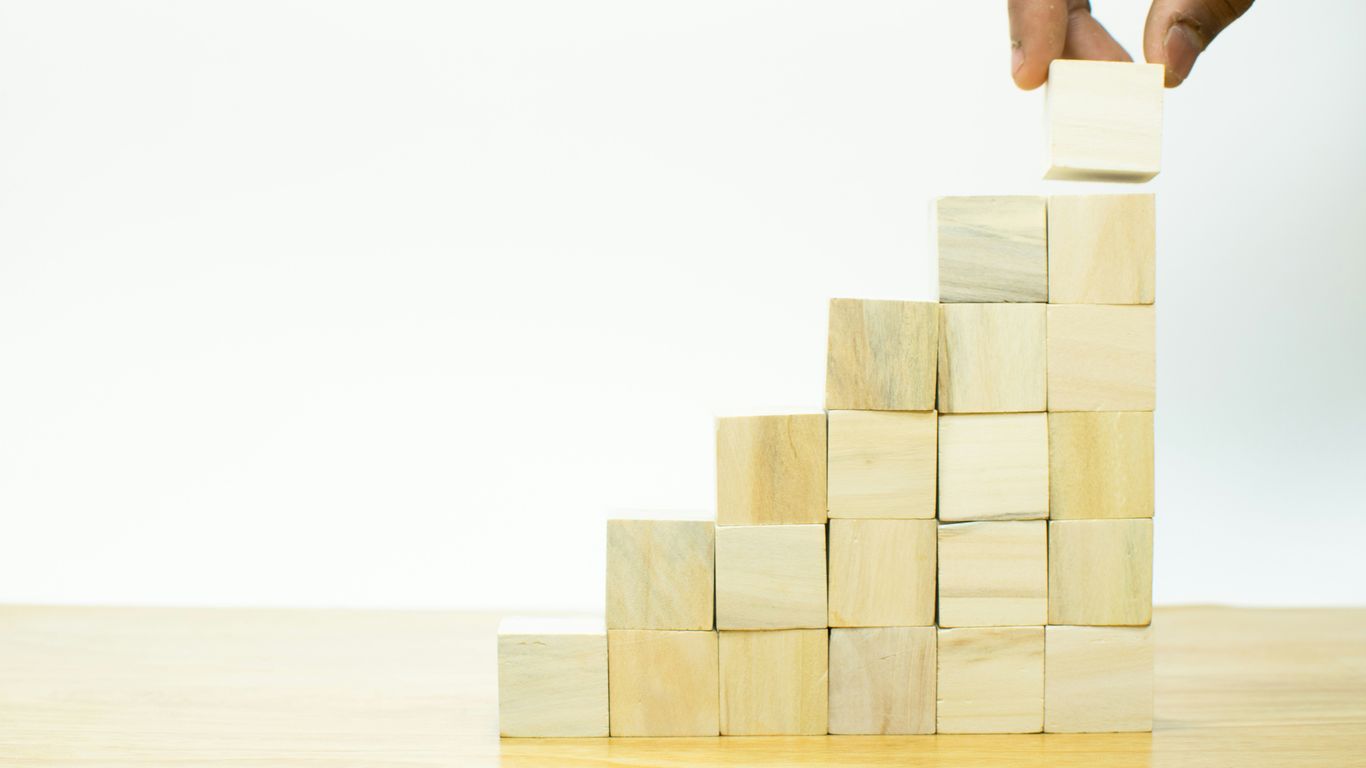
A keystone habit is one small behaviour that makes several other healthy choices easier. Common examples are a regular bedtime, … Read more
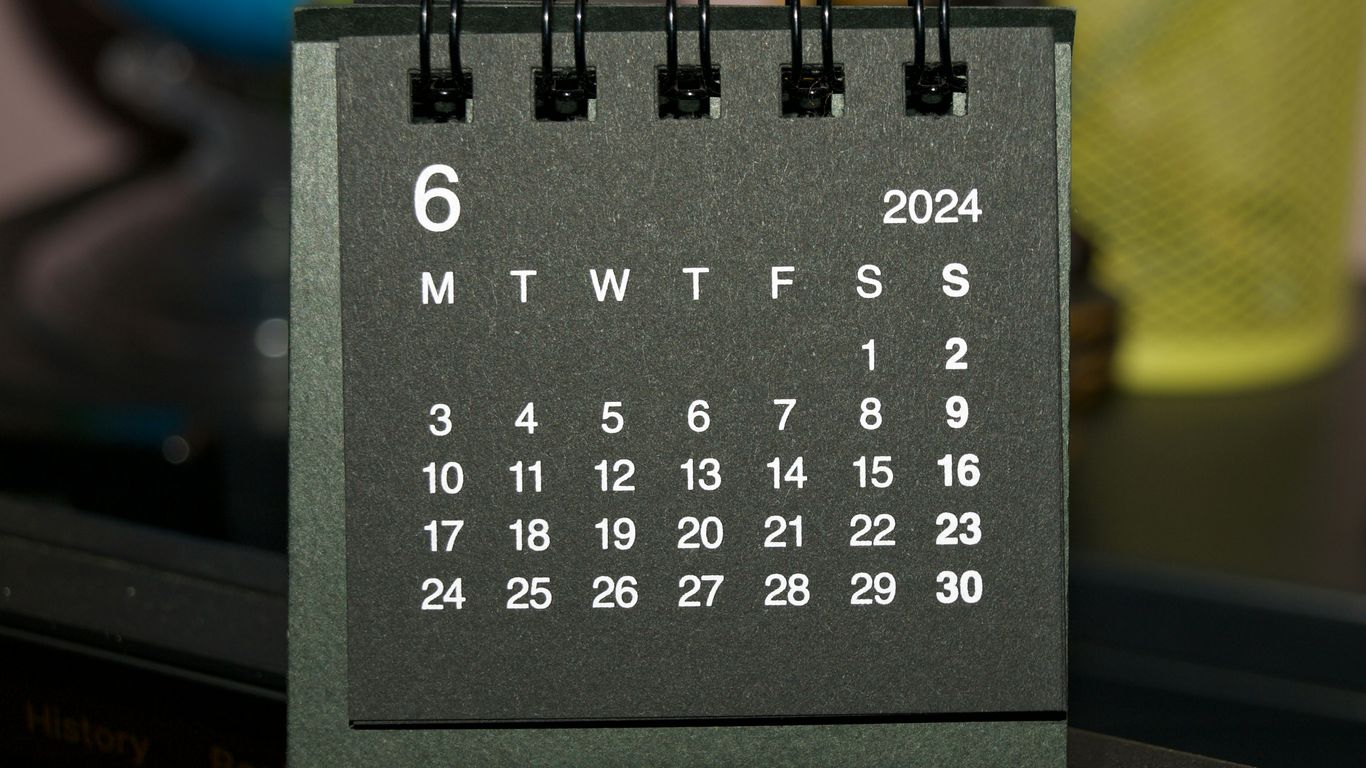
If healthy habits only happen “when you find time,” they rarely happen. Calendar design for health means putting movement, meals, … Read more
A two-track day means writing two versions of your health routine: a minimum you can do on your worst day … Read more
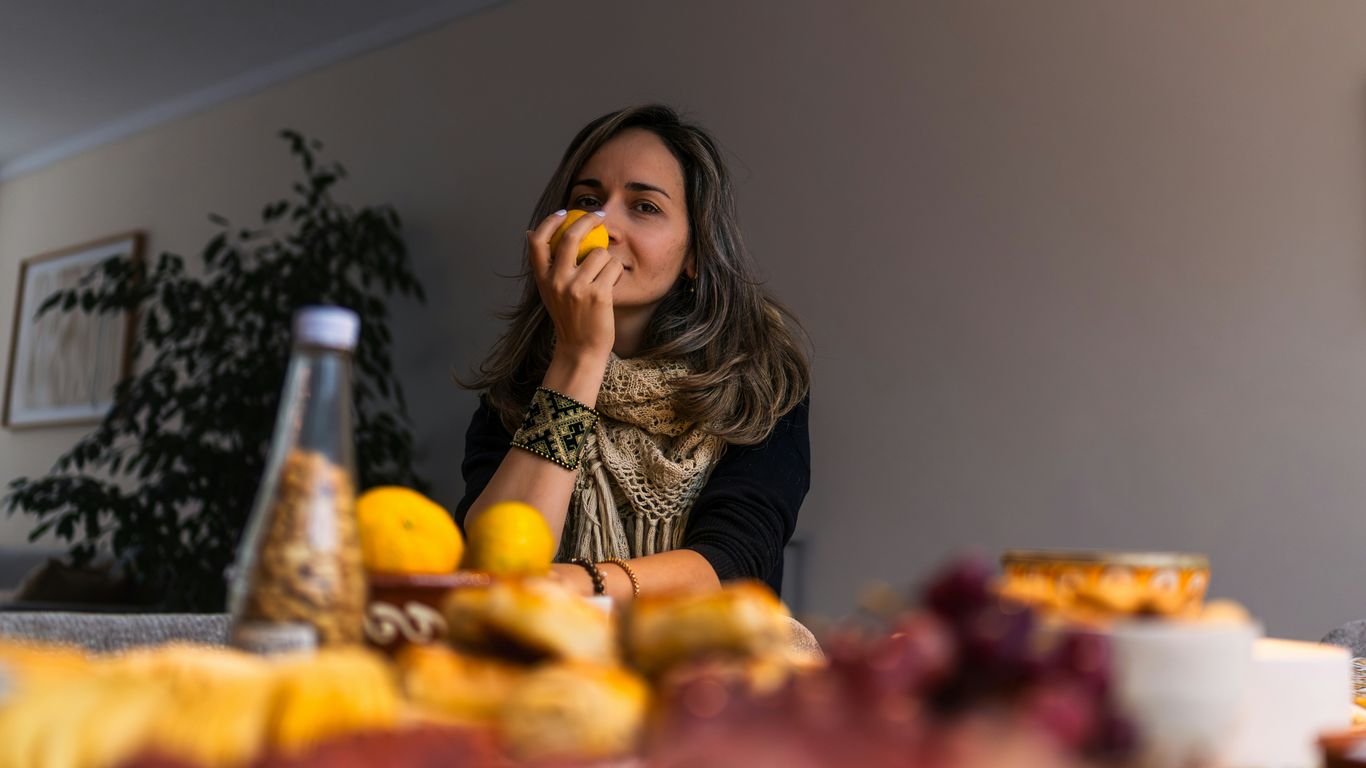
The hunger-fullness scale is a simple 1-to-10 check-in that helps you decide when to start eating and when to stop. … Read more

A snack that keeps your energy steady usually has two parts: a fibre-rich carbohydrate for quick fuel and a protein … Read more

A high-fibre breakfast that actually keeps you full combines a fibre source (oats, whole grains, beans, berries, chia or other … Read more