
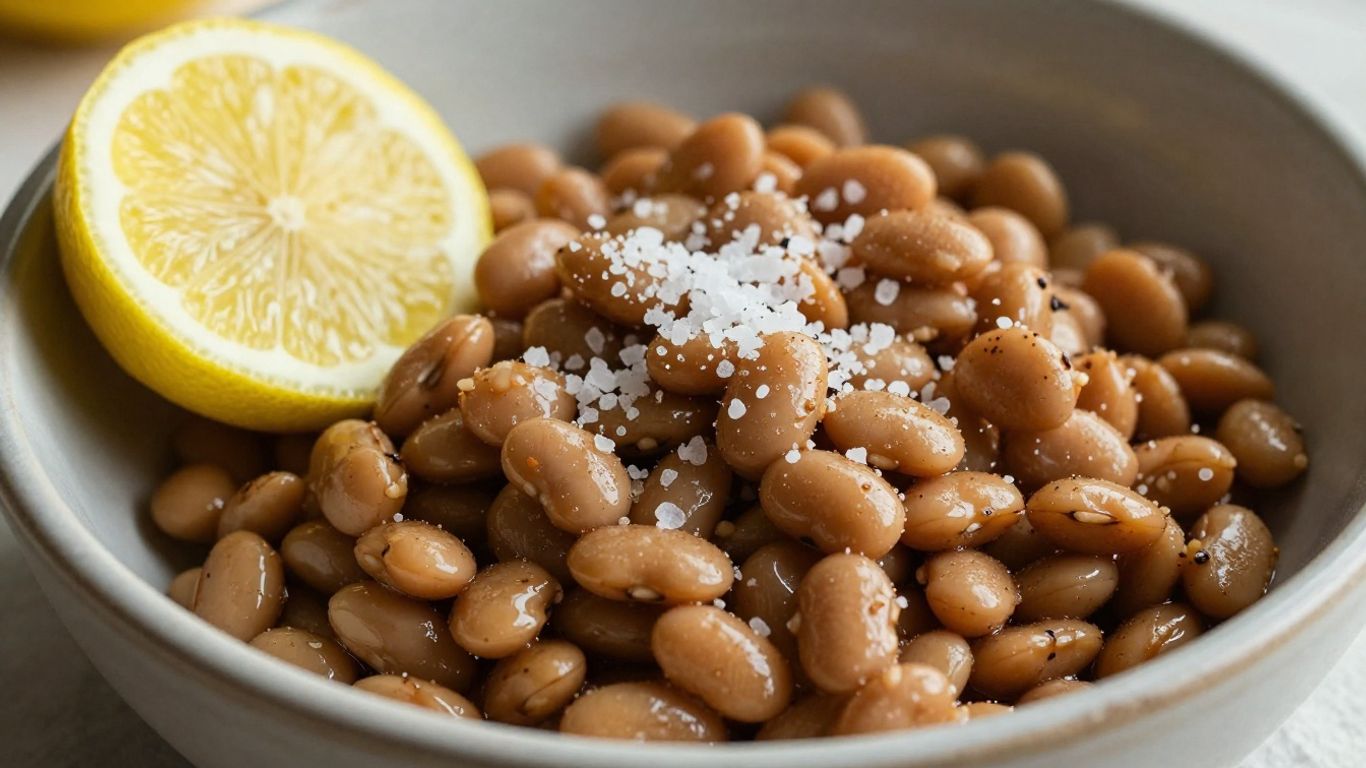
Perfect home-cooked beans come down to four things: fresh-enough dried beans, a soak (ideally in lightly salted water), gentle simmering for as long as they need, and holding back acidic ingredients until the beans are already tender. Get those right and you’ll have creamy, evenly cooked beans that are cheaper and more flavourful than most canned ones.
Here’s what each factor does, plus one safety step you shouldn’t skip.
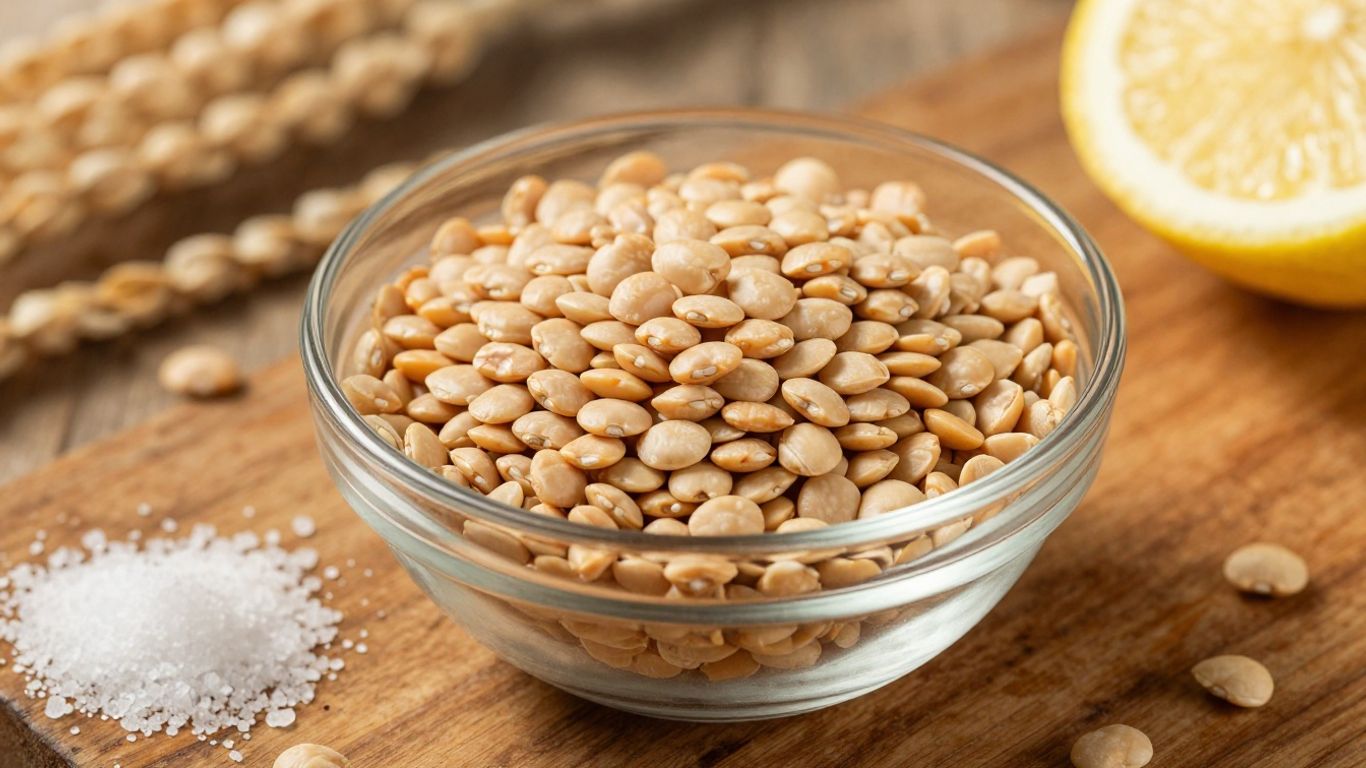
Start with the right beans
Dried beans don’t spoil quickly, but they do get harder with age. Very old beans can take much longer to cook and sometimes never soften evenly. Buy from a store with good turnover, use them within a year or so, and don’t mix an old half-bag with a new one, since they’ll cook at different rates.
Sort them on a tray and remove any small stones, shrivelled beans or debris, then rinse.
Soaking: what it does and how long
Soaking rehydrates beans so they cook faster and more evenly. The Harvard T.H. Chan School of Public Health notes that soaking dried beans for at least three hours and then cooking them may help decrease gas and bloating, which come from oligosaccharides that gut bacteria ferment.
- Overnight soak: Cover beans with 2 to 3 times their volume of cool water and leave 8 to 12 hours. Refrigerate if your kitchen is warm.
- Quick soak: Bring beans and water to a boil, boil for a couple of minutes, cover, and let stand about an hour.
- No soak: Small beans like black beans and black-eyed peas can be cooked from dry; they just take longer. Lentils and split peas never need soaking.
Discard the soaking water and cook in fresh water.
Salt: a texture tool, not just seasoning
The old warning that salt makes beans tough is mostly a myth. Many cooks find that adding salt to the soaking water gives beans creamier insides and skins that are less likely to burst. One common approach is about a tablespoon of salt dissolved in a large bowl of soaking water. Because you drain and discard that water, much of the salt goes with it.
For the cooking water, a modest pinch is enough, then season to taste once the beans are done. If you are watching sodium, keep the soak salt and go light on the rest; the NHS advises adults to have no more than 6 g of salt a day, and suggests choosing tinned pulses in water rather than brine.
Acid: why your beans won’t soften
Acidic ingredients such as tomatoes, vinegar, lemon juice and molasses strengthen the structure of bean skins and can stop beans from becoming tender. If you’ve ever simmered chili for hours and still had firm beans, this is often why.
- Cook beans in plain water (or low-sodium broth) until they’re nearly as soft as you want.
- Then add tomatoes, vinegar or citrus and finish cooking together.
- If a recipe needs beans to hold their shape for a long simmer, such as baked beans, adding acid earlier can be an advantage.
What about baking soda?
A small pinch of baking soda makes the water slightly alkaline and helps beans soften, which can be useful if your water is hard or your beans are old. Use only a tiny amount; too much makes beans mushy and can give a soapy taste.
Time and temperature
Beans like a gentle simmer, not a hard rolling boil, which can split skins and turn some beans to mush while others are still firm. Keep them covered by an inch or two of water and top up as needed.
| Bean (soaked) | Approx. stovetop simmer |
|---|---|
| Black beans | 1 to 1½ hours |
| Navy or small white beans | 1 to 1½ hours |
| Pinto beans | 1 to 1½ hours |
| Red kidney beans | 1 to 1½ hours, after the safety boil below |
| Chickpeas | 1½ to 2 hours |
These are starting points. Age, size and altitude all change timing, so test several beans: they should be creamy all the way through with no chalky centre. A pressure cooker cuts the time dramatically; see our guide to pressure-cooking beans and grains.
The kidney bean safety step
Raw and undercooked red kidney beans contain a natural lectin that can cause severe nausea and vomiting. Health Canada advises soaking dry red kidney beans for at least 5 hours, discarding the water, and boiling them vigorously for at least 10 minutes. It also warns that slow cookers don’t get hot enough to destroy the lectins, so boil first if you plan to finish beans in a slow cooker. Canned kidney beans have already been heated enough and are safe to use as they are.
Fat and aromatics for flavour

A spoonful of olive oil in the pot adds richness and helps reduce foaming. From there, add flavour:
- Aromatics: Half an onion, a few crushed garlic cloves, a carrot or celery stalk.
- Herbs: Bay leaves, thyme or rosemary sprigs, or oregano. Add tender herbs like parsley at the end.
- Spices: Cumin and chili for black or pinto beans; smoked paprika for white beans; a piece of kombu seaweed is a traditional addition some cooks use.
- Umami: A Parmesan rind simmered with white beans adds a deep, savoury note.
Save the bean broth
The cooking liquid is full of flavour and body. Store beans in it to keep them moist, use it as the base for soups, or cook rice and other grains in it. Cooked beans keep a few days in the fridge, and freeze well in their liquid in 1½-cup portions, about the size of a can.
Troubleshooting
- Still hard after hours: Old beans, hard water or early acid. Add a pinch of baking soda and keep simmering.
- Burst skins: Boiling too hard, or no salt in the soak.
- Uneven cooking: Mixed-age beans or not enough water.
- Bland: Season with salt at the end, and finish with olive oil, lemon or herbs.
- Too much gas: Soak longer, discard soak water, eat smaller portions and increase slowly. More ideas in our guide to prebiotic variety without distress.
When to check with a professional
If beans regularly cause pain, severe bloating or changes in bowel habits, speak with your doctor or a registered dietitian. If you are on a sodium-restricted diet for blood pressure, heart or kidney health, ask how to adjust salting methods for your needs.
Key takeaways
- Use reasonably fresh beans and sort them before cooking.
- Soak in lightly salted water, then drain and cook in fresh water.
- Simmer gently, and add acidic ingredients only once beans are tender.
- Always soak and hard-boil dry red kidney beans before slow cooking.
- Keep the broth; it’s free flavour for soups and grains.
For soaking times by variety, see our bean soaking charts.