
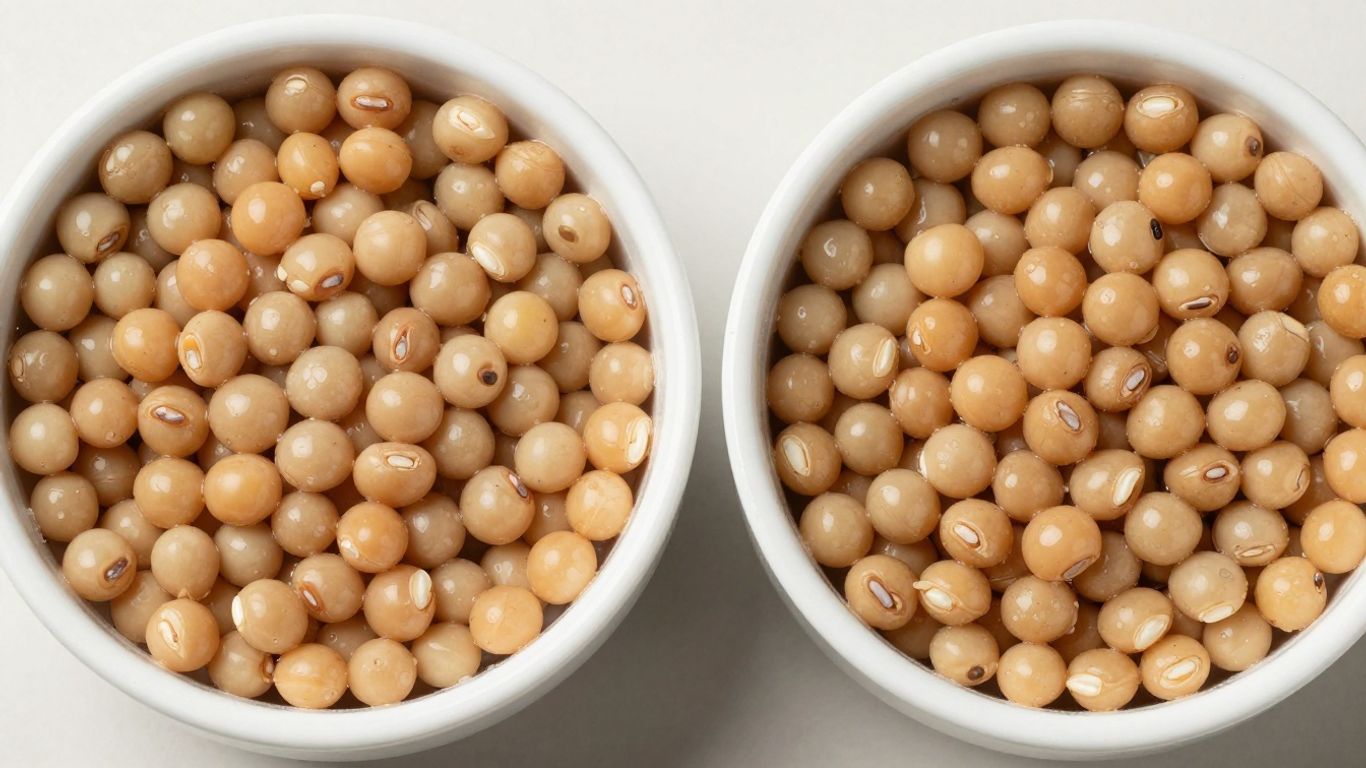
Overnight soaking means covering dried beans with cold water for 8 to 12 hours. The quick soak means boiling them for 2 minutes, then letting them sit covered in the hot water for about an hour. Both cut cooking time and help beans cook evenly. Overnight soaking tends to give slightly creamier, more intact beans, while the quick soak is the fix when you forgot to plan ahead. Lentils and split peas don’t need soaking at all.
Why soak beans at all?
- Shorter cooking time. Soaked beans absorb water before they hit the pot, so they soften faster.
- More even texture. Fewer split skins and fewer hard beans hiding in a soft batch.
- Possibly easier digestion. Some of the gas-producing sugars in beans leach into the soaking water, so draining and using fresh water for cooking may help some people. Results vary from person to person.
Beans are worth the effort. They’re inexpensive, high in fibre and a good source of plant protein. Canada’s Food Guide suggests making a quarter of your plate protein foods and choosing protein foods that come from plants more often.
Overnight soak vs quick soak
| Overnight soak | Quick soak | |
|---|---|---|
| How | Cover beans with about 3 times their volume of cold water; leave 8–12 hours | Cover with about 3 times their volume of water, boil 2 minutes, cover, remove from heat and soak 1 hour |
| Hands-on time | About 2 minutes | About 10 minutes |
| Planning needed | The night before | Same day |
| Texture | Creamy, skins tend to stay intact | Good, but slightly more split skins |
| Best for | Whole-bean dishes, salads, chili | Soups, stews, refried beans, dips |
If your kitchen is warm, soak in the fridge, especially for long soaks, so the beans don’t start to ferment. Soaking much longer than 12 hours can make beans mushy.
Bean soaking and cooking chart
Times are for simmering on the stovetop after soaking and draining. Older beans can take much longer, so start testing at the low end and keep going until they’re creamy all the way through.
| Bean | Soak? | Simmer after soaking | Notes |
|---|---|---|---|
| Black beans | Yes (optional) | 60–90 min | Unsoaked, they can take 1½–2 hours |
| Chickpeas | Yes | 1–2 hours | Great for hummus when cooked very soft |
| Red kidney beans | Yes | 60–90 min after a hard boil | Must be boiled hard first (see safety note) |
| Pinto beans | Yes | 60–90 min | Ideal for refried beans |
| Navy or small white beans | Yes | 45–75 min | Soft and creamy; good in soups |
| Great Northern or cannellini | Yes | 45–75 min | Hold shape well in salads |
| Lima beans | Yes | 45–60 min | Skins slip easily; simmer gently |
| Green or brown lentils | No | 20–30 min | Rinse and pick over |
| Red lentils | No | 15–20 min | Break down; great for soups and dals |
| Split peas | No | 30–45 min | Become soft and thick |
For lentils specifically, see lentil mastery.
Step by step: from dried to cooked
- Sort and rinse. Spread beans on a tray and remove any small stones, shrivelled beans or debris. Rinse in a colander.
- Soak using the overnight or quick method above.
- Drain and rinse the soaked beans. Discard the soaking water.
- Cover with fresh water by about 5 cm (2 inches). Add aromatics if you like: a bay leaf, half an onion, a garlic clove.
- Bring to a full boil, then reduce to a gentle simmer. Skim off foam.
- Simmer partly covered until tender, adding hot water if the beans become exposed.
- Season. Add salt in the last 15 to 30 minutes, or let beans cool in lightly salted cooking liquid for extra flavour.
- Test several beans. They should be creamy throughout with no chalky centre.
Important safety note: red kidney beans
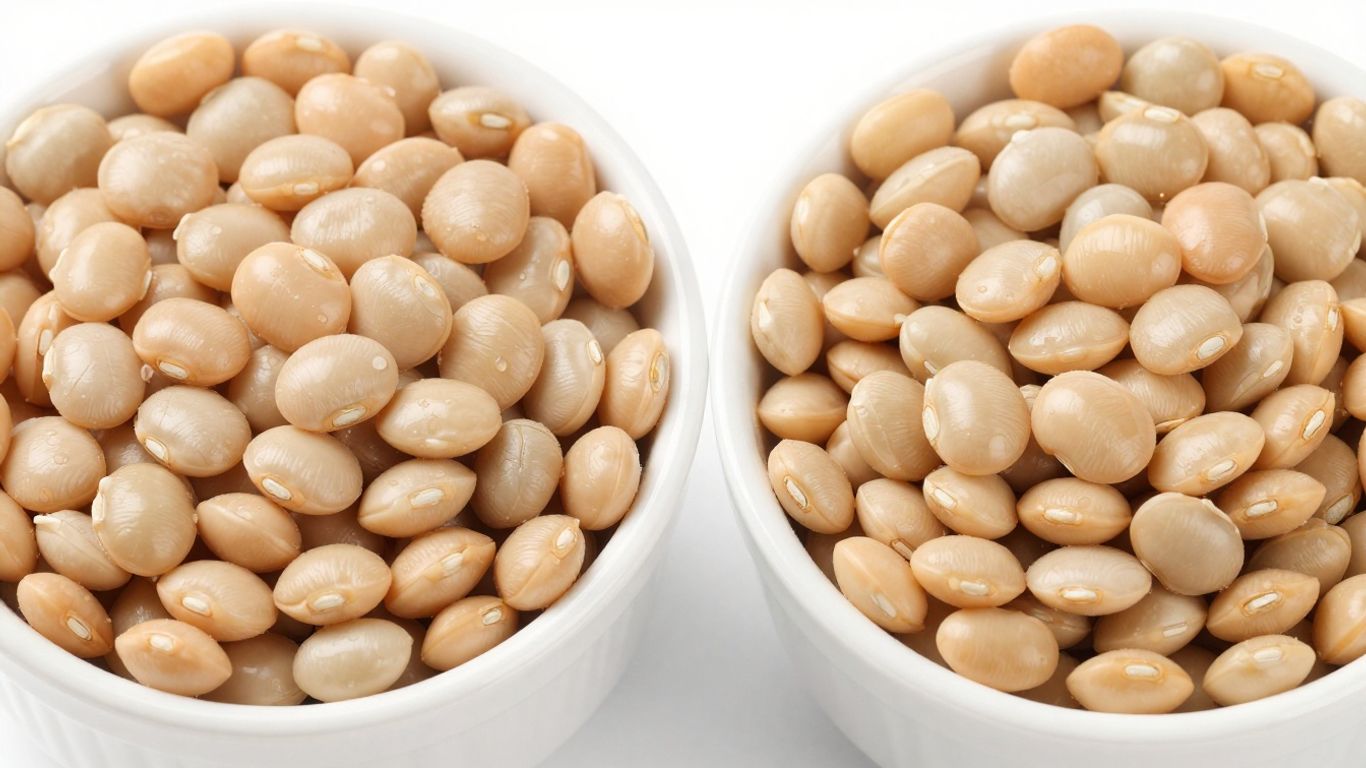
Raw and undercooked red kidney beans contain a natural lectin (phytohaemagglutinin) that can cause nausea, vomiting and diarrhoea within a few hours. An analysis of UK cases found that this lectin is inactivated by thorough cooking of well-soaked beans, and that most incidents involved beans eaten raw or after inadequate heating.
- Always soak dried kidney beans, discard the water, then bring them to a vigorous, rolling boil in fresh water before lowering to a simmer.
- Don’t cook dried kidney beans from raw in a slow cooker, which may not get hot enough. Boil them first, or use canned beans, which are already cooked.
- Other dried beans also contain lectins, so cook all beans until fully soft.
Salt, acid and other texture tips
- Salt: a little salt in the soaking water (about 1 tablespoon per litre) can help skins stay tender. Rinse well before cooking.
- Acid: tomatoes, vinegar and lemon slow softening. Add them once beans are nearly tender.
- Hard water: minerals in very hard water can keep beans firm. If your beans never soften, try filtered water.
- Old beans: beans that have sat in the pantry for a long time may never get fully soft. Buy from a store with good turnover and use within about a year.
The chemistry behind these tips is covered in bean cooking science.
Faster options
A pressure cooker cooks most soaked beans in a fraction of the stovetop time and can even cook unsoaked beans. See pressure cooker mastery for timing. Canned beans are another good option; rinse them, or choose no-salt-added versions, to keep sodium lower.
How much to cook
Dried beans roughly double to triple in volume once cooked. As a rule of thumb, 1 cup of dried beans gives about 2½ to 3 cups cooked, which is roughly the same as two standard cans. A 450 g (1 lb) bag makes enough for several meals, so it’s worth cooking the whole bag and freezing what you don’t need.
Ideas for a week of cooked beans:
- Black beans in tacos, burrito bowls and a quick bean dip.
- Chickpeas in salads, roasted for snacks, or blended into hummus.
- White beans stirred into soups, mashed onto toast or tossed with pasta and greens.
- Pinto beans in chili or homemade refried beans.
Storing cooked beans
Cool cooked beans quickly in shallow containers, ideally in some of their cooking liquid so they don’t dry out. Health Canada advises eating refrigerated leftovers within 2 to 3 days, or freezing them for later. Freeze beans in 1½-cup portions (about the amount in a standard can) for easy use in recipes.
When to check with a professional
If beans cause ongoing bloating, pain or changes in bowel habits, or you’re managing a digestive condition such as IBS, talk with your doctor or a registered dietitian. They can help you find portion sizes and types of legumes that suit you. Increasing beans gradually and drinking enough water helps many people adjust.
Quick takeaways
- Overnight soak: cold water, 8–12 hours. Quick soak: boil 2 minutes, then soak 1 hour off heat.
- Drain the soaking water and cook in fresh water.
- Lentils and split peas don’t need soaking.
- Boil red kidney beans hard before simmering, and never slow-cook them from raw.
- Add acidic ingredients late, and test several beans for doneness.
- Refrigerate cooked beans for 2 to 3 days or freeze in can-sized portions.