
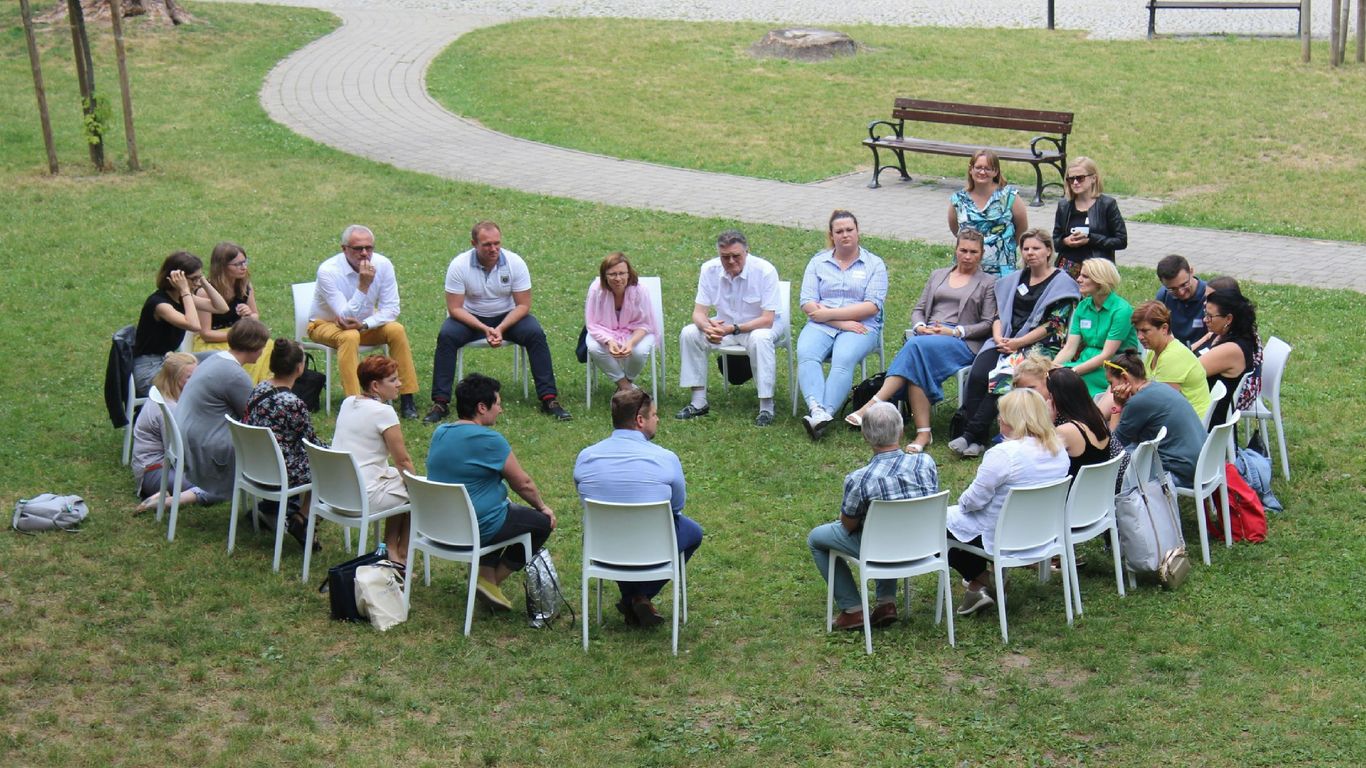
So, you’re thinking about setting up a church wellness group? That’s a pretty great idea. Ministry can be demanding, and honestly, everyone needs a bit of support now and then. This group is all about making sure people serving in the church, whether they’re pastors, volunteers, or staff, have a solid network to lean on. We’ll cover how to build that support system, keep everyone healthy – mind, body, and spirit – and make sure nobody gets too stretched thin. It’s about creating a space where people feel cared for so they can better care for others.
Key Takeaways
- Building a strong support system involves supervisors, mentors, peer connections, and outside resources to help church workers and volunteers.
- Taking care of yourself, including spiritual, physical, emotional, and financial health, is key to serving effectively.
- Setting clear boundaries between work and personal life is vital to prevent burnout and maintain balance.
- Regular self-care isn’t selfish; it’s necessary to have enough energy and well-being to serve others.
- A healthy church wellness group encourages open communication, strong relationships, and celebrating successes together.
Establishing Foundational Support Structures
Setting up a good support system is like building a sturdy house for your ministry. You need a solid foundation so things don’t crumble when the storms hit. This means having people and resources in place before you really need them.
The Role of Supervisors and Mentors
Think of supervisors and mentors as your guides on this journey. A supervisor is often someone in a formal role, like a pastor or a board member, who can offer direction and oversight. They’re there to help you stay on track with your responsibilities and provide feedback. Mentors, on the other hand, might be more informal. They’re experienced individuals who have walked a similar path and can share wisdom, encouragement, and a listening ear. Having both can make a huge difference in how you handle challenges.
- Supervisors: Provide guidance, oversight, and performance feedback.
- Mentors: Offer wisdom, encouragement, and share personal experience.
- Benefits: Help with problem-solving, personal growth, and staying motivated.
Peer Networking and Prayer Partners
Sometimes, the best support comes from people who are right there in the trenches with you. Peer networks are groups of people in similar roles who can share experiences, brainstorm ideas, and offer practical advice. Prayer partners are individuals you can rely on to pray for you, your ministry, and your well-being. It’s a powerful thing to know you’re not alone and that others are lifting you up.
Connecting with peers who understand the unique pressures of ministry can prevent feelings of isolation. Sharing struggles and celebrating small wins with others who ‘get it’ is incredibly validating.
External Support Programs and Resources
Beyond the immediate church community, there are often external resources available. These could include denominational support programs, professional counseling services, or even wellness retreats designed for ministry workers. Sometimes, these outside resources offer a different perspective or specialized help that might not be readily available within your local church. It’s wise to know what’s out there and how to access it when needed.
Nurturing Holistic Well-being
Ministry is demanding, and it’s easy to get caught up in serving others without looking after yourself. But think about it: how can you pour from an empty cup? Taking care of your whole self isn’t selfish; it’s necessary for sustainable service. This means paying attention to several key areas that make up who you are.
Addressing Spiritual and Vocational Health
Your spiritual life is the bedrock. It’s about intentionally creating space to connect with God, to listen, and to realign with His purpose for you. This isn’t just about prayer; it’s about a deep, honest reflection that brings peace and clarity. Your calling, your vocation, is a gift, but it needs tending. When your spiritual well is full, it naturally impacts your vocational energy and effectiveness. Think of it as tending the garden of your soul so that your ministry can flourish.
Prioritizing Physical and Emotional Balance
Let’s be real, ministry can take a toll physically and emotionally. Restoring strength and energy isn’t just about feeling better; it’s about having the vitality to serve well. This might involve simple things like getting enough sleep, moving your body, or seeking help for physical ailments. Similarly, emotional health is key. Recognizing stress, managing it, and seeking support when needed are vital. Sometimes, this means finding ways to process difficult emotions or experiences so they don’t weigh you down.
The Impact of Financial Wellness
Money worries can be a huge distraction and source of stress. Financial wellness isn’t just about having enough; it’s about managing your resources wisely and feeling secure. When financial pressures are eased, it frees up mental and emotional energy that can be redirected towards ministry and personal well-being. This could involve budgeting, planning for the future, or seeking advice on managing debt. A stable financial footing contributes significantly to overall peace of mind.
True well-being in ministry is a mosaic, pieced together from various aspects of our lives. Neglecting one area can weaken the whole structure. It’s about recognizing that God’s grace equips us for a full, vibrant life, not just a life of service.
Here are some areas to consider for a balanced life:
- Spiritual: Regular time for prayer, scripture, and quiet reflection.
- Vocational: Finding satisfaction and purpose in your work, managing workload.
- Physical: Adequate rest, nutrition, and movement.
- Emotional: Processing feelings, managing stress, seeking support.
- Financial: Responsible management of resources, planning for security.
- Relational: Nurturing connections with family, friends, and community.
Cultivating Healthy Boundaries
It’s easy to get caught up in the constant demands of ministry. You want to help everyone, be everywhere, and say yes to every opportunity. But without clear boundaries, you can quickly find yourself drained, overwhelmed, and heading straight for burnout. Setting healthy boundaries isn’t about being unloving or unhelpful; it’s about being wise and sustainable in your service. It’s about recognizing that you have limits, and respecting them allows you to serve more effectively and authentically in the long run.
Defining Work-Life Equilibrium
Finding a balance between your ministry life and your personal life is more than just a nice idea; it’s a necessity. This means intentionally carving out time for rest, family, hobbies, and simply being still. It’s about creating a rhythm where ministry doesn’t bleed into every waking moment. Think about it like this:
- Dedicated Work Hours: Try to establish specific times when you are ‘on call’ for ministry needs and times when you are ‘off.’ This might not always be perfect, but having a general structure helps.
- Personal Time Blocks: Schedule personal appointments, family dinners, or even just quiet evenings into your calendar just as you would a church meeting. Protect this time.
- Regular Breaks: Incorporate short breaks throughout your workday and longer breaks, like weekends or days off, where you intentionally disconnect from ministry tasks.
The goal isn’t to achieve a perfect 50/50 split every single day, but to create a sustainable pattern that honors both your calling and your personal well-being.
Communicating Realistic Expectations
Part of setting boundaries involves being clear with others about what you can and cannot do. This isn’t about being rigid, but about being honest and managing expectations. When people understand your capacity and your limits, they are less likely to place unreasonable demands on you.
- Be upfront about availability: Let your congregation know your general working hours and the best ways to reach you for different types of needs.
- Explain your process: If someone asks for something that requires significant time or resources, it’s okay to explain the steps involved and what your capacity allows.
- Offer alternatives: If you can’t meet a request directly, perhaps you can suggest another resource, person, or approach that might help.
The Importance of Saying ‘No’
This is often the hardest part, right? Saying ‘no’ can feel like a failure, especially when you feel called to serve. However, learning to decline requests that overextend you is a sign of strength and good stewardship of your time and energy. A ‘no’ to one thing is often a ‘yes’ to something more important, like your own well-being, your family, or a more pressing ministry need.
Consider this simple framework:
- Assess the Request: Does this align with your calling and capacity? Is it a genuine need you can meet?
- Consider Your Current Load: Are you already stretched thin? Can you realistically take this on without sacrificing other important areas?
- Communicate Clearly and Kindly: If you must decline, do so with grace. You don’t always need a lengthy explanation. A simple, ‘I’m sorry, but I won’t be able to take that on right now,’ is often sufficient.
Remember, protecting your own capacity allows you to be more present and effective when you do say ‘yes.’ It’s a practice that takes time and intentionality, but it’s vital for a long and healthy ministry.
Implementing Self-Care Practices

The Necessity of Personal Care
Look, ministry is demanding. You’re pouring yourself out for others, which is wonderful, but it means you can’t just run on empty. Taking care of yourself isn’t selfish; it’s a requirement for sustainable service. Think of it like putting on your own oxygen mask before helping others on an airplane. If you’re depleted, you have less to give, and what you do give might not be your best. This means paying attention to what your body and mind need, whether that’s more sleep, better food, or just a quiet moment to yourself. It’s about recognizing that your own well-being is the foundation upon which your ministry is built.
Integrating Self-Care into Ministry
Self-care isn’t just something you do after ministry; it needs to be woven into the fabric of your week. It’s about finding small, consistent ways to recharge that fit within your schedule. This could look like scheduling short breaks between meetings, taking a walk during your lunch hour, or dedicating a specific time each week for a hobby you enjoy. It’s not about adding more to your plate, but about being intentional with the time you have.
Here are a few ideas to get you started:
- Mindful Moments: Take 5 minutes each day to just breathe deeply. Focus on your breath, letting go of worries for a short while.
- Movement Breaks: Incorporate short bursts of physical activity, like stretching or a quick walk around the block, especially if you spend a lot of time sitting.
- Nourishing Meals: Try to eat meals without distractions. Pay attention to the food you’re eating and savor the experience.
- Scheduled Downtime: Block out time in your calendar for rest and personal activities, just as you would for a meeting.
Self-Care as a Gift to Others
When you prioritize your own well-being, you’re actually giving a gift to the people you serve. A well-rested, emotionally balanced leader is more patient, more present, and better equipped to handle challenges. You can offer clearer guidance, more compassionate support, and a more authentic example of a life lived with purpose and peace. It allows you to minister from a place of abundance, not scarcity. Your capacity to love and serve is directly linked to how well you care for yourself.
It’s easy to get caught up in the demands of ministry and feel like personal needs should always take a backseat. But this approach is unsustainable. Think of it as tending a garden; you can’t expect to harvest healthy produce if you neglect the soil, water, and sunlight the plants need to thrive. Your own well-being is that essential nourishment.
Fostering Supportive Relationships
It’s easy to get caught up in the day-to-day tasks of ministry, but building strong connections with others is really important for everyone involved. Think about it like this: when you have people you can count on, the tough days don’t feel quite so overwhelming. These relationships act as a safety net, catching you when you stumble and cheering you on when you succeed.
Building Strong Team Dynamics
When you’re part of a ministry team, how you all work together makes a big difference. It’s not just about getting tasks done; it’s about how you treat each other along the way. Regular team meetings are a good start, but they need to be more than just status updates. Make time for sharing, maybe a quick Bible study or prayer together. This helps everyone feel more connected and understood.
- Open Communication: Encourage everyone to speak up about what’s working and what’s not.
- Shared Vision: Make sure everyone knows the goals and feels like they’re contributing to something important.
- Mutual Respect: Value each person’s input, even if you don’t always agree.
- Conflict Resolution: Have a plan for how to handle disagreements constructively.
The Value of One-on-One Connections
While team meetings are great, sometimes you need a more personal connection. Having regular one-on-one meetings with key people – like a supervisor, a mentor, or even a trusted colleague – can be incredibly helpful. These aren’t just for checking in; they’re a space to talk about challenges, get advice, and feel genuinely supported. It’s in these quieter moments that deeper trust can be built.
Sometimes, just knowing someone is in your corner, ready to listen without judgment, can make all the difference. It’s about having a trusted confidant who understands the unique pressures of ministry.
Celebrating Together
Don’t forget to celebrate the wins, big or small! Recognizing achievements, whether it’s completing a project, reaching a milestone, or just getting through a particularly busy season, is vital. It shows appreciation for the hard work and dedication everyone puts in. This can be as simple as a shared meal, a thank-you note, or a moment of recognition during a service. It builds morale and reminds everyone why they do what they do.
Strategic Time Management
It feels like there’s never enough time, right? Especially when you’re juggling ministry responsibilities with everything else life throws at you. That’s where getting a handle on your time becomes really important. It’s not about cramming more into your day, but about being smarter with the hours you have.
Tracking and Analyzing Time Usage
First off, you’ve got to know where your time is actually going. It’s easy to think you know, but writing it down can be eye-opening. For a week or two, just jot down what you’re doing and for how long. You might be surprised by how much time gets eaten up by emails, unexpected drop-ins, or even just getting sidetracked. This isn’t about judgment; it’s about getting a clear picture.
Here’s a simple way to start tracking:
- Morning: Note down your planned activities.
- Throughout the Day: Briefly log tasks as you complete them or when you switch focus.
- End of Day: Review your log. What took longer than expected? What was a good use of time?
This kind of awareness is the first step to making changes. It gives you data, not just feelings, to work with.
Planning for Peak Ministry Periods
Some times of the year are just naturally busier. Think Christmas, Easter, or major church events. Trying to manage these periods without a plan is a recipe for stress. It’s better to anticipate these busy spells and prepare.
- Identify Peak Times: Mark them on your calendar well in advance.
- Prioritize ruthlessly: What absolutely must get done? What can wait or be delegated?
- Communicate: Let your team and congregation know about potential changes in availability or increased demands during these times.
Being proactive during busy seasons can save a lot of headaches later.
Leveraging Leave Entitlements
Don’t forget about your leave! It’s there for a reason – to help you rest and recharge. Sometimes, especially in ministry, people feel guilty taking time off, or they just let it pile up. But that’s not sustainable.
- Know your entitlements: Understand how much vacation, personal, or long-service leave you have.
- Schedule it: Put your leave days on the calendar. Treat them like important appointments.
- Disconnect: When you’re on leave, try your best to truly disconnect from work. This might mean setting an out-of-office reply and letting a trusted colleague know who to contact for urgent matters.
Taking regular breaks isn’t a sign of weakness; it’s a smart strategy for long-term effectiveness and personal well-being. Your ministry, and you, will be better for it.
Looking at your time and how you use it, including when you take breaks, is a practical way to build a more sustainable ministry life.
The Role of Family in Ministry Support
Ministry work can really pull you in a lot of directions, and sometimes, the people closest to you – your family – can feel the strain the most. It’s not just about the hours you put in, but the emotional energy and the constant demands that come with serving a congregation. Recognizing that your family is a vital part of your support system is the first step. When your spouse and kids feel included and understood, it makes a world of difference.
Involving Spouses and Families
Think about how your family experiences your ministry. Are they aware of the pressures you face? Do they feel like they have to share you with the entire church? Open conversations are key here. It’s about creating a space where your partner and children can voice their concerns and feel heard. This isn’t always easy, especially when ministry life can be unpredictable.
Here are a few ways to bring your family into the loop:
- Regular Check-ins: Set aside time, even just 15 minutes a week, to talk about how ministry is impacting everyone at home. No distractions, just honest talk.
- Shared Understanding: Help your family understand the ‘why’ behind your ministry commitments. When they see the bigger picture, they might be more understanding of the sacrifices involved.
- Protected Family Time: Make it a non-negotiable. Schedule family outings, date nights, or even just quiet evenings at home and guard that time fiercely. It shows your family they are a top priority.
Addressing Family Challenges
Ministry families often face unique hurdles. Spouses might feel isolated or overwhelmed, and children can struggle with the public nature of their parent’s role. It’s important for the church community to acknowledge these challenges and offer practical support.
Sometimes, the church community can unintentionally add to the pressure by expecting the pastor’s family to be perfect examples or always available. Creating a culture where families are supported, not just the minister, is a sign of a healthy church.
Prioritizing Family Time
This might sound obvious, but it’s surprisingly hard to do. Ministry often creeps into evenings and weekends. It’s about setting boundaries, not just for yourself, but for your family’s sake. This means learning to say ‘no’ to some requests and being intentional about carving out quality time. It’s not selfish; it’s necessary for the long-term health of both your family and your ministry. When your family feels supported and loved, it provides a strong foundation that helps you weather the storms of ministry.
Preventing Burnout and Turnover
It’s easy to get caught up in the day-to-day demands of ministry, and before you know it, you’re running on empty. This is where recognizing the signs of burnout and having strategies to prevent it becomes really important. Ignoring these signs can lead to people leaving their roles, which is tough for everyone involved. We need to build systems that support people long-term, not just for a short burst.
Recognizing Mental Health Risks
Sometimes, the pressure in ministry can really take a toll on mental health. This isn’t about weakness; it’s about acknowledging the reality of demanding work. When mental health risks aren’t addressed, it can show up in various ways:
- Absenteeism: People needing to take time off because they’re not well.
- Presenteeism: Being at work but not really able to function effectively.
- Increased Errors: Mistakes happening more often due to fatigue or stress.
- Lowered Morale: A general feeling of discouragement among the team.
The Cost of Unmanaged Stress
When stress isn’t managed, it’s like a slow leak in a tire. It might not seem like a big deal at first, but over time, it can lead to serious problems. For church workers, this can mean:
- Physical Symptoms: Headaches, sleep problems, or digestive issues.
- Emotional Exhaustion: Feeling drained and unable to cope.
- Reduced Effectiveness: Difficulty concentrating or making good decisions.
- Strained Relationships: Both at work and at home.
We often think of ministry as a calling that requires total dedication, and it does, but that dedication shouldn’t come at the expense of our own well-being. Just like a car needs regular maintenance to run smoothly, people in ministry need intentional care to keep going.
Strategies for Sustained Effectiveness
So, what can we actually do? It’s about being proactive. Here are a few ideas:
- Track Your Time: Seriously, write down where your hours go for a week or two. You might be surprised. This awareness helps you see where you can make adjustments.
- Set Clear Boundaries: Learn to say ‘no’ when you need to. This isn’t being unhelpful; it’s being realistic about what you can handle without breaking.
- Plan for Busy Times: Ministry has its peaks, like holidays. Plan ahead for these periods and figure out how you’ll manage the extra load, maybe by adjusting hours later or getting extra help.
- Use Your Leave: Don’t let vacation days or other leave entitlements pile up. Taking time off is not a luxury; it’s a necessity for recharging.
- Build a Support Network: Having people you can talk to, pray with, or just vent to makes a huge difference. This could be supervisors, mentors, or peer groups.
Leveraging Professional Development

Sometimes, you just need a little extra help to keep your ministry skills sharp and your spirit refreshed. That’s where professional development comes in. It’s not about admitting you don’t know enough; it’s about actively choosing to grow and serve better. Think of it like a gardener tending to their plants – consistent care and the right tools make all the difference.
Utilizing Online Retreats
Life in ministry can get pretty hectic, right? Finding time to step away for a full retreat can feel impossible. That’s why online retreats have become such a game-changer. You can access them from your own home, maybe even during a quiet evening after the kids are in bed. Many organizations now offer recorded sessions or live-streamed events that cover a range of topics, from spiritual renewal to practical ministry skills. It’s a way to get that much-needed break and learn something new without the travel and time commitment.
Accessing Educational Resources
Beyond retreats, there’s a whole world of educational materials out there. Think workshops, webinars, online courses, and even just well-written articles. These resources can help you stay updated on best practices in areas like counseling, leadership, or even just effective communication. Many denominations and ministry organizations provide these for free or at a reduced cost to their members. It’s a smart way to invest in yourself and, by extension, in the people you serve.
The Benefits of Professional Supervision
This one might sound a bit formal, but professional supervision is incredibly helpful. It’s like having a seasoned guide who can help you process the tough stuff that comes up in ministry. They aren’t there to judge, but to offer a safe space to talk through challenges, explore your reactions, and develop strategies for handling difficult situations. This kind of support helps prevent burnout and keeps you grounded in your calling. It’s a proactive step towards maintaining your own well-being so you can continue to serve effectively.
Here’s a quick look at what professional supervision can offer:
- A confidential space to discuss ministry challenges.
- Objective feedback on your approach and effectiveness.
- Personalized strategies for managing stress and difficult relationships.
- Support for ethical decision-making in complex situations.
- Encouragement for continued growth and skill development.
Encouraging Professional Help
Sometimes, the weight of ministry can feel like too much to carry alone. It’s easy to think that as spiritual leaders, we should have all the answers or be able to handle everything with prayer alone. But that’s just not realistic, is it? Seeking help from a professional isn’t a sign of failure; it’s a sign of wisdom and self-care. Think of it like a mechanic needing a specialist for a complex engine problem – they know their stuff, but sometimes an expert is needed.
Destigmatizing Clinical Support
For a long time, there’s been a bit of a hush-hush attitude about pastors seeing therapists or counselors. Some folks might even think it’s like not trusting God enough. But professional counseling isn’t meant to replace your faith or your spiritual practices. Instead, it’s a tool that works alongside them to help you feel better mentally and emotionally. It’s about getting the support you need to keep doing the good work you’re called to do.
Partnering with Mental Health Professionals
These professionals offer a safe place to talk about the unique pressures and challenges that come with ministry. They can help you sort through difficult feelings, develop coping strategies, and gain a clearer perspective. It’s about building resilience and making sure you have the tools to handle whatever comes your way.
Here are a few ways professional help can make a difference:
- Gaining Self-Awareness: Understanding your own thoughts, feelings, and limits is key. Professionals can guide you in this process.
- Developing Coping Skills: Learning practical ways to manage stress and difficult emotions.
- Processing Complex Issues: Working through personal or professional challenges in a confidential setting.
- Preventing Burnout: Proactively addressing mental and emotional strain before it leads to exhaustion.
Building Resilience Through Counseling
When you’re feeling overwhelmed, talking to someone trained to help can make a world of difference. It’s not about finding someone to fix you, but rather someone to walk alongside you as you work through things. This kind of support can help you bounce back from tough times and continue to serve with energy and authenticity. It’s a practical step towards a healthier, more sustainable ministry life.
Sometimes, talking to a professional can make a big difference. If you’re finding it tough to manage on your own, reaching out for expert advice is a sign of strength. We’re here to help you find the support you need to succeed. Visit our website to learn more about how we can guide you on your journey.
Wrapping It Up
So, building a church wellness group isn’t just a nice idea, it’s really important work. We’ve talked about how different roles can support each other, like having supervisors or mentors, and how important it is to have regular check-ins and maybe even some fun social stuff. Setting clear boundaries is a big one too – for pastors and everyone involved – so people don’t get too worn out. Remember, taking care of yourself, whether that’s through exercise, rest, or even just saying ‘no’ sometimes, isn’t selfish; it actually helps you serve better. And don’t forget about the families of those serving. It’s all about creating a healthy rhythm where everyone can thrive. It takes effort, for sure, but a supportive community makes all the difference.
Frequently Asked Questions
Why is it important for church workers to have support systems?
Having people to help and guide you is super important, like having a good friend or a mentor. When church workers have support, they can do their jobs better and feel happier. It’s like having a team that cheers you on and helps you when things get tough. This also makes the whole church stronger.
What does ‘holistic well-being’ mean for church workers?
Holistic well-being means taking care of yourself in all parts of your life. This includes your spirit (faith), your mind (emotions), your body (health), and even your money situation. When all these areas are healthy, you can serve others better and feel more fulfilled.
How can church workers set healthy boundaries?
Setting boundaries means knowing your limits and sticking to them. For church workers, this means finding a good balance between work and personal life. It’s okay to say ‘no’ sometimes to things that will overload you. It’s also important to let people know what you can and can’t do so they have realistic expectations.
What is self-care, and why is it important for pastors?
Self-care is basically taking time to look after yourself. It’s like charging your phone so it doesn’t die! For pastors, it means doing things that help you feel good physically, mentally, and spiritually. When you take care of yourself, you have more energy and joy to share with others.
How can a church build stronger relationships among its staff and volunteers?
Building strong relationships happens when people spend time together, talk openly, and support each other. Regular team meetings, one-on-one chats, and fun social events can help everyone feel more connected and work better as a team.
Why is managing time well important for church leaders?
Managing your time helps you get things done without feeling overwhelmed. It means planning your work, knowing when you’re busiest, and also making sure you take breaks and use your vacation time. Good time management prevents burnout and helps you stay effective.
How can a pastor’s family be involved in supporting their ministry?
A pastor’s family is a big part of their life. When the church includes and supports the pastor’s spouse and kids, it helps the pastor feel less stressed. This could mean talking openly about challenges, offering resources for families, and making sure the pastor has time for their loved ones.
What are some signs of burnout, and how can it be prevented?
Burnout happens when you’re totally exhausted from stress. Signs include feeling tired all the time, losing interest in your work, and feeling grumpy. To prevent it, make sure you have good support, set boundaries, practice self-care, and don’t be afraid to ask for help when you need it.