
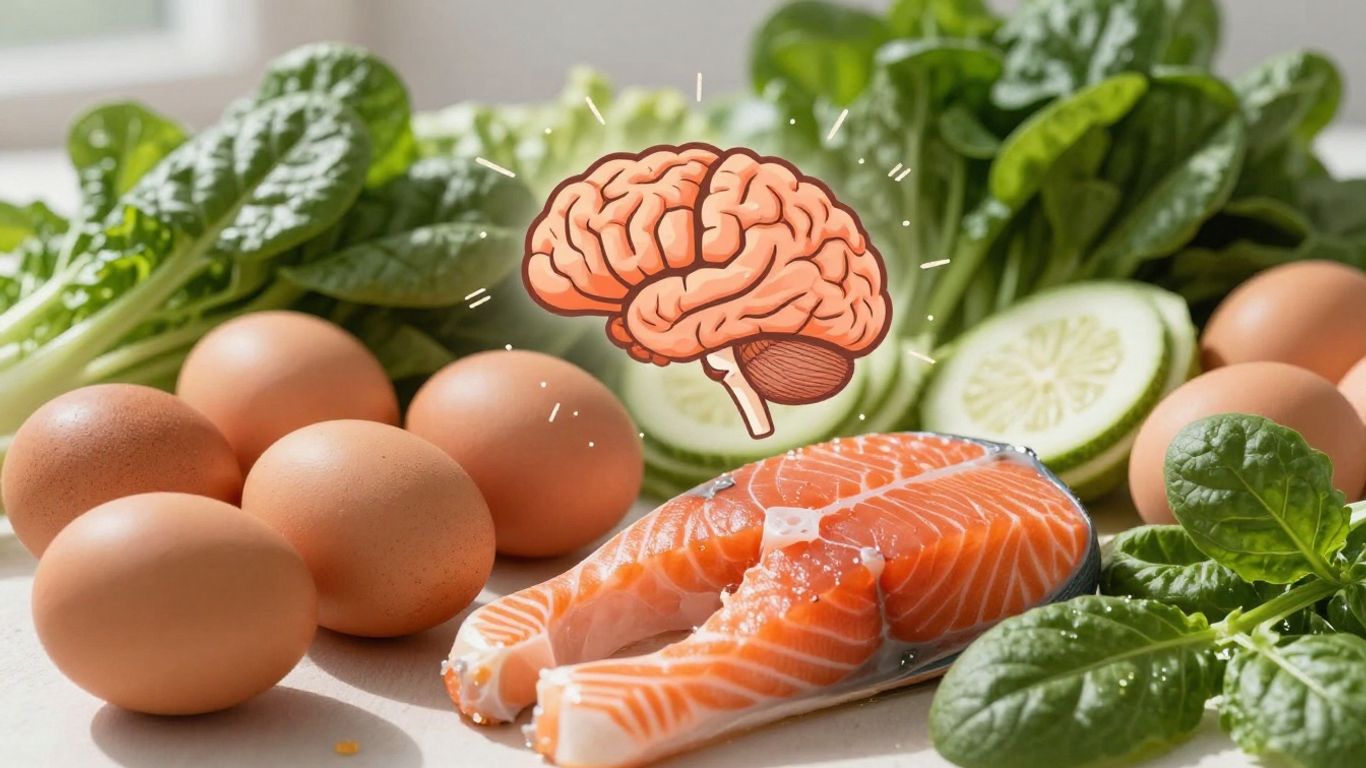
You know, we hear a lot about vitamins and minerals, but there’s this other thing called choline that’s super important, especially for how our bodies process food and for our brains. It’s one of those nutrients that many of us probably aren’t getting enough of, and it plays a big role in things like keeping our cells healthy and making sure our brain can send messages properly. So, let’s talk about where to find this stuff and how much we should aim for, focusing on how choline for metabolism really matters.
Key Takeaways
- Choline is an essential nutrient that your body needs for several functions, including metabolism and brain health.
- Many people don’t get enough choline from their diet, falling short of the recommended daily intake.
- Good sources of choline include eggs, salmon, beef liver, chicken liver, and soybeans.
- Adequate choline intake is linked to better brain function and may help reduce the risk of certain neurological conditions.
- Aiming for the recommended daily intake of choline is important for overall health, particularly for metabolism and cognitive well-being.
1. Eggs
When we talk about choline, eggs often come up first, and for good reason. They’re a really accessible and common food that packs a good amount of this important nutrient. A single large egg can provide about 125 milligrams of choline, which is a significant chunk of your daily needs.
Most of the choline in an egg is found in the yolk. This is why egg yolks are such a concentrated source, offering around 680 mg per 100 grams. It’s pretty impressive when you think about it – you’d have to drink over three cups of nonfat milk or eat a good amount of wheat germ to get the same choline from just one egg.
Here’s a quick look at how eggs stack up:
- Choline Content: Approximately 125 mg per large egg.
- Calories: Around 72 calories per large egg.
- Primary Source: Egg yolks contain the majority of the choline.
It’s interesting to note that while eggs are a concentrated source, other foods like milk might contribute more choline to the overall diet for some people simply because they’re eaten more often. However, for those aiming to meet their choline targets, especially per calorie, eggs are a standout choice. Adding just one egg a day could make a big difference in meeting recommended intake levels, particularly for pregnant women and older adults.
While eggs are celebrated for their choline content, it’s worth remembering they also contain cholesterol. Current health advice often suggests limiting cholesterol intake, which can sometimes lead people to cut back on eggs. However, for many, the benefits of choline from eggs outweigh these concerns, especially when consumed as part of a balanced diet.
2. Salmon
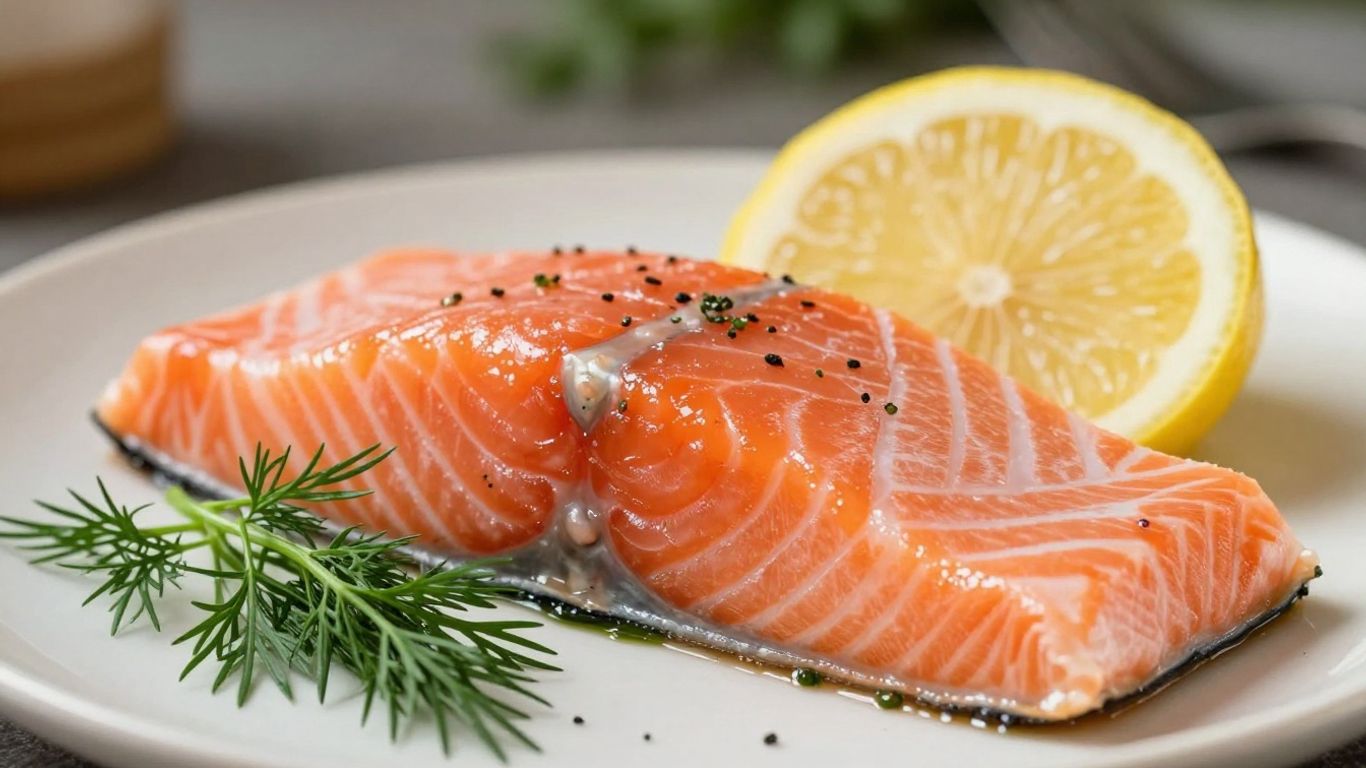
When we talk about getting enough choline, salmon often comes up, and for good reason. This fatty fish is a pretty good source, offering a nice dose of choline along with all those omega-3s we hear so much about. It’s not quite as packed as some of the organ meats, but it’s a much more accessible option for many people.
Including salmon in your diet a couple of times a week can make a real difference in your choline intake. It’s a versatile fish, too. You can bake it, grill it, or even enjoy it smoked. Each preparation method still provides that beneficial choline.
Here’s a general idea of the choline content in salmon:
| Type of Salmon | Serving Size | Approximate Choline (mg) |
|---|---|---|
| Sockeye, smoked | 3 oz | 187 |
| Atlantic, cooked | 3 oz | ~100-150 (varies) |
It’s interesting to think about how different types and preparations can affect the nutrient levels. While the exact numbers can shift, the takeaway is that salmon is a solid contributor to your daily choline needs. Plus, it’s just plain good for you in so many other ways.
The body can make some choline, but it’s not usually enough to meet our needs, especially for certain groups like pregnant women. That’s why getting it from food sources like salmon is so important for overall health and brain function.
3. Broccoli
When you think about healthy foods, broccoli probably pops into your head pretty quickly. It’s a powerhouse of vitamins and fiber, and it also contributes a decent amount of choline to your diet. While it might not be as packed with choline as some animal products, it’s a really solid plant-based option.
Broccoli is a great way to get some choline into your system, especially if you’re looking for more plant-focused foods. A cup of cooked broccoli can give you around 62 mg of this important nutrient. That’s a good chunk, especially when you’re trying to meet your daily needs.
Here’s a quick look at how broccoli stacks up:
- Choline Content: Around 62 mg per cup (cooked).
- Other Benefits: Rich in Vitamin C, Vitamin K, and fiber.
- Versatility: Can be steamed, roasted, stir-fried, or even eaten raw.
It’s easy to add broccoli to meals. Think about tossing some steamed florets into a pasta dish, adding it to a stir-fry, or serving it as a side with your favorite protein. It’s a simple way to boost your nutrient intake without a lot of fuss.
Getting enough choline is important for many body functions, including brain health and metabolism. While animal products often have higher amounts, vegetables like broccoli play a key role in a balanced diet, offering a good source of this nutrient alongside many other beneficial compounds.
4. Cauliflower
Cauliflower might not be the first food that comes to mind when you think about choline, but it actually contributes a decent amount to your intake, especially if you eat a lot of vegetables. While it’s not as packed as liver or eggs, it’s still a good plant-based option to keep in mind.
One half-cup serving of cooked cauliflower has about 24 mg of choline. It’s not a huge number compared to some other foods, but it adds up, particularly if you’re aiming to get choline from a variety of sources. Plus, cauliflower is super versatile in the kitchen.
Here’s a quick look at how cauliflower stacks up against some other common veggies:
- Broccoli (cooked, 1/2 cup): Around 15 mg of choline
- Brussels sprouts (cooked, 1 cup): Around 63 mg of choline
- Cauliflower (cooked, 1/2 cup): Around 24 mg of choline
Cauliflower is a cruciferous vegetable, meaning it’s in the same family as broccoli, cabbage, and Brussels sprouts. These veggies are known for their health benefits, and while they aren’t the top sources of choline, they are still valuable contributors to a balanced diet. Getting choline from a mix of foods is always a good strategy.
So, while you’ll want to focus on richer sources like eggs and liver for the bulk of your choline, don’t forget about cauliflower. Roasting it brings out a nice nutty flavor, and it can be a great addition to stir-fries or even mashed as a side dish. Every little bit helps when it comes to meeting your daily choline needs.
5. Beef Liver
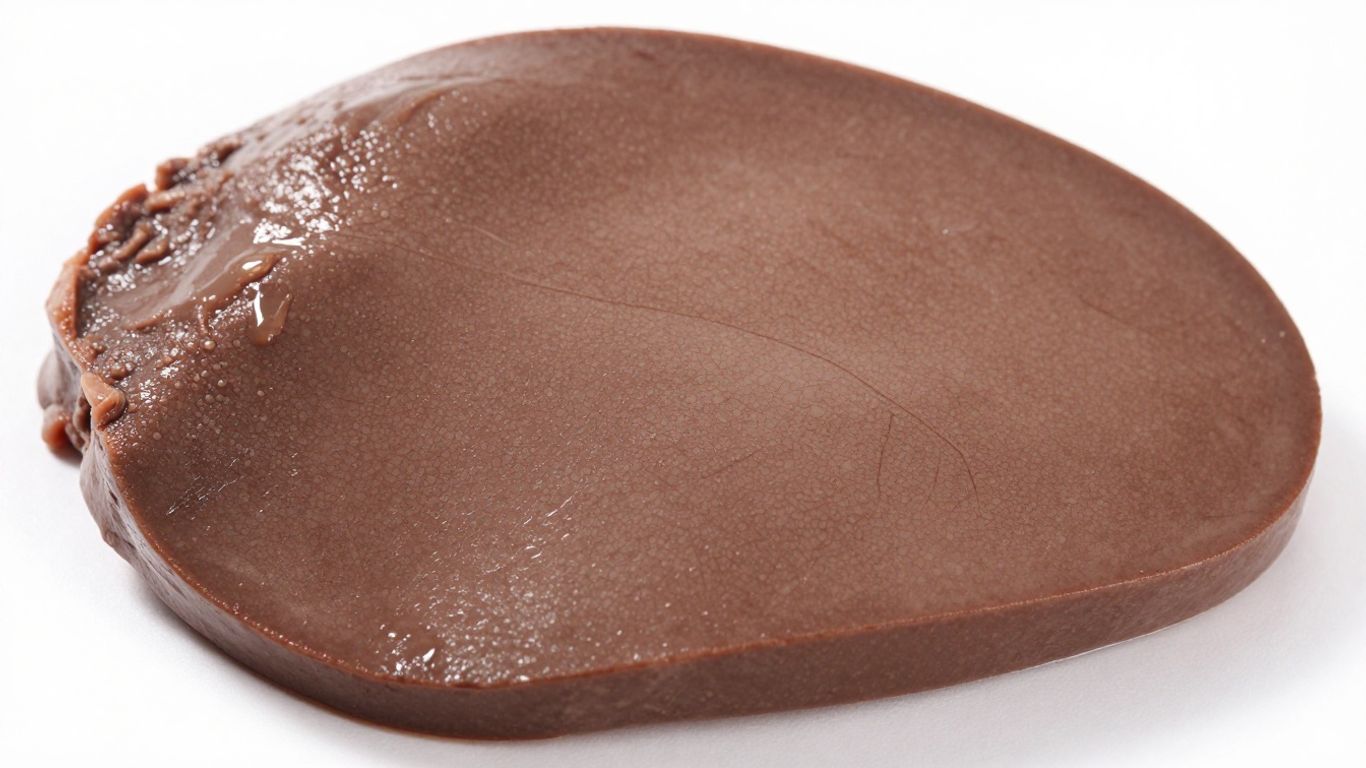
When we talk about powerhouse foods for choline, beef liver often tops the list. It’s not just a good source; it’s one of the richest sources available, packing a serious nutritional punch.
For those looking to significantly boost their choline intake, beef liver is a fantastic option. A typical 3-ounce serving can provide well over the daily recommended intake for most adults. This makes it a highly efficient way to meet your needs, especially if you’re concerned about brain health, liver function, or muscle movement.
Here’s a look at the approximate choline content in beef liver:
| Serving Size | Choline (mg) |
|---|---|
| 3 ounces | ~350-400 |
Incorporating beef liver into your diet can be a game-changer for choline levels. While the taste might not be for everyone, its nutritional benefits are undeniable. It’s also a great source of other vital nutrients like vitamin A, iron, and B vitamins, making it a truly nutrient-dense food.
If you’re new to organ meats, starting with a small portion or mixing it with other ingredients can help ease you in. It can be pan-fried, added to stews, or even ground into pâtés. Remember, consistency is key when aiming to meet your daily nutrient targets.
6. Chicken Liver
When we talk about choline-rich foods, chicken liver often comes up, and for good reason. It’s a powerhouse of this essential nutrient. Just a 3-ounce serving can pack a significant punch, often providing well over the daily adequate intake for many adults. This makes it a really efficient way to boost your choline levels, which is important for everything from keeping your liver healthy to supporting brain function.
Chicken liver is one of the most concentrated sources of choline available.
It’s not just about the choline, though. Chicken liver also offers a good amount of other nutrients like iron, vitamin A, and B vitamins, making it a nutrient-dense food choice overall. However, due to its high vitamin A content, it’s best consumed in moderation, especially for pregnant individuals. Balancing its intake with other foods is key.
Here’s a look at the approximate choline content in a 3-ounce serving of cooked chicken liver:
| Nutrient | Amount (mg) |
|---|---|
| Choline | ~247 |
For those looking to significantly increase their choline intake, chicken liver is a top contender. Its bioavailability means your body can readily use the choline it provides, supporting critical functions like cell structure and neurotransmitter production.
7. Egg Yolks
When we talk about choline, egg yolks often come up as a top contender. And for good reason! They’re packed with this essential nutrient. A single large egg yolk can provide a significant portion of your daily choline needs. It’s pretty amazing how much goodness is packed into such a small package.
Choline plays a big role in a lot of bodily functions, like keeping your brain working well and helping your metabolism do its thing. It’s involved in building cell membranes and is needed for making certain chemicals that help your nerves communicate.
Here’s a look at how egg yolks stack up:
- Concentration: Egg yolks are one of the most concentrated sources of choline available. You get a lot of choline for the calories.
- Versatility: They’re easy to add to meals. Think scrambled eggs, omelets, or even whisked into sauces.
- Other Nutrients: Beyond choline, yolks also offer vitamins like A, D, E, and K, plus B vitamins and minerals.
It’s worth noting that while the whole egg is great, most of the choline is found in the yolk. So, if you’re really focusing on boosting your choline intake, don’t skip the yolk!
Many people don’t get enough choline, and egg yolks are a simple, accessible way to help bridge that gap. They’re a nutrient-dense food that supports brain health and metabolic processes.
8. Beef
Beef is another solid player when it comes to choline. It’s a readily available protein source that many people include in their weekly meals. While not as concentrated as liver, beef still offers a good amount of this important nutrient.
Lean cuts of beef can be a great way to get your choline without a lot of extra fat. It’s a versatile meat that can be prepared in many ways, making it easy to incorporate into your diet.
Here’s a look at the choline content in a few common beef cuts (amounts are approximate and can vary):
| Cut of Beef | Serving Size | Choline (mg) |
|---|---|---|
| Beef Liver, cooked | 3 oz | 247 |
| Beef, lean, cooked | 3 oz | ~70-90 |
| Beef, ground, 90% lean | 3 oz | ~60-70 |
Remember that cooking methods can affect nutrient levels, but beef remains a significant contributor to dietary choline for many.
When thinking about beef, consider these points:
- Variety is key: Different cuts offer varying amounts of choline. Leaner options are generally recommended for overall health.
- Preparation matters: Grilling, roasting, or pan-searing can all be healthy ways to cook beef.
- Portion control: Enjoying beef as part of a balanced meal is the best approach.
Including beef in your diet can help you meet your choline needs, supporting both your metabolism and brain function.
9. Chicken
Chicken is a pretty common food, and it turns out it’s a decent source of choline. While it might not pack the same punch as liver or eggs, it’s still a good option to include in your diet if you’re looking to boost your choline intake. You can find choline in both the dark and white meat, though the amounts can vary a bit.
When we look at the numbers, a 3-ounce serving of roasted chicken with skin provides about 56 mg of choline. It’s not the highest amount on the list, but it adds up, especially if you eat chicken regularly. Incorporating chicken into your meals can contribute meaningfully to your daily choline needs.
Here’s a quick look at how chicken stacks up:
- White Meat vs. Dark Meat: Generally, dark meat tends to have slightly more choline than white meat, but both are good sources.
- Skin On or Off: The skin can add a bit more choline, but it also adds fat, so it’s a trade-off to consider based on your dietary goals.
- Preparation Matters: How you cook your chicken can affect its nutrient profile, but the choline content remains relatively stable.
It’s easy to see why chicken is a staple for many people. It’s versatile, widely available, and offers a good amount of this important nutrient. So, next time you’re planning your meals, remember that chicken can play a role in supporting your metabolism and brain health through its choline content.
10. Soybeans
Soybeans are a plant-based powerhouse when it comes to choline. If you’re looking for a good source of choline that fits into a vegetarian or vegan diet, soybeans are definitely worth considering. They’re quite versatile too, showing up in many forms like tofu, tempeh, and edamame.
While not as concentrated as animal sources like liver or eggs, soybeans offer a significant amount of choline, making them a valuable addition to a balanced diet. A cup of defatted soy flour, for instance, can provide a good chunk of your daily needs. This makes them a great option for those who avoid animal products or are simply looking to diversify their choline intake.
Here’s a look at how soybeans stack up in terms of choline content:
- Soy flour (defatted): Around 201 mg per cup.
- Tofu (firm): Typically contains about 47 mg per half-cup.
- Edamame (shelled): Offers roughly 35 mg per half-cup.
It’s interesting to note that soy-derived infant formulas have historically had lower choline concentrations compared to human milk. This highlights the importance of understanding the specific forms and amounts of nutrients in different food products, especially for vulnerable populations.
Incorporating soybeans into your meals can be straightforward. Think about adding edamame as a snack, using tofu in stir-fries, or even blending soy milk into smoothies. Their mild flavor means they can adapt to many different dishes without overpowering other ingredients.
Soybeans are a fantastic food choice! They’re packed with good stuff that can help you feel your best. Thinking about adding more plant-based power to your meals? Learn how soybeans can fit into your healthy eating plan by visiting our website today!
Wrapping Up: Making Choline Work for You
So, we’ve talked a lot about choline – what it does for your body, from helping your brain work better to keeping your metabolism humming along. It’s pretty clear that getting enough of this nutrient is important, even though many of us aren’t hitting the daily targets. The good news is, there are plenty of tasty foods out there that are packed with choline, like eggs and broccoli, so you can boost your intake naturally. While supplements are an option, focusing on whole foods is usually the way to go. Keep these points in mind as you plan your meals, and you’ll be well on your way to supporting your overall health.
Frequently Asked Questions
What exactly is choline and why is it important?
Choline is a nutrient that your body needs to function properly. It’s super important for building cell membranes, making brain chemicals that help with memory, and moving fats around in your body. Think of it as a building block and a messenger system for your body!
How much choline do I need each day?
The amount of choline you need changes a bit depending on if you’re a man or a woman. For adult women, it’s about 425 milligrams a day, and for adult men, it’s around 550 milligrams a day. Pregnant and breastfeeding women might need a bit more.
Can I get enough choline from food alone?
Yes, you can! Many common foods are packed with choline. Eating a variety of these foods can help you reach your daily goal. However, many people in the U.S. don’t get enough choline from their diet.
What happens if I don’t get enough choline?
If your body doesn’t get enough choline, it can lead to problems like fatty liver or muscle damage. It’s also linked to issues with brain health, especially as we get older.
Are there any risks to eating too much choline?
It’s pretty hard to get too much choline just from food. However, taking very large doses of choline supplements can cause side effects like sweating, diarrhea, nausea, and a fishy body odor. There’s a safe upper limit, and it’s unlikely you’ll reach it through diet alone.
Does choline help with brain function and memory?
Choline is a key ingredient in making acetylcholine, a chemical messenger in your brain that’s vital for learning and memory. Some studies suggest that getting enough choline might help keep your brain sharp as you age.
Is choline important during pregnancy?
Absolutely! Choline plays a big role in a baby’s brain development while they are still in the womb. Getting enough choline during pregnancy can help prevent certain birth defects and support healthy brain growth.
Can my gut bacteria affect how my body uses choline?
Yes, your gut microbes can influence how much choline you absorb from food and how your body processes it. They can even change choline into other substances that might affect your health.