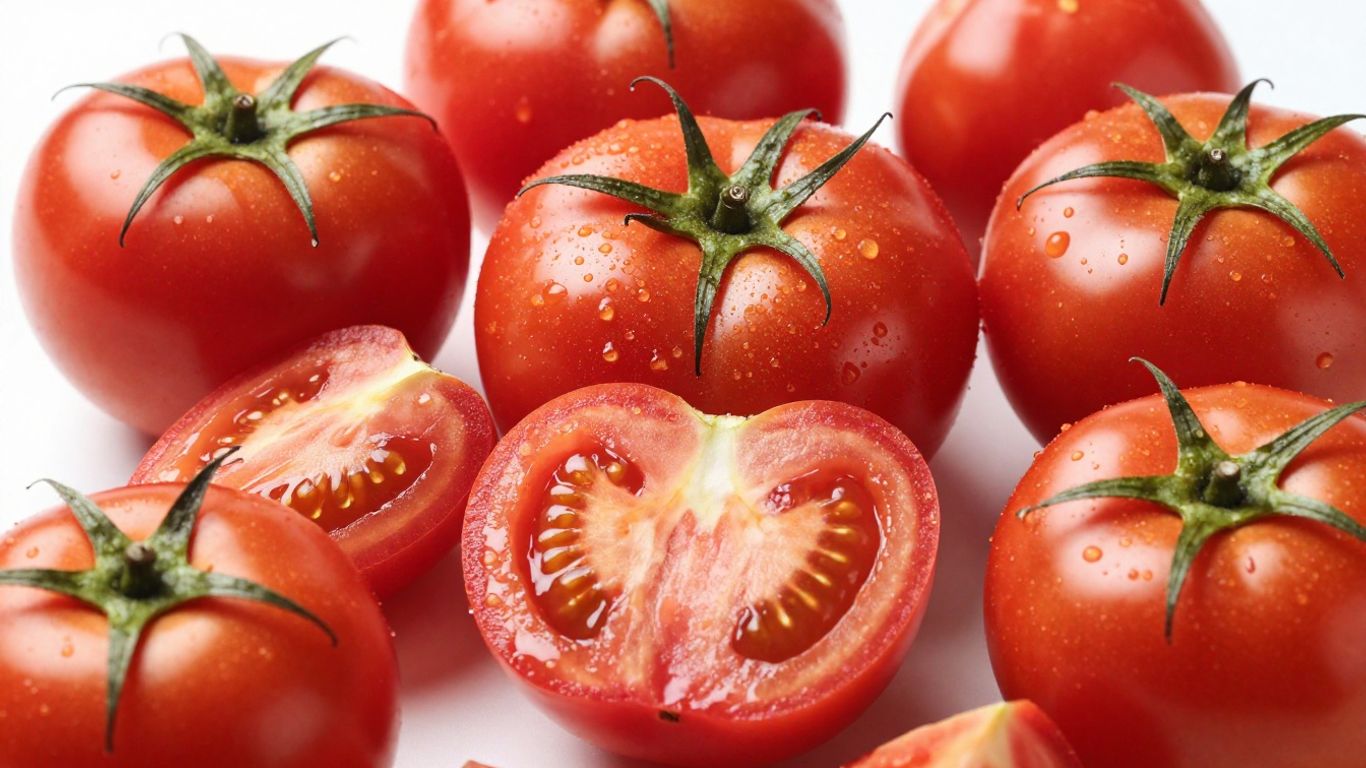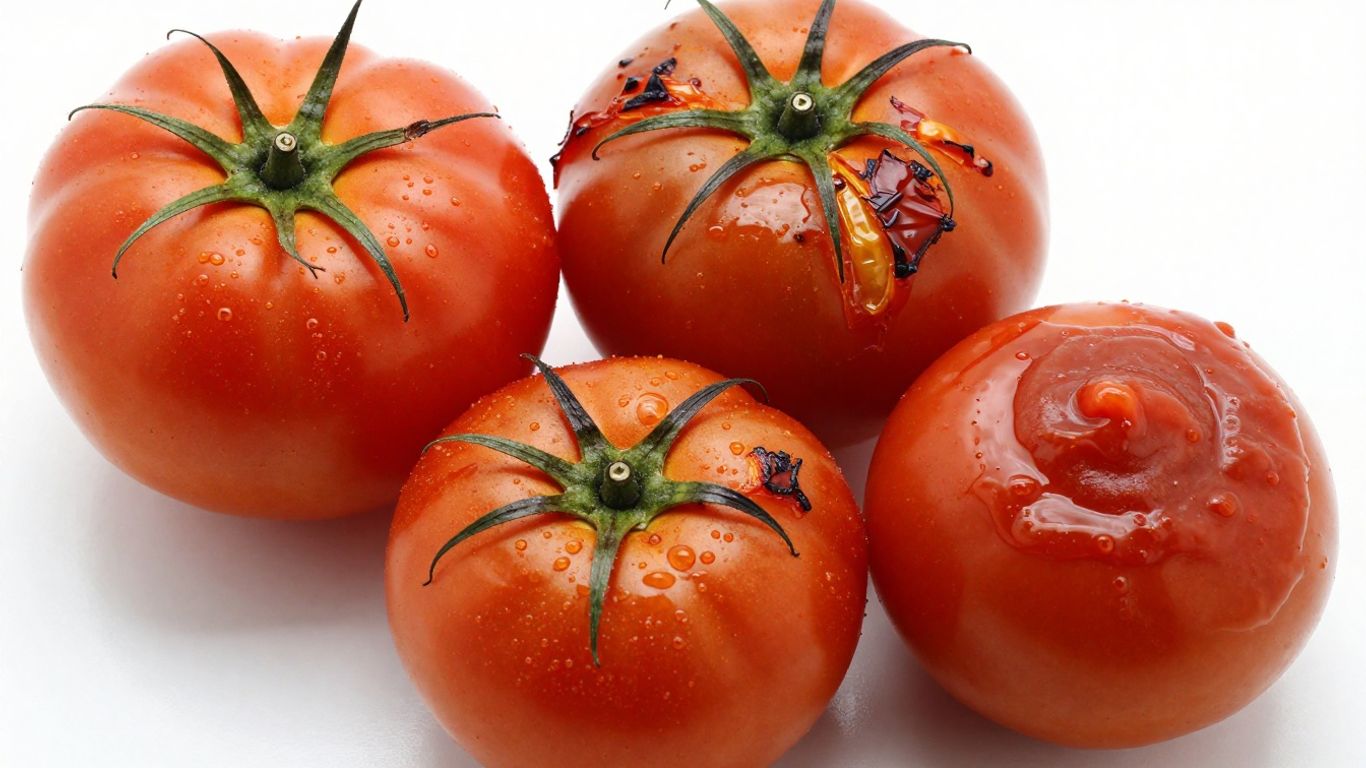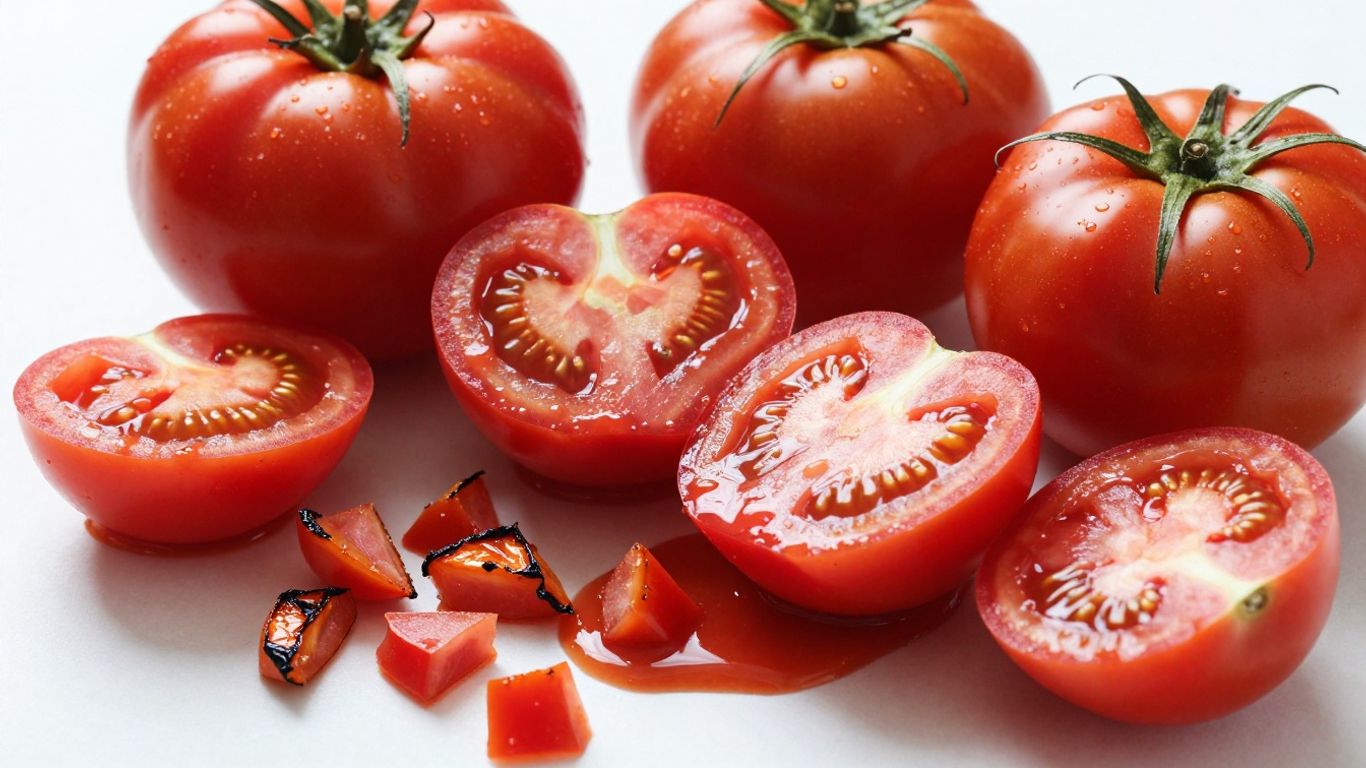
Tomatoes are pretty amazing, right? You can do so much with them, from just slicing them up to cooking them down into a rich sauce. This guide is all about exploring those different ways to use tomatoes, whether you’re making a simple marinara or trying something a little more involved. We’ll cover how to pick the best ones, how to cook them to get the most flavor, and some ideas for what to do with all that delicious tomato goodness. It’s a real tomato masterclass, focusing on simple steps for great results.
Key Takeaways
- For marinara sauce, good quality canned San Marzano tomatoes are often a top choice because they offer consistent flavor and require less prep than fresh ones.
- Sautéing onions until soft before adding garlic builds a good flavor base, and a little sugar can help balance the tomato’s tartness.
- Herbs like oregano and basil are important; add dried herbs early to infuse flavor and fresh herbs at the end for brightness.
- Using good quality extra virgin olive oil is recommended as it’s a main flavor component in simple tomato sauces.
- Allowing the sauce to simmer slowly for at least an hour helps flavors meld and mellow, leading to a richer, more complex taste.
Mastering the Marinara: A Tomato Masterclass
The Humble Origins of Marinara
Marinara sauce, that simple yet satisfying tomato sauce, has a history that’s as rich as its flavor. While its exact beginnings are a bit hazy, one popular story links it to Italian sailors centuries ago. The name itself, "marinara," translates to "seafaring," suggesting it was a staple for those who spent time at sea. Its ability to keep well and its straightforward preparation made it a practical choice. Today, it’s a beloved classic, often called the "little black dress" of Italian-American cooking because it’s so versatile and always a good choice.
Why Tomatoes Are the Star
Tomatoes are the heart and soul of marinara. Their natural sweetness, acidity, and umami create a flavor profile that’s hard to beat. When cooked down, they transform into a rich, vibrant sauce that forms the base for countless dishes. The quality of the tomatoes you use really makes a difference in the final taste. It’s all about letting that natural tomato goodness shine through.
Understanding San Marzano Tomatoes
When it comes to marinara, not all tomatoes are created equal. Many chefs and home cooks swear by San Marzano tomatoes, especially those grown in the Campania region of Italy. These tomatoes are known for their balanced sweetness and lower acidity, which results in a smoother, more concentrated flavor. True San Marzanos often carry a DOP (Denominazione d’Origine Protetta) certification, a mark of authenticity. While fresh tomatoes are wonderful when in season, canned San Marzanos, picked at their peak and packed, often provide a more consistent and intense tomato flavor for sauces, especially when fresh tomatoes aren’t at their best.
| Tomato Type | Key Characteristics |
|---|---|
| San Marzano (DOP) | Sweet, low acidity, concentrated flavor, meaty texture |
| Other Canned | Variable quality, can be more acidic |
| Fresh (out of season) | Can be watery, less flavorful, requires peeling/seeding |
The magic of a great marinara lies in its simplicity. It’s about letting a few quality ingredients speak for themselves. Don’t overcomplicate it; focus on good tomatoes, good olive oil, and a little patience.
The Art of Raw Tomato Preparation
Selecting the Finest Fresh Tomatoes
When you’re working with tomatoes straight from the vine or the market, picking the right ones makes all the difference. Look for tomatoes that feel firm but give just a little when gently squeezed. Their color should be deep and even, without any major bruises or soft spots. Heirloom varieties, with their varied shapes and colors, often bring a unique sweetness and complexity that standard supermarket tomatoes might lack. Don’t be afraid to smell them; a ripe tomato will have a wonderfully fragrant, earthy aroma.
Simple Preparations for Peak Flavor
Working with fresh tomatoes means letting their natural taste shine. For a simple salad, slicing them thick and arranging them on a plate is a great start. A quick dice is perfect for adding to bruschetta or a fresh salsa. Sometimes, all you need is a good tomato, sliced, with a drizzle of olive oil and a pinch of salt. It sounds basic, but when the tomato is good, it really doesn’t need much else.
- Slicing: Ideal for sandwiches, salads, and eating as is.
- Dicing: Great for salsas, pico de gallo, and adding to grain bowls.
- Halving/Quartering: Perfect for roasting or adding to pasta dishes where you want larger pieces.
Enhancing Freshness with Seasonings
Even the simplest preparations can be made better with a few thoughtful additions. A sprinkle of flaky sea salt can really bring out the tomato’s natural sweetness. Freshly cracked black pepper adds a nice bite. For a classic touch, a few torn basil leaves or a bit of fresh oregano can transform a plain tomato into something special. A light drizzle of good quality olive oil ties everything together, adding a fruity richness.
The goal with raw tomatoes is to highlight their inherent qualities. Think about what you’re pairing them with and choose seasonings that complement, rather than overpower, their bright, juicy flavor.
Unlocking Deeper Flavors Through Roasting
![]()
Roasting tomatoes is a game-changer. It takes them from bright and fresh to something deeper, sweeter, and more complex. Think about it: when you roast vegetables, the heat works its magic, concentrating their natural sugars and creating these wonderfully browned bits that add so much character. Tomatoes are no different. This process transforms their texture and taste, making them perfect for sauces, soups, or just enjoying on their own.
The Magic of Roasted Tomatoes
When tomatoes are roasted, their water content evaporates. This concentrates their flavor, making them taste more intensely tomato-y. The heat also breaks down their cell walls, releasing sugars and creating those delicious caramelized edges. It’s a simple technique that really brings out the best in them, turning a familiar ingredient into something special.
Achieving Caramelization and Sweetness
Caramelization is what happens when the natural sugars in the tomatoes are exposed to heat and begin to brown. This process is responsible for the sweet, slightly nutty flavor that roasted tomatoes develop. The longer they roast, the more caramelization occurs, leading to a richer, sweeter taste. It’s this sweetness that helps balance out any natural acidity the tomatoes might have.
Roasting Techniques for Intense Taste
There are a few ways to get the most out of roasting tomatoes. The key is to give them enough time and the right temperature to allow for proper caramelization without burning.
- High Heat, Shorter Time: Roasting at a higher temperature (around 400-425°F or 200-220°C) for a shorter period can give you nicely browned edges and a tender interior. This is great if you want to keep some of the tomato’s fresh character while still getting some roasted depth.
- Lower Heat, Longer Time: Roasting at a lower temperature (around 300-350°F or 150-175°C) for a longer duration allows for more gentle cooking. This method can lead to a more uniform softening and deeper flavor development, almost like slow-cooking.
- Halved or Quartered: Cutting tomatoes in half or quarters exposes more surface area to the heat, promoting faster and more even roasting. For smaller tomatoes like cherry or grape varieties, roasting them whole is often best.
The goal with roasting is to coax out the inherent sweetness and depth of the tomato. It’s not about cooking them until they fall apart, but rather until their sugars have concentrated and their edges have just begun to turn a rich, golden brown. This transformation is subtle but significant, adding a new dimension to their flavor profile.
Here’s a quick guide to roasting different types of tomatoes:
| Tomato Type | Preparation | Temperature (°F/°C) | Time (approx.) | Notes |
|---|---|---|---|---|
| Cherry/Grape | Whole or halved | 400°F / 200°C | 15-25 minutes | Roast until skins start to burst. |
| Roma/Plum | Halved or quartered | 400°F / 200°C | 25-35 minutes | Seeds can be removed before roasting. |
| Beefsteak/Large | Sliced or wedged | 375°F / 190°C | 30-45 minutes | Can be a bit watery; longer roasting helps. |
Remember to toss your tomatoes with a little olive oil, salt, and pepper before roasting. You can also add garlic cloves, herbs like thyme or rosemary, or even a pinch of red pepper flakes for extra flavor.
Crafting the Perfect Tomato Sauce
Making a truly great tomato sauce isn’t complicated, but it does take a little care. It’s the kind of thing that can make or break a meal, right? Whether it’s for pasta, pizza, or something else entirely, a good sauce is a game-changer. Let’s talk about how to get it right.
Choosing the Right Tomatoes for Sauce
When you’re making sauce, the tomato is the main event. For that classic, rich flavor, especially if you’re aiming for something like a marinara, canned tomatoes often have an edge. They’re picked when they’re at their best and packed, so you get that concentrated taste year-round. If you can find them, San Marzano tomatoes are a top pick. They have a nice balance of sweetness and acidity, which makes for a really satisfying sauce. While fresh tomatoes are wonderful when they’re in season, they can be a bit unpredictable, and you’ll often need to peel and seed them first, which adds extra steps.
Building a Flavorful Sauce Base
Getting the foundation right is key. Start by gently cooking down some onions in good olive oil until they’re soft and a little golden. This brings out their natural sweetness. Then, add your garlic, but just for a minute or so until it smells good – you don’t want it to burn. A little pinch of sugar can also help balance out the natural tartness of the tomatoes. This simple step creates a really nice depth of flavor before the tomatoes even go in.
The Importance of Slow Simmering
This is where the magic really happens. Once your tomatoes and base flavors are together, let the sauce simmer. And I mean slowly. Keep the heat low, just enough for gentle bubbles. Stir it now and then to make sure nothing sticks to the bottom. The longer it simmers, the more the flavors get to know each other and deepen. An hour is good, but if you have more time, let it go even longer. This slow cooking mellows out any sharp edges and creates a really smooth, rich sauce.
Here’s a quick look at what goes into a basic, flavorful sauce:
| Ingredient | Role |
|---|---|
| Canned Tomatoes | The body and primary flavor |
| Olive Oil | Adds richness and carries other flavors |
| Onion | Sweetness and aromatic base |
| Garlic | Pungent flavor |
| Herbs (e.g., basil, oregano) | Freshness and aromatic complexity |
| Salt & Pepper | To taste, balances and brings out flavors |
| Pinch of Sugar (optional) | Balances acidity |
Patience is really the secret ingredient here. Rushing the simmer means you miss out on the full flavor development. Let those tomatoes do their thing over a low heat, and you’ll be rewarded with a sauce that tastes like it’s been simmering for hours, even if it hasn’t been quite that long.
Essential Ingredients for Superior Sauces
Making a truly great tomato sauce isn’t about complicated techniques; it’s about understanding how a few key ingredients work together. Think of it like building a solid foundation for a house – you need the right materials to make sure everything else stands up.
The Role of Quality Olive Oil
Olive oil is more than just a cooking medium here; it’s a flavor component. For sauces, especially those with a simple profile like marinara, the quality of your olive oil really shines through. A good extra virgin olive oil, ideally cold-pressed, brings a fruity richness that complements the tomatoes without overpowering them. It doesn’t need to be the most expensive bottle on the shelf, but choosing one with a pleasant flavor makes a noticeable difference. It’s one of those ingredients where you can taste the difference between ‘just okay’ and ‘really good’.
Balancing Acidity with Sweetness
Tomatoes, by nature, have a certain tang. While this acidity is part of their charm, too much can make a sauce taste sharp or unbalanced. A little bit of sweetness can go a long way in smoothing out those edges. This doesn’t mean dumping sugar into your sauce. Often, a pinch of sugar added during the cooking process is enough. Another way to achieve this balance is by using naturally sweeter tomatoes or by allowing the tomatoes to caramelize slightly during cooking, which brings out their inherent sugars.
The Power of Fresh and Dried Herbs
Herbs are the soul of many tomato sauces. They add layers of aroma and taste that transform a simple tomato base into something special. Dried herbs, like oregano, are great for infusing flavor during a long simmer. They release their essence slowly, building a deep, savory background note. Fresh herbs, such as basil, are best added towards the end of cooking. This preserves their bright, vibrant flavor and aroma, offering a fresh counterpoint to the cooked sauce. Don’t forget about bay leaves, too; they add a subtle complexity that’s hard to pinpoint but easy to miss when they’re absent.
Here’s a quick guide to common sauce herbs:
- Oregano (Dried): Add early in simmering for deep flavor.
- Basil (Fresh): Stir in at the end for brightness.
- Thyme (Fresh or Dried): Adds an earthy note, good for longer simmers.
- Rosemary (Fresh): Use sparingly; potent flavor, best added mid-simmer.
- Bay Leaf: Add one or two during simmering for subtle depth.
When building your sauce, think about how each ingredient contributes. The olive oil provides a smooth base, the tomatoes offer body and flavor, a touch of sweetness tames the tang, and herbs bring the aromatic finish. It’s a simple equation, but getting the proportions and quality right is key.
Elevating Your Tomato Masterclass Experience
Tips for Achieving Richness Without Acidity
Getting that deep, satisfying tomato flavor without a sharp, acidic bite is a common goal. It often comes down to a few key steps. Start by gently cooking your aromatics, like onions and garlic, in good olive oil until they’re soft and sweet. This builds a mellow foundation. A tiny pinch of sugar can also help balance the natural acidity of the tomatoes. The real magic, however, happens with time. Slow simmering is your best friend here. Letting the sauce bubble gently for at least an hour, or even longer if you can, allows the flavors to really meld and the tomato’s brightness to mellow into something richer.
The Impact of Ingredient Quality
When you’re working with simple ingredients like tomatoes, olive oil, and herbs, their individual quality really shines through. Think of it like a painter choosing their colors; each pigment matters. Using good quality canned tomatoes, especially varieties like San Marzano if you can find them, provides a consistent, deep flavor that fresh tomatoes might not offer year-round. Similarly, a flavorful extra virgin olive oil isn’t just a cooking medium; it’s a flavor component. Don’t be afraid to spend a little more on these core items – it makes a noticeable difference.
Patience in Simmering for Flavor Development
This is where many home cooks can really make their sauces sing. Rushing the simmer is like trying to rush a good conversation; you miss the nuances. A low, slow simmer for an extended period is what transforms a good tomato sauce into a great one. It’s during this patient cooking that the water evaporates, concentrating the tomato flavor, and the sugars caramelize slightly, adding depth. Stirring occasionally is important to prevent sticking, but otherwise, just let it do its thing. The longer it simmers, the more complex and satisfying the final result will be.
The difference between a decent sauce and a truly memorable one often lies not in complicated techniques, but in the deliberate application of time and attention to quality ingredients. It’s about respecting the process and allowing the natural flavors to develop fully.
Versatile Applications of Tomato Sauces
![]()
Think of a good tomato sauce as the culinary equivalent of a trusty pair of jeans – it just works with almost everything. It’s the foundation for so many dishes, from the most comforting pasta nights to creative pizzas and even as a flavorful dip. Its adaptability is truly its superpower.
Classic Pasta Pairings
This is where tomato sauce truly shines. Whether you’re tossing spaghetti with a simple marinara, layering lasagna with a rich bolognese-style sauce, or coating penne with a spicy arrabbiata, the sauce is the star. It clings to the pasta, infusing every bite with its bright, savory flavor. Don’t be afraid to experiment with different pasta shapes; the sauce’s texture and consistency can complement everything from delicate angel hair to hearty rigatoni.
Beyond Pasta: Pizzas and Dipping Sauces
Pizza wouldn’t be pizza without a layer of tomato sauce. It provides that essential tangy base that balances the cheese and toppings. And let’s not forget its role as a dip. A warm, flavorful tomato sauce is perfect for dunking mozzarella sticks, fried ravioli, or even crusty bread. It’s a simple way to add a burst of flavor to appetizers.
Incorporating Sauce into Other Dishes
Tomato sauce isn’t just for pasta and pizza. It’s a fantastic ingredient to add depth to other meals. Consider using it in:
- Shakshuka: Poached eggs nestled in a spiced tomato sauce.
- Stuffed Peppers: A savory filling mixed with sauce and baked inside bell peppers.
- Eggplant Parmesan: Layers of fried eggplant, cheese, and rich tomato sauce.
- Soups and Stews: A spoonful can add a wonderful complexity and color.
A well-made tomato sauce can transform humble ingredients into something truly special. Its ability to meld with other flavors makes it a secret weapon in many kitchens.
Exploring Complementary Flavors
While tomato sauce is great on its own, pairing it with other ingredients can create magic. Think about how a simple brown butter sauce, with its nutty aroma, can be a delightful change of pace, especially when infused with fresh sage. This combination works beautifully with rich pasta fillings like butternut squash ravioli or gnocchi. The sage crisps up in the butter, adding a fragrant, slightly peppery note that cuts through the richness.
- Brown Butter: Adds a nutty depth.
- Sage: Offers a fragrant, herbaceous counterpoint.
- Aromatics: Garlic and onions, sautéed until soft, build a foundational flavor.
These pairings show that tomato sauce, in its many forms, is more than just a condiment; it’s a building block for incredible meals.
Exploring Complementary Flavors
The Nuances of Brown Butter Sauces
Brown butter, or beurre noisette as it’s known in French, is a simple yet transformative ingredient. When butter is gently heated, its milk solids toast, creating a rich, nutty aroma and a complex flavor profile that’s a world away from its fresh state. This process deepens the taste of any dish it touches. It’s fantastic on its own, but when you add fresh sage leaves to the browning butter, something magical happens. The sage crisps up, releasing its earthy, slightly peppery notes, which perfectly complement the butter’s nuttiness.
This combination is particularly wonderful with pasta dishes, especially those featuring fillings like butternut squash or ricotta. It also works beautifully with pan-seared meats and fish.
Sage: A Perfect Partner for Richness
Sage isn’t just a pretty herb; it’s a flavor powerhouse. Its distinct aroma and taste have a way of cutting through richness, providing a balancing counterpoint. When paired with the deep, toasted notes of brown butter, sage creates a sauce that is both comforting and sophisticated. The herb’s slightly bitter edge prevents the sauce from becoming too heavy, making each bite interesting.
Here’s a simple way to make a brown butter sage sauce:
- Melt Butter: Start with good quality butter in a light-colored pan over medium-low heat. This allows you to see the color change clearly.
- Add Sage: Once the butter begins to foam, add fresh sage leaves. Cook for about 3-5 minutes, letting the butter turn a nutty brown and the sage leaves become crisp.
- Finish: Remove from heat just as the foam subsides. A squeeze of lemon juice can add a bright finish if desired.
Enhancing Sauces with Aromatics
Beyond brown butter and sage, other aromatics can add layers of flavor to your tomato sauces. Think about finely minced garlic sautéed until fragrant, or perhaps a bay leaf simmered gently in the sauce to impart a subtle, woodsy note. Even a simple pinch of red pepper flakes can introduce a gentle warmth that awakens the palate. The key is to use these ingredients thoughtfully, allowing them to build complexity without overpowering the star – the tomato.
The subtle addition of aromatics can transform a good tomato sauce into a truly memorable one. It’s about building depth, one fragrant note at a time, creating a more rounded and satisfying flavor experience.
A Chef’s Perspective on Tomato Mastery
Expert Insights for Home Cooks
When it comes to making a truly great tomato sauce, whether it’s a quick weeknight marinara or a slow-cooked Sunday gravy, chefs often emphasize a few core principles. It’s not about fancy techniques or obscure ingredients; it’s about respecting the tomato and understanding how to coax out its best qualities. The foundation of any exceptional tomato dish lies in the quality of the tomatoes themselves. If you start with subpar fruit, no amount of cooking will make it truly shine. For sauces, especially those that cook down for a while, many chefs prefer good quality canned tomatoes, particularly San Marzanos. Why? Because they’re picked at their peak and packed at their freshest, offering a consistent, concentrated flavor that fresh tomatoes, especially out of season, often lack. Fresh tomatoes are wonderful, but they need to be at their absolute best and often require extra steps like peeling and seeding.
The Philosophy of Simple, Quality Ingredients
Chefs know that a few good ingredients, used well, are far better than a long list of mediocre ones. For tomato sauce, this means paying attention to the supporting cast. A good quality extra virgin olive oil isn’t just a cooking medium; it’s a flavor component. Look for one with a fruity, robust taste. Onions and garlic are usually the first to hit the pan, sautéed gently in that olive oil until soft and fragrant. This builds a sweet, aromatic base. Adding a tiny pinch of sugar can help tame the natural acidity of the tomatoes, bringing everything into balance. Herbs are also key. Dried oregano can be added early to infuse its flavor throughout the simmer, while fresh basil is often stirred in at the very end to preserve its bright, fresh aroma.
Achieving Restaurant-Quality Results
So, how do you get that rich, complex flavor you find in restaurant dishes? Patience is a big part of it. Slow simmering is where the magic happens. Letting a sauce bubble gently over low heat for at least an hour, or even longer, allows the flavors to meld and deepen. This slow cooking also helps to mellow out the tomato’s acidity, creating a smoother, more rounded taste. Stirring occasionally is important to prevent sticking, but otherwise, just let time do its work. The difference between a sauce simmered for 30 minutes and one simmered for two hours is noticeable – the longer simmer yields a sauce with more depth and character.
Here’s a quick rundown of key takeaways:
- Tomato Choice: Prioritize quality canned San Marzanos for sauces, or use peak-season fresh tomatoes.
- Flavor Base: Gently sauté onions until golden, then add garlic until fragrant.
- Acidity Balance: A pinch of sugar can help temper tomato acidity.
- Herb Strategy: Add dried herbs early, fresh herbs late.
- Simmer Time: Low and slow is the way to go for flavor development.
The best tomato sauces aren’t complicated. They’re built on good ingredients and a little bit of time. Don’t rush the process; let the flavors develop naturally. That’s where the real taste comes from.
Tomatoes are amazing, aren’t they? Whether you’re slicing them for a salad or simmering them into a sauce, there’s so much you can do with them. Learning the best ways to prepare them can really make your meals shine. Want to become a tomato pro? Visit our website to discover all the tips and tricks!
Bringing It All Together
So there you have it – the humble tomato, transformed. Whether you’re enjoying its bright, fresh taste in a simple salad, savoring the deep, concentrated sweetness from roasting, or simmering a rich, comforting sauce, the tomato proves its worth time and again. Each method brings out a different side of this amazing fruit. Don’t be afraid to experiment in your own kitchen; these techniques are just starting points. Happy cooking!
Frequently Asked Questions
What’s the best way to pick tomatoes for fresh dishes?
For fresh tomato recipes, always go for the best ones you can find! Look for tomatoes that feel firm and have a bright, rich color. Give them a gentle sniff; ripe tomatoes smell sweet and earthy. If they’re in season, that’s usually your best bet for amazing flavor.
Why are San Marzano tomatoes so special for sauce?
San Marzano tomatoes are like the superstars for tomato sauce. They grow in a special area in Italy and have a great balance of sweetness and a little tang. This makes them perfect for creating a sauce that’s rich and full of flavor without being too sour. Many chefs prefer them, especially the canned ones, because they taste great year-round.
How do I make my tomato sauce taste less acidic?
To cut down on the tartness, try cooking your onions slowly in olive oil until they’re soft and golden before adding other ingredients. A tiny pinch of sugar can also help balance out the acidity. And remember, letting the sauce simmer slowly for a good while lets the flavors get deeper and smoother.
What herbs are best for tomato sauce?
Basil and oregano are classic choices that work wonders in tomato sauce. Dried oregano can be added early to let its flavor soak in, while fresh basil added near the end keeps things bright and lively. A bay leaf tossed in while it simmers can add an extra layer of deliciousness.
Does the type of olive oil matter for marinara sauce?
Yes, absolutely! Since olive oil is a main flavor in simple sauces like marinara, using a good quality extra virgin olive oil makes a big difference. Look for one that tastes fruity and rich. It doesn’t need to be the most expensive, but don’t use the cheapest one you can find!
How long should I simmer tomato sauce for the best flavor?
Patience is key! Simmering your sauce for at least an hour, or even longer if you have the time, really lets the flavors develop and become richer. Keep it at a gentle simmer, with just a few bubbles, and stir it now and then. If you’re short on time, 30 minutes can work, but longer is always better for that deep taste.
Can I use marinara sauce for more than just pasta?
Definitely! Marinara sauce is super versatile. It’s fantastic on pizza, makes a great dipping sauce for things like mozzarella sticks or breadsticks, and is perfect for dishes like eggplant parmesan or stuffed peppers. It’s a real all-rounder in the kitchen!
What’s the secret to getting rich flavor without too much tang?
The magic lies in a few things: starting with a good base of sautéed onions and garlic, using quality tomatoes (like San Marzanos), balancing flavors with a touch of sweetness if needed, and most importantly, letting the sauce simmer slowly for a long time. This slow cooking melds all the flavors together beautifully.