
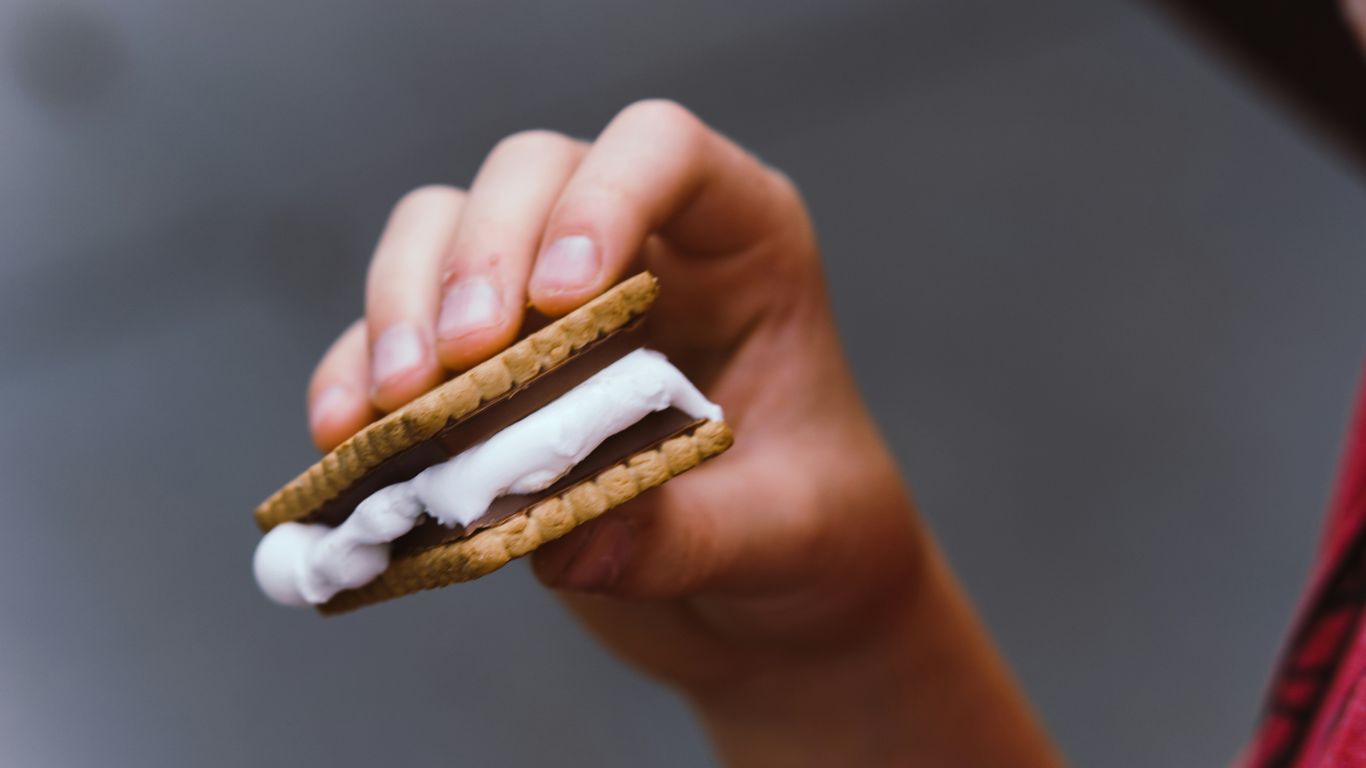
Snack urges can feel like they come out of nowhere, right? One minute you’re fine, the next you’re staring into the pantry. It’s a common struggle, but there are ways to fight back. This article is all about using something called competing response training to help manage those cravings. We’ll look at how to swap out those snack habits with different actions for your hands, mouth, and even your mind. It’s about retraining your brain, one urge at a time.
Key Takeaways
- Competing response training involves replacing unwanted snack habits with different actions to disrupt the habit loop.
- Physical replacements, like clenching your fists or taking a short walk, can interrupt the urge to snack.
- Finding alternative oral fixations, such as chewing gum or sipping water, can satisfy the need to put something in your mouth.
- Mental strategies, including reframing your thoughts and focusing on long-term goals, help manage snack urges.
- By identifying triggers and practicing new, incompatible behaviors, competing response training helps build healthier eating habits.
Understanding Snack Urges Through Competing Response Training
Snack urges can feel like they come out of nowhere, right? One minute you’re fine, the next you’re staring into the pantry. This is where competing response training comes in. It’s all about understanding the habit loop and then finding ways to interrupt it.
The Habit Loop: Cue, Routine, Reward
Think of every habit, including those pesky snack urges, as a three-part loop. First, there’s the cue – that trigger that sets things in motion. This could be anything: seeing a commercial, feeling stressed, or even just a certain time of day. Then comes the routine, which is the behavior itself – in this case, reaching for a snack. Finally, there’s the reward, the feeling you get after the routine, like a temporary mood boost or a distraction from boredom. Understanding this loop is the first step to changing your behavior.
Recognizing Automatic Behaviors
So many of our actions are on autopilot. You might find yourself walking to the kitchen without even really thinking about it, especially if it’s a well-worn path. This automaticity is what makes habits so sticky. Competing response training helps you become more aware of these automatic movements so you can actually choose a different path. It’s like hitting the pause button on your usual reaction.
The Role of Cognitive Control in Eating
Our brains have this amazing ability called cognitive control, which is basically our executive function. It helps us make decisions, resist impulses, and think about the long-term consequences of our actions. When it comes to eating, cognitive control is what helps us say ‘no’ to that extra cookie or choose a healthier option. However, the constant availability of tempting foods can really tax this system, making it harder to resist those immediate cravings. We’ll explore how to strengthen this control.
Leveraging Awareness for Habit Disruption
Snack urges almost always sneak up on us when we’re not paying attention. Learning to spot these moments is the first step in breaking the cycle of automatic eating. Most of the time, these sneaky habits work quietly in the background, and we don’t even notice them until the damage is done. Let’s look at a few practical ways to interrupt these patterns using awareness.
Heightening Awareness of Urges
A lot of snack cravings hit when we’re distracted or emotional. Try these steps to bring those urges into the light:
- Pause for ten seconds when you feel the urge to reach for food.
- Ask yourself: "What just happened? Am I hungry—or just bored, tired, or stressed?"
- Notice any patterns: Do your cravings hit at the same time each day, or during certain activities?
Slowing down, even for a brief moment, makes it much easier to notice if you actually want the snack or if it’s just a knee-jerk reaction.
Mindfulness Practices for Urge Management
Mindfulness isn’t about shaming yourself for wanting a snack. It’s about observing the urge. Here’s how you can practice it:
- Take a few deep breaths whenever you feel a craving.
- Allow yourself to simply notice the feeling—without acting on it.
- Remind yourself that cravings are temporary; they usually pass in a few minutes.
Try setting a timer for five minutes. During that time, just sit with the feeling. Often, that’s long enough for the urge to fade or at least lose its grip.
Journaling to Identify Patterns
Putting your snack experiences on paper helps show you what’s really going on. Here’s a simple log setup:
| Time | Situation | Feeling | Craving Trigger | Response |
|---|---|---|---|---|
| 3pm | Working at desk | Bored | Saw cookies in kitchen | Ate 2 cookies |
| 9pm | Watching TV | Tired | Commercial for snacks | Had an apple |
A few things to record when you journal:
- The exact time the urge hits
- What you’re doing and feeling in the moment
- How you respond (eat, distract, ignore)
Looking back, you might spot that you always crave sweets when you’re working late or watching TV. That’s a big clue for where to disrupt the habit.
Building awareness isn’t a quick fix, but it works—one urge at a time. The more you notice, the more control you’ll have over those snack attacks.
Implementing Competing Response Training: Physical Replacements
Sometimes, when that snack urge hits, your body just wants to do something. It’s like a little jolt of energy that needs an outlet. Instead of letting that energy pull you straight to the pantry, we can redirect it. Think of it as a quick, physical detour.
Replacing the Urge with Physical Actions
When you feel the urge to snack, especially if it’s out of habit or boredom, try swapping that urge for a different physical action. The key is to pick something that makes it hard to snack at the same time. It’s not about punishing yourself; it’s about interrupting the automatic path your brain wants to take.
Clenching Fists or Twiddling Thumbs
These might sound too simple, but they can be surprisingly effective. When you feel the urge, try clenching your fists tightly for about 10-15 seconds. Really squeeze. Then release. Or, if that feels weird, try twiddling your thumbs or doing a little finger-tapping exercise. It occupies your hands and gives you a moment to break the automatic response. It’s a small physical distraction that can make a difference.
Engaging in Brief Physical Activity
If you have a bit more time or space, a short burst of movement can be great. This doesn’t mean a full workout. It could be:
- Doing 10-15 jumping jacks.
- Taking a quick walk around the block or even just around your office.
- Doing a few squats or lunges.
- Stretching your arms and legs.
These actions not only replace the snacking behavior but also give you a little mood boost and can even help burn a few extra calories. It’s a win-win.
The goal here is to create a physical interruption. By doing something else with your body, you’re essentially telling your brain, "Nope, not doing the snack thing right now. Doing this instead." It’s about making the competing response just a little bit more demanding or engaging than the automatic reach for food.
Engaging the Mouth in Competing Response Training
Sometimes, the urge to snack isn’t just about hunger; it’s about needing something to do with your mouth. Think about it: you might absentmindedly chew on a pen cap or find yourself reaching for chips while watching TV. These are oral habits, and they can be just as automatic as reaching for your phone. The good news is, we can use this to our advantage by finding alternative oral fixations that satisfy that need without the extra calories.
Finding Alternative Oral Fixations
When that snack urge hits, and you realize it’s more about the act of chewing or having something in your mouth, it’s time to get creative. We’re looking for things that keep your mouth occupied but aren’t food. This isn’t about denying yourself; it’s about redirecting that physical impulse.
Here are a few ideas to get you started:
- Chewing Sugar-Free Gum: This is a classic for a reason. The act of chewing itself can be surprisingly satisfying and can trick your brain into thinking you’re getting some sort of oral reward. Plus, many sugar-free gums have flavors that can help curb sweet cravings.
- Sipping Water or Herbal Tea: Sometimes, the urge is just a signal that you’re a bit thirsty or need a comforting sensation. Sipping on plain water, sparkling water, or a warm, caffeine-free herbal tea can provide that oral satisfaction without adding anything to your calorie count. It also helps with hydration, which is always a good thing.
- Sucking on Ice Chips: For a more intense, longer-lasting oral sensation, try sucking on ice chips. It takes time to melt, giving your mouth something to do, and the cold can be quite refreshing.
- Brushing Your Teeth: This might sound odd, but brushing your teeth can signal the end of eating for the day and leave your mouth feeling fresh, often reducing the desire for snacks afterward.
The key here is to find something that feels like a genuine replacement for the act of snacking, not just a distraction. It needs to occupy your mouth in a way that feels somewhat rewarding or at least neutral, making the urge to grab a snack feel less compelling.
It’s about recognizing that physical need and meeting it with a different, non-food-related action. Over time, you’ll start to build a new association, where the urge to snack is met with a sip of tea or a piece of gum instead of a handful of chips.
Utilizing Mental Strategies in Competing Response Training
Sometimes, the biggest hurdles to changing our eating habits aren’t physical, they’re all up here, in our heads. We’ve got these automatic thoughts and beliefs that can really sabotage our best efforts. But the good news is, we can train our minds just like we train our bodies. It’s about shifting how we think about ourselves and those snack urges.
Reframing Identity and Self-Talk
Think about it: if you’ve always seen yourself as someone who needs a cookie with their coffee, that identity can be pretty sticky. It’s like a self-fulfilling prophecy. But what if you started seeing yourself differently? Instead of saying, "I’m trying to cut back on sweets," try flipping it to, "I’m someone who chooses nourishing foods." It sounds small, but this kind of shift can really change your automatic reactions. It’s not about forcing yourself; it’s about aligning your actions with who you believe you are.
Challenging Defeatist Thoughts
We all have that inner critic, right? The one that whispers, "You’ve already messed up, might as well go all in." These defeatist thoughts are super common when we’re trying to change habits. They make us feel like giving up is the only option. The trick is to catch these thoughts when they pop up. Ask yourself: is this thought actually true? Or is it just a habit of negative thinking? You can practice talking back to it. Instead of "I have no willpower," try "This is a tough moment, but I can make a different choice." It takes practice, but you can learn to quiet that negative voice.
Visualizing Long-Term Benefits
When a craving hits, it feels urgent, right? It’s hard to think beyond that immediate desire for a snack. That’s where visualization comes in. Take a moment to really picture yourself achieving your goals. What does it feel like to have more energy? How does it feel to be proud of your choices? Focusing on these positive outcomes can make the immediate urge feel less powerful. It reminds you why you’re doing this.
Here’s a quick way to practice:
- Pause: When the urge strikes, stop what you’re doing.
- Visualize: Close your eyes for a few seconds and imagine your desired outcome.
- Reframe: Remind yourself of your new identity or challenge the negative thought.
- Act: Then, choose your competing response.
Our thoughts have a powerful influence on our actions. By consciously working to change negative self-talk and adopting a more positive self-identity, we can make it easier to resist unhealthy urges and stick to our goals. It’s about rewiring our internal dialogue to support the changes we want to see externally.
Disrupting Cue Associations for Snack Urges
Think about it: how often do you reach for a snack without even really thinking about it? It’s like your brain has a shortcut programmed. That’s where understanding cue associations comes in. These are the little signals, the environmental nudges, that tell your brain it’s time for a snack, even when you’re not truly hungry. Breaking these links is key to stopping those automatic snack attacks.
Identifying and Altering Triggers
First things first, you gotta figure out what’s setting off the urge. Is it a certain time of day? A particular place, like the kitchen or your desk? Maybe it’s a feeling, like boredom or stress? Or even a specific activity, like watching TV or scrolling through social media? Once you know your triggers, you can start to change them.
- Time: If you always snack at 3 PM, try shifting your schedule slightly. Maybe a quick walk or a chat with a coworker can fill that gap.
- Place: If the kitchen is your danger zone, try to spend less time there when you’re not actively cooking or eating a meal. Maybe eat snacks in a different room.
- Emotion: If stress leads to snacking, find other ways to cope. Deep breathing, listening to music, or even just stepping outside for a minute can help.
- Activity: If TV time equals snack time, try to separate them. Watch your show, then have your snack later, or find a non-food-related activity to do during commercials.
Separating Activities from Eating
This is a big one. We often pair activities with eating without even realizing it. Think about watching movies – popcorn is almost a given, right? Or maybe you always have a cookie with your afternoon coffee. The goal here is to unhook these activities from snacking. Try to make the activity enjoyable on its own, without the food crutch. If you usually snack while watching TV, try to focus on the show itself. You might find you don’t even miss the snack. It takes a bit of conscious effort at first, but it really works to weaken that automatic connection.
Adding "Speed Bumps" to Automatic Responses
Sometimes, you can’t completely get rid of a trigger. Maybe your phone buzzes, and that notification is your cue to check it and then, before you know it, you’re scrolling through snack ads. In these cases, you can create a little pause, a "speed bump," between the trigger and your usual response. This tiny delay gives your brain a chance to catch up and make a different choice.
Here are a few ideas:
- Take a Deep Breath: When you feel the urge to do something automatic, like grab your phone or head to the pantry, just stop for a second and take one slow, deep breath. It sounds simple, but it interrupts the flow.
- Ask a Question: Before you act, ask yourself: "Do I really need this right now?" or "What else could I do instead?"
- Physical Pause: Stand up, stretch, or do a quick set of jumping jacks. This physical interruption can break the mental loop.
Habits are powerful because they become automatic. They’re like well-worn paths in our brains. When a cue appears, the brain just follows the familiar path to the habitual action. By changing the environment, separating activities, or inserting small delays, we’re essentially creating detours or roadblocks on those old paths, making it easier for our conscious mind to choose a new, healthier route.
The Science Behind Cognitive Control and Food Reward
Ever wonder why sometimes you just can’t stop thinking about that cookie, even when you know you shouldn’t? It’s not just willpower; there’s some serious brain science going on. Our brains have these amazing systems for managing what we eat, but they’re constantly being challenged. Think of it like a tug-of-war between your long-term health goals and the immediate, super-tempting allure of a tasty snack.
Brain Regions Involved in Executive Functions
When we talk about controlling our impulses, especially around food, we’re really talking about our executive functions. These are the high-level mental skills managed by parts of the brain like the prefrontal cortex (that’s the front part) and the anterior cingulate cortex. These areas help us make decisions, plan ahead, and, importantly, stop ourselves from doing things we might regret later. They’re like the brain’s control center, trying to keep our eating habits in line with our bigger goals, like staying healthy or managing our weight. It’s a tough job, especially when delicious food is right in front of us.
How Food Cravings Consume Cognitive Resources
Here’s where it gets tricky: those intense cravings can actually hijack your brain’s attention. When you’re craving something, your brain automatically starts focusing on cues related to that food. This means your cognitive resources – the mental energy you need for thinking, planning, and self-control – get diverted. It’s like your brain is saying, "Forget about that important work task, we need to think about pizza right now!" This constant pull can make it harder to resist, and studies have even linked this kind of attentional bias towards unhealthy foods with a higher Body Mass Index (BMI) over time.
The Impact of Immediate Food Availability
Our environment plays a massive role. We live in a world where highly palatable, energy-dense foods are everywhere, all the time. This constant availability makes it incredibly difficult for our cognitive control systems to keep up. The reward signals from these foods can easily override the signals telling us we’re full or that we should be eating healthier. It’s a constant battle between our body’s natural needs and the overwhelming presence of tempting treats. This is why strategies that help disrupt the automatic response to these cues are so important.
The brain’s reward system is powerful, and it’s easily influenced by the environment. When tasty food is readily available, it can be hard for our thinking brain to say no, even if we know it’s not the best choice for us in the long run. It’s a complex interplay that we can learn to manage with the right strategies.
Here’s a look at how different factors can influence our food choices:
- Individual Level: Our personal habits, preferences, and internal goals.
- Family Environment: How food is presented, what’s available at home, and role modeling.
- Microenvironment: Local access to healthy food options, like grocery stores or parks.
- Macroenvironment: Broader influences like food industry marketing and policies.
Understanding these layers helps us see why resisting certain foods can be so challenging. It’s not just about one thing; it’s a whole system working together.
Building New Habits with Competing Response Training
So, you’ve been working on disrupting those snack urges with competing responses. That’s awesome! But what happens next? It’s not just about stopping the old thing; it’s about building something new in its place. Think of it like replacing a worn-out path in the woods with a nice, paved walkway. You’re essentially teaching your brain a new pattern: when that old cue pops up, you do something different, and ideally, you get a positive result from it.
Substituting Unwanted Behaviors
This is where the competing responses really shine. You’re not just passively waiting for the urge to pass; you’re actively doing something else. The key is to make this new behavior something that your brain can latch onto. If your old habit was mindlessly grabbing chips, and your new competing response is, say, doing 10 squats, you’re not just stopping the chips; you’re introducing a physical action. It’s about making the new behavior incompatible with the old one. You can’t really eat chips while you’re mid-squat, right?
Ensuring New Behaviors Provide Similar Rewards
This is a big one. Our habits stick around because they give us something, even if it’s not what we consciously want. That snack might give you a moment of comfort, a distraction, or just a break from boredom. Your competing response needs to offer a similar kind of reward, or at least a different, positive one. Maybe those squats give you a little endorphin boost, or sipping water provides a sense of calm. If the new behavior feels like a punishment, it’s going to be tough to stick with. We’re looking for a win-win, not a win-lose.
Here’s a quick look at how rewards can differ:
| Old Behavior (Snacking) | Potential Reward | Competing Response (e.g., Squats) | Potential Reward |
|---|---|---|---|
| Distraction from boredom | Temporary mental break | Physical exertion | Endorphin release, sense of accomplishment |
| Comfort/Stress relief | Momentary calm | Deep breathing | Immediate relaxation, reduced tension |
| Sensory satisfaction | Taste/Texture | Chewing gum | Oral fixation, mild stimulation |
Forging New Habit Loops
Building a new habit is like wiring a new pathway in your brain. It takes repetition. Each time you successfully use a competing response, you’re reinforcing that new pathway. It might feel a bit clunky at first, like learning to ride a bike. You might wobble, you might even fall (have a snack relapse), but each attempt strengthens the neural connections. Over time, with consistent practice, that new pathway becomes the default. The old urge might still show up, but your brain will automatically know the new, better route to take. It’s about making the desired behavior so automatic that it feels like second nature.
Remember, habit change isn’t about perfection; it’s about progress. Each time you choose a competing response, you’re building evidence for your new identity – the person who manages snack urges effectively. Don’t get discouraged by occasional slip-ups. View them as learning opportunities to refine your strategy and get back on track.
Overcoming Snack Urges with Strategic Replacements
So, we’ve talked about understanding those snack urges and how to become more aware of them. Now, let’s get into the nitty-gritty of actually doing something about it when the craving hits. It’s all about having a plan, a set of go-to actions that get in the way of the old habit and, ideally, feel pretty good too.
The Power of Incompatible Actions
Think about it: you can’t really do two things at once, right? That’s the core idea behind incompatible actions. If you’re trying to stop yourself from mindlessly reaching for chips, you need to be doing something else with your hands and your attention. This isn’t just about stopping the bad thing; it’s about actively replacing it with something that makes the old behavior impossible. It’s like trying to hold a full glass of water and also pick up a dropped pen at the exact same moment – it just doesn’t work.
Making New Responses Enjoyable
This is a big one. If your replacement action feels like a chore, you’re not going to stick with it. The goal is to find things that are not only incompatible with snacking but also provide some kind of positive feedback. Maybe it’s the satisfaction of completing a quick puzzle, the refreshing feeling of sipping a flavored water, or even just the simple act of stretching and feeling your body move. We want these new responses to feel like a win, not a punishment.
Here are a few ideas to get you started:
- Hand Occupiers: Try a fidget spinner, a stress ball, or even just doodling on a notepad. Anything that keeps your hands busy and away from the snack bag.
- Oral Alternatives: Chew sugar-free gum, suck on a mint, or sip on a warm, non-caffeinated herbal tea. These can satisfy the oral fixation without the calories.
- Mindful Distractions: Engage in a short, focused activity like a quick meditation, listening to a favorite song, or reading a few pages of a book.
Sustaining Change Through Practice
Breaking old habits and building new ones takes time and repetition. Don’t get discouraged if you slip up. The key is consistency. Every time you successfully use a competing response, you’re strengthening that new neural pathway. Over time, these actions become more automatic, and the urge to snack loses its power.
The immediate availability of tempting foods can hijack our cognitive control, making it harder to resist even when we’re full. By having pre-planned, enjoyable competing responses ready, we create a buffer that allows our more thoughtful brain to take over and make a healthier choice.
It’s a process of retraining your brain, one snack urge at a time. The more you practice these strategic replacements, the more natural they’ll become, and the less power those snack cravings will have over you.
Tired of giving in to those pesky snack cravings? Our section, "Overcoming Snack Urges with Strategic Replacements," is here to help! We’ll show you smart ways to swap out unhealthy treats for better choices that keep you on track. Ready to take control of your snacking habits? Visit our website to discover more tips and tricks!
Wrapping It Up
So, we’ve talked about how those snack urges can sneak up on you, often when you’re not even really hungry. It’s like your brain has a shortcut for certain feelings, and reaching for a snack is the fastest way to get there. But the cool thing is, you can totally reroute that. By being aware of what triggers you and having a plan for what to do instead – whether it’s a quick hand exercise, a sip of water, or just a moment to think differently – you can start to change that automatic response. It takes practice, for sure, but building these new habits can really make a difference in managing those cravings and feeling more in control.
Frequently Asked Questions
What is competing response training?
Competing response training is like teaching your brain a new trick to stop unwanted habits, like reaching for snacks when you’re not really hungry. Instead of doing the old habit, you do something else that’s hard to do at the same time. Think of it as swapping out a bad habit for a good one.
How does the habit loop work?
The habit loop has three parts: a cue (what starts the habit), a routine (the habit itself), and a reward (what you get out of it). For example, feeling bored (cue) might lead to grabbing a cookie (routine) for a moment of pleasure (reward).
Can I really replace a snack urge with a physical action?
Yes! If you feel like snacking, try something totally different with your hands. You could clench your fists for a few seconds, or maybe play with a fidget toy. These actions make it hard to also hold and eat a snack, giving your brain a chance to forget about the urge.
What are some ways to use my mouth for competing responses?
Instead of eating, you can give your mouth something else to do. Chewing sugar-free gum is a great option. Sipping on water or some calming herbal tea also works. These keep your mouth busy without the calories.
How can thinking differently help with snack urges?
Your thoughts play a big role! Instead of thinking ‘I always mess up,’ try telling yourself ‘I’m choosing to eat healthy today.’ Reminding yourself of your goals, like feeling more energetic, can also make it easier to resist the urge for a snack.
What does it mean to ‘disrupt cue associations’?
This means changing what you do when a certain trigger happens. If you always snack while watching TV, try eating before or after watching, not during. Or, if a certain place makes you want snacks, try going a different way or doing something else when you pass by.
Why is being aware of my urges important?
A lot of habits happen without us really thinking. By paying attention to when you feel an urge to snack and what’s going on, you can catch yourself before you act. This awareness gives you a moment to choose a different, healthier action instead.
How long does it take to change a habit?
Changing habits takes time and practice. There’s no exact number of days, but the more you practice your competing responses, the stronger the new habit becomes. Be patient with yourself, and celebrate the small wins along the way!