

Ever feel like your body has a mind of its own, especially when it comes to food and energy levels? You’re not alone. For women, our menstrual cycle throws some curveballs, making us crave certain foods or feel sluggish at different times. But what if you could actually work *with* your cycle instead of against it? That’s where cycle-synced nutrition comes in. It’s not about strict rules or obsessive tracking, but rather making smart, simple adjustments to your eating habits that support your body through its natural monthly rhythm. Think of it as giving your body exactly what it needs, when it needs it, without the stress.
Key Takeaways
- Your menstrual cycle has four distinct phases, each with unique hormonal shifts that affect your energy, cravings, and how your body uses nutrients. Understanding these phases is the first step to cycle-synced nutrition.
- Carb cycling involves changing your carbohydrate intake on different days to keep your metabolism guessing and support fat burning, without feeling deprived.
- Aligning your meals with your body’s natural rhythms, like when you absorb nutrients best and when your energy naturally peaks, can make a big difference in how you feel and how well your body uses food.
- Protein is super important. If you don’t get enough, your body will keep pushing you to eat more of everything else, which can lead to overeating and derail your efforts.
- Start small with cycle-synced nutrition. Track your cycle, pick one or two small changes to focus on each month, and build from there. It’s about making sustainable habits, not a complete overhaul.
Understanding Your Menstrual Cycle Phases
Think of your menstrual cycle not as a monthly inconvenience, but as a natural rhythm, a four-act play that your body performs. Each act, or phase, comes with its own hormonal script, influencing how you feel, what you crave, and how your body responds to food and exercise. Understanding these shifts means you can work with your body, not against it, making nutrition feel less like a chore and more like a supportive tool.
The Menstrual Phase: Hormones at Their Lowest
This is your period, day one of your cycle. Hormones, particularly estrogen and progesterone, are at their lowest point. You might feel a bit more tired, maybe a little withdrawn. Your body is shedding the uterine lining, and while some studies suggest strength and recovery can actually be quite good during this time due to lower hormone levels, many women feel a dip in energy. It’s a time for rest and gentle self-care. Think nutrient-dense, comforting foods that are easy to digest.
The Follicular Phase: Rising Estrogen and Energy
Once your period ends, you enter the follicular phase. Estrogen starts to climb, and with it, your energy levels often do too. Your body is preparing to release an egg, and this phase is generally associated with increased motivation, creativity, and a better capacity for intense workouts. Your metabolism might also be a bit slower, meaning you might not need as many calories as you think. This is a good time to focus on building muscle and fueling that growing energy.
The Ovulatory Phase: Peak Hormones and Sociability
This is the midpoint of your cycle, when estrogen peaks and then drops slightly, and testosterone also rises. You’re likely feeling your most confident, energetic, and social. Your body is primed for peak performance, both physically and mentally. Appetite might be suppressed for some, while others might feel hungrier. This phase is a great time to focus on nutrient-rich foods that support hormone balance and perhaps incorporate more anti-inflammatory options.
The Luteal Phase: Progesterone Dominance and Blood Sugar Balance
After ovulation, you move into the luteal phase. Progesterone becomes the star hormone, and estrogen also plays a role. This phase lasts about two weeks and is often characterized by a shift in energy. You might start to feel more sluggish, experience mood swings, or notice increased cravings, especially for carbs and sweets. This is because progesterone can affect insulin sensitivity, making blood sugar balance more important. Focusing on balanced meals with protein, healthy fats, and fiber-rich carbs can help manage cravings and keep energy levels stable. It’s also a time when magnesium-rich foods can be particularly beneficial.
Understanding these hormonal shifts isn’t about rigid rules; it’s about gentle adjustments. It’s about listening to your body and giving it what it needs, phase by phase, rather than forcing a one-size-fits-all approach.
Strategic Carb Cycling for Metabolic Flexibility
So, let’s talk about carb cycling. It sounds a bit technical, but really, it’s just about playing with your carbohydrate intake to help your body get better at switching between burning carbs and burning fat for energy. Think of it like training your metabolism to be more adaptable. This isn’t about cutting out carbs entirely; it’s about using them strategically.
Alternating Carb Intake for Fat Burning
The basic idea here is to have days where you eat more carbs and days where you eat fewer. On higher carb days, you’re fueling your workouts and replenishing glycogen stores. Then, on lower carb days, you’re encouraging your body to dip into its fat reserves for fuel. This constant back-and-forth can help prevent your metabolism from slowing down, which sometimes happens when you eat the same way every single day.
Preventing Metabolic Adaptation with Varied Fuel
Our bodies are pretty smart. If you give them the same fuel source all the time, they’ll figure out the most efficient way to use it and might stop burning fat as readily. By changing up your carb intake, you keep your body guessing. It has to stay ready to use different energy sources, which can help you avoid hitting those frustrating weight loss plateaus.
Matching Carb Intake to Activity Levels
This is where it gets really personal. The days you hit the gym hard or have a really active day? Those are your higher carb days. You need that fuel for performance and recovery. On rest days, or days with very light activity, you can dial back the carbs. This helps your body prioritize burning stored fat.
Here’s a simple way to think about it:
- High Carb Days: Usually around intense training or very active days. Focus on complex carbs like oats, rice, potatoes, and whole grains.
- Moderate Carb Days: For lighter workouts or moderately active days. You might have slightly smaller portions of complex carbs and more healthy fats and protein.
- Low Carb Days: Typically rest days or days with minimal movement. Focus on non-starchy vegetables, lean proteins, and healthy fats. Carb intake is kept quite low.
The key is to listen to your body. If you feel sluggish on a lower carb day when you planned to be active, it’s okay to adjust. This isn’t about rigid rules; it’s about smart adjustments.
Aligning Nutrition with Your Body’s Natural Rhythms

It sounds complicated, but really, it’s about listening to what your body is telling you and working with it, not against it. Think about it: your energy levels aren’t the same every single day, right? So why would your food intake be? Eating in sync with your body’s natural rhythm is the golden rule for sustainable fat loss and feeling good. It means paying attention to when you’re actually hungry, when your digestion is strongest, and when your energy dips.
Optimizing Nutrient Absorption Throughout the Day
Your body’s digestive power actually fluctuates. It’s generally strongest around midday. This is why it often makes sense to have your largest meal then. Your body is better equipped to break down and absorb nutrients when your digestive fire is burning bright. As the day winds down, your digestive system naturally slows. So, it’s often wise to scale back your evening meals, especially when it comes to heavier carbs.
- Midday Meal: Aim for your most substantial meal, rich in protein, healthy fats, and complex carbohydrates. This fuels you for the rest of your afternoon.
- Evening Meal: Keep it lighter. Focus on easily digestible proteins and vegetables.
- Snacks: If needed, keep them small and nutrient-dense, timed for when you genuinely feel hungry, not just bored.
Supporting Hormone Balance with Targeted Foods
Different phases of your menstrual cycle call for different nutritional support. For instance, during the luteal phase, when progesterone is dominant, blood sugar balance becomes more important. You might find yourself more sensitive to insulin spikes. Focusing on lower glycemic index carbs like lentils, beans, and squash can help keep things steady. Magnesium-rich foods, like dark leafy greens, are also beneficial during this time, as progesterone can sometimes slow digestion.
Paying attention to these subtle shifts can make a big difference in how you feel, from energy levels to mood and even cravings. It’s not about strict rules, but gentle adjustments.
Adjusting Intake Based on Energy Demands
Your daily schedule and activity levels play a huge role. If you have a particularly demanding workout planned, it makes sense to fuel appropriately beforehand and afterward. Similarly, if you know you have a busy day with lots of meetings and little time for breaks, planning ahead for your meals and snacks is key. Don’t skip protein, fiber, or healthy fats – these are your allies in staying full and keeping your metabolism humming along. Making small, consistent changes, like reducing portion sizes slightly at each meal or swapping sugary drinks for water, can add up significantly over time without feeling like a drastic diet.
Integrating Cycle-Synced Nutrition Into Your Life
Okay, so you’ve got the lowdown on what’s happening hormonally and how to tweak your food. That’s awesome! But how do you actually make this whole cycle-syncing thing stick without feeling like you’re constantly on a diet or, worse, obsessing over every bite? It’s all about making small, manageable changes that fit into your real life. Trying to overhaul everything at once is a recipe for burnout, trust me. The goal here is sustainability, not perfection.
Starting Small: Tracking and Gradual Implementation
First things first, you can’t sync what you don’t track. Grab a notebook or a simple app and start paying attention to your cycle. Note when your period starts, when you feel most energetic, and when you might be craving chocolate like it’s your job. Don’t worry about getting it perfect; just start observing. Once you have a basic understanding of your phases, pick just one area to focus on for the first month. Maybe it’s adjusting your workout intensity, or perhaps it’s adding more warming foods during your period. Just one thing. That’s it.
Layering Nutritional Changes Month by Month
After you’ve gotten comfortable with your initial change, you can slowly add another. Think of it like building blocks. Month two, maybe you add in focusing on blood sugar balance during your luteal phase. Month three, perhaps you pay more attention to vitamin C-rich foods during ovulation. This gradual approach prevents overwhelm and allows your body and your habits to adapt without feeling like a massive disruption. It’s about progress, not a sudden, drastic shift.
Focusing on One Habit at a Time
This is probably the most important piece of advice I can give you. Seriously. Trying to change your diet, your workout routine, your sleep schedule, and your stress management all at once is just… a lot. Pick one habit that feels most achievable or most impactful for you right now. Maybe it’s simply making sure you have a protein source at breakfast. Or perhaps it’s dedicating 10 minutes to stretching each morning. Once that habit feels automatic, then you can consider adding another. This makes the whole process feel less like a chore and more like a natural evolution of self-care.
The key to making cycle-synced nutrition work long-term isn’t about rigid rules or extreme measures. It’s about gentle adjustments, consistent observation, and a whole lot of self-compassion. Your body is doing amazing things all month long, and supporting it with mindful nutrition is a powerful act of self-love.
Fueling Your Body Through Each Cycle Phase
Okay, so we’ve talked about the phases, and now it’s time to get into the nitty-gritty of what to actually eat. It’s not about strict rules, but more about listening to your body and giving it what it needs when it needs it. Think of it as a gentle nudge, not a full-on overhaul.
Menstrual Phase: Comfort and Nutrient Density
This is your period, when hormones are at their lowest. You might feel more tired, a bit crampy, and just generally less energetic. Your body is shedding its lining, which means you’re losing iron and other minerals. So, this is the time to focus on nutrient-dense, warming foods. Think stews, soups, and bone broth. Iron-rich foods like grass-fed beef, dark leafy greens (spinach, kale), and even a bit of dark chocolate are great here. Vitamin C helps with iron absorption, so add in some bell peppers or strawberries.
- Iron-rich foods: Beef, spinach, lentils, fortified cereals.
- Vitamin C sources: Citrus fruits, bell peppers, strawberries.
- Warming options: Soups, stews, ginger tea.
Your digestion might be a little more sensitive during this phase, so sticking to well-cooked, easily digestible foods is a good idea. Avoid anything too heavy or hard to break down.
Follicular Phase: Energizing Foods for Growth
As your period ends and estrogen starts to climb, your energy levels usually pick up. This is a great time to support your body’s preparation for ovulation. Focus on foods that help your body process estrogen efficiently. Cruciferous vegetables like broccoli, cauliflower, and Brussels sprouts are fantastic. Also, load up on lean proteins like chicken, turkey, and white fish. Soluble fiber from things like sprouted grains and cooled, then reheated potatoes (resistant starch!) is beneficial too. Since your cells are more sensitive to insulin now, you can handle carbs well, so don’t shy away from them, especially around workouts.
Ovulatory Phase: Anti-Inflammatory and Vitamin C Rich
This is when estrogen and testosterone peak, and you’re likely feeling your most energetic and social. Your body is gearing up for ovulation. Continue with lean proteins and plenty of colorful fruits and vegetables. Since estrogen can sometimes make people more sensitive to histamines, focusing on anti-inflammatory foods is key. Think berries, leafy greens, and healthy fats like avocado. Vitamin C is still your friend here, so keep those citrus fruits and bell peppers coming.
Luteal Phase: Blood Sugar Balancing and Magnesium
After ovulation, progesterone takes the lead. Your energy might start to dip, and you might notice cravings or mood swings as your cycle heads towards your period. Blood sugar balance becomes really important now because progesterone can make you less sensitive to insulin. This means you’re more prone to blood sugar spikes and crashes. Opt for lower glycemic index carbs like lentils, beans, squash, and sweet potatoes. Warming proteins like salmon and beef are good choices. Magnesium-rich foods like dark leafy greens, nuts, and seeds are also super helpful, as magnesium can support digestion and mood. Herbs like ginger, cinnamon, and turmeric can be great additions to your meals.
- Blood sugar balancers: Lentils, beans, pumpkin seeds, dark chocolate.
- Magnesium sources: Spinach, almonds, avocado, dark chocolate.
- Flavor boosters: Cinnamon, ginger, turmeric.
Beyond Macronutrients: Meal Timing and Frequency
Okay, so we’ve talked a lot about what to eat, but when and how often can be just as important, especially when you’re trying to sync up with your cycle. It’s not just about hitting calorie or macro targets; it’s about working with your body’s natural rhythms.
Finding Your Personal Meal Rhythm
Honestly, forget those rigid meal plans that tell you to eat exactly every three hours or to fast for 16 hours straight. Your body has its own vibe. Some people feel great with three solid meals, while others do better with five smaller ones spread out. I used to think I had to eat every few hours, but I found out I actually feel better with just two bigger meals. My sister, on the other hand, gets super shaky if she goes too long without eating, so she sticks to smaller, more frequent meals. The key is to pay attention to your own hunger cues and energy levels, not just follow a trend.
Here’s a quick way to start figuring this out:
- Track your hunger: For a few days, just note down when you feel genuinely hungry, not just bored or stressed.
- Note your energy: Pay attention to when you have natural energy peaks and dips throughout the day.
- Experiment: Try different meal frequencies for a week each and see how you feel. Did you have more energy? Were you less likely to snack mindlessly?
Syncing Meals with Energy Peaks and Social Life
This is where things get really practical. Think about your day. When do you actually need the most fuel? For most people, it’s during their active hours. So, it makes sense to have your larger, more carb-heavy meals when you’re most active. If you tend to have a slump mid-afternoon, maybe that’s not the best time for your biggest meal. Also, consider your social life. If you know you have a dinner out on Friday, plan your meals earlier in the day to be a bit lighter, so you can enjoy your evening without feeling overly stuffed or guilty.
Making your meals fit your life, rather than trying to force your life to fit a meal plan, is a game-changer for sticking with any nutrition approach long-term. It’s about making it work for you, not the other way around.
The Importance of Digestive Rest Periods
Our digestive systems work hard. Giving them breaks can actually help with nutrient absorption and reduce that sluggish feeling after a big meal. This doesn’t necessarily mean strict intermittent fasting, but rather being mindful of not constantly grazing. Allowing a few hours between meals gives your gut a chance to process what you’ve eaten and prepare for the next round. It can also help prevent that feeling of being constantly “full” or bloated. Think of it as giving your internal machinery a chance to catch up.
Navigating Social Situations and Cravings
Okay, let’s be real. Sticking to any kind of nutrition plan, especially one that involves adjusting carbs and calories, can feel like a solo mission. Then you throw in social events, spontaneous dinners, or just a really stressful Tuesday, and suddenly your carefully laid plans feel like they’re crumbling. It’s easy to feel like you have to choose between your goals and your social life, or worse, give in to those intense cravings that seem to pop up out of nowhere.
Flexible Boundaries for Social Eating
This is where we get strategic. Instead of a rigid "no" to everything, think about flexible boundaries. Identify your top 5 most important social eating occasions each month. For these events, give yourself permission to eat at maintenance calories, not your usual restricted amount. This means you can actually enjoy the company and the food without feeling deprived. The trick is to then adjust your intake on other days of the week to balance things out. It’s about playing the long game, not winning every single meal.
Strategic Transparency with Key People
You don’t need to announce your dietary changes to the entire world. But selectively sharing your goals with a few key people – your partner, a close friend, or a supportive family member – can make a huge difference. They can become your allies, helping you stay on track without judgment. This isn’t about seeking approval; it’s about building a small support system that understands what you’re trying to do.
Managing Cravings by Meeting Protein Needs
Cravings can feel like they come out of nowhere, but often they’re your body’s way of signaling that something is missing. One of the biggest culprits? Not enough protein. When you’re not getting enough protein, you’re more likely to feel hungry and unsatisfied, which leads to those intense urges for less-than-ideal foods. Making sure you hit your protein targets, especially during phases where your body might be more sensitive to blood sugar dips, can be a game-changer for keeping cravings at bay. It’s about fueling your body adequately so it doesn’t feel the need to scream for sugar or fat.
Here’s a simple way to think about planning for social events:
- Identify Priority Events: Pick the 5 social gatherings that matter most to you each month.
- Plan for Maintenance: For these events, aim for your usual maintenance calories, not your cycle-synced target.
- Adjust Surrounding Days: Slightly reduce calories (by about 100-150) on the days immediately before or after these events.
- Make Smart Choices: When at the event, try to fill up on protein and vegetables first.
- Consider a Healthy Contribution: If appropriate, bring a healthy dish to share. This ensures there’s at least one option you know fits your goals.
Building Sustainable Habits with Rituals
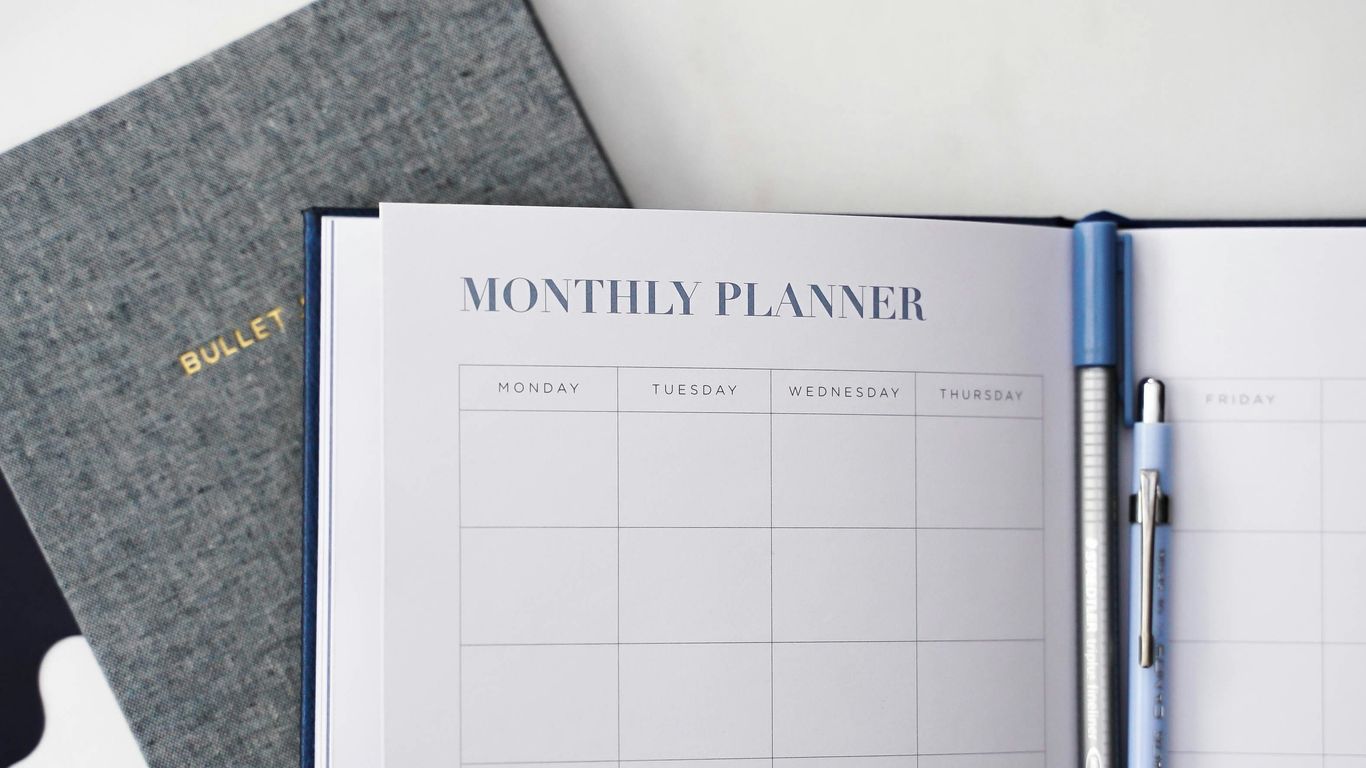
Making cycle-synced nutrition stick isn’t about willpower; it’s about building systems that make it easy. This is where rituals come in. Think of them as your autopilot for healthy eating. They take the daily decision-making load off, so you’re not constantly staring into the fridge wondering what fits your plan.
Creating Rituals for Meal Planning and Prep
This is probably the biggest game-changer. Instead of scrambling every night, dedicate a specific time each week to plan and prep. For me, Sunday afternoons work best. I’m usually home, and the week’s chaos has settled a bit. It doesn’t have to be hours of cooking; even just chopping veggies or portioning out snacks can make a huge difference during the week.
- Choose a consistent day and time for planning.
- Decide on your meal templates for the week.
- Do some basic prep: wash produce, cook grains, portion proteins.
The Power of a Weekly Meal Map
Having a visual guide removes so much mental clutter. I use a simple spreadsheet, but a notebook works too. It lays out breakfast, lunch, dinner, and snacks for each day, keeping calories and macros in mind. This template system means I’m not reinventing the wheel every single mealtime. It’s about reducing decision fatigue so you can actually enjoy your food and your life.
Here’s a peek at a simplified weekly map structure:
| Meal | Monday | Tuesday | Wednesday | Thursday | Friday | Saturday | Sunday |
|---|---|---|---|---|---|---|---|
| Breakfast | Template A | Template B | Template A | Template C | Template B | Template A | Template C |
| Lunch | Template D | Template E | Template D | Template F | Template E | Template D | Template F |
| Dinner | Template G | Template H | Template G | Template I | Template H | Template G | Template I |
| Snacks | Fruit & Nuts | Yogurt | Fruit & Nuts | Hard-boiled Egg | Yogurt | Fruit & Nuts | Hard-boiled Egg |
Making Adherence Feel Automatic
When you have your meal map and your prep done, eating in line with your cycle-synced goals becomes much easier. It’s not about being perfect every single day, but about having a solid framework that supports you. These rituals build momentum, making healthy choices the path of least resistance. Over time, it starts to feel less like a chore and more like just… how you eat. It’s about creating a sustainable rhythm that works with your life, not against it. You’re not fighting your body; you’re working with it.
The Role of Protein in Cycle-Synced Nutrition
Addressing the Unconscious Drive for Protein
It’s a bit of a hidden truth, but your body has this really strong, almost unconscious pull towards protein. If you’re not hitting your protein goals, especially when you’re trying to manage calories, your body will often push you to overeat other things. This is a big reason why some people struggle with portion control even when they’re tracking calories closely. Your body is basically on a mission to find that protein it needs.
Preventing Overeating by Meeting Protein Targets
This is where protein really shines. Making sure you get enough protein throughout the day can make a huge difference in keeping those hunger pangs at bay. It helps you feel fuller for longer, which naturally cuts down on the urge to snack or overeat later on. Think of it as a built-in appetite regulator.
Here’s a simple way to think about protein intake:
- Menstrual Phase: Focus on easily digestible proteins like fish, eggs, and lean poultry. Aim for around 20-25g per meal.
- Follicular Phase: You might need a bit more protein to support energy and cell growth. Continue with lean meats, fish, and plant-based options like lentils and beans. Still aiming for 20-25g per meal is a good baseline.
- Ovulatory Phase: Keep protein intake steady. This phase is about peak energy, so balanced meals with adequate protein are key. Think chicken, turkey, tofu, and Greek yogurt.
- Luteal Phase: Protein becomes even more important here for blood sugar stability. Include sources like salmon, beef, and legumes. You might find you feel more satisfied with slightly larger protein portions, around 25-30g per meal.
Protein’s Impact on Satiety and Cravings
Protein is a superstar when it comes to feeling satisfied after a meal. It takes longer to digest than carbs or fats, which means it keeps you feeling full and content for a longer stretch. This steady feeling of fullness can be a game-changer for managing cravings, especially during the luteal phase when hormonal shifts can sometimes make you feel hungrier or crave specific foods. By prioritizing protein, you’re giving your body the building blocks it needs while also helping to keep your appetite in check.
Protein plays a super important part in how your body works throughout your monthly cycle. Understanding this connection can help you feel your best. Want to learn more about how to use protein to your advantage? Visit our website for all the details!
Putting It All Together
So, we’ve talked about how to adjust your food intake without getting too caught up in the details. It’s really about listening to your body and making smart choices that fit into your actual life. Whether you’re playing with carb cycling, figuring out meal timing, or just trying to manage stress better, the goal is to find a rhythm that works for you. Remember, this isn’t about perfection; it’s about progress. Small, consistent changes that you can actually stick with are way more effective than trying to do everything perfectly all at once. Give yourself some grace, experiment a little, and focus on what makes you feel good and keeps you moving forward.
Frequently Asked Questions
What exactly is cycle-synced nutrition?
Cycle-synced nutrition is all about eating in a way that matches what your body is going through during different parts of your monthly cycle. Think of it like tuning into your body’s natural rhythm instead of fighting it. It means adjusting what you eat, and sometimes how much, based on your hormones.
Why should I care about my menstrual cycle and food?
Your hormones change a lot throughout your cycle, and these changes can affect your energy levels, cravings, and even how your body uses food. By eating in sync with these changes, you can feel more energetic, manage cravings better, and support your overall health without feeling like you’re on a roller coaster.
How do the different phases of my cycle affect what I should eat?
During your period, you might crave comforting, nutrient-rich foods. As estrogen rises in the follicular phase, you might feel more energetic and can handle more energizing foods. Around ovulation, focusing on anti-inflammatory foods is helpful. Then, in the luteal phase, balancing blood sugar with specific carbs and magnesium is key.
What is carb cycling, and how does it fit in?
Carb cycling means changing the amount of carbs you eat on different days. For example, you might eat more carbs on days you’re more active and fewer carbs on rest days. This helps your body become flexible in using both carbs and fat for energy, which can help with weight management and energy levels.
Do I need to obsess over tracking every single bite?
Not at all! The goal is to work *with* your body, not against it. Start by paying attention to your cycle and making small, gradual changes. The idea is to feel better and more in tune with yourself, not to become stressed about every meal.
What if I have social events or cravings?
It’s all about balance. You can plan for social events and have strategies for managing cravings, like making sure you’re getting enough protein. Flexible boundaries are important so you can enjoy life while still supporting your body’s needs.
How can I start cycle syncing without feeling overwhelmed?
The best way to start is small. Track your cycle for a month, then pick just one area to focus on, like adjusting your food choices for one phase. Layer in more changes gradually over time. It’s a marathon, not a sprint!
Is this just another restrictive diet?
No, cycle-synced nutrition is about nourishment and listening to your body’s signals. It’s not about restriction, but rather about providing your body with what it needs at different times to feel its best. It’s about finding a sustainable way to eat that supports your unique hormonal rhythm.