Love My Weight

Data Cadence: how often to check steps, sleep, and weight

We all track stuff these days, right? Phones, watches, you name it. But how often should we actually be checking our steps, sleep, and weight? It’s easy to get lost in the numbers, or worse, get discouraged. This article is about figuring out the right rhythm, or ‘data cadence,’ for your health information so it actually helps you, not stresses you out. Let’s get into it.

Key Takeaways

  • Understanding your ‘data cadence’ means knowing how often to check your health stats like steps, sleep, and weight. It’s about finding a rhythm that works for you.
  • For steps, how fast you walk (cadence) matters as much as how many steps you take. Higher cadence can mean a better workout and might be linked to better health.
  • Tracking sleep consistently helps you see patterns. This data can show how your daily habits affect your rest and overall well-being.
  • When weighing yourself, daily changes are normal. Focus on the overall trend rather than a single number to see how your lifestyle choices are impacting your weight.
  • Combining step, sleep, and weight data gives a fuller picture of your health. Adjusting your data cadence strategy can help you reach your personal health goals more effectively.

Understanding Your Data Cadence

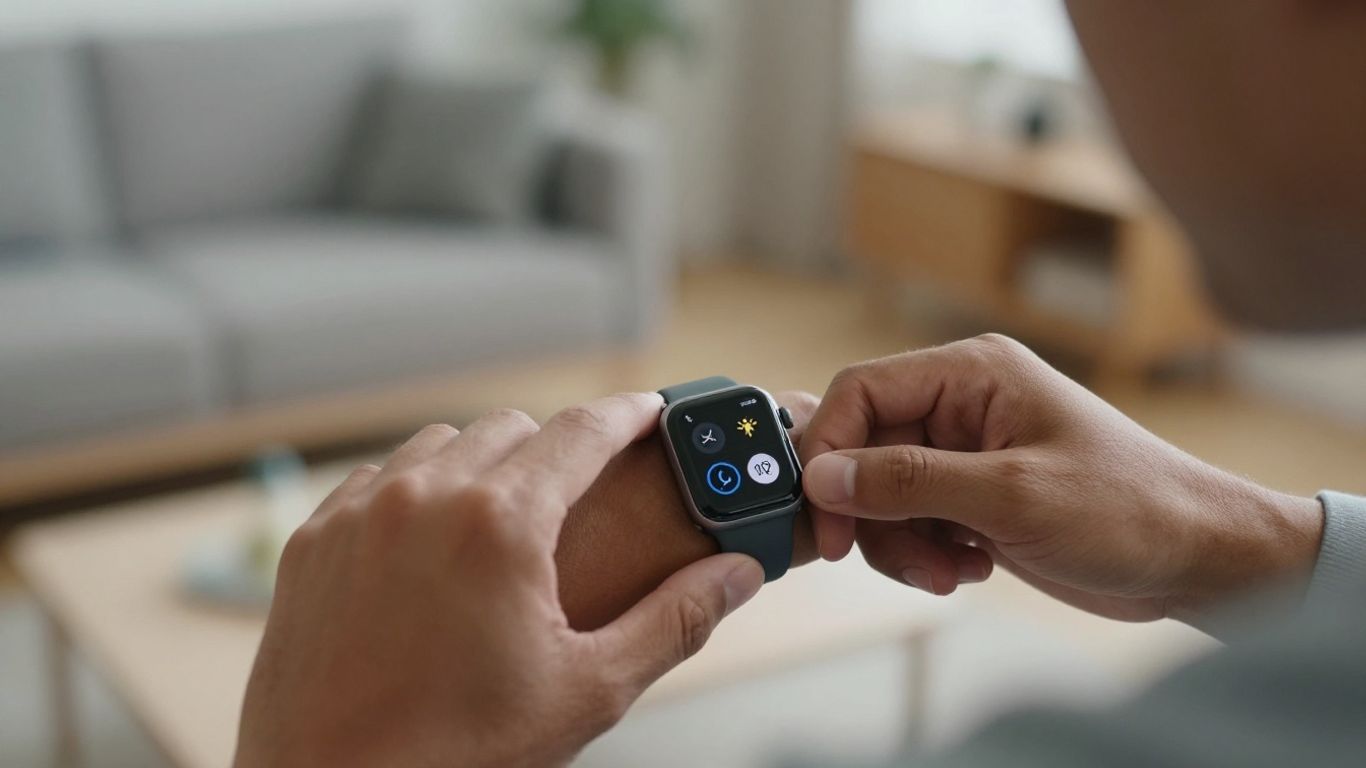
Person checking smartwatch for health data

Defining Step Cadence and Intensity

When we talk about ‘cadence,’ especially in the context of walking or running, we’re really just referring to how many steps you take in a minute. It’s a simple measurement, but it can tell you a lot about how hard you’re working. Think of it like the tempo of your movement. A faster cadence usually means you’re moving with more energy, while a slower cadence might indicate a more relaxed pace. This step rate is a direct indicator of your movement’s intensity.

It’s not just about speed, though. Cadence is closely linked to how much effort you’re putting in. Researchers have looked into this, and they’ve found that certain step counts per minute often correspond to specific levels of exertion, like moderate or vigorous activity. This connection helps us understand our workouts better.

The Role of Wearable Technology

Nowadays, keeping track of things like steps and activity levels is easier than ever, thanks to wearable tech. Devices like smartwatches and fitness trackers are pretty common. They have sensors that can count your steps and estimate your cadence automatically. This means you don’t have to manually time yourself or guess how fast you’re going.

These gadgets collect data throughout the day, giving you a picture of your movement patterns. They can show you your average cadence, your peak cadence during a workout, and how consistent you are. This information is super helpful for seeing how your activity levels change over time and how they relate to how you feel.

Beyond Step Counts: A Deeper Look

While step count is a good starting point, looking at cadence adds another layer to understanding your physical activity. It’s not just about hitting a certain number of steps; it’s also about how you’re taking those steps. Are you taking quick, short steps, or longer, more deliberate ones?

Cadence can also give us clues about efficiency. For example, in cycling, a higher cadence with less resistance can be good for endurance, while a lower cadence with more resistance builds strength. The same idea can apply to walking and running. Understanding your cadence helps you fine-tune your movement for different goals, whether that’s simply getting more active or training for a specific event.

Paying attention to your step cadence provides a more nuanced view of your physical exertion than just looking at total steps. It helps you gauge the intensity of your movement and can guide adjustments for better performance and health outcomes.

Establishing Optimal Data Cadence for Steps

When we talk about steps, it’s easy to just think about the total number you take in a day. But how fast you’re taking those steps, or your cadence, tells a different story about the effort you’re putting in. Think of it like this: walking to the mailbox is different from a brisk walk to catch a bus. Your wearable device can track this, giving you a more detailed picture of your activity.

Peak Cadence as a Measure of Effort

Your peak cadence is the highest number of steps you take in a minute during your daily activities. It’s a good way to see how intensely you’re moving when you’re not just strolling. For example, if you’re rushing to get somewhere or climbing stairs, your cadence will naturally go up. This peak number can be a better indicator of your actual physical exertion than just the total steps alone. It helps differentiate between a leisurely walk and a more demanding one.

Linking Cadence to Health Outcomes

Research suggests that a higher step cadence is linked to better health. Studies have shown that walking at a faster pace, meaning a higher cadence, can be associated with a lower risk of certain health issues. It’s not just about hitting a certain number of steps, but also about the intensity behind those steps.

Here’s a general idea of what different cadences might mean:

  • 100-119 steps per minute: Often considered moderate intensity. This is like a brisk walk where you can talk but might be a little breathless.
  • 120-139 steps per minute: This range typically points to a more vigorous intensity, similar to a power walk.
  • 140+ steps per minute: This often approaches running or very high-intensity walking.

Recommended Cadence Thresholds

While exact numbers can vary based on age and individual fitness, some general guidelines exist. For adults, aiming for a cadence of around 120 steps per minute for moderate-intensity activity is often cited. For vigorous activity, this might push towards 130-140 steps per minute.

It’s important to remember that these are general guides. What feels like moderate intensity for one person might be vigorous for another. Your own body’s response, like your heart rate and how you feel, is the best indicator.

These thresholds aren’t set in stone. They’re more like helpful markers. Using your wearable to track your peak cadence during different activities can give you a clearer picture of your daily effort and help you adjust your walking pace to meet your health goals.

The Significance of Sleep Data Cadence

The Importance of Consistent Sleep Tracking

When we talk about tracking our health, we often jump straight to steps or workouts. But what about sleep? It’s just as important, if not more so, for how we feel and function day-to-day. Getting a handle on your sleep patterns means looking at how consistently you’re actually sleeping. Are you going to bed and waking up around the same time, even on weekends? This consistency is key. It helps regulate your body’s internal clock, which affects everything from your mood to your metabolism. Without it, you might find yourself feeling groggy, irritable, or just generally ‘off’.

Interpreting Sleep Patterns Over Time

Looking at your sleep data isn’t just about seeing how many hours you slept last night. It’s about spotting trends. Are you consistently getting less sleep than you need? Do you notice a pattern of waking up frequently during the night? Wearable devices can give you a lot of information, like how long you were in light, deep, or REM sleep. Seeing these patterns over weeks or months can tell a bigger story than any single night’s data. It helps you understand what might be affecting your sleep quality, whether it’s stress, late-night screen time, or even what you ate or drank.

How Sleep Affects Overall Well-being

Think of sleep as the foundation for everything else. When your sleep is off, your steps might suffer because you don’t have the energy to move. Your weight management can also be impacted, as poor sleep messes with hormones that control hunger and appetite. It’s a domino effect. Getting good, consistent sleep helps your body recover, improves your focus, and generally makes you feel more capable of tackling your day. It’s not just about feeling rested; it’s about supporting your body’s ability to perform at its best across all areas of health.

Consistent sleep tracking helps paint a clearer picture of your overall health. It’s not just about the quantity of sleep, but the quality and regularity. This data can reveal underlying issues that might be impacting your energy levels, mood, and even your physical performance throughout the day.

Weight Monitoring: Frequency and Insights

Person checking weight, sleep, and steps on devices.

When it comes to tracking your weight, it’s easy to get caught up in the daily numbers. But honestly, those small fluctuations are usually just noise. Think of it like this: one day you might be a pound or two up, and the next day you’re down. This is totally normal and often due to things like water retention, what you ate, or even just when you last used the restroom. Focusing too much on these daily shifts can be discouraging and doesn’t really tell you much about your long-term progress.

The Nuances of Daily Weight Fluctuations

Your body is a complex system, and weight is just one piece of the puzzle. Factors like hydration levels, sodium intake, and even your menstrual cycle can cause temporary changes on the scale. For instance, eating a salty meal one evening might lead to a slightly higher number the next morning because your body is holding onto more water. Similarly, intense exercise can cause minor inflammation, temporarily increasing your weight. These are not indicators of fat gain or loss, but rather normal physiological responses.

Finding a Sustainable Weight Tracking Cadence

So, how often should you actually step on the scale? For most people, a weekly weigh-in is a good starting point. Pick a consistent day and time, like first thing in the morning after using the restroom and before eating or drinking anything. This consistency helps minimize the variables that can skew your results. Some people prefer to weigh themselves every other day, which can offer a bit more data without being overwhelming. The key is to find a rhythm that works for you and doesn’t lead to anxiety or obsession.

Here’s a simple guide to setting up your tracking:

  • Choose your frequency: Weekly is often best, but bi-weekly or even daily (if you can handle the fluctuations) can work.
  • Be consistent: Always weigh yourself at the same time of day, under similar conditions (e.g., after waking, before eating).
  • Use the same scale: Different scales can give slightly different readings.
  • Don’t obsess over daily numbers: Look for trends over weeks and months.

Connecting Weight Trends to Lifestyle Factors

Once you’ve established a consistent tracking cadence, you can start to see patterns. If you notice your weight trending upwards over several weeks, it might be time to look at your lifestyle. Are you eating more processed foods? Has your activity level decreased? Are you getting enough sleep? Weight trends are often a reflection of your habits. For example, a study showed that individuals who tracked their weight regularly were more likely to achieve their weight loss goals. This isn’t just about the number on the scale; it’s about using that data to make informed adjustments to your diet, exercise, and overall well-being.

The real value of tracking your weight isn’t in the daily number itself, but in the long-term trends it reveals. These trends can serve as a powerful indicator of how your lifestyle choices are impacting your body, guiding you toward healthier habits and sustainable results.

Integrating Multiple Data Streams

Synergies Between Steps, Sleep, and Weight

It’s easy to look at steps, sleep, and weight as separate things, but they’re really all connected. Think about it: if you have a really active day, you might sleep better that night. And if you’re not sleeping well, you might not have the energy to hit your step goals, and maybe you’ll reach for less healthy food options, which can affect your weight. When you start tracking these things together, you begin to see patterns you wouldn’t notice otherwise. It’s like putting together pieces of a puzzle to get the full picture of your health.

Holistic Health Through Comprehensive Data

Looking at just one metric, like your daily step count, gives you some information, but it’s not the whole story. When you add in sleep quality and weight trends, you get a much richer understanding of what’s going on. For example, you might see that your weight is slowly creeping up, but when you look at your sleep data, you notice you’ve been getting less restful sleep. This might suggest that improving your sleep habits could be a good first step to managing your weight, rather than just focusing on exercise alone.

Here’s a simple way to think about how they interact:

  • Steps: Your daily activity level. More steps generally mean more calories burned and better mood.
  • Sleep: Your body’s recovery time. Good sleep helps regulate hormones that control appetite and energy levels.
  • Weight: A reflection of your energy balance over time. It’s influenced by diet, activity, and sleep.

Personalizing Your Data Cadence Strategy

What works for one person might not work for another. Some people like to check their weight every single day, while others find that too stressful and prefer to do it weekly. The same goes for steps and sleep. The key is to find a cadence that gives you useful information without becoming a burden.

Experiment with different tracking frequencies. What feels right for you? Does checking your sleep data every morning help you adjust your day, or does it make you anxious? Finding that sweet spot is part of the journey.

Consider these points when setting up your personal strategy:

  1. Your Goals: Are you trying to lose weight, build muscle, or just feel more energetic? Your goals will shape how often you need to check in.
  2. Your Lifestyle: How much time do you realistically have to track and analyze your data? Be honest with yourself.
  3. Your Personality: Are you someone who thrives on detailed feedback, or do you prefer a more hands-off approach? Your natural tendencies matter.

By combining these different data points and adjusting how often you look at them, you can create a personalized plan that truly supports your health journey.

Leveraging Data Cadence for Health Goals

So, you’ve been tracking your steps, sleep, and weight. That’s awesome! Now, how do you actually use all that information to make real progress? It’s not just about collecting numbers; it’s about understanding what they mean for you and your health journey.

Objective Measurement for Informed Decisions

Think of your data cadence as a way to get a clear picture of what’s happening. Instead of guessing if you’re moving enough or sleeping well, you have actual data. For example, knowing your average step count and your peak cadence (that fastest minute of walking you hit during the day) can tell you a lot about your daily effort. Studies suggest that higher peak cadence is linked to better health outcomes, even helping to offset risks associated with sitting too much. It’s like having a personal coach who can point out exactly where you’re doing great and where you might need a little more focus.

Motivating Progress with Consistent Tracking

Seeing your data change over time can be a huge motivator. When you consistently track your sleep, you might notice that going to bed and waking up around the same time leads to feeling more rested. Or, you might see that increasing your daily steps, even by a small amount, starts to show up in your weight trends. It’s about building a habit of checking in with yourself, not obsessively looking at numbers, but using them as a guide. This consistent feedback loop helps you see the direct results of your efforts, making it easier to stick with healthy habits.

Adapting Your Cadence for Evolving Needs

Your health goals aren’t static, and neither should your data strategy be. What works for you now might need tweaking in a few months. Maybe you’re training for a race, and your step cadence needs to be higher. Or perhaps you’re focusing on recovery, and sleep quality becomes your main focus. It’s okay to adjust how often you check certain metrics. The key is to be flexible and responsive to your body’s signals and your changing life circumstances. Your data cadence should serve your goals, not the other way around.

Here’s a simple way to think about setting your tracking rhythm:

  • Daily Check-in: Quick look at steps and sleep duration. Are you on track for your basic goals?
  • Weekly Review: Deeper dive into sleep patterns, average step intensity, and weight trends. How did the week look overall?
  • Monthly Assessment: Look for longer-term changes and adjust your strategy. Are your habits leading to the results you want?

Remember, the goal isn’t to become a slave to your data, but to use it as a tool to understand your body better and make smarter choices for your well-being. It’s about finding a rhythm that works for you, helping you move forward with confidence.

Want to reach your health goals? Understanding how often you check in on your progress, or your ‘data cadence,’ can make a big difference. It’s like knowing when to water your plants – too much or too little won’t help them grow. Regularly looking at your health numbers helps you stay on track and make smart choices. Ready to learn how to make this work for you? Visit our website to discover more!

Putting It All Together

So, we’ve looked at how often to check in with your steps, sleep, and weight. It’s not a one-size-fits-all answer, and that’s okay. The key is finding a rhythm that works for you, one that helps you stay aware without becoming a chore. Whether that’s a daily weigh-in, a weekly sleep review, or just keeping an eye on your step count as you go about your day, the goal is to gather information that helps you make informed choices. Think of these check-ins not as judgments, but as gentle nudges, offering insights to guide you toward feeling your best. Start simple, see what sticks, and adjust as needed. Your health journey is yours to shape, and these simple habits can be powerful tools along the way.

Frequently Asked Questions

What is ‘data cadence’ and why is it important for tracking health?

Data cadence refers to how often you check certain health information, like your steps, sleep, or weight. Checking these things regularly helps you understand your body’s patterns and how your lifestyle affects your health. It’s like keeping a diary for your body so you can see what’s working and what’s not.

How often should I track my steps?

It’s a good idea to check your daily step count every day. This helps you see if you’re meeting your activity goals. Also, paying attention to how fast you’re walking (your step intensity or cadence) can tell you if you’re getting a good workout. Aiming for a certain number of steps per minute, like 100-130, can mean you’re walking at a moderate to brisk pace, which is great for your heart.

How important is tracking my sleep?

Tracking your sleep is super important because good sleep affects everything! When you consistently track your sleep, you can spot patterns. Are you getting enough deep sleep? Are you waking up a lot? Understanding this helps you see how sleep impacts your energy levels, mood, and even your weight.

What’s the best way to track my weight?

Weighing yourself every single day might show you small up and down changes that don’t mean much. It’s better to find a rhythm that works for you, maybe a few times a week, and focus on the overall trend. This helps you see how your diet and exercise habits are really affecting your weight over time, rather than getting caught up in daily water weight changes.

Can tracking steps, sleep, and weight together give me a better picture of my health?

Absolutely! When you look at these three things together, you get a much clearer view of your overall health. For example, if you’re getting more steps and better sleep, you might notice your weight is more stable or even going down. It’s like putting puzzle pieces together to see the whole health picture.

How can I use my health data to reach my goals?

Your health data is like a guide. By checking it regularly, you can see what’s helping you get closer to your goals, like losing weight or feeling more energetic. If something isn’t working, you can adjust your habits. The key is to be consistent and use the information to make smart choices for your well-being.