
Dragging through the afternoon slump? It happens to the best of us. When you’re stuck at your desk, finding good food can feel like a chore. But what if you could have snacks that keep you going without a lot of fuss? This is where desk-day nutrition comes in. It’s all about having smart, easy food options ready to go, so you can stay energized and focused all day long.
Key Takeaways
- Planning your desk-day nutrition with easy-to-grab whole foods like fruits, veggies, nuts, and seeds can provide sustained energy.
- Refrigerated options such as yogurt, cheese sticks, hummus, and hard-boiled eggs offer convenient protein boosts.
- Pantry staples like rice cakes, roasted chickpeas, and tuna pouches are shelf-stable and great for on-the-go snacking.
- Preparing your own simple snacks ahead of time can ensure you have healthy options readily available.
- Staying hydrated with water or infused options is just as important for maintaining energy and focus throughout the workday.
Embracing Desk-Day Nutrition For Sustained Energy
We’ve all been there, right? It’s that mid-afternoon slump, your brain feels like mush, and the only thing you can think about is what sugary treat is lurking in the vending machine or office kitchen. It’s a common struggle, but it doesn’t have to be your reality. Thinking about what you eat during the workday, especially those in-between meals snacks, can make a huge difference in how you feel and how much you get done.
The Work Snack Dilemma We’ve All Experienced
That 2 PM hunger pang hits, and suddenly, the siren song of the vending machine is irresistible. You grab whatever’s closest, usually something that offers a quick sugar rush but leaves you crashing an hour later. Or maybe you raid the office kitchen, finding only stale crackers or a forgotten bag of chips. It’s easy to feel stuck when your only options are unhealthy or just plain unappealing. I used to do this all the time. I’d get so hungry between meals at work, with no good options readily available. My go-to was usually a weirdly textured protein bar or whatever candy I could find. It wasn’t ideal, but I figured it was better than nothing. The real game-changer? Planning ahead.
Your Meal Prep Snack Strategy For A More Energetic Day
It’s totally normal to feel hungry every few hours. Your body and brain need fuel to keep going, even when you’re just sitting at your desk. Having a solid snack strategy means you’re prepared. It’s about having tasty, satisfying options ready to go, so you’re not left scrambling or settling for less. This thoughtful approach helps maintain a steady energy level, making your workday feel less like a drag and more like a productive flow. When you’ve got your favorite, healthy snacks waiting for you, it’s like a little mood booster, too.
Why Desk-Day Nutrition Is Crucial For Productivity
Think about it: when you’re running on empty, your focus suffers, your creativity dwindles, and you might even feel a bit irritable. Proper nutrition throughout the day, including smart snacking, provides your brain and body with the consistent fuel they need. This stability means fewer energy dips, better concentration, and a generally more positive outlook on your tasks. It’s not just about avoiding the afternoon slump; it’s about setting yourself up for sustained performance and well-being throughout your entire workday.
Easy-To-Grab Whole Foods For Office Snacking
Sometimes, the best snacks are the ones that require absolutely zero prep. We’re talking about nature’s candy and veggies that are ready to go the second you grab them. These are the kinds of things you can toss in your bag on your way out the door or keep a stash of at your desk. They’re packed with nutrients that keep you going without that mid-afternoon slump.
Fruits And Vegetables: Nature’s Quick Boost
Fruits and veggies are like little power-ups. An apple, a banana, or a handful of grapes can be just what you need to get through that next meeting. They’re full of fiber and natural sugars to give you a clean energy lift. For veggies, think baby carrots, snap peas, or pre-cut bell pepper strips. They’re crunchy, refreshing, and way better than a bag of chips.
- Apples
- Bananas
- Oranges
- Baby carrots
- Cherry tomatoes
- Cucumber slices
Nuts And Seeds: Portable Powerhouses
Nuts and seeds are fantastic because they’re calorie-dense and packed with healthy fats, protein, and fiber. This combo is great for keeping you full and satisfied for longer. A small handful can make a big difference. Just be mindful of portion sizes, as they can add up quickly. Almonds, walnuts, cashews, pumpkin seeds, and sunflower seeds are all excellent choices.
A good rule of thumb is about a quarter cup, or a small handful.
Smart Combinations For Satisfying Snacks
Sometimes, pairing a couple of these simple items makes for an even more satisfying snack. It’s all about creating a balance of nutrients to keep your energy levels stable. Think about combining something with a bit of crunch and something a little sweet or savory.
Here are a few ideas to get you started:
- Apple slices with a small container of peanut butter or almond butter.
- A handful of mixed nuts with a few dried apricots.
- Baby carrots with a single-serving pack of hummus.
- A banana with a small bag of almonds.
Keeping these simple, whole-food snacks on hand means you’re less likely to reach for less healthy options when hunger strikes. It’s about making the healthy choice the easy choice.
Refrigerated Delights For Your Office Fridge
Sometimes, you just need something cool and refreshing to get you through that afternoon slump. Having a few items stashed in the office fridge can make all the difference. It’s like a mini-rescue mission for your energy levels, right when you need it most.
Dairy And Non-Dairy Yogurt Options
Yogurt is a fantastic go-to. It’s packed with protein and probiotics, which are good for your gut. You can grab a single-serving cup of Greek yogurt for a serious protein punch, or opt for a non-dairy version if that’s more your style. Brands like Coyo or Kite Hill offer creamy, satisfying alternatives. Keep a spoon at your desk so you’re always ready to dig in. Plain yogurt is great, but if you like a little sweetness, look for options with minimal added sugar or add your own berries.
Cheese Sticks And Wheels For Convenience
Cheese is another easy win. Individually wrapped cheese sticks are super convenient and portion-controlled. They pair nicely with crackers or some fruit for a more balanced snack. If you’re feeling a bit fancier, a small wheel of cheese can be sliced up and enjoyed. It’s a simple way to add some healthy fats and protein to your day, helping you feel fuller for longer.
Hummus And Hard-Boiled Eggs: Protein Packed Choices
These two are powerhouses when it comes to keeping you full and focused. Hard-boiled eggs are incredibly simple to prepare ahead of time – just boil a batch at the start of the week. They’re a complete protein source and easy to eat on the go. Hummus, while not dairy, is usually found in the refrigerated section and is a great source of plant-based protein and fiber. It’s perfect for dipping veggies like carrots or celery sticks, or even spreading on a rice cake. It’s a snack that feels substantial without being heavy.
Pantry Staples For Desk-Day Nutrition
Sometimes, the easiest way to keep your energy levels steady throughout the workday is to have a few reliable snacks stashed away in your desk drawer or a nearby cupboard. These aren’t the kinds of things that need refrigeration or a lot of fuss. They’re the shelf-stable heroes that can save you from that dreaded mid-afternoon slump.
Shelf-Stable Snacks: Rice Cakes and More
Rice cakes are a fantastic base for a quick snack. Look for ones made with just rice, as they’re pretty straightforward. A plain brown rice cake is low in calories but offers some carbs for energy. You can top them with a little nut butter if you have it, or just eat them plain when you need something light. They’re like a blank canvas for your snack needs. Other good options include whole-grain crackers, which can be paired with nut butter packets or even eaten on their own. Just be mindful of added sugars or excessive sodium in some packaged cracker varieties.
Roasted Chickpeas: A Protein and Fiber Boost
Roasted chickpeas are a real game-changer for desk snacking. They’re crunchy, satisfying, and packed with both protein and fiber, which means they’ll keep you feeling full for longer. You can buy them pre-made or, if you have a little time on the weekend, they’re super easy to make yourself. Just drain and rinse a can of chickpeas, toss them with a little olive oil and your favorite seasonings (think paprika, garlic powder, or even a touch of cinnamon for a sweet twist), and roast them in the oven until they’re crispy. They store well in an airtight container for several days, making them a perfect make-ahead snack.
Vacuum-Sealed Tuna Pouches for On-The-Go
For a more substantial snack that’s still totally portable, consider vacuum-sealed tuna pouches. Unlike traditional cans, these don’t require draining and are ready to eat right out of the package. Tuna is a great source of lean protein and healthy omega-3 fatty acids, which are good for your brain and heart. You can eat them straight from the pouch, or if you have crackers or rice cakes handy, they make a quick, protein-rich mini-meal. Just make sure to keep them in a cool, dry place until you’re ready to eat them.
Crafting Your Own Desk-Day Nutrition Snacks
Office snack options get boring fast if you have the same granola bar every day, so making your own snacks is a solid way to keep things interesting and a bit more balanced. You don’t need hours in the kitchen to pull this off—some of the best ideas take minutes and need almost no gear or ingredients.
Simple Snack Recipes To Make From Scratch
If you want to level up your work snacks, try your hand at these easy ideas. They hold up well at your desk, are quick to prep, and you can switch up the ingredients based on what you like:
- Energy Balls: Mix rolled oats, nut butter, honey, and dark chocolate chips. Roll into small balls and chill. Easy to store, easy to eat at your desk.
- Homemade Veggie Chips: Slice carrots, sweet potatoes, or zucchini, toss with olive oil, and bake low and slow. Store in a zip-top bag—crunchy and way more satisfying than any vending machine snack.
- DIY Trail Mix: Combine nuts, seeds, dried cherries or cranberries, and a handful of pretzel pieces for that salty-sweet kick.
- Overnight Oats Cups: Layer oats, yogurt (dairy or non-dairy), berries, and a drizzle of nut butter in a jar. Grab from the fridge and go.
- Hummus Dippers: Scoop some homemade (or store-bought) hummus into jars, top with carrot sticks or bell peppers. Close the lid—ready when you are.
Portioning For Perfect Office Snacks
You don’t want to end up mindlessly eating a whole bag of nuts before lunch, so portioning snacks in advance is a smart move. Here’s a quick guide:
| Snack | Standard Serving | Calories (approx.) |
|---|---|---|
| Almonds | 1/4 cup (23 nuts) | 160 |
| Sliced carrots | 1 cup | 50 |
| Greek yogurt | 5 oz | 100-120 |
| Energy balls | 2 balls | 180 |
| Homemade veggie chips | 1 cup | 70 |
A set of small containers is your best friend—pre-pack what you need for the week, and you’ll always know how much you’re actually eating.
Packing snacks into single-serve containers means there’s no guesswork or mess. If you’re hungry, just grab one container and you’re set.
Creative Ways To Prepare Snacks Ahead
Getting prepared so you aren’t scrambling is all about a little bit of strategy. Here’s how to set yourself up:
- Batch Prep Once a Week – Keep a list of favorites and rotate in something new so nothing ever gets old.
- Chop, portion, and store snacks for each day in separate containers. Think: a handful of grapes, a few hard-boiled eggs, or pre-cut cheese.
- Try freezing baked goods, like small muffins or healthy breads, then thaw one at a time for a morning snack treat.
- Assemble snack “kits” (like sliced apple + individual peanut butter packets) and stash in the fridge or your lunch bag so you can just grab and go.
- Label your containers with days of the week. It keeps things organized and you’ll never wonder if that yogurt was from yesterday or last week.
Having office-friendly snacks that you made yourself not only saves money but makes sure you’ll actually look forward to that midday break.
Hydration Strategies For The Office
Staying hydrated throughout the workday is just as important as eating right. It keeps your brain sharp, your energy levels up, and can even help prevent those afternoon slumps. Think of water as your secret weapon against fatigue and brain fog.
The Importance Of Water Throughout The Day
We all know we should drink water, but it’s easy to forget when you’re deep in work. Dehydration can sneak up on you, leading to headaches, reduced concentration, and that general feeling of being run down. Aiming for a consistent intake of water can make a huge difference in how you feel and perform.
- Keep a reusable water bottle at your desk and sip from it regularly.
- Set reminders on your phone or computer if you tend to forget.
- Try drinking a glass of water before each meal or snack.
Making hydration a habit is a simple yet powerful way to support your overall well-being and productivity during the workday. It doesn’t require a lot of effort, just a bit of mindfulness.
Infused Water And Sparkling Options
Plain water can get a little boring, right? If you find yourself reaching for sugary drinks because water is just too dull, try jazzing it up. Infusing your water with fruits and herbs can add a subtle, refreshing flavor without any added sugar or calories. Think cucumber and mint, or lemon and ginger. Sparkling water is another great alternative if you enjoy a bit of fizz. It feels a bit more special than still water, and it’s a good way to cut back on sodas.
Hydration’s Role In Desk-Day Nutrition
Water plays a key role in how your body processes the food you eat. It helps transport nutrients, aids digestion, and keeps everything running smoothly. When you’re well-hydrated, your body can better utilize the energy from your meals and snacks. So, while you’re focusing on packing nutritious foods, don’t forget the drink that helps it all work together. Pairing your healthy snacks with water or unsweetened beverages means you’re getting the most out of your desk-day nutrition plan.
Balancing Macros For Stable Energy
Ever feel that mid-afternoon slump hit you like a ton of bricks? It might be because of what you’re eating, or rather, how your meal is balanced. We’re talking about macronutrients, or macros for short: protein, carbohydrates, and fats. Getting these in the right mix is key to keeping your energy levels steady throughout the workday.
The Role Of Protein In Sustained Energy
Protein is like the steady hand on the tiller of your energy. It digests slower than simple carbs, which means it helps prevent those sharp spikes and crashes in blood sugar. Think of it as a slow-release fuel. Including a good protein source in your snacks and meals helps you feel fuller for longer, too. This can stop you from reaching for less healthy options when hunger strikes.
Some easy office-friendly protein boosters include:
- Hard-boiled eggs
- Greek yogurt
- Cheese sticks or cubes
- A small handful of nuts or seeds
- Tuna pouches
Healthy Fats For Brain Function
Don’t shy away from fats! Healthy fats are super important for your brain. They help with focus and concentration, which we definitely need when we’re trying to get work done. Plus, like protein, fats also help with satiety, keeping you satisfied after a meal or snack.
Good choices for desk-day nutrition include:
- Avocado (if you can pack it safely)
- Nuts and seeds (almonds, walnuts, chia seeds, flax seeds)
- Olive oil-based dressings for salads
Complex Carbohydrates For Fuel
Carbs often get a bad rap, but they’re your body’s primary energy source. The trick is to choose the right kind of carbs. We want to focus on complex carbohydrates, which are packed with fiber. These break down slowly, providing a steady stream of energy instead of a quick burst followed by a crash. They also help keep your digestive system happy.
Good complex carb options for the office:
- Whole-grain crackers
- Oatmeal (instant or overnight oats)
- Brown rice cakes
- Fruits and vegetables (which also bring vitamins and minerals)
When you combine these macros – a bit of protein, some healthy fat, and a complex carb – you create a balanced snack or meal that supports sustained energy and focus. It’s not about cutting things out, but about making smart choices that work for you.
Mindful Eating During The Workday
It’s easy to just shove food in your face while you’re typing away or on a call, but taking a moment to actually think about what you’re eating can make a big difference. It’s not just about the food itself, but how you approach it.
Avoiding Vending Machine Temptations
We’ve all been there. That 3 PM slump hits, and suddenly the vending machine looks like a beacon of hope. Those brightly colored bags and sugary bars call to us, promising a quick energy fix. But let’s be real, that fix is usually followed by a crash.
- Plan Ahead: The best way to avoid the siren song of the vending machine is to have your own satisfying snacks ready to go. Think about what you’ll crave and pack it the night before.
- Identify Your Triggers: Is it boredom? Stress? A specific time of day? Knowing what makes you reach for those unhealthy options can help you find better coping mechanisms.
- Keep Healthy Snacks Visible: If you have a stash of nuts, fruit, or yogurt in your desk drawer or office fridge, you’re more likely to grab those first.
Listening To Your Body’s Hunger Cues
Sometimes we eat because it’s lunchtime, or because everyone else is eating, not because we’re actually hungry. Learning to tune into your body is a skill that takes practice.
- Pause Before You Eat: Ask yourself, "Am I truly hungry?" Sometimes a glass of water or a short walk can help differentiate between actual hunger and other feelings.
- Notice Physical Sensations: Hunger often comes with a rumbling stomach, a slight dip in energy, or a feeling of emptiness. Recognize these signals.
- Savor Your Food: When you do eat, try to slow down. Pay attention to the taste, texture, and smell of your food. This helps you feel more satisfied with less.
Creating A Positive Eating Environment
Your surroundings can really impact how you eat. Eating at your desk while staring at a screen isn’t exactly a recipe for mindful enjoyment.
- Step Away: If possible, take a break from your workspace to eat. Even a few minutes away can help you reset.
- Minimize Distractions: Try to avoid eating while working, on your phone, or watching TV. Focus on your meal.
- Make it Pleasant: If you can, find a quiet spot, maybe even step outside for a bit. Make your mealtime a moment of calm in your busy day.
Mindful eating isn’t about restriction; it’s about awareness. It’s about making conscious choices that support your well-being and energy levels throughout the workday, rather than just reacting to cravings or external pressures. It’s a practice, and like any practice, it gets easier with time and intention.
Smart Packing For Desk-Day Nutrition Success
Okay, so you’ve got your snacks sorted – fruits, nuts, maybe some yogurt or hard-boiled eggs. That’s awesome! But how do you actually get them to work without turning into a mushy mess or a forgotten pile of crumbs by lunchtime? Packing is key, and honestly, it’s not as complicated as it sounds. It’s all about having the right gear and a little bit of a plan.
Choosing The Right Containers
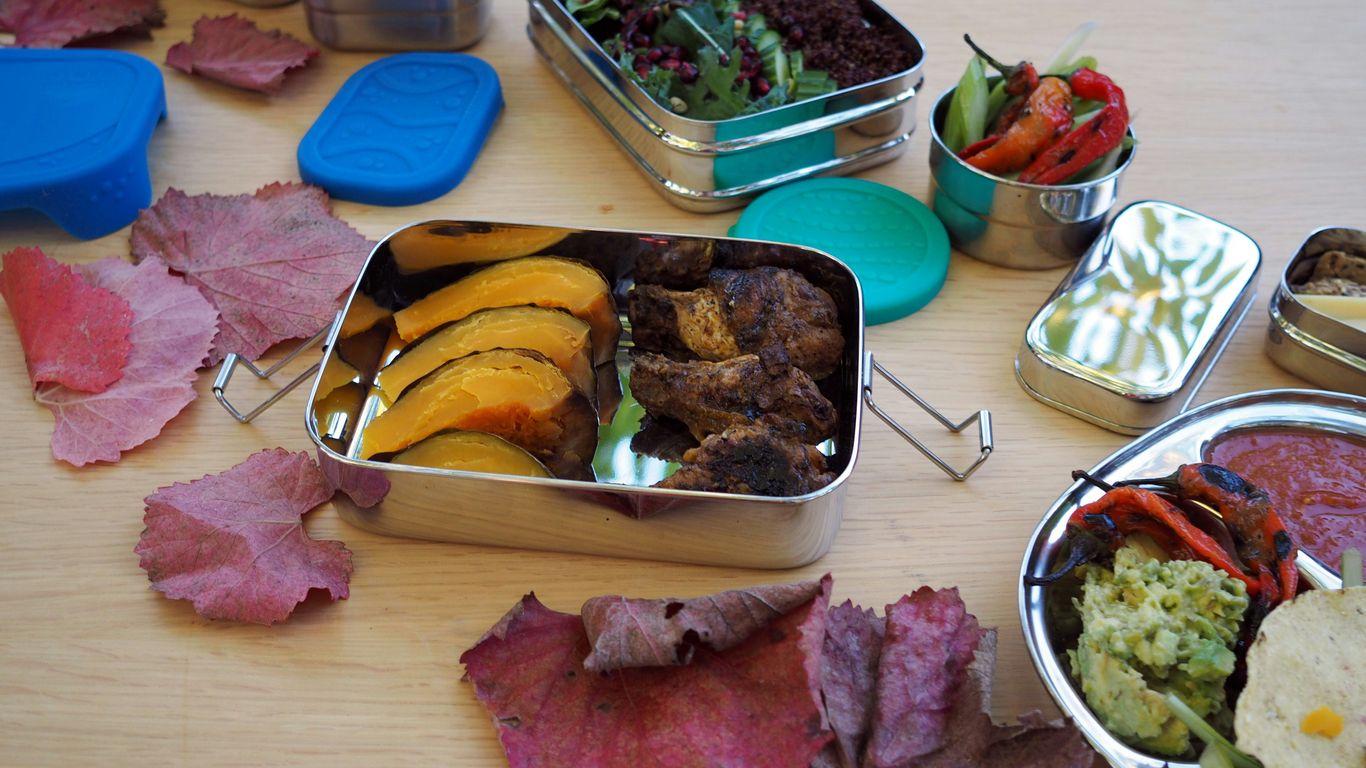
This is where it all starts. Forget those flimsy plastic bags that everything leaks out of. You want containers that are sturdy and, ideally, compartmentalized. Think bento boxes or containers with separate sections. This keeps your crunchy carrots from getting soggy from your apple slices, and your nuts from rolling all over the place. For things like yogurt or hummus, small, leak-proof containers are your best friend. And don’t forget reusable snack bags for smaller items like a handful of almonds or some dried fruit. Investing in a few good quality containers will save you a lot of hassle and potential mess.
Organizing Your Office Snack Stash
Once you’ve got your containers, it’s time to think about where they’ll live at work. If you have access to a fridge, that’s a huge plus for things like yogurt, cheese, or pre-cut veggies. For items that don’t need refrigeration, a designated spot in your desk drawer or a small bin on your shelf works great. This way, you know exactly where to find your fuel when that mid-afternoon slump hits. It also helps prevent you from just grabbing whatever is easiest, which is usually the least healthy option.
Here’s a quick breakdown of where different snacks might go:
- Fridge Items: Yogurt cups, cheese sticks, hard-boiled eggs, hummus, pre-cut fruits and veggies.
- Desk Drawer/Shelf Items: Nuts, seeds, whole fruits (like apples and bananas), rice cakes, vacuum-sealed tuna, granola bars.
- Lunch Bag/Cooler: Items that need to stay cool for a few hours if you don’t have immediate fridge access, like a packed salad with dressing on the side or a yogurt parfait.
Tips For Keeping Snacks Fresh
Nobody wants to eat a sad, wilted piece of celery. Keeping your snacks fresh is pretty straightforward. For fruits and veggies, washing and drying them thoroughly before packing is a good start. Some people like to pack things like berries or grapes in their original containers or in small, breathable bags. For items like hummus or dips, make sure the container is sealed tight. If you’re packing something that might get a little warm, like a tuna pouch, keeping it in a small insulated lunch bag with a mini ice pack can make a big difference. Properly packed snacks stay appetizing and safe to eat.
Packing your desk snacks isn’t about being fancy; it’s about being prepared. When you have your healthy options ready to go, you’re much less likely to fall back on less nutritious choices when hunger strikes. It takes a little bit of forethought, but the payoff in sustained energy and better focus is totally worth it.
Packing healthy snacks and meals for work days doesn’t have to be a hassle. With a little planning, you can stay full and focused, avoiding the vending machine. If you want more simple tips for better food choices on busy days, visit our website for easy guides and helpful ideas. Take control of your nutrition, and make each desk day a success!
Keep Your Energy Up, Office Style
So, that’s the rundown on making your workday a little easier with smart food choices. It doesn’t have to be complicated. Simple snacks and meals you can prep ahead or grab easily can make a big difference in how you feel from morning to afternoon. Think of it as giving yourself a little boost so you can focus on what you need to get done, without that mid-day slump hitting you hard. Keep these ideas in mind for your next grocery trip, and you’ll be feeling more energized and productive at your desk in no time.
Frequently Asked Questions
What are some easy snacks I can keep at my desk?
You can keep things like nuts, seeds, dried fruit, whole fruit like apples or bananas, and granola bars at your desk. Things that don’t need to be refrigerated are best for desk storage.
What are good snacks if I have a fridge at work?
If you have a fridge, you can bring things like yogurt cups, cheese sticks, hard-boiled eggs, and hummus with veggies. These are great for keeping you full.
Why is snacking important during the workday?
Snacking helps keep your energy levels steady between meals. This can prevent that afternoon slump and help you focus better on your tasks.
How can I make my snacks more filling?
Combine different food groups! For example, pair fruit with nuts, or veggies with hummus. Adding protein and healthy fats makes snacks more satisfying and keeps hunger away longer.
Are pre-packaged snacks okay?
Some pre-packaged snacks can be good choices, like certain protein bars or roasted chickpeas. Just try to pick options that have simple ingredients and aren’t loaded with sugar or unhealthy fats.
What’s the best way to prepare snacks ahead of time?
You can portion out nuts and seeds into small bags, chop veggies for easy grabbing, or make a batch of hard-boiled eggs. Having them ready to go makes it easier to choose healthy options.
Should I worry about hydration at work?
Absolutely! Drinking enough water is super important for energy and focus. Keep a water bottle at your desk and sip throughout the day. You can also try infused water for a little flavor.
What’s the difference between good and bad snacks for energy?
Good snacks provide steady energy, usually from whole foods with protein, healthy fats, and fiber. Bad snacks, like sugary treats or chips, give you a quick burst but then lead to a crash, making you feel tired.