

When you don’t want to cook, stop cooking and start assembling. Keep a short list of pantry, fridge and freezer staples on hand, and you can put a balanced plate together in about 10 minutes: a protein, a vegetable (fresh, frozen or canned), a grain or starch, and one thing that brings flavour. Below are eight assemblies that work on the nights you have nothing left.
The 10-minute formula
Each of the eight dinners below follows the same pattern, so once you know it you can make up your own. It loosely follows Canada’s food guide plate, which suggests filling half your plate with vegetables and fruits, a quarter with protein foods and a quarter with whole grain foods. The guide also says mixed dishes like stir-fries and soups count. You just build them with the same proportions in mind.
- Protein: canned beans, lentils, chickpeas, canned tuna or salmon, eggs, frozen cooked shrimp, rotisserie chicken, tofu, cheese or Greek yogurt.
- Vegetables: bagged salad, baby spinach, frozen mixed vegetables, frozen peas or corn, jarred roasted peppers, canned tomatoes, cherry tomatoes, baby carrots.
- Grain or starch: whole grain tortillas, microwave rice or quinoa pouches, leftover rice, thin pasta, whole grain bread or pitas, instant noodles.
- Flavour: salsa, pesto, hummus, soy sauce, lemon, garlic, chili flakes, a spice blend, grated cheese.
Frozen and canned produce are not a compromise here. Health Canada’s healthy eating on a budget page lists frozen and canned vegetables and fruits as healthy options, and they are what make a 10-minute dinner possible.
1. Bean and cheese quesadillas
Spread mashed canned black or pinto beans on a whole grain tortilla, add a handful of shredded cheese and a few spoonfuls of salsa, fold and toast in a dry pan for 2 to 3 minutes per side. Serve with a bagged salad or baby carrots. Add frozen corn or chopped peppers to the filling if you have them.
2. Rotisserie chicken grain bowl
Heat a microwave rice or quinoa pouch and a cup of frozen mixed vegetables. Top with pulled rotisserie chicken (or a drained can of chickpeas), then finish with a sauce: hummus thinned with lemon juice, pesto, or soy sauce with a little sesame oil. This is the most flexible assembly on the list, because almost any leftover fits in a bowl.
3. Speedy fried rice
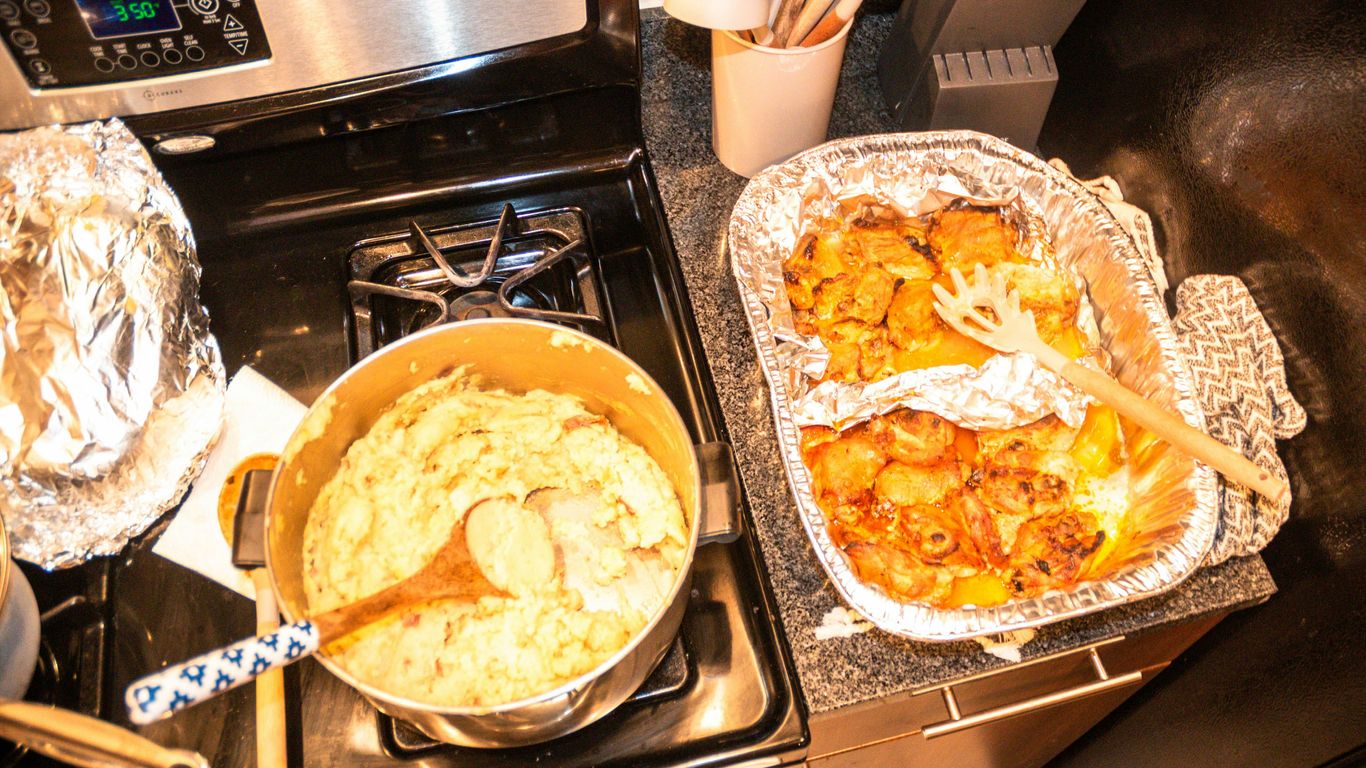
Day-old rice works better than fresh because it has dried out a little and won’t clump. Heat a little oil, add frozen peas and carrots for 2 minutes, push them aside and scramble two eggs, then stir in the rice with soy sauce and sliced green onion. Add leftover chicken, tofu or frozen cooked shrimp for more protein. If you’re using leftover rice, make sure it went into the fridge promptly and is only a day or two old (more on that below).
4. Lemon garlic shrimp pasta
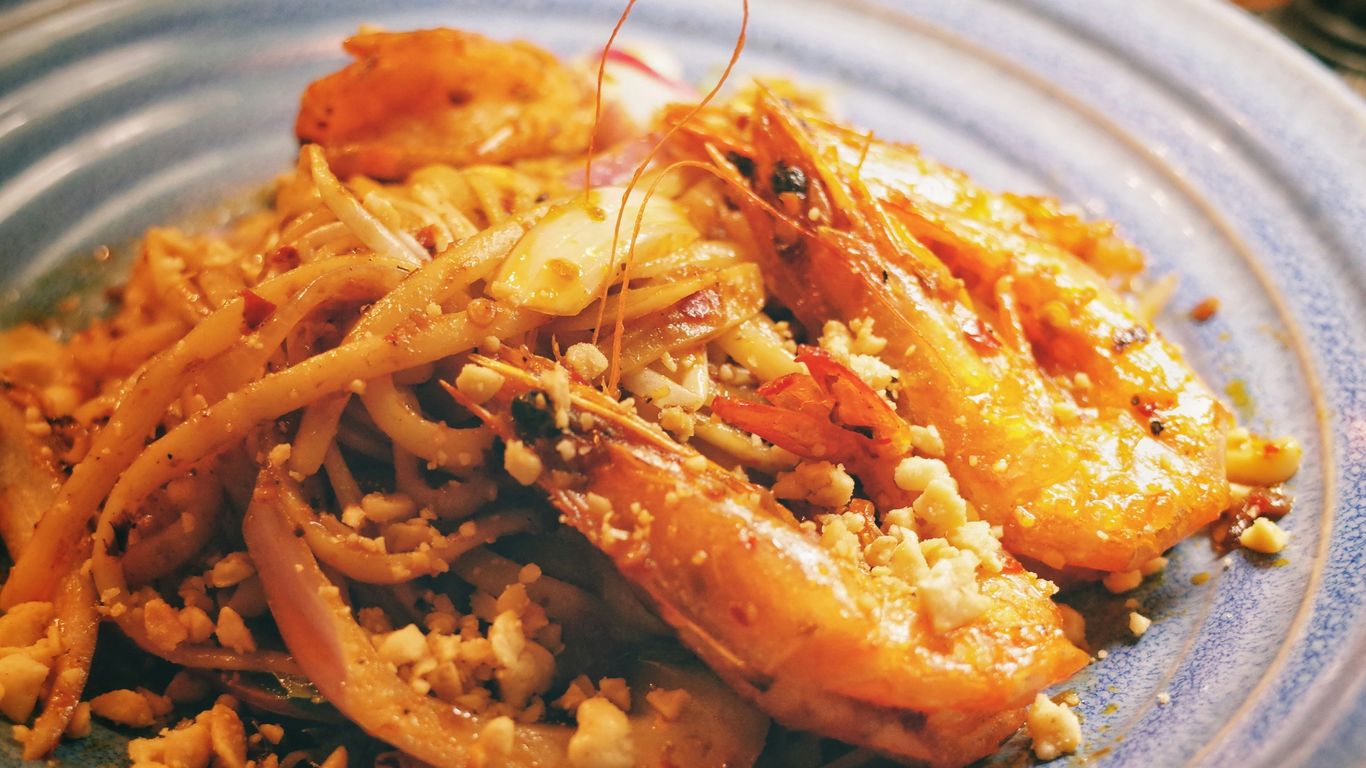
Thin pasta like angel hair cooks in about 4 minutes. While it boils, warm garlic in olive oil, add thawed frozen cooked shrimp and a few big handfuls of baby spinach until wilted. Toss with the drained pasta, lemon juice, chili flakes and a little grated Parmesan. Canned white beans work in place of the shrimp.
5. Breakfast for dinner
Scramble eggs with whatever vegetables are in the crisper (spinach, peppers, tomatoes, mushrooms) or a scoop of frozen vegetables. Serve on whole grain toast with fruit on the side. For a meatless version with more fibre, warm canned black beans with salsa and spoon them over the eggs.
6. Tuna or chickpea salad wraps
Mash a can of tuna, salmon or chickpeas with plain Greek yogurt or a little mayonnaise, mustard, lemon and pepper. Add diced celery, cucumber or pickles for crunch. Roll it into a whole grain wrap with lettuce, or pile it on crackers with a side of cherry tomatoes. No stove needed.
7. Upgraded instant noodles
Cook the noodles using about half the seasoning packet (the packets are usually high in sodium), then stir in a big handful of frozen vegetables and a beaten egg in the last minute, or add cubes of tofu. Finish with sliced green onion, a squeeze of lime and a few drops of soy sauce or chili sauce. It turns a snack-like meal into something with protein and vegetables.
8. Loaded bean and veggie nachos
Spread whole grain tortilla chips on a sheet pan, top with drained black beans, frozen corn, chopped peppers and a modest layer of cheese, and broil for 3 to 5 minutes until melted. Top with salsa, plain yogurt and avocado if you have it, with a big salad alongside. Keep an eye on it, since broilers work fast.
Keep your shelves ready
These dinners only happen on tired nights if the ingredients are already in the house. A short restock list helps:
| Where | Keep on hand |
|---|---|
| Pantry | Canned beans and chickpeas, canned tuna or salmon, canned tomatoes, salsa, whole grain tortillas, thin pasta, microwave rice, instant noodles, tortilla chips |
| Fridge | Eggs, cheese, plain Greek yogurt, hummus, lemons, bagged salad or baby spinach, baby carrots |
| Freezer | Mixed vegetables, peas and corn, cooked shrimp, whole grain bread, cooked rice in portions |
If you want an even quicker version for lunches and busy mornings, see our guide to five-minute balanced assemblies. And if late evenings are when decisions fall apart, a couple of planned buffer meals can take the guesswork out.
Leftovers and food safety
Several of these assemblies rely on leftovers, so a few rules matter. Health Canada’s food safety tips for leftovers say to refrigerate leftovers promptly in shallow containers, throw out cooked food that has sat at room temperature for more than two hours, eat chilled leftovers within two to three days, and reheat them to an internal temperature of 74°C (165°F). Freeze anything you won’t eat in that window.
Make it easier next time
- Cook once, use twice. When you do make rice, grains or roasted vegetables, make extra for fried rice or bowls later in the week.
- Prep the boring parts. Washing greens or chopping a few peppers on the weekend saves the steps you’re least likely to do when tired. Our post on mise en place for real life walks through this.
- Write the eight on the fridge. A visible list beats trying to think of an idea at 6 p.m.
- Use water, sparkling water or milk with dinner rather than sugary drinks.
Quick takeaways
- Build dinner from four parts: protein, vegetable, grain or starch, and flavour.
- Frozen and canned vegetables and beans are what make 10-minute meals realistic.
- Rotate a handful of assemblies you like rather than searching for new recipes on hard nights.
- Restock the pantry, fridge and freezer staples weekly.
- Handle leftovers safely: chill promptly, eat within two to three days, reheat to 74°C.
FAQ
Are these meals balanced enough to eat often?
Yes, as long as each plate has a protein, plenty of vegetables and a grain or starch. Rotating proteins (beans one night, fish or eggs another) adds variety.
How do I keep sodium down with canned foods?
Look for “no salt added” or lower-sodium canned beans and vegetables, drain and rinse beans, and use only part of seasoning packets and sauces.
What if I truly have nothing fresh?
Frozen vegetables, canned beans or fish, eggs and a grain will still give you a complete meal. Fried rice, noodles and quesadillas all work entirely from the pantry and freezer.