
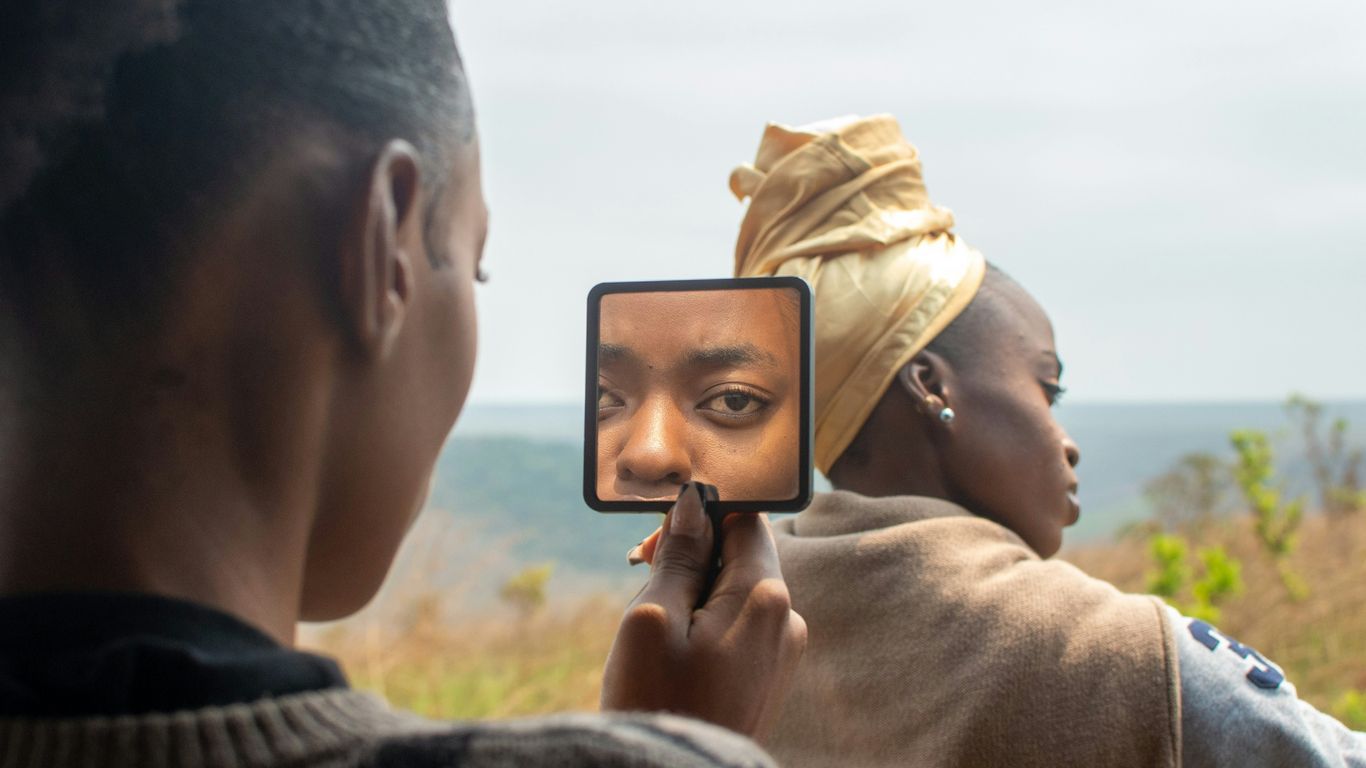
Thinking about where you want to be in the future is a powerful thing. It’s not just daydreaming; it’s about actively creating a picture of your future self and working towards it. This practice, often called future self visualization, can really change how you approach your goals and your daily life. It’s like giving your brain a roadmap, showing it what success looks like and feels like. We’ll explore how to make this work for you, from writing your own scripts to using everyday things as reminders.
Key Takeaways
- Crafting specific scripts for your future self visualization helps you focus on achieving your goals and appreciate what you have.
- Using anchors like senses or objects can make your future self visualization practice more real and easier to recall.
- Checking in regularly helps you see what’s working, make changes, and keep the positive feelings from your visualization.
- Stepping into your future self’s shoes, using all your senses, and feeling the emotions of that future moment makes the visualization more effective.
- Making future self visualization a regular part of your day, even with short intentions or mindful moments, can lead to big changes in confidence and outlook.
Crafting Your Future Self Visualization Scripts
Think of your future self visualization script as a roadmap for your mind. It’s not just about daydreaming; it’s about actively building a mental blueprint of where you want to go and who you want to become. A well-crafted script guides your imagination, making the experience more focused and impactful. It’s like giving your brain specific instructions on what to picture, feel, and believe.
The Power of Guided Imagery
Guided imagery is basically using your imagination to create vivid mental pictures. When you’re guided, someone or something (like a script) helps you along, suggesting what to see, hear, smell, taste, and feel. This makes it easier to get into a relaxed state and really immerse yourself in the imagined scenario. It’s especially helpful if you sometimes find your mind wandering or struggle to come up with your own visualizations. The script provides the structure, allowing you to just relax and experience it.
Scripting Goal Achievement
When you’re scripting for goal achievement, you’re essentially writing a scene where you’ve already succeeded. You want to be super specific here. Instead of just thinking, "I want to be successful," try something like, "I am standing on the stage, accepting the award for my project. I can feel the weight of the trophy in my hands, hear the applause, and see the proud faces of my team in the audience." The more detail you include, the more real it feels to your brain. This mental rehearsal helps your mind prepare for the actual achievement.
Here’s a basic structure you can adapt:
- Set the Scene: Describe the environment where you’ve achieved your goal.
- Engage Your Senses: What do you see, hear, smell, taste, and feel?
- Experience the Emotions: How does it feel to have achieved this goal? (e.g., joy, pride, relief)
- Acknowledge Your Actions: What did you do to get here? What skills did you use?
- Reflect and Appreciate: What are you grateful for in this moment?
Incorporating Gratitude
Adding gratitude to your scripts is a game-changer. Once you’ve vividly imagined achieving your goal, take a moment to reflect on what helped you get there. This could be your own hard work, the support of others, or even unexpected opportunities. Imagine yourself writing these things down in a journal. This practice not only reinforces the positive feelings associated with your success but also cultivates a deeper appreciation for the journey and the people involved. It shifts the focus from just the end result to the entire process, making the achievement feel more earned and meaningful.
Gratitude helps ground your visualization in reality, reminding you of the resources and strengths you possess or can access. It’s a powerful way to acknowledge the contributing factors, big or small, that paved the way for your success.
Enhancing Future Self Visualization with Anchors
So, you’ve got your future self script ready to go. That’s awesome. But sometimes, our minds are like busy highways, and it’s tough to stay on the road to your envisioned future. That’s where anchors come in. Think of them as little signposts or familiar landmarks that help you get back on track when your thoughts start to wander.
Creating Sensory Anchors
Our senses are powerful tools for memory and emotion. By linking specific sensory experiences to your future self visualization, you create a shortcut to that desired state. It’s about making the imagined feel more real.
- Sound: Pick a specific piece of music, a nature sound, or even a short phrase that you associate with your future success. When you hear it, you’re instantly transported back to that feeling.
- Smell: A particular scent, like a favorite candle or essential oil, can be incredibly evocative. Use it only during your visualization practice to keep its power strong.
- Touch: The texture of a smooth stone, a soft piece of fabric, or even the feeling of a specific type of lotion can become an anchor.
- Taste: While less common for visualization, a specific flavor you enjoy could be linked to a celebratory moment in your future.
Utilizing Environmental Cues
Your surroundings can also act as potent anchors. It’s about intentionally using the spaces you inhabit to support your visualization practice.
- Dedicated Space: If possible, have a specific spot where you do your visualization. It could be a comfy chair, a corner of your room, or even a park bench. The act of going to that spot primes your mind for the practice.
- Visual Reminders: Place a picture, a quote, or an object in your line of sight that represents your future goal. Seeing it throughout the day can serve as a gentle nudge to return to your visualization.
- Time of Day: Associating your visualization with a particular time, like right after waking up or before bed, can create a natural cue. Your brain will start to anticipate the practice.
The Role of Physical Objects
Sometimes, a simple object can hold a lot of meaning and power. These tangible items can serve as a constant, physical reminder of your aspirations.
- A Token: This could be anything from a small figurine to a piece of jewelry. It should be something you can hold, touch, and focus on.
- A Vision Board: While a larger project, a vision board itself acts as a powerful anchor, a collage of images and words representing your desired future.
- A Journal: The act of writing down your future self and your goals in a specific journal can make it an anchor. Flipping through its pages can bring you back to your intentions.
Anchors work by creating strong associations in your brain. When you consistently pair a sensory input, an environmental cue, or a physical object with the feeling and imagery of your future self, your brain learns to make that connection. This makes it easier to access that desired mental state whenever you need it, especially when you’re just starting out or when life gets a bit chaotic.
It’s all about making your visualization practice more robust and accessible. By weaving these anchors into your routine, you’re building a more reliable bridge to the future you’re creating.
The Importance of Regular Check-Ins
So, you’ve been practicing visualizing your future self, which is awesome. But just like watering a plant, you can’t just set it and forget it. You’ve got to check in on it. This is where regular check-ins come in. They’re not about judging yourself or seeing if you’ve magically become that future person overnight. Think of them more like a friendly chat with your future self, or a quick review of your progress.
Tracking Progress and Insights
This is where you take a moment to actually notice what’s been happening since your last visualization session. Did you feel a shift? Did any particular images or feelings stick with you? It’s helpful to jot these things down. You don’t need a fancy journal; a simple notebook or even a notes app on your phone will do. What were the main themes that came up during your visualizations? Were there any recurring symbols or messages? Sometimes, just writing it all out can reveal patterns you hadn’t noticed before.
- Note down any vivid images or feelings from your visualization.
- Record any actions you took, big or small, inspired by your future self.
- Reflect on any challenges or breakthroughs you experienced.
Adjusting Your Visualization Practice
Based on what you notice during your check-ins, you might need to tweak your approach. Maybe the script you’re using feels a bit stale, or perhaps a certain type of anchor isn’t working for you anymore. That’s totally fine! The goal is to make this practice work for you. If you find yourself getting bored or distracted, it might be time to switch things up. Maybe try a different time of day, a new guided script, or even a different sensory anchor. Flexibility is key to making this a sustainable habit.
Sometimes, the most profound insights come not from forcing the practice, but from observing what naturally arises and adapting accordingly. Don’t be afraid to experiment.
Reinforcing Positive Outcomes
When you notice progress, no matter how small, make sure to acknowledge it. This is where you actively reinforce the positive momentum you’re building. Did you feel more confident after a visualization session? Did you handle a tricky situation better because you pictured your future self doing so? Celebrate these wins! This positive feedback loop is what keeps you motivated and makes the practice feel rewarding. It’s like giving your future self a little high-five for showing up.
- Acknowledge and celebrate small victories.
- Connect current actions to your visualized future.
- Express gratitude for the progress you’re making.
Leveraging Active Imagination for Future Self Visualization
So, you’ve got your future self in mind, right? Now, let’s really bring that person to life. This is where active imagination comes in. It’s not just about thinking about what you want; it’s about feeling it, seeing it, and being it, even if just for a little while.
Stepping into Your Future Persona
Think of it like method acting, but for your own life. You’re not just observing your future self; you’re stepping into their shoes. What are they wearing? How do they walk? What’s their general vibe? The more you inhabit this role, the more real it becomes in your mind. It’s about embodying that successful, happy, or accomplished version of you.
Engaging All Your Senses
This is where it gets really interesting. Don’t just picture it; experience it. What does that future success look like? Is there a specific view from a window? What sounds are around you – maybe applause, or just quiet satisfaction? What does the air feel like on your skin? Is there a particular scent? Maybe the taste of a celebratory drink? Engaging all your senses makes the imagined future feel much more tangible.
Embodying Future Emotions
This is perhaps the most powerful part. How does your future self feel? Are they confident? Relieved? Excited? Proud? Try to genuinely feel those emotions now. Your brain has a funny way of not always distinguishing between what’s real and what’s vividly imagined. So, if you can make yourself feel the joy of achieving your goal, your mind starts to believe it’s possible, and maybe even inevitable.
- See: What are the visual details of your success?
- Hear: What sounds accompany this achievement?
- Feel: What are the physical sensations?
- Smell/Taste: Are there any distinct aromas or flavors?
- Emotion: What is the core feeling you experience?
When you actively imagine your future self, you’re not just daydreaming. You’re creating a mental blueprint, a vivid experience that primes your mind and body for what’s to come. It’s like a practice run for reality.
Benefits of Future Self Visualization
So, why bother with all this future-self imagining? Turns out, it’s not just some airy-fairy concept. There are some pretty solid reasons why spending time visualizing your future self can actually make a difference in your present life. It’s like giving your brain a sneak peek at what’s possible, and that can be a huge motivator.
Boosting Confidence and Motivation
When you take the time to really see yourself achieving a goal, whether it’s landing that dream job or finally running that 5k, something shifts. You start to believe it’s actually within reach. This mental rehearsal makes the goal feel less like a distant fantasy and more like a tangible destination. It’s like practicing a presentation beforehand; the more you do it in your head, the more confident you feel when the real moment arrives. This practice can really help push you forward when things get tough.
Improving Self-Image
Sometimes, we get stuck seeing ourselves in a certain way, maybe as someone who isn’t good enough or capable enough. Future-self visualization is a way to actively paint a new picture. By imagining yourself handling challenges with grace, succeeding at tasks you currently find difficult, or simply embodying the qualities you admire, you begin to reshape your own perception. It’s about building a mental blueprint of the person you aspire to be, and then gradually aligning your current actions with that vision. This can be particularly helpful if you struggle with self-doubt or tend to put things off.
Cultivating a Positive Mindset
This whole process naturally steers you toward a more optimistic outlook. When you’re regularly focusing on positive future outcomes and the steps you’re taking to get there, it’s harder to get bogged down by daily frustrations. You start noticing opportunities more, and even setbacks can be viewed as learning experiences rather than dead ends. It’s about training your brain to look for the good and to believe in the possibility of good things happening. This shift in perspective can have a ripple effect on your overall well-being.
Here are a few ways this practice can help:
- Increased resilience: You become better equipped to bounce back from challenges.
- Greater clarity: You gain a clearer understanding of what you truly want.
- Proactive behavior: You’re more likely to take steps towards your goals.
The act of vividly imagining your future self and desired outcomes can create a powerful feedback loop. Your mind starts to believe in the possibility, which in turn influences your actions and perceptions, making the imagined future more likely to become your reality. It’s a subtle but effective way to guide your own life path.
Integrating Future Self Visualization into Daily Life
Making future-self visualization a regular part of your day doesn’t have to be a huge undertaking. It’s about weaving these moments into the fabric of your routine, like brushing your teeth or having your morning coffee. Think of it as small, consistent actions that build up over time. The goal is to make it feel natural, not like another chore on your to-do list.
Setting Daily Intentions
Start your day by taking just a minute or two to decide what you want to accomplish or how you want to feel. This isn’t about grand plans, but simple, actionable intentions. For example, your intention might be to approach a challenging conversation with patience, or to find joy in a mundane task. Connect this intention to your future self – how would your future, more accomplished self handle this situation?
Visualizing Key Moments
Before you face a specific event, like a presentation, a difficult meeting, or even a social gathering, take a moment to visualize it going well. Picture yourself calm, confident, and articulate. What does success look like in that moment? What are you saying and doing? This mental rehearsal can significantly reduce anxiety and improve your performance. It’s like giving yourself a mini-preview of success.
Practicing Mindful Awareness
Mindfulness is the practice of being present in the moment, and it pairs really well with visualization. When you’re mindful, you’re more aware of your surroundings and your internal state. This awareness helps you notice opportunities to practice your visualization skills throughout the day. For instance, during a commute or while waiting in line, you can use that time to briefly connect with your future self or mentally review a positive outcome you’re working towards. It’s about finding those pockets of quiet in a busy day.
Here’s a simple way to integrate it:
- Morning intention: Briefly picture your future self embodying the day’s intention.
- Pre-event rehearsal: Spend 1-2 minutes visualizing a specific upcoming event.
- Mindful pause: During a quiet moment, check in with your future self’s feelings.
Integrating these practices isn’t about perfection, but about consistent effort. Even short, focused moments can make a difference in how you approach your day and move towards your goals. It’s about building a bridge between who you are now and who you aspire to become.
Overcoming Obstacles in Visualization Practice
So, you’re trying to picture your future self, maybe acing that presentation or finally finishing that marathon, but your mind keeps wandering off to what’s for dinner or that email you forgot to send. It happens. Don’t get discouraged; it’s a normal part of the process. Visualization isn’t always a smooth, crystal-clear movie playing in your head. It’s more like learning a new skill, and like any skill, it takes practice and a bit of patience.
Addressing Wandering Thoughts
When your mind drifts, and it will, try not to fight it. Think of it like a puppy that keeps running off – you gently guide it back, you don’t scold it. A simple acknowledgment that your mind wandered, followed by a gentle redirection back to your visualization, is usually enough. You can even incorporate these thoughts into your practice. If you’re visualizing a successful business meeting and suddenly think about a difficult client, you could visualize yourself handling that client with grace and confidence within the meeting itself. It turns a distraction into a training opportunity.
Releasing Attachment to Outcomes
It’s easy to get fixated on how you’ll achieve your future goal or exactly what it will look like. This attachment can create pressure and anxiety, which actually hinders the visualization process. The idea is to plant the seed of your desired future, not to micromanage its growth. Trust that the universe, or your own subconscious, will figure out the best path. Focus on the feeling of already having achieved your goal, rather than the step-by-step mechanics of getting there. Let go of the need to control every detail; simply enjoy the experience of your future self.
Cultivating Patience and Persistence
Some days, your visualization will feel vivid and powerful. Other days, it might feel like you’re staring at a blank wall. Both are okay. The key is to keep showing up. Think of it like building a muscle; you don’t see results after one workout, but consistent effort pays off. Don’t expect instant, dramatic shifts. Celebrate the small wins, like noticing you were able to focus for a few extra seconds or that a particular feeling came through more strongly. Persistence, even when it feels like you’re not making progress, is what ultimately leads to breakthroughs. It’s about the journey, not just the destination.
Advanced Techniques for Future Self Visualization
So, you’ve got the basics down, you’re scripting, you’re anchoring, and checking in. That’s awesome. But what if you want to take your future self visualization to the next level? There are some really cool ways to deepen the practice and make it even more impactful. It’s not just about seeing yourself succeed; it’s about really feeling it and making it a part of you.
Combining Visualization with Affirmations
Think of affirmations as the verbal cherry on top of your visualization sundae. While you’re picturing yourself acing that presentation or finally finishing that novel, sprinkle in some positive statements. Instead of just seeing yourself do it, say it to yourself in your mind: "I am confident and capable." "I complete projects with ease." This dual approach helps reinforce the desired outcome on both a visual and linguistic level. It’s like giving your brain a double dose of "you’ve got this."
Exploring Compassion and Connection
This one might seem a little out there at first, but hear me out. Sometimes, our future selves might be facing challenges we can’t quite imagine yet. Practicing compassion, both for your future self and for others you might encounter on your journey, can make a huge difference. Imagine your future self handling a tough situation with kindness and understanding, not just brute force. This can make your visualized future feel more realistic and emotionally balanced. It’s about building a future where you’re not just successful, but also kind and connected.
Utilizing Digital Tools and Resources
We live in a digital age, right? So why not use it to our advantage? There are tons of apps and online resources now that can guide you through visualizations. Some offer pre-made scripts for specific goals, others have ambient sounds to help you relax, and some even track your progress. You can find guided meditations specifically designed for career goals, personal growth, or even relationship improvements. It’s like having a personal visualization coach right in your pocket. Plus, many of these tools are built on evidence-based practices, which is always a good sign.
The Science Behind Future Self Visualization
Ever wonder why some people seem to just know they’re going to succeed? A lot of it comes down to what’s happening inside their brains. When you visualize your future self, you’re not just daydreaming; you’re actively rewiring your neural pathways. Think of it like mental rehearsal. Top athletes, business leaders, and performers have been using this for ages, and science is starting to catch up with why it works so well.
Neural Pathways and Mental Rehearsal
When you vividly imagine yourself achieving a goal or embodying a desired trait, your brain starts to create and strengthen connections related to that experience. It’s similar to how practicing a physical skill builds muscle memory. The more you mentally rehearse success, the more your brain expects it. This makes it easier to recognize opportunities and act on them when they appear in real life. It’s like your brain is getting a preview, making the actual event feel more familiar and achievable.
Psychological States and Well-being
Visualization isn’t just about achieving external goals; it also impacts your internal state. Regularly engaging in positive visualization can help reduce stress and anxiety. By focusing on desired outcomes and positive emotions, you cultivate a sense of calm and control. This practice can lead to greater emotional balance and a more positive outlook on life. It helps you build resilience, making you better equipped to handle challenges.
Evidence-Based Practices
Research supports the effectiveness of visualization. Studies show that mental rehearsal can improve performance in various fields, from sports to public speaking. For instance, visualizing yourself giving a confident presentation can actually make you feel more confident and perform better when the time comes. It’s a practical tool that, when used consistently, can lead to tangible improvements in self-perception and actual outcomes.
- Improved Focus: Visualization helps direct your attention towards your goals.
- Increased Motivation: Seeing yourself succeed fuels your drive to take action.
- Reduced Anxiety: Mentally preparing for challenges can lessen their perceived threat.
- Enhanced Self-Belief: Repeatedly imagining positive outcomes builds confidence.
The brain often struggles to differentiate between a vividly imagined experience and a real one. This is why visualization can be so powerful – it primes your mind and body for the reality you’re creating.
This process is particularly effective when you engage all your senses in the visualization. What do you see, hear, smell, taste, and feel in your imagined future? The richer the sensory detail, the more real the experience becomes for your brain, solidifying those neural pathways and psychological states.
Tailoring Visualization for Specific Goals
So, you’ve got a goal, right? Maybe it’s landing that promotion, learning a new skill, or just getting along better with your partner. The cool thing about future-self visualization is that it’s not a one-size-fits-all deal. You can really tweak it to fit exactly what you’re aiming for. It’s about making the mental movie super relevant to your personal quest.
Career Advancement Visualization
When you’re gunning for that next step up the ladder, your visualization needs to be sharp. Think about the actual tasks involved in the role you want. See yourself handling them with confidence. What does your workspace look like? Who are you interacting with? Picture yourself giving that presentation, leading that meeting, or closing that big deal. It’s about making the future feel familiar and achievable.
- Daily actions: Visualize yourself completing one small task each day that moves you closer to your career goal.
- Skill development: Imagine yourself easily grasping new concepts or mastering a difficult skill.
- Networking: Picture yourself having a great conversation with a key person in your field.
- Problem-solving: See yourself calmly and effectively resolving a work-related challenge.
Personal Growth Visualization
This is where you focus on becoming the person you want to be. Maybe you want to be more patient, more disciplined, or more adventurous. Visualize yourself acting in those ways. If you want to be more disciplined, see yourself sticking to your workout routine even when you don’t feel like it. If you want to be more adventurous, imagine yourself trying something new and feeling exhilarated.
Personal growth visualization is less about external achievements and more about internal shifts. It’s about cultivating the qualities and habits that define your ideal self.
Relationship Enhancement Visualization
When it comes to relationships, visualization can help smooth things over or deepen connections. If you’re looking to improve communication with a loved one, visualize yourself listening attentively and responding thoughtfully. If you want to feel more connected, picture shared moments of joy and understanding. It’s about seeing the relationship as you want it to be, and then acting in ways that align with that vision.
- Active listening: Imagine yourself truly hearing what someone is saying, without interrupting.
- Expressing appreciation: Visualize yourself telling someone you care about how much they mean to you.
- Conflict resolution: See yourself discussing disagreements calmly and finding common ground.
- Shared experiences: Picture yourself enjoying quality time with friends or family, creating happy memories.
Choosing the right way to show your information is super important. Think about what you want people to understand or do. When you pick visuals that match your goal, your message becomes much clearer and easier to grasp. Ready to make your data speak for itself? Visit our website to learn how we can help you create amazing visuals that get results!
Wrapping It Up
So, we’ve talked about how using guided scripts can really help you get into the zone for visualization. Plus, those environmental anchors? They’re like little reminders to keep you on track throughout your day. And don’t forget those check-ins – they’re super important for seeing how it’s all working. It’s not about being perfect, just about making this practice a regular part of your life. Give it a shot, see what feels right for you, and keep showing up for your future self. You’ve got this.
Frequently Asked Questions
What exactly is future-self visualization?
It’s like making a movie in your head of yourself being awesome in the future! You imagine what you’ll look like, feel like, and what you’ll have achieved. It’s a way to mentally practice reaching your goals and becoming the person you want to be.
How do I create a good visualization script?
Think about what you want to achieve. Then, write down what it looks, sounds, and feels like when you’ve already done it. Make it super detailed, like you’re really there. Don’t forget to add how happy and proud you feel!
What are ‘environmental anchors’ for visualization?
These are things in your surroundings that remind you of your future self or your goals. It could be a picture, a special song, or even a scent. When you see or hear or smell it, it helps you jump back into that future feeling.
Why is it important to check in with my visualization practice?
Checking in helps you see how well it’s working. Are you getting closer to your goals? Are you feeling more confident? It also lets you tweak your practice if something isn’t quite right, making it even more effective.
Can visualization really help me achieve my goals?
Yes! When you visualize success, your brain starts to believe it’s possible. It makes you more motivated and helps you notice opportunities you might have missed before. It’s like giving your brain a roadmap to success.
What if my mind wanders during visualization?
That’s totally normal! Our minds like to jump around. Just gently bring your focus back to your imagined future self. Think of it like training a puppy – you just keep guiding it back with kindness.
How can I make my visualization more real?
Use all your senses! Imagine what you see, hear, smell, taste, and touch. Also, try to feel the emotions you’d have – happiness, excitement, pride. The more real it feels, the more your brain believes it.
Is there any science behind visualization?
Absolutely! When you visualize, your brain actually creates pathways that are similar to when you’re actually doing the activity. It’s like mental practice that prepares you for the real thing, boosting your confidence and making you more likely to succeed.