
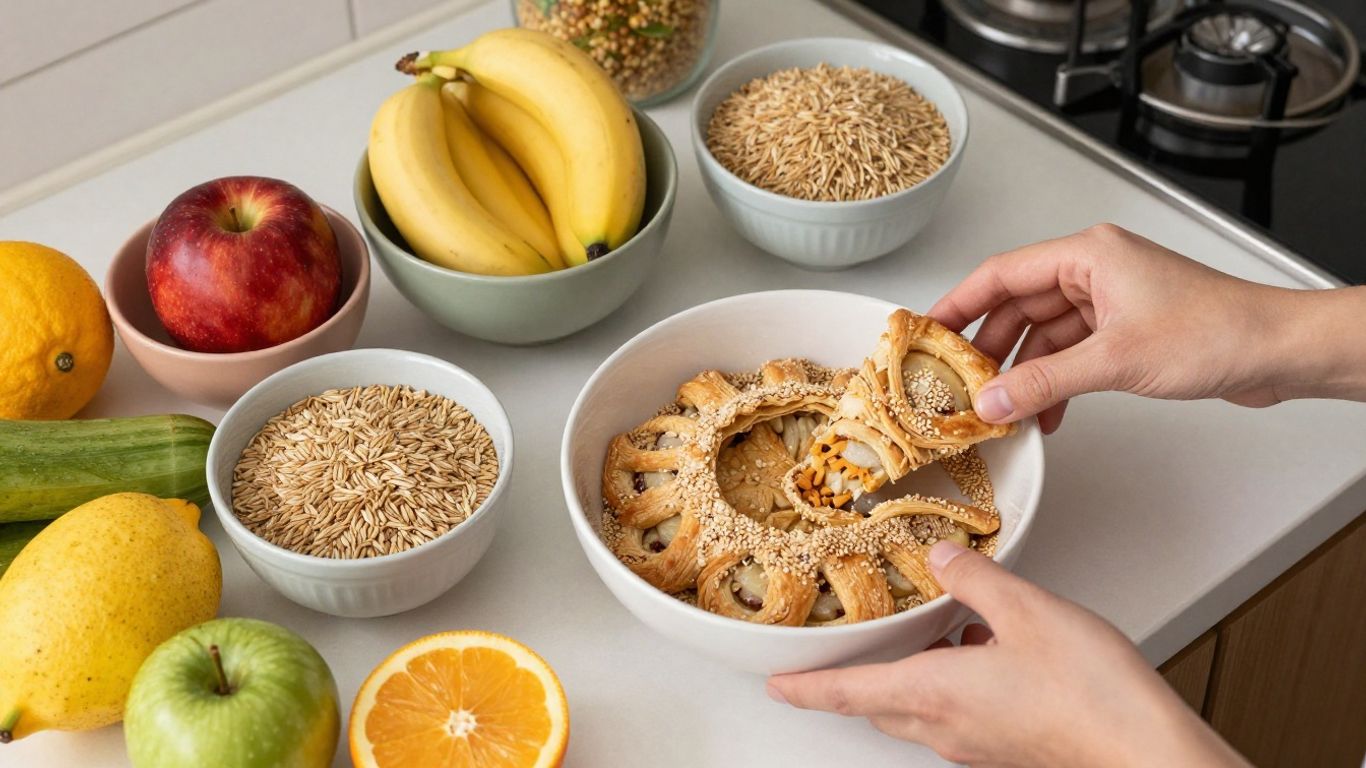
Thinking about cutting back on gluten but worried your meals will taste like cardboard? I get it. It feels like a huge change, but honestly, there are so many cool ways to make food lighter without losing all the flavor and texture we love. It’s all about finding the right gluten-light swaps. We’re talking about making your favorite dishes a bit easier on you, whether you’re baking, cooking dinner, or just grabbing a snack. Let’s explore some simple ideas that really don’t feel like you’re missing out.
Key Takeaways
- Baking can be transformed with gluten-light swaps like almond flour or coconut flour, and natural sweeteners such as maple syrup or honey can replace refined sugars for a lighter touch.
- Savory meals benefit from gluten-light swaps too; think zucchini noodles instead of pasta, or using cornstarch or arrowroot for thickening stews instead of traditional flour.
- Breakfast favorites get a makeover with gluten-light options like homemade granola with oats and nuts, or pancakes made with oat or buckwheat flour.
- Snacking becomes healthier with gluten-light swaps like veggie chips, nut-based energy bites, or dips made with ingredients like avocado or white beans.
- Exploring global cuisines offers many naturally gluten-light swaps, such as rice-based dishes in Asian cooking or plantain-based meals in Latin American cuisine.
Embracing Gluten-Light Swaps in Baking
Baking without gluten doesn’t mean sacrificing deliciousness. It’s about exploring new ingredients and techniques that can yield surprisingly light and flavorful results. Think of it as an adventure for your taste buds and your oven!
Flour Alternatives for Lighter Breads
Wheat flour’s gluten provides structure, but alternatives can offer a tender crumb and unique taste. When choosing a flour, consider its properties. Some, like almond flour, add richness and moisture, while others, such as rice flour, can create a lighter texture. Blending different gluten-free flours often yields the best results, mimicking the complexity of wheat flour.
Here are a few popular choices:
- Almond Flour: Made from ground almonds, it’s moist, rich, and great for cakes and cookies. It has a slightly nutty flavor.
- Coconut Flour: Highly absorbent, it requires more liquid in recipes. It has a subtle coconut taste and a fine texture.
- Rice Flour (White and Brown): Brown rice flour offers a slightly nuttier flavor and more fiber than white rice flour, which is quite neutral.
- Oat Flour: Ensure it’s certified gluten-free. It provides a slightly chewy texture and a mild, pleasant flavor.
Experimenting with blends is key to finding your perfect gluten-light bread.
Sweeteners Beyond Refined Sugar
Moving away from refined white sugar opens up a world of natural sweetness and added nutrients. These sweeteners can also impact the texture and moisture of your baked goods.
- Maple Syrup: Adds a distinct caramel-like flavor and moisture. Use slightly less than sugar, as it’s liquid.
- Honey: Offers a floral sweetness and can help with browning. Like maple syrup, it’s liquid and sweeter than sugar.
- Coconut Sugar: A less refined option with a caramel-like taste, it can often be substituted 1:1 for granulated sugar.
- Date Paste: Made from blended dates, it provides natural sweetness, fiber, and a rich, deep flavor.
Choosing natural sweeteners can add subtle flavor notes and a different kind of moisture to your baked goods, making them feel more wholesome.
Binder Substitutions for Texture
Gluten acts as a binder in traditional baking. Without it, you’ll need other ingredients to hold things together and achieve the right texture. These binders can also add nutritional value.
- Eggs: A classic binder that also adds richness and helps with leavening.
- Flax Eggs (1 tbsp ground flaxseed + 3 tbsp water, let sit for 5-10 mins): A vegan option that works well in muffins, cookies, and quick breads.
- Chia Eggs (1 tbsp chia seeds + 3 tbsp water, let sit for 10-15 mins): Similar to flax eggs, they create a gel-like consistency.
- Psyllium Husk: Excellent for providing structure and elasticity, especially in gluten-free bread recipes. It absorbs a lot of liquid.
Savory Dishes with Gluten-Light Swaps
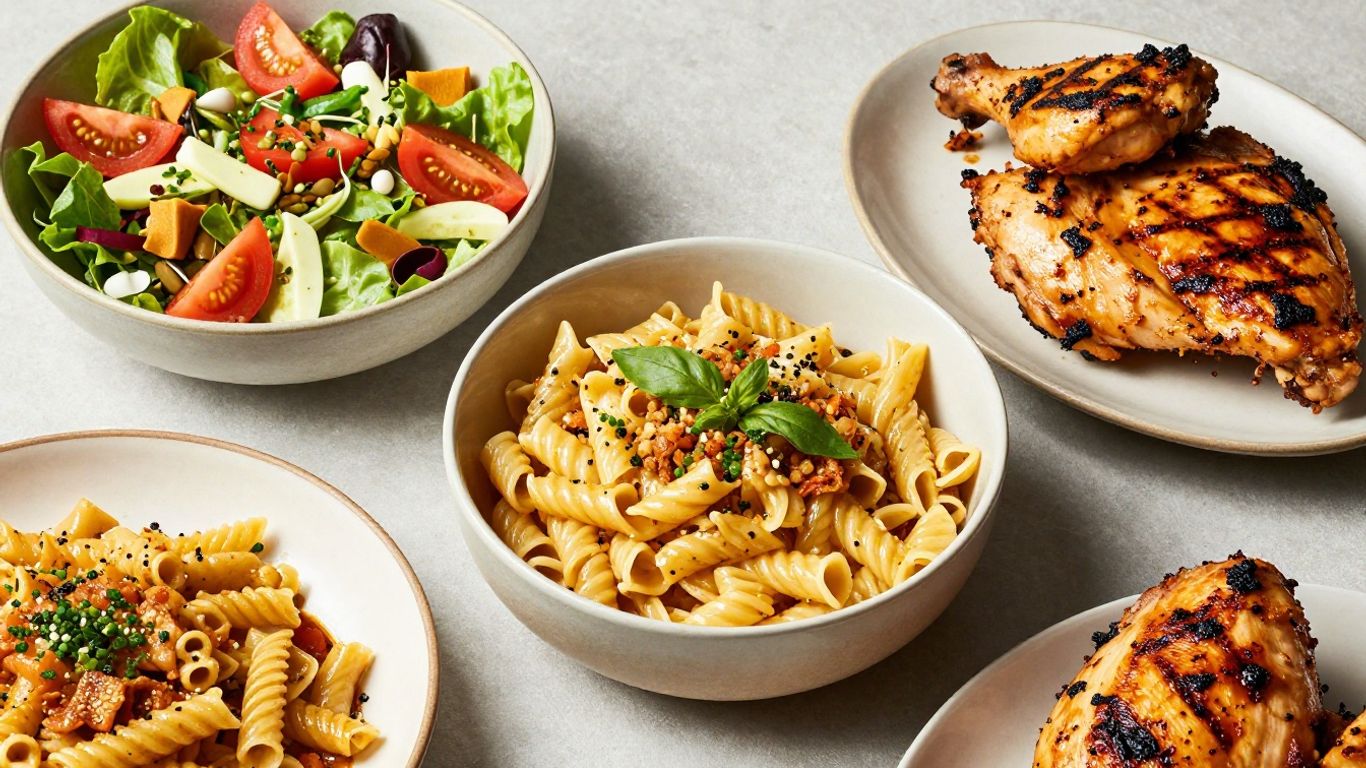
Moving beyond the sweet side of things, let’s talk about how to make your savory meals shine without relying on traditional gluten. It’s all about finding clever substitutions that keep flavors robust and textures satisfying. Think about it: a hearty stew, a crispy coating on your favorite protein, or even a comforting pasta dish – all achievable with a gluten-light approach.
Grain-Free Pasta and Noodle Options
When you’re craving pasta but want to skip the wheat, there’s a whole world of alternatives waiting. Zucchini noodles, or ‘zoodles,’ are a popular choice, offering a fresh, light base for any sauce. They cook up quickly and absorb flavors beautifully. For something a bit more substantial, consider noodles made from sweet potato, black beans, or even hearts of palm. These options bring their own unique textures and nutritional profiles to the table. You can find them pre-made in many stores, or for the adventurous, they can be made at home with the right tools.
Hearty Stews and Soups Without Flour Thickeners
Thickening a stew or soup doesn’t always require a flour-based roux. Pureed vegetables are a fantastic way to add body and creaminess. Think about blending cooked potatoes, cauliflower, or even white beans into your broth. Arrowroot starch or tapioca starch are also excellent gluten-free thickeners that can be mixed with a little cold water to form a slurry before being stirred into your simmering pot. For a rustic touch, consider adding cooked lentils or finely diced root vegetables; they break down over time, naturally thickening the liquid.
Crispy Coatings and Breading Alternatives
Achieving that satisfying crunch on fried or baked foods without breadcrumbs is surprisingly easy. Almond flour, coconut flour, or even finely ground seeds like sunflower or pumpkin seeds can create a wonderfully crisp coating. For a lighter, airier texture, consider using crushed gluten-free cereals or rice crisp cereal. Nutritional yeast can add a cheesy, savory note to your breading mixture, and a blend of herbs and spices will ensure your coatings are packed with flavor. Remember to experiment with different combinations to find your perfect crisp!
Making these swaps isn’t about restriction; it’s about discovery. It’s about finding new ingredients and techniques that open up a world of delicious possibilities for your favorite savory dishes.
Breakfast Delights with Gluten-Light Swaps
Waking up to a delicious breakfast doesn’t have to mean compromising on your dietary choices. We’re talking about making your morning meals lighter and brighter, without sacrificing flavor or that satisfying start to your day. Think of it as a gentle upgrade, not a downgrade.
Cereal and Granola Innovations
Forget those sugary cereals that leave you crashing by mid-morning. There are so many ways to make your breakfast bowl exciting and nourishing. For cereals, look for options based on corn, rice, or certified gluten-free oats. These provide a good base and can be fortified with vitamins and minerals. Many brands now offer low FODMAP certified cereals, which is a big help if you’re watching your gut health.
When it comes to granola, homemade is often best. You can control the ingredients entirely. Mix rolled oats (ensure they’re certified gluten-free if needed) with nuts like almonds, walnuts, or pecans, and seeds such as pumpkin or sunflower seeds. For sweetness, a drizzle of maple syrup or a few dates works wonders. Baking it until golden and crunchy gives you that satisfying texture. Adding dried berries like cranberries or blueberries (in moderation) can add a nice tartness.
Pancake and Waffle Transformations
Who says pancakes and waffles have to be heavy? You can achieve a wonderfully light and fluffy texture using alternative flours. A blend of almond flour and coconut flour can create a tender crumb, while buckwheat flour offers a slightly nutty flavor and a good dose of fiber. For a simpler swap, many recipes use a gluten-free all-purpose flour blend.
To make them even lighter, consider separating the eggs and whipping the whites before folding them into the batter. This technique adds air and creates a delicate texture. Serve with fresh fruit, a dollop of coconut yogurt, or a light drizzle of honey or maple syrup.
Muffin and Scone Reimagined
Morning muffins and scones can be transformed into lighter, more digestible treats. Instead of relying solely on wheat flour, try using a mix of oat flour and almond flour. These flours add a pleasant texture and are generally easier on the digestive system. For sweetness, mashed bananas or unsweetened applesauce can replace some of the sugar and add moisture.
When making scones, a combination of gluten-free flour and a bit of ground flaxseed can help bind the ingredients and add a wholesome feel. Using a dairy-free milk alternative like almond or oat milk can also contribute to a lighter final product. Remember, the goal is to create something that feels indulgent but leaves you feeling good.
Here’s a quick look at some flour alternatives for your baking:
| Flour Type | Texture | Flavor Profile | Best For |
|---|---|---|---|
| Almond Flour | Tender, moist | Nutty | Cakes, muffins, pancakes, cookies |
| Coconut Flour | Absorbent, dense | Mild coconut | Muffins, quick breads (use sparingly) |
| Oat Flour (GF) | Soft, slightly chewy | Mild, earthy | Pancakes, muffins, cookies, scones |
| Buckwheat Flour | Hearty, slightly gritty | Earthy, nutty | Pancakes, crepes, waffles, noodles |
| Gluten-Free Blend | Varies | Neutral | Most baked goods (follow package ratios) |
Snack Sensations with Gluten-Light Swaps
Snacking is a big part of our day, right? Sometimes you just need a little something to tide you over between meals. But if you’re trying to cut back on gluten, or just want something a bit lighter, it can feel like your options are pretty limited. Don’t worry, though! There are tons of tasty ways to make snacks that are both satisfying and gluten-light.
Crunchy Alternatives to Traditional Chips
Forget those greasy potato chips. We can get that satisfying crunch from other places. Think about roasted chickpeas! Toss them with a little olive oil and your favorite spices – maybe some paprika, garlic powder, or even a touch of chili for a kick. They bake up wonderfully crispy. Another great option is kale chips. Just tear kale into pieces, toss with a tiny bit of oil and salt, and bake until they’re brittle. They’re surprisingly addictive and packed with nutrients. You can also try making your own veggie chips from sweet potatoes, beets, or zucchini. Just slice them thin, toss with oil, and bake until crisp.
Dips and Spreads with Lighter Bases
Creamy dips are great, but sometimes they can be a bit heavy. We can lighten them up easily. Hummus is a classic, and it’s naturally gluten-free. You can make it at home with chickpeas, tahini, lemon juice, and garlic. For something different, try a white bean dip. Blend cannellini beans with olive oil, rosemary, and a squeeze of lemon. Avocado-based dips, like guacamole, are also fantastic and full of healthy fats. If you want something a bit richer, consider a cashew-based dip. Soaking cashews and blending them with herbs and spices creates a wonderfully creamy texture that’s dairy-free and gluten-free.
Energy Bites and Sweet Treats
When that sweet craving hits, you don’t need to reach for a processed cookie. Energy bites are super easy to make and customize. The basic idea is to mix rolled oats (make sure they’re certified gluten-free if needed), a binder like nut butter or dates, and some add-ins. Think chia seeds, flax seeds, shredded coconut, or even a few mini chocolate chips. Roll them into balls and chill. They’re perfect for a quick energy boost. Another idea is to make fruit-based ‘cookies’ by blending dates and nuts, then pressing them into small shapes and dehydrating or baking them at a low temperature. For a simple sweet treat, try dipping strawberries or banana slices in melted dark chocolate and letting them set on parchment paper. These small changes can make a big difference in how you feel.
Beverage Innovations with Gluten-Light Swaps
Smoothies and Juices with Nutrient-Rich Additions
When you’re looking to lighten up your drinks, smoothies and juices are a fantastic place to start. Forget those sugary, pre-made concoctions. We’re talking about crafting vibrant, nutrient-packed beverages right in your own kitchen. Think beyond just fruit. Adding a handful of spinach or kale to your smoothie is a game-changer; you get all the vitamins without a strong veggie taste, especially when paired with sweet fruits like berries or mango. For juices, consider adding ginger or turmeric for a little zing and anti-inflammatory benefits. Making your own means you control exactly what goes in.
Here are some ideas to get you started:
- Green Power Smoothie: Spinach, banana, almond milk, chia seeds, and a touch of honey.
- Berry Blast Juice: Strawberries, blueberries, a squeeze of lime, and filtered water.
- Tropical Refresher: Pineapple, mango, a small piece of fresh ginger, and coconut water.
Dairy-Free Milk Alternatives
If you’re cutting back on dairy or just looking for something different, the world of plant-based milks has really opened up. You’ve got your usual suspects like almond and soy, but there’s so much more to explore. Oat milk has become super popular for its creamy texture, making it great for coffee or just drinking straight. Coconut milk (the beverage kind, not the canned stuff) adds a subtle tropical flavor. And don’t forget about rice milk, which is often a good choice for those with nut allergies. Each has a unique flavor profile and nutritional makeup, so it’s worth trying a few to see what you like best.
| Milk Alternative | Common Uses | Flavor Profile | Notes |
|---|---|---|---|
| Almond | Cereal, coffee, baking | Mildly nutty | Lighter, can be watery |
| Soy | Cereal, coffee, cooking | Creamy, slightly beany | Good protein source |
| Oat | Coffee, cereal, drinking | Sweet, creamy | Popular for texture |
| Coconut | Smoothies, cereal | Tropical, slightly sweet | Can be thinner than others |
| Rice | Cereal, drinking | Mild, slightly sweet | Often good for allergies |
Herbal Infusions and Teas
Moving away from traditional caffeinated drinks, herbal infusions and teas offer a world of flavor and potential health benefits without any gluten. These are wonderfully versatile. You can enjoy them hot on a chilly evening or chilled as a refreshing drink. Think about peppermint for digestion, chamomile for relaxation, or ginger for a warming kick. Many blends combine different herbs to create unique taste experiences. It’s a simple way to add a little something special to your day.
Don’t underestimate the power of a simple cup of tea. It can be a moment of calm in a busy day, a way to hydrate, or even a gentle way to support your well-being. Experimenting with different herbs and blends is part of the fun.
Navigating Gluten-Light Swaps for Gut Health
Making changes to your diet, especially when focusing on gut health, can feel like a puzzle. It’s not just about cutting out gluten; it’s about choosing foods that support your digestive system. This section looks at how to make smart swaps that are kind to your gut.
Understanding Low FODMAP Ingredients
FODMAPs are types of carbohydrates that can cause digestive distress for some people. When you’re looking for gluten-light options, paying attention to FODMAP content can be really helpful. Many common gluten-free grains, like wheat and rye, are also high in FODMAPs. So, a gluten-free label doesn’t automatically mean it’s gut-friendly.
- Focus on naturally low FODMAP foods: Think rice, quinoa, and corn. These are generally well-tolerated.
- Be mindful of fruit and vegetable choices: Some fruits and vegetables are high in FODMAPs. For example, apples and onions can be problematic for many. Stick to lower-FODMAP options like strawberries, oranges, and carrots.
- Check sweeteners: Honey and high-fructose corn syrup are high in FODMAPs. Maple syrup and rice malt syrup are often better choices.
It’s a good idea to keep a food diary to see how different foods affect you personally. What bothers one person might be fine for another.
Incorporating Fiber-Rich Alternatives
Fiber is super important for a healthy gut, but not all fiber sources are created equal, especially when you’re avoiding gluten. Some high-fiber foods can also be high in FODMAPs. The trick is to find a balance.
- Seeds: Chia seeds and flaxseeds are great sources of fiber and are generally low in FODMAPs. They can be added to smoothies, yogurt, or baked goods.
- Certain Grains: Oats, when certified gluten-free, can be a good source of soluble fiber. However, some people with sensitive guts might need to limit their intake.
- Vegetables: Leafy greens like spinach and kale, along with root vegetables like sweet potatoes (in moderation), offer fiber without being too high in FODMAPs.
Remember, introducing new fiber sources should be done gradually to allow your digestive system to adjust. Too much, too soon, can sometimes cause temporary discomfort.
Choosing Gut-Friendly Grains
When you’re aiming for gluten-light, the type of grain you choose makes a big difference for your gut. It’s not just about avoiding wheat, barley, and rye. Some gluten-free grains are better for digestion than others.
Here’s a quick look at some good choices:
| Grain | Gut-Friendliness Notes |
|---|---|
| Rice | Generally well-tolerated, especially white rice. Brown rice has more fiber but can be harder for some to digest. |
| Quinoa | A complete protein and good source of fiber. Usually well-tolerated. |
| Corn | Often used in gluten-free products. Generally easy to digest. |
| Millet | A small, ancient grain that’s often well-received. |
| Buckwheat | Despite the name, it’s not related to wheat and is often a good option. |
Exploring these grains can open up a world of new flavors and textures in your cooking, all while being kinder to your digestive system.
Creative Gluten-Light Swaps in Everyday Meals
Pizza Crusts Beyond Wheat
Forget the days when pizza meant a heavy, wheat-based crust. We can create fantastic pizzas using alternative flours that are lighter and often more digestible. Think about using a cauliflower crust for a veggie-forward option, or a blend of almond and coconut flour for a nutty, slightly sweet base. Even a simple crust made from mashed sweet potato can offer a unique flavor and vibrant color. These bases are surprisingly sturdy and can hold up to all your favorite toppings.
Wraps and Tortillas with Alternative Flours
Wraps and tortillas are a staple for quick lunches and snacks. Instead of sticking to traditional wheat versions, explore options made from corn, rice, or even chickpea flour. These alternatives can provide a different texture and flavor profile. For instance, corn tortillas offer a slightly crisp bite, while chickpea flour wraps have a more earthy taste. You can also find or make wraps using blends of tapioca starch and other gluten-free flours for a pliable, easy-to-roll option.
Stuffed Vegetables and Casseroles
When it comes to comfort food like casseroles or stuffed vegetables, gluten-free swaps are a natural fit. Instead of using breadcrumbs for a topping, try crushed nuts, seeds, or gluten-free oats. For stuffed vegetables, like bell peppers or zucchini, the filling can be made with quinoa, rice, or a mix of ground meat and vegetables. This approach not only makes the dish gluten-light but also adds a variety of nutrients and textures. Embracing these swaps means you don’t have to miss out on hearty, satisfying meals.
Here’s a quick look at some common swaps:
- For Casserole Toppings:
- Almond flour and herbs
- Pumpkin seeds and nutritional yeast
- Gluten-free breadcrumbs (made from rice or corn)
- For Stuffed Vegetable Fillings:
- Quinoa and mixed vegetables
- Ground turkey or chicken with herbs
- Brown rice and black beans
Making these simple substitutions can transform familiar dishes into lighter, more accessible meals for a wider range of dietary needs without sacrificing flavor or satisfaction.
Sweet Endings with Gluten-Light Swaps
Who says you can’t enjoy decadent desserts without the gluten? It turns out, there are tons of ways to whip up satisfying sweets that are lighter and often easier on the digestion. We’re talking about desserts that feel like a treat, not a compromise. Think rich, satisfying flavors and textures that just happen to be gluten-light.
Desserts Featuring Fruit and Nut Bases
Fruit and nuts are nature’s candy, and they make fantastic foundations for gluten-light desserts. Imagine a tart with a crust made from almond flour and dates, filled with a creamy coconut custard and topped with fresh berries. Or perhaps a no-bake cheesecake with a pecan and oat base, swirled with raspberry coulis. These options are not only delicious but also pack in nutrients.
- Fruit-Forward Tarts: Use nut flours for the crust and layer with fruit compotes or fresh fruit. A touch of honey or maple syrup can add sweetness without refined sugar.
- Nut Butter Cups: Homemade versions of popular candies can be made with nut butters, cocoa powder, and a natural sweetener, then chilled until firm.
- Baked Fruit: Apples, pears, or peaches baked with cinnamon and a sprinkle of nuts offer a warm, comforting dessert that’s naturally gluten-light.
Custards and Puddings Without Traditional Thickeners
Getting that perfect creamy texture in custards and puddings often relies on eggs and dairy, but you can achieve similar results without traditional thickeners like wheat flour. For a gluten-light approach, consider using ingredients like cornstarch, tapioca starch, or even pureed silken tofu for a smooth, luscious consistency. These alternatives create delightful puddings and custards that are surprisingly simple to make.
- Chia Seed Pudding: Mix chia seeds with your favorite milk alternative (almond, coconut, or oat milk work well) and a sweetener. Let it sit until it thickens into a pudding-like consistency. Add fruit or cocoa powder for flavor.
- Avocado Chocolate Mousse: Blend ripe avocados with cocoa powder, a liquid sweetener, and a splash of vanilla extract. The avocado provides a creamy base that’s rich and satisfying.
- Coconut Milk Panna Cotta: Use agar-agar as a vegan and gluten-light setting agent for a silky smooth panna cotta, flavored with vanilla or citrus zest.
Ice Cream and Frozen Treat Alternatives
Cooling down with ice cream is a universal pleasure, and thankfully, there are many gluten-light ways to enjoy frozen treats. Beyond dairy-free ice creams made from coconut milk or almond milk, you can get creative with fruit-based options. Frozen bananas, often called ‘nice cream,’ are a fantastic base that can be blended with other fruits, cocoa, or nut butters for endless flavor combinations. Sorbets made from pure fruit juice and a touch of sweetener are also naturally gluten-light and refreshing.
The key to satisfying frozen desserts without gluten is often leveraging the natural creaminess of fruits like bananas and avocados, or using plant-based milks as a base.
- Banana ‘Nice’ Cream: Blend frozen banana chunks until smooth and creamy. Add cocoa powder for a chocolate version, or berries for a fruity twist.
- Fruit Sorbets: Combine pureed fruit with a simple syrup (made from sugar and water, or a natural sweetener like maple syrup) and freeze. Blend periodically for a smoother texture.
- Frozen Yogurt Bark: Spread yogurt (dairy or non-dairy) thinly on a baking sheet, sprinkle with fruit and nuts, and freeze. Break into pieces once solid.
Exploring Global Flavors with Gluten-Light Swaps
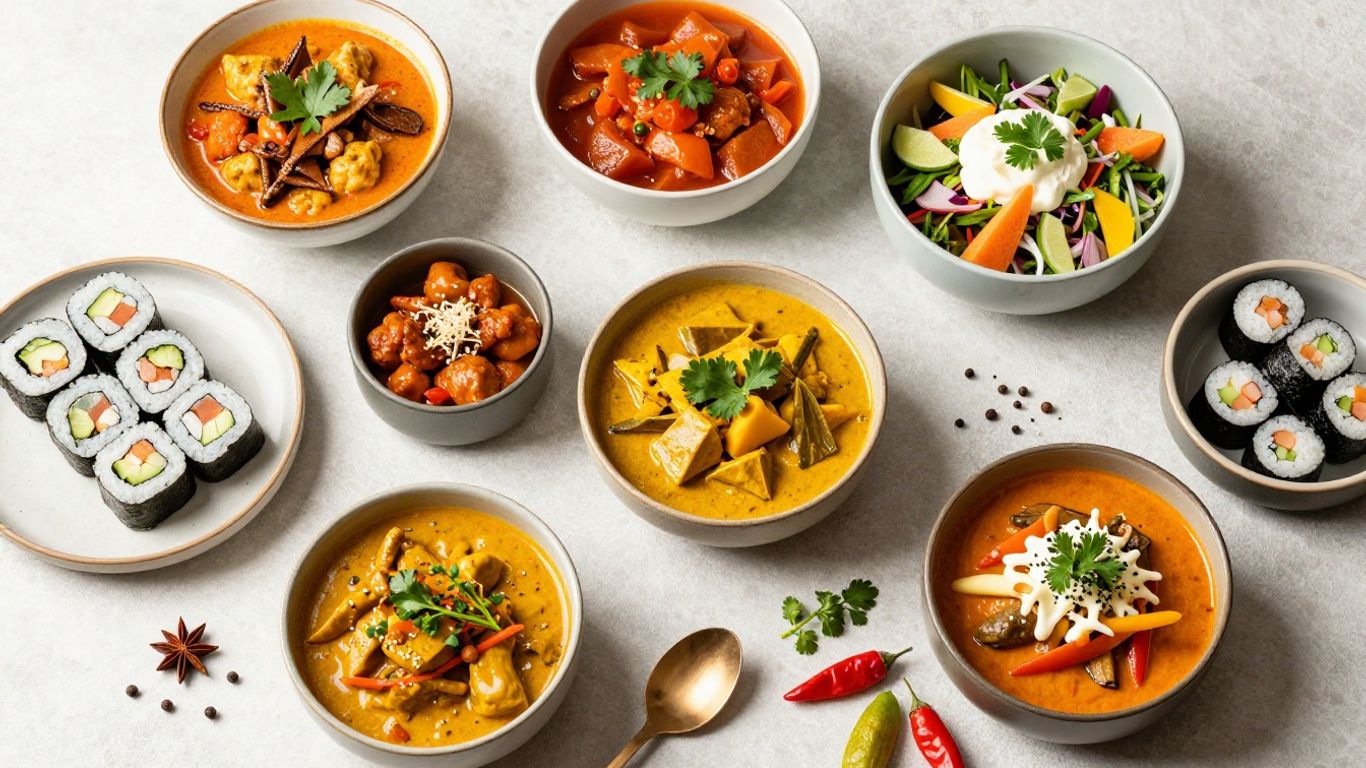
Asian-Inspired Dishes with Rice and Corn
When you think about Asian cooking, rice is often front and center, which is great news for gluten-light eating. Many traditional dishes already rely on rice as a staple, making the transition pretty smooth. Think about stir-fries served over fluffy jasmine rice, or delicate steamed rice rolls. Corn also pops up frequently, especially in things like corn soup or as a sweet element in various dishes. You can even find cornstarch used as a thickener, which is a fantastic gluten-free alternative to wheat flour in sauces and gravies. It gives that lovely glossy finish without any gluten.
- Rice noodles: A staple in many Southeast Asian cuisines, these come in endless varieties, from thin vermicelli to wide fettuccine-like strands. They’re perfect for pho, pad thai, or just a simple noodle soup.
- Corn tortillas: While more common in Latin American cuisine, corn tortillas can be adapted for Asian-inspired wraps or as a base for small appetizers.
- Rice paper wrappers: These are amazing for fresh spring rolls, offering a light and chewy texture that’s completely gluten-free.
The beauty of using rice and corn is their versatility. They absorb flavors wonderfully and can be prepared in so many ways, from crispy to soft, making them adaptable to a wide range of recipes.
Mediterranean Meals with Legume-Based Swaps
The Mediterranean diet is known for being healthy, and luckily, many of its core ingredients are naturally gluten-light. Legumes like chickpeas, lentils, and beans are powerhouses of protein and fiber. They can be used to create hearty vegetarian dishes, act as binders in patties, or even be blended into creamy dips. Think about hummus, falafel, or lentil stews – all naturally gluten-free and packed with flavor. Olive oil, fresh vegetables, and herbs are also key, providing a fresh and vibrant taste profile.
- Chickpea flour (Besan): Used in some Mediterranean flatbreads and as a coating for fried items, it has a slightly nutty flavor.
- Lentils: Excellent in soups, stadas, or as a base for veggie burgers.
- Fava beans: A common ingredient in dips and stews across the region.
Latin American Cuisine with Plantain and Cassava
Latin American food offers a treasure trove of gluten-light ingredients. Plantains, whether green or ripe, are incredibly versatile. Green plantains can be fried into crispy tostones or made into a mash, while ripe plantains offer a sweet, caramelized flavor when fried. Cassava, also known as yuca, is another fantastic root vegetable. It can be boiled, mashed, fried, or baked, and is often used to make a chewy, gluten-free bread or flatbread. These ingredients provide a satisfying texture and a unique, slightly sweet flavor that complements many dishes.
- Plantain chips: A crunchy, satisfying snack or side dish.
- Cassava flour: Can be used in baking or as a thickener, similar to cornstarch.
- Arepas: These cornmeal patties are a staple in some South American countries and are naturally gluten-free.
Exploring these global cuisines not only introduces exciting new flavors but also reveals how naturally gluten-light ingredients have been part of delicious food traditions for centuries.
Want to enjoy delicious meals without the gluten? Our "Exploring Global Flavors with Gluten-Light Swaps" section shows you how! Discover easy ways to make your favorite dishes lighter and tastier. Ready to try these amazing recipes? Visit our website today to learn more!
Embracing the Gluten-Light Lifestyle
So, there you have it. Swapping out gluten doesn’t have to mean saying goodbye to delicious food. It’s really about finding smart, tasty alternatives that work for you. Whether you’re trying out a new bread or a different pasta, these changes can make a big difference without feeling like a sacrifice. Think of it as an adventure in your own kitchen. You might even discover some new favorites along the way. Give these ideas a try and see how good gluten-light can feel.
Frequently Asked Questions
What does ‘gluten-light’ mean?
‘Gluten-light’ means using less gluten or swapping out gluten-containing ingredients for others that have little to no gluten. It’s about making foods lighter and easier to digest without completely cutting out all gluten.
Why should I try gluten-light swaps?
Trying gluten-light swaps can help if you feel bloated or uncomfortable after eating regular foods with gluten. It’s a way to enjoy your favorite meals while potentially feeling better, especially for your stomach.
Are gluten-light foods always healthier?
Not always. While many gluten-light swaps use healthier ingredients like fruits and vegetables, some processed gluten-free foods can still be high in sugar or unhealthy fats. It’s important to check the labels.
What are some common gluten-light flour alternatives?
You can use flours made from things like almond, coconut, rice, or oats (certified gluten-free oats, if needed). These can make baked goods lighter and give them a different, often delicious, texture.
Can I still bake delicious things without regular flour?
Absolutely! Many recipes have been created using alternative flours that turn out just as tasty, if not more so. You might discover new favorite textures and flavors.
Are there gluten-light ways to thicken stews or sauces?
Yes! Instead of using regular flour, you can try cornstarch, arrowroot powder, or even pureed vegetables like potatoes or cauliflower to thicken your dishes. They work just as well.
What about snacks? Can I find gluten-light alternatives?
Definitely. Instead of regular chips, try veggie chips made from sweet potatoes or kale. Energy bites made with oats, nuts, and seeds are also great gluten-light snack options.
Is it hard to find gluten-light ingredients?
It’s getting easier all the time! Most grocery stores now have a section for gluten-free or alternative flours, pastas, and snacks. Reading labels is key to finding what works best for you.