
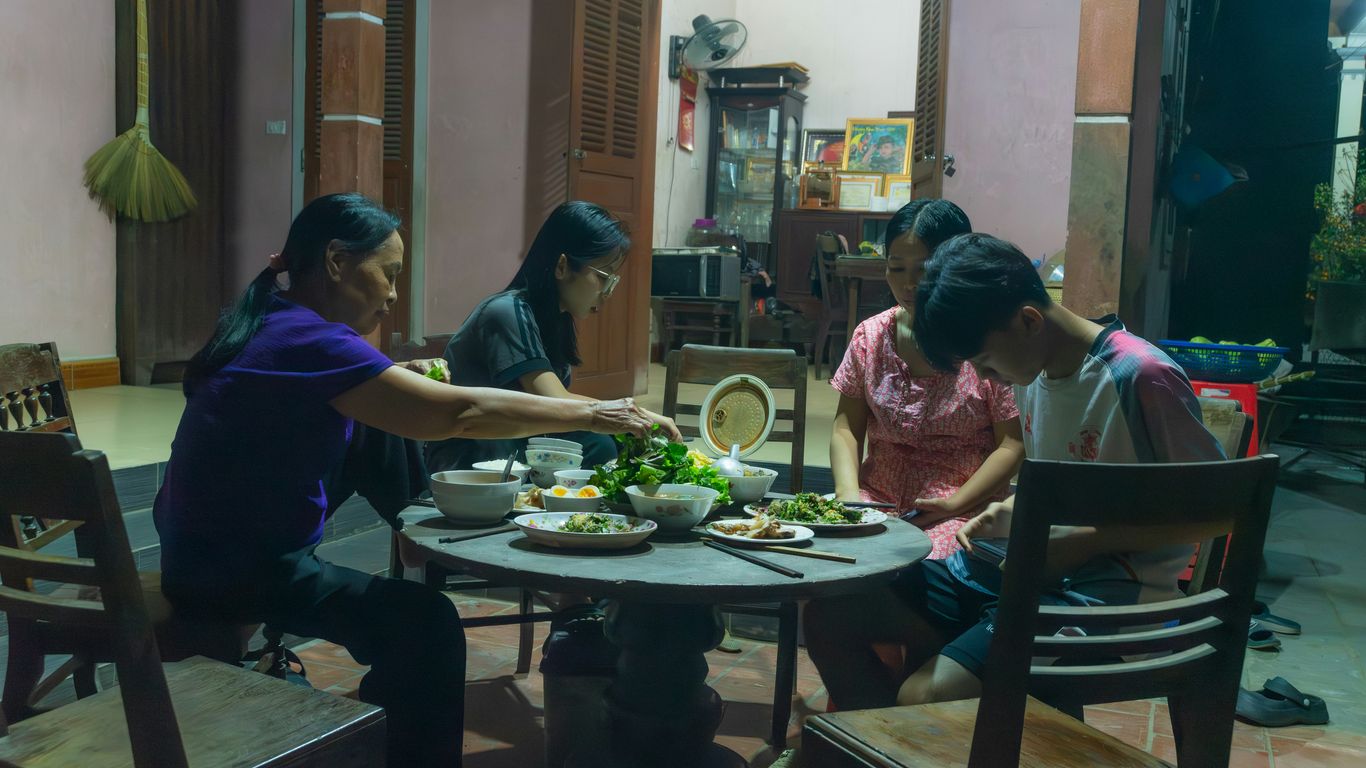
You know, sometimes life gets so hectic, and we just shove food in our faces without really thinking about it. I’ve been trying to slow things down, especially at dinner. It’s not just about eating; it’s about appreciating the food and the people we’re with. One simple way I’ve found to do this is by practicing gratitude before meals. It’s a small shift, but it makes a big difference in how we connect with our food and each other. This article is all about how we can bring more thankfulness to our tables, making mealtime a little more mindful.
Key Takeaways
- Practicing gratitude before meals helps us slow down and appreciate our food and the people we share it with, making mealtime more mindful.
- Gratitude isn’t just something you’re born with; it’s a skill you can develop through regular practice, like saying a short prayer or making a list of things you’re thankful for.
- Family mealtime prayers or blessings can be traditional, personalized, or short and sweet, fitting any family’s style.
- Expressing thanks before eating reminds us to appreciate not only the food but also the effort behind it and the company we keep.
- Incorporating gratitude into daily life, even for small things, can lead to better well-being, stronger relationships, and a more positive outlook.
Cultivating Gratitude Before Meals
The Practice of Giving Thanks
Taking a moment before we eat to acknowledge what we’re thankful for isn’t just a nice idea; it’s a practice that can really shift our perspective. It’s easy to just grab food and start eating, especially when we’re busy or really hungry. But pausing, even for a few seconds, to think about where the food came from, who prepared it, and the simple fact that we have it, can make a difference. It’s about slowing down and noticing the good things, big or small.
Gratitude as a Skill, Not Just a Trait
Some people seem naturally more thankful than others, right? But it turns out, gratitude isn’t something you’re just born with or without. It’s more like a muscle you can strengthen. The more you practice being grateful, the better you get at it. Think about it: if you rarely thank people, you might feel awkward doing it. But if you make it a habit, it becomes easier and more natural. The same goes for mealtime gratitude. It’s a skill we can build, not just a personality trait we either have or don’t.
Benefits of a Gratitude Practice
Making gratitude a regular part of your routine, especially before meals, can have some pretty neat effects. It’s not just about feeling good in the moment, though that’s part of it. Regularly practicing gratitude has been linked to:
- Improved mood: You tend to notice the positive more often.
- Better relationships: Expressing thanks can strengthen bonds with others.
- Increased resilience: It can help you cope better when things get tough.
- Greater appreciation for food: You might actually enjoy your meals more.
It’s about shifting your focus from what’s lacking to what’s present. This simple act can change how you experience not just your food, but your whole day.
Family Scripts for Mealtime Gratitude
Getting everyone to pause and appreciate the food before digging in can feel like a challenge sometimes, right? But having a few go-to phrases or short rituals can make a big difference. It’s not about being overly formal; it’s about creating a moment of connection and acknowledgment. These family scripts can help turn a simple meal into a more mindful experience.
Traditional Prayers of Thanksgiving
Many families have long-standing traditions of saying grace. These can be comforting and familiar, offering a sense of continuity and shared values. They often express thanks for the food, the hands that prepared it, and the blessings of life. While some are quite formal, others are simpler. The key is that they come from the heart.
Here are a few examples that capture different tones:
- For a general blessing: "God is great, and God is good, let us thank Him for our food; By His blessings we are fed, Give us Lord, our daily bread. Amen."
- A more reflective option: "Lord God and giver of all good gifts, we are grateful as we pause before this meal, for all the blessings of life that you give to us. Daily, we are fed with good things, nourished by friendship and care, feasted with forgiveness and understanding. And so, mindful of your continuous care, we pause to be grateful for the blessings of this table. May your presence be the extra taste to this meal which we eat in the name of your son, Jesus."
- Focusing on sustenance and community: "For food in a world where many walk in hunger; For faith in a world where many walk in fear; For friends in a world where many walk alone; We give you thanks, O Lord."
Personalizing Your Mealtime Blessings
While traditional prayers are wonderful, making them your own can add a special touch. This is where you can really tailor the gratitude to your family’s specific experiences and values. Think about what you’re genuinely thankful for today. Did someone have a good day at school? Did you overcome a small challenge together? Mentioning these things makes the blessing more relevant and meaningful.
Consider these ideas for personalization:
- Acknowledge specific people: "Thank you for Grandma’s amazing cooking today!" or "We’re thankful for Dad helping us with homework."
- Mention recent events: "Thank you for this sunny day we got to play outside" or "We’re grateful we could all be together after a busy week."
- Express gratitude for lessons learned: "Thank you for helping us learn to share" or "We’re thankful for the chance to try new things, even if they’re a little scary."
Making the blessing personal doesn’t require a long speech. A simple, heartfelt sentence or two can be incredibly powerful. It shows that you’re present and aware of the good things happening, big or small.
Short and Simple Expressions of Thanks
Sometimes, especially on hectic weeknights, a lengthy prayer just isn’t practical. That’s perfectly okay! Short, sweet expressions of gratitude can be just as effective. These are easy to remember and can be said quickly, fitting into even the busiest schedules. The goal is to create a brief pause, a moment to acknowledge the good before diving into the meal.
Here are some quick options:
- "Let’s take a moment to be thankful for this food and for each other."
- "Thank you for this meal, and for all the good things in our lives."
- "We are grateful for this food and the love that brought us together."
These simple phrases help keep the practice alive without adding stress. It’s about consistency and intention, not necessarily length.
The Power of Expressing Gratitude
It’s easy to go through life just taking things for granted, right? We get used to the food on our plates, the roof over our heads, the people who show up for us. But pausing to actually feel thankful for these things, and then saying it out loud, that’s where the real magic happens. It’s not just about politeness; it’s about shifting our whole outlook.
Gratitude for Food and Sustenance
Think about your meal for a second. Where did it come from? It’s not just a plate of food; it’s the result of so many things lining up. The sun and rain that helped grow the ingredients, the farmers who worked the land, the people who transported it, the hands that prepared it. Even the water that comes out of your tap is a whole journey of engineering and natural processes. Acknowledging this connection makes the food taste better, somehow. It’s a way to connect with the earth and all the effort that went into getting that nourishment to your table.
Appreciating Loved Ones and Fellowship
Beyond the food, there’s the company. Who are you sharing this meal with? Maybe it’s your family, friends, or even just a quiet meal alone. Whatever the situation, there’s usually someone or something to appreciate. It could be the laughter of your kids, the steady presence of a partner, or even the quiet comfort of your own space. Expressing thanks for these people, for the simple act of sharing a meal together, builds stronger bonds. It reminds us we’re not alone and that these connections are pretty special.
Acknowledging Blessings Beyond the Meal
Gratitude isn’t just for the big stuff. It’s for the little things too. That comfortable chair you’re sitting in? Someone designed it. The light that lets you see your food? Electricity, which took a lot of work to bring to your home. When we start noticing these small conveniences and comforts, our world feels a lot richer. It’s about recognizing the layers of effort and ingenuity that support our daily lives, things we often overlook without a second thought.
Taking a moment to appreciate the journey of our food, from the earth to our plates, and the people who made it possible, can profoundly change our relationship with eating. It transforms a routine act into a moment of connection and mindfulness.
Here’s a simple way to think about it:
- Food: Acknowledge the natural elements and human effort involved.
- Company: Express thanks for the people present and the shared experience.
- Environment: Notice and appreciate the comforts and conveniences around you.
When we practice this, even for a minute before digging in, it sets a different tone for the meal and for the rest of the day. It’s a simple habit that can make a big difference in how we feel.
Incorporating Gratitude into Daily Life
Gratitude for Everyday Objects
It’s easy to overlook the things we use every single day. Think about your morning coffee mug, the comfortable chair you relax in, or even the simple act of turning on a faucet for clean water. These aren’t just objects; they represent a whole chain of events and people. That mug might have been shaped by skilled hands, fired in a kiln, and transported to your local store. The water flowing from your tap is a marvel of engineering and natural resources, a journey from rain clouds to your home. Taking a moment to appreciate these everyday items can shift our perspective. It reminds us that even the mundane is often the result of significant effort and natural processes. What small, everyday object can you pause to appreciate right now?
Appreciating Human Connection and Touch
Beyond physical things, let’s consider the people in our lives, even those we don’t know well. Think about the cashier at the grocery store, the bus driver, or the person who delivered your mail. They contribute to the smooth running of our days in ways we often don’t acknowledge. A simple smile or a brief, kind word can make a difference. Even a fleeting interaction carries a weight of shared humanity. Consider sending a quick text or email to someone you appreciate, just to let them know you’re thinking of them. It doesn’t have to be a grand gesture; often, the smallest acknowledgments have the biggest impact.
Extending Gratitude Beyond the Mealtime
Gratitude isn’t just for the dinner table. It’s a practice that can weave through your entire day. Try this: at the end of each day, before you go to sleep, think of three things, big or small, that you’re thankful for. It could be the sunshine on your face, a funny conversation with a friend, or simply the comfort of your bed. This simple habit can help you end your day on a positive note and start the next with a more appreciative outlook. It’s about training your mind to notice the good, even when things feel tough.
Here’s a little exercise to get you started:
- The Morning Sip: As you drink your first beverage, notice its warmth and taste. Be thankful for the water, the coffee, or the tea, and the journey it took to reach you.
- The Commute Pause: Whether you drive, walk, or take public transport, take a moment to appreciate the ability to move from one place to another. Acknowledge the infrastructure and the people who make it possible.
- The Evening Reflection: Before sleep, jot down or mentally list three things that brought you a moment of peace or joy during the day. No matter how small, acknowledge them.
Cultivating gratitude is like tending a garden. It requires consistent attention and care. By regularly noticing and appreciating the good around us, we help that positive feeling grow and flourish, impacting not just our own well-being but also the atmosphere we create for others.
Mindful Eating Through Gratitude
Savoring Each Moment of the Meal
When we pause to give thanks before eating, we’re not just going through a ritual; we’re actively training ourselves to be more present. This moment of reflection shifts our focus from a hurried grab-and-go mentality to one of appreciation. It’s about noticing the food in front of us, not just as fuel, but as something that took a journey to reach our plates. Think about the farmers who tended the crops, the hands that prepared the meal, the energy that went into bringing it all together. This awareness helps us slow down, which is a big part of mindful eating.
Connecting with the Source of Your Food
Gratitude before a meal encourages us to think about where our food comes from. It’s easy to forget the complex systems and natural processes involved in getting food to our tables. Taking a moment to acknowledge this connection can be really grounding. It might be a simple thought about the sun and rain that helped grow the vegetables, or the animals that provided the protein. This connection reminds us that we’re part of a larger cycle.
Developing a Deeper Appreciation for Nourishment
By regularly practicing gratitude, we start to see food differently. It’s not just about taste or convenience anymore. We begin to appreciate the nourishment it provides, the energy it gives us, and the way it supports our bodies. This appreciation can lead to making more thoughtful food choices and enjoying meals more fully. It’s like learning to truly taste something for the first time, noticing all the subtle flavors and textures.
Here’s a simple way to think about it:
- Acknowledge the journey: From farm to table, many steps are involved.
- Recognize the effort: People and nature worked to bring this food to you.
- Appreciate the sustenance: Food provides energy and supports your well-being.
This practice isn’t about feeling guilty or obligated; it’s about opening your heart to the abundance that surrounds you, starting with the simple act of eating. It’s a gentle reminder that even the most ordinary moments can hold extraordinary depth when we approach them with awareness and thankfulness.
Guided Meditations for Gratitude
Sometimes, just thinking about being grateful isn’t enough. We need a little help to really feel it. That’s where guided meditations come in. They’re like a gentle hand leading you toward a more thankful state of mind, especially useful when you’re trying to be more mindful about your meals. It’s not about forcing a feeling, but about creating space for it to show up.
Meditations for Noticing and Shifting Perspective
These meditations help you look at things a bit differently. Instead of just rushing through your day, they encourage you to pause and see the effort or intention behind everyday things. Think about the journey of your food from the farm to your plate. Who was involved? What natural processes had to happen? It’s about shifting from a quick glance to a more thoughtful observation. You might be surprised what you notice when you really look.
Cultivating Gratitude for Small Things
It’s easy to overlook the little stuff, right? The way the light hits the window in the morning, the comfort of a warm mug in your hands, or even just the simple act of breathing. These meditations guide you to focus on these seemingly minor details. They help you realize that even the smallest things can be a source of genuine appreciation. It’s about finding joy in the ordinary.
Embodied Gratitude Practices
This type of meditation brings gratitude into your physical self. It’s about noticing how your body feels and appreciating its ability to move, to sense, and to simply be. You might be guided to pay attention to the sensations of breathing, the feeling of your feet on the ground, or the warmth of your own skin. It connects the feeling of thankfulness to your physical experience, making it more real and grounded.
The Impact of Gratitude on Well-being
Improving Health and Optimism
It turns out that saying thanks isn’t just polite; it actually does good things for your body and mind. Studies have shown that people who make a habit of noticing the good stuff in their lives tend to feel more optimistic. It’s like training your brain to look for the silver lining, even when things aren’t perfect. This shift in perspective can make a real difference in how you face challenges. Plus, some research suggests that practicing gratitude can even lead to better sleep and a stronger immune system. It’s pretty amazing how a simple shift in focus can have such wide-reaching effects.
Strengthening Relationships
When you regularly express appreciation for the people around you, it really does make your connections stronger. Think about it: when someone genuinely thanks you for something, it feels good, right? It shows you’re seen and valued. The same goes for you. When you make an effort to notice and acknowledge the good qualities in your friends, family, or partner, and let them know, it builds a deeper sense of connection. This practice can make people feel more understood and cared for, leading to more responsive and committed relationships. It’s a simple way to nurture the bonds that matter most.
Enhancing Self-Perception
Taking a moment to be thankful can also change how you see yourself. When you focus on what you’re grateful for, it’s easier to recognize your own strengths and the positive things you bring to the table. It helps balance out those times when you might be feeling down on yourself. Instead of just dwelling on what’s not going right, you start to see a fuller picture of your life and your own worth. This can lead to a more positive self-image and a greater sense of contentment with who you are.
Practicing gratitude isn’t about ignoring life’s difficulties. It’s about developing a balanced perspective that acknowledges challenges while also recognizing the good that exists alongside them. This can build resilience and a more hopeful outlook.
Sharing Gratitude with Others
Expressing Thanks to Those Who Serve
It’s easy to get caught up in our own little worlds, especially around mealtime. We’re thinking about the food, the conversation, maybe even what’s next on the agenda. But taking a moment to acknowledge the people who made the meal possible is a really nice touch. This isn’t just about the cook, either. Think about the farmers who grew the ingredients, the folks who transported them, the grocers who stocked the shelves. Even a simple mental nod to their efforts can shift your perspective.
Here are a few ways to show appreciation:
- A verbal "thank you" to whoever prepared the meal.
- Acknowledging the effort that went into sourcing ingredients.
- Sending a quick text or email to someone who helped with the meal prep.
The Joy of Giving Thanks
There’s a certain warmth that comes from expressing gratitude, not just for receiving something, but for the act of giving thanks itself. It feels good to let people know they’re appreciated. When we share our thanks, it can brighten someone else’s day and, in turn, make our own day a little brighter. It’s like a little ripple effect of positivity.
When we consciously express our appreciation, we’re not just acknowledging a service or a gift; we’re actively participating in a positive exchange. This act can strengthen bonds and create a more pleasant atmosphere for everyone involved.
Spreading Gratitude in Your Community
Gratitude doesn’t have to stop at our dinner table. We can extend that feeling outwards. Think about the people who make your neighborhood or town a better place – the local shop owners, the librarians, the park maintenance crew. Acknowledging their contributions, even in small ways, can make a difference. It helps build a stronger, more connected community where people feel seen and valued. It’s about recognizing the collective effort that goes into making our lives run smoothly.
Finding Gratitude in Challenging Times
Life throws curveballs, doesn’t it? It’s easy to feel thankful when everything’s going smoothly, but what about when things get tough? That’s precisely when cultivating gratitude can make a real difference. It’s not about pretending problems don’t exist, but rather about finding those small pockets of light even in the dark.
Gratitude When Facing Difficulties
When you’re going through a rough patch, whether it’s a personal struggle, a family issue, or just a generally rough week, it can feel almost impossible to find anything to be thankful for. Your mind might be stuck on what’s going wrong. But even in the midst of hardship, there are often things we can appreciate. Think about the basics: the roof over your head, the food on your table (even if it’s simple), or the fact that you woke up today. These might seem small, but they are the foundation upon which we can build.
Shifting Focus from Negativity to Positivity
It’s a mental muscle, really. The more you practice looking for the good, the easier it becomes. When you’re feeling overwhelmed, try this: take a moment to list just three things, no matter how tiny, that you’re grateful for right now. It could be the warmth of a cup of tea, a moment of quiet, or a funny text from a friend. This simple act helps to gently pull your focus away from the negative and towards something positive.
- A moment of peace
- A supportive friend
- The ability to breathe
Shifting your perspective doesn’t erase the challenges, but it can change how you experience them. It’s about finding a balance, acknowledging the hard stuff while also making space for the good.
The Resilience of a Grateful Heart
People who regularly practice gratitude often report feeling more resilient when faced with adversity. It’s like having a built-in buffer. When you’ve trained yourself to notice the good, you’re better equipped to find it even when things are bleak. This doesn’t mean you won’t feel pain or sadness, but it can help you bounce back more effectively. A grateful heart is a strong heart, capable of weathering storms and finding its way back to the sunshine.
The Spiritual Dimension of Gratitude
Gratitude as a Form of Worship
Thinking about gratitude can sometimes feel like a spiritual practice in itself. It’s about recognizing that there’s something bigger than us, whether that’s a divine power, the universe, or simply the interconnectedness of all life. When we pause to feel thankful for our food, for the people around us, or even for the air we breathe, we’re acknowledging a source of goodness and provision. This act of thankfulness can feel like a quiet form of worship, a way to connect with something sacred.
Connecting with a Higher Power Through Thanks
For many, expressing gratitude is a direct line to a higher power. It’s like sending a message of appreciation upwards, acknowledging that the good things in our lives aren’t just random occurrences. Whether you pray before a meal, offer silent thanks, or write down what you’re thankful for, this practice can deepen your sense of connection. It’s a way to say, "Thank you for this gift," and in doing so, feel closer to the divine. It shifts our focus from what we lack to what we have, and that shift itself can be profoundly spiritual.
The Enduring Love of the Divine
When we practice gratitude, especially regularly, it can start to feel like we’re tapping into an endless well of love. It’s as if the universe, or God, or whatever you believe in, is constantly giving, and our gratitude is our way of receiving and acknowledging that constant flow. This isn’t just about thanking for big things like health or family; it’s also about appreciating the small, everyday blessings. This consistent appreciation can build a strong sense of inner peace and security, a feeling that we are supported and loved, no matter what challenges come our way. It’s a reminder that even in tough times, there’s a persistent, enduring love that surrounds us.
Feeling thankful can really change how you see things. It’s like a superpower for your mind, helping you focus on the good stuff. This feeling can make you happier and stronger inside. Want to learn more about how to bring more gratitude into your life? Visit our website for tips and guidance.
Bringing Gratitude to the Table
So, we’ve talked about how saying thanks before a meal isn’t just some old-fashioned thing to do. It’s actually a pretty neat way to get everyone to slow down for a minute. Think about it – instead of just digging in, you’re pausing to notice the food, the people around you, and all the good stuff in your life. It’s like a mini-reset button for your day. Even if it feels a little awkward at first, especially with kids, these little family scripts can really make a difference over time. They help us appreciate what we have and connect with each other, one meal at a time. It’s a simple practice, but it can really add a little something special to your family’s routine.
Frequently Asked Questions
What does it mean to practice gratitude before meals?
It means taking a moment before you eat to think about and appreciate the food, the people you’re with, and all the good things in your life. It’s like a moment of thanks before digging in.
Is gratitude something you’re born with, or can you learn it?
While some people might naturally feel thankful more often, gratitude is definitely something you can learn and get better at, like a skill. The more you practice thinking thankfully, the easier it becomes.
Why is saying grace or giving thanks before eating helpful?
Saying grace helps you slow down and really notice your food and the good things around you. It can make you appreciate your meal more and feel more connected to others.
Can you give examples of simple ways to say thanks before a meal?
Sure! You could say something like, ‘Thank you for this food and for everyone here.’ Or, ‘I’m thankful for this meal and for my family.’ Even a quick thought of thanks works.
How does being thankful before eating help with mindful eating?
When you’re thankful, you tend to pay more attention to your food – its taste, smell, and how it makes you feel. This helps you enjoy your meal more and eat at a more relaxed pace.
What if my family doesn’t usually say grace before meals?
You can start small! Maybe one person can share something they’re thankful for, or you can go around the table and have everyone say one thing. It doesn’t have to be a long prayer.
Does gratitude before meals help with more than just eating?
Yes! Practicing gratitude regularly can make you feel happier, improve your relationships, and help you see the good things in life, even when things are tough.
Are there special prayers or sayings for mealtime thanks?
There are many! Some families use traditional prayers, while others make up their own. You can find examples of short, heartfelt blessings that focus on the food, the people, and life’s good things.