
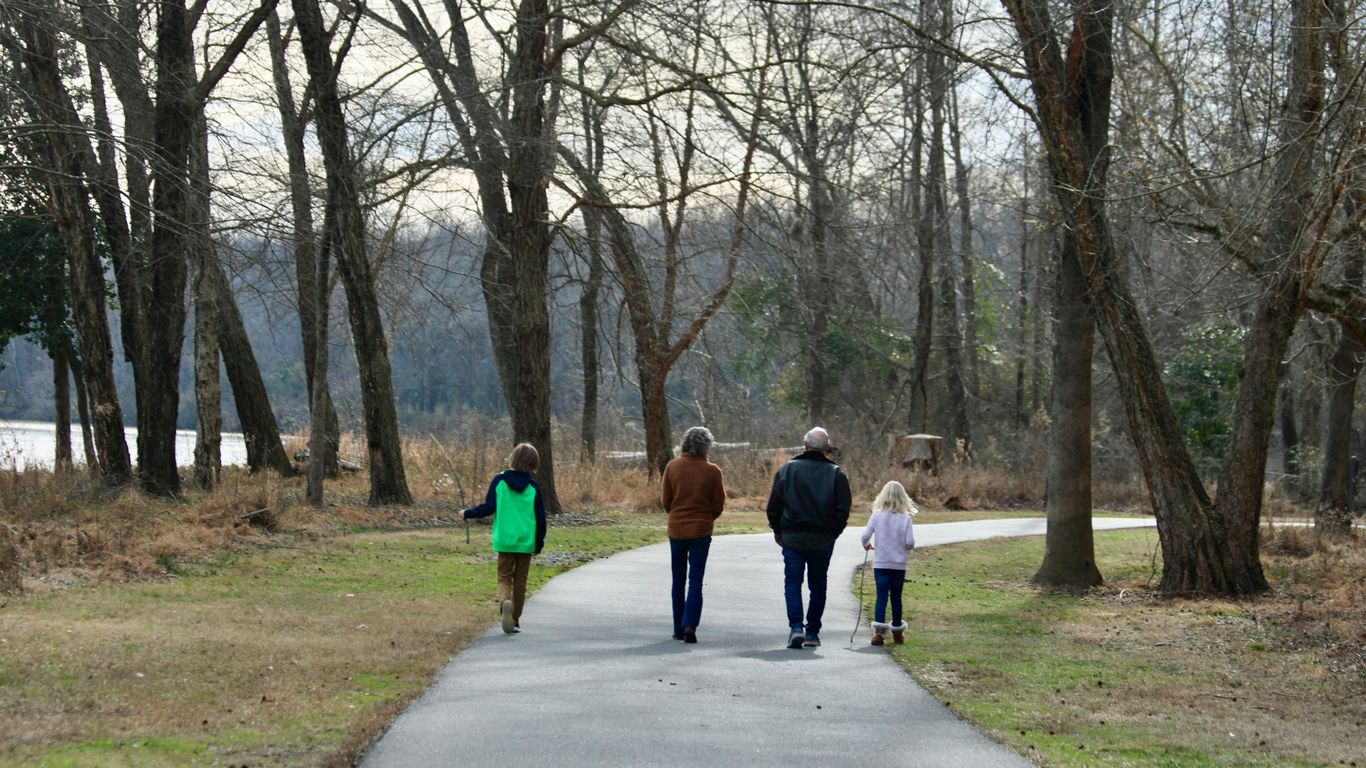
Weekends are a great time to connect with your family, and what better way to do that than with a simple walk? But instead of just strolling, why not make those steps count for something more? Family gratitude walks are a fantastic way to slow down, notice the good things around you, and build stronger bonds. It’s not about grand gestures; it’s about those small, everyday moments that often get overlooked. Let’s explore how you can turn a casual walk into a meaningful family experience.
Key Takeaways
- Family gratitude walks help families slow down and notice the good things in their everyday lives.
- Regularly practicing gratitude can boost emotional health and strengthen family connections.
- Engaging all ages in gratitude walks makes the experience inclusive and beneficial for everyone.
- Turning observations from walks into shared expressions, like journaling or talking, makes gratitude more tangible.
- Making family gratitude walks a regular habit can create a lasting positive impact on family life and outlook.
Embrace The Power Of Family Gratitude Walks
Why Gratitude Walks Matter for Families
Sometimes, the simplest activities can have the biggest impact on our families. A gratitude walk is one of those things. It’s not about fancy equipment or a complicated plan; it’s about taking a moment to step outside together and intentionally notice the good things around us. In our busy lives, it’s easy to get caught up in the day-to-day hustle, and before we know it, weeks have flown by. These walks offer a chance to pause, connect, and remind ourselves of what truly matters. They help shift our focus from what we lack to what we have, and that’s a powerful lesson for everyone, especially kids.
The Science Behind Thankfulness
It turns out that saying thanks isn’t just a nice social nicety; there’s actual science behind it. Studies show that regularly practicing gratitude can lead to more positive emotions, better sleep, and even a stronger immune system. When we express thankfulness, our brains release dopamine and serotonin, those feel-good chemicals. For kids, learning this habit early can help them develop a more optimistic outlook and build stronger relationships as they grow. It’s like giving their brains a little boost of happiness and resilience, one step at a time.
Making Every Step Meaningful
So, how do we make these walks more than just a stroll around the block? It’s about being present and encouraging everyone to engage their senses. Think about it: what do you see, hear, smell, and feel when you’re really paying attention? It could be the crunch of leaves underfoot, the way the sunlight filters through the trees, or the simple comfort of holding a loved one’s hand. We can turn these everyday observations into moments of shared appreciation. Here’s a simple way to structure it:
- Notice Three Things: Ask each family member to find three things they are thankful for during the walk. It could be anything – a pretty flower, a friendly dog, or even a comfortable pair of shoes.
- Share One Observation: After finding your three things, have each person share just one of them with the group. This keeps it light and manageable, especially for younger kids.
- Listen and Acknowledge: When someone shares, make sure to listen actively and acknowledge their observation. A simple nod or a "That’s a great one!" goes a long way.
These walks are a gentle reminder that joy can be found in the ordinary. It’s about cultivating a habit of noticing the good, not just on the walk, but in all the moments that follow.
Setting The Stage For Your Gratitude Walk
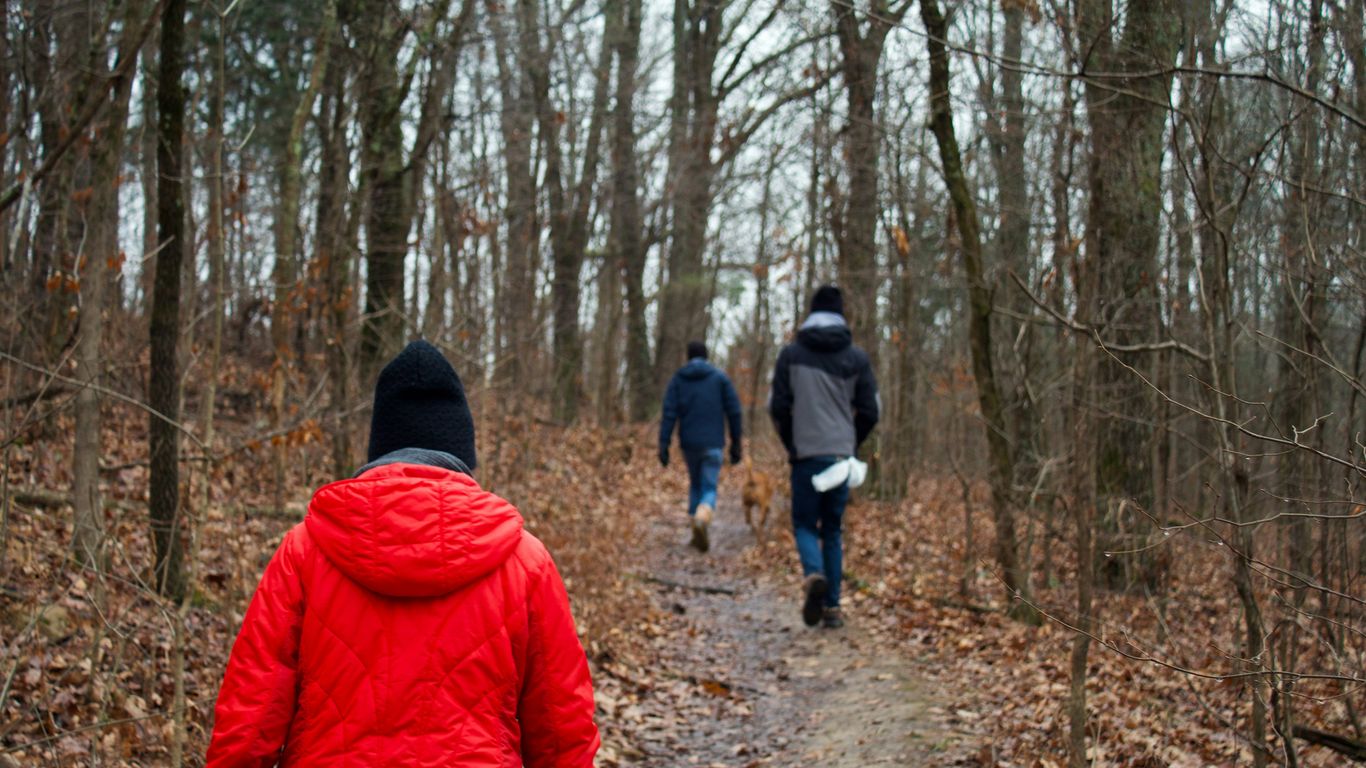
Before you even step out the door, a little bit of prep work can make your family gratitude walk way more impactful. It’s not just about putting on shoes and walking; it’s about setting an intention. Think of it like getting ready for a special meal – you wouldn’t just throw ingredients together, right? Same idea here.
Choosing The Perfect Time And Place
When you decide to go for your walk really matters. A rushed walk right before dinner when everyone’s hungry and tired probably won’t be the most peaceful experience. Try to pick a time when things are a bit more relaxed. Maybe it’s a lazy Saturday morning after breakfast, or a quiet Sunday afternoon. The place you choose is important too. You don’t need to go to a national park or anything. A local park, a quiet street in your neighborhood, or even just your backyard can work wonders. The key is finding a spot where you can all feel a little more present and less distracted by the usual hustle and bustle.
Preparing Your Family For The Experience
Talk to your family about what you’re going to do before you head out. You don’t need a long, formal speech. Just a simple heads-up can make a difference. You could say something like, "Hey everyone, this weekend we’re going to try something a little different on our walk. We’re going to look for things we’re thankful for, big or small." For younger kids, you might make it a bit more playful, like a treasure hunt for good things. For older kids and teens, just letting them know the goal is usually enough. The goal is to shift our focus from what’s missing to what’s present.
Simple Tools To Enhance The Walk
While the walk itself is the main event, a few simple things can help. You don’t need fancy gadgets. Sometimes, just having a small notebook and a pen to jot down thoughts can be helpful, especially for older kids or adults who like to write things down. For younger children, a small bag to collect interesting natural items – a cool leaf, a smooth stone – can keep them engaged. You could also create a simple list beforehand of things to look for, like "something green," "something that makes a sound," or "something that feels soft." This gives them a gentle prompt without being too restrictive.
Remember, the aim isn’t perfection or a perfectly silent, mindful stroll. It’s about creating a shared moment where you can all pause and notice the good things, together. Even a little bit of noticing is a win.
Engaging All Ages In The Walk
Activities For Younger Children
For the little ones, the gratitude walk is all about making it a sensory adventure. Think of it as a treasure hunt for good things! You can give them a simple list – maybe three or four things to find. It could be something soft, something rough, something that smells nice, or something a bright color. The key is to keep it playful and short. Don’t expect deep philosophical insights; just focus on them noticing the world around them. A fun game is to have them be "Nature Detectives" and report back on their findings. You can even bring a small bag for them to collect natural treasures like a cool leaf or a smooth stone (just make sure you’re not disturbing the environment, of course).
Prompts For Teenagers And Adults
With older kids and adults, you can go a bit deeper. Instead of just "find something," try asking questions that encourage reflection. Here are a few ideas:
- What’s one thing you saw today that made you smile, even just a little?
- Think about the people we passed. What’s something good about them, or something you appreciate about community?
- If this path could talk, what story do you think it would tell about the people who have walked it before us?
- What’s a challenge you’re facing right now, and what’s one small thing that could help you feel a bit better about it?
These kinds of prompts can turn a simple walk into a chance for real connection and understanding.
Encouraging Shared Observations
Once everyone has had a chance to observe, it’s time to bring it all together. You can do this in a few ways. A simple method is to just go around in a circle and have each person share one thing they noticed or felt grateful for. If you have a mix of ages, let the younger ones go first – their simple observations can often be really insightful for the older ones. You could also try a "gratitude chain," where one person shares something, and the next person has to share something they are grateful for that is related to the previous person’s observation. This really helps build on each other’s thoughts and strengthens that sense of shared experience.
It’s easy to get caught up in our own thoughts during a walk, especially when we’re trying to get somewhere. But the real magic of a family gratitude walk happens when we pause, look around, and then share what we see and feel with each other. It’s not about having the ‘best’ observation, but about the act of noticing and then connecting over those small moments of appreciation.
Deepening The Gratitude Experience
Taking your gratitude walk beyond just noticing things is where the real magic happens. It’s about really feeling it and connecting with what you’re experiencing. This isn’t just about a quick stroll; it’s about tuning into the world around you and your place in it.
Sensory Awareness During The Walk
Think about what you can actually sense. What do you see, hear, smell, and even feel? Paying attention to these details makes the experience richer. For instance, instead of just seeing a tree, notice the rough bark, the way the leaves rustle, or the shade it casts. Listen to the birds, the distant sounds of traffic, or the crunch of leaves underfoot. Even the smell of damp earth after rain or blooming flowers can be a point of thankfulness. Feeling the sun on your skin or a cool breeze can also be simple joys.
Connecting With Nature’s Gifts
Nature offers so much, often without us even realizing it. A gratitude walk is a perfect time to acknowledge this. Think about the clean air we breathe, the water that sustains us, or the food that grows from the earth. Even in an urban setting, you can find elements of nature – a patch of green in a park, a determined weed growing through concrete, or the sky above. Consider the simple beauty of a sunset or the intricate patterns on a fallen leaf. These aren’t just background elements; they are gifts that support life.
Mindful Moments On The Path
Mindfulness is key here. It means being present in the moment without judgment. As you walk, try to let go of worries about the past or future. Focus on the sensations of walking, your breath, and the sights and sounds around you. If your mind wanders, gently bring it back to the present. This practice can help reduce stress and increase your overall sense of well-being. It’s about appreciating the simple act of being alive and experiencing the world right now.
Transforming Observations Into Expression
So, you’ve had your gratitude walk, noticed some cool things, and maybe even had a few "aha!" moments. Now what? The real magic happens when you take those feelings and observations and turn them into something tangible. It’s about making that gratitude stick, not just letting it float away with the breeze.
Sharing Discoveries After The Walk
Once you’re back home, gather everyone. Don’t just let the walk be a solo thought process. Talk about what you saw, what you felt, and what made you pause. For younger kids, this might be as simple as pointing out a particularly bright flower or a funny-shaped cloud. For older kids and adults, it could be a deeper reflection on how a particular tree has stood strong through different seasons, or how the quiet of the park felt.
- Start with a simple question: "What was one thing you noticed today that made you feel good?"
- Encourage active listening: When one person shares, the others should really listen, maybe even nodding or asking a follow-up question.
- Keep it light: It doesn’t have to be a deep, philosophical debate. Sometimes, the most meaningful shares are the simplest ones.
Journaling Gratitude Moments
This is where you can really capture those fleeting thoughts. Everyone can have their own notebook, or you could even have a shared family journal. It doesn’t need to be fancy – a simple spiral notebook works just fine. Encourage everyone to jot down a few things they were thankful for during the walk, or even just a word or a quick sketch to remember a feeling.
This practice helps solidify the positive feelings you experienced.
Here’s a simple way to structure your journal entries:
| Date | What I Noticed/Felt | Why I’m Thankful | Who/What Was Involved |
|---|---|---|---|
| [Today’s Date] | A robin singing | It sounded cheerful | The bird |
Creative Ways To Remember The Walk
Beyond writing, think about other ways to keep the gratitude alive. Maybe you take a photo of something beautiful you saw and print it out to put on the fridge. Or perhaps you collect a small, interesting leaf or stone (if it’s allowed!) and place it in a special spot. You could even draw a picture together of your favorite part of the walk. The goal is to create a little reminder of the good feelings and observations, so you can revisit them later when you need a little boost.
Sometimes, the simplest acts of expression can have the biggest impact. It’s not about grand gestures, but about consistent, small efforts to acknowledge and appreciate the good things in life.
Integrating Gratitude Into Family Life
Making Gratitude A Regular Rhythm
Gratitude isn’t just a weekend activity; it’s something that can become a natural part of your family’s daily life. Think of it like brushing your teeth – a small, consistent habit that makes a big difference over time. When thankfulness is woven into the everyday, it stops feeling like a chore and starts feeling like a natural way of seeing the world. It’s about noticing the little things, like the way the sun hits the kitchen counter in the morning or the funny way your dog snores. These small moments, when acknowledged, build a foundation of appreciation that can really shift your family’s outlook.
The Lasting Impact Of Shared Thanks
When you regularly practice gratitude together, you’re not just collecting happy thoughts; you’re building stronger connections. It’s like adding bricks to a wall – each shared moment of thanks makes your family bond a little more solid. Kids who grow up seeing and practicing gratitude tend to be more empathetic and kinder. They learn to look beyond themselves and appreciate what others do, which is a pretty amazing skill to have in life. It helps them understand that they have a lot, and that sharing and appreciating others is important.
Beyond The Weekend Walk
So, how do you keep this feeling going after the walk is over? It’s about making gratitude a part of your routine. Here are a few ideas:
- Dinner Table Check-ins: Instead of just asking "How was your day?", try "What’s one thing you were thankful for today?" It can be anything, big or small.
- Gratitude Jar: Keep a jar on the counter. Anyone can write down something they’re thankful for and pop it in. Read them aloud once a week or month.
- Thank You Notes: Encourage writing thank you notes, not just for gifts, but for acts of kindness, big or small. It could be for a grandparent who listened or a friend who shared a toy.
- Model It: The most powerful tool is to be thankful yourself. Say "thank you" often, not just to your family, but to service workers, neighbors, and anyone who helps you out. Your kids are watching and learning.
Making gratitude a regular practice means it becomes less about a specific activity and more about a way of being. It’s about cultivating a mindset where appreciation is the default, not the exception. This shift can profoundly change how your family interacts with each other and the world around them.
Overcoming Common Challenges
Keeping Young Children Engaged
Little ones have short attention spans, and that’s totally normal. If your kids are starting to wander or get bored, try making it a game. You could have them be "Gratitude Detectives" looking for specific things, like the prettiest leaf or the funniest-shaped cloud. Another idea is to give them a small bag to collect "treasures" that represent things they’re thankful for – maybe a smooth stone or a fallen feather. Keep the pace light and the expectations flexible. If a full walk turns into a short stroll with lots of stops, that’s still a win.
Navigating Different Personalities
Families are made up of all sorts of people, and not everyone will be equally enthusiastic about a gratitude walk. Some might be quiet observers, others might want to chat the whole time, and some might just be tagging along. That’s okay. Try to create space for everyone. For the talkers, let them share their thoughts freely. For the quieter ones, maybe offer a specific prompt like, "What’s one thing you noticed today that made you smile?" You can also use a simple list format, where everyone writes down or draws one thing they’re grateful for, to give everyone a chance to contribute without pressure.
When Motivation Wanes
Sometimes, even the best intentions hit a wall. If you find yourselves skipping walks or feeling like it’s a chore, it might be time to switch things up. Maybe the usual route feels stale. Try a new park, a different time of day, or even a "gratitude drive-by" where you point out things you appreciate from the car. You could also shorten the walks or focus on a specific theme, like "things that make us laugh" or "things that are helpful." Remember, the goal isn’t perfection, it’s connection and a little bit of thankfulness. Even a five-minute walk counts.
The Ripple Effect Of Thankfulness
Taking those gratitude walks isn’t just about a nice moment on a Saturday morning; it actually starts to change things, not just for us, but for everyone around us. When we get into the habit of noticing the good stuff, it’s like we’re training our brains to look for it more often. This can make a big difference in how we feel day-to-day.
Strengthening Family Bonds
When families regularly share what they’re thankful for, it builds a stronger connection. It’s not just about saying thanks; it’s about really seeing and appreciating each other. You start to notice the little things your kids do, or the ways your partner shows up for you. This shared focus on the positive can smooth over everyday disagreements and make everyone feel more seen and valued. It creates a kind of team spirit where you’re all in it together, appreciating the journey.
Cultivating Empathy And Kindness
As we practice gratitude, we naturally start to think more about others. When you’re thankful for a warm coat, you might start thinking about people who don’t have one. This awareness can lead to more acts of kindness, both big and small. It helps kids, especially, understand that not everyone has the same things, and it encourages them to be more considerate. It’s like a gentle nudge towards understanding and caring more about the world beyond our own immediate needs.
Inspiring A Positive Outlook
Regularly focusing on what we’re thankful for can really shift our perspective. Instead of dwelling on problems or what’s missing, we start to see the abundance that’s already present. This doesn’t mean ignoring difficulties, but it does mean having a more balanced view. Over time, this can lead to a more optimistic outlook, making us more resilient when tough times hit. It’s about building a habit of looking for the silver lining, which can make life feel a lot lighter and more hopeful for the whole family.
Feeling grateful can really change things for the better. When we take a moment to appreciate what we have, it spreads out like ripples in water, making our lives and the lives of those around us happier. It’s a simple idea, but it has a big impact. Want to learn more about how thankfulness can transform your life? Visit our website today!
Keep the Gratitude Going
So, there you have it. Practicing gratitude doesn’t have to be a big production. Little things, like taking a walk and noticing the world around you, can make a huge difference. It’s not about being perfect or doing it all the time, but just about making a habit of seeing the good stuff. When we slow down and appreciate what we have, even the simple things, it really does make life feel fuller. Keep those steps meaningful, and watch how much joy it brings to your family.
Frequently Asked Questions
What exactly is a gratitude walk?
A gratitude walk is basically a simple stroll you take with your family where the main goal is to notice and appreciate the good things around you. Think of it as a mindful walk where you focus on what makes you feel thankful, like the sunshine, a pretty flower, or even just holding hands with someone you care about.
Why should families do gratitude walks?
Doing these walks together helps your family feel closer and happier. When you regularly point out things you’re thankful for, it can make everyone feel more positive and less stressed. It’s a great way to teach kids to appreciate what they have and to notice the good things in life, not just the stuff they want.
How do I get my kids interested in a gratitude walk?
Make it fun! You can turn it into a game, like seeing who can spot the most things they’re thankful for. For younger kids, focus on simple things like colors or sounds. For older kids and teens, you can ask deeper questions about what they appreciate in their lives or relationships. The key is to keep it light and engaging.
What if my kids don’t want to participate?
It’s okay if they’re not super enthusiastic at first. Try not to force it. You can start with short walks and simple prompts. Sometimes, just being present and modeling the behavior yourself is enough. They might join in more when they see you enjoying it and when they realize it’s not a chore.
Can we do gratitude walks anywhere?
Absolutely! You can take a gratitude walk in your neighborhood, a local park, a nature trail, or even around your own backyard. The important part isn’t the location, but the mindset of looking for things to be thankful for, wherever you are.
How long should a gratitude walk be?
There’s no set time limit. Even a 15-20 minute walk can be very effective. The goal is quality over quantity. It’s better to have a shorter, more meaningful walk where everyone is engaged than a long one where people are bored or distracted.
What’s the best way to talk about what we noticed on the walk?
After the walk, take some time to share what everyone saw or felt. You could sit down for a snack and have each person share one thing they were thankful for. You could also write these down in a family journal or draw pictures about them. This helps make the experience more memorable.
Can gratitude walks help with stress?
Yes, they can! Focusing on positive things and being thankful can actually help calm your mind and reduce feelings of stress or worry. It shifts your attention from what might be bothering you to the good things that are already present in your life.