
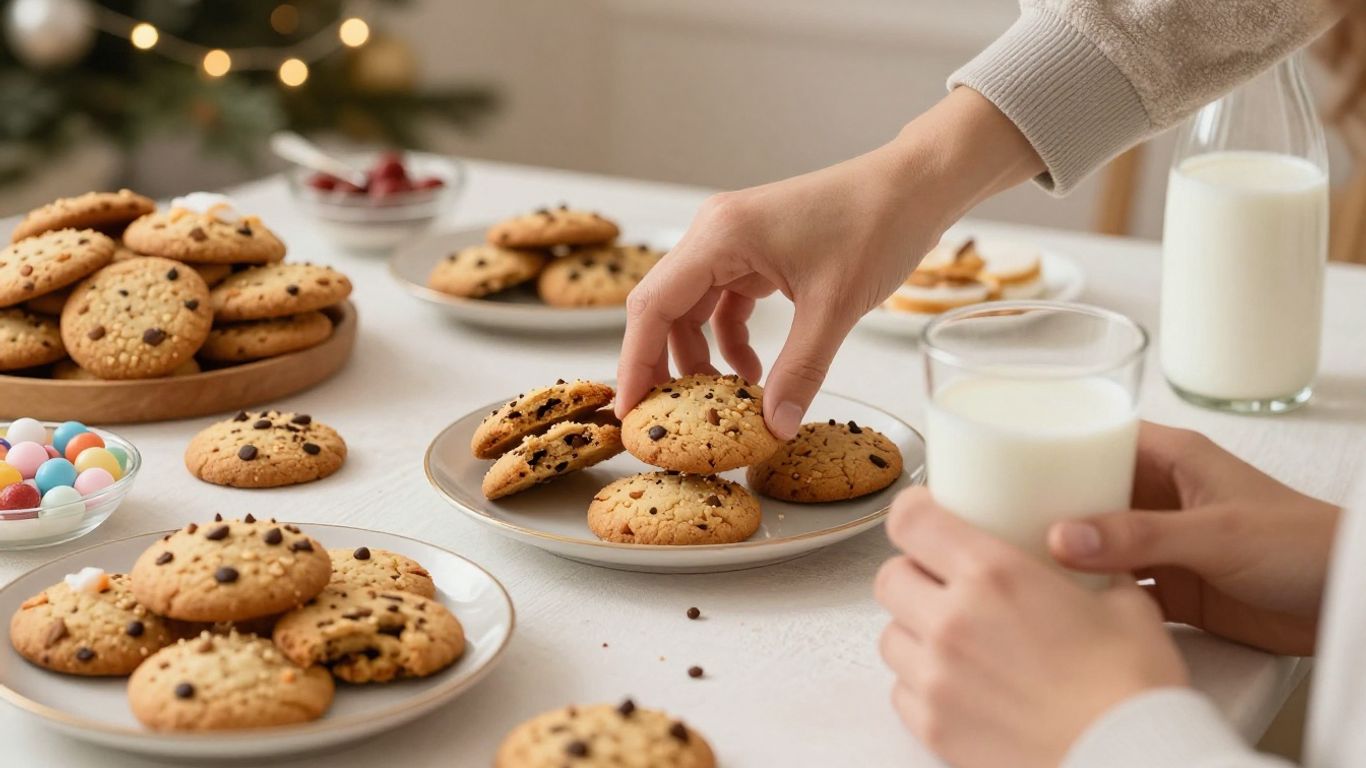
The holiday season is here, and with it comes all the joy, connection, and, let’s be honest, a whole lot of extra sugar. It’s easy to get swept up in the festive treats and traditions, but that doesn’t mean you have to completely ditch your healthy habits. This year, let’s aim for a balanced approach. We’re talking about enjoying the special foods and moments without feeling overwhelmed or guilty. Think of it as a smart sugar holidays plan – one that lets you savor the season while keeping your well-being in mind. It’s all about being intentional, setting some simple guardrails, and making choices that feel good, both now and after the New Year.
Key Takeaways
- Create a personal holiday vision that focuses on what truly matters to your family, helping you decide what traditions to keep and what can be skipped to reduce stress.
- Establish gentle boundaries as ‘guardrails’ rather than strict rules to protect your energy and peace, allowing you to manage emotional absorption and external pressures.
- Adopt mindful eating strategies like ‘anchor meals’ and prioritizing protein to stabilize mood and energy, making intentional indulgence over restriction a reality.
- Incorporate ‘minimum effective workouts’ and movement snacks throughout the day, viewing physical activity as nourishment rather than a way to ‘earn’ holiday foods.
- Manage holiday intensity by curating conversations, setting limits on alcohol and stress, simplifying finances, and hosting or attending events with kindness and clear expectations.
Navigating Holiday Intensity With Intention
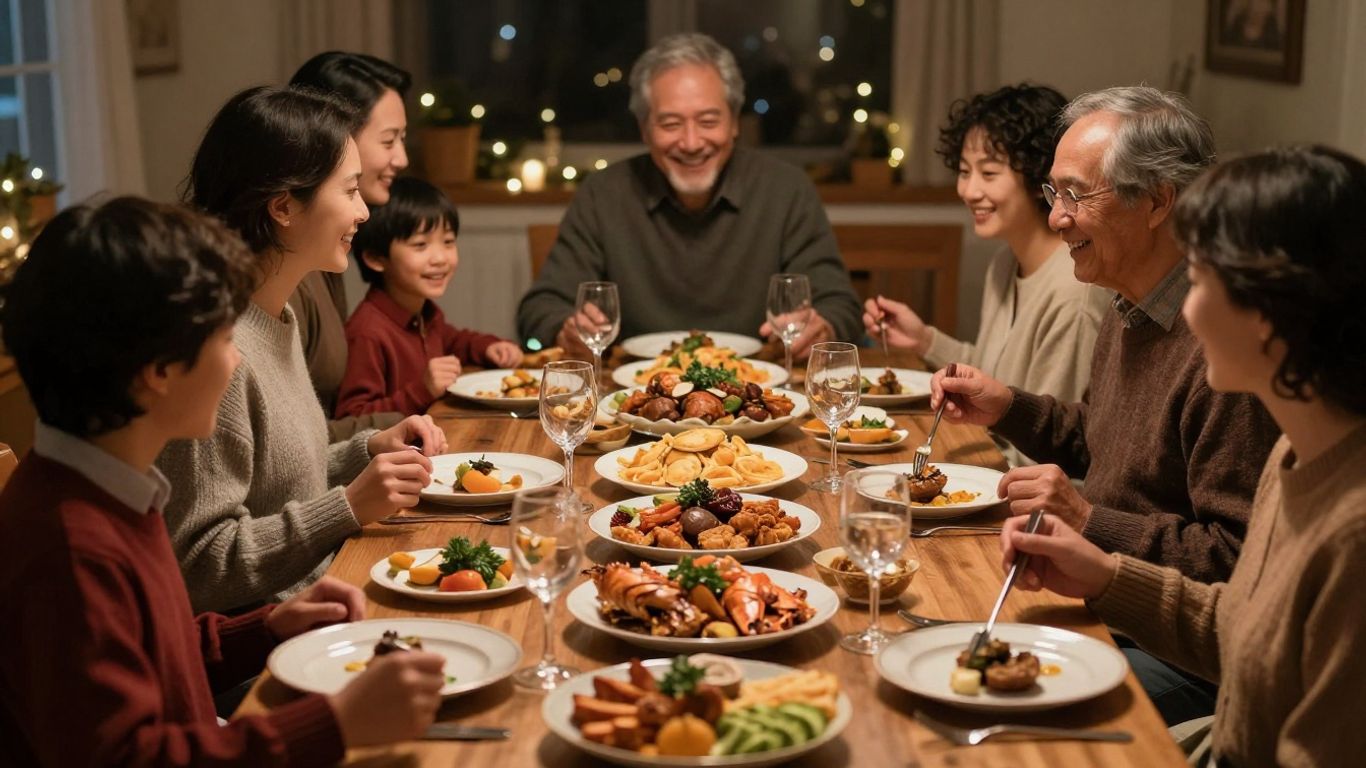
The holiday season, while often filled with joy and connection, can also bring a significant amount of intensity. It’s easy to feel overwhelmed by the sheer volume of activities, social obligations, and emotional currents that swirl around this time of year. Recognizing and preparing for this heightened experience is the first step toward enjoying the season without feeling depleted. Instead of just letting the holiday rush happen to you, you can intentionally shape your experience.
Understanding the Holiday Emotional Load
The holidays can amplify feelings, both positive and negative. For many, especially those who tend to take on a lot of the planning and coordination, the mental and emotional load can become quite heavy. This isn’t just about remembering who needs what gift; it’s about managing expectations, mediating family dynamics, and often, carrying the emotional weight of ensuring everyone else has a good time. This can lead to increased stress, disrupted sleep, and a general feeling of being stretched too thin.
The Impact of Shifting Routines
Our regular routines often take a backseat during the holidays. Less sleep, more sugary treats, changes in meal times, and travel can all disrupt our body’s natural rhythm. When our usual anchors are gone, we become more susceptible to feeling overwhelmed and reactive. It’s like trying to stand steady on shifting ground. Maintaining some semblance of stability, even small anchors like consistent hydration or a few minutes of quiet, can make a big difference in how we cope with these changes.
Addressing Resurfacing Family Dynamics
Family traditions are powerful, but they can also bring old patterns and unspoken expectations to the surface. The holidays often involve spending extended time with relatives, which can sometimes bring challenges. It’s a good time to be aware of how these interactions might affect you and to have strategies in place for maintaining your peace. This doesn’t mean avoiding family, but rather approaching interactions with a clear head and a plan for how you’ll manage any difficult moments.
Crafting Your Personal Holiday Vision
The holidays can feel like a whirlwind, and it’s easy to get caught up in what everyone else is doing or what you think you should be doing. But this year, let’s try something different. Taking a moment to define what the season truly means to you and your family can make all the difference. It’s about creating a holiday that feels good, not just one that looks good on paper or on social media.
Defining What Feels Meaningful
Start by asking yourself: what traditions or activities genuinely bring joy and connection to your household right now? It might be something simple like reading a specific book together, watching a favorite movie, or a particular way of decorating. Think about the moments that leave you feeling warm and connected, rather than stressed or obligated. What are the core elements that make the holidays feel special for your family, not just what you’ve always done or what others expect.
Identifying What Can Be Skipped
This is where you give yourself permission to let go. Look at your usual holiday schedule and traditions. Are there things that feel like a chore, cause more stress than joy, or simply don’t align with your family’s current needs? Maybe it’s attending every single party, sending out elaborate holiday cards, or baking a dozen different kinds of cookies. It’s okay to say no to things that drain your energy. Consider what can be scaled back or skipped entirely this year without significant loss. This isn’t about deprivation; it’s about making space for what truly matters.
Prioritizing Family Well-being
When you’re planning your holiday vision, keep your family’s overall well-being at the forefront. This means considering everyone’s energy levels, emotional needs, and routines. How can you structure the season to minimize stress and maximize connection? Think about practical things like ensuring enough downtime, maintaining some semblance of regular sleep schedules, and creating opportunities for genuine interaction. A well-rested, less-stressed family is a happier family, and that’s a holiday win.
Creating a personal holiday vision isn’t about rigid rules; it’s about setting a gentle direction. It’s a way to anchor yourself amidst the festive chaos, ensuring that the season serves your family’s well-being rather than depleting it.
Establishing Protective Boundaries
Think of boundaries not as walls to keep people out, but as guardrails on a winding road. They’re there to keep you safe and on track, especially when the holiday season throws unexpected curves your way. Your nervous system, particularly as we get older, doesn’t handle chaos and overstimulation the way it used to. The holidays often pile on emotional labor, disrupted routines, and social pressures. Without clear boundaries, this can quickly turn into overwhelm, then resentment, and finally, a feeling of guilt that leads to giving up on your well-being until January.
Boundaries are your way of protecting your energy so you can actually be present and enjoy the season, rather than feeling depleted and reactive. They can be big or small, practical or emotional, but they all serve the same purpose: to preserve your peace.
Boundaries as Guardrails, Not Walls
Setting boundaries isn’t about being difficult or rejecting others. It’s about self-respect and clarity. It’s about acknowledging that your capacity might be different now, and that’s okay. Instead of seeing them as limitations, view them as tools that allow you to participate more fully and joyfully.
Preserving Your Peace and Energy
Your energy is a finite resource, especially during busy times. Boundaries help you manage this resource wisely. This means making conscious choices about where your time and emotional energy go.
- Time Boundaries: Decide in advance when you need to leave an event, protect your bedtime, or schedule quiet mornings. Saying
Mindful Eating Strategies for the Season
The holidays often bring a shift in our eating habits, and it’s easy to feel like you’re on a rollercoaster. Instead of aiming for strict rules that are hard to keep, let’s focus on a more flexible approach. This means being aware of what you’re eating and having some structure, without being overly rigid.
The Power of Anchor Meals
Think of an "anchor meal" as one meal each day that helps ground your body. It doesn’t matter what else is going on; this meal provides a steady base. It should include protein, some vegetables or fiber, and something satisfying. Even if lunch is rushed or dinner plans change, this anchor meal helps keep your blood sugar, hunger, energy, and mood more stable. For many, breakfast is the easiest meal to make an anchor because it sets the tone for the whole day and can prevent that "hunger spiral" that sometimes happens later.
Prioritizing Protein-Forward Choices
When you’re building your meals, especially your anchor meal, think about including a good source of protein. Protein helps you feel full and satisfied for longer. This doesn’t mean every single bite has to be protein, but making it a central part of your plate can make a big difference in managing hunger throughout the day. It’s a simple way to add substance without feeling deprived.
Embracing Flexible Tracking Options
Strictly tracking every single calorie or gram can feel overwhelming during the holidays. Instead, consider more flexible ways to stay aware of your eating. This might mean focusing on how certain foods make you feel, or using general guidelines rather than precise numbers. The goal is to have a sense of what you’re consuming without it becoming a source of stress. It’s about finding a balance that works for you in this busy season, allowing you to enjoy special foods without guilt or excessive worry.
Intentional Indulgence Over Restriction

The holidays are a time for connection and celebration, and that often includes special foods. Instead of viewing these treats as forbidden or something to be avoided, let’s talk about how to enjoy them mindfully. This isn’t about strict rules; it’s about making choices that feel good and align with your well-being.
Choosing When to Savor Treats
Think about what truly brings you joy during the holidays. Is it your grandmother’s gingerbread cookies, a specific festive drink, or perhaps a rich dessert at a party? Instead of trying to avoid all treats, focus on selecting the ones that hold the most meaning for you. Making a conscious choice about which treats to enjoy can transform the experience from one of deprivation to one of genuine appreciation. This approach helps you savor the moment without the pressure of ‘falling off track.’
Shifting from Reactive to Intentional Eating
Reactive eating often happens when we’re overly hungry or feeling deprived. This can lead to overindulging and then feeling regret. Intentional eating, on the other hand, involves making conscious choices. For example, instead of restricting all day to ‘save calories’ for a holiday meal, try eating your regular, balanced meals throughout the day. This way, you arrive at the special occasion feeling calm and nourished, not ravenous. When you’re not starving, you can better appreciate the flavors and textures of the special foods without feeling the urge to eat everything in sight.
Enjoying Special Foods Without Guilt
It’s easy to fall into the trap of labeling foods as ‘good’ or ‘bad,’ especially during the holidays. This mindset can lead to guilt and shame. Remember that food is fuel, but it’s also a source of pleasure and tradition. By shifting your perspective, you can enjoy special holiday foods without attaching moral judgment. Focus on how the food makes you feel, both physically and emotionally. If a particular treat brings you joy and is part of a cherished tradition, allow yourself to enjoy it fully.
The goal isn’t to be perfect, but to be present and mindful. This means acknowledging that holidays are a time for living and connecting, not a test of your willpower. A flexible approach allows you to stay grounded and connected to yourself, even amidst the festive chaos.
Here are some ways to approach holiday treats with intention:
- Identify your ‘must-have’ foods: What are the few special items that truly make the holidays feel festive for you? Prioritize enjoying those.
- Listen to your body: Pay attention to your hunger and fullness cues. Eat when you’re hungry and stop when you’re comfortably satisfied.
- Practice mindful savoring: When you choose to indulge, take the time to truly enjoy the experience. Notice the flavors, textures, and aromas. Eat slowly and without distractions.
- Balance is key: Enjoying treats doesn’t mean abandoning all healthy habits. Continue to prioritize protein, hydration, and movement throughout the season.
Movement as Nourishment, Not Punishment
The holidays can feel like a marathon, and it’s easy to fall into the trap of thinking you need to ‘earn’ every festive treat or ‘burn off’ every indulgence. But let’s reframe that. Movement during this season isn’t about penance; it’s about self-care and stability.
Minimum Effective Workouts for Stability
Instead of aiming for intense, time-consuming workouts that might add stress, focus on what’s truly effective. For many, this means prioritizing strength training. It’s not just about building muscle; in midlife, it’s key for hormone regulation, stress management, stable energy levels, and maintaining bone density. The goal is consistency, not intensity. Think about a ‘minimum effective dose’ – perhaps two strength sessions a week. These don’t need to be elaborate; they can be done with minimal equipment or even at home. The aim is to maintain your physical foundation, not to push your limits.
Movement Snacks Throughout the Day
Beyond structured workouts, sprinkle ‘movement snacks’ into your day. These are short bursts of activity, like a 10-15 minute walk, some stretching, or even just a few minutes of mindful movement. They help keep your body feeling limber and your mind clear without demanding a huge time commitment. Walking the dog, pacing while on a phone call, or a quick stroll around the block after dinner all count. These small actions add up to significant benefits for your overall well-being.
Releasing the Need to Earn Holiday Foods
It’s time to let go of the idea that you must ‘work off’ what you eat. Your body doesn’t operate on a strict calorie-in, calorie-out equation, especially during a busy holiday season. Movement should support you, not punish you. It’s a tool for grounding and feeling good, not a way to justify enjoying special foods. By shifting your mindset from earning to nourishing, you can approach the holidays with more peace and less pressure.
Curating Conversations for Inner Peace
The holiday season often brings a lot of chatter, and not all of it is helpful. You might hear comments about food, bodies, or diets, even if they aren’t directed at you. These remarks can stir up old feelings or anxieties, especially if you’ve spent years hearing diet culture messages. It’s like a background noise that can really mess with your head if you let it.
Protecting Your Mindset from External Input
Think of your mind like a cozy room. You get to decide who and what comes inside. During the holidays, when emotions are already running high, it’s extra important to be mindful of the ‘conversations’ you’re letting into your mental space. You can’t control what others say, but you can absolutely control how you react and what you choose to absorb. This isn’t about changing other people or debating their beliefs; it’s about building a little shield for your own peace.
Navigating Diet Talk and Body Comments
It’s common to encounter conversations centered around food restrictions, weight loss, or body image. These can pop up unexpectedly from family, friends, or even coworkers. Instead of getting drawn into the discussion or feeling obligated to defend your choices, you can use simple, neutral responses. The goal is to steer the conversation away from sensitive topics without causing conflict.
Here are a few ways to handle these moments:
- Neutral Redirects: "I’m really focusing on enjoying the season and feeling good right now. How was your trip?"
- Boundary Statements: "I’m not discussing my body or diet today, but I’d love to chat about something else."
- Inner Reframes: Remind yourself, "This comment is about their own history with food, not mine. My body is not up for public discussion."
Staying Centered Amidst Food Discussions
Sometimes, even well-meaning comments can feel intrusive. You might hear things like, "Are you sure you want to eat that?" or "I’m skipping breakfast so I can really enjoy dinner." These can trigger feelings of guilt or self-consciousness. Remember that your relationship with food is personal. You don’t need to justify your choices or get pulled into others’ food anxieties.
The key is to practice staying grounded. You can acknowledge the comment internally without letting it derail your enjoyment. It’s about protecting your energy and your progress, allowing you to be present and enjoy the holiday moments without the added weight of others’ opinions or unresolved food drama.
Managing Alcohol, Sleep, and Stress
The holiday season can really mess with your normal rhythm. It’s easy to stay up later, maybe have a drink or two more than usual, and then feel the effects the next day. This can snowball, making you feel more stressed and less able to handle things.
Understanding Alcohol’s Impact on Sleep
Alcohol might make you feel sleepy at first, but it actually messes with your sleep quality. It can lead to more waking up during the night and less time spent in the deeper, more restful stages of sleep. This fragmented sleep can leave you feeling groggy and irritable, making everyday tasks feel harder.
- Alcohol disrupts natural sleep cycles.
- It can increase feelings of anxiety the following day.
- Consider alternating alcoholic drinks with water to stay hydrated and moderate intake.
Strategic Caffeine Consumption
Caffeine is a go-to for many when energy dips, but timing is everything. Having caffeine too late in the day can make it tough to fall asleep later on. If you’re already dealing with disrupted sleep from other holiday factors, late-day caffeine can make things even worse.
- Try to limit caffeine intake after noon.
- Be mindful of hidden caffeine in things like chocolate or some teas.
- If you need a boost, consider a short walk or some stretching instead.
Incorporating Short Movement Bouts
When you’re feeling stressed or sluggish, the last thing you might want to do is exercise. But even short bursts of movement can make a big difference. A quick walk around the block, a few minutes of dancing to music, or some simple stretches can help lower stress hormones and improve your mood. Think of these as "movement snacks" to sprinkle throughout your day.
Scheduling these short movement breaks, even just 10 minutes, can be as important as any other appointment during the busy holiday season. It’s a proactive way to manage your energy and mood.
Here’s a simple way to think about fitting in movement:
- Morning Boost: A few stretches or a brisk walk before the day gets hectic.
- Midday Reset: A quick walk outside during a lunch break or after a meal.
- Evening Wind-Down: Gentle stretching or a short, slow walk to help prepare for sleep.
Simplifying Gifting and Finances
The holidays often come with a flurry of gift-giving and financial expectations. It’s easy to get caught up in the pressure to buy the ‘perfect’ present or overspend, leading to stress. This year, let’s approach gifting and finances with a bit more intention and a lot less pressure.
Establishing and Adhering to a Budget
Money can be a major source of holiday stress. Before you even start browsing, sit down and figure out what you can comfortably spend. This isn’t about restriction; it’s about making conscious choices that align with your financial reality. Setting a clear budget is the first step to a more peaceful holiday season. Think about who you need to buy for and allocate amounts for each person or group. It might be helpful to create a simple spreadsheet or even just a list in your phone.
Here’s a basic breakdown to consider:
- Gifts: For family, friends, colleagues, etc.
- Decorations: If you’re buying new items.
- Food & Drink: For parties or special meals.
- Travel: Gas, flights, accommodation.
- Activities: Tickets to events, outings.
Once you have your numbers, try your best to stick to them. It’s easy to get tempted by sales or last-minute ideas, but remembering your budget can help you stay on track.
Creative Gift-Giving Systems
Who says gifts have to be individual and expensive? There are many ways to approach gift-giving that can reduce stress and clutter. Consider implementing a system that works for your family or friend group.
- The Three-Gift Rule: For children, this often means one gift to read, one to wear, and one to do (like an experience or a craft kit). This can help focus on meaningful items rather than just accumulating toys.
- Family Gift Exchange: Instead of buying for everyone individually, draw names for a secret Santa-style exchange. This significantly cuts down on the number of gifts needed.
- Themed Gifting: Focus on a specific category, like books, games, or items for a hobby.
Exploring Experience-Based Gifts
Sometimes, the most memorable gifts aren’t physical objects at all. Think about experiences that you or your loved ones would enjoy. These can create lasting memories without adding to clutter.
- Tickets to events: Concerts, theater shows, sporting events, or museum passes.
- Classes or workshops: Cooking, art, pottery, or even a new skill.
- Outdoor adventures: Hiking trips, kayaking tours, or a weekend getaway.
- Gift certificates for services: Massages, spa treatments, or even a meal at a favorite restaurant.
These types of gifts often feel more personal and can be tailored to individual interests. They also encourage quality time and shared experiences, which are often the most cherished parts of the holidays.
Managing your holiday finances and gift-giving doesn’t have to be a source of anxiety. By setting clear intentions, establishing a budget, and exploring creative gifting options, you can ensure that the season remains joyful and financially sound.
Hosting and Attending with Kindness
The holiday season often means more time spent with loved ones, which can be a wonderful thing. But it also means more opportunities for things to feel overwhelming if we’re not careful. Whether you’re opening your home to guests or heading to someone else’s, a little intentionality can make all the difference.
Creating Welcoming Environments for Guests
When you’re the host, your goal is to create a space where people feel comfortable and cared for, without running yourself ragged. Think about what truly makes a gathering feel warm. It’s not about having a perfect, spotless house or a gourmet meal. It’s about connection.
- Set clear timeframes: Letting guests know the general start and end times can help manage expectations and prevent the evening from stretching on indefinitely, which is especially helpful if you have young children or need to stick to a routine.
- Designate a quiet zone: Having a space where guests, especially children, can retreat for a bit of downtime can be a lifesaver. This could be a spare bedroom or even just a comfortable corner with some books or quiet activities.
- Communicate about food: If you’re preparing the meal, it’s thoughtful to ask about any allergies or dietary restrictions in advance. If it’s a potluck, clearly communicate what you’re providing and what guests might consider bringing.
Remember, your well-being as a host is just as important as your guests’ comfort. It’s okay to simplify, delegate, or even ask for help. A relaxed host makes for relaxed guests.
Thoughtful Contributions When Attending
If you’re the one attending a gathering, think about how you can contribute positively. It’s not just about showing up; it’s about being a considerate guest.
- Offer to bring something specific: Instead of just asking "What can I bring?", suggest something concrete, like "I can bring a green salad" or "I’d be happy to pick up dessert." This takes the decision-making off the host.
- Help with the cleanup: Offering to help with dishes, clearing tables, or tidying up can be a huge relief for the host. Even a small gesture goes a long way.
- Send a thank-you note: A simple text or email after the event, mentioning something specific you enjoyed, is a lovely way to show your appreciation.
Setting Clear End Times for Gatherings
This applies to both hosts and guests. Knowing when an event will wrap up can reduce stress for everyone involved. For hosts, it helps with planning the rest of your evening and getting necessary tasks done. For guests, it allows you to plan for travel home or other commitments without feeling like you’re overstaying your welcome. Communicating these time boundaries kindly and clearly is a sign of respect for everyone’s time and energy. It allows for a more relaxed and enjoyable experience, ensuring that the good feelings of the gathering don’t get overshadowed by exhaustion or a feeling of being trapped.
Addressing Grief and Emotional Well-being
The holiday season, while often portrayed as joyous, can also bring up a lot of difficult feelings. For some, it’s a time that highlights loss – perhaps a loved one who is no longer with us, or even the loss of a past way of life. It can also amplify worries about health, finances, or family dynamics that feel particularly heavy this time of year. It’s completely okay to feel a mix of emotions, and acknowledging them is the first step.
Acknowledging Amplified Feelings
It’s common for the holidays to stir up feelings that might have been dormant or manageable during other parts of the year. This can include sadness, loneliness, anxiety, or even anger. These feelings aren’t a sign of weakness; they’re a natural response to change, memory, and the pressure to feel a certain way. Think of it like this: the holiday lights and decorations can make the shadows seem deeper. It’s important to recognize that these amplified emotions are real and valid.
Permission to Do Less and Grieve
One of the most helpful things you can do for yourself during this time is to give yourself permission to scale back. You don’t have to attend every event, host every year, or maintain every single tradition if it feels overwhelming. Allow yourself space to simply be, and to grieve what has been lost or what is difficult. This might mean saying no to some invitations, delegating tasks, or even creating new, simpler traditions that feel more manageable and meaningful for where you are right now. If tears come, let them. If you need quiet time, take it. Honoring your emotional needs is not selfish; it’s necessary self-care.
Seeking Support When Needed
Sometimes, the weight of grief or emotional distress can feel too heavy to carry alone. If you find that your feelings are consistently overwhelming, impacting your daily life, or if you’re experiencing persistent low mood, anxiety, or thoughts of self-harm, please reach out for help. This could mean talking to a trusted friend or family member, connecting with a therapist or counselor, or speaking with your doctor. Mental health is just as important as physical health, and seeking support is a sign of strength. There are people who want to help you through this, and you don’t have to navigate these challenging emotions by yourself.
Dealing with grief and tough emotions can be really hard. It’s okay to feel what you’re feeling, and finding healthy ways to cope is important for your well-being. Remember, you don’t have to go through this alone. Visit our website for resources and support to help you navigate these feelings and start healing. We’re here to help you find your way forward.
Embrace the Season with Intent
So, as the holiday season unfolds, remember that it’s okay to enjoy the traditions and treats. It’s not about perfection, but about making choices that feel good for you and your family. By setting gentle guardrails, focusing on what truly matters, and being kind to yourself, you can navigate the festivities with more peace and less stress. Think of these strategies not as restrictions, but as ways to make the season more enjoyable and sustainable. You’ve got this – go ahead and savor the moments.
Frequently Asked Questions
Why do the holidays feel so overwhelming?
The holidays can feel like a lot because your usual routine changes, you might be doing more planning and organizing than usual, and family traditions can sometimes bring up old feelings or expectations. All of this can add up and make you feel stressed or tired.
How can I figure out what’s important to me during the holidays?
Take a few quiet minutes to think about what would truly make the holidays feel special for your family this year. Also, consider what traditions or activities you could skip without feeling bad. Knowing what matters most helps you say ‘no’ to the rest.
What are ‘guardrails’ for the holidays?
Guardrails are like gentle rules or boundaries you set for yourself. They help protect your energy and peace without being too strict. For example, instead of saying ‘I can’t have any dessert,’ a guardrail might be ‘I’ll choose one dessert I really want.’
How can I eat mindfully during holiday parties?
Try having a balanced meal before you go to a party so you’re not starving. Focus on eating protein, which helps you feel full and stable. You can also be flexible with tracking your food – maybe just focus on protein, or track only part of the day.
Should I avoid all holiday treats?
No, you don’t have to avoid treats! The idea is to enjoy them on purpose. Choose the special holiday foods you truly want and savor them, rather than eating them without thinking or feeling guilty. It’s about enjoying them without going overboard.
How much exercise do I need during the holidays?
You don’t need intense workouts. Focus on ‘minimum effective workouts,’ like two strength sessions a week, and ‘movement snacks’ like short walks or dancing. The goal is to feel good and maintain your routine, not to ‘earn’ your food.
How can I handle holiday conversations about food or bodies?
You can protect your peace by deciding ahead of time not to engage in negative talk about food or bodies. You don’t have to absorb other people’s opinions. Practice polite ways to change the subject or simply listen without letting their comments affect your mindset.
What’s the best way to manage stress, sleep, and alcohol during the holidays?
Be mindful that alcohol can mess with your sleep. Try alternating drinks with water and setting limits. Avoid caffeine late in the day. Even short bursts of movement, like a 10-minute walk, can help lower stress and boost your mood.