
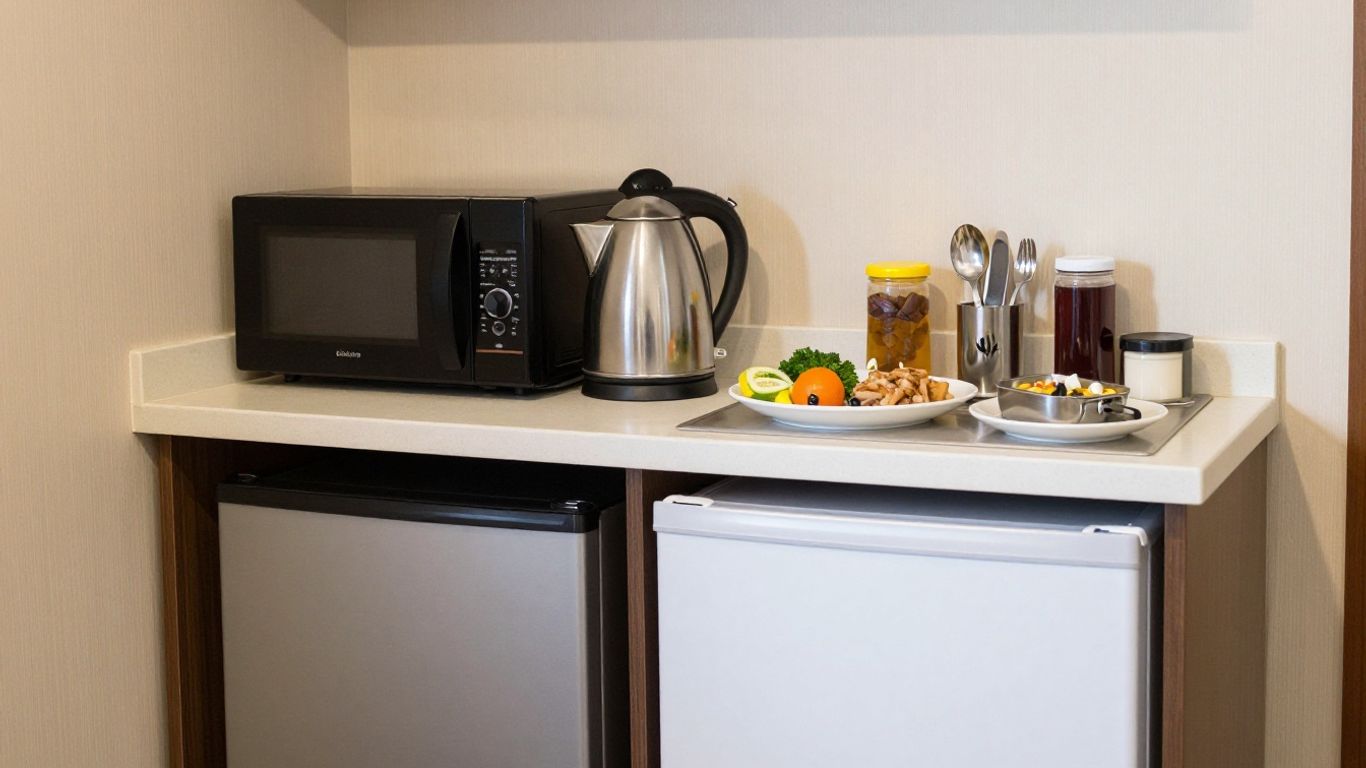
So, you’re stuck in a hotel room and craving something other than room service or the nearest fast-food joint? You’re not alone. Many travelers find themselves in this exact situation, wondering how to whip up a decent meal with just the basics. Hotel room cooking might sound tricky, but with a little planning and knowing what to look for, you can actually eat pretty well. Whether you’ve got a mini-fridge, a kettle, or even a microwave, there are ways to make it work. Let’s figure out how to make your hotel stay a bit more delicious and a lot less expensive.
Key Takeaways
- Before booking, check what kitchen appliances your hotel room actually has – a kettle, microwave, and mini-fridge are common, but don’t assume. Knowing this helps you plan your meals.
- When grocery shopping, think simple. Ready-to-heat meals, non-perishable items, and things that don’t need much prep are your best friends for hotel room cooking.
- The microwave is your main cooking tool. Use it for reheating leftovers, steaming veggies, or making quick meals like rice bowls and baked potatoes.
- Your mini-fridge is for keeping things fresh. Organize it well to store drinks, snacks, and ingredients for simple assembly meals.
- Don’t forget to pack a few small things like a knife, bowls, and cleaning wipes. This makes cooking and cleanup much easier in a small space.
Understanding Your Hotel Room’s Culinary Capabilities
Assessing In-Room Appliances: Kettle, Microwave, and Mini-Fridge
When you’re thinking about making meals in your hotel room, the first thing to figure out is what tools you actually have to work with. Most rooms come with a few basics, and knowing what they are makes a big difference. You’ll often find a kettle, which is great for more than just tea or instant coffee. Think instant oatmeal, couscous, or even rehydrating dried foods. Then there’s the microwave. This is your main workhorse for reheating leftovers or cooking pre-packaged meals. Don’t underestimate its power for quick dinners. Finally, the mini-fridge. It’s usually small, but it’s perfect for keeping drinks cold, storing yogurt, cheese, or any perishable ingredients you might have bought.
Distinguishing Between Kitchenettes and Full Kitchens
It’s important to know the difference between a room that just has a few appliances and one that’s set up for more serious cooking. A kitchenette is typically a small, compact area with limited counter space and fewer appliances. It might have a microwave, a mini-fridge, and maybe a sink, but don’t expect a full stove or oven. These are best for simple meals, reheating, and light prep. A full kitchen, on the other hand, is much more like what you’d have at home. It usually includes a stove, oven, a larger refrigerator, a sink, and more counter space. If you plan on doing a lot of cooking, especially multi-step recipes, a full kitchen is what you’ll need.
Verifying Included Kitchenware and Utensils Before Booking
Even if your room has a microwave and a mini-fridge, what good are they without the right tools? Before you book, or as soon as you arrive, check what kitchenware is provided. This can include things like:
- Plates and bowls
- Cutlery (forks, knives, spoons)
- Glasses or mugs
- Basic cooking utensils (spatula, stirring spoon)
- Pots or pans (if you have a stovetop)
Sometimes hotels will list "kitchenette" but only provide a few basic items. If you’re planning to cook, it’s worth confirming the specifics. You might need to bring a few of your own items if the hotel’s supply is lacking.
Being aware of your room’s limitations and capabilities upfront saves a lot of hassle. It helps you plan your meals and grocery trips more effectively, so you’re not caught off guard with missing equipment.
Strategic Grocery Shopping for Hotel Room Cooking
Leveraging Local Markets and Grocery Stores
When you’re planning to cook in your hotel room, a trip to the local grocery store or market is your first big step. It’s not just about stocking up; it’s about getting a feel for the place you’re visiting. You can find regional specialties or just everyday items that might be different from what you’re used to back home. Don’t underestimate the power of a well-stocked mini-fridge.
- Plan your meals before you shop: Knowing what you want to make helps you buy only what you need, cutting down on waste and saving money. A quick list can be a lifesaver.
- Look for pre-portioned items: Things like single-serving yogurts, small packs of cheese, or individual fruit cups are perfect for hotel room cooking.
- Consider shelf-stable items: Things like pasta, rice, canned beans, and peanut butter don’t need refrigeration and are great to have on hand.
A quick stop at a local market can turn a simple meal into something special. You might find unique spices or fresh produce that you wouldn’t get at a chain supermarket.
Pre-Packaged and Ready-to-Reheat Meal Solutions
Sometimes, you just need something quick and easy. Pre-packaged meals are a lifesaver when you’re tired or short on time. Many grocery stores now offer a wide variety of options, from single-serving salads to microwaveable dinners.
- Microwave meals: These are designed to be heated quickly and are often quite tasty. Look for options with a good balance of protein, carbs, and vegetables.
- Salad kits: These come with everything you need for a fresh salad, often including dressing and toppings.
- Deli items: Sliced meats, cheeses, and pre-made sandwiches can be great for quick lunches or light dinners.
Smart Choices for Non-Perishable Staples
Having a few non-perishable items in your bag can save you when you can’t get to a store or when you just need a quick snack. These are the backbone of any good hotel room pantry.
- Canned goods: Tuna, chicken, beans, and soups are versatile and last a long time.
- Dried goods: Pasta, rice, and instant oatmeal are filling and easy to prepare.
- Snacks: Nuts, dried fruit, crackers, and granola bars are perfect for in-between meals or when you need a quick energy boost.
Effortless Meal Ideas for Microwave Magic
Reheating Soups, Stews, and Pasta Dishes
When you’re looking for a quick and comforting meal, pre-made soups, stews, and pasta dishes are your best friends. Many grocery stores offer a wide selection of these, often in convenient pouches or microwave-safe containers. Think hearty lentil stews, classic tomato soup, or even a simple pasta with marinara. Just pop them in the microwave, and in a few minutes, you’ve got a warm meal. If you’re reheating pasta, a little sprinkle of cheese before serving can make it feel extra special. Remember to choose pouches or plastic containers over cans, as they’re lighter to pack and easier to handle.
Crafting Speedy Rice Bowls and Taco Creations
Rice bowls and taco-inspired meals are surprisingly easy to assemble with microwave-friendly components. Many brands now offer pre-cooked rice that’s shelf-stable and just needs a quick zap. Pair this with pre-cooked shredded meats like carnitas or chicken, or even a pouch of black beans and corn. Add some salsa, avocado, or cheese, and you’ve got a satisfying meal. For taco creations, simply heat your fillings and assemble in tortillas or lettuce wraps. Just be sure to remove any metal packaging before microwaving.
Microwave Steamed Vegetables and Baked Potatoes
Don’t forget your greens! It’s quite simple to steam vegetables like broccoli or green beans right in the microwave. Place them in a microwave-safe bowl with a little water, cover tightly (cling wrap works well, just poke a few holes), and cook for a few minutes. They come out tender and vibrant. Similarly, you can ‘bake’ potatoes in the microwave. Pierce a potato several times with a fork, then microwave on high for about 5-8 minutes, flipping halfway through, until tender. Top with your favorite fixings like cheese, chili, or sour cream for a complete meal.
Creative Use of Your Kettle and Mini-Fridge
Beyond Hot Beverages: Kettle for Quick Meals
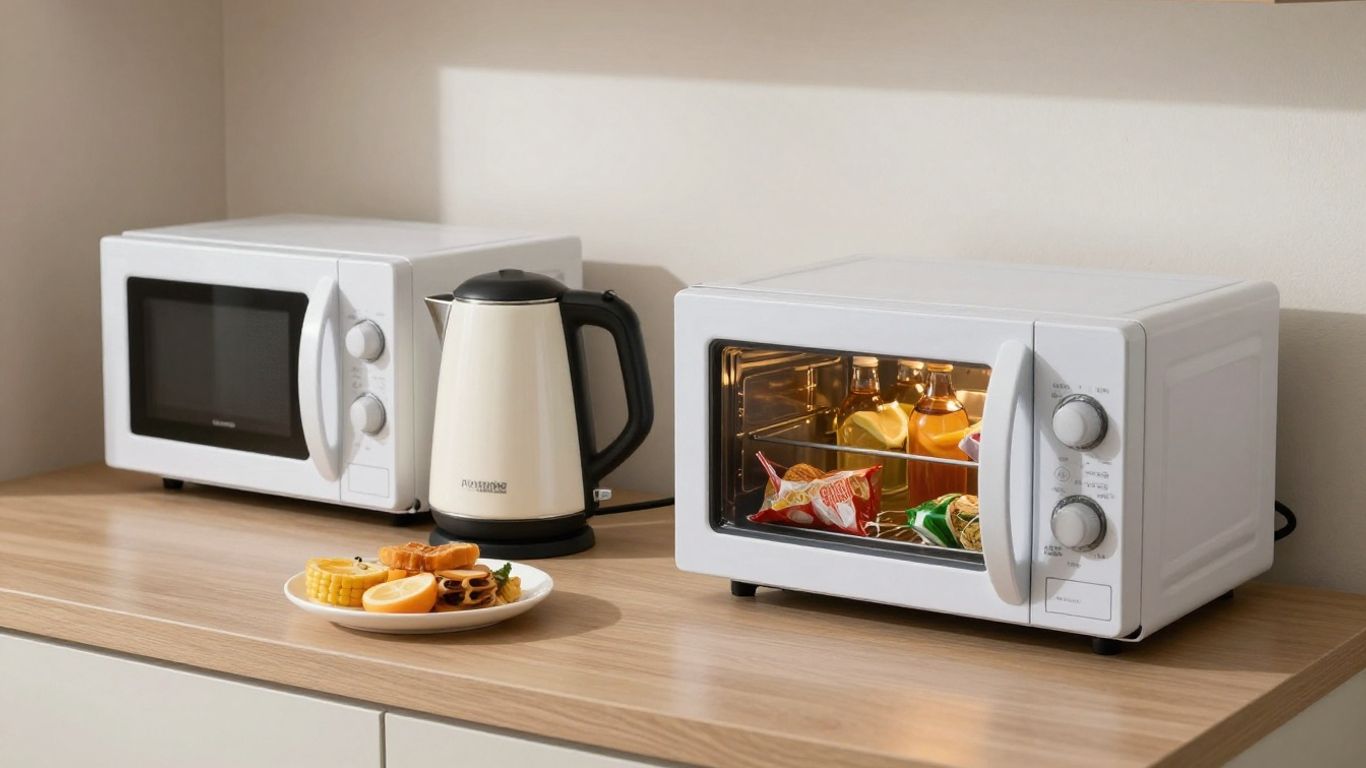
That hotel kettle isn’t just for your morning coffee or evening tea. It’s a surprisingly versatile tool for whipping up simple meals. Think beyond just boiling water. You can use it to rehydrate instant noodles, couscous, or even instant mashed potatoes. Some travelers even use it to make a quick broth for ramen or to soften dried fruits for a snack. Just remember to give it a good rinse before and after, and be aware of hotel policies – some advise against using them for anything other than beverages due to past misuse.
Mini-Fridge Organization for Freshness
Your mini-fridge is your best friend for keeping ingredients fresh. Don’t just shove things in there. Organize it strategically to maximize space and keep things visible.
- Zone it: Designate areas for drinks, dairy, fruits, and prepped items. This makes it easier to find what you need without letting cold air escape.
- Use containers: Small, stackable containers or reusable silicone bags help keep things tidy and prevent spills.
- Prioritize perishables: Place items that need to stay coldest, like raw meats or dairy, towards the back where it’s typically cooler.
Keeping your mini-fridge organized means less food waste and easier meal assembly. It’s a small effort that pays off big time.
Simple Assembly Meals with Fridge Staples
With a well-stocked and organized mini-fridge, assembling meals becomes a breeze. Think of it as a personal salad bar or sandwich station.
- Salads: Combine pre-washed greens with chopped veggies, cheese, and a protein like pre-cooked chicken strips or canned tuna. A simple vinaigrette from your condiment stash ties it all together.
- Sandwiches/Wraps: Use tortillas or bread with deli meats, cheese, and any fresh veggies you have. Hummus or cream cheese can act as a binder.
- Yogurt Parfaits: Layer yogurt with granola and fresh fruit for a quick breakfast or dessert.
- Cheese and Cracker Plates: A simple yet satisfying option, especially when paired with some fruit or nuts.
Essential Packing for Seamless Hotel Room Cooking
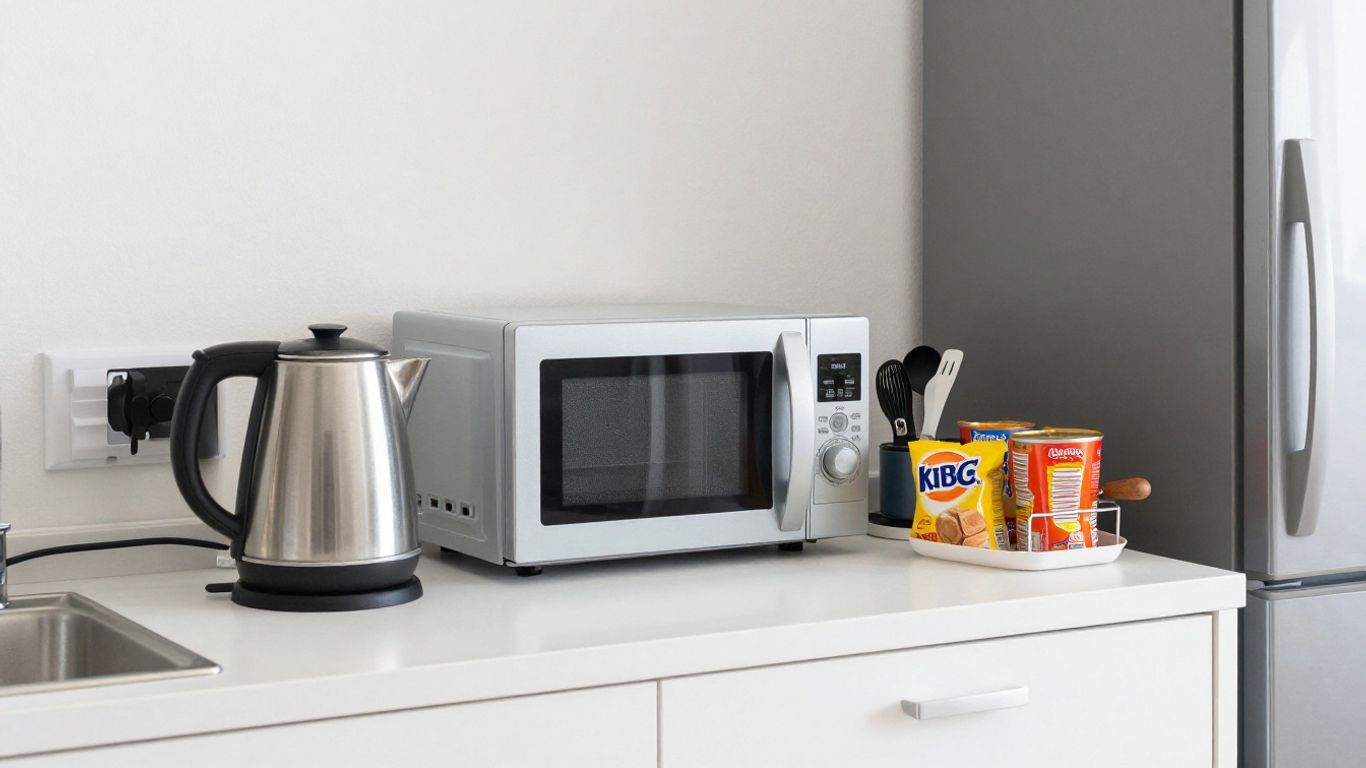
When you’re planning to cook in your hotel room, a little preparation goes a long way. You don’t need to pack a full kitchen, but a few key items can make a big difference in convenience and enjoyment. Think about what you’ll actually use based on the meals you plan to make. The goal is to bring items that are compact, multi-functional, and make cleanup easier.
Compact Utensils and Basic Cookware
Forget about bringing your entire kitchen drawer. Focus on the essentials that will help you prepare and eat your meals. A good quality, sharp knife is invaluable for chopping vegetables or opening packages. A vegetable peeler is also surprisingly useful. If you plan on doing any mixing or serving, a sturdy spoon or spatula can be a lifesaver. For cookware, you’ll likely rely on the hotel’s microwave, but if you’re lucky enough to have a kettle, consider a small, collapsible bowl that can handle hot liquids.
Here’s a quick list of what to consider:
- A small, sharp knife (a serrated one works well for many things)
- A vegetable peeler
- A sturdy spoon or spatula
- A reusable container or bowl for mixing and eating
- A cutting board (a small, flexible one packs easily)
Packable Cleaning Supplies for Easy Cleanup
Nobody wants to leave a mess behind, and hotel bathrooms aren’t always equipped for extensive dishwashing. Bringing a small amount of dish soap and a sponge with a scrubby side can make a world of difference. If you’re concerned about food particles going down the drain, a small sink strainer can prevent clogs. Consider bringing a small, quick-drying towel specifically for drying dishes or wiping down surfaces.
- Travel-sized dish soap
- A compact sponge or dishcloth
- Small sink strainer (optional, but helpful)
- A quick-drying hand towel
Bringing Your Own Bowls and Mugs
While many hotels provide basic mugs, they might not always be the most convenient size or material for your needs. If you plan on having soup, cereal, or even just a larger portion of a microwaved meal, bringing your own bowl can be a good idea. Look for lightweight, durable options like melamine or sturdy plastic. Similarly, if you’re particular about your coffee or tea, a personal travel mug can be a nice touch. These items can also double as storage containers for leftovers.
Packing smart means focusing on items that serve multiple purposes. A sturdy bowl can be used for eating, mixing ingredients, and even storing food in the mini-fridge. Think about how each item you pack can contribute to a smoother cooking and cleanup experience.
Mastering Cleanup in Limited Spaces
Utilizing Bathroom Sinks for Washing Up
Okay, so your hotel room doesn’t have a dishwasher, and maybe even a proper kitchen sink is a luxury. Don’t sweat it. The bathroom sink is your best friend here. It might seem a bit odd at first, but it’s perfectly functional for washing up those few dishes you’ve used. Just make sure to give it a good rinse afterward.
- Use a small amount of dish soap, if you brought some, or even a bit of your travel-sized shampoo in a pinch (though dedicated dish soap is better).
- Rinse thoroughly to remove all soap residue.
- Wipe down the sink area afterward to keep it tidy.
Tips for Minimizing Mess and Odors
Keeping things clean in a small space is all about prevention and quick action. The goal is to avoid lingering smells and sticky messes that can make your room feel less comfortable.
- Wipe up spills immediately. Don’t let them sit and become a problem.
- Dispose of food scraps properly. If you have a lot, consider taking them down to the hotel’s main trash bins.
- Air out the room when possible by opening a window or turning on the fan.
A little bit of effort goes a long way. Cleaning as you go, rather than letting dishes pile up, makes the whole process much more manageable and pleasant.
Choosing Disposable or Easy-to-Clean Dinnerware
When you’re packing or shopping for your hotel room meals, think about the cleanup. Opting for certain types of dinnerware can make a huge difference.
- Disposable plates and cutlery: While not the most eco-friendly, they can be a lifesaver for minimizing washing. Look for sturdy paper or compostable options if possible.
- Microwave-safe plastic containers: These are great for both cooking and eating from, and they’re usually easy to rinse and reuse or dispose of.
- Bowls: A good, sturdy bowl is often more versatile than a plate and easier to manage in a small sink.
Building a Backup Food Supply
Sometimes, things just don’t go according to plan when you’re traveling. Maybe the hotel’s microwave is on the fritz, or perhaps your carefully packed lunch takes an unexpected tumble. Having a backup food supply means you won’t be left scrambling for a meal when you least expect it. It’s about peace of mind, knowing you’ve got something to eat, no matter what.
Non-Perishable Snacks for Emergencies
These are your lifesavers for unexpected delays or when you just need a quick bite. Think about items that don’t need refrigeration and can withstand a bit of travel. They’re perfect for stashing in a bag for a day out or keeping in your room for late-night cravings.
- Tortillas or Flatbreads: More durable than bread, these are great with peanut butter, jam, or even canned tuna.
- Nut Butter Packets: Single-serving packets of peanut butter or almond butter are convenient and don’t require refrigeration.
- Dried Fruit and Nuts: A good source of energy, these last a long time and are easy to pack.
- Crackers and Rice Cakes: Choose sturdy varieties that won’t crumble easily.
- Beef Jerky or Meat Sticks: A protein-rich option that’s shelf-stable.
Versatile Ingredients for Quick Meals
Beyond just snacks, having a few versatile ingredients can turn a simple backup into a surprisingly satisfying meal. These items can be combined in various ways or added to other dishes to add substance and flavor.
- Instant Noodles or Ramen: While not gourmet, these are quick to prepare with just hot water (from your kettle!) and can be made more substantial with added protein or vegetables.
- Canned Tuna or Salmon: Easy to open and eat, these can be mixed with mayonnaise packets or eaten on crackers.
- Pre-cooked Rice Pouches: These can be heated in the microwave and serve as a base for other ingredients.
- Individual Oatmeal Cups: A warm and filling breakfast option that only requires hot water.
Contingency Plans for Appliance Malfunctions
What if the microwave is broken, or the kettle isn’t working? It’s wise to have a plan B. This often means relying on items that require minimal or no cooking at all.
Always consider meals that can be assembled without any cooking. Think about pre-made salads that just need opening, or sandwich fillings that don’t require heating. Having a small cooler with ice packs can also help extend the life of items that might otherwise spoil if you can’t rely on the mini-fridge.
- Bagels and Cream Cheese: Bagels last a couple of days, and cream cheese can be kept cool in a small cooler if the mini-fridge isn’t reliable.
- Fruit: Apples, bananas, and oranges are durable and require no preparation.
- Pre-packaged Salads or Wraps: Many grocery stores offer ready-to-eat options that are perfect for a no-cook meal.
Elevating Simple Meals with Flavor
Adding Fresh Herbs and Spices
Even the most basic hotel room meal can be transformed with a few well-chosen additions. Think about bringing a small collection of dried herbs and spices. A little goes a long way, and they can completely change the character of a dish. For instance, a pinch of smoked paprika can add depth to plain rice, while some dried oregano can make a microwaved pasta dish taste more authentic.
- Garlic powder and onion powder: These are pantry staples for a reason, offering foundational savory notes.
- Italian seasoning blend: Perfect for pasta, rice, or even sprinkled on roasted vegetables.
- Chili powder or red pepper flakes: For a touch of heat and complexity.
- Cumin: Adds an earthy warmth, great for rice bowls or taco-inspired meals.
Don’t underestimate the power of a good salt and pepper grinder, too. Freshly ground pepper has a much brighter flavor than pre-ground. If you’re feeling adventurous, consider a small container of everything bagel seasoning – it’s surprisingly versatile.
Utilizing Condiments and Sauces
Condiments are your secret weapon in the hotel room kitchen. Many hotels offer small packets of ketchup, mustard, or hot sauce at breakfast, but you can also pack a few travel-sized favorites. A small bottle of soy sauce, a tube of sriracha, or a jar of your favorite pesto can add instant flavor and moisture to meals.
Consider these additions:
- Hot sauce: From mild to fiery, it can liven up almost anything.
- Mustard: Dijon or honey mustard can add tang to sandwiches or dressings.
- Pesto or marinara sauce: Great for quick pasta dishes or as a dip.
- Mayonnaise or aioli: For creamy additions to sandwiches or bowls.
- Salad dressing: Even a simple bagged salad can feel like a restaurant meal with a good dressing.
Think of condiments not just as toppings, but as flavor builders. A drizzle of balsamic glaze can add a sweet and tangy finish to a simple salad or even a microwaved chicken breast. Similarly, a dollop of hummus can turn plain crackers into a satisfying snack or a base for other ingredients.
Combining Pre-Made Components for Gourmet Results
The art of hotel room cooking often lies in smart assembly. You can create surprisingly sophisticated meals by combining ready-made items. For example, a pre-cooked rotisserie chicken from a local grocery store can be shredded and added to instant ramen or a bagged salad. Canned beans and pre-cooked rice can form the base of a quick chili or burrito bowl.
Here’s a simple formula for a gourmet-feeling meal:
- Base: Pre-cooked rice, quinoa, or pasta.
- Protein: Canned tuna, pre-cooked chicken, hard-boiled eggs, or canned beans.
- Vegetables: Bagged salad mix, steamed microwaveable vegetables, or cherry tomatoes.
- Flavor Boost: A dollop of hummus, a drizzle of soy sauce, a sprinkle of cheese, or a spoonful of salsa.
This approach allows for a wide variety of meals with minimal effort and cleanup, making your hotel stay feel more like a culinary adventure than a compromise.
The Benefits of Hotel Room Cooking
When you’re on the road, eating out for every meal can really add up. Plus, sometimes you just crave something familiar or need to stick to a specific diet. That’s where hotel room cooking comes in handy. It’s not just about saving a few bucks, though that’s a big plus. It’s about taking back some control over your travel experience.
Maintaining Dietary Control and Health
Sticking to your health goals while traveling can be tough. Restaurants often have hidden sugars, fats, and sodium. By preparing your own meals, you know exactly what’s going into your food. This means you can easily manage portion sizes, avoid allergens, and keep your diet on track, whether you’re managing a condition or just trying to eat cleaner. It’s a way to feel good from the inside out, even when you’re away from your own kitchen.
Achieving Cost Savings on Longer Stays
Let’s talk numbers. Eating out three times a day, especially for extended trips, can drain your wallet faster than you can say "room service." Even simple meals at cafes can cost $15-$20 per person. If you’re traveling for a week or more, those costs multiply quickly. Preparing even just one meal a day in your room can lead to significant savings.
Here’s a rough idea:
| Meal Type | Average Cost (Eating Out) | Average Cost (Hotel Room) |
|---|---|---|
| Breakfast | $12 | $3 |
| Lunch | $18 | $5 |
| Dinner | $25 | $8 |
| Daily Total | $55 | $16 |
Over a 7-day trip, that’s a difference of $273 per person! That’s money you can put towards experiences, souvenirs, or your next adventure.
Enjoying Greater Flexibility and Routine
Hotel room cooking offers a welcome dose of flexibility. You’re not tied to restaurant hours or limited menus. Craving a late-night snack? Need an early breakfast before a big day? You’ve got it. It also helps maintain a sense of routine, which can be comforting when you’re away from home. Having the ability to prepare your own food provides a sense of normalcy and comfort, making your hotel room feel a little more like a home away from home.
Cooking in your hotel room can be a smart way to save money and eat healthier while traveling. Imagine whipping up a tasty meal without leaving your room! It’s easier than you think to make delicious food on the go. Want to learn more about making travel easier and healthier? Visit our website for tips and tricks!
Your Hotel Room Kitchen, Simplified
So, there you have it. Making meals in your hotel room doesn’t have to be complicated. With a little planning and the right approach, you can enjoy tasty, simple food without relying solely on restaurants. Whether you’re using just a kettle and mini-fridge or have a small kitchenette, the goal is to make your stay more comfortable and maybe even save a bit of money. Don’t be afraid to get a little creative with what you have. Happy cooking, and enjoy your travels!
Frequently Asked Questions
What’s the difference between a kitchenette and a full kitchen in a hotel?
A kitchenette is like a mini-kitchen, usually just a small space with a few basic things like a microwave, mini-fridge, and maybe a sink. It’s good for heating up leftovers or making simple snacks. A full kitchen is much bigger and has more stuff, like a stove, oven, and more counter space, so you can actually cook full meals like you would at home.
Can I really cook a whole meal with just a kettle, microwave, and mini-fridge?
You can definitely make some tasty meals! Think things like instant noodles, pre-made soups, steamed veggies, baked potatoes, or even simple rice bowls. You might not be able to bake a cake, but you can certainly eat well without a full stove.
What kind of groceries should I buy for hotel room cooking?
It’s smart to buy things that don’t need a lot of cooking or can be eaten cold. Good choices include pre-made salads, sandwiches, yogurt, fruit, bread, peanut butter, canned tuna, and microwaveable meals. Also, grab some non-perishable snacks like chips or granola bars for when you’re on the go.
How do I handle cleaning dishes in a hotel room?
Washing up can be tricky! Many people use the bathroom sink, or even the bathtub if it’s easier. Using disposable plates and cutlery can save you a lot of hassle. If you do wash dishes, try to do it right after eating to prevent smells and make it less of a chore.
What essential items should I pack for cooking in my hotel room?
You’ll want a few basics. Think about a good knife for cutting, a peeler, maybe a small cutting board, and some reusable containers. Don’t forget dish soap and a sponge for cleaning up. Bringing your own favorite mug and bowl can also make things more comfortable.
Are there any rules about cooking in hotel rooms?
Most hotels are fine with using the provided appliances like microwaves and kettles for simple meals. However, they usually don’t allow cooking that creates a lot of smoke or strong smells, like frying bacon, because it can set off fire alarms or bother other guests. Always check the hotel’s specific policies if you’re unsure.
What if the microwave or fridge in my room doesn’t work?
It’s always a good idea to have a backup plan! Pack some non-perishable snacks and ready-to-eat items that don’t need any cooking at all. If an appliance is broken, contact the front desk immediately to see if they can fix it or move you to a different room.
How can I make simple hotel meals taste better?
Even basic meals can be jazzed up! Bring along some small containers of your favorite spices, herbs, or hot sauce. Adding a squeeze of lemon or lime can also brighten flavors. Combining different pre-made components, like adding some pre-cooked chicken to a microwaveable pasta dish, can create a more satisfying meal.