
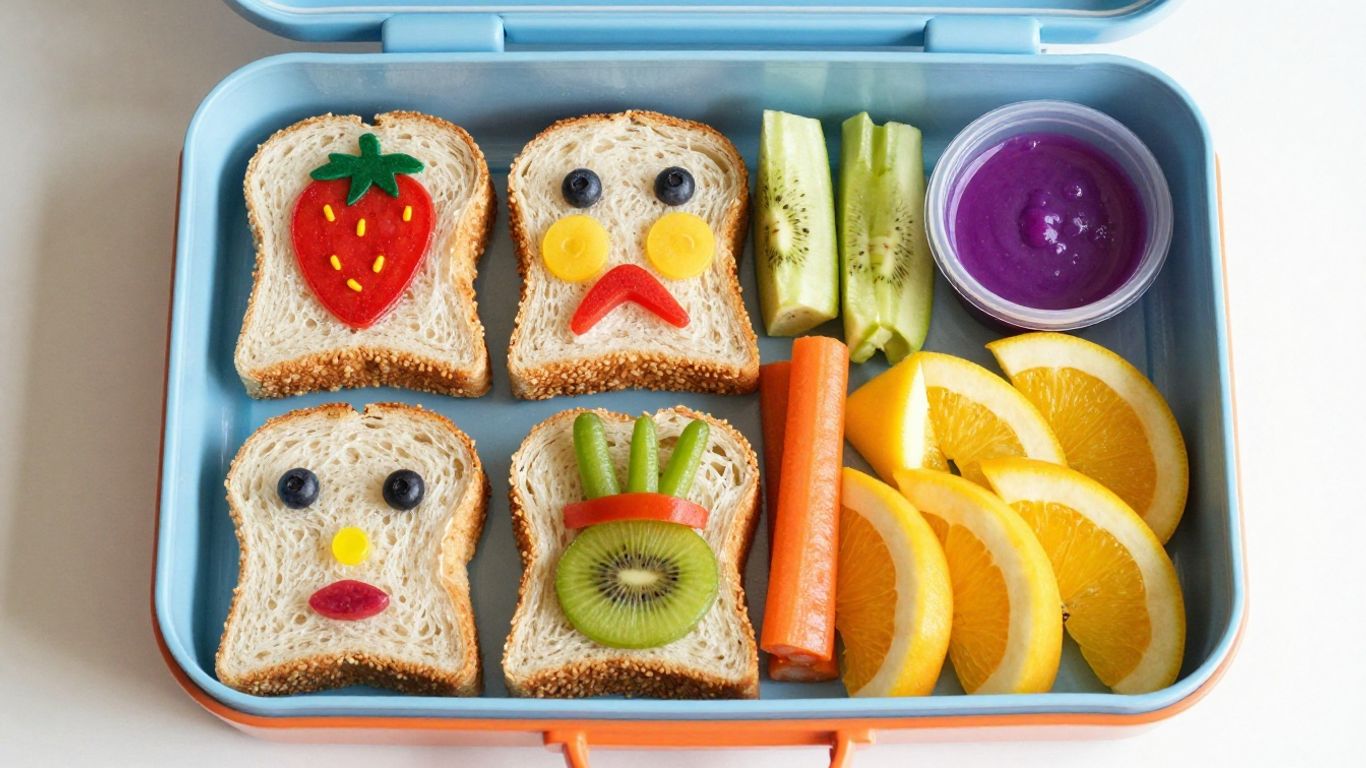
The easiest way to upgrade a lunchbox, for kids or adults, is to swap the default sandwich for a balanced mix: a protein food, a whole grain, a vegetable, a fruit and water. Formats like wraps, skewers, bento-style boxes, breakfast-for-lunch and build-your-own bowls make that mix more fun to eat, and most of them work just as well in an adult’s work bag.
Below are seven lunch formats, a simple packing formula and the food safety basics that keep packed meals fresh until noon.
The lunchbox formula
Health Canada’s tips for healthy eating at school suggest involving kids in planning and packing, including vegetables and fruits, whole grain foods and protein foods, packing water in a reusable bottle, and using dinner leftovers for quick lunches. Use that as your checklist:
| Component | Kid-friendly ideas |
|---|---|
| Protein | Hard-boiled eggs, chicken, turkey, beans, hummus, cheese cubes, yogurt, tofu, nut or seed butter (check school rules) |
| Whole grain | Whole-wheat tortillas or pitas, brown rice, whole-grain pasta, crackers, mini muffins made with oats |
| Vegetable | Cucumber coins, snap peas, cherry tomatoes, carrot sticks, bell pepper strips, edamame |
| Fruit | Grapes (cut for young kids), berries, apple slices, clementines, melon cubes |
| Drink | Water; milk if it can be kept cold |
Seven lunch upgrades
1. Wraps, rolls and pinwheels
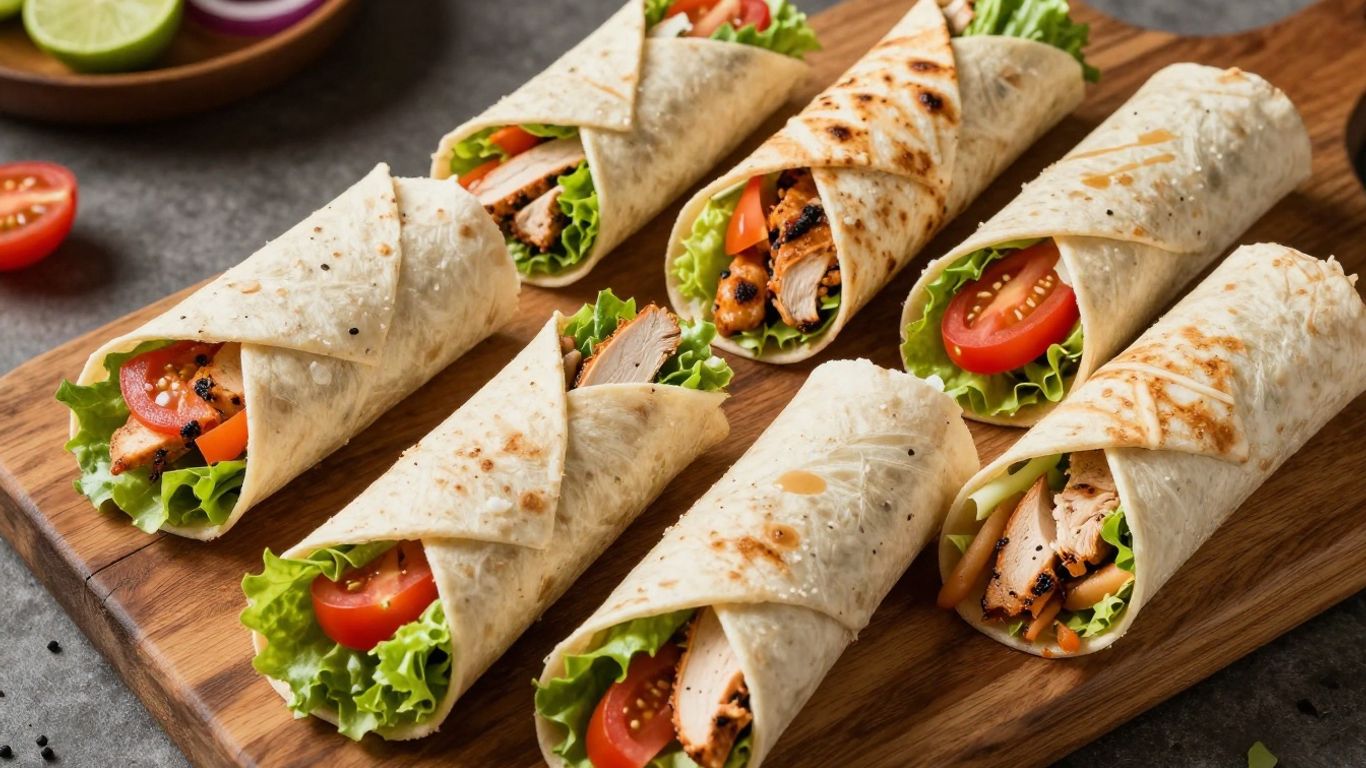
Spread a whole-wheat tortilla with hummus or cream cheese, layer turkey or chicken, spinach and grated carrot, roll tightly and slice into rounds. Pinwheels hold together better than sandwiches and look more appealing. For adults, add more vegetables and a spicier spread.
2. Lunch on a stick
Thread cheese cubes, cherry tomatoes, cucumber and chicken or tortellini onto short skewers (use blunt ones or straws for younger children). Fruit skewers with melon, grapes and berries make an easy side. Pack a small dip such as yogurt or hummus.
3. Bento-style boxes
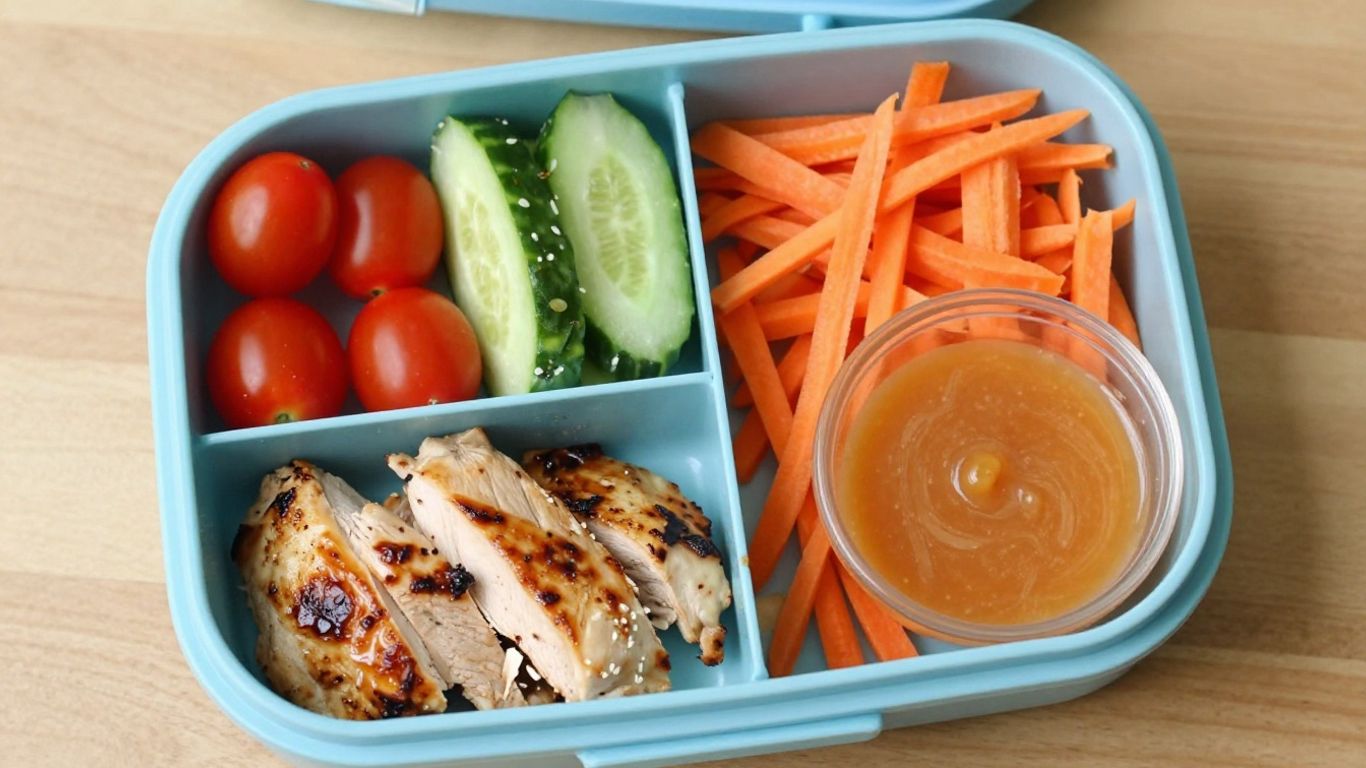
A divided container lets you pack small portions of several foods: crackers, cheese, sliced egg, vegetables with dip, fruit and a few nuts or seeds. Kids who dislike foods touching often eat more from a bento. Adults get a snack-plate lunch that still covers every food group.
4. Breakfast for lunch
- Whole-grain pancakes or waffles with a container of yogurt and berries for dipping
- Egg muffins baked with spinach, peppers and cheese
- Oat and banana muffins paired with cheese and fruit
These freeze well, so you can bake once and pack for weeks.
5. Salads kids will actually eat
Skip leafy salads that wilt and go for pasta or grain salads instead: whole-grain pasta with peas, corn, diced cheese and a mild dressing, or rice with black beans, corn and diced pepper. A “deconstructed” salad, with each ingredient in its own compartment, lets kids choose what to combine.
6. Dips and spreads
Dips turn vegetables into finger food. Try hummus, white bean dip, guacamole or plain Greek yogurt mixed with dill or a little ranch seasoning. Pair with whole-grain crackers, pita triangles and plenty of crunchy vegetables.
7. Build-your-own bowls
Leftover rice or quinoa, a protein such as chicken, beans or tofu, and toppings like corn, salsa, shredded cheese and lettuce. A mild chicken curry or chili with rice works too if you use a thermos. This is often the lunch adults steal from the kids.
Bread alternatives
- Apple “sandwiches”: thick apple rounds spread with nut or seed butter. Brush cut apple with a little lemon juice to slow browning.
- Lettuce wraps: large lettuce leaves around chicken, rice and vegetables.
- Roll-ups: a slice of turkey or chicken wrapped around a cheese stick and cucumber strip.
- Pita pockets or rice cakes for variety.
A sweet finish without the sugar crash
Instead of packaged desserts, try:
- Yogurt parfait with berries and a sprinkle of granola, packed separately so it stays crunchy
- Chia pudding made with milk and topped with mango
- Frozen yogurt bark with fruit
- Homemade oat and banana bites
Keep packed lunches safe
Health Canada’s guidance on safe school lunches recommends:
- Using soft, insulated lunch bags or boxes.
- Adding an ice pack to keep cold foods cold.
- Freezing an orange, small water bottle or yogurt to act as an extra ice pack that thaws by lunch.
- Heating hot foods before leaving and packing them in a thermos.
- Washing lunch bags with hot soapy water after each use.
Make packing faster
- Plan with your kids. Let them choose from two or three options in each food group. Kids who help choose are more likely to eat it.
- Cook extra at dinner. Leftover pasta, chili or chicken becomes tomorrow’s lunch.
- Prep once a week. Wash and cut vegetables and fruit, boil eggs and portion dips on the weekend.
- Set up a lunch station in the fridge and pantry so kids can pack their own.
- Pack the night before and keep everything in the fridge until morning.
For more on assembling balanced meals quickly, see our five-minute balanced meals, and for outdoor days, our tips on beach day boxes.
Making it work for adults
- Bigger protein portion: add an extra egg, more chicken or a second scoop of beans to keep you full through the afternoon.
- More vegetables: double the vegetable compartment or add a side salad of sturdy greens like kale or cabbage.
- Bolder flavours: spicy hummus, salsa, pickled onions or fresh herbs turn a kid-style lunch into one you look forward to.
Key takeaways
- Pack a protein, a whole grain, a vegetable, a fruit and water.
- Rotate formats such as pinwheels, skewers, bentos, breakfast-for-lunch and bowls.
- Use dips to make vegetables more appealing.
- Keep food safe with an insulated bag, an ice pack and a thermos for hot meals.
- Involve kids in choosing and packing, and use dinner leftovers.
Frequently asked questions
Are these lunches suitable for adults?
Yes. Increase portions, add more vegetables and stronger flavours, and the same formats work for a workday lunch.
What if my child refuses vegetables?
Keep offering small amounts alongside foods they already like, pair vegetables with a dip and let them choose which vegetable goes in. Pressure tends to backfire.
How do I keep apples from browning?
Brush cut surfaces with a little lemon juice or pack slices tightly in a container.
How can I keep lunches interesting without much extra work?
Keep the formula the same and rotate one part at a time. Monday might be pinwheels, Tuesday a bento box with the same fillings cut differently, Wednesday leftover pasta salad. Changing the shape, the dip or the fruit is often enough novelty for kids, and it keeps your grocery list short.
What can I pack if my child’s school is nut-free?
Use seed butters such as sunflower seed butter, hummus, bean dips, cheese, eggs, yogurt or leftover chicken for protein. Check labels on crackers and granola bars, since many are made in facilities that also process nuts.