
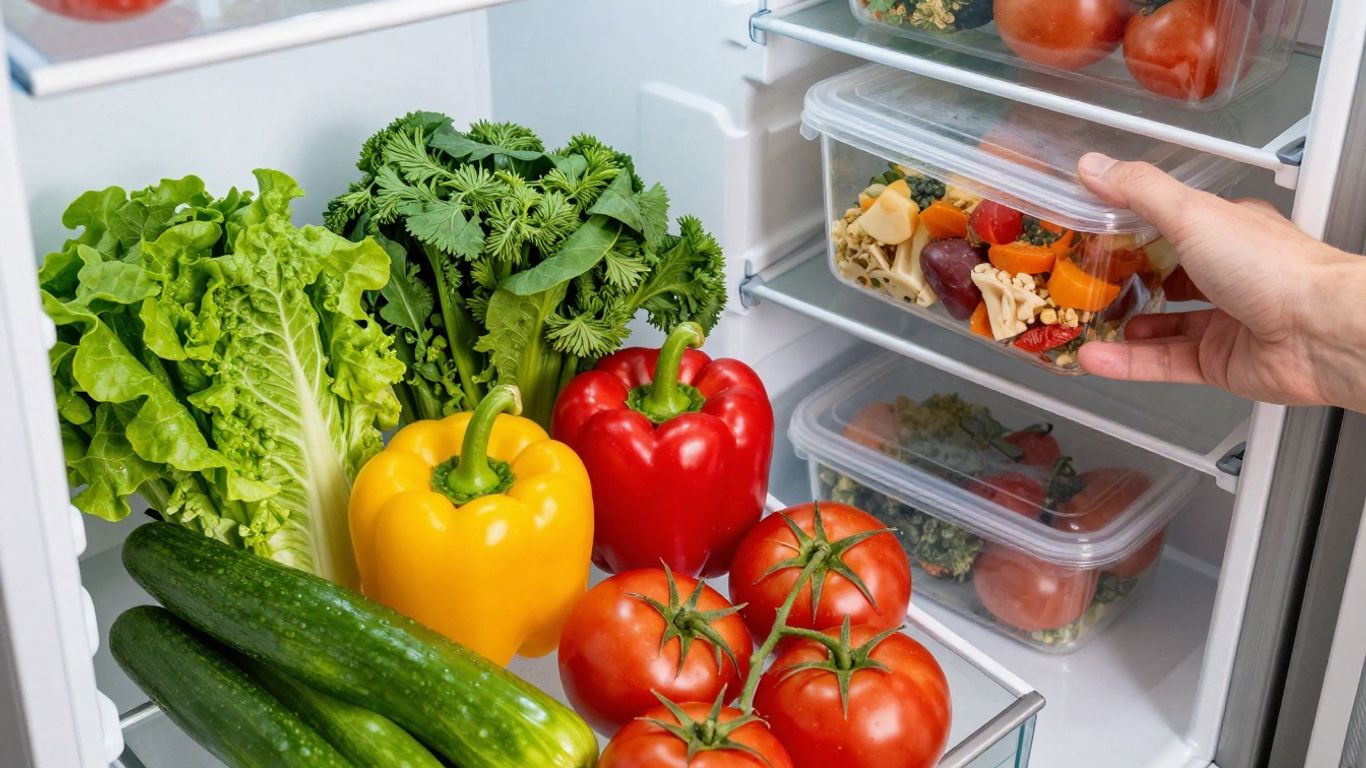
Cutting food waste at home comes down to four habits: plan meals around what you already have, shop with a focused list, store food so it lasts, and give leftovers and odds and ends a second job. Done together, these habits save money and tend to improve how you eat, because the food you planned for, which is usually the healthier food, actually gets eaten.
Here is a practical system you can start this week.
Why it matters at home
Household waste is not a small part of the problem. Health Canada notes that almost half of the food waste created across the food system is produced at the household level. Every bag of spinach that turns to slime or tub of yogurt that expires unopened is money spent on food you never ate.
There is a health angle too. Fresh vegetables and fruit are often the first foods to spoil. When you plan for them and store them well, you eat more of them.
Habit 1: Plan from the fridge out
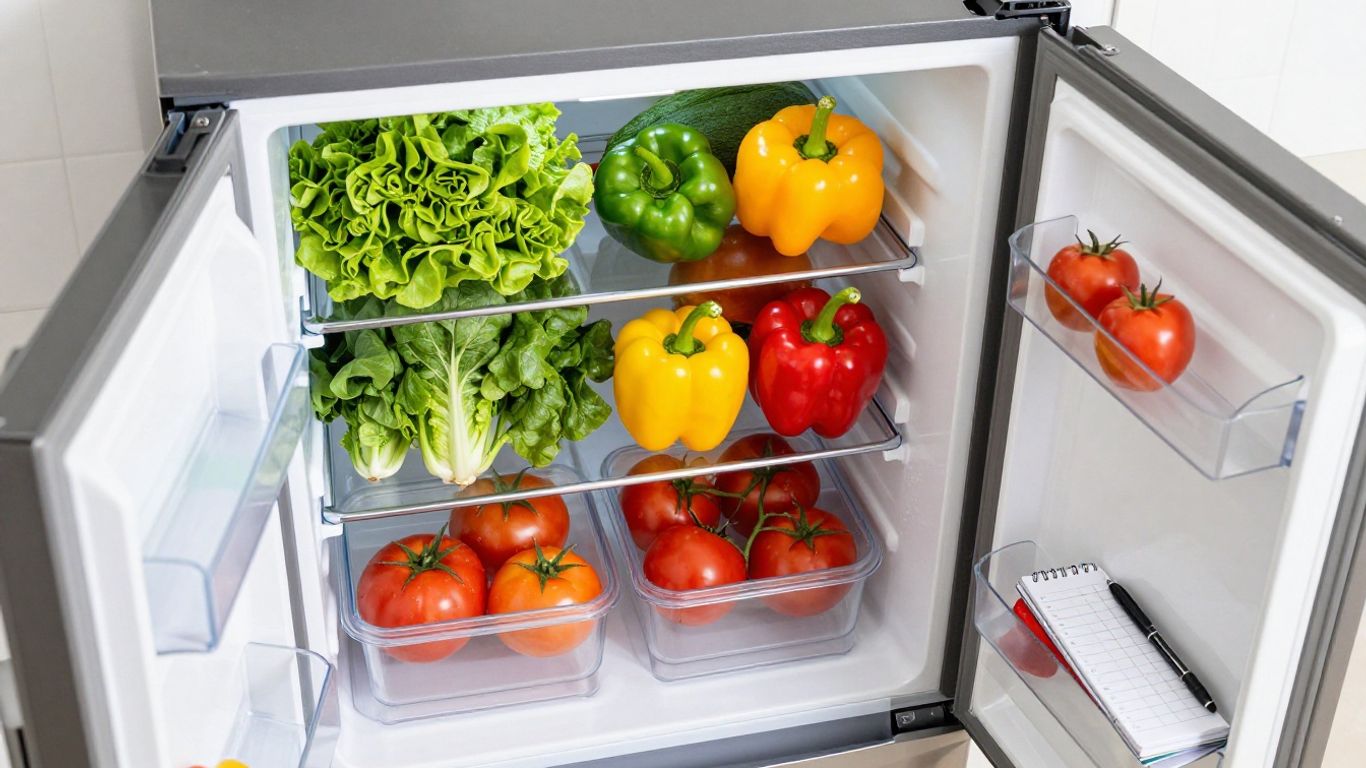
Before writing a grocery list, look at what you have. Canada’s Food Guide suggests using the food you have to decrease waste, choosing recipes with overlapping ingredients, buying only what you need and using fresh ingredients first.
- Check the fridge, freezer and pantry. Note what needs using in the next few days.
- Plan the first meals of the week around perishables. Fish, berries and leafy greens go early; carrots, cabbage, apples and frozen foods can wait.
- Choose overlapping ingredients. If you buy cilantro for tacos, plan a rice bowl or soup that uses the rest.
- Plan one “use it up” meal each week: soup, stir-fry, frittata or fried rice made from whatever is left.
Habit 2: Shop with a focused list
- Write your list from the meal plan and stick to it.
- Buy perishables in amounts you will use; a bulk deal is not a saving if half spoils.
- Choose frozen vegetables and fruit for some of your week. They keep for months and you use only what you need.
- Keep a pantry of flexible staples such as canned beans, canned tomatoes, oats, rice and pasta so you can build meals from leftovers.
- Check dates on perishable items before you buy.
Dietitians of Canada’s tips on reducing food waste also suggest picking up chilled foods last, keeping produce away from heavy items to avoid bruising, and putting perishables away as soon as you get home.
Habit 3: Store food so it lasts
Fridge basics
- Keep the fridge at 4°C (40°F) or lower and check it with a thermometer.
- Store raw meat, poultry and fish on the bottom shelf in a container so juices cannot drip onto other foods.
- Use clear containers so you can see what is inside.
- Move older items to the front when you unpack groceries (“first in, first out”).
Create an “eat this first” bin
Set aside one bin or shelf for food that needs to be eaten soon: half an onion, the last of the yogurt, cooked rice from Tuesday. Check it before you cook or snack.
Understand date labels
The Canadian Food Inspection Agency explains that a best before date tells you how long an unopened, properly stored food will keep its freshness, taste and nutritional value. It is not a safety indicator, and you can eat food after the best before date has passed, though quality may decline. Once opened, shelf life changes. An expiration date is different: it appears on specific products such as infant formula and nutritional supplements, and those should not be used after that date.
Habit 4: Give leftovers a second job
Leftovers are only useful if they are safe. Health Canada advises that you refrigerate leftovers promptly in shallow containers, eat them within 2 to 3 days or freeze them, reheat to 74°C (165°F), and throw out cooked food left at room temperature for more than two hours.
| Leftover | Second-day idea |
|---|---|
| Roast chicken | Wraps, soup, fried rice, salad topper |
| Roasted vegetables | Frittata, blended soup, grain bowl, pasta |
| Cooked rice or grains | Fried rice, stuffed peppers, breakfast porridge |
| Cooked beans or lentils | Tacos, dips, added to soups and salads |
| Stale bread | Croutons, breadcrumbs, baked French toast |
| Overripe bananas | Smoothies, banana bread, frozen for “nice cream” |
| Soft berries or fruit | Smoothies, oatmeal topping, quick fruit sauce |
| Wilting greens or herbs | Soups, stir-fries, pesto, smoothies |
Use more of each ingredient
- Vegetable tops and stems: beet greens and chard stems can be sautéed; broccoli stems are good peeled and sliced into stir-fries.
- Scrap broth: keep a bag in the freezer for onion ends, carrot peels, celery leaves and herb stems. When full, simmer with water for an hour and strain.
- Freeze at peak freshness: chop extra herbs into ice cube trays with a little oil or water, and freeze bread, ripe fruit and cooked grains in portions.
- Prevent freezer burn: squeeze air out of bags, label with the date and use within a few months for best quality.
Lean on plant proteins
Dried beans and lentils keep for a long time in the pantry and cost little per serving. Cooking a batch and freezing it in portions means you always have a protein ready. Our bean soaking charts walk through the timing.
Beyond your own kitchen
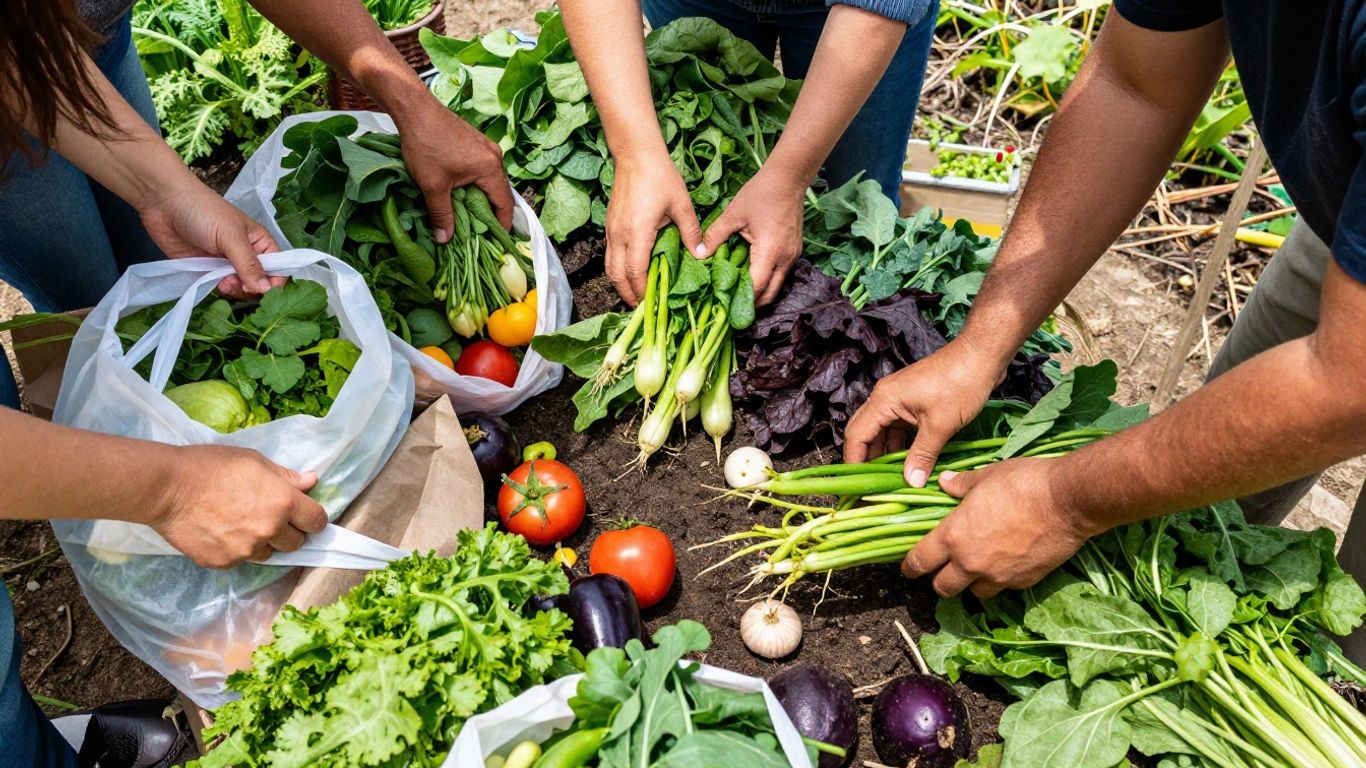
- Donate unopened, non-perishable food you will not use to a local food bank.
- Look for community food rescue programs that redistribute surplus food.
- Compost what cannot be eaten, such as peels, cores and eggshells, through a municipal green bin or backyard composter.
To make all of this easier, batch your food tasks into one weekly session; see task batching for meals and training.
A simple weekly routine
- Before shopping (10 minutes): check the fridge, freezer and “eat this first” bin, then plan meals around what needs using.
- After shopping (15 minutes): put perishables away right away, move older items to the front and wash and chop a few vegetables for the week.
- Midweek (5 minutes): look at what is left and decide whether to cook it, freeze it or turn it into a “use it up” meal.
- End of the week: note what you threw out. If the same food keeps going to waste, buy less of it or switch to frozen.
Key takeaways
- Check what you have before you shop and plan perishables first.
- Shop from a list and use frozen produce for flexibility.
- Keep the fridge at 4°C or lower and use an “eat this first” bin.
- Best before dates are about quality, not safety; expiration dates are different.
- Eat leftovers within 2 to 3 days or freeze them, and give them a new form.