
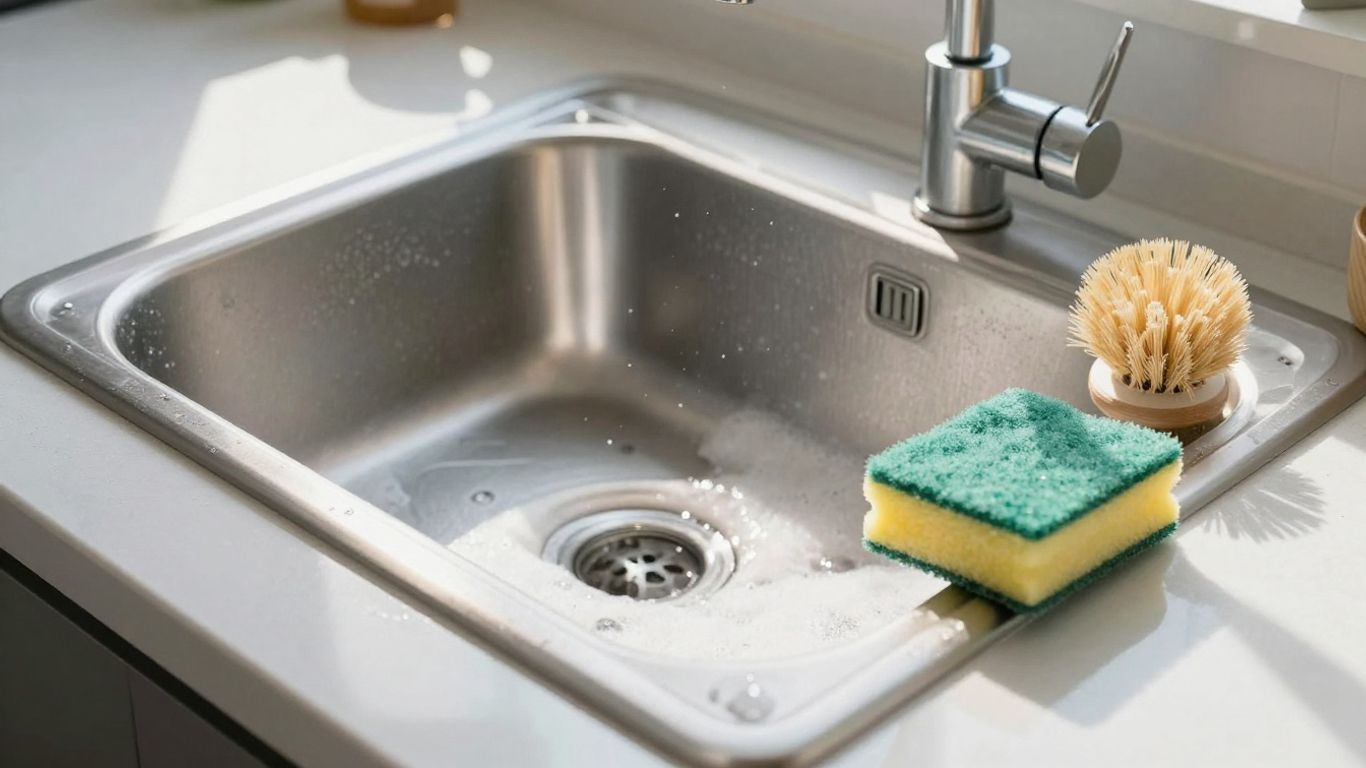
Tired of that takeout menu calling your name after a long day? What if I told you that just 10 minutes of focused effort could make a world of difference? We’re talking about a simple kitchen cleanup ritual, a way to reset your space that prevents the need for ordering in. It’s about creating a clean slate so you can actually enjoy your evenings and wake up to a kitchen that doesn’t feel like a disaster zone. Let’s get this done.
Key Takeaways
- A quick 10-minute kitchen cleanup ritual after meals or at the end of the day can significantly reduce the urge to order takeout.
- Clearing counters, loading the dishwasher, and wiping surfaces are core parts of this reset.
- Using tools like a microfiber cloth and multi-surface cleaner makes wiping down faster and more effective.
- A clean sink and empty trash can contribute to a feeling of freshness and prevent lingering odors.
- This daily habit not only tidies the kitchen but also reduces stress and makes future meal prep easier.
1. Dishwasher
Your dishwasher is a workhorse, but it needs a little attention now and then to keep it running smoothly and your dishes truly clean. Think of it as a mini-spa treatment for your appliance. A clean dishwasher means cleaner dishes, and who doesn’t want that?
Regularly cleaning your dishwasher prevents buildup that can lead to odors and less effective cleaning. It’s not just about aesthetics; it’s about performance.
Here’s how to give it some TLC:
- Run it empty with a cleaning tablet: About once a month, pop a dishwasher cleaning tablet into the empty machine and run a cycle. This helps break down grease, food particles, and mineral deposits that can accumulate over time. These tablets are specifically designed to tackle the gunk and scum that cling to the interior walls and components.
- Check and clean the filter: Most dishwashers have a filter at the bottom that catches larger food debris. If this gets clogged, it can cause odors and prevent water from draining properly. Consult your dishwasher’s manual for its location and how to clean it – usually, it just needs a rinse under the tap.
- Wipe down the door seal: The rubber seal around the door can trap food bits and moisture, leading to mold or mildew. Give it a good wipe with a damp cloth and a bit of dish soap.
Keeping your dishwasher clean isn’t a chore; it’s an investment in sparkling dishes and a fresher kitchen. A little effort goes a long way in maintaining its efficiency and hygiene.
2. Microfiber Cloth
You know those cloths that seem to just grab onto dust? That’s microfiber. These cloths are made of tiny fibers, way smaller than a human hair, which means they have a huge surface area. This makes them super good at trapping dirt, dust, and even grease.
They’re incredibly versatile for quick kitchen cleanups.
Think about wiping down your counters after making a snack, or giving your appliance fronts a quick polish. A dry microfiber cloth can pick up dust without just pushing it around. Dampen it slightly, and it can handle sticky spots or light grease.
Here’s why they’re a go-to:
- Dust Attraction: The fine fibers create static electricity that pulls dust particles in.
- Absorption: They can hold a surprising amount of liquid, making them good for spills.
- Streak-Free Shine: When used correctly, they leave surfaces looking clean without fuzzy residue.
When you’re done, just toss them in the wash. They’re usually good to go again after an air dry or a low-heat tumble.
For kitchen tasks, having a few handy means you can grab one for wiping, another for drying, and keep things looking tidy without a lot of fuss.
3. Multi-Surface Cleaner
Sometimes, you just need a good all-around cleaner. A multi-surface spray is your best friend for tackling a variety of messes without having to switch products constantly. Think countertops, cabinet fronts, the outside of your microwave, and even those little smudges on the wall that seem to appear out of nowhere. Keeping a bottle handy means you can address spills and grime as soon as they happen.
Here’s how to make the most of it:
- Countertops: Spray and wipe down after cooking or meal prep. This is especially helpful for sticky spots or dried-on food.
- Appliance Exteriors: Use it on your refrigerator, dishwasher, and oven doors to remove fingerprints and splatters. A quick wipe can make your kitchen look much tidier.
- Cabinet Doors: Kitchen cabinets can get greasy from cooking fumes. A gentle spray and wipe can restore their shine.
- Backsplash: Easily clean up sauce splatters or other cooking messes from your backsplash.
A good multi-surface cleaner can cut down on cleaning time significantly. It’s about having the right tool for quick jobs, preventing small messes from becoming big ones.
Look for a cleaner that is effective but also safe for the surfaces in your kitchen. Many are formulated to be streak-free, which is a nice bonus. It’s a simple step, but it makes a big difference in keeping your kitchen looking fresh day-to-day.
4. Dish Soap
When it comes to tackling everyday messes, a good dish soap is your best friend. It’s not just for plates and cutlery; this versatile cleaner can handle a surprising amount of kitchen grime. A little goes a long way in breaking down grease and stuck-on food.
Think about that pan with the baked-on sauce or the casserole dish that looks like a lost cause. Instead of dreading the scrubbing, a quick soak with some dish soap can make all the difference. It loosens up the dried food, meaning less elbow grease for you.
Here’s how to make the most of your dish soap:
- Pre-treat tough spots: For really stubborn messes, apply a bit of concentrated dish soap directly to the problem area and let it sit for a few minutes before washing.
- Grease cutting: Use it on countertops or stovetops where grease might have splattered. A damp cloth with a drop of soap can lift away oily residue.
- General cleaning: For regular dishwashing, a small amount in warm water is usually sufficient to get everything clean.
Don’t underestimate the power of a simple bottle of dish soap. It’s a workhorse in the kitchen, capable of making post-meal cleanup feel less like a chore and more like a quick reset.
5. Sink Brush
When it comes to keeping your kitchen sink looking its best, a good sink brush is a game-changer. Forget flimsy sponges that just push grime around. A sturdy sink brush, especially one with firm bristles, can really get into the nooks and crannies where food particles and soap scum like to hide. It’s the unsung hero for tackling stubborn buildup around faucets, drains, and the sink basin itself.
Think of it as a mini-detox for your sink. You don’t need anything fancy; a simple brush with a comfortable handle will do. For those really tough spots, consider a brush with slightly stiffer bristles. It makes a world of difference when you’re trying to scrub away dried-on food or water spots.
Here’s how a sink brush fits into your quick cleanup:
- Scrub the basin: After rinsing dishes, give the sink basin a quick scrub to remove any lingering residue.
- Tackle the faucet area: Pay attention to the base of the faucet and around the handles where water spots and grime can accumulate.
- Clean the drain: Use the brush to dislodge any gunk that might be clinging around the drain opening.
A dedicated sink brush means you’re not using the same sponge you used to wipe down counters, which is just a good hygiene practice all around. Plus, it makes the job faster and more effective.
Using a sink brush regularly, even for just a minute or two, prevents that tough, caked-on mess from forming in the first place. It’s a small step that keeps your most-used kitchen fixture looking and feeling clean.
6. Disinfectant Spray
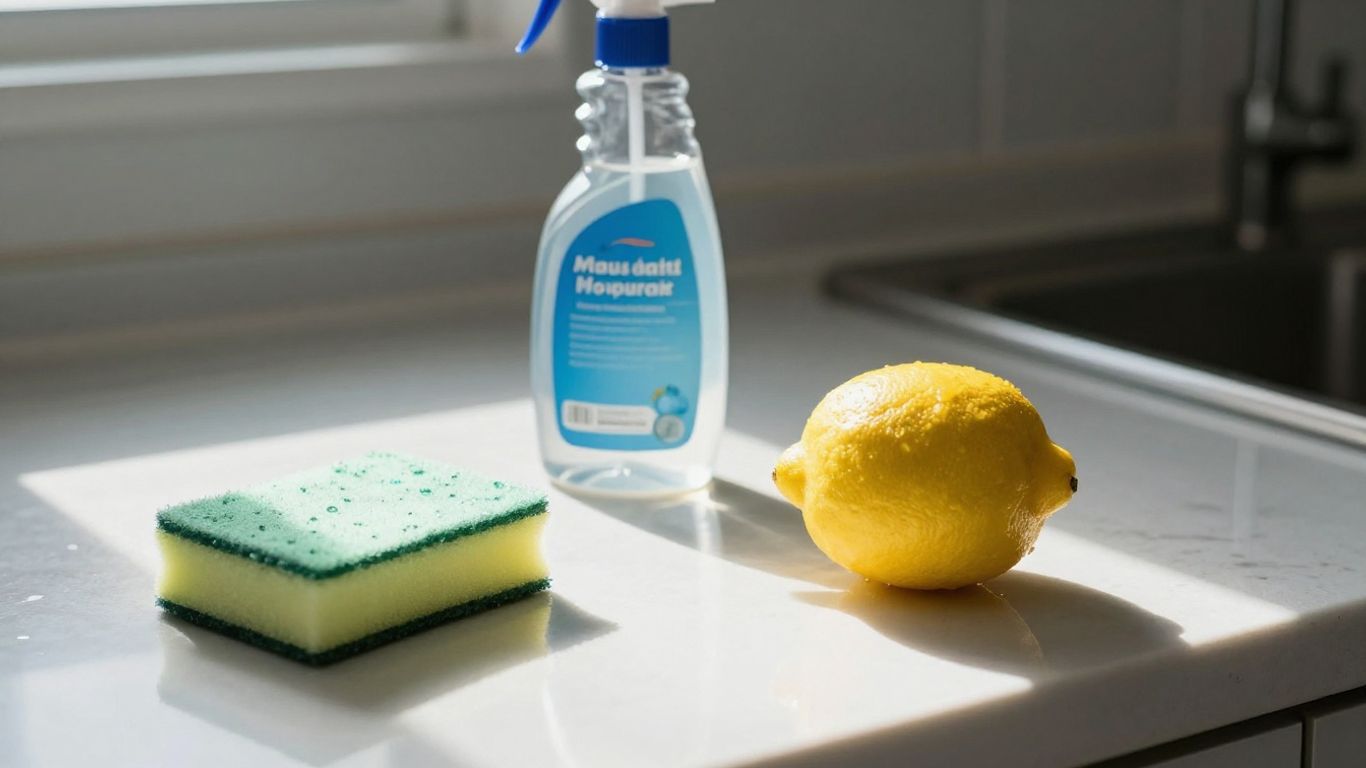
A good disinfectant spray is your secret weapon against lingering germs and grime. It’s not just about making things look clean; it’s about making them actually clean. Think about the surfaces you touch most often in the kitchen: countertops, the outside of the microwave, the faucet handles, even the light switch. These are prime spots for bacteria to hang out.
Using a disinfectant spray regularly can help keep these areas sanitary. It’s a quick step that makes a big difference in the overall hygiene of your kitchen. Look for a spray that kills 99.9% of bacteria and viruses – that’s the gold standard for effective disinfection.
Here’s how to make it part of your routine:
- Target High-Touch Surfaces: Focus on areas like cabinet handles, appliance buttons, and the edge of your sink.
- Read the Label: Always follow the instructions on the product. Most sprays need a few minutes to sit on the surface to work properly.
- Ventilate: If the spray has strong fumes, open a window or turn on the exhaust fan while you use it.
A clean kitchen isn’t just about appearances; it’s about creating a healthier environment for you and your family. A quick spray and wipe-down can prevent the spread of germs, making your kitchen a safer space.
While many cleaners tackle grease and general dirt, a disinfectant spray specifically targets microscopic threats. It’s a small addition to your cleanup that offers significant peace of mind.
7. Broom
Don’t forget about the floors! A quick sweep can make a huge difference in how clean your kitchen feels. Crumbs, dust bunnies, and stray bits of food can accumulate surprisingly fast, especially in high-traffic areas. A good broom is your first line of defense against a messy floor.
Think about the type of flooring you have. For most kitchens, a broom with medium-stiff bristles works well. These are sturdy enough to pick up larger debris but gentle enough not to scratch most surfaces. If you have hardwood or laminate, you might prefer softer bristles to avoid any potential damage.
Here’s a simple routine:
- Start in the corners and work your way towards the center of the room.
- Use short, overlapping strokes to gather everything efficiently.
- Pay attention to areas under cabinets and around appliances where crumbs love to hide.
After sweeping, make sure to empty the dustpan immediately. Leaving debris in the pan just means it can get tracked back onto your clean floor. A clean floor really ties the whole kitchen together, making that 10-minute cleanup feel even more satisfying.
8. Trash Can
Don’t forget about the trash can itself! It’s easy to just toss things in and forget about it, but that bin can get pretty gross. A quick wipe-down can make a big difference. Regularly emptying and wiping down your trash can prevents odors and keeps your kitchen cleaner.
Here’s a simple way to tackle it:
- Empty it: Make sure it’s completely empty.
- Wipe the inside and outside: Use a damp cloth or paper towels. For tougher grime, a little multi-surface cleaner works wonders.
- Dry it: Let it air dry or wipe it down with a dry cloth.
A clean trash can is a small step that has a big impact on the overall freshness of your kitchen. It’s a simple habit that pays off.
9. Vinegar Solution
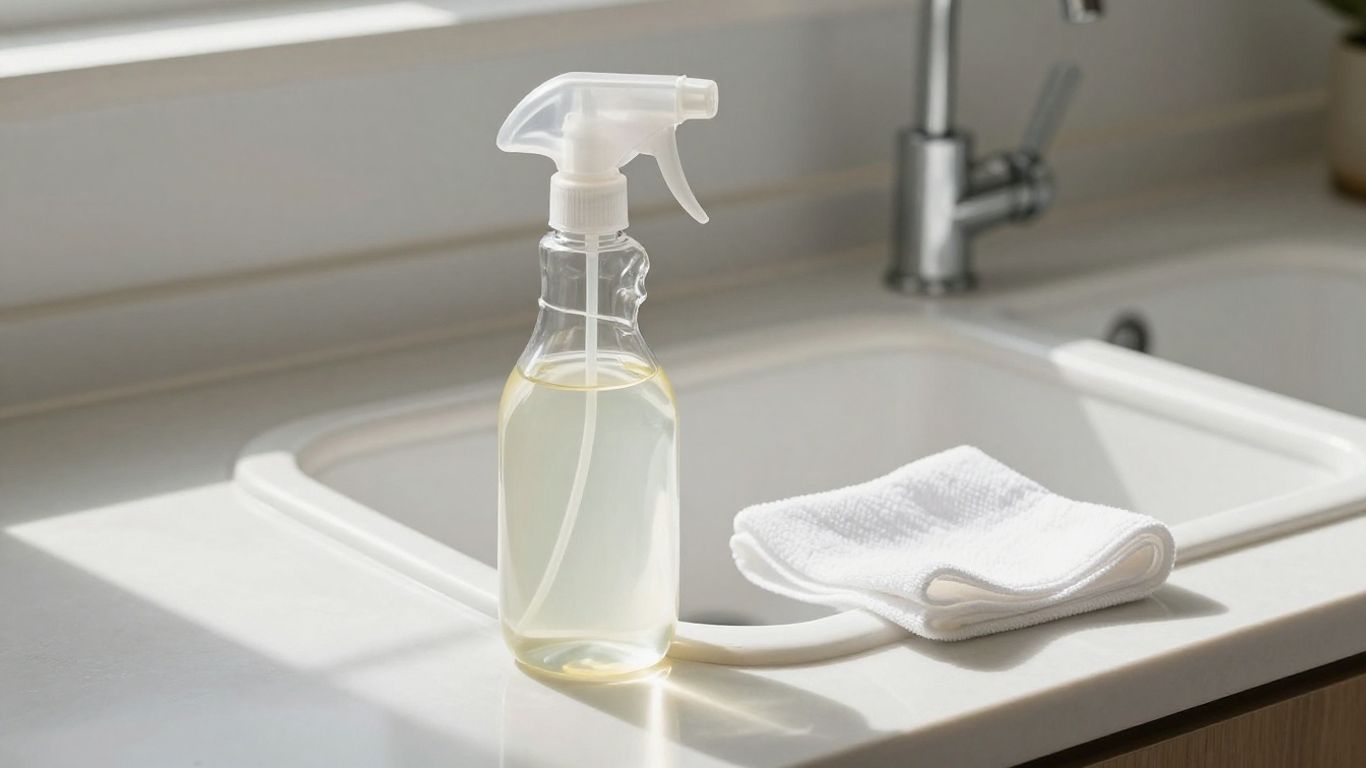
Vinegar is a real workhorse in the kitchen, and for good reason. Its natural acidity makes it a fantastic cleaner for cutting through grease and tackling mineral deposits. A simple solution of equal parts white vinegar and water can be your go-to for a variety of tasks.
Here are a few ways to use it:
- Descaling Faucets and Fixtures: Soak paper towels in vinegar and wrap them around faucets or showerheads that have hard water stains. Let it sit for about an hour, then remove the towels and wipe away the residue. You’ll be surprised how easily those spots disappear.
- Cleaning the Microwave: Place a bowl with a 1:1 vinegar and water mixture inside your microwave. Heat it on high for 3-5 minutes until it steams up. Let it sit with the door closed for another few minutes, then easily wipe down the interior. Dried-on food bits will come right off.
- Refreshing the Coffee Pot: If your coffee maker is looking a bit dingy or has mineral buildup, run a cycle with a vinegar and water solution (again, about 1:1 ratio). Follow up with a few cycles of plain water to rinse.
Using vinegar regularly can help prevent the buildup of grime and mineral deposits, meaning less scrubbing later on. It’s a gentle yet effective way to keep surfaces looking good without harsh chemicals.
Remember to rinse surfaces with plain water after cleaning with vinegar, especially if they come into contact with food. This simple solution is a budget-friendly and effective addition to your kitchen cleanup routine.
10. Coffee Pot
That coffee maker might be brewing your morning pick-me-up, but it can also be a spot for gunk to build up. Coffee oils and residue can stick around, affecting the taste of your coffee and even leading to clogs.
A quick clean can make a big difference.
Here’s how to tackle it:
- For drip coffee makers: Use a specialized coffee maker cleaning solution or a simple vinegar and water mix. Run a brew cycle with the cleaner, then follow with a couple of plain water cycles to rinse everything out. This helps remove mineral buildup and coffee oils from the carafe and brew basket.
- For single-serve brewers (like Keurig): Cleaning pods are available that you simply brew like a K-Cup. They work quickly to clear out residue from the brewing chamber and spout. Remember, these pods usually don’t descale the water reservoir, so you might still need to do that separately with vinegar.
- For French presses or pour-over devices: These are generally easier to clean by hand. Disassemble any parts, wash with warm, soapy water, and rinse thoroughly. Make sure to dry them completely to prevent water spots.
Regularly cleaning your coffee pot isn’t just about appearance; it’s about ensuring every cup you brew is as fresh and flavorful as possible. It also helps your machine last longer.
Don’t forget to wipe down the exterior of the coffee maker too. A damp cloth can usually handle any stray coffee drips or dust.
Thinking about your morning coffee? Making it the perfect way can really start your day right. Want to learn more about brewing the best cup? Visit our website for tips and tricks!
Your Kitchen’s Next Chapter
So there you have it. A few minutes here and there, a quick wipe-down, a tidy-up, and suddenly, your kitchen is ready for whatever comes next. It’s not about perfection, but about creating a habit that makes your life a little easier, a little calmer. Think of it as a small investment that pays off big time, saving you from those frantic "what’s for dinner?" moments and the inevitable call to order takeout. This simple routine can truly transform your space and your mindset, one clean counter at a time. Give it a try – your future self will thank you.
Frequently Asked Questions
How long does this “kitchen cleanup ritual” usually take?
The idea is to keep it super quick, aiming for about 10 minutes. It’s designed to be a fast way to tidy up so you don’t have to deal with a big mess later.
Why is cleaning the kitchen at night important?
Cleaning the kitchen before bed helps you wake up to a fresh space. It reduces morning stress and makes starting your day much more pleasant. Plus, it keeps things cleaner and more hygienic overall.
What if I’m too tired to clean?
That’s totally understandable! The key is consistency, not perfection. Even a 5-minute tidy, like putting dishes in the sink or wiping down one counter, is better than nothing. It’s about preventing a huge mess from building up.
Do I need special cleaning supplies for this?
Not really! You can get by with basic items like dish soap, a sponge or brush, a cloth, and a general cleaner. Things like a dishwasher or disinfectant spray are helpful but not absolutely essential for a quick tidy.
How does this prevent ordering takeout?
When your kitchen is clean and ready to go, it feels much easier to cook a meal. You’re not faced with a mountain of dishes or a messy counter, making the idea of making dinner less of a chore and more appealing than ordering out.
What’s the most important part of the quick cleanup?
Many people find clearing the counters and washing or loading the dishes to be the most impactful steps. A clean sink and clear countertops make the biggest visual difference and make cooking much simpler.
Can I do this cleanup after lunch instead of at night?
Absolutely! Doing a quick reset after lunch can be just as effective. It helps keep the kitchen tidy throughout the day and makes preparing dinner much easier. It’s all about finding a time that works for you.
What if I have a lot of dishes?
If you have a lot of dishes, the main goal is to get them into the dishwasher or stacked neatly in the sink to be washed. Even just rinsing them can help prevent food from drying on. The 10-minute goal is about resetting the space, not necessarily doing a full deep clean every single night.