
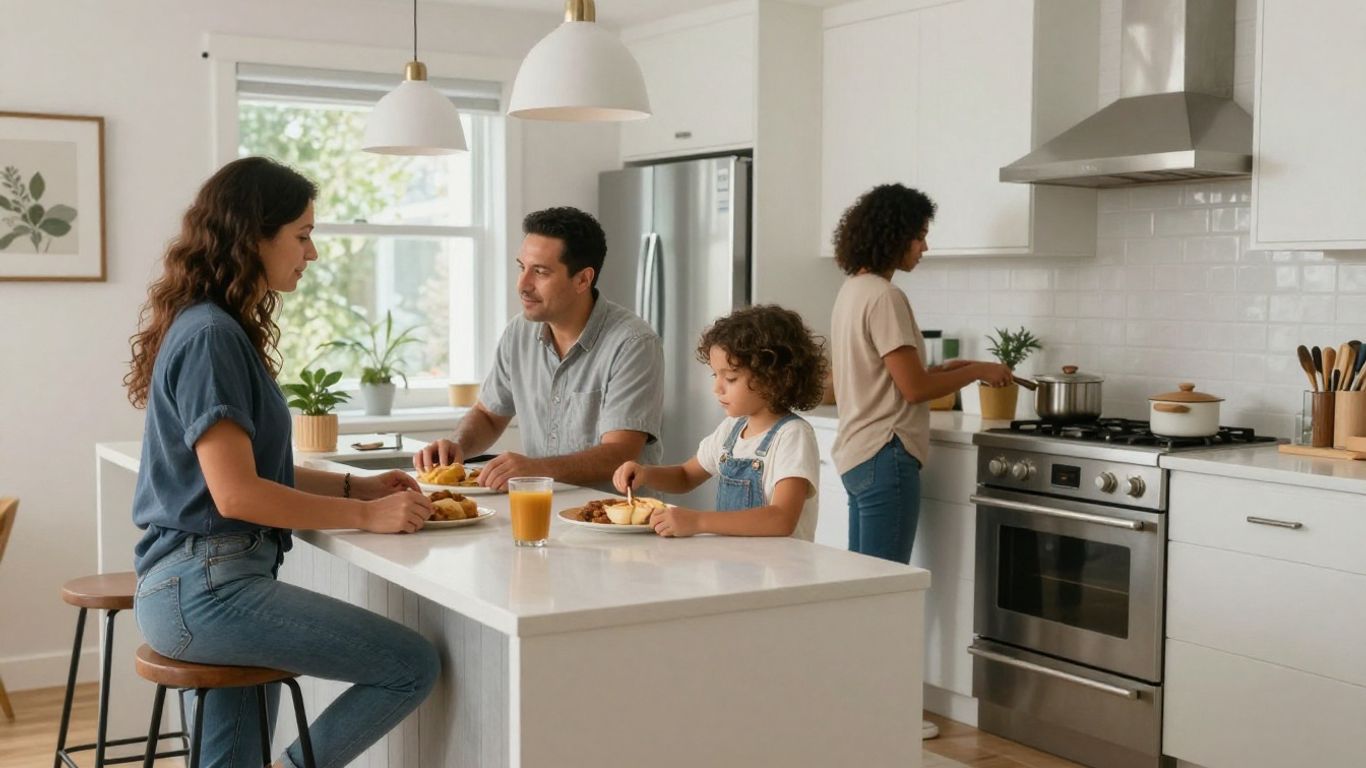
The kitchen. It’s the heart of the home, right? But sometimes, that heart can feel a little… chaotic. Everyone’s in there, doing their own thing, maybe bumping elbows, maybe stepping on toes. It can get tense. We’re talking about achieving a real kitchen truce, where everyone can coexist without driving each other crazy. It’s about making that shared space work for all of you, so cooking and eating together is more joy than stress.
Key Takeaways
- Setting up different zones in your kitchen can help everyone have their own space, reducing accidental run-ins and making things feel more organized.
- Learning to use simple signals, like a nod or a quick glance, can help you communicate your needs without interrupting someone else’s flow.
- Having clear, agreed-upon rules for cleaning up and using shared items makes a big difference in keeping the peace.
- Being open to different cooking styles and paces helps avoid frustration when you’re all trying to get meals ready.
- A successful kitchen truce means everyone shares the work and respects each other, turning a busy room into a calm place for the family.
Establishing Kitchen Zones For Harmony
Our kitchens are often the busiest spots in the house, right? It’s where meals are made, conversations happen, and sometimes, a bit of chaos ensues. To keep things running smoothly, especially when multiple people are using the space, thinking about ‘zones’ can really help. It’s like giving each activity its own little corner. This approach helps prevent traffic jams and misunderstandings.
Defining Personal Culinary Spaces
Think about who uses the kitchen and for what. Maybe one person always bakes, so a corner with easy access to baking supplies and a clear counter space makes sense. Another family member might be the go-to for morning coffee, needing their own setup for that. It’s not about drawing strict lines, but more about acknowledging that different tasks might need different setups. This can be as simple as designating a shelf for your favorite spices or a specific drawer for your go-to cooking tools. It’s about having a place where you know your essentials are and where you can work without constantly moving someone else’s things.
Creating Flow Between Zones
Once you have these general areas in mind, consider how they connect. If the baking zone is across the kitchen from the pantry, that’s a lot of back-and-forth. Try to arrange things so that common workflows make sense. For example, the prep area should be close to the sink and the stove. This isn’t always possible with existing layouts, but even small adjustments can make a difference. Think about the path you take when making a specific meal. Can you minimize steps? This is about making the kitchen work for you, not against you.
Designating Areas for Shared Tasks
Some things are just for everyone. The main chopping area, the sink, and the stove are usually shared. It’s helpful to have a clear understanding of what belongs where. For instance, a designated spot for dirty dishes, a clean drying rack area, and a clear space for meal plating can prevent bottlenecks.
- Prep Zone: Usually near the sink and trash/compost. This is where chopping, mixing, and general food preparation happens.
- Cooking Zone: Centered around the stove and oven. Keep this area clear of clutter so you can easily access pots, pans, and utensils.
- Plating & Serving Zone: Often near the dining area or where meals are brought out. This is where finished dishes are assembled and served.
- Cleanup Zone: Primarily the sink and dishwasher area. Having a system here is key.
Establishing these zones isn’t about creating rigid boundaries, but rather about creating a more organized and less stressful environment for everyone. It’s a way to acknowledge that the kitchen is a shared space with diverse needs.
Communicating Needs Through Signals
Sometimes, words just get in the way, especially when things are hectic in the kitchen. That’s where signals come in. They’re like a secret language for your household, letting everyone know what’s up without a lot of fuss. Think of it as a way to keep the peace and avoid bumping into each other, literally and figuratively.
Non-Verbal Cues for Busy Times
When the kitchen is buzzing, a quick nod or a hand gesture can say a lot. Maybe you’re elbow-deep in flour and can’t talk, but a pointed finger towards the sink means ‘dishes need doing.’ Or perhaps a raised hand means ‘don’t interrupt, I’m concentrating.’ These little actions help keep the flow going.
- A slight head shake can signal ‘I’m busy, can’t help right now.’
- Pointing to an empty spot might mean ‘please clear this space for me.’
- A thumbs-up could indicate ‘all good, no problem here.’
Visual Indicators for Availability
Visual cues are super helpful for letting people know if the kitchen is free or if someone’s in the middle of something. It’s like a traffic light system for your kitchen.
- A small sign on the fridge: ‘Cooking Zone – Do Not Disturb’ or ‘Free for Use’.
- Leaving a specific utensil out: Maybe a whisk left on the counter means someone is actively baking and might need it again soon.
- A colored magnet: Green for ‘all clear,’ yellow for ‘use with caution,’ red for ‘occupied.’
These visual cues reduce the need for constant verbal check-ins, especially during busy meal prep times. They offer a clear, immediate understanding of the kitchen’s status.
Auditory Signals for Attention
Sometimes, you just need to get someone’s attention quickly. A gentle tap on the shoulder is one way, but other sounds can work too. A soft whistle, a specific chime, or even a designated ‘knock’ pattern can signal that you need a moment of someone’s time without being jarring.
- A soft whistle: ‘Hey, I need you for a second.’
- Tapping a specific mug: ‘Can you grab this for me?’
- A short, distinct hum: ‘I’m about to ask a question.’
Developing these non-verbal and auditory signals takes a little practice, but it can make a huge difference in how smoothly everyone moves through the kitchen space. It’s all about finding what works for your family and sticking with it.
Developing Shared Kitchen Rules
Think of shared kitchen rules as the recipe for a peaceful home. Without them, things can get messy, fast. It’s not about being bossy; it’s about making sure everyone feels comfortable and respected in a space that’s used by all. Clear guidelines are the foundation of respectful coexistence. When we all know what’s expected, it cuts down on misunderstandings and makes using the kitchen a lot smoother for everyone involved.
The Foundation of Respectful Coexistence
This is where we lay the groundwork. It starts with acknowledging that the kitchen is a shared territory. Everyone has a right to use it, and everyone has a responsibility to keep it in good shape for the next person. It’s about basic courtesy, like not leaving a mess for someone else to clean up or making sure you don’t hog all the counter space when others need it. Think of it as a give-and-take. We all want a functional, pleasant kitchen, and that only happens when we’re all on the same page about how to treat it and each other within it.
Clear Guidelines for Cleanliness
Cleanliness is probably the biggest one. Nobody likes walking into a dirty kitchen. So, what does ‘clean’ mean to your family? It’s good to get specific. This isn’t just about wiping down counters; it’s about the whole process.
- Immediate Wipe-Downs: Spills happen. The rule is to wipe them up right away, whether it’s a drop of water or a smear of sauce. It takes seconds and prevents sticky messes.
- Dish Duty: What’s the plan for dirty dishes? Do they go straight into the dishwasher? Are they rinsed and stacked? Or is there a sink-washing rotation? Decide on a system that works.
- Appliance Etiquette: If you use the microwave, wipe out any splatters. If you use the blender, rinse it immediately. Leaving food residue in appliances is just unpleasant for the next user.
- Trash and Recycling: Make sure the bins aren’t overflowing. If you fill it up, take it out. Simple, but important.
A clean kitchen isn’t just about appearances; it’s about hygiene and making the space inviting for everyone. It shows you care about your family and the shared environment.
Agreed-Upon Protocols for Usage
Beyond just cleanliness, there are other protocols that make a big difference. These are about how we use the kitchen space and its contents.
- Food Storage: Labeling leftovers with dates can prevent mystery food and waste. Designate specific shelves in the fridge for different people or types of food if needed.
- Pantry Organization: Keep it tidy. Put things back where they belong. If you use the last of something, make a note to replace it or add it to a shared shopping list.
- Tool Time: If you borrow a specific knife or gadget, return it clean and to its proper place. Don’t leave your cooking tools scattered across the counters.
- Noise Levels: Especially during early mornings or late nights, be mindful of noise. Slamming cabinets or loud appliance use can disturb others.
Setting these rules isn’t about creating a rigid environment, but rather a predictable and pleasant one. It’s about building a system where everyone can contribute to a harmonious kitchen experience.
Navigating Different Cooking Styles
Our kitchens are often a melting pot of tastes and traditions. It’s pretty common for family members to have wildly different ideas about what makes a good meal, or even how a meal should be made. One person might love spending hours on a complex dish, while another prefers quick, simple meals. Respecting these differences is key to a peaceful kitchen.
Accommodating Diverse Culinary Preferences
It’s not always easy when one person craves spicy Indian curry and another wants plain pasta. Instead of trying to force everyone into one culinary box, think about how you can offer variety. This could mean:
- Building meals around a common base: For example, serve rice or quinoa, and then offer different toppings or sauces that cater to various tastes.
- Having a ‘build-your-own’ station: Think taco bars, salad bars, or baked potato bars where everyone can customize their plate.
- Planning theme nights: Dedicate certain nights to specific cuisines, allowing everyone to explore different flavors together.
Respecting Varied Pacing in the Kitchen
Some people are meticulous and slow in the kitchen, enjoying every step. Others are all about speed and efficiency. This difference in pacing can sometimes lead to friction. If you’re a fast cook, try to be patient with someone who takes their time. If you prefer a slower approach, communicate your timeline so others can plan around it. It’s about finding a rhythm that works for everyone involved, not just one person.
Finding Common Ground in Meal Preparation
Even with different styles, there are often ways to connect. Maybe you can agree on certain days for elaborate meals and other days for quick ones. Or perhaps you can find recipes that blend different preferences, like a mild chili that can be spiced up individually. The goal is to make the kitchen a place where everyone feels comfortable and their contributions are appreciated, regardless of their cooking style.
The Art of Shared Meal Preparation
Collaborative Cooking Strategies
When multiple people are in the kitchen at once, things can get a little hectic. But with a bit of planning, cooking together can actually be fun and efficient. Think of it like a well-rehearsed dance. The key is to figure out who’s doing what before anyone even picks up a knife. This isn’t about bossing people around; it’s about making sure everyone knows their role so the kitchen doesn’t turn into a chaotic mess. Maybe one person is on chopping duty, another is managing the stove, and someone else is in charge of setting the table. It’s all about finding a rhythm that works for your family.
Delegating Tasks for Efficiency
Not everyone enjoys the same part of cooking. Some people love to chop, others prefer to stir, and some are happy just to clean as they go. Taking advantage of these preferences can make the whole process smoother. You can even create a little chart if it helps. For example:
| Task | Person 1 | Person 2 | Person 3 |
|---|---|---|---|
| Prep (Chopping, Measuring) | ✓ | ✓ | |
| Cooking (Stove, Oven) | ✓ | ||
| Assembly/Plating | ✓ | ||
| Cleanup | ✓ | ✓ |
This way, everyone knows what’s expected, and tasks don’t get forgotten or duplicated. It also means that the person who really dislikes washing dishes doesn’t end up doing them all the time.
Celebrating Culinary Teamwork
Cooking together shouldn’t just be about getting food on the table. It’s also a chance to connect and create memories. When you’re working side-by-side, you naturally chat, share stories, and maybe even laugh a lot. It’s a great way to build stronger family bonds. Don’t forget to acknowledge the effort everyone put in. A simple "Great job, everyone! This turned out amazing" goes a long way. It makes people feel appreciated and more likely to want to help out next time.
Shared cooking isn’t just about the final meal; it’s about the journey of creating it together. It’s where conversations flow, skills are passed down, and a sense of accomplishment is built, dish by dish.
Remember, the goal is to make the kitchen a place where everyone feels comfortable and contributes. It’s about teamwork, not perfection. So, next time you’re planning a meal, think about how you can turn it into a shared experience. It might just become your family’s favorite way to spend time together.
Maintaining Order and Tidiness
A tidy kitchen isn’t just about looks; it’s about making life easier for everyone. When things are in their place, cooking flows better, and there’s less stress. It’s a shared space, so keeping it neat is a team effort.
The Importance of Immediate Cleanup
Think of it this way: a spill wiped up right away is a quick job. Left to dry, it becomes a sticky mess that takes way more time and effort to deal with. Wiping down counters after use, rinsing dishes, and putting things back where they belong as soon as you’re done prevents clutter from building up. It’s about small actions that add up to a big difference.
Establishing a System for Dishwashing
Dishes can be a major point of contention. Having a clear plan makes it less of a chore. Consider these options:
- The "Clean As You Go" Method: Rinse and load dishes into the dishwasher immediately after use. If the dishwasher is full, run it.
- The "Dish Duty Rota" System: Assign specific days or times for dishwashing to different family members.
- The "Soak and Scrub" Approach: For tough messes, a quick soak can make scrubbing much easier. Decide as a family if this is a shared task or individual responsibility.
Organizing Shared Pantry and Refrigerator Space
An organized pantry and fridge mean less wasted food and less frustration when looking for ingredients.
- Designated Zones: Assign specific shelves or areas for different types of food (e.g., snacks, breakfast items, produce).
- Clear Labeling: Use labels for items, especially in the pantry, so everyone knows what’s inside and where it goes.
- Regular Purges: Schedule a quick check-in weekly to toss expired items and wipe down shelves. This keeps things fresh and prevents that "mystery item" situation.
Keeping the kitchen orderly is a continuous process, not a one-time fix. It requires a bit of mindfulness from everyone, but the payoff in a more pleasant and functional space is well worth the effort. It’s about respecting the shared environment and making it work for all of us.
Respecting Time and Space Constraints
The kitchen is often the busiest spot in the house, and sometimes it feels like everyone needs to be in there at the same time. To keep things running smoothly, it’s helpful to be mindful of how much time and space people need.
Understanding Peak Usage Hours
Think about when your household is most active in the kitchen. Is it the morning rush for breakfast and school lunches? Or is it the evening when everyone’s home and dinner prep is in full swing? Knowing these busy times can help you plan your own kitchen activities.
- Mornings: Often a flurry of activity for breakfast, packing lunches, and getting ready for the day.
- Evenings: Typically the busiest period for dinner preparation and cleanup.
- Weekends: Can have varied peak times depending on activities and meal plans.
Communicating Intentions for Kitchen Use
It’s not about asking permission for every little thing, but a quick heads-up can go a long way. If you’re planning to spend a good chunk of time cooking a complex meal, or if you need the oven for a few hours, letting others know can prevent double-booking or frustration.
A simple "Hey, I’m going to be making lasagna and will need the oven for about two hours" can save a lot of potential conflict. It allows others to adjust their plans if they also needed the oven or were planning a quick meal.
Allowing for Individual Workflow
Everyone has their own way of working in the kitchen. Some people like to have everything prepped before they start cooking, while others chop as they go. Some need quiet to focus, while others don’t mind a bit of background chatter. Recognizing and respecting these different rhythms helps create a more peaceful environment. Try not to hover or rush someone if they’re working at their own pace. If you need to get something done quickly, see if you can find a time when the kitchen is less occupied or communicate your need for a bit of space to work efficiently.
Fostering a Positive Kitchen Atmosphere
Creating a good vibe in the kitchen isn’t just about having nice appliances or a good layout; it’s really about how everyone interacts. When the kitchen feels welcoming and calm, cooking and eating together becomes a lot more enjoyable for everyone. It’s about making sure that this central part of the home is a place where good feelings can grow.
Encouraging Open Communication
Talking openly is key. If someone feels frustrated about a messy counter or a forgotten ingredient, it’s better to say it kindly than to let it build up. Think about setting aside a few minutes each week, maybe over coffee or tea, to just check in. What’s working well in the kitchen? What could be better? This isn’t about assigning blame, but about finding ways to make things smoother for all.
- Share your cooking plans: Let others know if you’re planning a big meal or need the oven for a few hours.
- Express your needs gently: Instead of saying "You always leave a mess," try "I find it easier to cook when the counters are clear."
- Listen actively: When someone else is speaking, really try to hear what they’re saying without planning your response.
Practicing Patience and Understanding
Everyone has different levels of experience and different ways of doing things. A beginner cook might take longer or make more mistakes, and that’s okay. Someone else might have a very specific way they like their spices organized. Patience means giving each other grace. It means understanding that not everyone operates at the same speed or with the same level of tidiness. It’s about remembering that the goal is shared enjoyment, not perfect execution every single time.
When we approach the kitchen with patience, we create a space where learning and growth are natural. Mistakes become opportunities, and different styles are seen as contributions, not conflicts. This mindset shift transforms potential friction into a source of connection.
Creating a Welcoming Environment for All
This means making sure the kitchen feels like a shared space, not someone’s private domain. It involves small gestures that make a big difference. Maybe it’s leaving out a favorite mug for a family member, or making sure there’s always a clean spot for someone to prep their lunch. It’s about actively making the space feel inclusive and comfortable for every person who uses it. Think about how you can make the kitchen a place where everyone feels they belong and are welcome to create, eat, and connect.
Resolving Kitchen Conflicts Peacefully
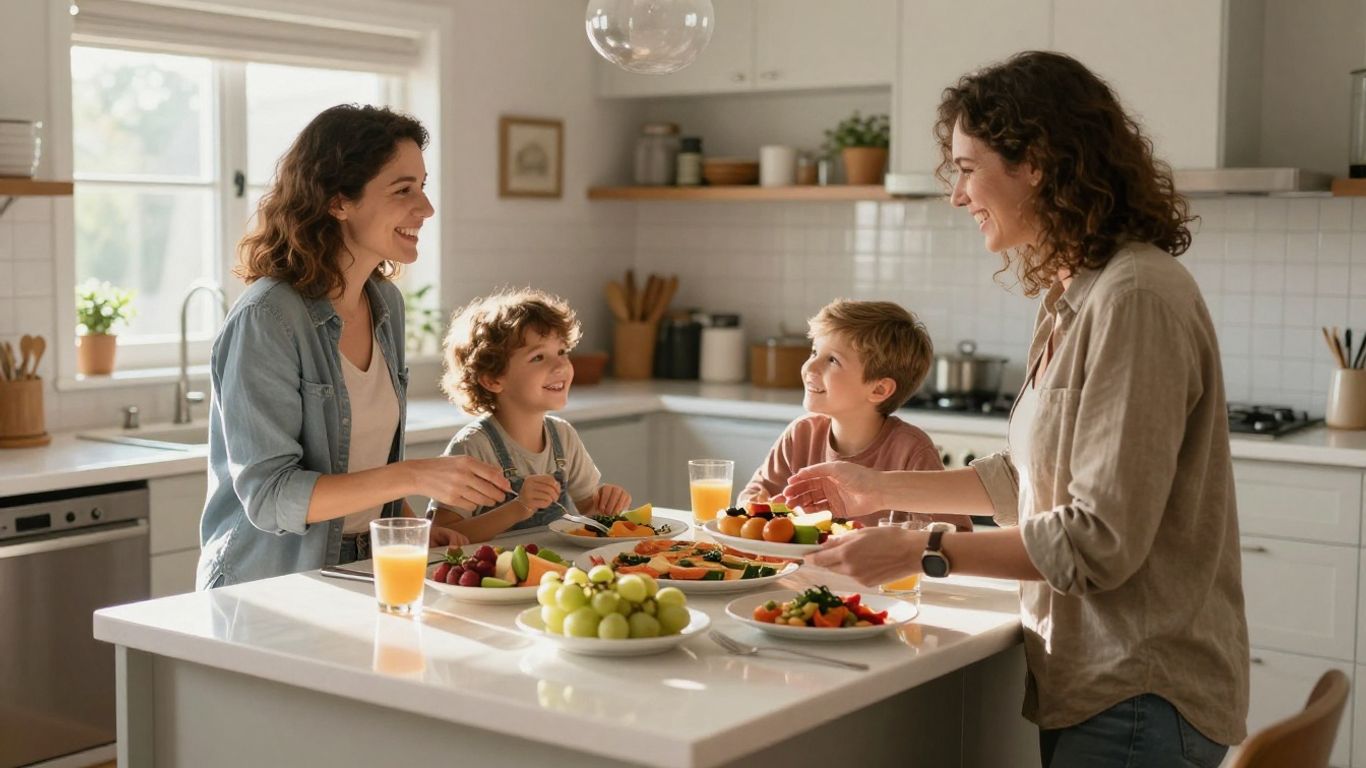
Even with the best intentions and clear rules, disagreements can pop up in the kitchen. It’s a busy space, after all, and sometimes tempers can get a little short. The key isn’t to avoid conflict altogether, but to have a plan for handling it when it happens. Think of conflict resolution as another important kitchen skill, like chopping an onion or making a sauce. It takes practice, but it makes everything else run smoother.
Addressing Disagreements Constructively
When a disagreement arises, the first step is to pause and take a breath. Reacting immediately often makes things worse. Try to understand what the other person is feeling. Are they frustrated because they feel unheard, or maybe overwhelmed? Sometimes, just acknowledging their feelings can de-escalate a situation. Instead of pointing fingers, focus on the issue at hand. For example, instead of saying, "You always leave a mess," try, "I’m finding it hard to start cooking when the counter is cluttered. Can we work on tidying up before we begin?"
Seeking Compromise and Mutual Solutions
Not every kitchen problem has a single right answer. Often, the best way forward is to find a compromise that works for everyone involved. This might mean adjusting schedules, sharing tasks differently, or agreeing on a new system. It’s about finding a middle ground where everyone feels their needs are considered.
Here are a few common kitchen conflict areas and potential compromises:
- Timing Conflicts: If two people need the stove at the same time, can one person prep ingredients while waiting, or can meals be staggered?
- Ingredient Disputes: If you’re running low on a shared item, can you agree to buy more, or can one person use a substitute?
- Cleanliness Standards: If one person is tidier than another, can you agree on a "good enough" standard for daily cleanup, with deeper cleans scheduled weekly?
Learning from Kitchen Challenges
Every disagreement, once resolved, is an opportunity to learn and grow. What triggered the conflict? Was it a misunderstanding, a lack of clear communication, or a genuine difference in needs? By reflecting on these moments, you can identify patterns and proactively prevent similar issues from arising in the future.
The kitchen is a shared space, and like any shared space, it requires ongoing effort to keep it harmonious. When conflicts arise, view them not as failures, but as chances to strengthen your family’s ability to communicate and cooperate. This builds resilience and makes the kitchen a more enjoyable place for everyone.
Remember, the goal isn’t to win an argument, but to maintain a positive and functional environment for your family. A little patience and a willingness to listen go a long way in turning potential friction into a stronger bond.
The Kitchen Truce: A Recipe for Family Harmony
Embracing Shared Responsibility
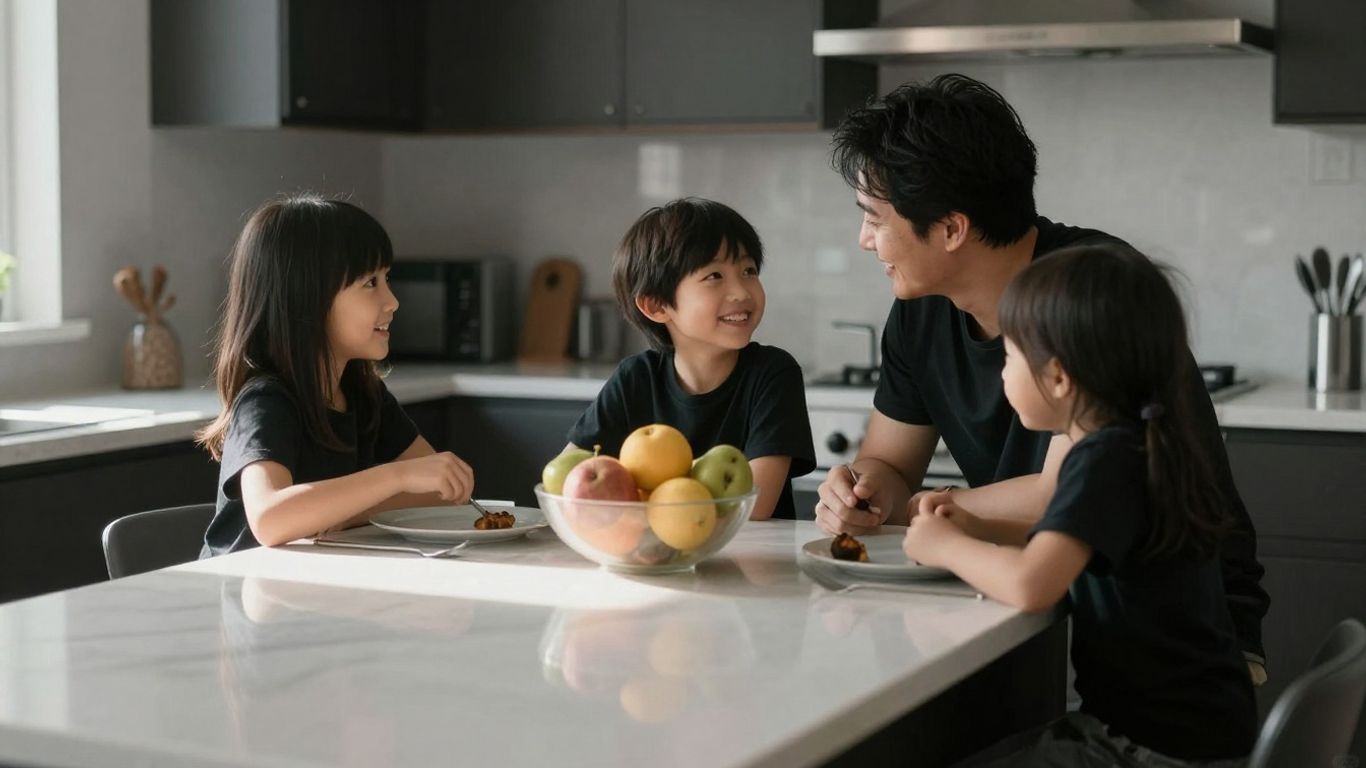
Think of your kitchen not just as a place to cook, but as a shared space that thrives on everyone pitching in. It’s about more than just cleaning up after yourself; it’s about actively contributing to the smooth running of the household. This means understanding that the kitchen’s well-being is a collective effort. When one person takes on a task, like prepping vegetables for dinner, another might be responsible for clearing the table afterward. This shared load prevents any one person from feeling overwhelmed and builds a sense of teamwork.
Cultivating a Sense of Belonging
When everyone has a role and their contributions are recognized, the kitchen becomes a place where everyone feels they belong. It’s about creating an environment where family members feel comfortable and valued, whether they’re the head chef or just helping to set the table. This feeling of inclusion is built through consistent, positive interactions and a mutual respect for each other’s presence and efforts. It’s the quiet nod of thanks, the shared laugh over a cooking mishap, or the simple act of asking for someone’s opinion on a recipe.
Transforming the Kitchen into a Sanctuary
Ultimately, the goal is to turn your kitchen from a potential battleground into a peaceful sanctuary. This space should be a place of comfort, creativity, and connection. It’s where meals are prepared, yes, but it’s also where conversations happen, where homework gets done, and where memories are made. Achieving this takes consistent effort in communication, compromise, and a shared commitment to making the kitchen a positive part of family life. It’s a place where everyone can retreat, recharge, and reconnect.
Discover how to bring peace to your home with "The Kitchen Truce: A Recipe for Family Harmony." Learn simple ways to turn meal times into happy times for everyone. Ready to make your family meals more enjoyable? Visit our website for more tips and tricks!
Finding Harmony in the Kitchen
So, we’ve talked about setting up different zones in your kitchen, figuring out those little signals that let everyone know what’s up, and creating some simple rules everyone can live by. It might seem like a lot, but think of it as building a smoother way for your family to share this important space. It’s not about making things perfect, but about making them work better for everyone. By putting these ideas into practice, you can turn potential kitchen chaos into a more peaceful and enjoyable place for your family. Give it a try, and see how much of a difference a little structure can make.
Frequently Asked Questions
Why is it important to have zones in the kitchen?
Think of zones like personal spaces in the kitchen. Having them helps everyone know where to work and what belongs where. This means less bumping into each other and fewer arguments about who’s using what!
What are some examples of kitchen signals?
Signals can be simple things like a nod when you’re busy, leaving a specific dish towel out to show you’re cooking, or even a gentle cough to get someone’s attention without shouting. It’s all about communicating without words when things get hectic.
How do we create rules that everyone will follow?
The best way is to talk about it together! Make sure everyone feels heard and agree on simple rules for cleaning up and using the kitchen. When everyone helps decide, they’re more likely to stick to the plan.
What if my family likes to cook very differently?
It’s totally okay to have different cooking styles! The key is to be open-minded and try to understand each other’s ways. Maybe you can learn new tricks from each other, or just agree to give each other space when needed.
How can we make cooking together more fun?
Teamwork makes the dream work! Decide who does what tasks, like chopping veggies or stirring the pot. When you work together, it’s faster and you can enjoy the process more. Plus, you get to share the delicious results!
What’s the best way to keep the kitchen clean?
The golden rule is to clean up as you go! Don’t leave a big mess for later. Putting dishes straight into the dishwasher or washing them right away makes a huge difference. Keeping shared spaces like the fridge tidy also helps a lot.
How do we handle it when everyone needs the kitchen at the same time?
It’s smart to know when the kitchen is usually busiest. Before you start cooking, let others know your plans. This way, you can avoid stepping on each other’s toes and make sure everyone gets their turn.
What if we have a disagreement in the kitchen?
It happens! The best thing to do is talk about it calmly. Listen to each other and try to find a solution that works for everyone. Learning from these moments can actually make your family kitchen even more peaceful.