
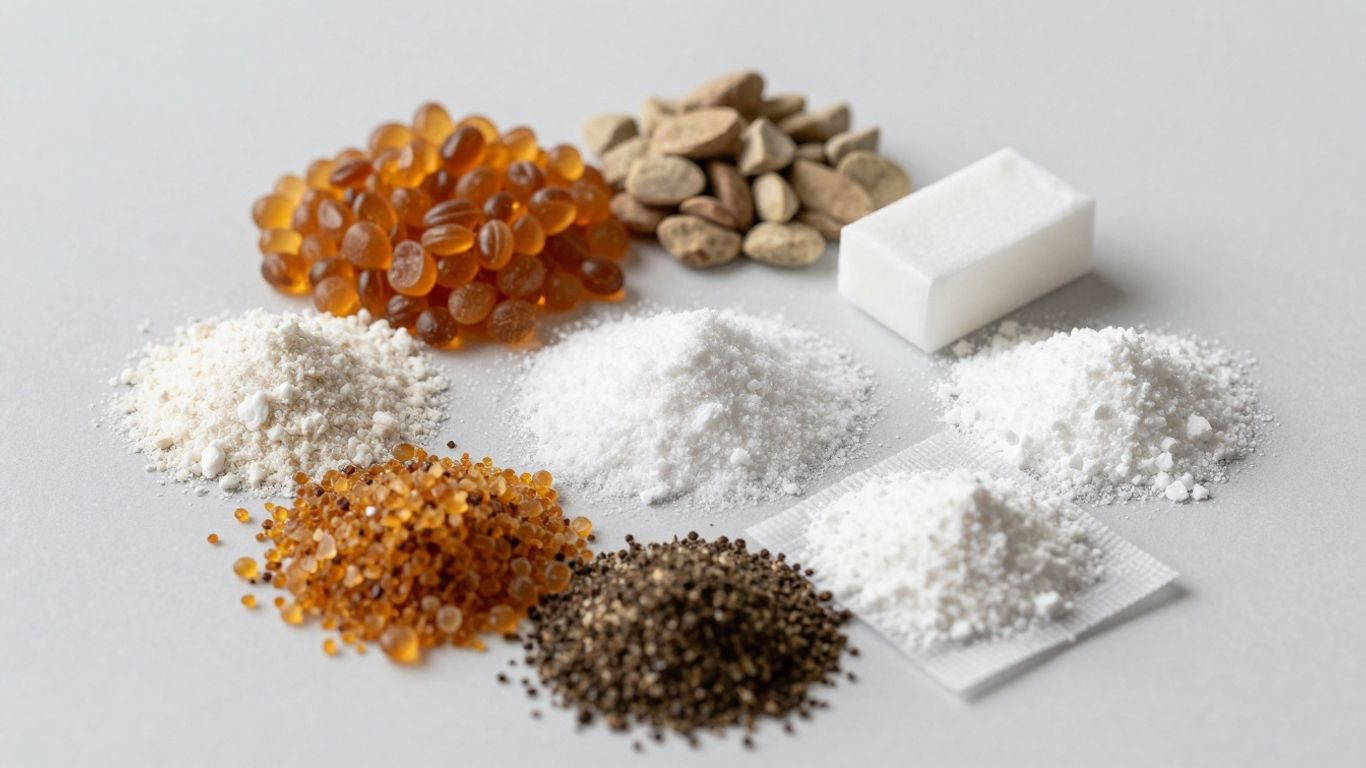
Ever look at a food label and feel like you need a decoder ring? You’re not alone. We see all sorts of ingredients listed, some familiar, some not so much. This article is all about breaking down what those additives, emulsifiers, and other helpers in our food actually do. We’ll talk about why they’re there, what they might mean for our health, and how to get better at reading those ingredient lists. It’s about making smarter choices without getting overwhelmed.
Key Takeaways
- Many food additives like preservatives and emulsifiers are used to keep food fresh, safe, and appealing. They play a big role in how food is made and how long it lasts.
- Some additives, especially certain emulsifiers and preservatives, have been studied for their potential links to gut health issues and metabolic problems. More research is ongoing.
- Reading labels is important. Knowing what common additive groups are, like sulfites or carrageenan, can help you understand what’s in your food.
- Allergic reactions or sensitivities to specific additives, like food dyes, can happen, though they might be rare. Sometimes, ingredient names can also cause confusion, like with dairy terms.
- Understanding the basics of label literacy advanced helps you make more informed choices about the foods you buy and eat, especially when it comes to processed items.
Understanding Food Additive Categories
Food additives are a big part of the food we eat, and they do a lot of different jobs. Think of them as the helpers that make our food last longer, taste better, and look more appealing. They aren’t just one thing, though; they’re a whole group of substances, each with its own purpose. We can break them down into categories based on what they actually do for the food.
The Multifaceted Roles of Food Additives
These ingredients are added for a reason, and it’s usually to improve the food in some way. They can help keep food fresh, prevent it from spoiling, or even just make it look more inviting on the shelf. It’s a pretty wide spectrum of functions, from keeping fats from going bad to making sure your salad dressing doesn’t separate.
Preservatives: Extending Shelf Life and Ensuring Safety
Preservatives are probably one of the most common types you’ll see on a label. Their main job is to stop food from going bad too quickly. This can be due to tiny organisms like bacteria or mold, or it can be from oxidation, which is what makes things like butter go rancid or colors fade. By slowing down these processes, preservatives help food stay safe and good to eat for a longer time. Some common examples include sorbic acid and nitrites.
Emulsifiers and Stabilizers: Enhancing Texture and Consistency
Ever wonder how oil and vinegar stay mixed in salad dressing? That’s often thanks to emulsifiers. These ingredients help to blend things that normally wouldn’t mix, like oil and water. Stabilizers work alongside them to keep that mixture from separating over time. They also play a big role in the texture and feel of foods, making things smooth and creamy. Lecithin and xanthan gum are examples you might recognize.
Navigating Potential Health Concerns
Emulsifiers and Gut Health
Emulsifiers are common in many processed foods, helping to blend ingredients that wouldn’t normally mix, like oil and water. Think of them as the helpers that keep your salad dressing from separating or give ice cream its smooth texture. While they serve a useful purpose in food production, there’s a growing conversation about how they might affect our gut. Our gut is home to trillions of bacteria, collectively known as the gut microbiota, and this community plays a big role in our overall health. Some research suggests that certain emulsifiers could potentially alter the balance of these gut bacteria. This shift, sometimes called dysbiosis, might lead to changes in the gut lining or even trigger inflammation. It’s a complex area, and more studies are needed to fully understand the long-term effects on human health.
Preservatives and Metabolic Health
Preservatives are added to foods to prevent spoilage from bacteria, mold, or yeast, which helps extend shelf life and maintain safety. However, some studies have begun to explore potential links between the consumption of certain preservatives and metabolic health, particularly concerning conditions like type 2 diabetes. For instance, research has looked into how additives like nitrites and nitrates, often found in processed meats, might be associated with an increased risk. The idea is that these substances, or compounds they can form in the body, could potentially interfere with normal metabolic processes. It’s important to note that these are areas of ongoing research, and the findings often come from observational studies, meaning they show associations rather than direct cause-and-effect.
pH Control Agents and Acidity Regulation
pH control agents, also known as acidity regulators, are used to alter or control the acidity or alkalinity of foods. This can affect flavor, preservation, and texture. For example, citric acid is often used to give a tart taste and act as a preservative. While generally recognized as safe, the impact of these agents on our bodies, especially in the context of a diet high in processed foods, is something to consider. Maintaining a balanced internal environment is key to health, and while the direct impact of these additives on our body’s pH is minimal due to robust regulatory systems, their presence in foods that might otherwise be less processed is a broader dietary consideration. Focusing on a diet rich in whole foods can naturally help manage your intake of these types of additives.
Specific Additives and Their Implications
Let’s get down to the nitty-gritty with some specific food additives. It’s easy to get lost in the general categories, but sometimes, looking at individual players can shed more light on what’s actually in our food and why it matters.
The Impact of Sulfites and Nitrites
Sulfites (often seen as E220-E228) and nitrites (E249-E250) are common preservatives. You’ll often find sulfites in dried fruits, wine, and some processed potatoes to keep them looking fresh and prevent browning. Nitrites, on the other hand, are primarily used in cured meats like bacon, ham, and hot dogs. They do more than just preserve; they give these meats their characteristic pink color and contribute to that smoky flavor. However, concerns have been raised about their potential health effects.
For sulfites, some people, especially those with asthma, can be sensitive and experience reactions ranging from mild discomfort to more severe breathing issues. Nitrites have been linked to the formation of nitrosamines, compounds that have been identified as potentially carcinogenic, particularly when meat is cooked at high temperatures. This doesn’t mean you have to ban these foods entirely, but it’s good to be aware of their presence and consider moderation.
Carrageenan: A Closer Look at Gut Inflammation
Carrageenan, derived from red seaweed, is a common thickener and stabilizer found in everything from dairy products like ice cream and yogurt to plant-based milks and even some deli meats. It’s great at giving foods a smooth, creamy texture and preventing separation. You’ll usually see it listed as ‘carrageenan’ or sometimes ‘poligeenan’ on ingredient lists.
While generally recognized as safe by regulatory bodies, carrageenan has been a subject of debate, particularly regarding its potential to cause inflammation in the gut. Some studies, mostly in animal models, suggest that degraded forms of carrageenan might trigger inflammatory responses. The scientific community is still looking into the exact mechanisms and whether the amounts typically consumed in food pose a significant risk to humans. If you have inflammatory bowel conditions, you might want to keep an eye out for this ingredient.
Lecithin and Other Stabilizers
Lecithin, often derived from soy or sunflower seeds, is a fantastic emulsifier. Think of it as a bridge between oil and water, preventing them from separating in foods like chocolate, baked goods, and salad dressings. It’s a natural compound found in many foods, and its addition is usually to improve texture and consistency.
Other stabilizers and emulsifiers, like xanthan gum (E415) or guar gum (E412), work similarly. They help create a smooth mouthfeel and keep ingredients blended. These are often used in gluten-free products to mimic the texture that gluten provides. While generally considered safe and beneficial for food texture, some individuals report digestive sensitivities to large amounts of these gums. It’s a good reminder that even common ingredients can affect people differently.
Allergic Reactions and Sensitivities
Sometimes, the ingredients we think are harmless can cause a stir in our bodies. It’s not always about a true allergy, but sensitivities can pop up, and it’s good to know what might be behind them. Let’s break down how certain additives can play a role in these reactions.
Identifying Potential Allergens
When we talk about food allergies, we usually think of common culprits like peanuts or shellfish. But some food additives, while not primary allergens themselves, can sometimes trigger reactions in sensitive individuals. These reactions might not always be the classic IgE-mediated allergies, but they can still cause discomfort. Things like certain preservatives or artificial colors have been flagged in some studies for potentially causing issues like hives or digestive upset in a small number of people. It’s a complex area because reactions can vary a lot from person to person.
Hypersensitivity to Food Dyes
Artificial food dyes, used to make foods look more appealing, are one area where sensitivities are sometimes discussed. For instance, some people report issues with dyes like tartrazine (often labeled as Yellow #5). While not a widespread problem, in rare cases, these dyes have been linked to reactions such as hives or even a worsening of asthma symptoms in individuals who already have these conditions. It’s important to remember that for most people, these dyes are perfectly fine, but for a sensitive few, they might be a trigger.
Confusion with Dairy Terminology
This one’s a bit of a curveball. Sometimes, the names of additives can sound a lot like dairy products, even when they’re not. Take calcium lactate, for example. It’s a salt derived from lactic acid and calcium, and it’s used as a stabilizer or firming agent. However, because it has ‘lactate’ in its name, people with dairy allergies might mistakenly avoid it or, conversely, consume it thinking it’s dairy-free when it’s not related. This kind of naming confusion can be a real headache for those trying to manage dietary restrictions carefully. It highlights why reading labels closely and understanding what each ingredient actually is, beyond its name, is so important.
- Common Confusion: Calcium lactate vs. dairy products.
- Additive Role: Stabilizer, firming agent.
- Key Takeaway: Ingredient names can be misleading; always verify.
The Science Behind Additive Effects
It’s easy to see food additives on a label and wonder what they’re actually doing inside our bodies. While many are considered safe in the amounts typically found in food, the science behind how they interact with our systems is complex and still being explored. It’s not just about whether they’re ‘bad’ or ‘good’; it’s about the subtle ways they can influence our health over time.
Mechanisms of Gut Microbiota Alteration
The trillions of microbes living in our gut, collectively known as the gut microbiota, play a huge role in our overall health, from digestion to immunity. Some food additives, particularly certain emulsifiers and artificial sweeteners, have been studied for their potential to disrupt this delicate balance. Think of it like introducing new players into a well-established team – it can change how the team functions. Research suggests that some additives might alter the composition of gut bacteria, potentially favoring certain types over others. This shift, sometimes called dysbiosis, is linked to various health issues, including inflammation and metabolic problems. It’s a really active area of research, trying to pinpoint which additives have what effect and how significant that effect is.
Inflammatory Pathways and Immune Responses
Our immune system is constantly on alert, and what we eat can influence how it behaves. Some food additives have been investigated for their potential to trigger or exacerbate inflammatory responses. This doesn’t necessarily mean a full-blown allergic reaction, but rather a low-level, chronic inflammation that can contribute to various health conditions over the long term. For example, certain preservatives or emulsifiers might interact with the cells lining our gut, prompting a mild immune response. Over time, this persistent activation could have wider implications for metabolic health and disease risk. Understanding these pathways helps us see why the cumulative effect of our diet matters.
Impact on Intestinal Barrier Integrity
The lining of our intestines acts as a barrier, controlling what gets absorbed into our bloodstream and what stays in the gut. This barrier is pretty sophisticated, and its integrity is vital for health. Some studies suggest that certain food additives could potentially weaken this barrier, a condition sometimes referred to as ‘leaky gut.’ When the intestinal barrier is compromised, it can allow substances that shouldn’t pass through to enter the bloodstream, potentially triggering immune responses and inflammation. This is another area where research is ongoing, trying to understand the specific additives and the mechanisms involved in affecting this crucial protective layer.
Regulatory Landscape and Safety Standards
Global Regulatory Frameworks
When you pick up a packaged food item, there’s a whole system working behind the scenes to make sure the ingredients, especially additives, are safe for you to consume. Different countries and regions have their own sets of rules about which food additives are allowed, how much can be used, and how they need to be listed on the label. Think of it like traffic laws – they exist to keep things orderly and safe, but they can vary from place to place. For instance, an additive that’s perfectly fine in one country might be restricted or even banned in another. This can make things tricky for food companies that sell their products internationally. They have to keep track of all these different rules to avoid problems.
Organizations like the Codex Alimentarius Commission, which is run by the UN’s Food and Agriculture Organization and the World Health Organization, try to create international food standards, guidelines, and codes of practice. Their goal is to protect consumer health and make sure fair practices in food trade happen. However, these are often recommendations, and individual countries still set their own binding regulations. In Europe, for example, Regulation (EC) No. 1333/2008 is a key piece of legislation governing food additives. In the United States, the Food and Drug Administration (FDA) oversees these matters, with many substances being classified as Generally Recognized as Safe (GRAS).
The Role of Acceptable Daily Intakes (ADIs)
So, how do regulators decide how much of an additive is safe? They often use something called an Acceptable Daily Intake, or ADI. This is basically an estimate of the amount of a substance that a person can consume every day over their lifetime without any appreciable health risk. It’s calculated based on studies, usually in animals, and then a big safety factor is applied to account for differences between animals and humans, and even between different people. It’s a way to set a limit that’s meant to be protective for almost everyone.
However, it’s important to remember that ADIs are based on current scientific knowledge, and they represent an estimated safe level. They don’t account for the combined effect of consuming multiple additives at the same time, or how additives might interact with other components in our diet or our individual health status. It’s a useful tool, but it’s not the whole picture.
Ongoing Safety Monitoring Challenges
Keeping tabs on the safety of food additives isn’t a one-time check; it’s an ongoing process. The challenge is that while many additives are approved based on existing research, there isn’t always a robust system for continuously monitoring their safety once they’re in widespread use. New scientific studies might emerge that raise questions about an additive’s long-term effects, or how it affects specific groups of people. Sometimes, issues only become apparent when people consume a mixture of additives regularly over many years, which is hard to study. This is where consumer awareness and reporting of potential issues become quite important, as they can sometimes highlight areas that need further scientific investigation and regulatory review. It’s a complex dance between science, regulation, and public health.
Advanced Label Literacy for Consumers
Decoding Ingredient Lists
Reading food labels can feel like deciphering a secret code sometimes, right? But with a little practice, you can get pretty good at it. The ingredient list is your roadmap to what’s actually in your food. Ingredients are listed in order of weight, meaning the first one you see is the most abundant. So, if "sugar" or "high fructose corn syrup" is near the top, you know it’s a main component. Keep an eye out for common additive groups, too. Instead of just seeing "emulsifier," you might see "lecithin" or "mono- and diglycerides." Knowing these names helps you understand the role they play.
Recognizing Common Additive Groups
Food additives are often grouped by their function. You’ll see things like preservatives, which stop food from spoiling, and emulsifiers, which keep oil and water from separating. Stabilizers help maintain a consistent texture. Then there are colorants and flavor enhancers. While many additives are perfectly safe and even necessary for food production, understanding these groups can help you make choices that align with your preferences. For instance, if you’re trying to limit artificial colors, knowing that "FD&C Red No. 40" is a colorant is helpful.
Here’s a quick look at some common categories:
- Preservatives: Extend shelf life by inhibiting microbial growth (e.g., sorbic acid, sodium benzoate).
- Emulsifiers & Stabilizers: Improve texture and prevent separation (e.g., lecithin, xanthan gum).
- Antioxidants: Prevent spoilage from oxidation (e.g., ascorbic acid, BHA).
- Colorants: Add or restore color (e.g., beta-carotene, caramel color).
- Flavor Enhancers: Boost existing flavors (e.g., monosodium glutamate).
Making Informed Food Choices
So, how do you put this all together? It’s about building awareness. You don’t need to memorize every single additive, but recognizing common ones and understanding their general purpose is a big step. If you see a long list of ingredients you don’t recognize, especially near the top, it might be a sign of a highly processed food. This doesn’t automatically make it "bad," but it’s information you can use. Consider how these ingredients might fit into your overall diet and health goals. The goal isn’t to eliminate all additives, but to be a more conscious consumer.
Sometimes, the simplest foods have the shortest ingredient lists. This can be a good indicator if you’re aiming for less processed options. It’s about finding a balance that works for you and your family.
Think about your personal priorities. Are you concerned about specific preservatives? Do you prefer foods with fewer artificial ingredients? By becoming more familiar with ingredient labels, you gain the power to choose foods that better match what you’re looking for.
The Connection to Ultra-Processed Foods
Additives in Processed Diets
It’s pretty common knowledge that ultra-processed foods aren’t exactly health food. We see them everywhere – brightly packaged snacks, ready-made meals, sugary drinks. These foods often pack a lot of additives, and it’s not just for flavor or color. Many of these ingredients, like emulsifiers and preservatives, play a big role in how these foods are made and how long they last on the shelf. Think about it: a cake mix needs emulsifiers to keep the oil and water from separating, and a jar of pickles needs preservatives to stop it from going bad. While these additives serve a purpose in food manufacturing, their widespread use in ultra-processed items means we’re often consuming them in larger quantities than we might realize.
Risk Factors for Metabolic Diseases
There’s a growing body of research suggesting a link between eating a lot of ultra-processed foods and an increased risk of certain health issues, like type 2 diabetes, obesity, and heart problems. While the exact reasons are still being studied, the high levels of sugar, salt, unhealthy fats, and yes, those additives, are thought to contribute. Some studies point to how these ingredients might affect our gut bacteria or cause low-grade inflammation in the body, which can have long-term consequences. It’s not just one thing, but a combination of factors that make these foods a concern for metabolic health.
Understanding Food Component Contributions
When we look at ultra-processed foods, it’s helpful to break down what’s actually in them. Beyond the main ingredients like refined grains or added sugars, there’s a whole host of other components. These include things like:
- Emulsifiers and stabilizers: These help create smooth textures and prevent ingredients from separating.
- Preservatives: These extend shelf life by inhibiting microbial growth.
- Artificial sweeteners and colors: Used to improve taste and appearance.
- Flavor enhancers: To boost the savory or sweet notes.
It’s the cumulative effect of these various components, often present in high concentrations, that raises questions about their impact on our overall health. While each additive might be deemed safe in small amounts, the sheer volume consumed through a diet heavy in ultra-processed foods is where the concern lies. Understanding these contributions helps us make more informed choices about what we’re putting into our bodies.
Future Directions in Food Additive Research
Unraveling Complex Mechanisms
So, what’s next in the world of food additives? Scientists are really digging deeper into how these ingredients actually affect us, especially our guts. It’s not just about whether they’re ‘safe’ in general, but how they interact with our bodies over time. We’re talking about looking at the microbiome, those trillions of tiny helpers in our intestines. Researchers are trying to figure out exactly which additives might be changing the balance of these microbes and what that means for our health. It’s a complex puzzle, and they’re using advanced tools to piece it together.
Developing Mitigation Strategies
Once we understand more about how additives might cause issues, the next step is figuring out what to do about it. This could mean finding ways to make current additives less impactful, or even developing new types of ingredients that do the same job but are kinder to our bodies. Think of it like finding a better way to preserve food without the side effects. It’s about innovation in food science, aiming for solutions that keep our food safe and tasty while being better for our long-term well-being. This might involve tweaking existing formulas or exploring entirely new natural compounds.
The Need for Continued Vigilance
Even with all this new research, it’s clear we can’t just stop paying attention. Food production is always changing, and new additives might pop up. Plus, our understanding of how food affects our health is constantly growing. So, it’s important for scientists, regulators, and even us as consumers to stay informed. Keeping an eye on new studies and being aware of what’s in our food is key. It’s a continuous process of learning and adapting to make sure the food we eat supports our health.
The ongoing study of food additives is a dynamic field. As our scientific tools become more sophisticated, we gain a clearer picture of the intricate relationships between these ingredients and human physiology. This evolving knowledge is vital for guiding future food development and regulatory decisions, aiming for a food supply that is both safe and health-promoting.
Looking ahead, the world of food additives is buzzing with new ideas. Scientists are exploring ways to make food safer and healthier, finding new ingredients that can help preserve food longer or even boost its nutritional value. It’s an exciting time for food science! Want to learn more about the latest in food research? Visit our website for the newest updates and insights.
Putting It All Together
So, we’ve looked at a bunch of stuff in this article, from how acids keep things in check to how emulsifiers help mix oil and water. It can feel like a lot, right? But the main takeaway is that most of these things are fine for most people. They help make the food we eat last longer and taste better. Still, it’s good to know that for some folks, certain additives might cause issues, especially if you have allergies or gut problems. It’s not about being scared of your food, but more about being aware. Reading labels is a good habit, and if something doesn’t sit right with you after eating a certain product, maybe check the ingredients. Ultimately, understanding what’s in your food helps you make choices that feel right for your own body. Keep learning, keep questioning, and keep enjoying your meals.
Frequently Asked Questions
What are food additives and why are they used?
Food additives are substances added to food to keep it fresh, safe, and appealing. Think of them as helpers that make food last longer, prevent it from spoiling, and improve its taste, color, and texture. For example, preservatives stop mold from growing, and emulsifiers keep oil and water from separating in things like salad dressing.
Are all food additives bad for you?
Not necessarily. Many additives are safe and have been used for a long time. However, some people might be sensitive to certain ones, and research is ongoing to understand the long-term effects of others, especially when consumed in large amounts, like those found in ultra-processed foods.
What’s the difference between an emulsifier and a preservative?
Emulsifiers help mix ingredients that normally don’t mix well, like oil and water, keeping them blended. Preservatives, on the other hand, are used to prevent food from spoiling, either by stopping tiny organisms like bacteria and mold from growing or by slowing down changes caused by air, like fats going bad.
Can food additives cause allergies or sensitivities?
Yes, some additives can cause reactions in certain individuals. For instance, sulfites can trigger asthma or allergic reactions in some people, and artificial food dyes have been linked to hives or other allergic symptoms in sensitive individuals. It’s important to check labels if you know you react to specific ingredients.
What does ‘pH control agent’ mean on a label?
pH control agents, like citric acid or lactic acid, are used to make foods more acidic or less acidic. This helps preserve the food, improve its flavor, or control how it cooks. While generally safe, lactic acid might be confusing for people with milk allergies because of its name, even though it’s chemically different from dairy.
How do additives affect gut health?
Some studies suggest that certain additives, particularly emulsifiers, might change the types of bacteria in your gut (gut microbiota). This could potentially lead to inflammation or affect the gut’s protective lining. More research is needed, but it’s an area scientists are actively studying.
What are ‘ultra-processed foods’ and how do additives relate to them?
Ultra-processed foods are foods that have gone through a lot of changes in a factory, often containing many added ingredients like colors, flavors, and preservatives. Because these foods are made with many additives, eating a lot of them might increase the risk of health issues like obesity or digestive problems.
How can I become better at reading food labels for additives?
Start by looking at the ingredient list. You can learn to recognize common additive groups like ‘preservatives,’ ’emulsifiers,’ or specific names like ‘lecithin’ or ‘carrageenan.’ Knowing what these terms mean helps you make more informed choices about the foods you buy and eat.