
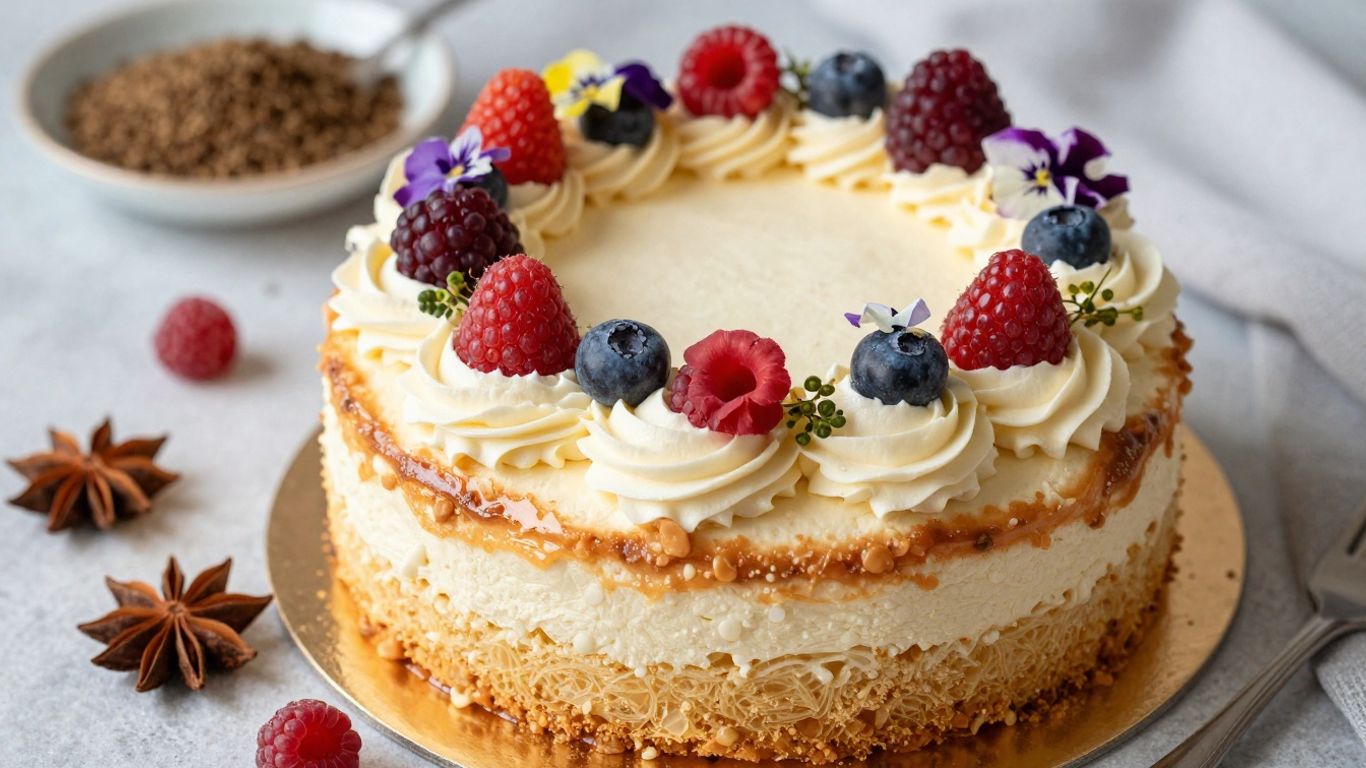
So, you’re thinking about trying your hand at low-sugar baking? It’s not as tricky as it might sound, honestly. We all know sugar isn’t exactly the healthiest thing, and cutting back can be a good move. But does that mean giving up delicious treats? Nope! It just means getting a bit smarter about what we put into our baked goods. We’ll look at how sugar actually works in baking, what you can use instead, and how to make things taste great without all the sweet stuff. It’s all about making smart swaps and understanding how ingredients play together.
Key Takeaways
- Sugar does more than just sweeten; it affects texture, moisture, and browning in baked goods.
- Various sugar substitutes like stevia, erythritol, and xylitol can be used, but often work best when combined.
- Natural sweetness can be found in fruits like ripe bananas and apples, and purees can add moisture and nutrients.
- Flavor can be boosted with vanilla, spices like cinnamon, and citrus zests, reducing the need for added sweeteners.
- Experimentation is key in low-sugar baking; start simple, document your changes, and be patient with the process.
Understanding The Role Of Sugar In Baking
Beyond Sweetness: Sugar’s Functional Contributions
When we think about sugar in baking, the first thing that comes to mind is sweetness, right? But sugar does so much more than just make things taste good. It’s actually a pretty important player when it comes to how our baked goods turn out.
Think about a simple cookie. Sugar doesn’t just add that familiar sweet flavor; it also helps keep the cookie tender and moist. It interferes with gluten development, which means you get a softer texture instead of something tough. Plus, sugar plays a role in browning, giving those golden edges we all love.
Here’s a quick look at what sugar contributes:
- Tenderness: It weakens gluten strands, making baked goods softer.
- Moisture Retention: Sugar attracts water, helping to keep things moist.
- Browning: It caramelizes and participates in the Maillard reaction, creating color and flavor.
- Leavening: In some recipes, it helps cream with butter to incorporate air.
Without sugar, many standard baking recipes would fall apart structurally and lack the appealing color and texture we expect. It’s a multi-tasker in the kitchen!
The Impact Of Sugar On Texture And Structure
Sugar’s impact on texture is pretty significant. It affects everything from how soft or crisp your cookie is to how tall your cake rises. When you cream sugar with butter, it creates tiny air pockets. These pockets expand in the oven, helping your cake or cookies to rise and become lighter.
Sugar also affects how things spread. In cookies, more sugar generally means more spread. It also influences the final crumb structure. In cakes, it helps create a fine, even crumb. When you reduce sugar, you’ll often notice a change in these characteristics. Things might be denser, less tender, or spread differently.
Here’s a simplified look at how different types of sugar can affect texture:
| Sugar Type | Primary Texture Impact |
|---|---|
| Granulated Sugar | Contributes to crispness and spread in cookies. |
| Brown Sugar | Adds moisture and chewiness due to molasses content. |
| Powdered Sugar | Creates a tender, melt-in-your-mouth texture. |
| Caster Sugar | Dissolves quickly, aiding in smooth batters and meringues. |
Flavor Development And Browning
Beyond sweetness, sugar is a key ingredient for developing those rich, complex flavors and appealing colors in baked goods. When sugar is heated, it undergoes two main processes: caramelization and the Maillard reaction.
- Caramelization: This happens when sugar is heated on its own to high temperatures. It breaks down and reforms into hundreds of new flavor compounds, creating nutty, buttery, and slightly bitter notes, along with a deep brown color.
- Maillard Reaction: This is a reaction between amino acids (from proteins) and reducing sugars. It’s responsible for the browning of many foods, including the crust of bread and the surface of cookies. It creates a wide array of savory and roasted flavors.
These reactions are what give baked goods their characteristic golden-brown hue and delicious aroma. When you reduce or replace sugar, you’re not just changing the sweetness; you’re also altering the potential for these flavor and color developments. This is why low-sugar baking often requires creative ways to achieve similar results, like using spices or other ingredients that contribute to color and depth of flavor.
Navigating The World Of Sugar Substitutes
Exploring Natural Sweeteners: Stevia And Erythritol
When we talk about cutting down on sugar in baking, the first thing that often comes to mind is finding good substitutes. It’s not just about making things less sweet; it’s about how these replacements behave in our recipes. Stevia, for example, comes from a plant and is super sweet, like, way sweeter than regular sugar. This means you only need a tiny bit, which is great for keeping calories down. But because it’s so concentrated, it doesn’t add bulk or help with texture the way sugar does. That’s where things like erythritol come in. Erythritol is a sugar alcohol that’s found naturally in some fruits. It’s not as intensely sweet as stevia, so you can use more of it, and it gives baked goods a bit more substance. It also has a cooling sensation, which some people notice. Combining stevia and erythritol is a common trick to get the sweetness level right without using too much of either, and to add some of that missing bulk.
Understanding Sugar Alcohols: Xylitol’s Properties
Sugar alcohols, like xylitol, are another group of sweeteners that bakers often turn to. Xylitol is interesting because it tastes a lot like regular sugar – about the same sweetness level, in fact. It’s also a good choice for adding bulk and structure to baked goods, similar to how sugar works. One thing to keep in mind with xylitol, though, is that it can have a laxative effect if you eat too much, so moderation is key. Also, and this is super important if you have pets, xylitol is extremely toxic to dogs, so you have to be really careful about cross-contamination or leaving it where they can get to it. Unlike some other sweeteners, xylitol doesn’t really contribute to browning, so your cookies might not get that deep golden color you’re used to.
Combining Sweeteners For Optimal Results
Honestly, the best way to get good results when you’re baking with less sugar is often to mix and match your sweeteners. No single sugar substitute is going to do everything that regular sugar does. Sugar does more than just make things sweet; it helps with moisture, browning, and texture. So, you might use a bulk sweetener like erythritol or xylitol to give your baked goods structure and a bit of sweetness, and then add a high-intensity sweetener like stevia or monk fruit extract to boost the sweetness without adding more volume or calories. It takes a bit of trial and error to find the right balance for your specific recipe. You’re basically trying to mimic sugar’s multiple jobs with a team of different sweeteners.
Decoding ‘Sugar-Free’ Claims
It can get confusing out there with all the labels. "Sugar-free," "no sugar added," and "reduced sugar" all mean different things. "Sugar-free" usually means there are less than 0.5 grams of sugar per serving. "No sugar added" means no sugar was put in during processing, but the product might still contain natural sugars from ingredients like fruit juice. "Reduced sugar" just means it has at least 25% less sugar than the original product. It’s always a good idea to check the nutrition label and the ingredient list. Sometimes, "sugar-free" products might use artificial sweeteners or sugar alcohols, which are fine for many people, but it’s good to know what you’re actually eating. Don’t just trust the front of the package; a quick look at the back can tell you a lot more.
Harnessing Natural Sweetness From Fruits
When you’re cutting back on sugar, fruits are your best friend in the kitchen. They bring a natural sweetness, plus a whole lot of good stuff like fiber and vitamins, to your baked goods. It’s not just about adding sweetness, though; fruits also contribute moisture and can even help bind ingredients together. Think of them as a multi-tasking powerhouse for healthier baking.
The Power Of Ripe Fruits In Low-Sugar Baking
The riper the fruit, the sweeter it is. It’s that simple! Overripe bananas, for instance, turn into a sweet, mushy goldmine perfect for banana bread. Apples that are a bit past their prime can be grated into muffins, adding moisture and a subtle sweetness. The key is to embrace fruits that are at their peak sweetness, often meaning they’re a little soft or have some brown spots. This natural sugar concentration means you can often reduce or even eliminate added sweeteners.
Incorporating Fruit Purees And Compotes
Purees are fantastic because they blend seamlessly into batters, distributing sweetness and moisture evenly. You can make your own by simply blending ripe fruits until smooth. For example, a simple apple puree or a mashed banana works wonders in cakes and muffins. Compotes, which are cooked fruits, can add a lovely texture and concentrated flavor, especially in things like crumbles or as a topping.
Here’s a basic idea for a sugar-free compote:
- 2 cups of your favorite naturally sweet fruit (like berries, peaches, or cherries), chopped
- 1/4 cup water
- A splash of lemon juice (optional, for brightness)
Simmer these ingredients gently until the fruit is soft and the liquid has thickened slightly. This compote can then be stirred into batters or used as a topping.
When swapping fruit purees for sugar, you’ll often need to adjust other liquids in your recipe. A good rule of thumb is to reduce other liquids by about 1/4 cup for every cup of fruit puree you add. You might also need a little extra leavening agent, like baking powder, to help things rise.
Using fruit purees can sometimes make baked goods a bit denser and darker. This is totally normal and part of what gives homemade treats their charm. Don’t be surprised if your cookies spread a little more or your cake has a richer color.
Choosing The Best Fruits For Sweetness And Texture
Different fruits bring different qualities to the table. For intense sweetness and a moist texture, bananas and dates are top contenders. Apples and pears offer a milder sweetness and a bit more structure. Berries add tartness and vibrant color, while tropical fruits like mangoes and pineapples bring unique, bright flavors. Consider the texture you want: a smooth puree for cakes, or perhaps some chunks of fruit for a more rustic feel in muffins or scones.
Enhancing Flavors Without Added Sweeteners
You know, sometimes I forget that sugar does more than just make things sweet. It actually helps with browning and gives baked goods that nice texture. So, when we cut back on sugar, we need to think about how to get those flavors and colors back. Luckily, there are some pretty cool ways to do it without just swapping in a bunch of artificial sweeteners.
The Aromatic Magic Of Vanilla Pods
Vanilla is like the quiet superstar of baking. Using a real vanilla bean, not just extract, makes a huge difference. You can scrape out those tiny black seeds and mix them right into your batter. The smell alone is amazing! If you have leftover vanilla pods, don’t toss them. You can simmer them in milk (dairy or non-dairy) to make a really flavorful vanilla-infused liquid. It’s a great way to get that authentic vanilla taste without adding any extra sugar.
Warming Spices For Depth And Complexity
Spices are fantastic for adding layers of flavor. They can trick your taste buds into thinking something is sweeter than it is, or just add a really satisfying depth. Think about cinnamon – it has a natural sweetness and can even help balance things out. Cardamom adds this lovely, almost floral note, especially good with fruits. Nutmeg can make chocolatey things taste even richer, and star anise is just wonderful with apples or pears.
Here are a few ideas:
- Cinnamon: Adds warmth and a hint of sweetness.
- Cardamom: Offers a complex, aromatic profile.
- Nutmeg: Great for rich, comforting flavors.
- Ginger: Provides a little zing and warmth.
- Cloves: Use sparingly for a strong, pungent note.
Citrus Zests For Brightness
Don’t underestimate the power of citrus zest! Lemon, lime, or orange zest can add this incredible brightness to baked goods. It cuts through richness and makes flavors pop. It’s like a little burst of sunshine in every bite. Just be sure to only use the colored part of the peel, avoiding the white pith, which can be bitter. A little bit of zest goes a long way in making your low-sugar treats taste vibrant and fresh.
When you’re cutting back on sugar, think about how you can build flavor in other ways. Spices, vanilla, and citrus zest are your best friends. They add complexity and make baked goods taste interesting and satisfying, even with less sugar.
Mastering Texture In Low-Sugar Baked Goods
Balancing Moisture With Alternative Flours
When you cut out sugar, you’re not just removing sweetness; you’re also changing how your baked goods hold up. Sugar does a lot for texture – it keeps things moist, tender, and soft. So, when you’re baking without it, you’ll need to think about how to get that structure back. Alternative flours, like almond flour or coconut flour, behave differently than regular wheat flour. Coconut flour, for instance, is super absorbent. If you’re using it, you might need to adjust your liquid amounts or add an extra binder. Sometimes, just swapping out a quarter cup of your usual flour for a tablespoon of coconut flour can make a big difference. It’s all about finding that sweet spot where your baked goods aren’t too dry or too crumbly.
The Role Of Eggs And Binders
Eggs are little miracles in baking, aren’t they? They do more than just add richness; they’re fantastic binders. In low-sugar baking, where you might not have sugar to help hold things together, eggs become even more important. They help create a cohesive structure, giving your cakes and cookies that satisfying chew or crumb. If you’re trying to reduce eggs or bake vegan, you’ll need to look at other binders. Things like flax eggs (flaxseed meal mixed with water) or chia seeds can help mimic some of the binding properties of eggs. You might need to experiment a bit to see what works best for your specific recipe, as different binders can affect the final texture in subtle ways.
Incorporating Nuts And Seeds For Structure
Nuts and seeds are like the unsung heroes of texture in low-sugar baking. They bring a wonderful chewiness and a bit of crunch that can really make a baked good feel more substantial and satisfying. Think about adding chopped almonds to muffins, or sunflower seeds to a loaf cake. They also have a great ability to absorb excess moisture, which can be a lifesaver when you’re working with ingredients that tend to make things a bit too wet, like fruit purees. Plus, they add healthy fats and protein, making your treats more filling and nutritious. It’s a simple way to add complexity and a pleasing mouthfeel without relying on sugar.
When you’re aiming for a great texture without sugar, think about how different ingredients interact. Some flours soak up more liquid, eggs bind everything together, and nuts and seeds add substance and absorb moisture. It’s a bit like a puzzle, and each piece plays a role in the final outcome. Don’t be afraid to try different combinations to see what gives you the best result.
Here’s a quick look at how some common additions can affect texture:
| Ingredient Type | Effect on Texture |
|---|---|
| Coconut Flour | Absorbs a lot of liquid; can make things dry if not balanced |
| Almond Flour | Adds moisture and a slightly denser, tender crumb |
| Flax Egg | Provides binding and a slightly chewy texture |
| Chia Seeds | Acts as a binder, can add a slight gel-like quality |
| Chopped Nuts | Adds crunch and chewiness, absorbs some moisture |
Creative Ingredient Swaps For Healthier Baking
Exploring Alternative Grains Like Millet
When you’re looking to shake things up in the kitchen and make your baked goods a bit healthier, thinking beyond traditional wheat flour is a great place to start. Have you ever considered millet? It’s an ancient grain that’s been around for ages, and it’s making a comeback for good reason. Millet has a slightly nutty flavor that can add a really nice depth to things like muffins or quick breads. It’s also naturally gluten-free, which is a bonus for many people. When you swap it in, you might find you need a little more liquid because it can be a bit thirsty, but it’s worth the adjustment. It’s a simple way to introduce a different texture and a boost of nutrients.
Utilizing Vegetable Purees For Moisture And Nutrients
This is one of my favorite tricks for making baked goods more wholesome. Pureed vegetables like sweet potato, pumpkin, or even zucchini can do wonders. They add a fantastic moistness that you often miss when cutting out sugar, and they sneak in extra vitamins and fiber. For example, using mashed sweet potato in brownies can make them incredibly fudgy. You’ll want to adjust your liquids a bit, as the purees add moisture. A good rule of thumb is to reduce other liquids slightly. It’s amazing how a bit of pureed carrot can make a muffin so tender!
The Benefits Of Added Fiber And Antioxidants
Beyond just swapping out sugar, we can actively add beneficial ingredients. Think about incorporating things like chia seeds or flax seeds. When you add them to batters, they not only help bind things together (especially useful when you’re not using eggs) but they also bring a good dose of fiber and those helpful antioxidants. Even adding a handful of berries or some chopped nuts can boost the nutritional profile of your treats. It’s about making conscious choices that add value, not just subtract sugar. These little additions can make a big difference in how satisfying and nourishing your baking becomes.
Achieving Desired Color And Browning
Getting that perfect golden-brown crust on your baked goods can be tricky when you’re cutting back on sugar. Sugar plays a big role in how things brown, thanks to the Maillard reaction and caramelization. Without it, you might end up with paler, less appealing results. But don’t worry, there are ways to get that lovely color and flavor.
Understanding Maillard Reactions Without Sugar
The Maillard reaction is that magical process that gives baked goods their brown color and complex flavors. It happens when amino acids (from proteins) and reducing sugars react under heat. When you reduce sugar, you’re essentially taking away one of the key ingredients for this reaction. This means you might need to help things along with other ingredients or techniques to get a similar browning effect.
The Impact Of Sweetener Choice On Color
Different sugar substitutes behave differently when heated, and this really affects the final color of your baked goods. Some sweeteners, like sugar alcohols (erythritol, xylitol), don’t brown much at all. Others, like monk fruit or stevia, are high-intensity sweeteners and don’t contribute to browning in the same way sugar does. You might find that baked goods made with these sweeteners stay lighter in color.
Here’s a general idea of how some common sweeteners might affect browning:
| Sweetener Type | Browning Potential | Notes |
|---|---|---|
| Erythritol | Low | Tends to stay pale, can sometimes recrystallize on the surface. |
| Xylitol | Low to Medium | Can brown slightly, but less intensely than sugar. |
| Stevia/Monk Fruit | Very Low | Primarily adds sweetness, not color. Often used in blends. |
| Allulose | High | Browns similarly to sugar, offering a good color alternative. |
| Blends (e.g., Swerve) | Variable | Depends on the specific ingredients; some mimic sugar’s browning better. |
Tips For Achieving Golden Hues
So, how do you get that beautiful golden color without relying heavily on sugar? It takes a bit of creativity and understanding of how ingredients interact.
- Use ingredients that brown well: Dairy products like butter and milk solids contribute to browning. Even a little bit can help. Egg yolks also add richness and color.
- Consider allulose: If you’re looking for a sweetener that browns like sugar, allulose is a great option. It’s a rare sugar that caramelizes and browns effectively.
- Add a touch of molasses or date paste: For recipes where a darker color is desired, a small amount of molasses or date paste can add depth and a browner hue, along with some natural sweetness.
- Don’t overbake: While you want browning, you don’t want to dry out your goods. Keep an eye on them, especially when using alternative sweeteners, as they can sometimes bake faster or differently.
- Try a milk wash: Brushing the tops of your baked goods with a little milk or a milk-egg mixture before baking can give them a lovely sheen and help them brown more evenly.
Achieving good color in low-sugar baking is often about finding the right balance. It might not be exactly the same as traditional baking, but with a few adjustments, you can still create visually appealing and delicious treats.
Flavor Layering For A Richer Experience
Sometimes, when we cut back on sugar, things can taste a little… flat. It’s not just about sweetness, you know? Sugar does a lot for flavor. But don’t worry, we can bring that richness back with smart additions. Think of it like building layers of taste, so each bite is interesting.
The Subtle Enhancement Of Sea Salt
A little pinch of salt can do wonders. It doesn’t make things taste salty, not really. Instead, it wakes up the other flavors. It’s like turning up the volume on the ingredients you’ve already got. For example, in a chocolate cake, a tiny bit of sea salt can make the chocolate taste even more chocolatey. It balances out any bitterness and just makes everything taste more complete.
Unexpected Brightness From Fresh Herbs
This might sound a bit out there, but fresh herbs can be amazing in baked goods. Mint is a classic, especially with berries or chocolate. But have you ever tried basil with strawberries? Or rosemary with lemon? It sounds unusual, but it works. The herbs add a fresh, bright note that cuts through richness and adds a whole new dimension. You don’t need much, just a little finely chopped herb can make a big difference.
Layering Textures For Sensory Appeal
Flavor isn’t just about taste; it’s also about how things feel in your mouth. When you’re baking with less sugar, sometimes the texture can change. Adding things like nuts, seeds, or even a swirl of unsweetened yogurt or fruit compote can add different textures. A crunchy nut topping on a soft muffin, or a smooth fruit swirl in a dense cake, makes the whole experience more satisfying. It keeps your palate interested.
Here are a few ideas to get you started:
- Citrus Zest: Lemon, lime, or orange zest adds a bright, fresh aroma and taste that works well with many flavors, especially fruits and vanilla.
- Spices: Cinnamon, cardamom, nutmeg, and ginger add warmth and complexity. They can even trick your brain into perceiving more sweetness.
- Extracts: Beyond vanilla, consider almond, peppermint, or even a touch of coffee extract to deepen flavors.
- Fruit Purees: Unsweetened fruit purees can add moisture and a subtle fruity flavor without a lot of sugar.
When you’re trying to build flavor without sugar, think about all the senses. What smells good? What feels interesting in your mouth? What tastes complex rather than just sweet? It’s about creating a more complete experience, not just replacing sweetness.
It takes a bit of playing around to find what you like best. Don’t be afraid to try a little sprinkle of this or a tiny bit of that. You might be surprised at what combinations you discover.
Tips For Success In Low-Sugar Baking
Embarking on low-sugar baking is a journey, and like any good adventure, a little preparation and a willingness to learn go a long way. Don’t expect perfection on the first try; instead, focus on the process and the delicious discoveries you’ll make along the way.
Embracing Experimentation And Patience
Think of your kitchen as a laboratory. When you swap out traditional sugar for alternatives, the results can be unpredictable. Some recipes might need a little tweaking to get the texture just right, while others might surprise you with how well they turn out. It’s all part of the fun! Be patient with yourself and the ingredients. Sometimes, a recipe that didn’t quite work the first time can be a triumph with a few adjustments. The key is to approach it with curiosity, not pressure.
Documenting Your Ingredient Substitutions
Keeping a baking journal can be incredibly helpful. Jot down what you changed, how much you used, and what the outcome was. This way, you build a personal recipe book of what works for you. For example, if you found that using half erythritol and half stevia gave your cookies the perfect sweetness without a cooling aftertaste, make a note of it! This record will save you time and guesswork on future bakes.
Here’s a simple way to track your swaps:
| Original Ingredient | Amount | Substituted Ingredient | Amount | Notes |
|---|---|---|---|---|
| Granulated Sugar | 1 cup | Erythritol + Stevia | 1 cup total (e.g., 3/4 cup Erythritol, 1/4 cup Stevia equivalent) | Texture slightly drier, sweetness good |
| Honey | 1/2 cup | Date Puree | 1/2 cup | Added moisture, deeper flavor |
Starting With Simple Recipes
When you’re just beginning, it’s best to start with recipes that are forgiving and don’t rely heavily on sugar for their structure. Think simple cookies, muffins, or quick breads. These are great for practicing your ingredient swaps and getting a feel for how different sweeteners behave. Once you’re comfortable, you can move on to more complex bakes like cakes or pastries. This gradual approach helps build your confidence and understanding.
Considering Glycemic Impact
Understanding the Glycemic Index
The Glycemic Index (GI) is a way to measure how quickly foods containing carbohydrates raise blood sugar levels after eating. Foods are ranked on a scale from 0 to 100. Foods with a higher GI value are broken down more quickly, causing a faster rise in blood sugar. This can be important for everyone, but especially for individuals managing conditions like diabetes.
When we bake with less sugar, or use sugar substitutes, we’re often changing the overall glycemic load of our baked goods. This is a good thing for health, but it can also affect how our bodies process the food. It’s not just about the sweetness, but how that sweetness (or lack thereof) interacts with our metabolism.
Sweeteners Suitable for Diabetic-Friendly Baking
When you’re aiming for a lower glycemic impact, choosing the right sweeteners is key. Some options are better than others for keeping blood sugar levels more stable. Here are a few to consider:
- Erythritol: A sugar alcohol that has a very low glycemic impact and is often well-tolerated.
- Stevia: A natural sweetener derived from the stevia plant. It has zero calories and doesn’t affect blood sugar.
- Monk Fruit: Similar to stevia, this natural sweetener has no impact on blood sugar levels.
- Allulose: A "rare sugar" that is absorbed but not metabolized by the body, resulting in minimal impact on blood glucose and insulin levels.
It’s worth noting that many of these sweeteners don’t behave exactly like sugar in baking. They might not provide the same browning or texture, so you’ll often need to adjust your recipes. Sometimes, a blend of sweeteners works best to mimic sugar’s properties while keeping the glycemic impact low.
Monitoring Blood Sugar Levels
If you have diabetes or are monitoring your blood sugar for other health reasons, paying attention to how different baked goods affect you is really important. Even with low-sugar recipes, it’s a good idea to see how your body responds.
Keeping a food diary can be super helpful here. Jot down what you eat, when you eat it, and then check your blood sugar levels at the recommended times. This way, you can see firsthand which ingredients and combinations work best for your body. It’s all about finding what makes you feel good and keeps your energy steady.
Don’t be afraid to experiment, but do it mindfully. What works for one person might not be exactly the same for another. Small changes can make a big difference, and understanding your body’s response is part of the journey to healthier baking.
Thinking about how food affects your body weight? It’s important to understand this connection. Learning about the impact of different foods can help you make smarter choices for a healthier you. Ready to take control of your health journey? Visit our website to discover more!
Wrapping Up Your Sugar-Free Baking Journey
So, we’ve talked about how sugar does more than just make things sweet; it helps with texture and moisture too. But don’t let that stop you! By playing around with fruit purees, smart sugar substitutes like erythritol or stevia, and boosting flavors with spices and vanilla, you can create some really tasty treats. It might take a few tries to get things just right, and that’s totally okay. Keep notes on what works for you, and remember to be patient with yourself as you learn. The world of healthier baking is wide open, and your kitchen is the perfect place to start exploring. Happy baking!
Frequently Asked Questions
Why is sugar important in baking, besides making things sweet?
Sugar does more than just add sweetness! It helps baked goods get a nice brown color, makes them tender and moist, and gives them a good texture. It also helps them hold their shape.
What are some good sugar substitutes to use in baking?
You can try natural sweeteners like stevia and erythritol. Sugar alcohols like xylitol are also popular. Sometimes, using a mix of these can give you the best taste and texture without the sugar.
Can fruits replace sugar in baking?
Yes, fruits are a great way to add sweetness naturally! Ripe fruits like bananas, apples, and berries can be used as purees or compotes. They also add moisture and nutrients to your baking.
How can I make my low-sugar baked goods taste flavorful?
You can boost flavor with things like vanilla beans, warming spices like cinnamon and cardamom, and citrus zests. These add depth and brightness without needing extra sugar.
What makes low-sugar baked goods have the right texture?
Getting the right texture can be tricky. Using alternative flours, eggs for binding, and adding nuts or seeds can help. Sometimes, vegetable purees can add moisture and improve texture too.
How do I get a nice golden-brown color without sugar?
Sugar helps with browning through a process called the Maillard reaction. When using sugar substitutes, you might need to adjust baking time or temperature, or use ingredients like molasses alternatives or a touch of fruit juice to help achieve a golden hue.
What does ‘sugar-free’ actually mean on food labels?
The term ‘sugar-free’ can be confusing. It usually means the product doesn’t have added sugars, but it might still contain natural sugars from ingredients like fruit. Always check the nutrition label to be sure.
What are some easy tips for someone new to low-sugar baking?
Start with simple recipes and don’t be afraid to experiment! Keep notes on what ingredients you swap and how it turns out. Patience is key, as it might take a few tries to get things just right.