
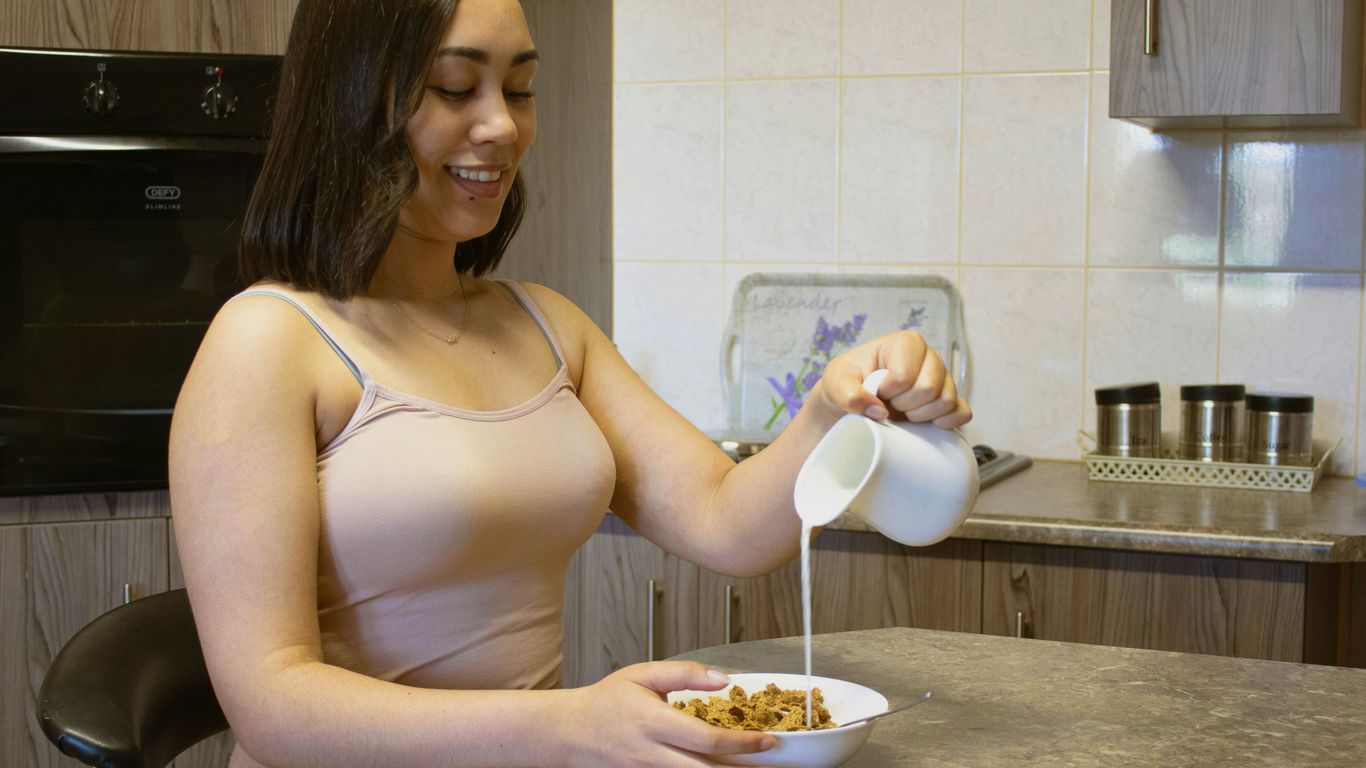
Navigating menopause can feel like a whole new chapter, and keeping our bodies strong is key. This means paying attention to what we eat, especially when it comes to protein. It’s not just about building muscles; it’s about energy, metabolism, and keeping our bones healthy. Plus, adding something like creatine can offer extra benefits for both body and mind. Let’s explore some simple ways to boost your protein intake and some easy recipes that fit right into your menopause muscle meals plan.
Key Takeaways
- Protein is super important for women over 40, helping with muscle, metabolism, energy, and bone health, especially as estrogen levels drop.
- As we age, our bodies don’t use protein as well, so we need to eat more of it, aiming for at least 30g per meal.
- Creatine can help with muscle and bone mass, and might even give your brain a boost, and it’s safe for healthy individuals when used as directed.
- Whole grains are great for fiber and B vitamins, which can help with weight management and even reduce menopause symptoms.
- Simple recipe ideas like protein smoothies, chickpea flour omelettes, and creamy pasta can make hitting your protein goals easier.
Understanding Protein’s Role in Menopause Muscle Meals
Why Women Over 40 Need More Protein
Let’s talk about protein. It’s not just for gym buffs anymore, especially as we hit our 40s and beyond. As estrogen levels dip during perimenopause and menopause, our bodies start losing muscle mass at a faster rate. We’re talking about a natural decline that can really pick up speed. This loss isn’t just about strength; it affects our metabolism too. Muscle is metabolically active, meaning more muscle helps burn more calories even when we’re just chilling. So, less muscle means a slower metabolism, which can make weight management a real challenge. Getting enough protein is key to holding onto that precious muscle mass. It also helps keep us feeling full, which can curb those pesky cravings and keep our energy levels more stable throughout the day. Think of it as a way to support your body through these hormonal shifts.
Protein’s Impact on Metabolism and Energy
When your metabolism slows down, it’s like your body’s engine is running on low. This is often linked to that muscle loss we just talked about. Protein helps counteract this by supporting muscle maintenance and growth, especially when you’re active. More muscle means your body burns more calories at rest, giving your metabolism a much-needed boost. Beyond just burning calories, protein plays a big role in keeping your energy steady. Hormonal fluctuations during menopause can lead to energy crashes and mood swings. Protein helps stabilize blood sugar levels, preventing those sharp dips and spikes that leave you feeling drained and irritable. It’s a simple yet effective way to feel more consistently energized and balanced.
Bone Health and Injury Prevention Through Protein
We often hear about calcium for strong bones, but protein is equally important, particularly as estrogen levels decrease. Estrogen plays a role in bone density, and its decline can make bones more fragile. Protein provides the building blocks for bone tissue and helps with calcium absorption, contributing to stronger, healthier bones. This is super important for reducing the risk of fractures and injuries, which can become more common as we age. Think of protein as a partner to calcium in keeping your skeletal system robust and resilient. It’s not just about building muscle; it’s about supporting your entire framework and keeping you active and injury-free.
Boosting Protein Intake for Menopause Support
Okay, so we know protein is super important, especially as we get older and go through menopause. It’s not just about building big muscles; it helps keep our metabolism humming, gives us steady energy, and is a big player in keeping our bones strong. But here’s the thing: our bodies don’t soak up protein quite as well as they used to, which means we actually need to make a conscious effort to get more of it.
Simple Strategies to Increase Daily Protein
Getting enough protein doesn’t have to be complicated. It’s more about making smart choices throughout the day. Think about adding a protein source to every meal and snack. It makes a difference!
- Start your day strong: Aim for a protein-rich breakfast. Scrambled eggs with veggies, Greek yogurt with berries, or even a protein smoothie can set you up for the day.
- Snack smart: Instead of reaching for chips or cookies, try a handful of almonds, a piece of cheese, or some edamame. These keep you fuller for longer.
- Add protein boosters: Sprinkle seeds on your salads, add beans to soups, or mix a scoop of protein powder into your oatmeal or yogurt.
Prioritizing Leucine-Rich Protein Sources
When we talk about protein, not all amino acids are created equal, especially for muscle health. Leucine is a key player here. It’s like the spark plug for muscle protein synthesis, telling your body to build and repair muscle tissue. Making sure you’re getting enough leucine-rich foods can really help maintain muscle mass during menopause.
Some top-notch sources include:
- Dairy products like milk, cheese, and yogurt
- Eggs
- Meat, poultry, and fish
- Soy products like tofu and edamame
- Legumes (beans and lentils), though they have a bit less leucine per serving compared to animal sources.
Starting Your Day with a Protein-Packed Breakfast
Breakfast is often called the most important meal, and for good reason, especially when you’re aiming for better protein intake. A breakfast loaded with protein can help curb cravings later in the day, keep your energy levels stable, and kickstart your metabolism. It’s a simple habit that pays off big time.
A breakfast that includes a good dose of protein can significantly impact your satiety throughout the morning, helping to prevent those mid-morning energy slumps and the urge to reach for less healthy options. It sets a positive tone for your entire day’s nutrition.
Here’s a quick look at how protein content can stack up in common breakfast items:
| Food Item | Serving Size | Approximate Protein (grams) |
|---|---|---|
| Scrambled Eggs | 2 large | 12 |
| Greek Yogurt (plain, non-fat) | 1 cup | 20 |
| Cottage Cheese (low-fat) | 1 cup | 25 |
| Tofu Scramble | 3 oz | 10 |
| Protein Powder (whey/plant) | 1 scoop | 20-25 |
Creative Ways to Incorporate Protein into Meals
Okay, so we know protein is super important, especially as we get older. But sometimes, just eating chicken breast and eggs every single day can get a little… boring, right? The good news is, you don’t have to force-feed yourself bland food to get enough. There are actually some pretty neat ways to sneak more protein into your meals without even really noticing.
Cottage Cheese as a Versatile Sauce Base
Forget those heavy, cream-based sauces that can weigh you down. Cottage cheese is a secret weapon for making creamy sauces that are packed with protein. Seriously, it’s a game-changer. Just blend it up until it’s smooth, and you’ve got a fantastic base for pasta sauces, dips, or even as a spread. You can add herbs, spices, garlic, or even a little lemon juice to change the flavor profile. It’s so much better than you might think, and it adds a good dose of protein without a lot of extra fuss.
Here’s a quick idea:
- Creamy Pesto Sauce: Blend 1 cup of cottage cheese with 1/4 cup of fresh basil, 2 tablespoons of pine nuts, 1 clove of garlic, and a splash of olive oil. Season with salt and pepper. Toss with your favorite pasta.
- Cheesy Dip: Mix cottage cheese with a little shredded cheddar, some chives, and a pinch of onion powder. Serve with veggie sticks.
- Alfredo-Style Sauce: Blend cottage cheese with a little garlic powder, nutritional yeast (for a cheesy flavor), and a splash of milk or water until smooth. Heat gently before serving over pasta.
High-Protein Smoothie Additions
Smoothies are already pretty popular, but if you’re not adding protein, you’re missing out on a big opportunity. It’s not just about adding a scoop of protein powder, though that’s an option. Think about other ingredients that pack a protein punch. Greek yogurt is a classic for a reason – it’s thick, creamy, and loaded with protein. Silken tofu can also blend in surprisingly well, adding a smooth texture and protein without a strong flavor. Even things like chia seeds and hemp seeds, while small, contribute a decent amount of protein and fiber.
Don’t underestimate the power of a well-rounded smoothie to kickstart your day or refuel after a workout.
Here are some ideas for boosting your smoothie game:
- Greek Yogurt: Adds creaminess and a significant protein boost.
- Silken Tofu: Blends smoothly and adds plant-based protein.
- Nut Butters: Peanut, almond, or cashew butter offer protein and healthy fats.
- Seeds: Chia, flax, and hemp seeds contribute protein, fiber, and omega-3s.
Choosing Higher Protein Cheeses for Snacks
Cheese is a great snack, but not all cheeses are created equal when it comes to protein. If you’re looking to get more protein from your cheese choices, focus on options that are naturally higher in protein and lower in fat. Think about things like Swiss cheese, mozzarella (especially part-skim), and even some harder cheeses like Parmesan. Cottage cheese, as we’ve already discussed, is a protein powerhouse. Even a small portion of these can help keep you feeling full and satisfied between meals, making it easier to avoid less nutritious snack options.
It’s all about making smart swaps. Instead of reaching for a handful of crackers, grab a slice of cheese or a small container of cottage cheese. It’s a simple change that can make a big difference in your daily protein intake.
The Benefits of Creatine for Menopause Muscle Meals
Creatine’s Role in Muscle and Bone Mass
As we move through menopause, our bodies naturally produce less estrogen. This hormonal shift can lead to a decrease in muscle mass and strength, a process sometimes called sarcopenia. It can also affect bone density, making us more prone to fractures. This is where creatine can step in. When you combine regular resistance training with a consistent creatine supplement, studies show it can help build back muscle and make your bones stronger. It’s not just about preventing loss; it’s about actively supporting your body’s structure.
Cognitive and Mood Enhancements from Creatine
Beyond the physical, creatine has some pretty interesting benefits for your brain too. You know that feeling of ‘brain fog’ or just not being as sharp as you used to be? Creatine might help with that. Research suggests it can improve certain cognitive functions, like short-term memory and reasoning, especially when you’re feeling stressed or haven’t slept well. It can also play a role in mood, potentially helping to reduce mental fatigue and promote a more positive outlook. It’s like giving your brain a little extra support.
Debunking Creatine Myths and Misconceptions
There are a lot of old ideas floating around about creatine, and frankly, some of them are just not true. For starters, creatine is not an anabolic steroid. It’s a naturally occurring compound that our bodies make and that we get from foods like red meat. Many people worry about kidney damage, but studies show that for healthy individuals, taking the recommended doses (around 5 grams a day) is generally safe and doesn’t impact kidney function. It also doesn’t cause hair loss, dehydration, or muscle cramping, and it certainly doesn’t lead to fat gain. You don’t need a ‘loading phase’ either; smaller, consistent daily doses work just fine. And no, it’s not just for young athletes; women of all ages can benefit. Creatine monohydrate is the most studied and effective form to look for.
Easy Creatine-Friendly Recipes for Menopause
Blueberry Protein Smoothie with Creatine
This smoothie is a fantastic way to start your day or refuel after a workout. It’s quick, packed with protein, and the creatine is easily blended in without affecting the taste.
Ingredients:
- 1 cup unsweetened almond milk (or milk of choice)
- 1 scoop vanilla or unflavored protein powder
- 5 grams creatine monohydrate
- 1/2 cup frozen blueberries
- 1/4 cup plain Greek yogurt
- 1 tablespoon chia seeds (optional, for extra fiber and omega-3s)
Instructions:
- Combine all ingredients in a blender.
- Blend until smooth and creamy.
- Pour into a glass and enjoy immediately.
Protein-Packed Chickpea Flour Omelette
Forget traditional omelettes; this chickpea flour version is a gluten-free, high-protein alternative that’s surprisingly delicious and versatile. It’s a great savory option for breakfast or a light lunch.
Ingredients:
- 1/2 cup chickpea flour
- 3/4 cup water
- 1/4 teaspoon turmeric
- Pinch of salt and pepper
- 1 teaspoon olive oil
- Your favorite omelette fillings (e.g., spinach, mushrooms, onions, cheese)
- 5 grams creatine monohydrate (optional, can be mixed into the batter)
Instructions:
- In a bowl, whisk together chickpea flour, water, turmeric, salt, and pepper until smooth. If adding creatine, whisk it in now.
- Heat olive oil in a non-stick skillet over medium heat.
- Pour the batter into the skillet, tilting to spread evenly.
- Cook for about 5-7 minutes, until the edges start to look dry and the bottom is golden.
- Add your desired fillings to one half of the omelette.
- Carefully fold the other half over the fillings.
- Cook for another 2-3 minutes until the omelette is cooked through and fillings are warm.
Creamy Protein Mushroom Pasta
This recipe takes a comfort food classic and gives it a serious protein boost, making it a satisfying and muscle-supporting meal. The secret is a creamy sauce made with cottage cheese!
Ingredients:
- 8 ounces whole wheat pasta (or your preferred pasta)
- 1 tablespoon olive oil
- 8 ounces mushrooms, sliced
- 2 cloves garlic, minced
- 1 cup low-sodium chicken or vegetable broth
- 1/2 cup cottage cheese
- 1/4 cup grated Parmesan cheese
- Salt and pepper to taste
- Fresh parsley, chopped (for garnish)
- 5 grams creatine monohydrate (optional, can be stirred into the sauce at the end)
Instructions:
- Cook pasta according to package directions. Reserve about 1/2 cup of pasta water before draining.
- While pasta cooks, heat olive oil in a large skillet over medium heat. Add mushrooms and cook until browned, about 5-7 minutes.
- Add minced garlic and cook for another minute until fragrant.
- Pour in the broth and bring to a simmer. Let it reduce slightly for about 3 minutes.
- In a blender or food processor, blend the cottage cheese until smooth. Stir it into the skillet with the mushrooms and broth.
- Stir in the Parmesan cheese. If the sauce is too thick, add a little reserved pasta water until it reaches your desired consistency. If using creatine, stir it in now until fully incorporated.
- Season with salt and pepper.
- Add the drained pasta to the skillet and toss to coat with the sauce.
- Serve immediately, garnished with fresh parsley.
Creatine is not an anabolic steroid, and when taken at recommended doses, it’s generally safe for healthy individuals. Common myths about kidney damage, hair loss, dehydration, and fat gain have been largely debunked by scientific research. Remember to always listen to your body and consult with a healthcare provider if you have any concerns.
Whole Grains: A Foundation for Menopause Meals
Why Whole Grains Matter During Menopause
Okay, so we talk a lot about protein for muscle, right? But we can’t forget about the other half of the equation for feeling good during menopause: whole grains. Think of them as the steady support system for your body. As estrogen levels dip, our metabolism can get a bit wonky, and whole grains are fantastic for helping to keep things running smoothly. They’re packed with fiber, which is a superhero for keeping you feeling full longer, managing weight, and even helping to lower the risk of heart disease – something that becomes more of a focus as we age. Plus, some research suggests that eating more whole grains might actually help dial down those annoying menopause symptoms like hot flashes and mood swings. It’s not just about avoiding the bad stuff; it’s about actively choosing foods that help your body thrive.
Incorporating Diverse Whole Grains into Your Diet
Let’s be real, eating the same thing every day gets boring fast. The good news is there’s a whole world of whole grains out there beyond just brown rice. You can really mix things up!
- Oats: Perfect for breakfast, whether it’s hot oatmeal or overnight oats. Add some berries and nuts for extra goodness.
- Quinoa: This is a complete protein and works great in salads, as a side dish, or even in breakfast bowls.
- Barley: Adds a nice chewy texture to soups and stews.
- Millet: Surprisingly versatile, it can be cooked like rice or added to salads.
- Buckwheat: Don’t let the name fool you; it’s not wheat at all and makes a great pancake or noodle base.
Making simple swaps, like choosing whole-grain bread over white, or adding a side of quinoa instead of white rice, can make a big difference over time without feeling like a huge chore. It’s about small, consistent changes.
Snacking Smart with Whole Grains
Snacking is where we often fall into old habits, reaching for chips or cookies. But whole grains offer some seriously satisfying alternatives. Popcorn, for instance, is a whole grain! Just be mindful of how you prepare it – air-popped or stovetop with minimal butter and salt is the way to go. Think about making a batch of whole-grain crackers to have on hand, or even enjoying a small bowl of cooked quinoa with a sprinkle of cinnamon as a sweet treat. These options provide fiber and nutrients, keeping you fuller and more energized than their processed counterparts.
Delicious and Nutritious Menopause Meal Ideas
Roasted Lemon Salmon with Asparagus
This dish is a winner for a few reasons. First off, salmon is loaded with omega-3 fatty acids, which are great for heart health and can help with inflammation. Plus, it’s a fantastic source of protein, which, as we’ve talked about, is super important for keeping muscles strong as we get older. Asparagus is a good source of fiber and vitamins. It’s pretty simple to make, too. Just toss some salmon fillets and asparagus spears with olive oil, lemon juice, salt, and pepper, then roast them in the oven until the salmon is cooked through and the asparagus is tender. It’s a complete meal that’s both satisfying and good for you.
Chicken Alfredo with Crispy Bacon
Okay, so maybe this isn’t the healthiest thing on the planet every single day, but it’s a comfort food classic that can be made more menopause-friendly. We’re talking lean chicken breast for protein, and you can lighten up the Alfredo sauce by using Greek yogurt or a blend of milk and a little bit of cream cheese instead of just heavy cream. And the bacon? Well, a little bit adds a lot of flavor, and you can use turkey bacon for a leaner option. Serve it over whole wheat pasta for added fiber. It’s all about balance, right?
Quinoa and Kale Salad for Strength
This salad is a powerhouse. Quinoa is a complete protein, meaning it has all the essential amino acids your body needs. It’s also a whole grain, giving you fiber and energy. Kale is packed with vitamins and minerals, and when you add in some other veggies like bell peppers, cucumbers, and cherry tomatoes, you’ve got a really nutrient-dense meal. For extra protein and healthy fats, toss in some grilled chicken, chickpeas, or a sprinkle of pumpkin seeds. A light vinaigrette ties it all together. It’s a great option for lunch or a lighter dinner, and it holds up well if you want to make it ahead of time.
Remember, the goal isn’t perfection, but consistency. Small, smart choices add up over time. Don’t be afraid to experiment with flavors and ingredients to find what you truly enjoy eating.
Optimizing Your Menopause Muscle Meals
So, you’ve got a good handle on protein and maybe even added some creatine to your routine. That’s fantastic! But how do you really make these meals work for you, day in and day out? It’s not just about throwing things together; it’s about making smart choices that support your body through menopause and beyond.
The Importance of Resistance Training with Creatine
Listen, just eating well and taking supplements is only part of the picture. To truly get the most out of your protein and creatine intake, you’ve got to move your body. Resistance training is your best friend here. Think lifting weights, using resistance bands, or even doing bodyweight exercises. When you combine this kind of exercise with adequate protein and creatine, you’re sending a powerful signal to your muscles to grow and stay strong. It’s like giving your body the tools and the motivation it needs to build and maintain muscle mass, which can really start to dwindle as estrogen levels drop.
- Builds and maintains muscle mass: Helps counteract age-related muscle loss.
- Strengthens bones: Reduces the risk of osteoporosis, a common concern during menopause.
- Boosts metabolism: More muscle means your body burns more calories, even at rest.
- Improves balance and reduces fall risk: Stronger muscles mean better stability.
Listening to Your Body and Supplementation
This whole menopause journey is personal, right? What works wonders for one person might not be the perfect fit for another. That’s why paying attention to how you feel is so important. Are you feeling energized after a meal? Is your digestion happy? Are you sleeping well? These are all clues. If you’re considering supplements like creatine, or even tweaking your protein intake, start small and observe. Sometimes, a simple adjustment, like adding a bit more protein to your breakfast or ensuring you’re hydrated when taking creatine, can make a big difference. Don’t be afraid to experiment a little, but always with an ear to what your body is telling you.
It’s easy to get caught up in what the latest research says or what everyone else is doing. But your own experience is the most valuable data you have. If a certain food or supplement makes you feel sluggish or uncomfortable, it’s probably not the right choice for you, no matter how popular it is.
Integrating Nutrition for Overall Well-being
Think of your diet as a whole system, not just a collection of meals. It’s about creating a sustainable eating pattern that fuels your body and mind. This means not just focusing on protein and creatine, but also making sure you’re getting plenty of fiber from whole grains and vegetables, healthy fats, and a variety of vitamins and minerals. When your nutrition is balanced, you’ll likely notice improvements not just in your muscle health, but also in your energy levels, mood, and even sleep quality. It’s all connected, and by optimizing your menopause muscle meals, you’re really investing in your overall well-being during this significant life transition.
Looking for ways to fuel your body right during menopause? Eating the correct foods can make a big difference in how you feel. Discover simple, tasty meal ideas that support your health and energy levels. Ready to feel your best? Visit our website to learn more about making menopause muscle meals work for you!
Wrapping It Up
So, we’ve talked a lot about protein and how important it is, especially as we get older and go through menopause. It’s not just about building big muscles; it helps with energy, keeps your metabolism humming, and even helps your bones stay strong. And creatine? It’s not some scary steroid, but a helpful buddy for muscle and bone strength, and even a little brain boost. The recipes we shared are just a starting point. Think of them as ideas to get you going. You can totally tweak them to fit what you like and what you have on hand. The main thing is to keep it simple, keep it tasty, and keep fueling your body right. You’ve got this!
Frequently Asked Questions
Why do women need more protein after age 40?
As women get older, especially around menopause, their bodies don’t use protein as well as they used to. Plus, muscle loss can speed up. Eating more protein helps keep muscles strong, boosts your energy, and can help manage your weight better.
How does protein help with metabolism during menopause?
Muscle burns calories, even when you’re resting. When you lose muscle, your metabolism slows down, making it harder to lose weight. Getting enough protein helps build and keep muscle, which means your body burns more calories naturally.
Can protein help with mood swings and energy dips?
Yes! Hormonal changes during menopause can cause energy crashes and mood swings. Protein helps keep your blood sugar steady, which can lead to more stable energy levels and fewer cravings, making you feel better overall.
Is creatine a steroid or harmful to kidneys?
No, creatine is not a steroid. It’s a natural substance found in some foods. For most healthy people, taking the recommended amount of creatine daily is safe and doesn’t harm your kidneys. It also doesn’t cause hair loss or dehydration.
How does creatine help women going through menopause?
Creatine can be really helpful! When combined with exercise, it can help increase muscle and bone strength, which is important as estrogen levels drop. Some studies even suggest it can help improve brain function and mood.
Do I need to do a ‘loading phase’ with creatine?
Not necessarily! While some people start with a higher dose (loading phase), taking smaller, regular doses of creatine daily is just as effective for most people. It’s about consistency.
What are some easy ways to add more protein to my meals?
You can blend cottage cheese to make creamy sauces, add Greek yogurt or protein powder to smoothies, and choose cheeses like mozzarella or Swiss for snacks. Aiming for about 30 grams of protein at each meal is a good goal.
Are whole grains important during menopause?
Absolutely! Whole grains are packed with fiber and B vitamins. They can help with weight management, lower the risk of heart disease, and some research suggests they might even lessen menopause symptoms like hot flashes.