
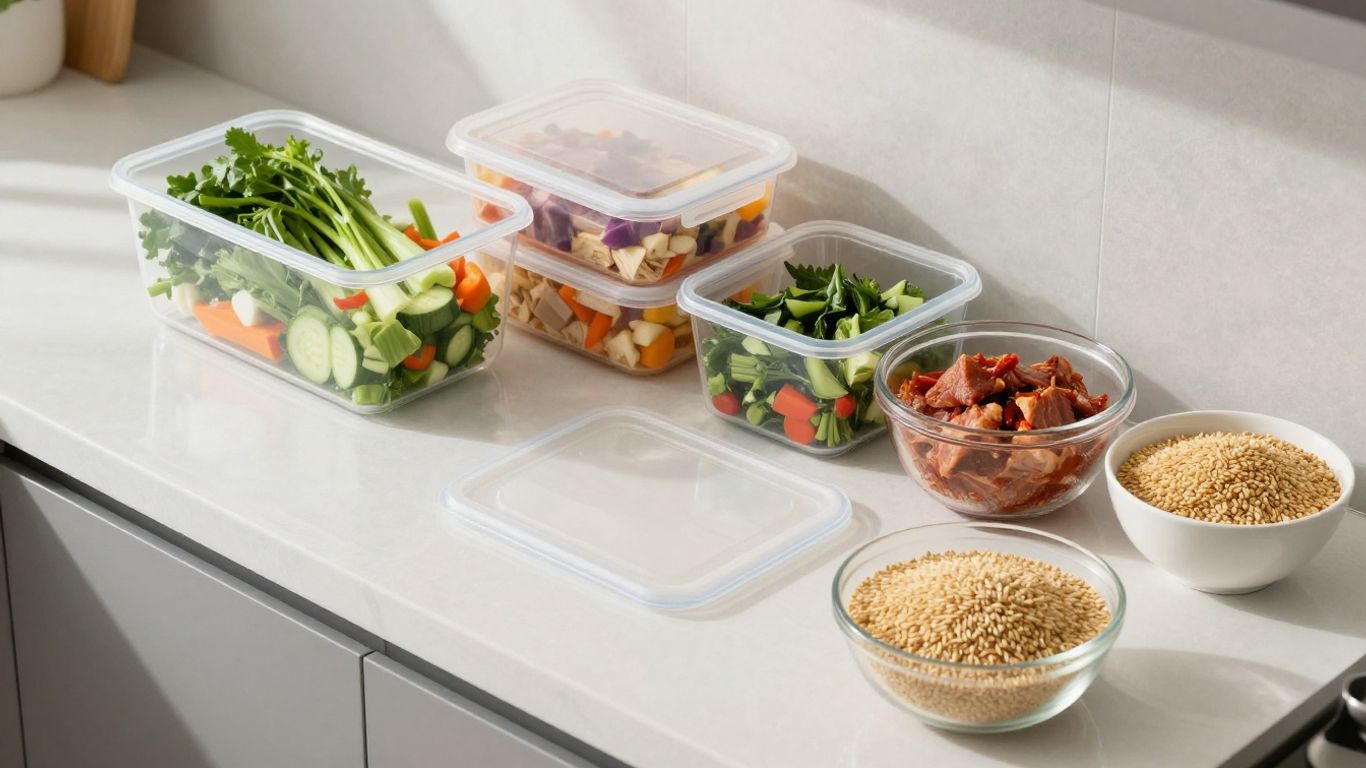
Ever come home from work, look at the clock, and realize you have no clue what’s for dinner? I’ve been there. That’s why I started using mise en place at home—not just for fancy recipes, but for real life. It’s not about being a chef; it’s about making cooking during the week way less stressful. With a little prep up front, you can set yourself up to cook fast, eat better, and not dread the kitchen. Here’s how you can use mise en place to get your meals sorted for the week, without turning your Sunday into a marathon.
Key Takeaways
- Mise en place means prepping ingredients ahead so cooking is faster and less stressful during the week.
- A bit of planning up front helps you save time, cut down on food waste, and keeps your meals more interesting.
- You don’t have to prep everything—just focus on grains, veggies, proteins, and a couple of sauces or dressings.
- Good storage containers make a big difference; they help keep your prepped food fresh and easy to grab.
- Mise en place is flexible—do as much or as little as you need, and adjust for busy weeks or when you want to try something new.
Understanding Mise en Place: The Foundation of Efficient Cooking
What is Mise en Place?
Mise en place, a French term meaning "everything in its place," is more than just a fancy cooking phrase. It’s a practical system for organizing your kitchen and your workflow before you even turn on the stove. Think of it as setting the stage for a smooth performance. Instead of scrambling to find ingredients, chop vegetables, or measure spices mid-recipe, you do all of that before you start cooking. This means everything you need – from pre-portioned ingredients to the right utensils – is prepped, measured, and within easy reach. It’s about creating order so that the actual cooking process can be focused and efficient.
The Professional Kitchen’s Secret Weapon
In professional kitchens, where speed and precision are everything, mise en place isn’t just a suggestion; it’s a non-negotiable rule. Chefs and their teams spend significant time prepping ingredients, organizing their stations, and planning their cooking sequence. This meticulous preparation allows them to handle high-volume orders, maintain consistent quality, and keep the kitchen running smoothly, even during the busiest rushes. It’s the backbone of their ability to turn out perfectly executed dishes time after time, without the chaos that can easily derail a less organized operation. This system minimizes errors, reduces stress, and ultimately leads to better food.
Beyond the Restaurant: Applying Mise en Place at Home
While it sounds like something reserved for fancy restaurants, mise en place is incredibly beneficial for home cooks too. Life at home often comes with its own set of distractions – kids, pets, unexpected phone calls – making kitchen organization even more important. By adopting a mise en place approach, you can transform your cooking experience from a rushed, stressful event into a more controlled and enjoyable one. It helps you save time, reduce waste, and gain the confidence to tackle more complex recipes. It’s about making your kitchen work for you, not against you.
The core idea is simple: prepare everything before you cook. This might seem like it adds extra time upfront, but the minutes spent prepping are repaid many times over by a smoother, faster, and less chaotic cooking process. It’s an investment in your time and your sanity.
Here’s a quick look at what goes into your mise en place:
- Read the Recipe Thoroughly: Understand all the steps and ingredients before you begin.
- Gather Your Tools: Collect all necessary pots, pans, knives, bowls, and utensils.
- Prep Your Ingredients: Wash, chop, dice, mince, measure, and portion everything as the recipe directs.
- Organize Your Workspace: Arrange your prepped ingredients and tools logically on your counter.
- Preheat: Get your oven or stovetop to the correct temperature.
The Tangible Benefits of Embracing Mise en Place
Reclaiming Your Time in the Kitchen
Think about those nights when dinner feels like a race against the clock. You’re chopping, stirring, and trying to remember if you added the salt, all while juggling other tasks. Mise en place changes that. By doing the prep work beforehand – chopping your onions, measuring your spices, having your proteins ready – you cut down on the frantic, last-minute scrambling. This organized approach means your actual cooking time is smoother and often shorter. Instead of stopping to find that one spice or dice an ingredient you forgot, you’re simply assembling and cooking. It’s like having a head start on your meal, freeing up mental space and reducing the overall time spent in the kitchen.
Cultivating Culinary Variety and Flexibility
When your ingredients are prepped and waiting, trying new recipes or adapting existing ones becomes much less daunting. You’re not locked into a single meal because it’s the easiest to execute with your current level of preparedness. Having a selection of prepped vegetables, cooked grains, or marinated proteins means you can pivot. Maybe you planned for chicken but have some fish that looks great? With your mise en place ready, you can make that switch easily. This flexibility encourages culinary exploration and helps you break out of mealtime ruts without adding extra stress.
Minimizing Food Waste Through Organization
One of the quiet heroes of mise en place is its impact on food waste. When you plan your meals and prep ingredients accordingly, you’re more likely to use what you have before it spoils. Instead of finding a sad, forgotten bunch of cilantro wilting in the crisper drawer, you’ve already chopped it for tonight’s tacos or tomorrow’s soup. This organized approach helps you:
- Track what you have: Seeing your prepped ingredients laid out makes it clear what needs to be used soon.
- Use ingredients efficiently: You’re more likely to use up smaller amounts of herbs, vegetables, or aromatics when they’re ready to go.
- Avoid impulse buys: Knowing you have components ready can reduce the need for last-minute grocery runs, which often lead to buying more than you need.
A well-organized pantry and fridge, stocked with prepped components, acts as a visual reminder of your available resources. This visibility is key to making conscious decisions about what to cook and preventing perfectly good food from ending up in the bin. It’s a small change that makes a big difference to your grocery bill and the environment.
| Benefit Category | Specific Advantage |
|---|---|
| Time Savings | Reduced active cooking time |
| Stress Reduction | Less frantic searching and chopping |
| Food Waste | Better utilization of ingredients |
| Culinary Range | Easier to try new dishes or adapt recipes |
Essential Components of Your Weekly Mise en Place
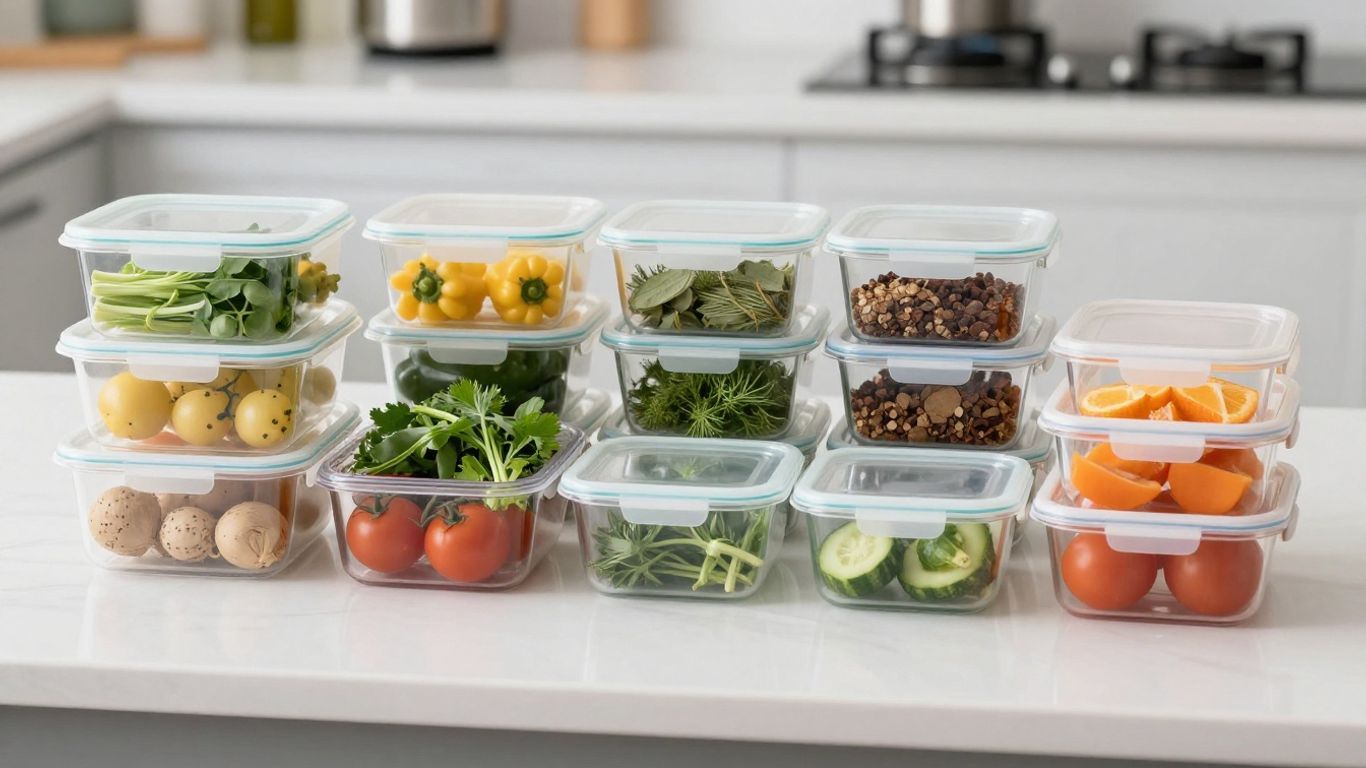
Getting your kitchen ready for the week ahead is all about setting up those core ingredients that make cooking fast and easy. Think of it as building a solid foundation so you can whip up meals without a second thought. This isn’t about cooking every single meal in advance, but rather prepping the building blocks.
Mastering Grains: A Versatile Base
Cooking a batch of grains at the start of the week is a game-changer. Grains like rice, quinoa, or farro are incredibly adaptable. You can use them as a simple side dish one night, toss them into a hearty salad the next, or even transform leftovers into something new, like fried rice. It’s a nearly hands-off process; get a pot going and use that time to tackle other prep tasks.
- Brown Rice: Great for side dishes or burrito bowls.
- Quinoa: Perfect for quick salads or as a base for bowls.
- Farro: Adds a satisfying chew to salads and bowls.
- Wild Rice: Excellent in grain bowls and soups.
Prepping Vegetables for Instant Use
Chopping vegetables might seem tedious, but having them ready to go saves so much time during the week. Whether you’re roasting them for a quick side, adding them to a stir-fry, or tossing them into a soup, pre-chopped veggies mean you can start cooking immediately. Roasting or grilling a large batch of vegetables can also be a smart move, providing an easy addition to salads and bowls, or serving as a standalone side.
Preparing Proteins for Quick Assembly
Consider the proteins you’ll be using throughout the week. This could involve marinating chicken or fish, portioning out ground meat, or even cooking some beans. Having your proteins prepped means they’re ready to be thrown into a pan, baked, or added to a dish with minimal fuss. This step is key to turning simple ingredients into complete meals quickly.
Preparing these core components ahead of time transforms your weeknight cooking from a chore into a pleasure. It’s about having the flexibility to create a variety of meals without the daily grind of chopping and measuring.
Crafting Flavorful Sauces and Condiments Ahead
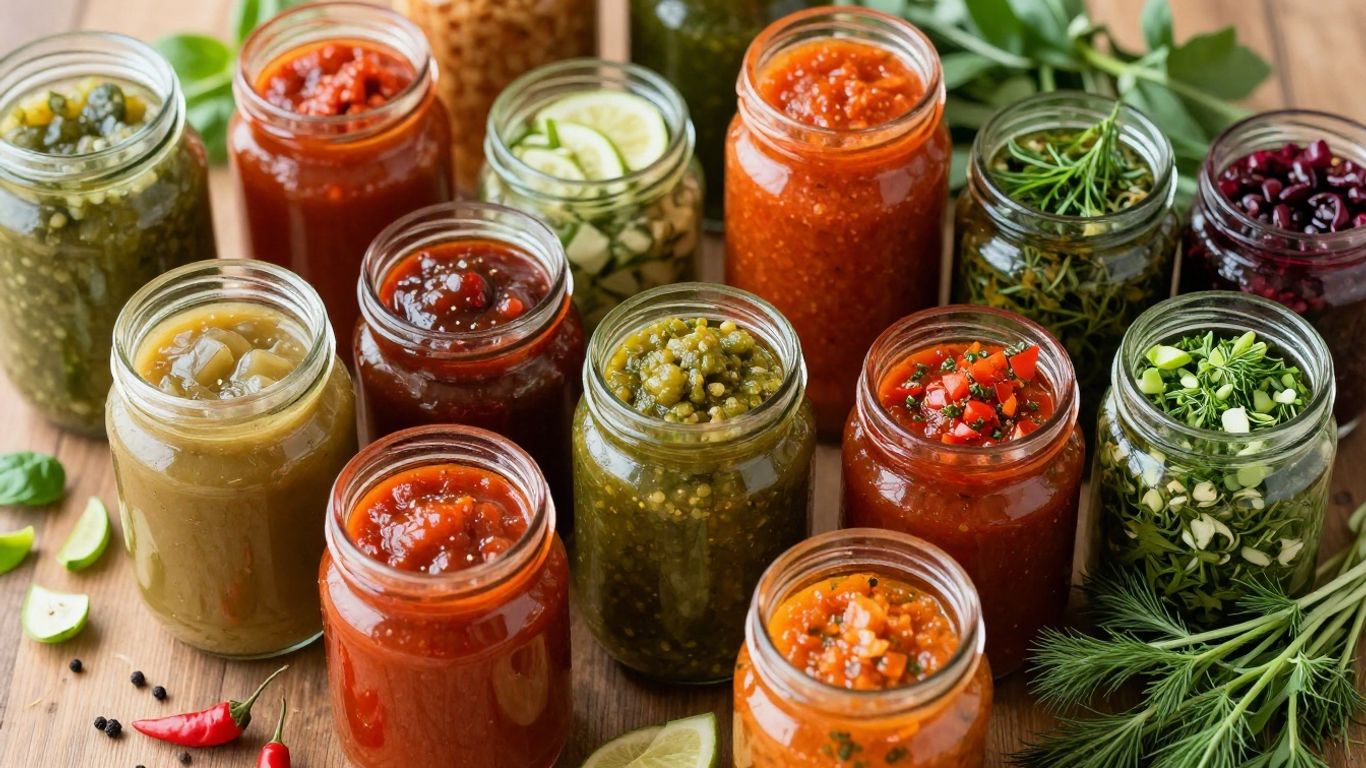
Think about your favorite meals. What often makes them truly memorable? It’s usually the little things – that zesty dressing, the rich sauce, or a punchy marinade that ties everything together. Preparing these flavor boosters ahead of time is a game-changer for weeknight cooking. It’s like having a secret weapon ready to transform simple ingredients into something special.
The Power of Pre-Made Marinades
Marinades do more than just add flavor; they tenderize proteins, making them more enjoyable to eat. Instead of rushing to mix one up when you’re already short on time, get it done during your prep session. You can mix up a batch of your go-to marinade, toss it with your chosen protein (chicken, tofu, fish, or even vegetables), and let it sit in the fridge. When dinner time rolls around, all you have to do is cook it. This simple step means you can enjoy deeply flavored, tender results without any last-minute fuss.
Versatile Sauces for Weeklong Flavor
Having a few go-to sauces ready to go can seriously change your cooking game. Imagine whipping up a big batch of pesto, a creamy cashew sauce, or a vibrant chimichurri. These aren’t just for one dish; they can be used in so many ways. Drizzle pesto over pasta, dollop chimichurri on grilled meats, or stir cashew cream into a soup for extra richness. These sauces act as flavor bombs, ready to liven up any meal. They store well in airtight containers in the refrigerator for several days, making them perfect for adding a quick flavor boost whenever you need it.
Homemade Dressings: Freshness in a Jar
Store-bought salad dressings are convenient, but they often contain preservatives and ingredients you might not want. Making your own is surprisingly easy and tastes so much better. A simple vinaigrette, a creamy ranch, or a tangy lemon dressing can be whisked up in minutes. Prepare a jar during your mise en place session, and you’ll have fresh, delicious dressing ready for salads all week. It’s a healthier, tastier alternative that requires minimal effort when you’re ready to eat.
Strategic Mise en Place for Specific Meal Types
Streamlining Soup, Chili, and Stew Preparation
Soups, chilis, and stews are perfect candidates for a little ahead-of-time prep. Think about it: these dishes often taste even better the next day, so why not get a head start? You can chop all your aromatics like onions, garlic, and celery, and store them in a container. Pre-cut your vegetables – carrots, potatoes, bell peppers – and keep them separate or grouped by the dish they’re intended for. If you’re making a hearty stew, you can even brown your meat ahead of time and portion it out. This way, when you’re ready to cook, it’s mostly a matter of combining and simmering.
- Chop aromatics: Onions, garlic, ginger, celery.
- Dice vegetables: Carrots, potatoes, bell peppers, leeks.
- Portion proteins: Browned ground meat, cubed stew meat, shredded chicken.
When you have these components ready, the actual cooking process becomes significantly less demanding, allowing you to focus on developing the deeper flavors of your slow-cooked meals without the rush.
Effortless Mise en Place for Taco Night
Taco night can be a whirlwind of chopping and cooking, but with a bit of mise en place, it transforms into a fun, interactive meal. Pre-cook your ground meat or other protein, seasoning it as you go. Chop all your toppings: lettuce, tomatoes, onions, cilantro. Grate your cheese and prepare any salsas or guacamole. The key here is to have everything ready to go so everyone can assemble their own tacos quickly. This makes taco night less about kitchen duty and more about enjoying the meal together.
- Cooked protein: Seasoned ground beef, shredded chicken, black beans.
- Chopped toppings: Lettuce, tomatoes, onions, jalapeños, cilantro.
- Shredded cheese and prepared dips: Sour cream, salsa, guacamole.
Simplifying Entrée Salads and Bowls
Salads and grain bowls are fantastic for using prepped ingredients. You can cook a batch of grains like quinoa, rice, or farro at the beginning of the week. Roast or grill a variety of vegetables – broccoli, sweet potatoes, Brussels sprouts – and store them. Portion out your proteins, whether it’s grilled chicken, baked tofu, or hard-boiled eggs. Having these elements ready means you can assemble a nutritious and satisfying meal in minutes, just by layering your prepped components in a bowl. It’s a great way to ensure you’re eating well even on the busiest days.
The Role of Smart Storage in Mise en Place Success
Investing in Quality Food Storage Containers
Okay, so you’ve chopped your veggies, measured your spices, and prepped your proteins. Now what? This is where smart storage comes in. Without the right containers, all that hard work can go to waste, or worse, become a disorganized mess in your fridge. Think of your storage containers as the organized shelves in a professional kitchen – everything has its place, making it easy to find what you need.
When you’re starting out, you don’t need a whole fancy set of specialized bowls. Those OXO Good Grips containers you use for leftovers? They work perfectly fine. They come in different sizes, which is handy for everything from a pinch of salt to a whole chopped onion. Plus, they usually have lids, so you can stack them up and keep things fresh. If you want to go a bit more classic, a set of Duralex stackable glass bowls is also a great choice. The key is having a variety of sizes so you can portion things out neatly.
Vacuum Sealing for Extended Freshness
If you’re really looking to level up your mise en place game, especially if you prep ingredients for more than a few days, a vacuum sealer can be a game-changer. This isn’t just about keeping food fresh; it’s about preserving the quality. When you vacuum seal, you remove most of the air, which significantly slows down spoilage and prevents freezer burn. This means your pre-chopped herbs stay vibrant, your marinated chicken doesn’t get slimy, and your cooked grains don’t develop that stale texture.
It’s especially useful for things like:
- Marinated meats or tofu
- Cooked grains like rice or quinoa
- Chopped aromatics like onions and garlic
- Sauces and purees
While it might seem like an extra step, the payoff in terms of freshness and reduced waste is pretty significant. You’re essentially creating mini, perfectly preserved meal components.
Organizing Your Prepped Ingredients
This is where it all comes together. Once your ingredients are prepped and stored, you need a system for putting them away so you can actually find them later. Imagine opening your fridge and seeing rows of neatly labeled containers, sorted by type or by the meal they belong to. That’s the goal.
Here’s a simple way to think about organizing:
- Group by Meal: If you’ve prepped components for specific meals (like taco night fillings or salad toppings), keep those containers together. A dedicated shelf or bin can work wonders.
- Group by Ingredient Type: For general prep, group similar items. All your chopped vegetables can go in one section, proteins in another, and sauces or dressings in the door.
- Label Everything: Seriously, don’t skip this. A simple label with the ingredient and the date it was prepped can save you a lot of guesswork and potential food waste.
Having a well-organized storage system means that when it’s time to cook, you’re not digging through a jumbled mess. You can pull out exactly what you need, when you need it, without disrupting your entire refrigerator. It’s about making the final cooking step as smooth as the prep work that came before it.
Think of your fridge as your personal pantry. The more organized it is, the faster and more enjoyable your cooking will be. It turns that moment of
Integrating Mise en Place into Your Cooking Routine
So, you’ve prepped your veggies, measured your spices, and maybe even marinated your chicken. Now what? It’s time to make this organized approach a regular part of your kitchen life. It might seem like an extra step at first, but trust me, it makes a world of difference.
The PWWB Framework for Home Chefs
Think of your cooking routine like a well-oiled machine. The PWWB framework is a simple way to think about it:
- Plan: Before you even think about touching an ingredient, take a few minutes to read through your recipe. What are the steps? What ingredients do you need? What tools will you use? This initial planning prevents those
Beyond the Basics: Optional Mise en Place Enhancements
So, you’ve got your grains cooked, veggies chopped, and proteins prepped. That’s fantastic! But what if you have a little extra time or energy and want to get even more out of your kitchen prep sessions? This is where we can get a bit creative and add some optional, yet incredibly rewarding, layers to your weekly mise en place.
Preparing Breakfast and Lunch Components
While dinner often gets the spotlight, don’t forget about the other meals of the day. Taking a few extra minutes to prep breakfast and lunch items can be a game-changer for busy weekdays. Think about hard-boiling a batch of eggs for quick breakfasts or lunches, or prepping ingredients for overnight oats. You could also make a big batch of a hearty grain salad that works well for lunches throughout the week. This way, you’re not starting your day or your midday break from scratch.
Tackling Kitchen Projects and Recipes
Mise en place is also a perfect opportunity to tackle those more involved recipes or kitchen projects you’ve been meaning to try. Since you’re already in the zone and have your workspace set up, why not make a batch of homemade hummus, cook a pot of dried beans, or even start a slow-simmering sauce? These kinds of projects often require a good amount of inactive time, so getting them done during your prep session means you can enjoy the results later without the extra effort during a busy weeknight.
Meal Prepping Desserts for Sweet Cravings
Who says mise en place is just for savory dishes? You can absolutely extend your prep to include sweet treats. Having pre-portioned cookie dough balls ready to bake, or a batch of energy bites or bliss balls prepped and stored in the freezer, can be a lifesaver when a sweet craving strikes. It’s a simple way to have homemade goodies on hand without the last-minute baking session.
The beauty of these optional enhancements is that they are entirely driven by your own needs and desires. There’s no pressure to do them; they are simply opportunities to make your week even smoother and more enjoyable. If you have the time and inclination, go for it! If not, that’s perfectly fine too. The core principles of mise en place will still serve you well.
Common Pitfalls of Skipping Mise en Place
The Chaos of Unprepped Ingredients
Skipping the prep work before you start cooking is like trying to build furniture without unpacking the box. You’ll find yourself scrambling for ingredients, tools, and even basic instructions mid-recipe. One minute you’re chopping an onion, the next you’re frantically searching for a measuring cup or realizing the garlic needs mincing right now. This constant back-and-forth breaks your flow and turns what should be an enjoyable activity into a stressful race against the clock. The result is often a kitchen that looks like a culinary disaster zone.
Consequences for Food Quality and Taste
When you’re not prepared, your food suffers. You might overcook that chicken because you were busy chopping vegetables, or under-season your pasta sauce because you forgot to add the herbs until it was too late. Ingredients might not be chopped uniformly, leading to uneven cooking. It’s hard to focus on the nuances of flavor and texture when you’re just trying to keep up. You end up with meals that are just ‘okay’ instead of the delicious dishes you envisioned.
The Stress of Rushed and Reactive Cooking
Cooking without a plan means you’re always reacting, never truly in control. Instead of calmly following steps and enjoying the process, you’re constantly putting out fires. Did I add the salt? Is the pan hot enough? Where did I put the lid? This reactive mode is exhausting and takes all the joy out of cooking. It can make even simple weeknight meals feel like a major ordeal, leading to a feeling of dread rather than anticipation when it’s time to eat.
The time spent prepping ingredients beforehand is an investment. It pays dividends in a smoother cooking process, better-tasting food, and a much calmer kitchen environment. Skipping this step might feel like a shortcut, but it almost always leads to more work and frustration down the line.
Mise en Place: A Flexible Approach for Every Cook
Mise en place, that French term for ‘everything in its place,’ isn’t just for fancy restaurant kitchens. It’s a way of working that can adapt to your life, no matter how busy or unpredictable it gets. Think of it less as a rigid set of rules and more as a helpful strategy to make cooking smoother and more enjoyable.
Adapting Mise en Place for Busy Weeks
Life happens, and sometimes a full weekend prep session just isn’t in the cards. That’s perfectly okay! The beauty of mise en place is its flexibility. Instead of prepping every single ingredient for every meal, focus on what will give you the biggest payoff during the week. This might mean just chopping onions and peppers for a few stir-fries, or portioning out chicken breasts for quick grilling. Even a little bit of prep goes a long way.
- Identify your busiest days: Pinpoint which evenings are likely to be the most rushed.
- Prioritize high-impact prep: Focus on ingredients that are used in multiple meals or take the longest to prepare.
- Batch similar tasks: If you’re chopping carrots for a stew, chop extra for a salad later in the week.
The goal isn’t to have every single component perfectly prepped weeks in advance. It’s about reducing the friction points during your actual cooking time, making weeknight meals feel less like a chore and more like a creative outlet.
Embracing Spontaneity with Prepared Components
Having some elements of your meal ready ahead of time doesn’t mean you lose the ability to be spontaneous. In fact, it can do the opposite! When your base ingredients are prepped, you have more freedom to experiment. Maybe you planned for grilled chicken, but on a whim, you decide to make a quick curry. With your chicken portioned and your aromatics chopped, you’re much more likely to go with that creative impulse.
- Prepped proteins: Ready to be seasoned and cooked in minutes.
- Chopped vegetables: Waiting to be added to a quick sauté or salad.
- Sauce bases: A quick whisk can turn them into a flavorful addition.
The Joy of Cooking with Confidence
Ultimately, adapting mise en place to fit your lifestyle is about building confidence in the kitchen. When you know that your ingredients are ready and waiting, you can approach cooking with a sense of calm and control. This reduces stress, minimizes mistakes, and allows you to truly savor the process of creating delicious food. It transforms cooking from a race against the clock into a rewarding and enjoyable activity. The peace of mind that comes from being prepared is truly transformative.
Getting ready to cook is super important, and we call it "Mise en Place." It means having all your ingredients chopped, measured, and ready to go before you start cooking. This makes cooking way easier and more fun, whether you’re a beginner or a pro. Want to learn more simple cooking tips? Visit our website for easy guides and recipes!
Your Kitchen, Your Rules
So, that’s the lowdown on making your weeknights easier with a little bit of kitchen prep. It’s not about spending your whole weekend chopping onions, but about setting yourself up for success. Think of it as a small investment of time that pays off big time when you’re tired and just want to get dinner on the table without a fuss. You can totally adapt this to fit your life, whether you’re cooking for one or a whole crew. Start small, see what works, and pretty soon, you’ll be wondering how you ever cooked without it. Happy cooking!
Frequently Asked Questions
What exactly is ‘mise en place’?
Mise en place is a fancy French term that basically means ‘everything in its place.’ It’s like getting all your ingredients ready and organized before you start cooking. Think of it as prepping all your veggies, measuring out your spices, and having everything you need right in front of you, so cooking becomes super smooth.
Why do chefs use mise en place so much?
Chefs use it because it’s their secret to cooking fast and perfectly, even with complicated dishes. When everything is prepped and ready to go, they can focus on the cooking itself, making sure it’s done just right without any last-minute scrambling.
Can I really use mise en place at home, even if I’m not a chef?
Absolutely! It’s perfect for home cooks. It helps you save time during busy weeknights, makes cooking more enjoyable, and can even help you try out new recipes without feeling overwhelmed by the prep work.
What are the main benefits of doing mise en place?
The biggest perks are saving time, being able to cook a wider variety of meals easily, and wasting less food because you know exactly what you have. It makes your whole cooking process much more organized and less stressful.
What kind of things should I prep for my weekly mise en place?
Good things to prep include cooking a batch of grains like rice or quinoa, chopping up vegetables for different meals, preparing proteins like chicken or beans, and mixing up sauces or dressings. These staples can be used in many different dishes throughout the week.
How does mise en place help reduce food waste?
When you have your ingredients prepped and stored neatly, you can see what you have. This makes you more likely to use what’s in your fridge before it goes bad, instead of ordering takeout because you don’t know what to make or can’t find what you need.
What happens if I skip mise en place?
If you skip it, cooking can get chaotic. You might end up burning things, forgetting ingredients, or just feeling stressed trying to catch up. It often leads to rushed meals, less-than-perfect taste, and a messy kitchen.
Does mise en place take a lot of time to do?
It depends on what you’re making, but for most home cooks, it might take about 5 to 15 minutes. Even for more complex meals, the time you spend prepping pays off by making the actual cooking much faster and smoother.