

An anti-inflammatory plate is mostly plants: vegetables, fruit, beans and whole grains, with olive oil as the main fat and fatty fish, nuts or seeds for omega-3s. It won’t replace treatment for arthritis or an injury, but this way of eating supports overall health and may help with the low-grade inflammation that can make joints feel worse. Pair it with gentle daily movement, which often does more for stiff mornings than any single food.
What “anti-inflammatory eating” actually means
There’s no single anti-inflammatory food that fixes sore joints. What the research points to is an overall pattern. Harvard Health’s summary of foods that fight inflammation lists tomatoes, olive oil, leafy greens, nuts such as almonds and walnuts, fatty fish like salmon, mackerel and sardines, and fruits such as strawberries, blueberries, cherries and oranges. The same article lists foods to limit: refined carbohydrates such as white bread and pastries, fried foods, sugar-sweetened drinks, and red and processed meats.
That pattern closely matches the Mediterranean way of eating. Mayo Clinic describes the Mediterranean diet as focused on plants, with extra virgin olive oil as the main fat, plenty of beans and legumes, nuts and seeds, and fatty fish, and notes that omega-3 fats may lessen inflammation.
Build a mobility plate
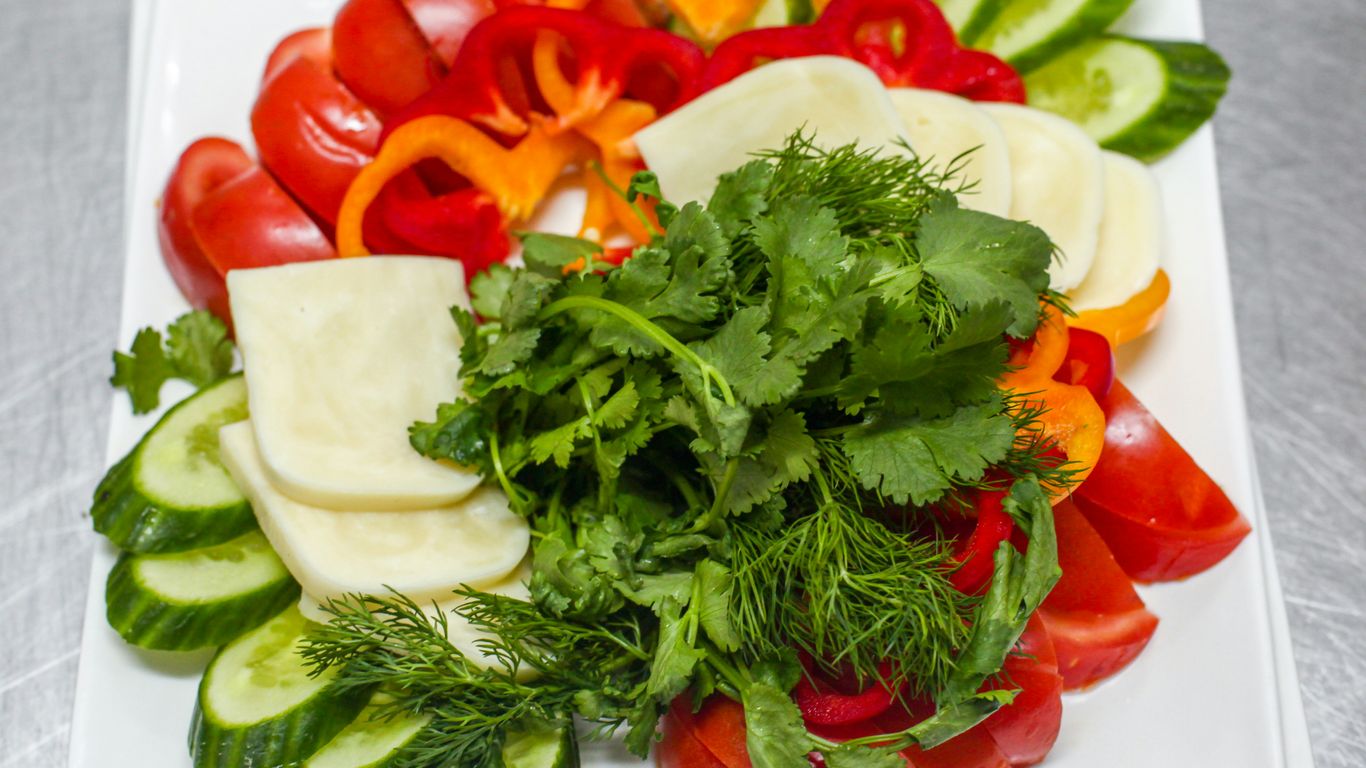
Use this as a template rather than a rulebook. It fits neatly with Canada’s Food Guide plate: half vegetables and fruit, a quarter whole grains, a quarter protein.
| Part of the plate | Choose from |
|---|---|
| Half: vegetables and fruit | Leafy greens, tomatoes, peppers, broccoli, cauliflower, cabbage, carrots, berries, cherries, oranges |
| A quarter: whole grains or starchy veg | Oats, brown rice, barley, quinoa, whole grain bread or pasta, sweet potato |
| A quarter: protein | Salmon, sardines, trout, lentils, chickpeas, black beans, tofu, eggs, Greek yogurt |
| Fat and flavour | Extra virgin olive oil, a sprinkle of walnuts, ground flax or chia, ginger, garlic, turmeric, herbs |
A day of mobility meals
Breakfast for stiff mornings
- Oats cooked in milk or a fortified plant beverage, topped with berries or thawed frozen cherries, ground flax and walnuts.
- Plain Greek yogurt with sliced orange, a spoon of chia seeds and a little cinnamon.
- Whole grain toast with mashed avocado, tomato slices and an egg.
Warm breakfasts are comforting when you wake up stiff, and they’re easy to eat while you’re still loosening up.
Lunch
- Lentil and vegetable soup with a drizzle of olive oil and a slice of whole grain bread.
- Big salad of leafy greens, chickpeas, cherry tomatoes, cucumber, red onion and an olive oil and lemon dressing.
- Whole grain wrap with canned salmon, shredded cabbage and plain yogurt-dill sauce.
Dinner
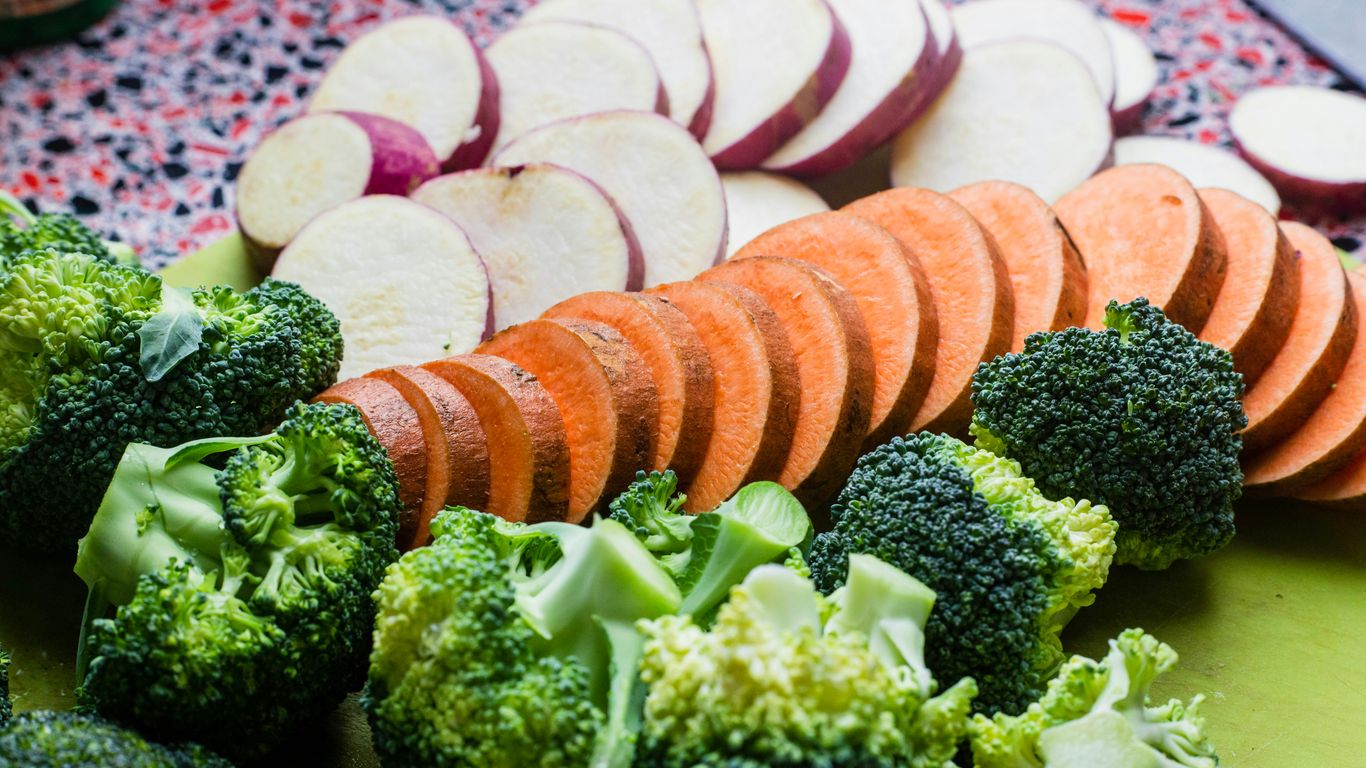
- Sheet-pan salmon with broccoli, peppers and sweet potato, roasted in olive oil with garlic.
- Bean and vegetable chili served over brown rice.
- Tofu and vegetable stir-fry with ginger and garlic over barley or quinoa.
Snacks
- An orange and a small handful of almonds.
- Carrot and pepper sticks with hummus.
- Yogurt with berries.
Budget-friendly staples to keep on hand
Eating this way doesn’t require specialty products. A well-stocked pantry and freezer make it easy most nights:
- Canned salmon, sardines and light tuna
- Dried or canned lentils, chickpeas and beans
- Rolled oats, brown rice and barley
- Frozen berries, cherries, spinach and broccoli
- Canned tomatoes and tomato paste
- Extra virgin olive oil, walnuts and ground flax
- Garlic, onions, fresh ginger and dried turmeric
Frozen produce is picked and frozen at its peak, so it’s a perfectly good choice for smoothies, oats, soups and stir-fries.
Omega-3s: fish, nuts and seeds
Fatty fish such as salmon, sardines, trout and mackerel are the richest food sources of the long-chain omega-3s. If you eat fish, aim to include it regularly through the week. Canned salmon and sardines are inexpensive, shelf-stable and work in sandwiches, salads and pasta.
If you don’t eat fish, walnuts, ground flax, chia and hemp seeds provide a plant omega-3. They’re easy to stir into oats, yogurt, smoothies or salads. For shopping lists and menus, see our omega-3 upgrade guide.
Spices: ginger, garlic and turmeric
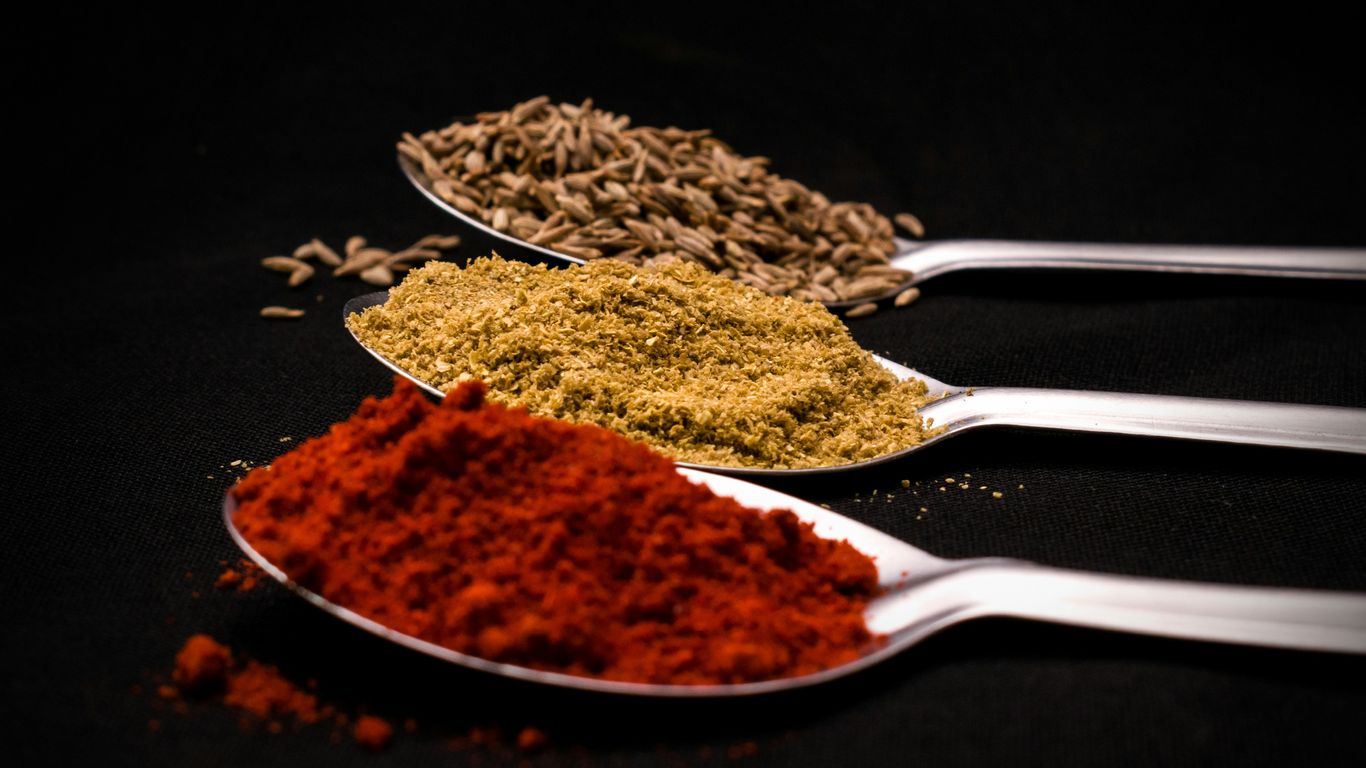
Ginger, garlic, onions and turmeric add a lot of flavour, which makes vegetable-heavy meals more enjoyable. Turmeric gets the most attention. The U.S. National Center for Complementary and Integrative Health notes that studies of turmeric and curcumin for osteoarthritis are encouraging but that higher-quality evidence is still needed before firm conclusions can be drawn.
Using these spices in cooking is a pleasant, low-risk habit. Supplements are a different matter: they can interact with medications and aren’t right for everyone, so talk to your doctor or pharmacist before starting one.
What to drink
- Water first, through the day.
- Herbal teas such as ginger, peppermint or rooibos, for warmth on cold, stiff mornings.
- Milk or a fortified plant beverage, which also add calcium and vitamin D for bones.
- Smoothies made with berries, cherries, spinach and yogurt.
Sugar-sweetened drinks are on the “limit” list for inflammation, so keep pop and sweetened specialty drinks occasional. Skipping alcohol altogether also supports better sleep and recovery, which matters when you’re managing sore joints.
Foods to cut back on
- White bread, pastries and other refined grains: swap for whole grain versions.
- Fried foods: roast or air-fry instead.
- Pop and other sweetened drinks.
- Processed meats such as bacon, deli meats and sausages, and large amounts of red meat.
Some people find specific foods seem to worsen their symptoms. Before cutting out whole food groups such as dairy or gluten, talk with your doctor or a registered dietitian so you don’t miss important nutrients.
Movement for stiff mornings
Food is only part of the picture. Joints tend to loosen with gentle movement, and many people find a short routine soon after waking makes the biggest difference:
- A warm shower to start.
- Five minutes of easy range-of-motion work: ankle circles, knee bends, shoulder rolls, gentle neck turns.
- A short walk around the house or block.
- Breakfast, then get on with the day, taking movement breaks if you sit for long periods.
Our guide to stretching exercises has more ideas, and our anti-inflammatory foods article covers the food side in more depth.
When to check with a professional
- Joint pain with swelling, redness or warmth.
- Morning stiffness that lasts a long time or is getting worse.
- Pain after an injury, or pain that wakes you at night.
- Joint symptoms with fever, unexplained weight loss or fatigue.
- Before starting supplements such as turmeric or fish oil, especially if you take blood thinners or other medications.
A doctor or physiotherapist can help find the cause, and a registered dietitian can tailor an eating plan to your health needs.
Takeaways
- Fill half your plate with vegetables and fruit, and choose whole grains.
- Use olive oil as your main fat; add nuts, seeds and fatty fish for omega-3s.
- Cook with ginger, garlic and turmeric for flavour; check with a professional before supplements.
- Drink water, herbal teas and milk; limit sweetened drinks.
- Cut back on refined grains, fried foods and processed meats.
- Move gently every morning. It’s one of the best tools for stiffness.