You’ve probably seen omega-3s mentioned everywhere, from health food stores to food packaging. But what exactly are they, and why should you care? It turns out these healthy fats are super important for your body, not just for general health but especially if you’re active. Forget those fish oil pills for a minute; we’re going to look at how you can get more omega-3s right from your plate. We’ll cover the best foods, easy meal ideas, and how to stock your pantry to make sure you’re getting enough of this underrated nutrient.
Key Takeaways
- Omega-3 fatty acids, including DHA, EPA, and ALA, are vital for overall body function and have specific benefits for athletes.
- Fatty fish like salmon and trout are direct sources of beneficial EPA and DHA, while plant-based options like walnuts, flaxseeds, and chia seeds provide ALA, which the body converts.
- Simple food swaps, such as using walnut butter instead of peanut butter or incorporating seaweed into meals, can easily boost your omega-3 intake.
- Incorporating omega-3 rich foods into meals like quick sushi bowls, salmon cakes, and lettuce wraps makes it easy to meet your daily needs.
- Beyond athletic performance, omega-3s support cognitive function, muscle maintenance, and joint health, making them beneficial as we age.
Understanding Omega-3 Fatty Acids
![]()
The Three Types: DHA, EPA, and ALA
So, what exactly are these omega-3s everyone talks about? Think of them as a family of healthy fats that our bodies really need, but can’t make on their own. That’s why we call them ‘essential’. There are three main players in this family: DHA, EPA, and ALA. Each one does its own thing, but they all work together for our well-being.
- DHA (Docosahexaenoic Acid): This one is a big deal for your brain and eyes. It’s found mostly in fatty fish and algae. It helps keep your thinking sharp and your vision clear, especially when you’re pushing yourself physically.
- EPA (Eicosapentaenoic Acid): EPA is the inflammation fighter of the group. Also found in fatty fish, it’s known for helping your body bounce back after tough workouts and keeping general inflammation in check.
- ALA (Alpha-Linolenic Acid): This type comes from plants, like flaxseeds and walnuts. Your body can convert ALA into EPA and DHA, but it’s not super efficient. So, while ALA is good for heart health and managing inflammation, you might need more of it to get the same benefits as direct EPA and DHA sources.
Why Omega-3s Are Essential
Our bodies can’t produce these fats, so we have to get them from food. They’re not just ‘nice-to-haves’; they’re necessary for keeping everything running smoothly. From how our cells work to how our brains function, omega-3s play a part. They’re particularly important because many typical Western diets don’t include enough of them, often missing out on the benefits found in things like oily fish and certain plant foods.
Getting enough omega-3s is about more than just general health; it directly impacts how well our bodies perform, recover, and even think, especially when we’re active.
Benefits for Muscle and Recovery
If you’re active, paying attention to your omega-3 intake can make a real difference. These fats help your muscles out in a couple of ways. For starters, they can help reduce that sore, achy feeling you get after a hard workout, known as DOMS. This means you can get back to training sooner and feel less stiff. They also seem to help your muscles repair and grow better by making them more responsive to the protein you eat. Plus, for those times when you’re trying to cut down on calories, omega-3s might help protect your muscle mass from breaking down. It’s like giving your body a little extra support to keep your muscles in good shape, whether you’re training hard or just trying to maintain what you’ve got.
Top Omega-3 Foods For Your Diet
So, you want to get more omega-3s into your diet, but you’re not exactly thrilled about the idea of popping pills all the time. Good news! Nature has provided us with some seriously tasty ways to get our fix, straight from the source. It’s all about making smart choices at the grocery store and in the kitchen.
Fatty Fish: A Direct Source of EPA and DHA
When we talk about omega-3s, especially the types your body can use right away (EPA and DHA), fatty fish are the undisputed champions. Think of them as little powerhouses of goodness. They don’t require your body to do a lot of conversion work, which means you get the benefits more directly. It’s a pretty straightforward way to boost your intake.
Here are some of the best fish to look for:
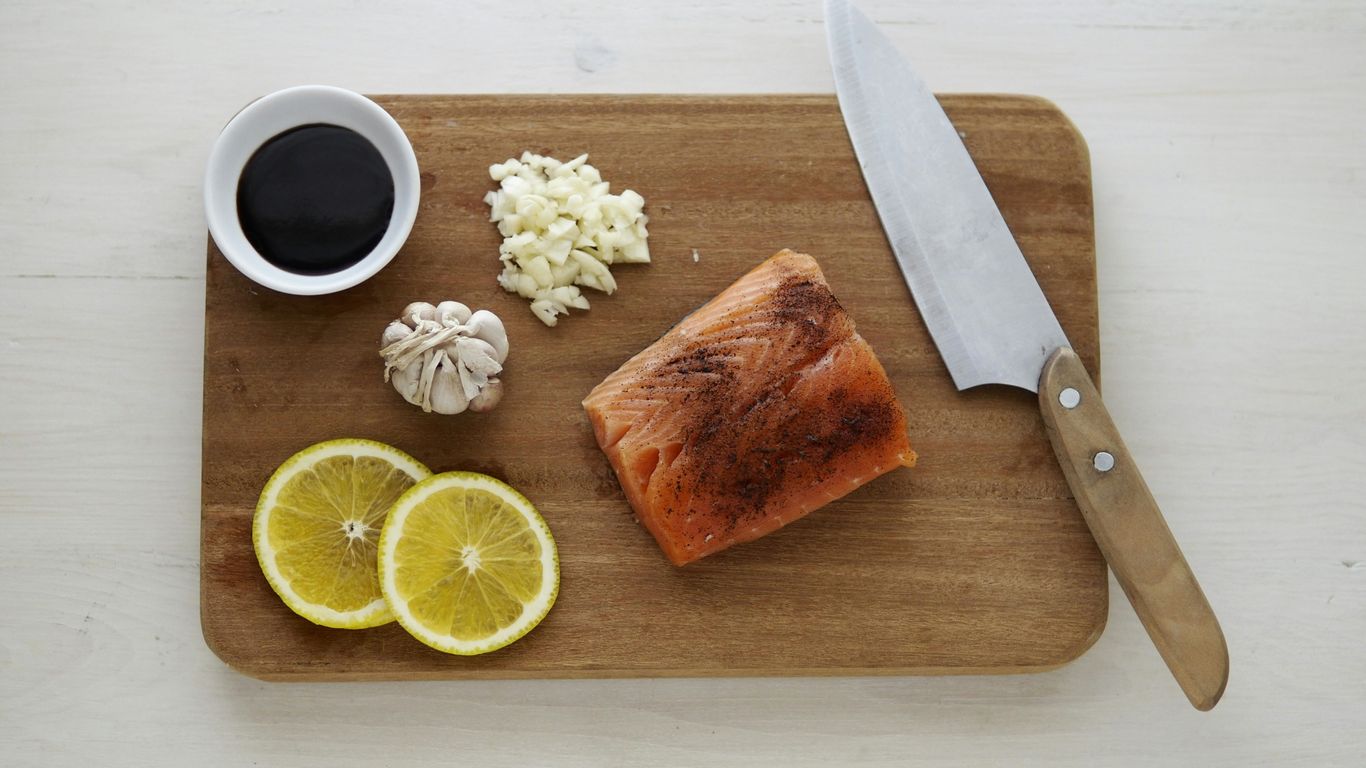
- Salmon: Whether it’s wild-caught or farmed, salmon is packed with omega-3s. It’s versatile too – bake it, grill it, or even enjoy it canned.
- Mackerel: This oily fish is a nutritional powerhouse, offering a high concentration of EPA and DHA.
- Sardines: Don’t underestimate these small fish! They’re affordable, convenient (especially canned), and loaded with omega-3s.
- Herring: Similar to sardines, herring is another excellent, often overlooked, source.
- Trout: Particularly rainbow trout, this fish provides a good amount of these beneficial fats.
Aiming for about two to three servings of these fish per week can make a significant difference. A serving is typically around 3 to 5 ounces, about the size of a deck of cards. Just try to avoid deep-fried versions, as that can negate some of the health benefits.
Plant-Based Powerhouses: ALA Sources
Not a fan of fish, or looking for more variety? No problem. There are plenty of plant-based options that provide a different type of omega-3 called ALA (alpha-linolenic acid). Your body can convert ALA into EPA and DHA, but it’s not super efficient. So, while these foods are great, you might need to eat more of them to get the same effect as fatty fish.
Here are some top plant-based choices:
- Flaxseeds: These tiny seeds are mighty. Grind them up to help your body absorb the nutrients better, and sprinkle them on everything from yogurt to oatmeal.
- Chia Seeds: Another small seed with a big punch. They absorb liquid and create a gel-like consistency, making them perfect for puddings or adding to smoothies.
- Walnuts: A fantastic snack on their own, walnuts are also great in salads or as a base for pesto instead of pine nuts.
- Hemp Seeds: These have a mild, nutty flavor and can be added to a variety of dishes.
Remember, while ALA is an essential omega-3 fatty acid, the conversion to EPA and DHA in the body is limited. It’s still beneficial to include these plant sources, but for direct EPA and DHA, fatty fish remain the most effective dietary route.
Incorporating Seaweed Into Your Meals
Seaweed might not be the first thing that comes to mind when you think of omega-3s, but it’s actually a surprisingly good source, especially for EPA and DHA. It’s a bit of an unsung hero in the world of healthy fats. Plus, it adds a unique flavor and texture to dishes.
Dried seaweed, like wakame, is readily available in many Asian markets or the international aisle of larger supermarkets. It usually just needs a quick soak in hot water to rehydrate it. You can then chop it up and add it to:
- Soups: Toss some rehydrated seaweed into miso soup or other broths.
- Salads: Mix it with other greens for a nutrient boost and a bit of chew.
- Rice Bowls: It’s a classic addition to sushi bowls, pairing well with fish and other toppings.
It’s a simple way to add a dose of omega-3s without changing your entire diet. Give it a try – you might be surprised by how much you like it!
Smart Swaps For An Omega-3 Boost
![]()
Sometimes, the easiest way to get more of something good into your diet isn’t by adding a whole new meal, but by tweaking what you’re already eating. Think of it as a little upgrade, a subtle shift that makes a big difference over time. We’re talking about making simple swaps that naturally boost your omega-3 intake without you even noticing.
From Peanut Butter To Walnut Butter
Peanut butter is a breakfast staple for many, but have you considered its nutty cousin, walnut butter? Walnuts are packed with ALA, a type of omega-3 that your body can convert into the more readily usable EPA and DHA. Making this switch is as simple as grabbing a different jar from the shelf. It’s a small change that can significantly increase your dietary omega-3s.
Choosing Omega-3 Rich Oils for Dressings
Salad dressings are another area ripe for an omega-3 upgrade. Instead of reaching for standard olive oil, try using oils like hemp seed oil or flaxseed oil. These plant-based oils are good sources of ALA. You can also add a sprinkle of walnuts or hemp seeds directly to your salads for an extra crunch and a dose of healthy fats.
Boosting Breakfast Porridge and Yogurt
Your morning bowl of porridge or yogurt can become an omega-3 powerhouse with minimal effort. Stirring in a tablespoon of ground flaxseeds or chia seeds is a fantastic way to add ALA. Chia seeds are particularly versatile; just remember to let them soak for a bit if you prefer a pudding-like texture. A sprinkle of these seeds on top of your yogurt or mixed into your oatmeal makes for a quick and easy omega-3 boost.
Meal Ideas Packed With Omega-3
Let’s talk about making meals that are not just tasty but also give you a good dose of those beneficial omega-3 fatty acids. It’s easier than you might think to weave these powerhouses into your daily eats without resorting to supplements. We’re talking about real food, real flavor, and real benefits.
Quick Sushi Bowls with Seaweed and Fish
Forget the fancy rolls if you’re short on time. A sushi bowl is your best friend here. Start with a base of cooked brown rice or quinoa. Then, toss in some flaked canned salmon or sardines – both are packed with EPA and DHA. Add some rehydrated wakame seaweed for that oceanic goodness and a sprinkle of sesame seeds. A simple dressing made with soy sauce (or tamari for gluten-free), a touch of rice vinegar, and maybe a tiny bit of honey or maple syrup ties it all together. It’s a speedy lunch or dinner that feels like a treat.
Salmon Cakes with Vegetables
These are fantastic for using up leftover salmon or even canned salmon. Mix flaked salmon with some finely chopped vegetables like red bell pepper, celery, and onion. Bind it together with an egg and a bit of whole wheat breadcrumbs or almond flour. Pan-fry them until golden brown or bake them for a lighter option. They’re great on their own, tucked into a whole-wheat bun, or served alongside a big salad. You get a solid hit of omega-3s from the salmon, plus fiber and vitamins from the veggies.
Lettuce Wraps with Smoked Trout
Smoked trout is another excellent source of EPA and DHA, and it has a lovely, delicate flavor. Shred the smoked trout and mix it with some finely diced cucumber, shallots, and a squeeze of lime juice. You can add some fresh herbs like mint or basil for extra zing. Spoon this mixture into crisp romaine lettuce leaves. It’s a light, refreshing meal that’s perfect for a warm evening or a satisfying lunch. If you want to make it more substantial, add some cooked quinoa or brown rice to the filling.
Snacks and Sides High in Omega-3
Snacks and sides are a fantastic way to sneak in extra omega-3s without even thinking about it. Forget those chalky supplements; we’re talking about delicious, real food options that make your taste buds happy and your body healthier. It’s all about making smart choices that fit into your day easily.
Energy Balls with Sesame Seeds
These little powerhouses are perfect for a quick energy boost. They’re super easy to make and pack a good dose of omega-3s, especially from the sesame seeds. Plus, you can customize them with your favorite flavors.
Here’s a basic idea of what goes into them:
- Rolled oats
- Sesame seeds
- Dates (for sweetness and binding)
- A touch of maple syrup or honey
- Optional additions like shredded coconut or cardamom powder
Just mix everything together, roll into balls, and chill. They keep well in the fridge for a week.
Chia Seed Pudding Creations
Chia seeds are tiny but mighty when it comes to omega-3s. They also offer fiber and protein, making them a really satisfying snack. The best part? They absorb liquid and turn into a pudding-like consistency, which is pretty neat.
To make chia seed pudding:
- Combine chia seeds with your liquid of choice – think almond milk, coconut milk, or even regular milk.
- Add a sweetener like maple syrup or honey, if you like.
- Stir well and let it sit for about 10-15 minutes, stirring again to prevent clumps.
- Refrigerate for at least a couple of hours, or preferably overnight, until it thickens.
Top with fresh fruit like berries or kiwi, or some chopped nuts for extra crunch and nutrients.
Nut and Seed Sprinkles
This is probably the simplest way to add omega-3s to your diet. Just keep a mix of your favorite nuts and seeds handy and sprinkle them on everything! Think about adding them to:
- Your morning yogurt or porridge
- Salads for a bit of texture
- Stir-fries or roasted vegetables
- Even baked goods like muffins or bread
Good choices include walnuts, flaxseeds (ground flaxseed is best for absorption), hemp seeds, and pumpkin seeds. A quarter cup of nuts or seeds makes a good serving. Just be mindful of portion sizes, as they are calorie-dense.
Making these small additions to your snacks and sides can really add up. It’s not about overhauling your entire diet overnight, but rather about making small, consistent swaps and additions that boost your omega-3 intake naturally through foods you actually enjoy eating.
Omega-3 For Enhanced Athletic Performance
When you’re pushing your body to its limits, every little bit of help counts. Omega-3 fatty acids, often overlooked in the typical athlete’s diet, can actually make a significant difference in how you perform and recover. It’s not just about building muscle; it’s about optimizing your entire system for peak performance.
Sharpening Focus and Reaction Times
Ever feel like your mind wanders during a tough workout or competition? The DHA component of omega-3s is particularly good for brain function. It helps maintain mental sharpness, which can translate to quicker decisions on the field or in the gym. Think better coordination and faster reaction times when it matters most. This means you can stay locked in and perform at your best, even when fatigue sets in.
Supporting Muscle Maintenance and Growth
Building and keeping muscle mass is key for many athletes. Omega-3s play a role here too. They seem to help your body use protein more effectively, which is important for repairing and building new muscle tissue after exercise. Plus, during times when you might be eating less to cut weight, omega-3s can help protect the muscle you already have. This is also helpful if you’re recovering from an injury and can’t train as much.
Reducing Inflammation for Faster Recovery
This is where omega-3s really shine for athletes. Strenuous exercise causes inflammation, which leads to that familiar muscle soreness and stiffness. Omega-3s have anti-inflammatory properties that can help dial down this response. This doesn’t mean you won’t feel anything, but it can make the pain less intense and shorter-lived. Getting your omega-3s in can help you bounce back quicker, so you’re ready for your next training session sooner.
The anti-inflammatory effects of omega-3s don’t just mask pain; they help optimize the body’s natural repair processes. This allows for stronger tissue rebuilding without the negative side effects of prolonged inflammation, leading to a more efficient recovery cycle.
Omega-3 Benefits As We Age
Getting older doesn’t mean you have to slow down or lose your edge. It turns out that omega-3 fatty acids are pretty helpful as the years go by, especially when it comes to keeping your body and mind in good shape. Think of them as a little support system for your aging self.
Maintaining Muscle Quality and Quantity
It’s a common worry: losing muscle mass as we age. This can make everyday tasks harder and impact our overall strength. Omega-3s, particularly EPA and DHA, seem to play a role in keeping your muscles healthier for longer. They might help your body use protein more effectively and could even reduce the breakdown of muscle tissue. This means that even as you get older, you’re better equipped to maintain the muscle you have, which is super important for staying active and independent.
Protecting Cognitive Function
Our brains need good nutrition too, and omega-3s are known for their brain-boosting properties. DHA, in particular, is a major building block for your brain. Keeping your omega-3 levels up can help support memory, focus, and overall cognitive sharpness. It’s like giving your brain the fuel it needs to keep firing on all cylinders, helping you stay mentally alert and engaged with the world around you.
Supporting Joint Health and Mobility
Joint stiffness and discomfort can really put a damper on things. Omega-3s have natural anti-inflammatory effects that can be a real game-changer for joint health. By helping to calm down inflammation, they can contribute to less stiffness and a better range of motion. This means you can keep moving more freely, whether it’s going for a walk, playing with grandkids, or just enjoying your day without that nagging ache.
Building Your Omega-3 Grocery List
Essential Fish and Seafood Choices
When you’re aiming to boost your omega-3 intake, hitting the seafood counter is a smart move. Fatty fish are packed with EPA and DHA, the types your body uses most directly. Think about adding these to your shopping cart:
- Salmon: Whether it’s fresh, frozen, or canned, salmon is a fantastic source. Wild-caught often has a slightly better omega-3 profile.
- Mackerel: This is a powerhouse, often overlooked but incredibly rich in omega-3s.
- Sardines: Don’t let their size fool you; these little fish pack a big omega-3 punch. They’re also a great source of calcium if you eat the bones.
- Herring: Similar to sardines, herring is a budget-friendly and nutrient-dense option.
- Trout: Rainbow trout, in particular, offers a good amount of omega-3s.
Aim to include a serving of these fish two to three times a week. A serving is typically about 3 to 5 ounces, roughly the size of a deck of cards for adults.
Key Plant-Based Omega-3 Ingredients
While fish are direct sources, plant-based foods offer ALA, another important omega-3 fatty acid. Your body can convert ALA into EPA and DHA, though not always super efficiently, so you’ll want to consume these regularly.
- Flaxseeds: Ground flaxseeds are best for absorption. Sprinkle them on your morning oatmeal, yogurt, or blend them into smoothies.
- Chia Seeds: These tiny seeds are incredibly versatile. Soak them to make pudding, add them to baked goods, or sprinkle them on salads.
- Walnuts: A great snack on their own, walnuts can also be chopped and added to salads, stir-fries, or used in place of pine nuts in pesto.
- Hemp Seeds: These have a mild, nutty flavor and can be added to almost anything – salads, yogurt, or even just eaten by the spoonful.
- Seaweed/Algae: Especially varieties like wakame, which is often found in dried form in Asian markets. It’s great in soups, salads, or sushi bowls.
Oils, Nuts, and Seeds to Stock Up On
Beyond the main ingredients, having the right oils, nuts, and seeds on hand makes incorporating omega-3s into your daily meals much easier.
- Oils: Look for flaxseed oil and walnut oil for dressings and low-heat applications. Canola oil also contains some ALA. Remember, these oils are best used cold, as heat can degrade their beneficial fats.
- Nuts: Keep a stash of walnuts, almonds, and pecans. They’re perfect for snacking or adding texture to meals.
- Seeds: Sesame seeds, pumpkin seeds, and sunflower seeds are great for topping dishes or making energy balls.
Building a grocery list focused on omega-3s doesn’t mean overhauling your entire diet overnight. It’s about making smart, consistent swaps and additions. Start by picking one or two new items to try each week, and you’ll be well on your way to reaping the benefits without feeling overwhelmed.
Ready to stock your kitchen with healthy fats? Creating your Omega-3 grocery list is a breeze. We’ll help you find the best foods to boost your health. Visit our website to get your personalized shopping guide and start eating smarter today!
Wrapping It Up: Your Omega-3 Journey
So, there you have it. Getting enough omega-3s doesn’t have to mean choking down pills or feeling overwhelmed. By making a few simple swaps in your kitchen and keeping our shopping lists and menu ideas handy, you can easily boost your intake through delicious food. Think salmon for dinner, walnuts in your salad, or chia seeds in your morning yogurt. It’s all about small changes that add up. Your body, especially as you get older, will thank you for it. Now go forth and upgrade your plate!
Frequently Asked Questions
What exactly are omega-3 fatty acids?
Think of omega-3s as special types of healthy fats that your body needs to work well. They’re super important for your brain, heart, and even for helping your muscles bounce back after exercise. There are three main kinds: DHA and EPA, which you get mostly from fish, and ALA, found in plants.
Why are omega-3s so good for me?
Omega-3s do a lot of good things! They help keep your brain sharp, support your heart, and are fantastic for reducing swelling and soreness in your muscles after you work out. This means you can recover faster and feel better.
What are the best foods to get omega-3s from?
Oily fish like salmon, mackerel, and sardines are packed with the best kinds of omega-3s (DHA and EPA). If you don’t eat fish, you can still get omega-3s from plant sources like walnuts, flaxseeds, and chia seeds, but your body needs to work a bit harder to use them.
Can I really get enough omega-3s from food instead of pills?
Absolutely! While fish oil pills are popular, focusing on eating omega-3-rich foods is a great way to get these nutrients. By making smart swaps, like choosing walnut butter over peanut butter or adding seeds to your breakfast, you can easily boost your intake.
How do omega-3s help with exercise and sports?
Omega-3s are like a secret weapon for athletes! They help your muscles recover faster, can make you feel less sore, and might even help you focus better during training. Some studies show they can help build muscle too.
Are omega-3s important as I get older?
Yes, they are! As we age, it’s important to keep our muscles strong and our brains working well. Omega-3s can help maintain muscle strength and keep your thinking sharp. They’re also good for keeping your joints healthy and moving smoothly.
What’s the difference between ALA, EPA, and DHA?
Think of them as cousins in the omega-3 family. ALA comes from plants and your body has to convert it into the other two. EPA and DHA are found directly in fatty fish and algae, and your body can use them more easily for things like reducing inflammation and supporting brain health.
How can I easily add more omega-3 foods to my meals?
It’s easier than you think! Sprinkle chia seeds or flaxseeds on your yogurt or oatmeal. Add walnuts to salads or baked goods. Try making salmon cakes or quick sushi bowls with seaweed. Even swapping your usual cooking oil for one like hemp oil can make a difference.