
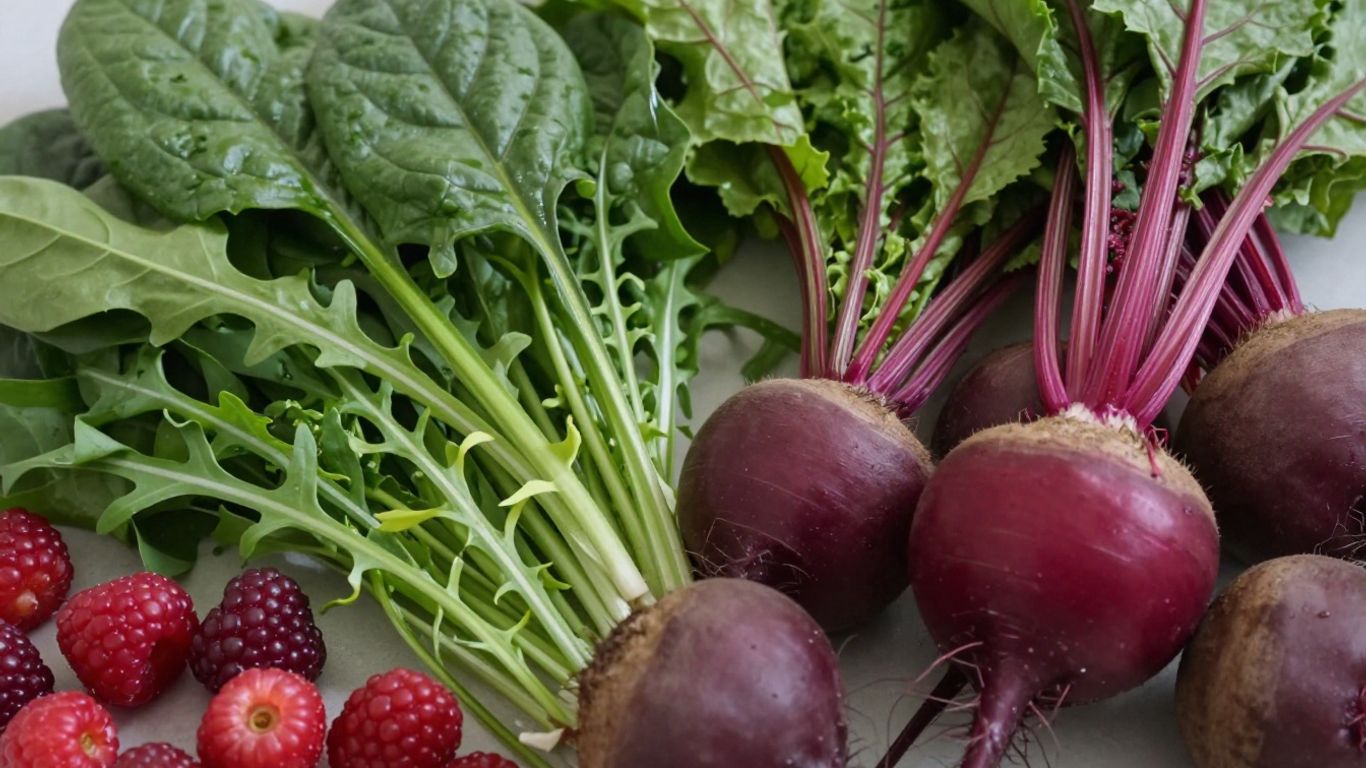
Dietary nitrate, found mainly in beets and leafy greens, is converted in the body to nitrite and then nitric oxide, which can reduce the oxygen cost of moderate exercise. In studies, the effect on blood nitrite peaks roughly 2 to 3 hours after a nitrate-rich drink or meal, so that is the usual timing window before a session. For most active adults, the safest and simplest approach is to eat nitrate-rich vegetables regularly and, if you want to experiment, try a beet-based snack a few hours before a long or hard workout.
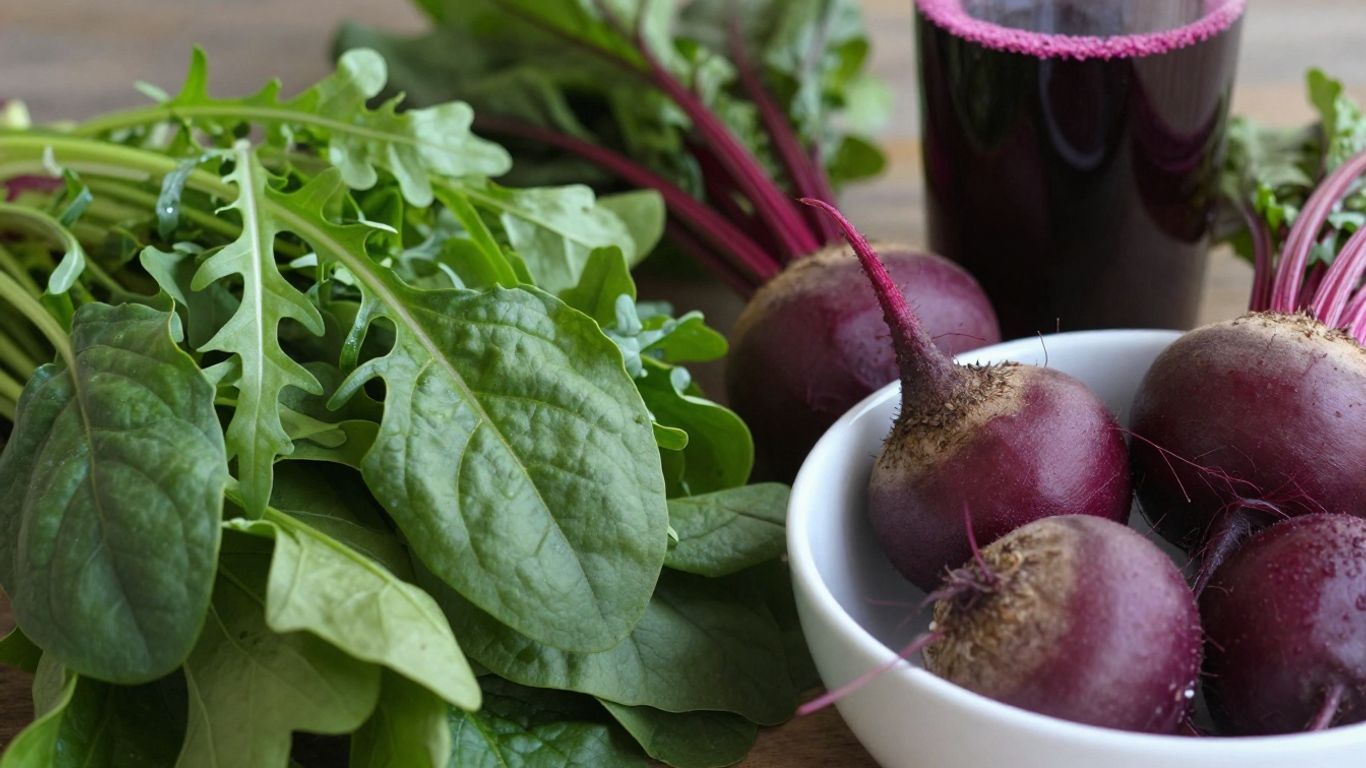
How dietary nitrate works
When you eat nitrate-rich vegetables, nitrate is absorbed into the blood. Some of it is taken up by the salivary glands and returned to the mouth, where bacteria on the tongue convert it to nitrite. After you swallow, that nitrite can be turned into nitric oxide, especially in tissues that are low on oxygen, such as working muscles.
A review of dietary nitrate and exercise performance explains that nitrate supplementation raises blood nitrite, lowers resting blood pressure and reduces the oxygen cost of submaximal exercise, and that it can, in some circumstances, improve exercise tolerance and performance. The effects tend to be more noticeable in recreational exercisers than in highly trained athletes, and results vary from person to person.
The mouth bacteria step matters. In one study, using an antiseptic mouthwash for a week cut oral nitrite production by about 90% and lowered blood nitrite. If you are trying nitrate-rich foods for training, avoid antiseptic mouthwash around that time, and keep brushing and flossing as usual.
The best food sources
Nitrate content varies with soil, season and storage, so treat these as general groupings rather than exact numbers.
| Typically higher | Moderate | Lower |
|---|---|---|
| Arugula (rocket), spinach, lettuce, Swiss chard, beet greens, beets, celery | Bok choy, kale, radishes, fennel, leeks, parsley | Carrots, cucumbers, tomatoes, peppers, most fruits |
Leafy greens are often as rich in nitrate as beets, which is useful if you do not enjoy beet flavour. Beet juice and concentrated beet “shots” are popular in sports because they deliver a more predictable amount in a small volume.
How much and when
The 2 to 3 hour window
A dose-response study of beetroot juice and exercise found that blood nitrite peaked about 2 to 3 hours after drinking it. In that study, servings providing about 8.4 mmol of nitrate reduced the oxygen cost of moderate exercise and extended time to exhaustion, while a smaller dose did not change exercise responses and doubling the dose gave no extra benefit. In practice, that supports having your nitrate-rich food or drink roughly 2 to 3 hours before a key session, and suggests more is not better.
Daily intake versus single doses
Some studies use a single serving on the day; others use several days of regular intake before an event. For everyday health and training, simply including leafy greens or beets most days is a reasonable baseline. If you want to try a pre-workout serving, test it during training first, never for the first time on race day.
Practical ways to eat more nitrate-rich foods
- Pre-workout snack (2 to 3 hours before): A small glass of beet juice blended with orange juice, or a smoothie of spinach, frozen berries and banana with milk or yogurt.
- Lunch before an afternoon session: An arugula and spinach salad with roasted beets, chickpeas, walnuts and a lemon-olive oil dressing.
- Dinner before a morning long run or ride: A grain bowl with sautéed Swiss chard, roasted beets and lentils. This also supports your carbohydrate needs.
- Everyday habit: A big handful of greens at lunch and dinner. Add spinach to soups, pasta sauces and wraps.
Preparation tips
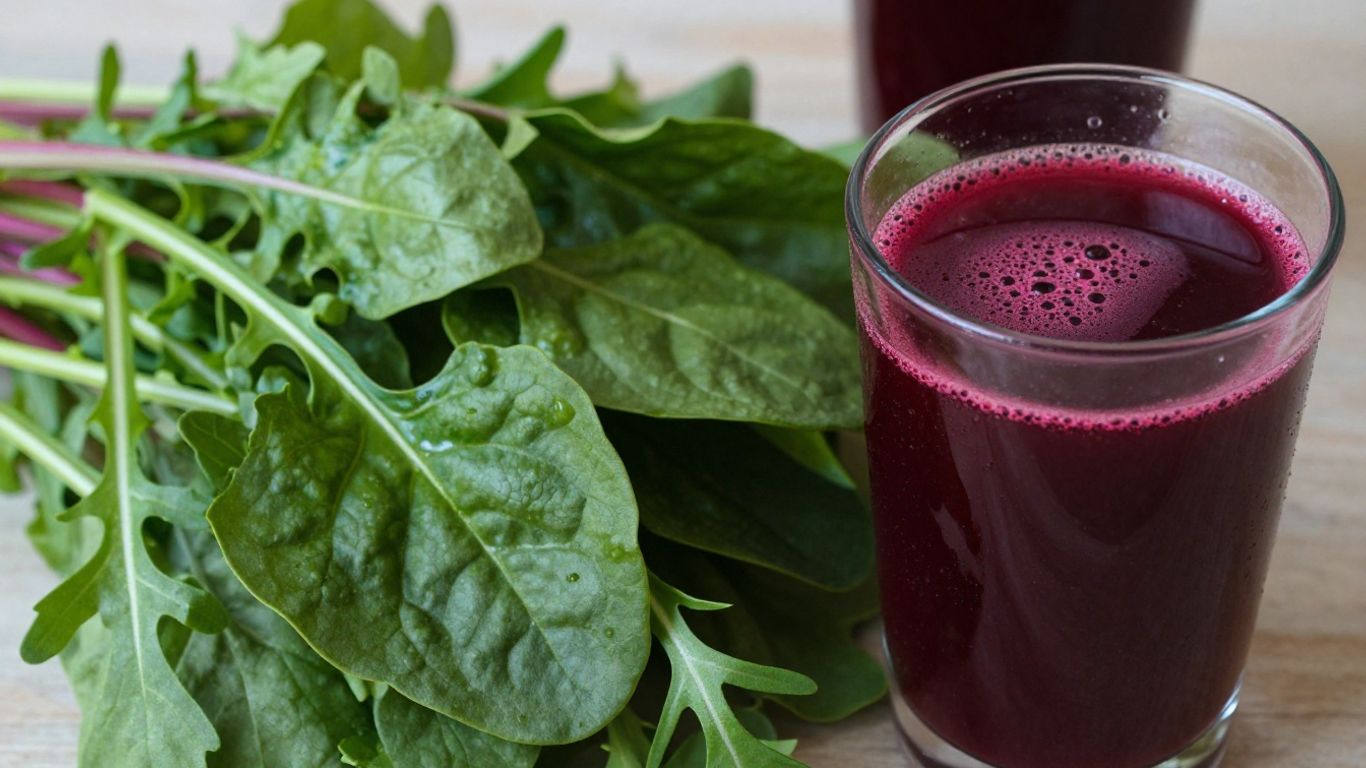
- Nitrate is water-soluble, so boiling greens and discarding the water lowers their content. Eat greens raw, lightly steamed, or cooked in soups where you keep the liquid.
- Store greens cold and use them within a few days.
- Pre-cooked, vacuum-packed beets are a convenient option for busy weeks.
Safety and side effects
Vegetables versus processed meats
Nitrates and nitrites also appear as preservatives in cured and processed meats, and concerns about these compounds come mostly from that context, where they can form nitrosamines. Vegetables come packaged with vitamin C, polyphenols and fibre, and they are part of every healthy eating pattern. This article is about getting nitrate from vegetables, not from processed meats or supplements.
Common, usually harmless effects
- Pink or red urine or stool after beets is common and comes from beet pigments, not blood. If you are unsure, or it happens without eating beets, check with your doctor.
- Stomach upset can happen with concentrated beet shots, especially close to exercise. Start with a small serving and try it on an easy day.
Who should be cautious
- Because nitrate can lower blood pressure, people taking blood pressure medication, or nitrate medications for heart conditions, should talk to their doctor before using concentrated beet products.
- Beets, spinach and chard are high in oxalate. If you have had calcium oxalate kidney stones, ask your doctor or dietitian how much of these foods fits your plan.
- Concentrated nitrate products are not intended for infants, and leafy greens for babies should follow your local infant-feeding guidance.
Keep the basics first
Nitrate is a small edge on top of the fundamentals. Enough total energy, carbohydrate around harder sessions, protein for recovery, fluids, and sleep matter far more for endurance than any single food. For a broader plan, see our guides to nitrates, carbs and recovery meals for VO₂ max, fuelling easy cardio, and hydration timing around workouts.
A simple 2-week trial
- Week 1: Add a large serving of leafy greens or beets to lunch and dinner daily. Note how your regular sessions feel.
- Week 2: On two longer or harder sessions, have a beet-based drink or a beet and greens meal 2 to 3 hours before. Keep everything else the same.
- Review: Did those sessions feel easier at the same pace or effort? Any stomach upset? Keep what helps, drop what does not.
When to check with a professional
Speak with your doctor before using concentrated beet products if you have low blood pressure, take blood pressure or heart medication, have kidney disease or a history of kidney stones, or are pregnant. A sports dietitian can help you fit nitrate-rich foods into a full fuelling plan.
Practical takeaways
- Leafy greens like arugula and spinach are as useful as beets for nitrate.
- Have a nitrate-rich food or drink about 2 to 3 hours before a key session if you want to test it.
- More is not better; moderate servings are enough.
- Skip antiseptic mouthwash around those sessions.
- Test on training days first, and keep carbs, protein, fluids and sleep as the foundation.
FAQ
Will beet juice help a short gym workout?
The evidence is strongest for endurance and repeated high-effort exercise. For a short strength session, the benefit is less clear.
Can I just eat a salad instead of drinking juice?
Yes. A large salad of arugula and spinach can provide a meaningful amount of nitrate. It is just less predictable than a measured drink.