
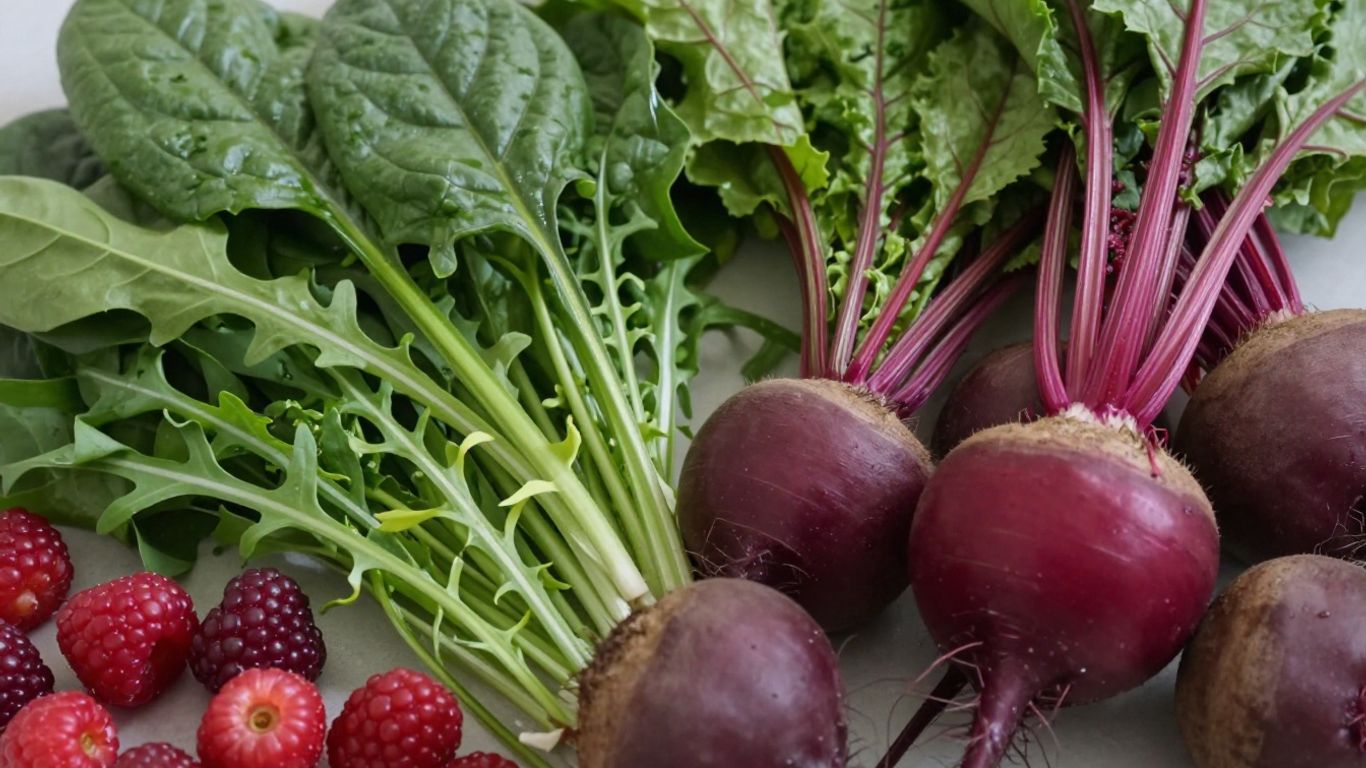
So, you’re into running, cycling, or just generally pushing your limits? You might have heard whispers about nitrates and how they can help. It’s not some magic pill, but more like a natural boost you can get from certain foods. We’re talking about how these nitrate-rich foods work, what you should eat, and when to eat them to get the most out of your workouts. It’s all about making your body work smarter, not just harder, so you can go further and feel stronger. Let’s break down this whole nitrate thing.
Key Takeaways
- Eating foods high in nitrates can help your body use oxygen more efficiently, which is great for endurance activities.
- Leafy green vegetables like spinach and arugula, along with root vegetables such as beets, are top sources of dietary nitrates.
- For a performance boost, try consuming nitrate-rich foods about 2-3 hours before your workout, with consistent intake also showing long-term benefits.
- Natural nitrates from vegetables are generally safe and come with antioxidants that can help counteract potential concerns.
- Incorporating these nitrate-rich foods into your regular diet can support better blood flow and muscle function during exercise.
Harnessing Nitrate’s Power for Enhanced Endurance
You know, when we talk about pushing our limits in endurance sports, we often focus on training hard, eating right, and getting enough rest. But there’s another player in the game, something naturally found in many foods, that can make a real difference: nitrate. It sounds simple, but this compound has a pretty cool way of working with our bodies to help us go further and faster.
The Science Behind Nitrate and Nitric Oxide
So, how does it work? When you eat foods rich in nitrate, your body gets to work. First, some of this nitrate is converted into nitrite, and then, crucially, into nitric oxide. Nitric oxide is a molecule that plays a big role in a lot of bodily functions, including helping your blood vessels relax and widen. This widening, called vasodilation, means blood can flow more easily. Think of it like opening up the lanes on a highway – more traffic (oxygen and nutrients) can get to where it needs to go, faster.
Nitrate’s Role in Oxygen Efficiency
This improved blood flow has a direct impact on how efficiently your body uses oxygen. When your blood vessels are more open, your muscles get a better supply of oxygen. This means your body doesn’t have to work quite as hard to deliver the oxygen needed for your muscles to perform. Studies have shown that this can actually reduce the amount of oxygen you need for a given level of exercise. It’s like getting more miles per gallon for your body.
- Reduced oxygen demand during exercise.
- Improved blood flow to working muscles.
- More efficient energy utilization.
Impact on Muscle Power and Cognitive Function
Beyond just oxygen use, nitric oxide seems to have other benefits too. Some research suggests it can help improve how your muscles contract, potentially leading to better power output. And it’s not just about the muscles; there’s evidence that maintaining good nitric oxide levels can also help keep your mind sharp during long or intense efforts. This means you can stay focused and make better decisions when you’re pushing your limits.
The conversion of dietary nitrate to nitric oxide is a natural process that can be supported through food choices, offering a way to potentially improve exercise performance and recovery.
Key Nitrate-Rich Foods for Athletes
When we talk about boosting endurance, nitrate-rich foods are a big deal. They’re not just some trendy supplement; they’re whole foods that can genuinely help your body work more efficiently. The main idea is that your body converts dietary nitrate into nitric oxide. Think of nitric oxide as a helpful signal that tells your blood vessels to relax and widen. This means better blood flow, which is super important for getting oxygen and nutrients where they need to go during exercise. For athletes, this can translate to less effort for the same work, or even more work for the same effort.
Leafy Greens: A Nutritional Powerhouse
If you’re looking to up your nitrate game, leafy greens are your best bet. They’re packed with nitrates and also come with a whole host of other good stuff like vitamins and antioxidants. These antioxidants are thought to help with the conversion of nitrate to nitric oxide and might even help protect against any unwanted byproducts. So, loading up on these isn’t just about the nitrate; it’s about a complete nutritional package.
Here are some top leafy greens to consider:
- Spinach: Both regular and red spinach are nitrate champions.
- Arugula: This peppery green is surprisingly high in nitrates.
- Kale: A versatile green that offers a good nitrate boost.
- Swiss Chard: Another excellent source, often overlooked.
- Bok Choy: Adds a mild flavor and a good dose of nitrates.
Root Vegetables and Fruits
Beyond the greens, certain root vegetables and even some fruits can contribute significantly to your dietary nitrate intake. Beets, in particular, have gained a lot of attention in sports nutrition circles for their high nitrate content. They’re often consumed as juice, which makes it easy to get a concentrated dose.
Some notable mentions include:
- Beets (and Beet Greens): Probably the most famous nitrate source for athletes.
- Carrots: Offer a moderate amount of nitrates.
- Pomegranate: Contains nitrates along with other beneficial compounds.
- Tart Cherries: Known for their anti-inflammatory properties and also provide some nitrates.
Other Notable Sources
While leafy greens and beets often steal the spotlight, other foods can also contribute to your overall nitrate intake. These might not be as concentrated, but they add up, especially when you’re aiming for consistent dietary habits.
- Celery: A common vegetable that contains a decent amount of nitrates.
- Lettuce: Varieties like romaine can contribute to your intake.
- Broccoli: Offers a moderate nitrate content alongside its well-known health benefits.
It’s important to remember that the nitrate content in vegetables can vary based on growing conditions, soil, and even the time of year. So, variety is key, and focusing on fresh, whole foods is generally the best approach.
When you’re choosing your nitrate sources, think about how you’ll prepare them. Some methods, like steaming or eating raw, are better at preserving the nitrate content compared to boiling, where some of the nitrates can leach into the water. Making these foods a regular part of your meals and snacks is the most effective way to harness their potential benefits for endurance.
Optimizing Nitrate Intake for Performance
So, you’re looking to get the most out of your training and races, and you’ve heard about nitrates. That’s great! But how much should you actually take, and when? It’s not just about eating a big salad the day before your event. We need to think about it a bit more strategically.
Recommended Dosage for Endurance
Figuring out the right amount of nitrate can feel a bit like guesswork sometimes. Research points towards a sweet spot, generally around 3 to 6 milligrams of nitrate per kilogram of body weight per day. For someone weighing 70kg (about 154 lbs), that’s roughly 210 to 420 mg of nitrate. This isn’t a hard and fast rule, as individual responses can vary, but it’s a solid starting point based on what studies have shown. Remember, this is for dietary nitrate, mostly from vegetables, not processed meats.
Short-Term Performance Boosts
If you’re aiming for a specific race or a tough workout, timing is key. Many studies suggest that consuming nitrate-rich foods or supplements a few hours before exercise can make a difference. The idea is to allow your body time to convert the dietary nitrate into nitric oxide, which helps improve blood flow and oxygen use.
- Aim for 2-3 hours before: This window seems to be when the benefits are most noticeable. It gives your body enough time to process the nitrates.
- Consider a second dose: Some athletes find a smaller dose closer to the event helpful, but this is less studied and might not be necessary for everyone.
- Consistency matters: While a single dose can help, regular intake might lead to better overall adaptation.
Long-Term Training Adaptations
Beyond just a pre-race boost, consistently including nitrate-rich foods in your diet might actually help your body adapt better to training over time. Think of it as building a stronger foundation. Some research suggests that athletes who regularly consume nitrates might see improvements in their training gains, potentially leading to better performance down the road. It’s not just about a quick fix; it’s about supporting your body’s ability to get stronger with every session.
The goal is to support your body’s natural processes, making your training more effective and your performance more consistent. It’s about working smarter, not just harder, by giving your body the right tools.
Strategic Timing for Nitrate Consumption
So, you’ve decided to give nitrate-rich foods a try to boost your endurance. That’s a smart move! But just eating them isn’t the whole story. When you eat them really matters if you want to get the most bang for your buck. It’s not like a magic pill you take right before you start; there’s a bit more to it.
Pre-Exercise Consumption Windows
When you eat your nitrate-rich foods, your body starts converting them. The nitrates themselves show up in your blood pretty quickly, usually within an hour or two. But the real magic, the conversion to nitrite which is what your body uses for those performance benefits, takes a little longer. This means you can’t just chug a beet smoothie right before your run and expect peak performance.
The 2-3 Hour Peak Performance Window
Research suggests that to really hit that sweet spot for performance, you should aim to consume your nitrate-rich foods about 2 to 3 hours before your exercise session. This timing allows your body enough time to convert the dietary nitrates into nitrites, which then can help improve blood flow and oxygen use during your workout. Think of it as setting a timer for your body’s internal engine to be ready.
Here’s a general guideline:
- 2-3 Hours Before Exercise: Consume your primary nitrate-rich meal or supplement. This is when you’ll get the most benefit from the conversion to nitrite.
- During Prolonged Exercise (over 40 minutes): Some athletes find it helpful to consume a smaller dose during very long events to help maintain nitrite levels.
- Consistency is Key: While acute timing is important, regular consumption of nitrate-rich foods as part of your overall diet can also contribute to long-term physiological adaptations.
Consistency in Dietary Habits
While that 2-3 hour window is great for a specific event, don’t forget that making nitrate-rich foods a regular part of your diet is also beneficial. It’s not just about that one big race or workout. Consistently fueling your body with these nutrients can lead to more sustained improvements over time. It helps build a foundation, so to speak, rather than just a quick fix. So, think about incorporating things like leafy greens and root vegetables into your meals throughout the week, not just on game day.
The goal is to have your body primed and ready, with optimal levels of beneficial nitrites circulating when you need them most. This requires a bit of planning, but the payoff in terms of endurance and performance can be well worth the effort.
Understanding the Safety of Dietary Nitrates
Nitrates from Natural Food Sources
When we talk about nitrates for performance, it’s important to know where they come from. Most of the nitrates we consume daily come from vegetables, especially leafy greens like spinach, arugula, and lettuce, as well as root vegetables like beets. These natural sources are generally considered safe and beneficial. The nitrates in these foods are part of a complex package of nutrients, including antioxidants, which play a role in how our bodies use them. Think of it like this: the food itself provides a supportive environment for the nitrate.
Addressing Concerns About Nitrosamines
One of the main questions people have is about nitrosamines. These compounds can form when nitrites (which can come from nitrates) react with amines, and some nitrosamines are known to be harmful. This concern often comes up when discussing processed meats, where nitrates or nitrites are sometimes added as preservatives. However, research suggests that when nitrates come from vegetable sources, the risk of forming harmful nitrosamines in the body is significantly reduced. This is largely due to the presence of antioxidants naturally found in these plant foods. These antioxidants act like a shield, preventing or slowing down the conversion process that could lead to problematic compounds. Studies looking at athletes supplementing with nitrates from natural sources haven’t shown an increase in markers associated with nitrosamine formation.
The Role of Antioxidants in Vegetable Sources
This is where vegetables really shine. The antioxidants present in leafy greens and other nitrate-rich produce, like Vitamin C and various polyphenols, are key players in making dietary nitrates safe and effective. They help manage the conversion of nitrate to nitrite and then to nitric oxide in the body, a process that is generally beneficial for exercise. These antioxidants also help to inhibit the formation of nitrosamines. So, when you’re getting your nitrates from a salad or a glass of beet juice, you’re also getting a host of other beneficial compounds that work together. It’s this synergy within whole foods that makes them a preferred source over isolated supplements.
The consensus among experts is that consuming nitrates from natural food sources, particularly vegetables, is very unlikely to pose a health risk. The benefits associated with improved exercise physiology are more likely to be realized when nitrates are consumed as part of a balanced diet rich in plant-based foods.
Nitrate’s Impact on Exercise Physiology
So, how exactly does eating more nitrate-rich foods help your body perform better when you’re pushing your limits? It all comes down to how your body uses oxygen and how well blood gets to your muscles. Think of it like fine-tuning an engine for maximum efficiency.
Reducing the Oxygen Cost of Exercise
One of the most talked-about benefits of dietary nitrate is its ability to make your body more efficient with oxygen. When you consume nitrates, your body converts them into nitrite, and then into nitric oxide. Nitric oxide plays a role in how your muscles generate energy. Studies have shown that after consuming nitrate, the amount of oxygen needed to perform a certain amount of work decreases. This means you can sustain a given pace or power output with less effort, saving your energy reserves for longer.
- Lower oxygen demand during submaximal exercise.
- Improved gross and delta efficiency.
- Potential for sustained effort over longer durations.
This improved oxygen economy is a significant advantage, especially in endurance events where every bit of efficiency counts. It’s like getting more miles per gallon for your body.
Improving Blood Flow and Nutrient Delivery
Nitric oxide is also a vasodilator, meaning it helps relax and widen your blood vessels. Better blood flow means more oxygen and nutrients can reach your working muscles when they need them most. This can help delay fatigue and improve your muscle’s ability to recover between efforts. It’s like opening up the highways for delivery trucks to get supplies to where they’re needed quickly.
Enhancing Muscle Oxygen Saturation
Beyond just getting more blood to the muscles, nitrate intake might also influence how well your muscles take up and use that oxygen. Some research suggests it can help improve oxygen saturation within the muscle tissue itself. This means your muscles can utilize the oxygen delivered to them more effectively, further contributing to better performance and endurance. It’s about making sure the fuel delivered is actually burned efficiently.
| Physiological Effect | Description |
|---|---|
| Oxygen Cost of Exercise | Reduced oxygen consumption for a given workload. |
| Blood Flow | Increased vasodilation, leading to better circulation to muscles. |
| Muscle Oxygen Utilization | Improved ability of muscle tissue to take up and use oxygen. |
| Energy Production Efficiency | More efficient ATP production within muscle cells. |
Nitrate for Diverse Endurance Challenges
Performance at High Altitudes
When you’re heading to higher elevations, the air is thinner, meaning less oxygen is available. This is where nitrates can really lend a hand. By helping your body use oxygen more efficiently, nitrates can make a noticeable difference when you’re trying to perform in low-oxygen environments. Think of it like giving your body a bit of a cheat code to deal with the altitude. Studies have shown that even a single dose of nitrate can help runners perform better at high altitudes, making that tough climb or long run feel a little less demanding.
Sustaining Effort in Prolonged Events
For those really long races or training sessions, keeping your energy levels up and your body working smoothly is key. Nitrates can help by improving blood flow, which means more oxygen and nutrients get to your working muscles. This can help delay fatigue, allowing you to maintain a stronger effort for longer. It’s not just about going faster, but about being able to keep going when others start to fade. Some research even suggests that taking nitrates during very long events might help keep those performance benefits going.
Benefits for Recreational and Elite Athletes
It’s easy to think that things like this are only for the pros, but that’s not the case. Whether you’re a seasoned marathoner or just starting out with your running goals, nitrates can offer a boost. Elite athletes might see improvements in their already high performance levels, perhaps shaving off seconds or minutes from their times. For recreational athletes, the benefits might mean being able to run a bit further, feel less tired during workouts, or simply enjoy their exercise more. The science shows that the body’s response to nitrates is beneficial across a range of fitness levels.
The way nitrates help your body become more efficient with oxygen and improve blood flow isn’t just a small tweak; it can translate into real, tangible improvements in how long and how hard you can push yourself. It’s about making the most of the oxygen you have, especially when the demands are high.
Here’s a quick look at how nitrates can help in different endurance scenarios:
- High Altitude: Reduces the impact of lower oxygen availability.
- Prolonged Events: Helps delay fatigue and sustain effort.
- All Levels: Offers performance advantages for both beginners and top athletes.
Ultimately, nitrates offer a way to support your body’s natural processes, making endurance activities more manageable and potentially more successful, no matter your current level.
Incorporating Nitrate-Rich Foods into Your Diet
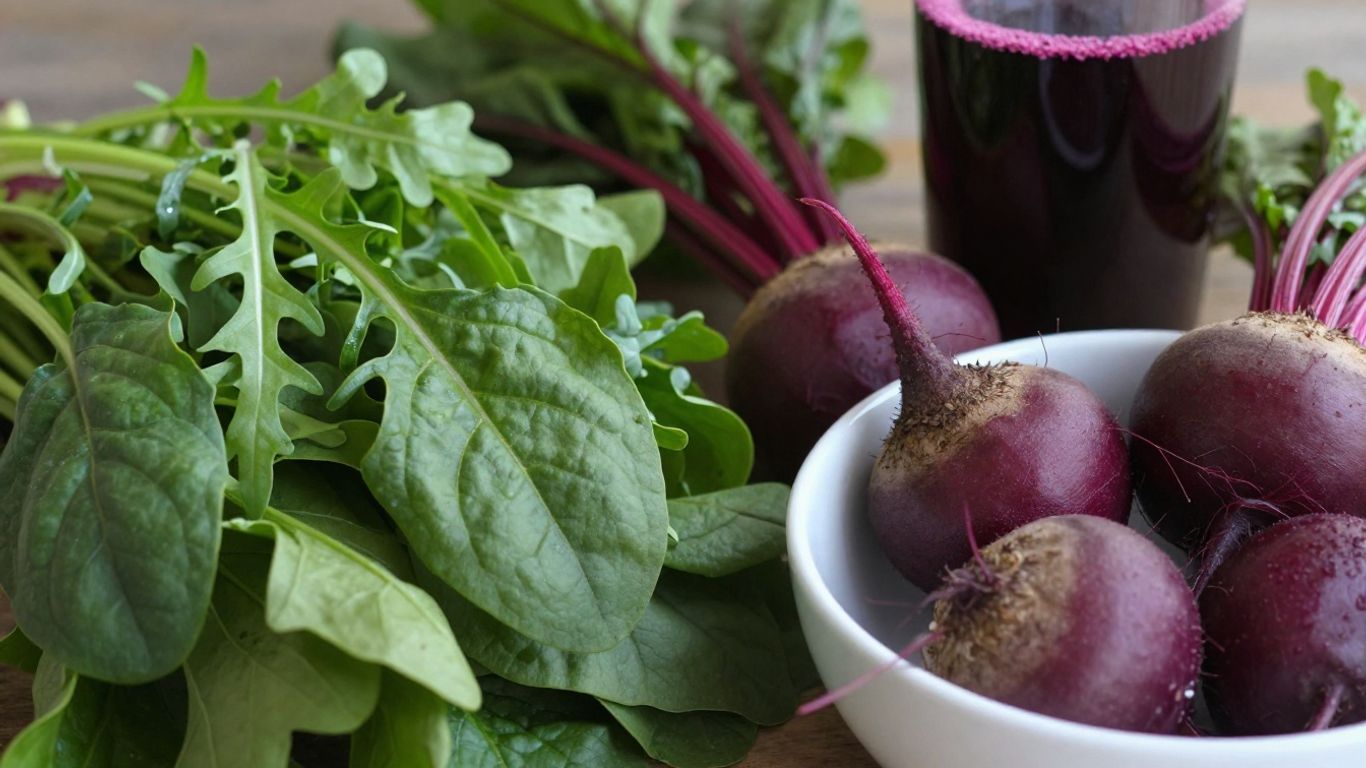
So, you’re ready to start adding more nitrate-rich foods to your diet to help with your endurance. That’s a smart move. It’s not as complicated as it might sound, and honestly, it can make your meals a lot more interesting. The goal here is to make these foods a regular part of what you eat, not just a one-off thing before a big race.
Practical Meal and Snack Ideas
Think about your daily meals and how you can easily swap in or add nitrate-rich options. For breakfast, a smoothie can be a great vehicle. Blend some spinach or kale with your usual fruits and protein powder. It’s a simple way to get a good dose without really tasting the greens. Lunch could feature a big salad with arugula and beetroot, or perhaps a hearty soup with swiss chard. For snacks, consider a small glass of beetroot juice or some celery sticks with hummus. Making these foods a consistent part of your eating habits is key to seeing the benefits.
Here are a few more ideas to get you started:
- Breakfast Boost: Add a handful of spinach to scrambled eggs or an omelet. A small serving of tart cherry juice can also be a good addition.
- Lunchtime Power-Up: Top your sandwiches or wraps with extra lettuce and spinach. A side of roasted root vegetables like beets or carrots can also work well.
- Afternoon Recharge: Keep some pre-cut carrots, celery, or bell peppers handy for snacking. A small bowl of pomegranate seeds is also a refreshing and nutrient-dense choice.
- Dinner Staples: Incorporate leafy greens like bok choy or kale into stir-fries or as a side dish. Lentil or bean stews can also be made more robust with added greens.
Preparation Methods to Preserve Nitrates
How you prepare your food can make a difference in keeping those nitrates intact. Generally, cooking methods that involve less water and shorter cooking times are better. Steaming, sautéing, or roasting vegetables tends to preserve more of their natural nitrate content compared to boiling, where nitrates can leach into the cooking water. If you do boil vegetables, try to use the cooking liquid in soups or sauces to recapture some of those beneficial compounds.
- Steaming: A gentle method that keeps nutrients locked in.
- Sautéing: Quick cooking with minimal liquid is effective.
- Roasting: Brings out natural sweetness and preserves nitrates well.
- Raw Consumption: Eating vegetables like spinach and arugula raw in salads is one of the best ways to get the full nitrate benefit.
When it comes to nitrates from food, especially vegetables, the package deal is pretty good. These plant foods come loaded with antioxidants, like vitamin C and other compounds, that help your body use the nitrates effectively and also keep things like nitrosamines in check. So, you’re not just getting nitrate; you’re getting a whole team of helpers working together.
Balancing Nitrate Intake with Overall Nutrition
While focusing on nitrate-rich foods is great for endurance, it’s important to remember they are just one piece of the puzzle. A balanced diet is still the foundation for any athlete. Make sure you’re getting enough protein for muscle repair, carbohydrates for energy, and healthy fats. Don’t let the pursuit of nitrates overshadow other nutritional needs. Think of nitrate-rich vegetables as a powerful addition to an already solid nutritional plan, rather than a replacement for other food groups. Variety is also important; eating a wide range of vegetables ensures you get a broad spectrum of vitamins, minerals, and other beneficial plant compounds.
The Future of Nitrate in Sports Nutrition
So, where does all this nitrate research leave us? It’s pretty exciting, honestly. We’re seeing more and more studies looking into how these natural compounds can help athletes, and it feels like we’re just scratching the surface.
Emerging Research and Applications
Right now, a lot of the focus is on endurance, but scientists are starting to explore nitrate’s potential in other areas too. Think about sports that require quick bursts of power or even quick thinking under pressure. There’s a hunch that the nitric oxide pathway might play a role there, too, by improving blood flow to the brain and muscles. We’re also seeing research into how nitrate might help with recovery after tough workouts, possibly by reducing inflammation or speeding up tissue repair. It’s not just about making you faster or stronger in the moment; it could be about helping your body bounce back better.
Potential for Personalized Nutrition Strategies
One of the coolest things on the horizon is personalized nutrition. We all react a bit differently to things, right? Some people might get a big boost from beetroot juice, while others might see less of an effect. Future research will likely dig into why that is. Factors like your genetics, your current diet, how fit you are, and even the specific type of exercise you do could all influence how well nitrate works for you. Imagine a future where you can get a tailored recommendation for nitrate intake based on your individual needs and goals. That would be a game-changer.
The Importance of Continued Scientific Inquiry
While the current findings are promising, it’s super important to remember that this is still a developing field. We need more studies, especially long-term ones, to really understand the full picture. We need to know the optimal doses for different athletes, the best ways to consume nitrate-rich foods consistently, and any potential downsides of long-term use. It’s not about jumping on a bandwagon; it’s about building a solid, evidence-based understanding. The goal is to make sure that when athletes use nitrate, they’re doing it safely and effectively. It’s a journey, and science is leading the way.
Nitrate is becoming a big deal in sports nutrition. It helps your body work better, especially during exercise. Want to learn how to use it to boost your performance? Visit our website to find out more and see how it can help you reach your goals.
Wrapping Up: Your Nitrate Advantage
So, we’ve talked a lot about nitrates and how they can really help out endurance athletes. From making your body use oxygen more efficiently to potentially boosting muscle power and even keeping your mind sharp when you’re pushing hard, the science is pretty clear: nitrates are a big deal. We’ve seen how foods like beets and leafy greens are packed with them, and how timing your intake, usually a couple of hours before a big effort, seems to work best. While the research is still ongoing, especially for long-term use, the evidence points towards natural food sources being a safe and effective way to tap into these benefits. It’s exciting to think about how simple dietary changes can make a real difference in your performance. Keep exploring these nitrate-rich options, and happy running!
Frequently Asked Questions
What exactly is nitrate and how does it help me run better?
Nitrate is a natural stuff found in many veggies. When you eat it, your body changes it into something called nitric oxide. Nitric oxide is like a helpful signal that tells your blood vessels to relax and open up wider. This means more oxygen and nutrients can get to your muscles, making it easier to run longer and harder without getting as tired.
Which foods are packed with nitrate?
Leafy green veggies are the superstars here! Think spinach, arugula, kale, and lettuce. Beets are also fantastic, especially beet juice. Other good choices include celery, cabbage, and even some fruits like pomegranate and tart cherries.
How much nitrate should I eat before a run?
For a boost in performance, aim for about 300-600 mg of nitrate. It’s best to have this about 2 to 3 hours before you plan to exercise. This timing allows your body to turn the nitrate into the helpful nitric oxide.
Can eating nitrate-rich foods help me train better over time?
Yes! While eating these foods right before a run can give you a quick boost, consistently including them in your diet can lead to long-term improvements. Your body gets better at using oxygen and delivering nutrients, which helps you get stronger with regular training.
Is it safe to eat a lot of nitrate from vegetables?
Eating nitrate from natural sources like vegetables is generally very safe. Vegetables also contain antioxidants that help prevent any potential downsides. It’s very different from nitrates found in processed meats, which can be a concern.
Does nitrate help with running in tough conditions, like high places?
Absolutely. When you’re at higher altitudes, there’s less oxygen in the air. Nitrate helps your body use the oxygen it has more efficiently, which can make a big difference in how well you perform when oxygen is scarce.
How can I easily add more nitrate-rich foods to my meals?
It’s simple! Add a handful of spinach or arugula to your sandwiches and wraps. Blend beet juice into your smoothies. Make a side salad with mixed greens before your main meal. Roasting root vegetables like beets is also a tasty way to enjoy them.
Will nitrate help me if I’m not a pro athlete?
Definitely! While elite athletes can see benefits, nitrate-rich foods can help anyone looking to improve their endurance. Whether you’re running a 5k for fun or training for a marathon, these foods can make your efforts feel a bit easier and help you go longer.