
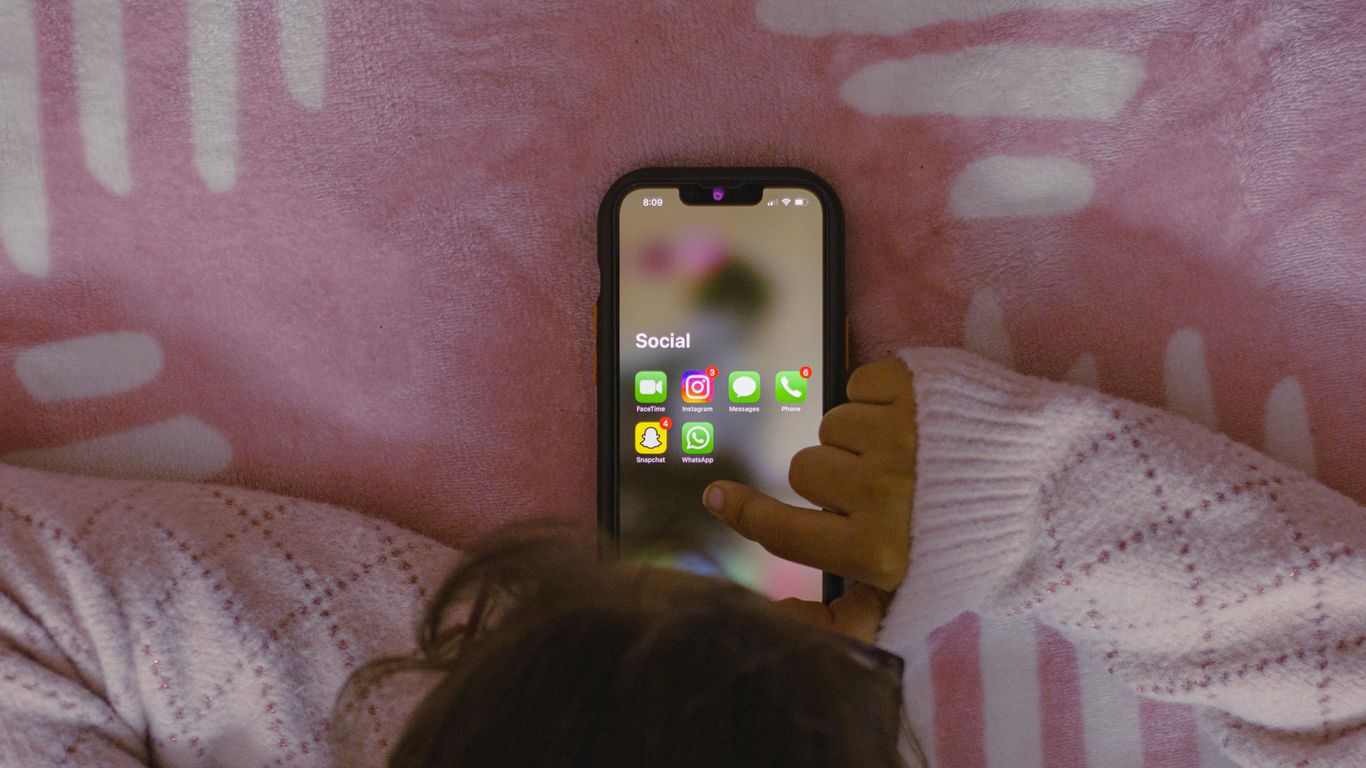
You can make healthy choices easier for your future self by setting things up ahead of time: reminders that fire at the right moment, visual prompts placed where the decision happens, and small friction tweaks that make the healthy option easier and the less helpful option a bit harder. These nudges don’t rely on willpower in the moment. They do the work before you get tired, busy or hungry.
The approach is simple: decide once when you’re calm, then let your environment carry the decision through the week.
What a “nudge” means for your health
A nudge is a small change to your surroundings or routine that makes one choice more likely without banning any option. The fruit bowl on the counter is a nudge. So is a phone alarm labelled “walk” at 12:15, or a water bottle sitting on your desk instead of in a cupboard.
There is some research support for this. A Cochrane review of availability and proximity interventions found that placing food farther away reduced how much of it people ate, and that offering fewer options reduced selection of the targeted foods. The evidence was rated low certainty and most studies were in labs, so treat this as a helpful nudge, not a guarantee. Still, it supports a practical idea: what’s closest and easiest tends to win.
Three types of nudges
| Type | What it does | Examples |
|---|---|---|
| Reminders | Prompt you at a specific time or place | Phone alarm for a walk, calendar block for meal prep, bedtime reminder |
| Visual prompts | Put the cue where the decision happens | Shoes by the door, water on the desk, a sticky note on the fridge |
| Friction tweaks | Change the number of steps a choice takes | Pre-cut vegetables at eye level, snacks in an opaque container on a high shelf, phone charging outside the bedroom |
Reminders that actually help

Reminders work best when they are specific, timed to a real decision point and few in number. A vague “be healthy” alert at a random time is easy to swipe away.
- Name the action. “Fill water bottle” beats “hydrate.”
- Time it to the moment before the choice. A reminder to pack a snack belongs the night before, not at 3 p.m. when you’re already hungry.
- Attach a location if you can. Many phones let you trigger a reminder when you arrive home or leave work.
- Limit yourself to three or four a day. Too many and you’ll start ignoring all of them.
- Review weekly. Delete the ones you dismiss every time and rewrite them.
If you use an app for this, keep it simple. Our guide to setting up habit apps without overload walks through it.
Visual prompts: put the cue in your path

A visual prompt is a reminder you don’t have to schedule. Place it exactly where you’ll make the decision.
- Walking shoes and a jacket by the front door
- A filled water bottle on your desk or in the car cup holder (Canada’s Food Guide suggests keeping a pitcher of water in the fridge or on the table and carrying a reusable bottle)
- A bowl of washed fruit on the counter
- Your weekly meal plan taped inside a cupboard door
- A yoga mat left unrolled in the corner of a room
- A sticky note on the bathroom mirror with one intention for the day
Visual prompts lose power when they blend into the background. Move them or change them every few weeks so you notice them again.
Friction tweaks: change the effort, not the options
Friction is the number of steps, seconds or decisions between you and a choice. Lower friction for habits you want, and raise it a little for habits you want less of. Nothing is forbidden; it’s just less convenient.
Lower friction for helpful habits
- Wash and cut vegetables when you get home from the store, and store them at eye level.
- Pack your gym bag the night before and leave it with your keys.
- Keep a default breakfast stocked so there’s no morning decision.
- Set out tomorrow’s clothes for a morning walk.
Raise friction for less helpful habits
- Store treats in an opaque container on a high shelf or in the basement.
- Charge your phone outside the bedroom.
- Log out of food delivery apps or remove them from your home screen.
- Buy single portions of foods you tend to overeat instead of family-size bags.
For more ideas on this, see how environmental cues shape eating.
Plan the nudge, then let it work
The NIDDK’s guide to changing habits recommends planning ahead for roadblocks, such as finding an indoor walking option for bad weather or packing healthy snacks when travelling. Nudges are how you turn that plan into something physical. Try this weekly routine:
- Pick one problem moment. For example, “I skip lunch, then snack heavily at 4 p.m.”
- Choose one reminder. An alarm at 12:00 that says “eat lunch.”
- Choose one visual prompt. A packed lunch bag on the counter next to your keys.
- Choose one friction tweak. Leave the snack drawer at work empty and keep fruit and nuts in your bag.
- Check in after seven days. Keep what helped, adjust what didn’t.

Common mistakes
- Too many nudges at once. Start with one problem moment.
- Nudges that shame. A note that says “Don’t be lazy” is more likely to make you feel bad than to help. Use neutral or kind wording: “Shoes on, five minutes.”
- Relying on reminders alone. Pair a reminder with a setup change so the action is easy when the alarm goes off.
- Making it all-or-nothing. If the nudge leads to a smaller version of the habit, that still counts.
Quick takeaways
- Set up the healthy choice in advance, when you’re calm and rested.
- Use specific, well-timed reminders and keep them few.
- Place visual prompts where the decision happens and refresh them often.
- Make helpful options closer and easier; make less helpful options farther and slower.
- Work on one problem moment per week and review what worked.
FAQ
Do nudges really change what people eat?
Studies suggest that moving food farther away and offering fewer options can reduce how much of it people choose or eat, though the evidence quality is limited. Nudges help most when combined with a plan.
How many nudges should I set up at once?
Start with one problem moment and one to three nudges that support it. Once that moment feels easier, usually after a week or two, move on to the next one. Small, steady changes are easier to keep than a full home makeover.
Is adding friction the same as restricting food?
No. Every option is still available; you’re just changing which one is easiest. If you notice you’re using friction to punish yourself, scale back and focus on making helpful choices easier instead.