

Getting back on your feet after being sick can feel like a marathon. You’re probably tired, maybe not feeling much like eating, and just want to feel like yourself again. That’s where post-illness nutrition comes in. It’s all about giving your body the right fuel, gently, so you can start rebuilding your strength and appetite without feeling overwhelmed. Think of it as a careful, step-by-step process to help you heal.
Key Takeaways
- Focus on gentle reintroduction of foods, starting with liquids and moving to soft, then balanced meals.
- Address appetite loss by making smaller, frequent meals and choosing nutrient-dense options.
- Prioritize protein, vitamins, minerals, healthy fats, and complex carbs for healing and strength.
- Support gut health with prebiotics, probiotics, and easily digestible foods.
- Stay hydrated and replenish electrolytes with palatable fluid options.
Understanding Post-Illness Nutrition
The Goal: Restoring Balance and Strength
After an illness, your body has been through a lot. It’s like it’s been running a marathon, and now it needs a chance to recover and get back to its usual self. The main aim of nutrition during this time is to help your body find its balance again and rebuild its strength. This isn’t about rushing back to normal, but about giving your body the right support to heal properly. Think of it as a gentle reset button for your system.
Why Post-Illness Nutrition is Crucial
When you’re sick, your body uses up a lot of energy and resources just to fight off the illness. This can leave you feeling drained and weak. Proper nutrition plays a big part in getting you back on your feet. It helps repair tissues, supports your immune system, and gives you the energy you need for daily activities. Without the right fuel, recovery can take much longer, and you might feel tired or get sick again more easily.
Common Misconceptions in Recovery Diets
There are a few ideas about eating after being sick that aren’t quite right. For example, some people think you need to eat huge amounts of food or take lots of supplements right away. But often, your digestive system is still sensitive, and overloading it can do more harm than good. Another myth is that all soups are equally good; while broths can be helpful, the type and preparation matter a lot. It’s important to focus on what your body can handle and what will actually help it heal.
Recovery is a process, not a race. Gentle, consistent nourishment tailored to your body’s needs is more effective than aggressive or misguided eating habits. Listen to your body and provide it with what it truly requires to mend.
Gentle Reintroduction of Foods
After being sick, your body needs time to get back to normal. It’s like waking up a sleeping engine – you don’t just floor it. The same goes for your digestive system. Starting with gentle foods helps your body ease back into processing meals without feeling overwhelmed. This gradual approach is key to rebuilding strength and appetite without causing further discomfort.
The Early Stage: Prioritizing Liquids
When you’re just starting to recover, your stomach might feel sensitive, and your appetite could be low. This is the perfect time to focus on liquids. They’re easy to digest and help keep you hydrated. Think clear broths, like chicken or vegetable broth, which provide some salts and fluids. You can also try diluted fruit juices or electrolyte drinks to replenish what your body might have lost. Even simple things like rice water can be soothing. The main goal here is to gently get your digestive system working again, not to fill yourself up.
- Clear broths (chicken, vegetable)
- Diluted fruit juices
- Electrolyte drinks
- Rice water
Avoid anything too rich, greasy, or overly sweet in this early phase. These can put a strain on your system when it’s still trying to heal.
Transitioning to Soft, Nourishing Foods
Once you can handle liquids without issues and your appetite starts to return, it’s time to move to softer foods. These foods still need to be easy to digest but offer a bit more substance and nutrients. Think about foods that require minimal chewing and are gentle on the stomach. Porridge or congee is a great option, as are steamed eggs, soft cooked noodles, or puréed vegetables like pumpkin or carrots. If you’re looking for protein, try soft-cooked fish, minced lean meats, or tofu. These foods provide the building blocks your body needs to start repairing itself.
Here are some good choices:
- Porridge/Congee: A comforting and easily digestible staple.
- Steamed Eggs: A simple, protein-rich option.
- Soft Noodles: Cooked until very tender.
- Puréed Vegetables: Like pumpkin, carrots, or sweet potatoes.
- Soft-Cooked Fish or Minced Lean Meats: Easy to chew and digest.
- Tofu: A gentle source of plant-based protein.
Gradually Reintroducing Balanced Meals
As you continue to recover, you can slowly start bringing back more variety into your diet. The idea is to build towards a balanced meal plan, but still with care. You might start by adding back whole grains, but perhaps in a softer form like well-cooked rice or oatmeal. Continue to include good sources of protein, like eggs, lean poultry, or fish. Fruits and vegetables are important too, but it might be easier to digest them if they are cooked or lightly steamed rather than raw. Pay attention to how your body reacts to different foods. If something feels too heavy or causes discomfort, scale back and try it again later. The aim is to get back to regular eating patterns without causing a setback in your recovery.
Addressing Appetite Loss and Taste Changes
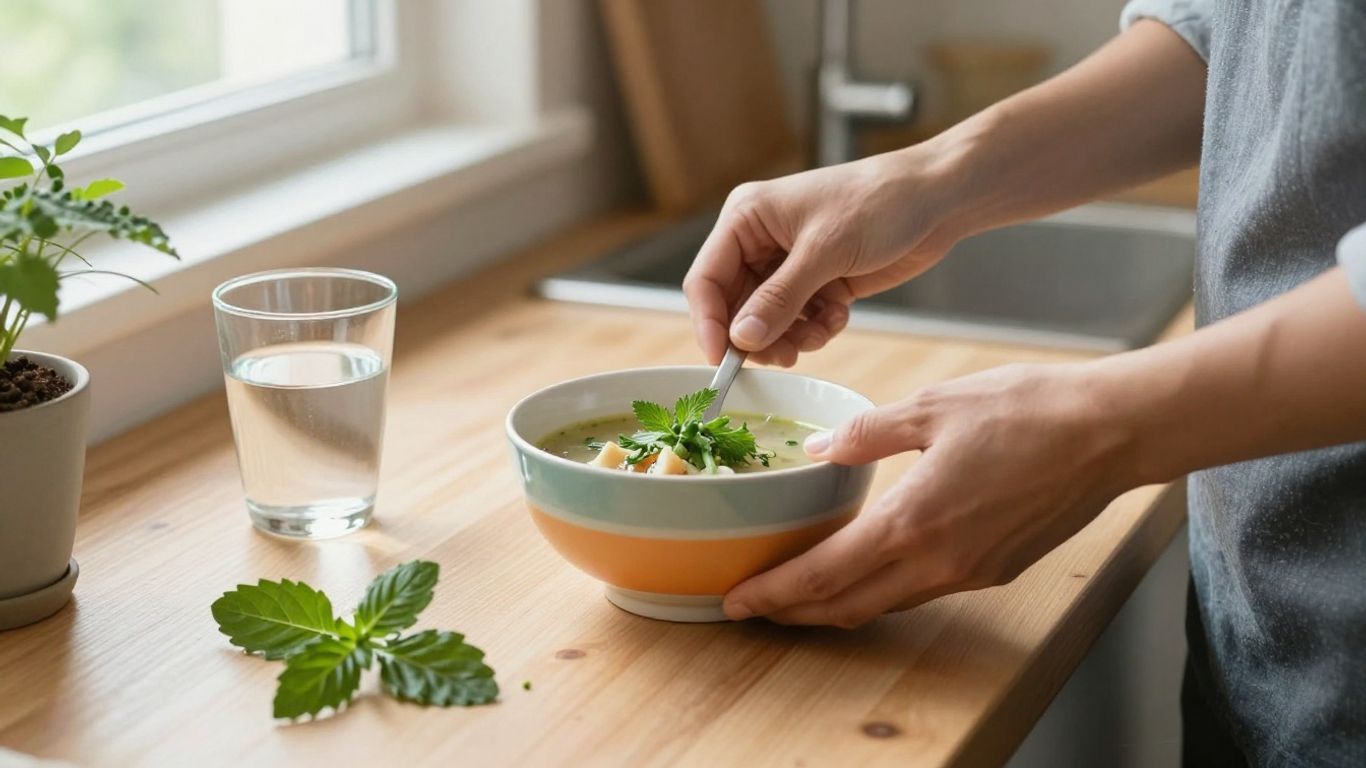
It’s pretty common to not feel like eating much after being sick, or even to find that your favorite foods just don’t taste right anymore. This can be frustrating when you know you need to get your strength back. Your appetite might be low, and sometimes things taste bland, metallic, or just plain off. This is often due to how your body and brain are still recovering. Hunger hormones can take a while to get back to normal, and sometimes medications or the illness itself can mess with your sense of taste and smell. Don’t worry, there are ways to work with this.
Strategies for Stimulating Appetite
Getting your appetite back on track is a gradual process. Instead of waiting to feel ravenous, try to eat small amounts more often. Setting a gentle eating schedule can help your body get used to regular nourishment. Think about making meals more appealing visually, perhaps with a bit of color from fresh herbs or a sprinkle of seeds. Sometimes, a change in temperature helps too; cold foods like yogurt or a chilled smoothie might be more inviting than hot dishes when your appetite is low.
- Eat small, frequent meals: Aim for 5-6 small meals or snacks throughout the day rather than three large ones.
- Make food look good: Add garnishes like parsley or a drizzle of olive oil.
- Try different temperatures: Cold or room-temperature foods can be easier to face.
- Gentle exercise: A short walk, if cleared by your doctor, can sometimes spark hunger.
Enhancing Nutrient Intake with Smaller Portions
When you can’t eat much at once, the trick is to make every bite count. This means focusing on foods that pack a lot of nutrients and calories into a small volume. Instead of a large plate of plain pasta, consider adding a healthy fat like avocado or a bit of cheese. If you’re having fruit, maybe pair it with a spoonful of nut butter. This way, you’re getting more goodness without feeling overwhelmed by a big meal.
The goal is to get the most nutritional bang for your buck with each small bite, making sure your body gets the building blocks it needs for healing without feeling overloaded.
The Role of Liquid Nutrition
Sometimes, solid food just feels like too much effort when you’re recovering. This is where liquid nutrition can be a real lifesaver. Smoothies made with fruits, vegetables, yogurt, or milk (dairy or non-dairy) can be a great way to get vitamins, minerals, and protein. You can also find ready-made nutritional drinks at most pharmacies or grocery stores. These are designed to be easy to digest and provide a good balance of nutrients. Bone broth or clear, low-fat soups are also good options, especially in the early stages, as they are gentle on the stomach and provide hydration and some minerals.
Key Nutrients for Healing and Strength
After being sick, your body needs some serious help to get back on its feet. It’s not just about eating something, it’s about eating the right things to rebuild. Think of it like repairing a house after a storm – you need specific materials to make it strong again.
The Importance of Adequate Protein
Protein is like the construction crew for your body. It’s what builds and repairs tissues, and after an illness, there’s a lot of rebuilding to do. Your muscles might feel weak, and your body needs protein to help them recover. It also plays a big role in your immune system, which has been working overtime.
- Lean Meats: Chicken, turkey, and lean beef are great sources.
- Fish: Salmon is fantastic because it also has omega-3s.
- Eggs: A simple, complete protein.
- Legumes: Beans, lentils, and chickpeas offer plant-based protein.
- Dairy: Greek yogurt and cottage cheese are protein powerhouses.
Generally, after being sick, you might need a bit more protein than usual. Aiming for about 1.2 to 1.5 grams per kilogram of your body weight daily is a good ballpark, but it really depends on how sick you were. Talking to a doctor or a dietitian can help figure out your exact needs.
Your body uses a lot of energy and resources to fight off illness. Replenishing these stores with nutrient-rich foods is a direct investment in your recovery.
Essential Vitamins and Minerals for Recovery
Beyond protein, a whole team of vitamins and minerals are working behind the scenes to help you heal. They’re like the specialized tools and supplies the construction crew needs.
- Vitamin C: This is a big one for healing. It helps your body make collagen, which is super important for skin, blood vessels, and repairing wounds. You can find it in citrus fruits, berries, and bell peppers.
- Vitamin A: Good for your immune system and helps your skin and other tissues grow back. Sweet potatoes, carrots, and spinach are good sources.
- Zinc: This mineral is involved in many body processes, including healing and immune function. Oysters, beef, and pumpkin seeds are good places to get it.
- Iron: If you felt really run down, iron can help with energy levels by making sure your blood carries enough oxygen. Red meat, spinach, and fortified cereals are common sources.
- B Vitamins (like B12 and Folate): These help with cell repair and making new red blood cells, which carry oxygen to all your healing tissues.
The Role of Healthy Fats and Complex Carbohydrates
Don’t forget about fats and carbs! They’re not the enemy, especially when you’re recovering.
- Healthy Fats: These are important for reducing inflammation and helping your body absorb certain vitamins. Think avocados, nuts, seeds, and olive oil. Fatty fish like salmon are also great because they provide omega-3 fatty acids.
- Complex Carbohydrates: These give you sustained energy, which you’ll need as you start to get more active. Whole grains like oats, brown rice, and quinoa are good choices. They also provide fiber, which is helpful for digestion.
Putting these nutrients together in your meals will give your body the best chance to bounce back stronger.
Supporting Gut Health During Recovery
Understanding Gastrointestinal Disturbances
When you’ve been sick, your digestive system can feel a bit out of sorts. This is pretty common, especially if you’ve been on medications like antibiotics, which can sometimes throw off the balance of good and bad bacteria in your gut. You might notice things like bloating, gas, or just a general feeling of discomfort. It’s like your gut needs a little time to get back to its usual rhythm after being disrupted.
Incorporating Prebiotics and Probiotics
To help your gut bounce back, think about adding foods that support those helpful bacteria. Prebiotics are basically food for your gut bugs. You can find them in things like oats, bananas, and onions. Probiotics, on the other hand, are the live beneficial bacteria themselves. Fermented foods like sauerkraut, kimchi, or yogurt (if you tolerate dairy) are good sources. Introducing these foods gently can make a real difference in how your digestive system feels.
Choosing Easily Digestible Foods
During recovery, it’s wise to stick with foods that are kind to your stomach. This means opting for things that are easier for your body to break down. Think about cooked vegetables instead of raw ones, lean proteins that aren’t too fatty, and simple grains like rice or oatmeal. Avoiding overly processed foods, spicy dishes, or very rich meals can also help prevent further upset. The goal is to give your gut a break while still getting the nutrients it needs to heal.
Hydration and Electrolyte Balance
The Critical Role of Rehydration
When you’re recovering from an illness, your body often loses more fluids than usual, especially if you’ve had a fever. Think of water as the unsung hero of healing. It helps carry nutrients to where your body needs them most, flushes out waste, and keeps everything running smoothly. Not getting enough fluids can really slow down your recovery and even lead to other issues. It’s not just about feeling thirsty; dehydration can make you feel more tired and generally unwell.
Replenishing Essential Electrolytes
Along with water, your body also needs electrolytes – minerals like sodium, potassium, and chloride. These are like tiny power packs that help your nerves and muscles work right, and they get depleted when you’re sick. Replacing them is just as important as drinking water. You can get these from certain foods and drinks that are easy on your system.
- Broth: A simple, clear broth can be very soothing and provides fluids along with some minerals.
- Coconut Water: This natural drink is known for its electrolyte content, particularly potassium.
- Fruits: Some fruits, like melons and berries, have a high water content and also contain natural electrolytes.
- Diluted Juices: Opt for diluted versions of fruit juices to get some flavor and nutrients without too much sugar.
Palatable Fluid Options for Recovery
Sometimes, plain water can feel a bit boring, especially when your appetite is low. Finding fluids that you actually want to drink makes a big difference. The goal is to keep your fluid intake consistent throughout the day, rather than trying to chug a lot at once. Small, regular sips are much easier on your system and more effective for staying hydrated.
Paying attention to your urine color can be a simple way to check your hydration. Light yellow or clear urine usually means you’re doing well, while dark yellow might be a sign to drink more.
Here are some ideas for fluids that are often well-tolerated:
- Herbal Teas: Choose caffeine-free options like peppermint or ginger tea, which can also help settle an upset stomach.
- Infused Water: Add slices of cucumber, lemon, or mint to your water for a subtle flavor.
- Smoothies: If you can manage them, smoothies can be a great way to get fluids, electrolytes, and nutrients all in one go. Use a base of water, coconut water, or a light broth.
Nutrient-Dense Food Choices
When you’re recovering, every bite counts. It’s not just about eating, but about eating smart. This means focusing on foods that pack a lot of good stuff into a small package. Think of it as giving your body the best building blocks to get back on its feet.
Lean Protein Sources
Protein is like the construction crew for your body. It helps repair tissues and build new ones, which is exactly what you need after being sick. Good sources are easy to digest and don’t weigh you down.
- Poultry: Chicken and turkey breast are great options. Try them in soups or shredded into soft dishes.
- Fish: Salmon, cod, and tilapia are gentle on the stomach and full of protein. Steaming or baking is best.
- Eggs: A simple, complete protein that’s easy to prepare in many ways.
- Dairy: Greek yogurt and cottage cheese offer a good protein boost. Opt for plain varieties to avoid added sugars.
Whole Grains and Fiber-Rich Foods
These give you sustained energy, which is important when your body is working hard to heal. They also help keep your digestive system moving smoothly, something that can be a challenge during recovery.
- Oats: Oatmeal is a classic for a reason. It’s soft, filling, and provides steady energy.
- Brown Rice: A good source of complex carbs and fiber. Cook it until very soft.
- Quinoa: This grain is a complete protein and cooks up easily.
- Root Vegetables: Sweet potatoes and carrots, when cooked until tender, offer fiber and important vitamins.
Fruits and Vegetables for Micronutrients
These are packed with vitamins, minerals, and antioxidants that help your body fight off any lingering effects of illness and support the healing process. Aim for a variety of colors to get a wide range of nutrients.
- Berries: Blueberries, strawberries, and raspberries are rich in antioxidants.
- Leafy Greens: Spinach and kale can be blended into smoothies or cooked until very soft.
- Bananas: Easy to digest and a good source of potassium.
- Avocado: While technically a fruit, it’s a fantastic source of healthy fats and adds calories and creaminess to meals.
Making sure your meals are balanced with protein, complex carbs, and healthy fats, along with plenty of colorful produce, gives your body the best chance to recover efficiently. Don’t be afraid to get creative with how you prepare these foods to make them more appealing and easier to eat.
Practical Meal Strategies
The Benefit of Smaller, Frequent Meals
When you’re recovering, your body might not be ready for three big meals a day. It can feel overwhelming, and sometimes, it just doesn’t sit well. That’s where the idea of smaller, more frequent meals comes in. Think of it like giving your digestive system little boosts throughout the day instead of one big load. This approach can help keep your energy levels more stable and make it easier to get the nutrients you need without feeling stuffed or nauseous. It’s about consistency and making each eating opportunity count.
Meal Preparation for Ease of Access
Getting back on your feet after being sick takes energy, and the last thing you want to worry about is cooking a complicated meal. Planning ahead can make a huge difference. Consider prepping some simple, nourishing foods when you have a bit more energy. Things like pre-chopped veggies for a quick soup, batch-cooked grains, or even just having easy-to-grab snacks like yogurt or fruit available can be a lifesaver. It means that when hunger strikes, or when you simply need to get something in your system, a healthy option is readily available without much fuss.
Focusing on Nutrient Density Over Volume
Sometimes, especially when appetite is low, the idea of eating a large plate of food can be discouraging. The key here is to pack as much goodness as possible into the smaller amounts you can eat. This means choosing foods that offer a lot of vitamins, minerals, protein, and healthy fats without being overly bulky. Think about adding a spoonful of nut butter to your oatmeal, blending some spinach into a smoothie, or choosing a thicker, protein-rich soup over a watery broth. Every bite should work hard to help you rebuild your strength.
Here’s a quick look at how to boost nutrient density:
- Add healthy fats: A drizzle of olive oil on vegetables, a few nuts or seeds sprinkled on yogurt.
- Boost protein: Stir Greek yogurt into soups, add a hard-boiled egg on the side of a meal, or choose lean meats.
- Incorporate pureed vegetables: Blend cooked carrots, squash, or sweet potatoes into sauces, soups, or even mashed potatoes.
When your appetite is low, it’s easy to feel discouraged. Remember that even small amounts of nutrient-rich food can make a significant difference in your recovery. Focus on quality over quantity, and be patient with yourself as your body heals.
Beyond Nutrition: Holistic Recovery

Prioritizing Rest and Sleep
While we focus a lot on what we eat, how we rest plays a huge part in getting back on our feet. Your body does a lot of its repair work when you’re asleep. Think of it like charging a battery – the more you can rest, the more energy you’ll have for healing. It’s not about staying in bed all day, but about making sure you’re getting quality sleep, especially in those early days. Try to stick to a regular sleep schedule, even if it means turning in earlier than usual. Your body will thank you for it.
The Importance of Moderate Movement
It might seem counterintuitive, but gentle movement can actually help you recover. Staying completely still for too long can make muscles weak and slow down blood flow. Once your doctor gives the okay, try some light walking. Even a short stroll around the house can make a difference. It helps keep your circulation going and can prevent stiffness. Listen to your body; don’t push too hard, but don’t be afraid to move a little.
Emotional Well-being and Routine
Recovery isn’t just physical; it’s emotional too. It’s normal to feel a bit down, anxious, or just not yourself after being sick or having surgery. Finding ways to manage these feelings is important. Talking to friends or family, listening to music you enjoy, or even just spending a little time in the sunshine can lift your spirits. Establishing a simple daily routine, even if it’s just having meals at roughly the same time, can provide a sense of normalcy and help your body find its rhythm again.
When to Seek Professional Guidance
Recognizing Persistent Appetite Issues
It’s pretty common for your appetite to take a while to bounce back after being sick. Sometimes, it can feel like your hunger signals are just off, or maybe food just doesn’t taste right anymore. If you’ve been trying to eat more but still feel like you’re not getting anywhere, or if you’re consistently feeling full after just a few bites, it might be time to talk to someone. This is especially true if you’re losing weight unintentionally or feeling weaker than you think you should be.
Consulting Healthcare Providers
Don’t hesitate to reach out to your doctor or a registered dietitian if you’re struggling. They can help figure out why your appetite is low or why food isn’t appealing. Sometimes, it’s a simple fix, like adjusting meal timing or trying different foods. Other times, there might be an underlying reason that needs a closer look. They can also offer personalized advice based on your specific illness and recovery needs.
Understanding Nutritional Supplementation
Supplements can be helpful, but they aren’t always the first or only answer. It’s easy to get overwhelmed by all the options out there, and taking the wrong ones, or too much of them, can sometimes do more harm than good. A healthcare professional can guide you on whether supplements are appropriate for you, what kind to take, and the right amounts. They can help you choose products that support your recovery without causing unwanted side effects or interfering with any medications you might be on.
Sometimes, the body just needs a little extra help to get back on track. Professional guidance can provide that targeted support, making your recovery journey smoother and more effective. It’s about finding the right balance for your unique situation.
Feeling unsure about your next steps? If you’re struggling to make progress or need a personalized plan, it’s a good idea to get some expert help. Don’t hesitate to reach out for guidance. Visit our website today to learn more about how we can support you on your journey!
Moving Forward with Strength
Getting back on your feet after being sick isn’t a race, it’s a journey. Remember that healing takes time, and being gentle with yourself is key. Focus on small, consistent steps with your nutrition, listening to your body’s cues. Incorporating nutrient-rich foods, staying hydrated, and getting enough rest will all play a part in rebuilding your strength. Don’t hesitate to seek advice from healthcare professionals if you have concerns. You’ve got this, and with a little patience and care, you’ll be feeling more like yourself again before you know it.
Frequently Asked Questions
Why is eating well so important after being sick?
When you’re sick, your body uses a lot of energy to fight off the illness. Eating right helps your body get that energy back, repair itself, and rebuild your strength so you can feel like yourself again. It’s like giving your body the tools it needs to fix itself up.
I don’t feel like eating much. What should I do?
It’s common to not have much of an appetite after being sick. Try eating small amounts more often throughout the day instead of big meals. Think of snacks like yogurt, a small piece of fruit, or a few crackers. Sometimes, sipping on broth or a smoothie can be easier than eating solid food.
What kinds of foods are best when I’m recovering?
Focus on foods that are easy to digest and packed with nutrients. Think soft things like scrambled eggs, oatmeal, mashed potatoes, cooked vegetables, and lean meats like chicken or fish. Broth and soups are also great because they provide fluids and nutrients.
How much protein do I really need?
Protein is super important for healing and muscle repair. Your body needs more protein after being sick to help rebuild. Good sources include chicken, fish, eggs, beans, and dairy products. Aim to include a protein source with most of your meals.
Is it okay to drink sugary drinks or eat sweets?
While it’s tempting to reach for sweets, it’s best to limit them during recovery. Sugary foods and drinks don’t offer much in the way of nutrients and can sometimes slow down healing. Stick to water, herbal teas, or diluted juices for your fluids.
My food tastes weird. How can I make it more appealing?
Taste changes are common after illness. Try using gentle herbs and spices to add flavor instead of heavy sauces. Sometimes, cold foods or foods with different textures can be more appealing. Don’t be afraid to experiment a little to find what tastes good to you right now.
How important is staying hydrated?
Staying hydrated is crucial! Your body loses fluids when you’re sick, especially if you have a fever. Drinking plenty of water, broth, or electrolyte drinks helps your body function properly, aids in digestion, and supports the healing process. It’s one of the most important things you can do.
When should I talk to a doctor about my eating?
If you’re struggling to eat anything for more than a couple of days, losing a lot of weight, or feeling very weak, it’s a good idea to check in with your doctor. They can help figure out if there’s a specific reason you’re not eating well and offer personalized advice or support.